Project 2 Thermal modeling of battery pack
Project 2.
Objective ;
For a 10 cell series lithium ion battery model, simulate the thermal effects and compare life cycle performance at various temperatures, charge & discharge rates using MATLAB.
Theory;
Now a days lithium ion battery are mostly used in electric vehicles we must know its charge and discharge rates to operate this batterys in efficient manner and with out damage when this batterys in operation this temperature of it must be kept in limit we simulate the thermal effect of this cell , by knowing the how much temp rise take place we can provide efficient cooling to the batterys so that the life cycle of the battery increases we will see a model on this issue below and explaination as follows
Cells connected in series and one of the cell is faulty so what will be thermal effect . This example shows how to simulate a battery pack consisting of multiple series-connected cells in an efficient manner. It also shows how a fault can be introduced into one of the cells to see the impact on battery performance and cell temperatures. For efficiency, identical series-connected cells are not just simply modeled by connecting cell models in series. Instead a single cell is used, and the terminal voltage scaled up by the number of cells. The fault is represented by changing the parameters for the Cell 10 Fault subsystem, reducing both capacity and open-circuit voltage, and increasing the resistance values.
Solution:
Component Requirement:
1. Battery (Table-Based)
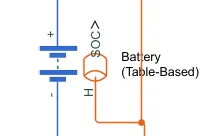
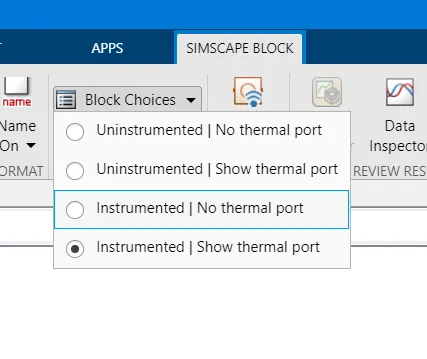
To activate the SoC and Thermal Property Click on the battery block then this SIMSCAPE BLOCK will appear then go to simscape block >> Block Choice>> instrumented | Show thermal port
Thermal Reference;

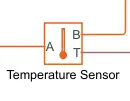
Temprature Sensor;
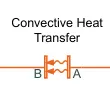
Convective Heat Transfer;
Tempratrature Source;
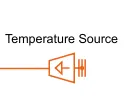
PS-Simulink Converter: to convert some physical quantity to Simulink data

Electrical Refrence;
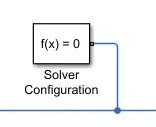
Solver Configuration;
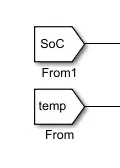
Go Block;

From Block;
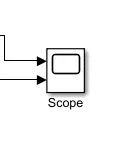
Scope for output waveform;
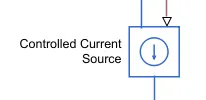
Controlled Current Source for Discharge the battery with some constant discharge current;
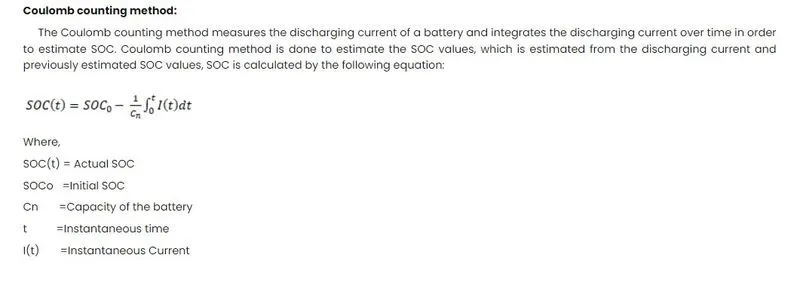
I have used this method in my project below;
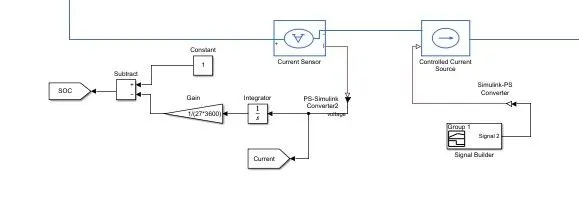
10 cell series lithium-ion battery schematic diagram:
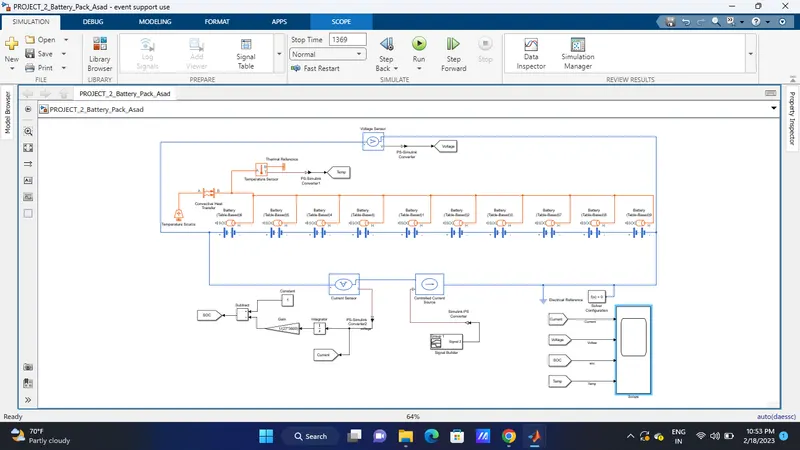
let Assume These are the different Temprature and lets see the result by the help of graph;
|
K |
degC |
|
300 |
26.85 |
|
330 |
56.85 |
|
360 |
86.85 |
|
390 |
116.85 |
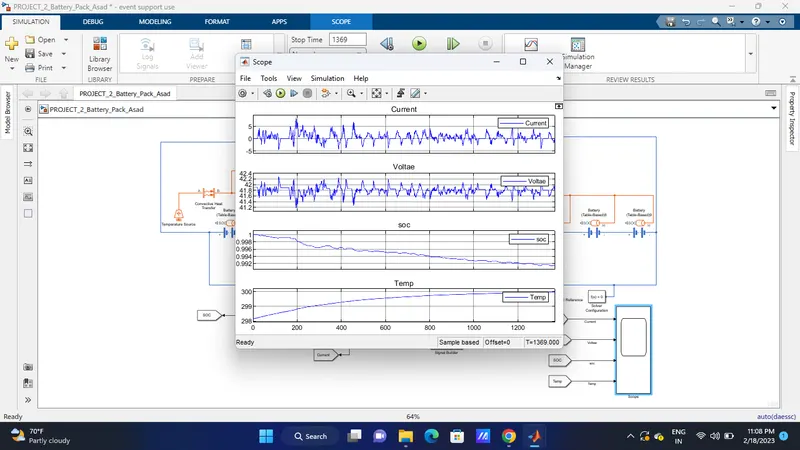
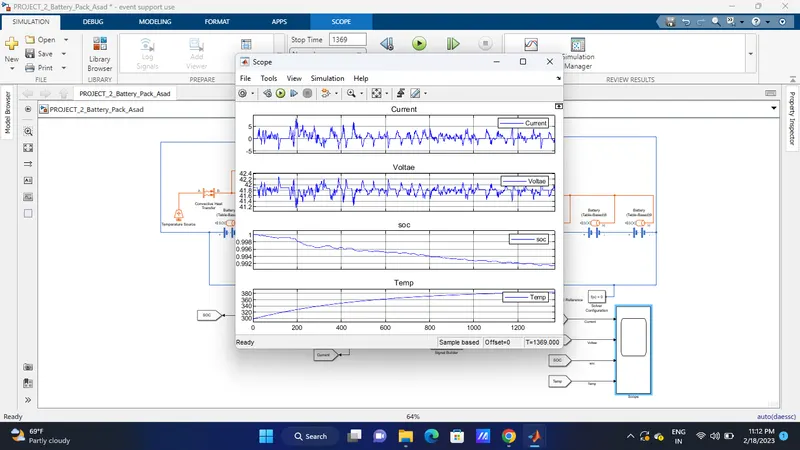
1. The Result on 300k temprature;
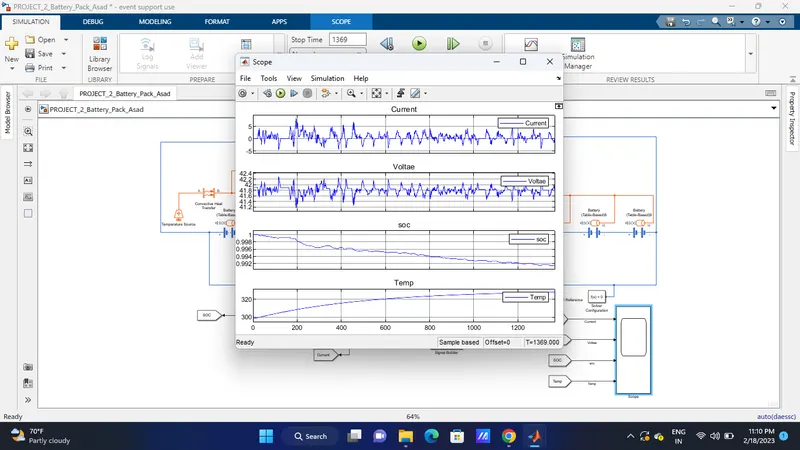
2. The Result on 330k temprature;
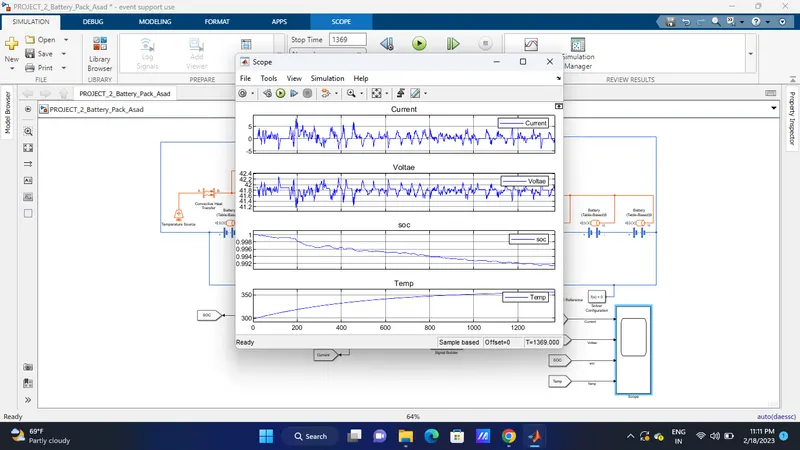
3. The Result on 360k temprature;
4. The Result on 390k temprature;
Conclusion;
As you can see the with the rise in temperature the SoC decreases which means that if we operate the battery at a high temperature than the rated temperature then the battery will discharge fast and the life of the battery will decrease accordingly.
Thank you;