Project 2 Thermal modeling of battery pack
Aim:- To Study an the thermal modelling of an the battery pack withh an the help of matlab and simulink
Objective:- For a 10 cell series lithium ion battery model, simulate the thermal effects and compare life cycle performance
at various temperatures, charge & discharge rates using MATLAB
Introduction:-
- so we are using an the matlab available model with an doing some changes in it as per the our requirements so the previous model should be like as belows, as this example shown has to be simulate a battery pack consisting of multiple series connected cell efficiently it shows the fault introduced in the battery as how to effects it all over the battery pack as the performance of cell on to the cell temperature identical series connected cells are not just simply model by the connectet in series instead of an single cell used and the nominal voltage skill uped by the no of cells fault is present by changing its internal resistance ,q cap etc as well as increasing its resistance value.
- here are do the some changes to obtain an the output to our requirement so th some changes as we are done as belows, to obtained an the results
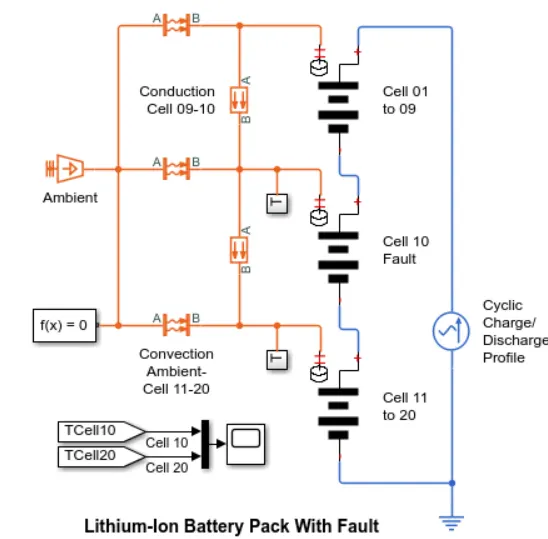
Simulink model:-
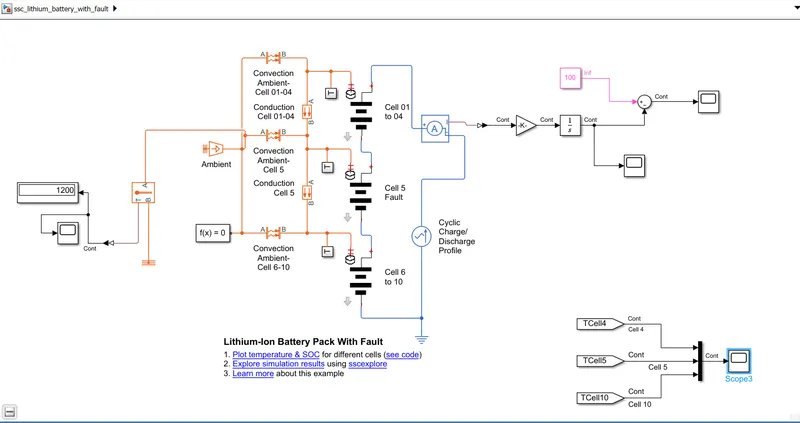
- it is an the model of the cells connected in the series as the 10 cell are connected in out of which the cell no 5 is faulty at which means it has an the 5% less efficient. for an the simulinkfinding the thermal effects and the life cycles performance related to the temperature as charge and discharge as the conduction and convetion blocks are used to heat transfer takes an place in battery pack
- lithium ion packs with fault is to simulate pack consist of an the cells connected in series to voltage up as well as the fault reperesent by the changing an the parameters for cell no 5
Hows connection changes:-
- as an the cells are connected such that the 10 cells - 3 module as an single pack of battery as an the 1st module as 4 cell in series ,2nd modile haas an the 1 faulty cells , 3rd module as have an the 5 cells in series connected
- design as fopr study purpose to observ within the battery pack the heat transfer be packs by an the conduction ,and convection blocks which are modes of heat transfer
- as well as the temperature module also to be connected in that case to plot an the temperature graph of the cell of an that perticular battery pack
- also it has an the ambient temperature source is attached and also the thermal sensors also to indicates an the value to sensor display
- as in this battery pack ac source also connected to observe an the cyclic charge and discharge rate graph
- also we can added an the sensors for an the current measures for an the soc and discharge also as all the cells are located indicating an the temperature cell no of the 4 , 5 and 10, as the result will be store at an the simscape result menu.
What is an cell:-
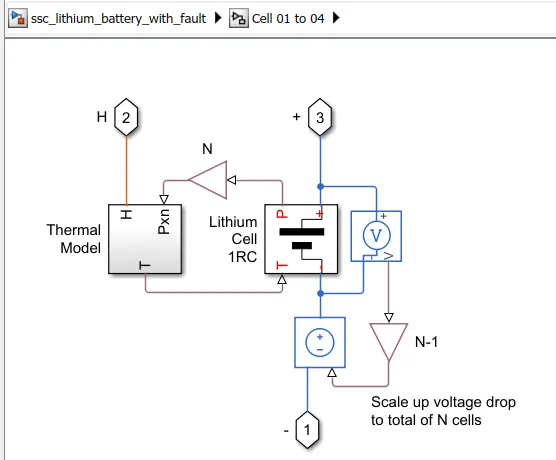
- so it is an the only subsystem of an the cell module which having an the thermal model and the RC cell which can be an calculated as an the temp and the thermal effects for the cells and overall calculate an the the battery pack.
- the blocks are inside an the cell subsystem are the ps gain blocks which are an the multiple the inputs physical signals by an the constants y=u*gain, another blocks are the voltage and the current sensors
THERMAL MODEL
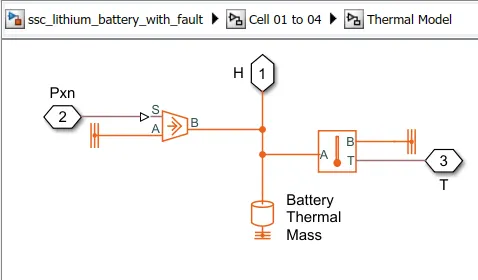
- it is an the thermal model system controlled flow rate heat source which is controlled an the temperature as well as an the temperature sensor for an the scope output
LITHIUM CELL RC
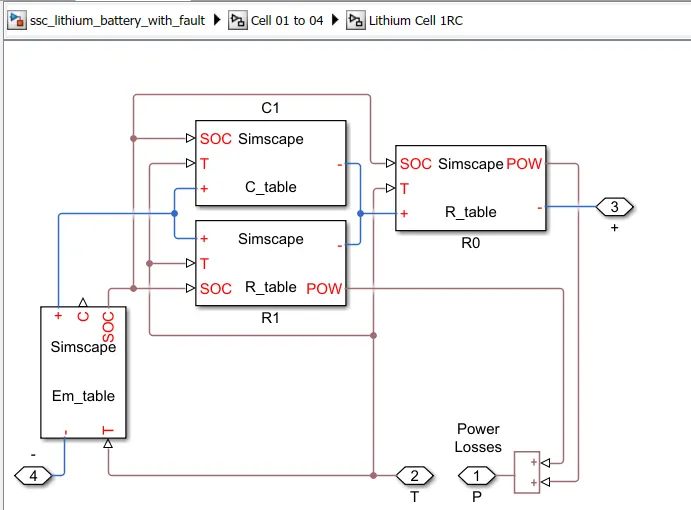
- lithium cell RC circuit for an the it is for an the calculate the temperature and the thermal effects in it the inside block is the ps block in which the multiples an the inputs physical signals by as an the constant= u*gain another block will be an the current voltage source and the current sensor are placed in that ckt as the cell has own rc characterstics so we can add this characterstics by an the table
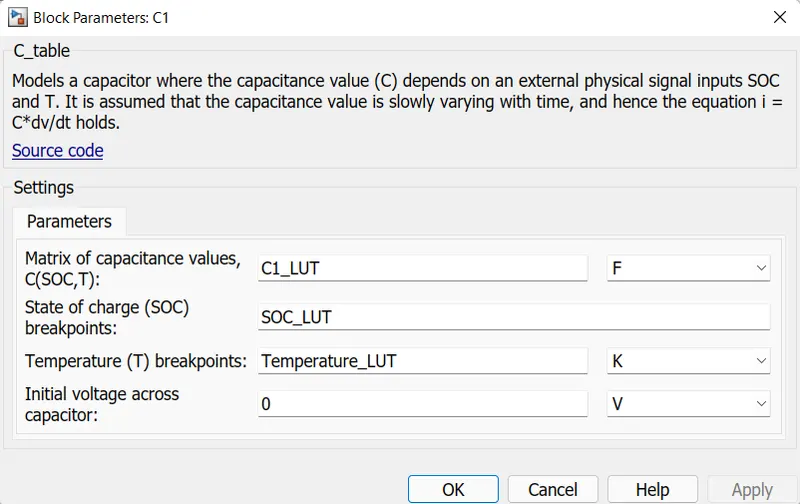
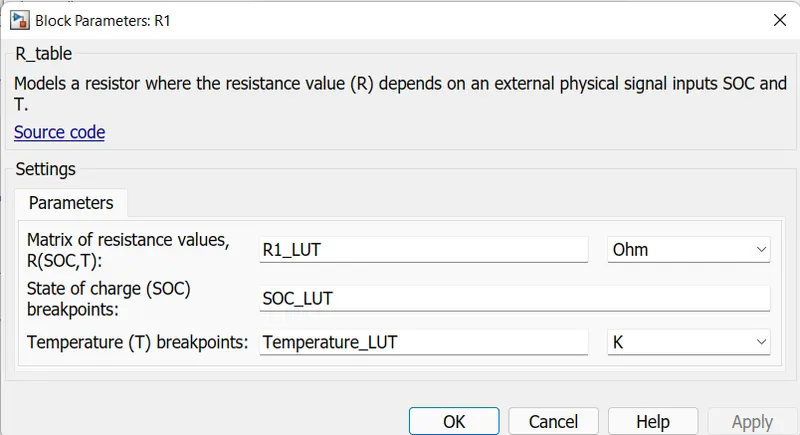
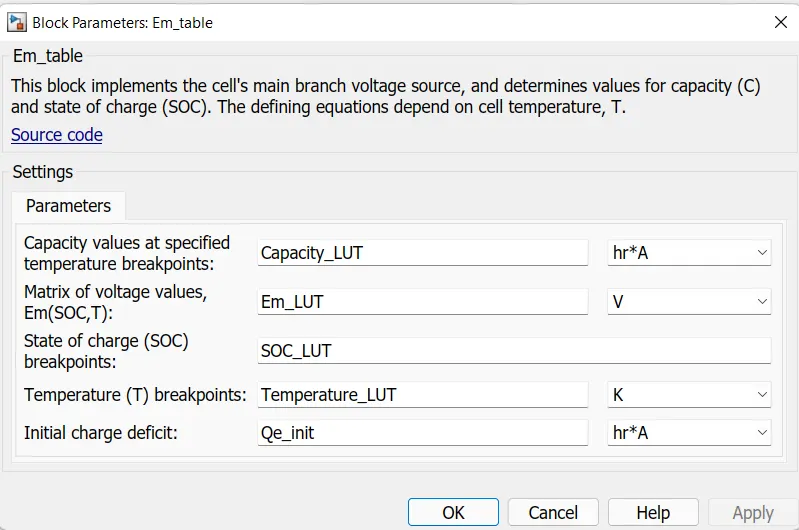
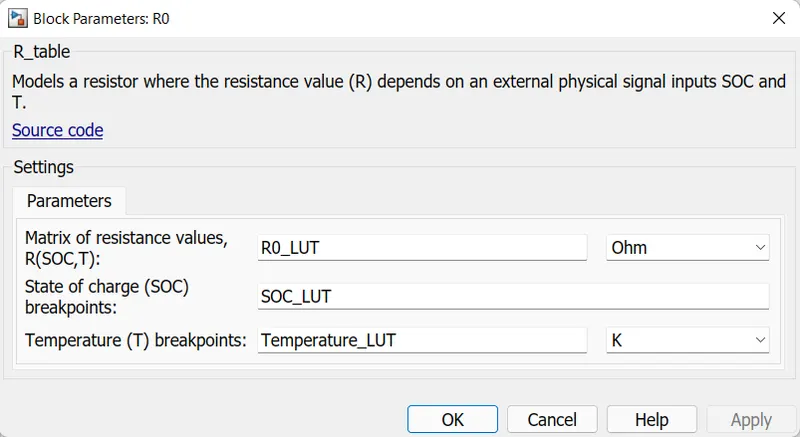
- as this are the paraameters should be consuder as the these are an the inputs to the cell are give as above
Components:-
1]cell:-
- as from an the above we all know that the cell how to be used and their internal construcion a as well as how to construct or configures their parameters so as an below is the how cell can be configured in it.
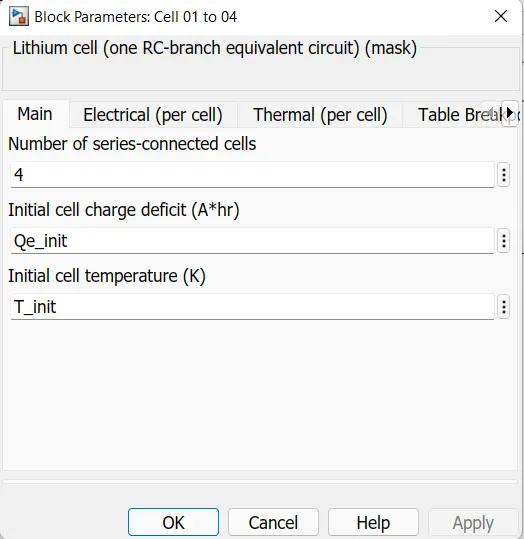
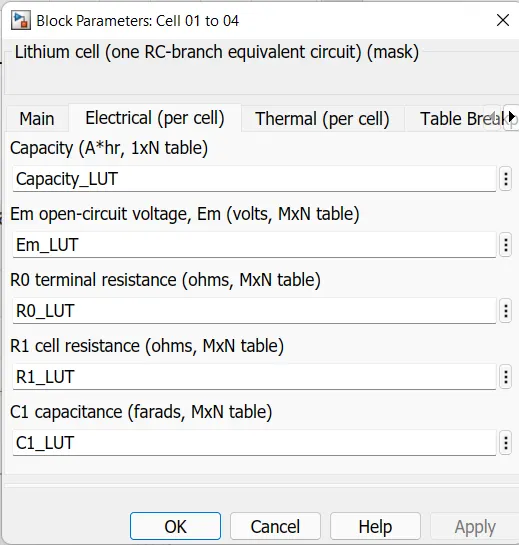
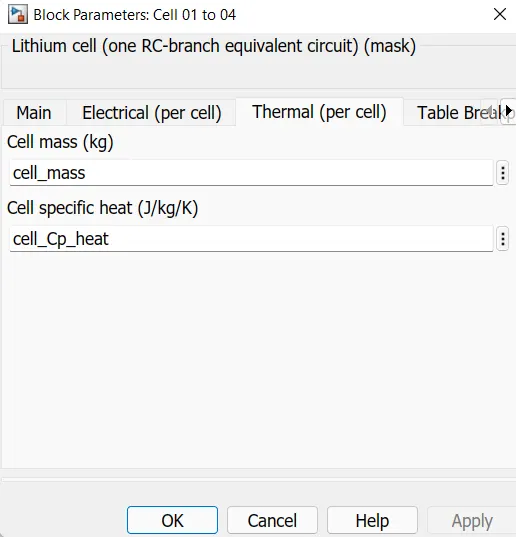
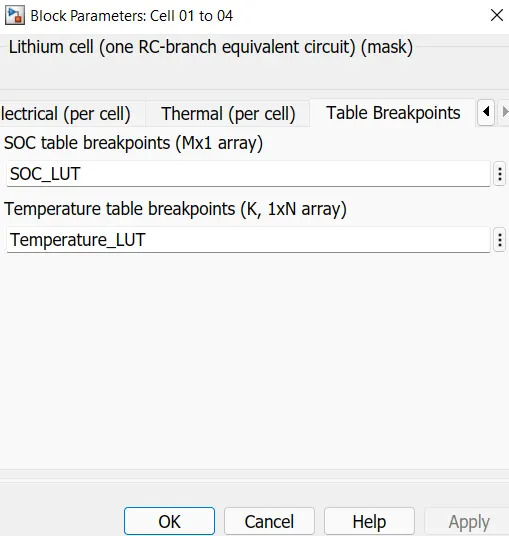
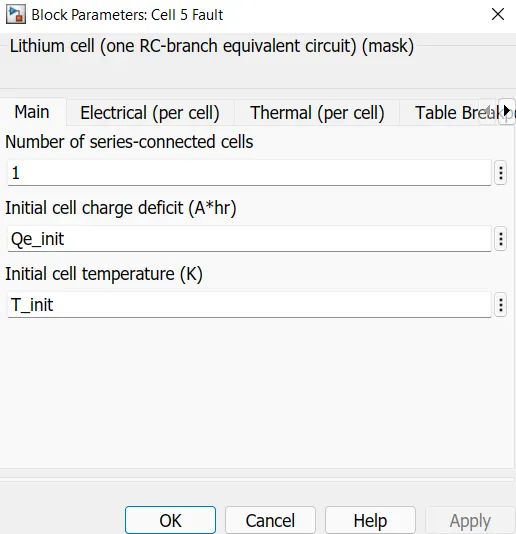
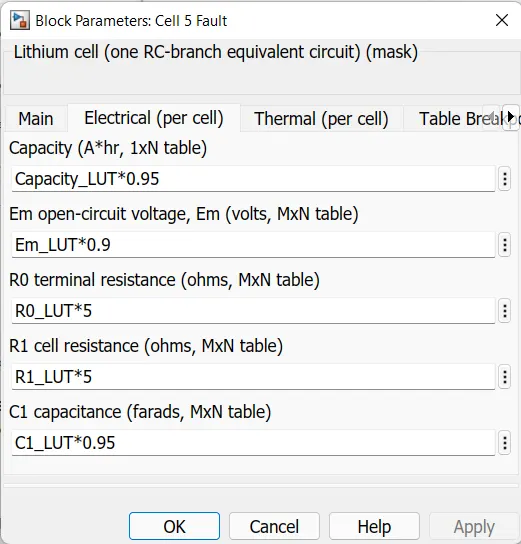
- but as all the data sa an the capacity, voltage, thermal , cp heat ,soc all the data should be in the workspacea as an the base workspace and other example it may be stored as belows
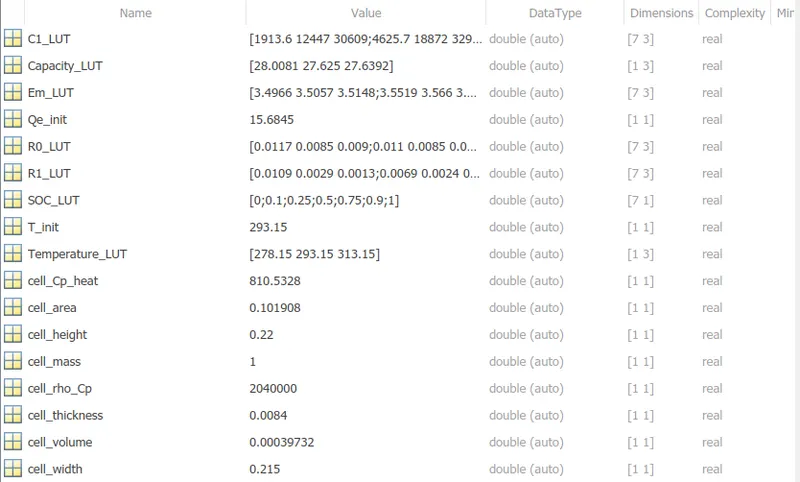
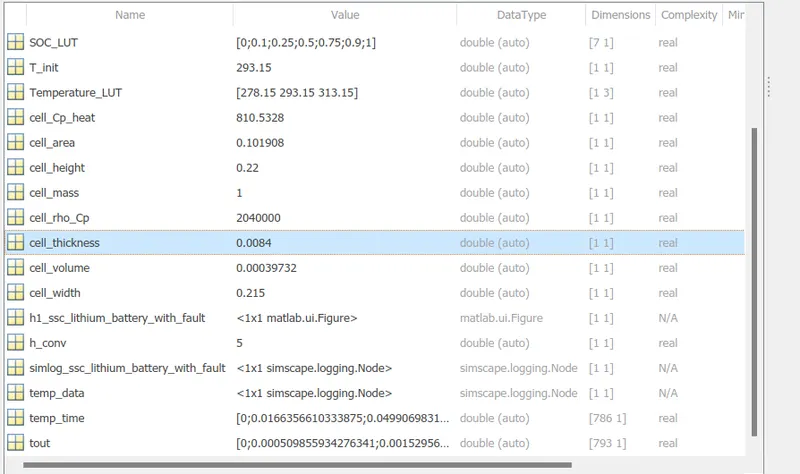
- as an all the data in that workspace and that data we can used radially as the 3 packs can be used in the battery
B]Ambient:- as the another is the temperature source as in that case the we creat an the ambient condition as to check an the behavior of an the battery if we give input as an the temperature.

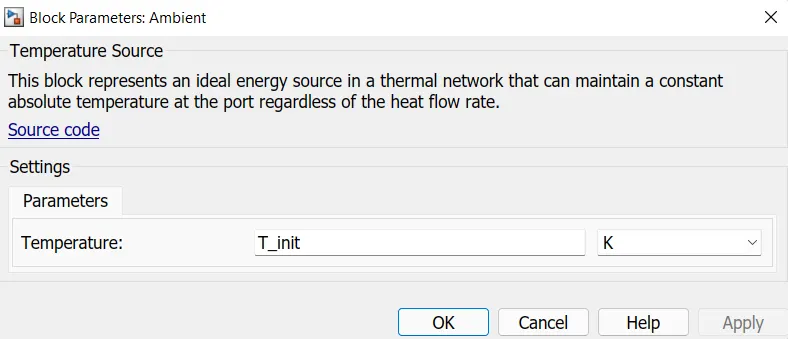
- thus we are creat an the ambient conditions in that case
C]Temperature sensor
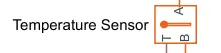
- as an the temperature sensor it is an nothing but an the it senses the temperature as an the ambient temperature and it given to the output as the scope,and the display.
-
This block measures temperature in a thermal network. There is no heat flow through the sensor. The physical signal port T reports the temperature difference across the sensor. The measurement is positive when the temperature at port A is greater than the temperature at port B
- as the B point can be common or an the referance can be connected so to takes an the thermal referance.and the temperature is the sensor point in that conditions. T=TA-TB
D]Conductive Heat Transfer:-
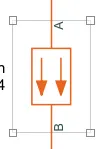
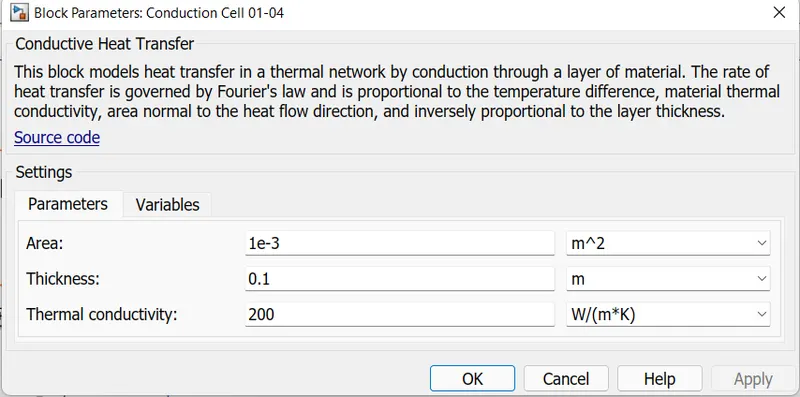
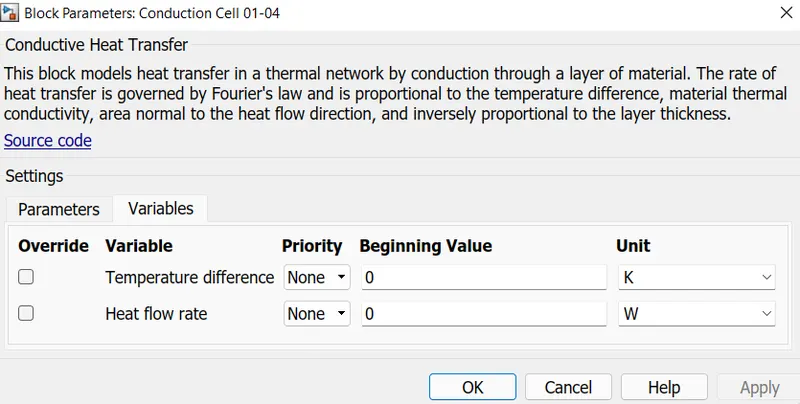
- This block models heat transfer in a thermal network by conduction through a layer of material. The rate of heat transfer is governed by Fourier's law and is proportional to the temperature difference, material thermal conductivity, area normal to the heat flow direction, and inversely proportional to the layer thickness
- as all we know that we can transfer the heat by the conduction, convection and the radiation method so in all that case the heat can be transfer and we gets all the data
E]Convective heat transfer:-
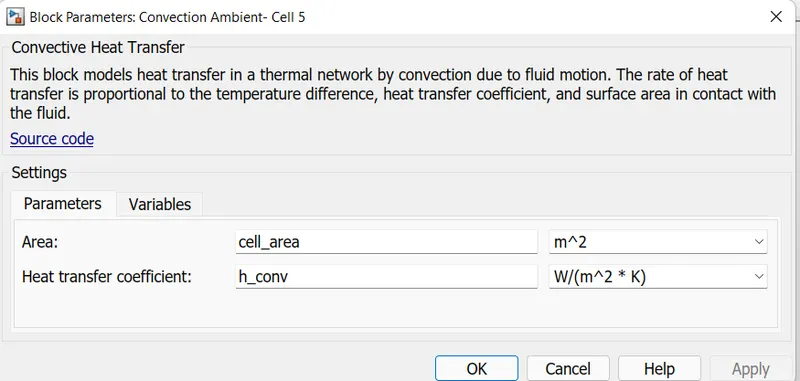
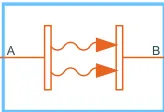
- This block models heat transfer in a thermal network by convection due to fluid motion. The rate of heat transfer is proportional to the temperature difference, heat transfer coefficient, and surface area in contact with the fluid.
- as if we are consider as an the liquid active cooling direct so it can give the temperature information about all of that it is an the convetional heat transfer. Q=K.A.(TA-TB)
- Q-Heat flow , K-convenient heat transfer coefficient , A-Surface area , TA and TB = diffrent temperature of bodies.
F] Current sensor:-

- it senses an the current from an the battery and then it gives its senses data to the soc finding throgh the state of charge by an the gain block which shows an the battery coloumb capacity
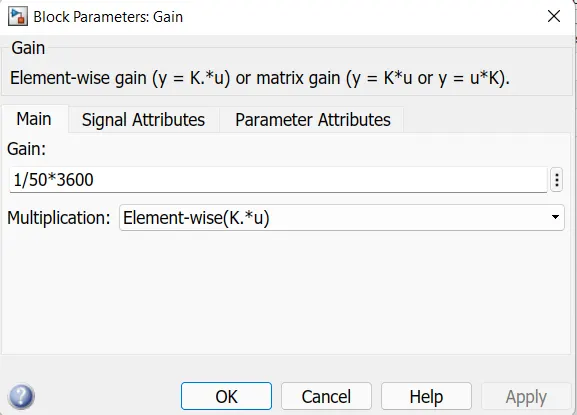
- as from an that case the it has an the 50ah capacity with an the converts to coloumb cap so multiply by an the 1hour seconds and we get an the soc and dod also as from the below connections.
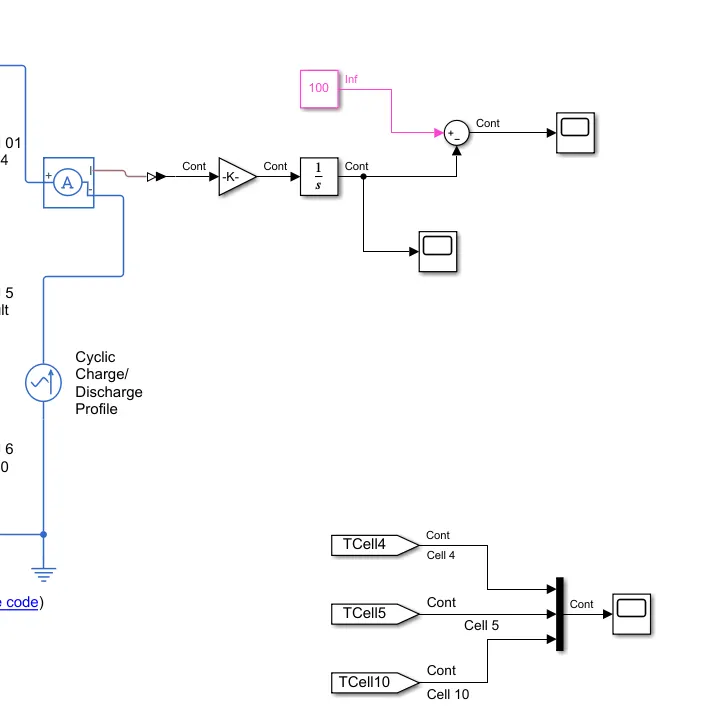
- as well as it has an the data as the input is given as the ac source for the charge as well as an the discharge, in that case
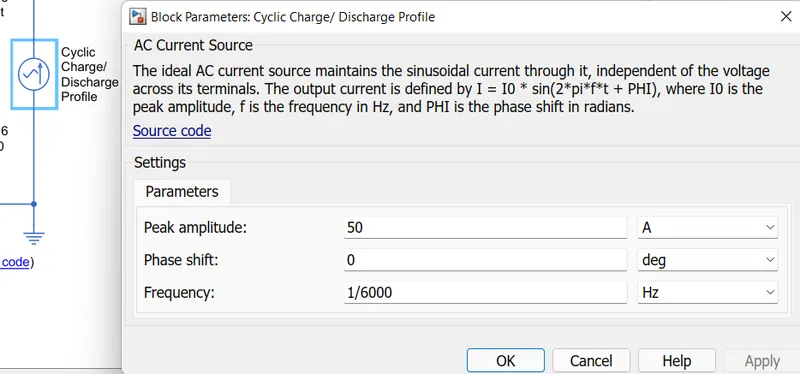
- as the charge discharge profile were the frequncy it so less because we haves an to annalyse it is 1/6000
so by using all of these components for an the model, we can makes the model so we can starts an the simulation and checks for an the results as belows but we folows an the some steps as changing an the some temperatures and then checks the results.
so we haves an the some test cases as belows:
| case | ambient temp | temp(K) 1to4 | temp(K) 5 faulty | temp(K) 6to10 | observations |
| test 1 | 299.1 | 299.1 | 299.1 | 299.1 | equal temp |
| test 2 | - | 312 | 299.1 | 312 | fault cell min temp |
| test 3 | - | 310 | 320 | 330 | low to high |
| test 4 | - | 330 | 320 | 310 | high to low |
| test 5 | - | 310 | 380 | 310 | fault cell max temp |
RESULTS:- so as an the checks the conduction,convetion and the charge discharge rate at an the simulation in simscape as belows
Test case 1:-
- Temperature
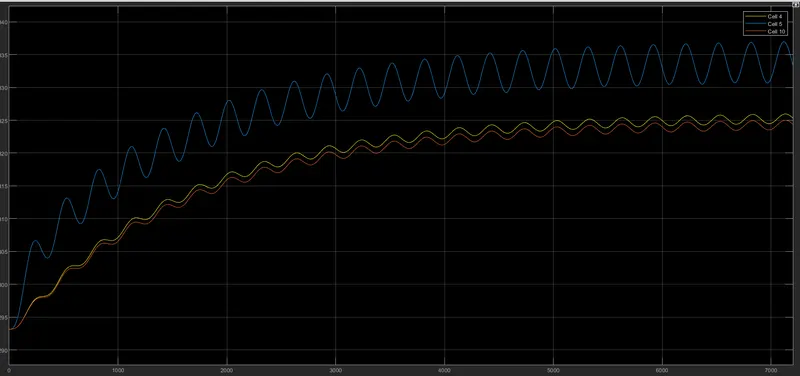
- so as an from the temperature as all we know that the cell no 5 will be haves an the faulty cell so in that conditions as well as the cell no 1 to 4 and 6 to 10 have also some diffrence as an the due to its no of capacity as well as their placement also
- SOC(state of charge):-
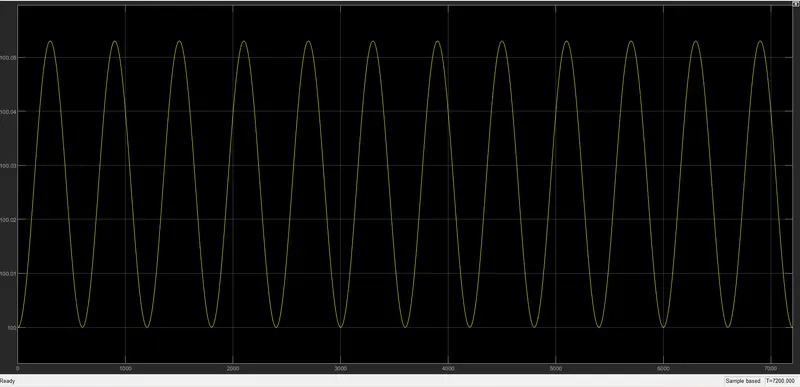
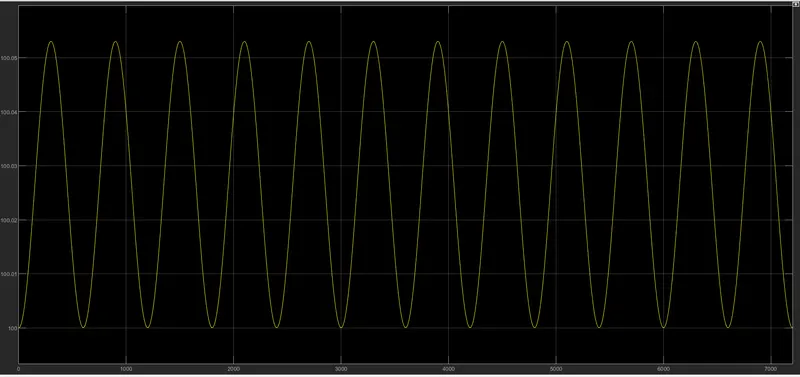
so as same as due to contineous charging and discharging we get an the following sinusoidal waveform in it we can achoeve an the more than the 100 soc
- conduction:- its an the heat flow rate and the temp diffr wrt time.
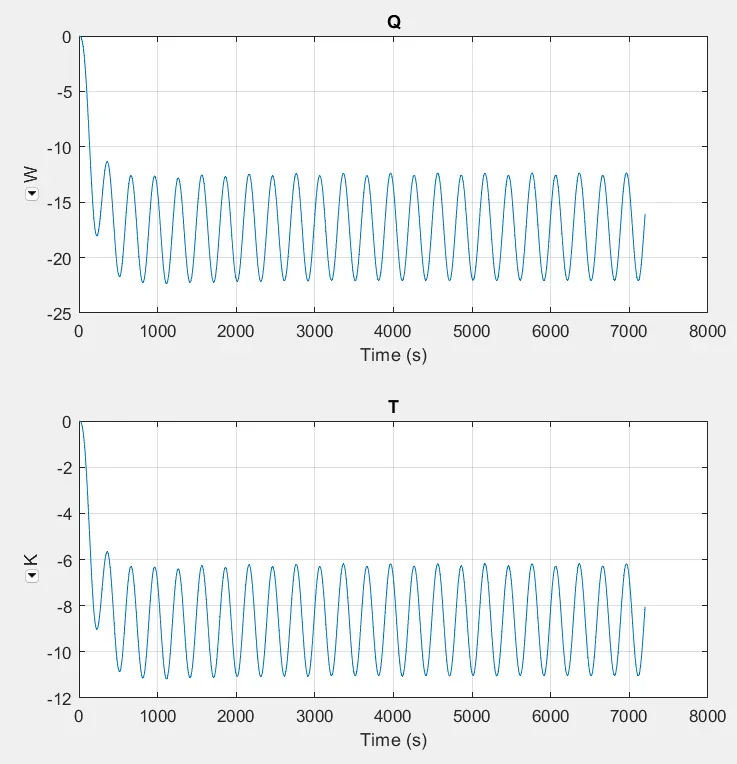
cell 01 - 04 :- as an due to the cell having an the heat flow and the temp diffrence as due to the oscillating rate is high so the it starting from an the 0 and turn at -ve value so the heat transfer coefficient is -21.32w/m^2k),and the thermal conductivity is -10.66w/m^k
Cell no 5 conduction:-
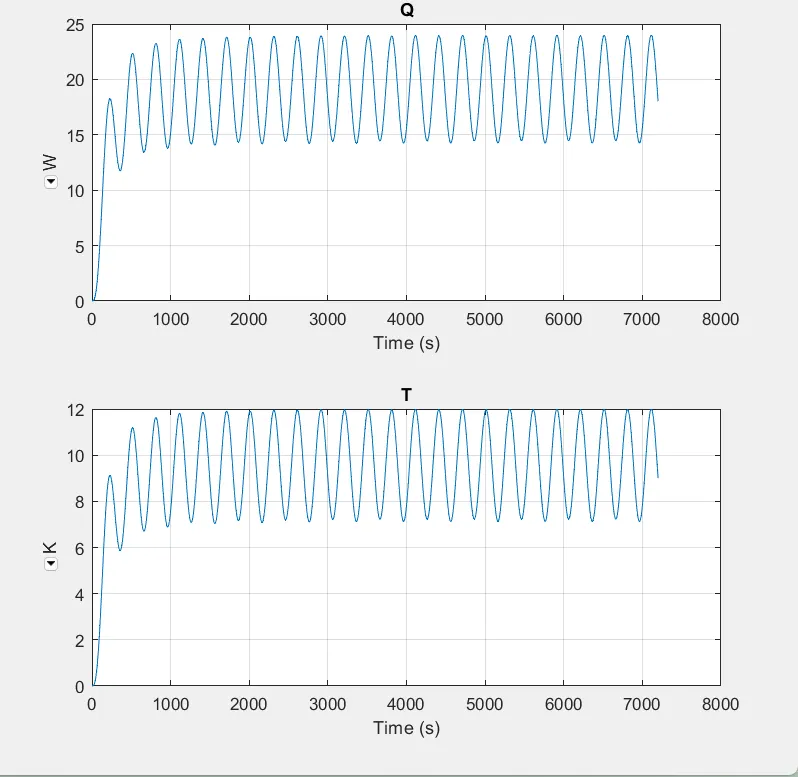
as an the faulty cell so the its starts from 0 and reach to the 23w/m^2k so it heat transfer coefficient is the 23w/m^2 and the thermal conductivity is 12w/mk
convection:-
it is an the process of an the heat transfer by the bulk movement of molecules in forms of an the gases or liquids
For cell 01-04
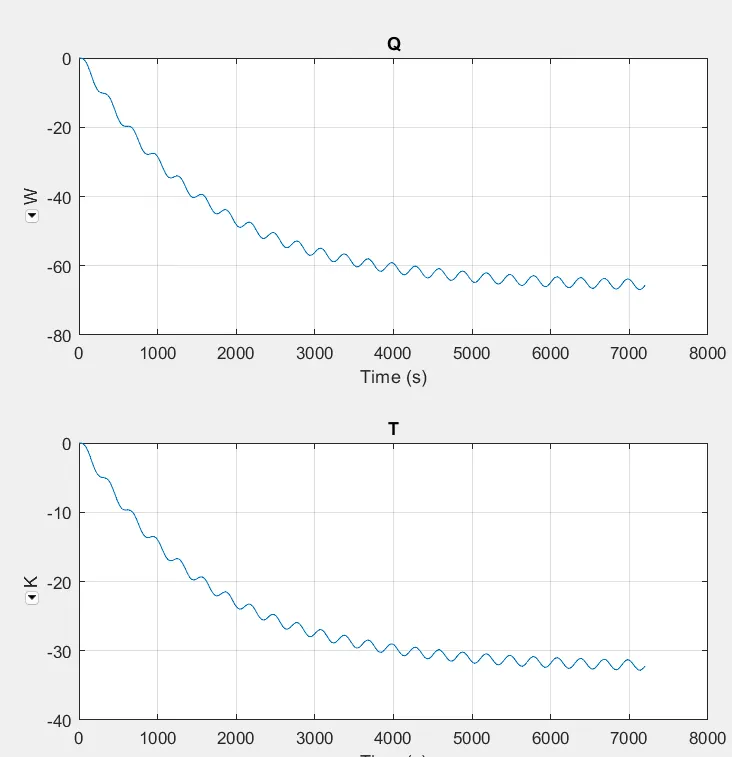
so the convetion the oscillating are low and the much pretty so low much dropping into an the nagetive aone as the end of an the simulation as the final values for so heat transfer coefficient is -66w/m^2k and the thermal conductivity is -32w/mk
cell no 05
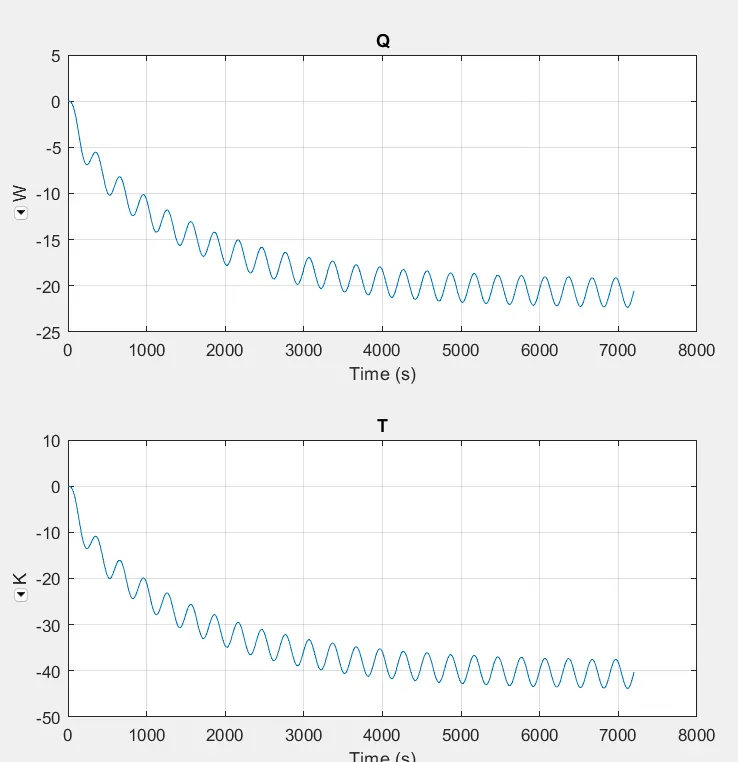
as an the faulty cell so it has an the thermal conductivity 0f -45w/mk which is more and the heat transfer coefficientis is -25w/m^2k
cell no 10 convetive
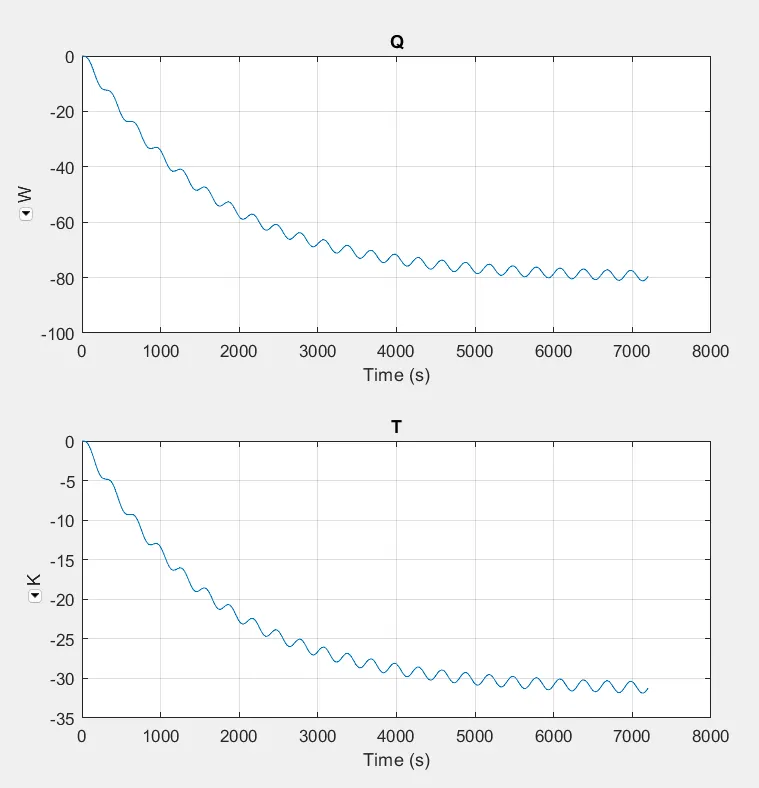
as it is near to the cell no 1 to 4 as the heat transfer coefficient is -80 w/m^2k and the thermal conductiovity is -32w/m^2k
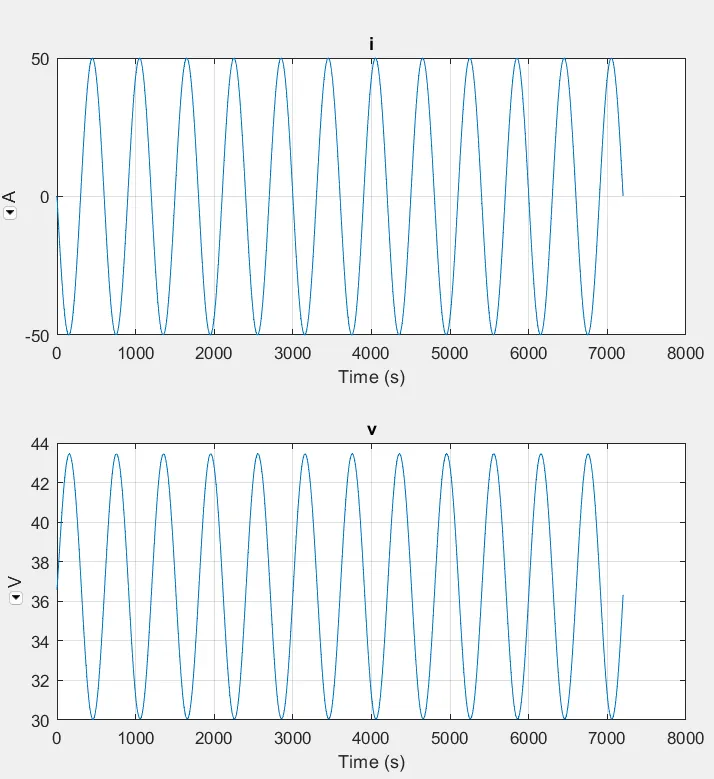
so as well as the charge discharge current will be same as the +50 to -50 ampere and the voltage at an the 30 to 43v
test case 2

State of charge:- as an only an due to change in the temperature it does,t effects the state of charge of whole battery
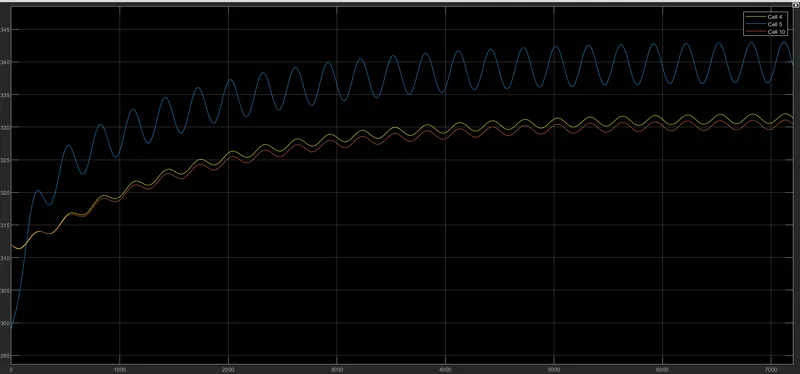
Temperature:-as well due to change in the temperature as the faulty cell has much temp as we put the faulty cell as an the minimum temperature so it give the output as belows
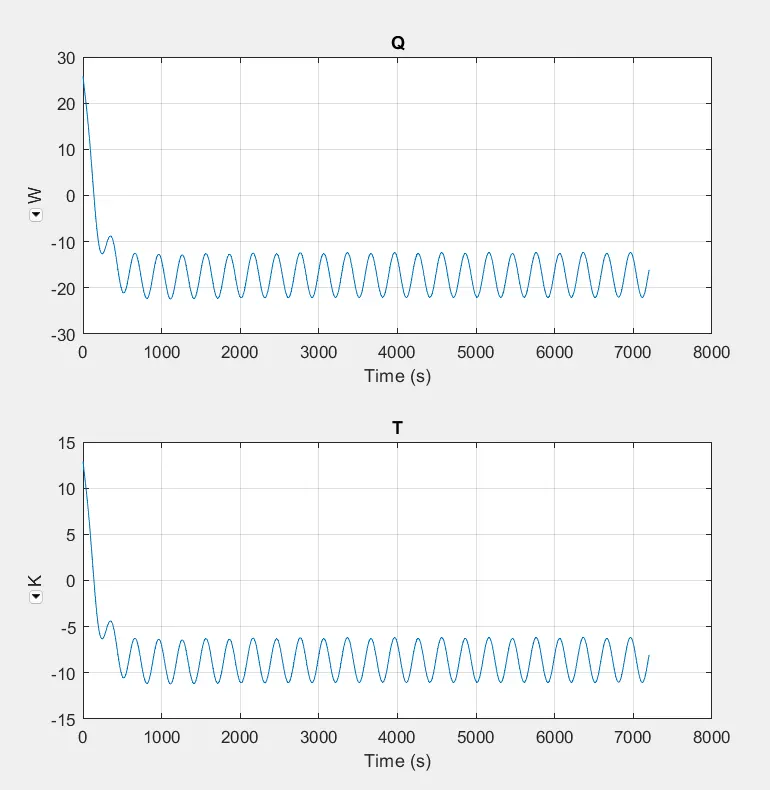
conduction of cell 01 to 04:- as an the cell conduction as an due to putting an the cell 01 to 04 more as compare an to the faulty cell so it has an the heat transfer coefficient is -22w/m^2k and the thermal conductivity is also an the -11w/mk
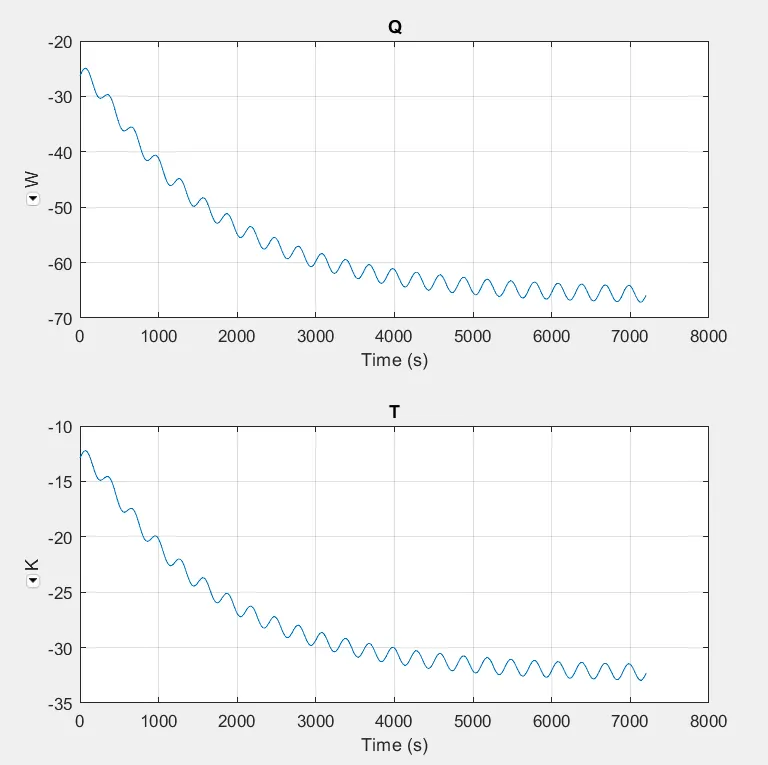
convetion of cell no 01 to 04:- as the right side of the cell as an the due to the convetion as it has an the heat transfer coefficient of the -66w/m^2k and the thermal conductivity is -33w/mk which are the 3 times less than the conduction.
conduction of cell 5:- as due to the faulty cell its heat transfer coefficient as due to low temp start at the -22 but ends at an the 22w/m^2k as well as the thermal conductivity is from -11 to the 11w/mk
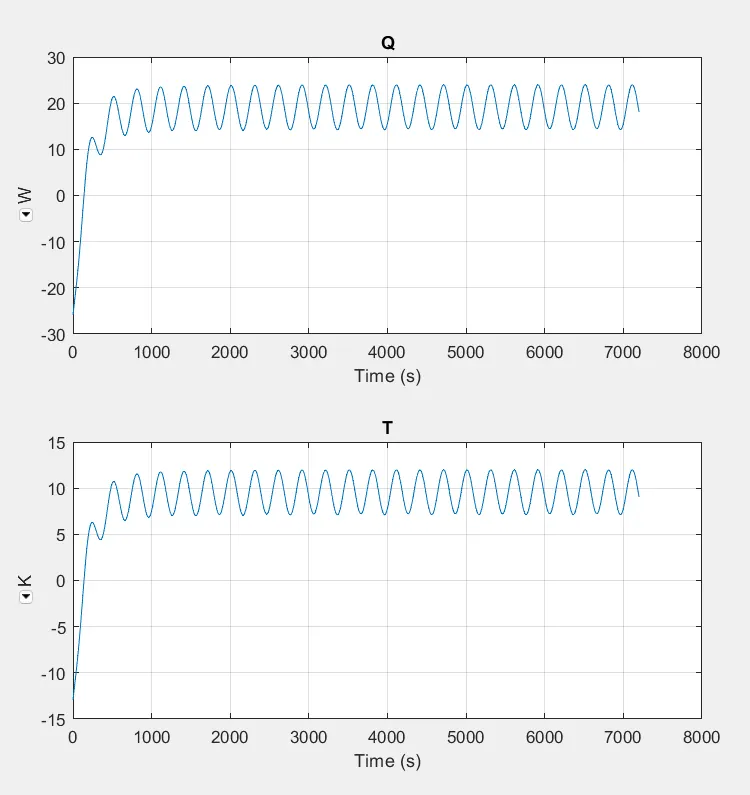
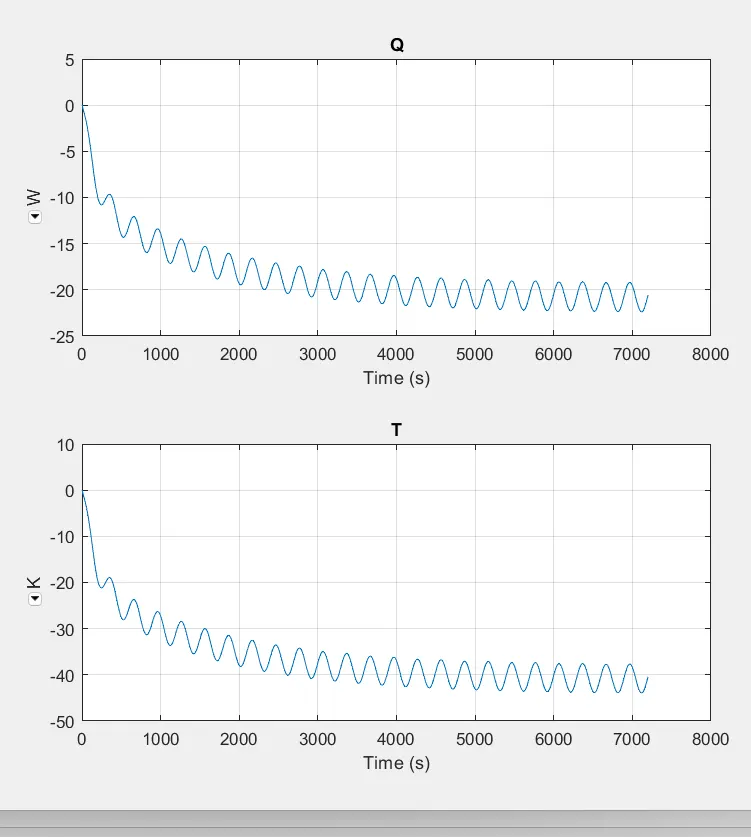
convetion of cell 5:- as an the same as an the conduction here is an the convetion so as an the faulty cell its het transfer starts from an the 0 to -22w/m^2k and the thermal conductivity is at an the 0 to -42 w/mk in that case
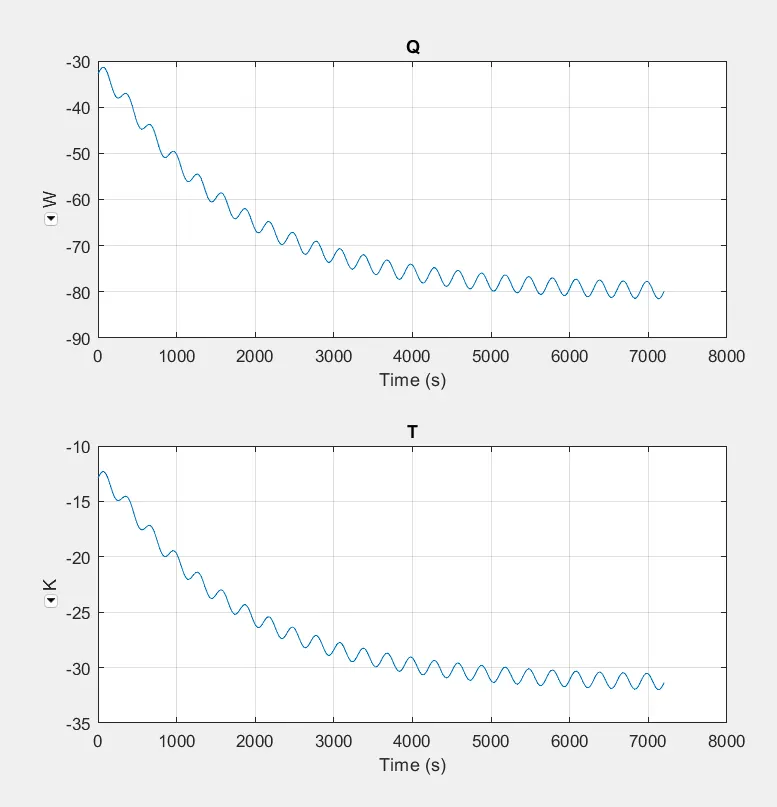
Convective cell 6 to 10:- as we are compare it to the 1 to 4 cell it has jusst some diffrences due to an the its no of cells as it starts heat transfer coefficient from -31 to - 80w/m^2k , and the thermal conductivity from an the -12 to -33w/mk as it is near to same thermal conductivity but only an the rate is less
test case 3:- low to high

SOC:- as the state of charge remains at an the constant place as due to it does, affects the much ore on charge and discharge
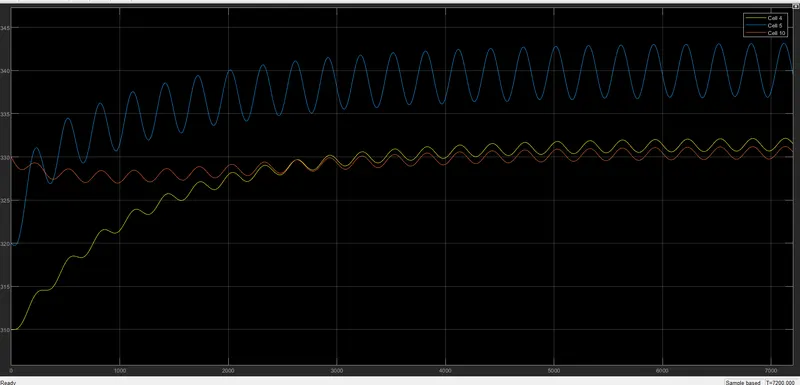
Temperature:-as an the due to diffrent temp as low to high as the normal cell try to match but the faulty cell always at an the highside or upside
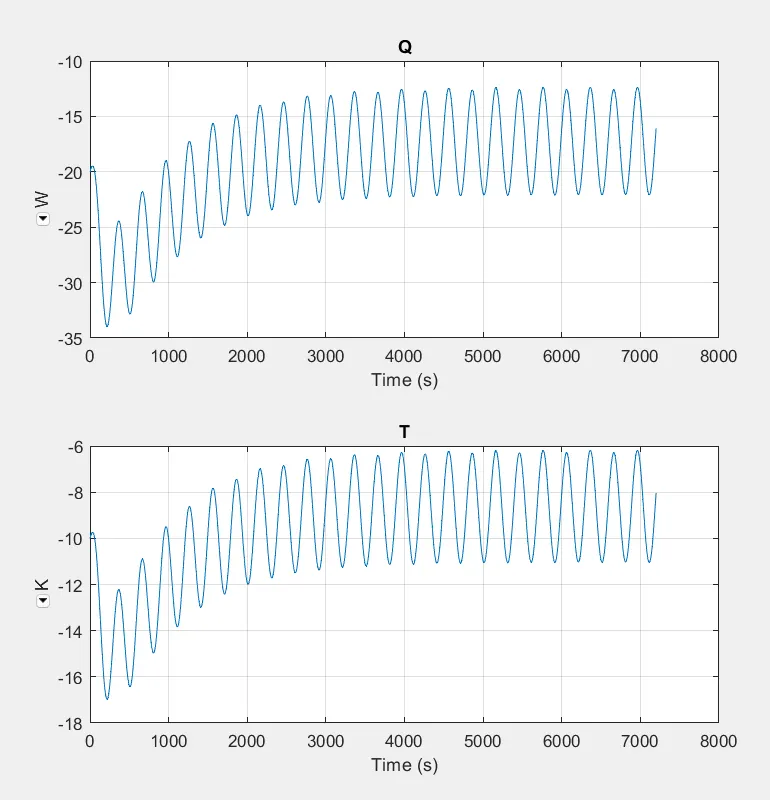
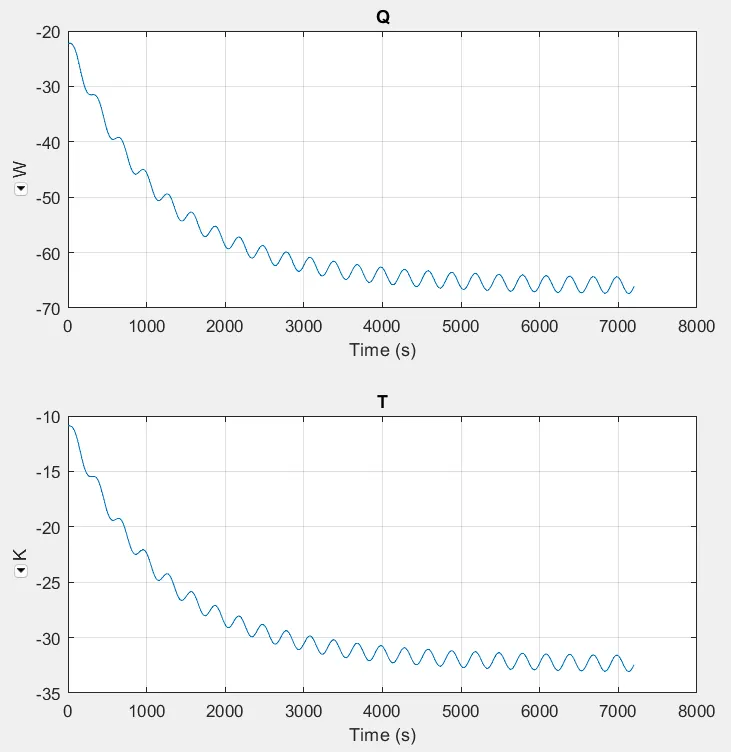
Cell 01 to 04:- as from above
Cell 01 to 04 conduction:- as an due to less temp so it start heat transfer coefficient at an the -20 to then increases and then decreases as from an the temp we get that after the 2000 sec it try to match the temp as the rate also can be match at -20w/m^2k and the thermal conductivity as -10 to -7 w/mk
Convetion cell 01 to 04:- as compare to the conduction the rate of heat transfer will be start near to -20 as same but the it end at -67w/m^2k which is much less and the thermal conductivity is an also to be -10 to -33 which is also an lesss as compare to the conduction
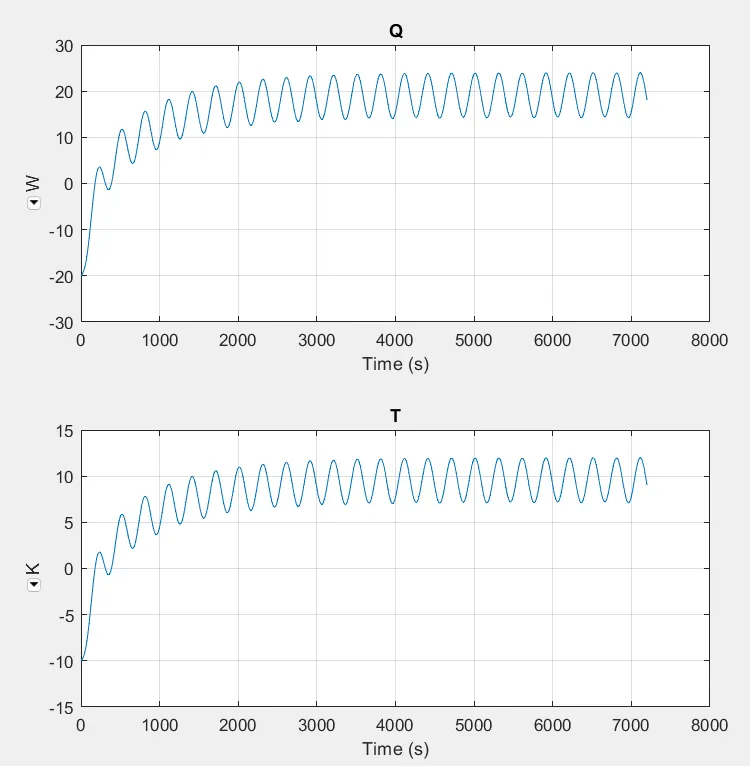
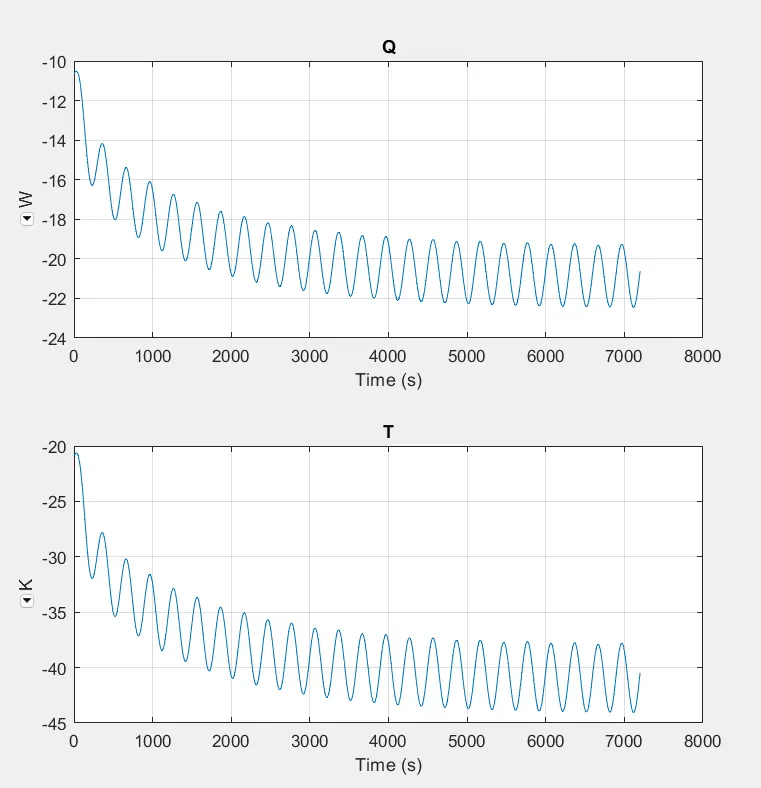
Cell 5 faulty cell:-
Conduction of cell 5:- as an due to the low to high its start an the heat transfer coefficient as same as cell no 1 but due to an the only faulty cell it goes in +ve as 20w/m^2k , and the thermal conductivity is at an the -10 to 11 as an the only 1 cell but due to faulty as it has same start point with compare to an the cellk 01 to 4 pack
convetion of cell no 5:-as an due to the its rate of heat transfer as the heat transfer coefficient will be same as -ve 10 but due to convetion it ends with an the -22w/m^2k, and the thermal conductivity as -20 to the -20 to 43w/mk as from an the above
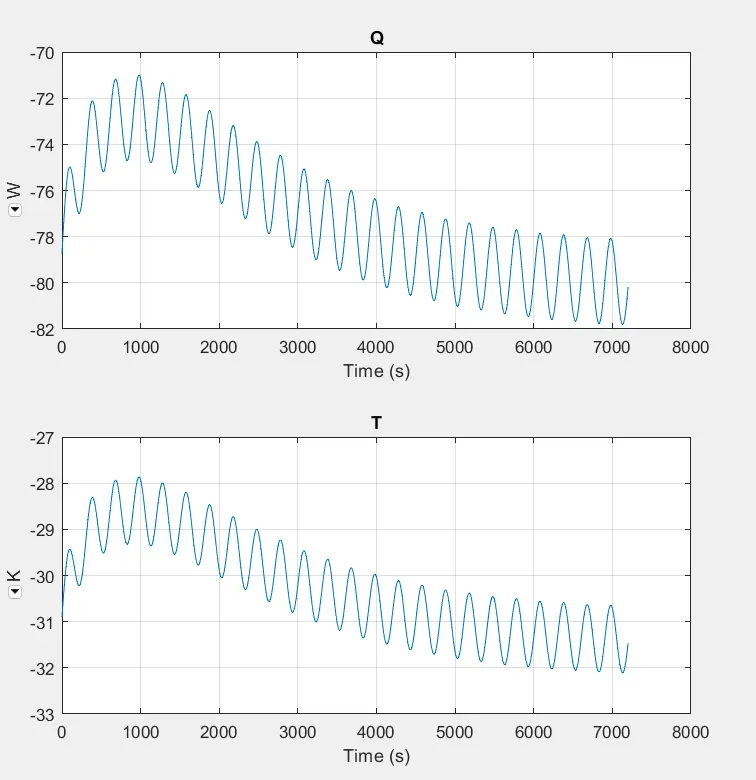
cell no 6 to 10:- as the left is cell no 6to 10 and rightside is 1 to 04 cells so as mainly diffrence is the voltage across it as the cell 1to 4 is less vtg and other is high voltage
convetion of cell 6 to 10:-as an due to the more voltage it starts at an the -20 and ends with an the -15w/m^2k this is due to the cell balancing starts as the cell try to match the thermal temp, as well as the thermal conductivity at an the -10 and end at -7 which is increases after an the some time.
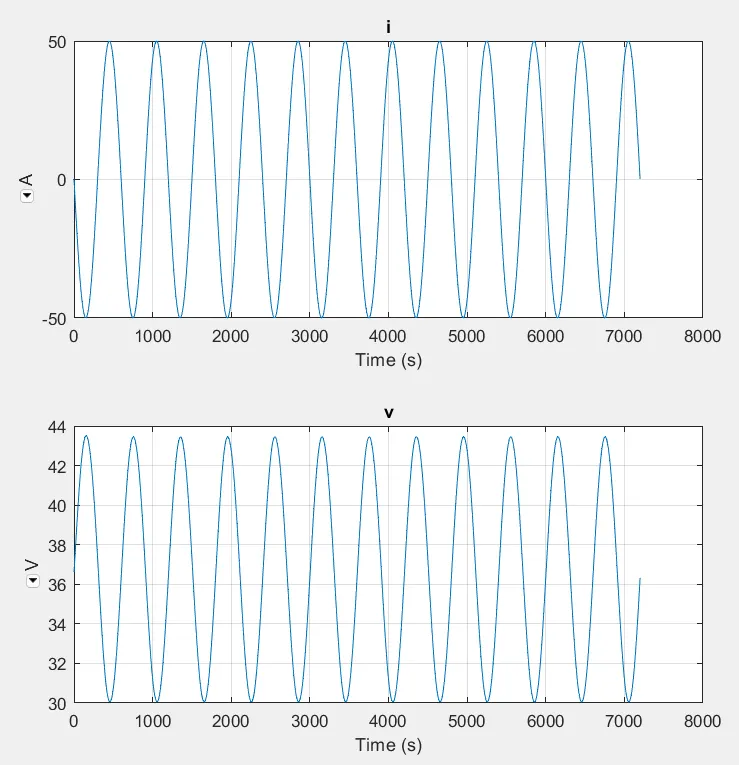
cyclic charge /discharge:- as well as an the due to the diffrent voltage so it runs at an the current at -50 to 50 ampere and the voltage also can be 30 to 43volts
test case 4:-high to low temperature.

SOC:- as the state of charge charge and discharge cycle are remains the same only as an the state of charge will be same as it goes beyond the 100
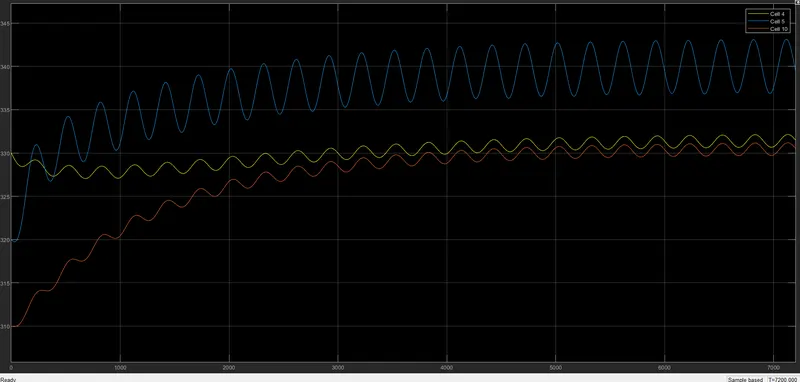
Temperature:- as an the due to the temp inputs as the cell no 4 has an the more temp so it has more temp at an the start but after some 2000 sec it start balancing or matching with an the cell no 6 to 10 and they run linearly in others hand the faulty cell which has at an starting med temp after an the some time it has the more temp as an compare to the others two cells.
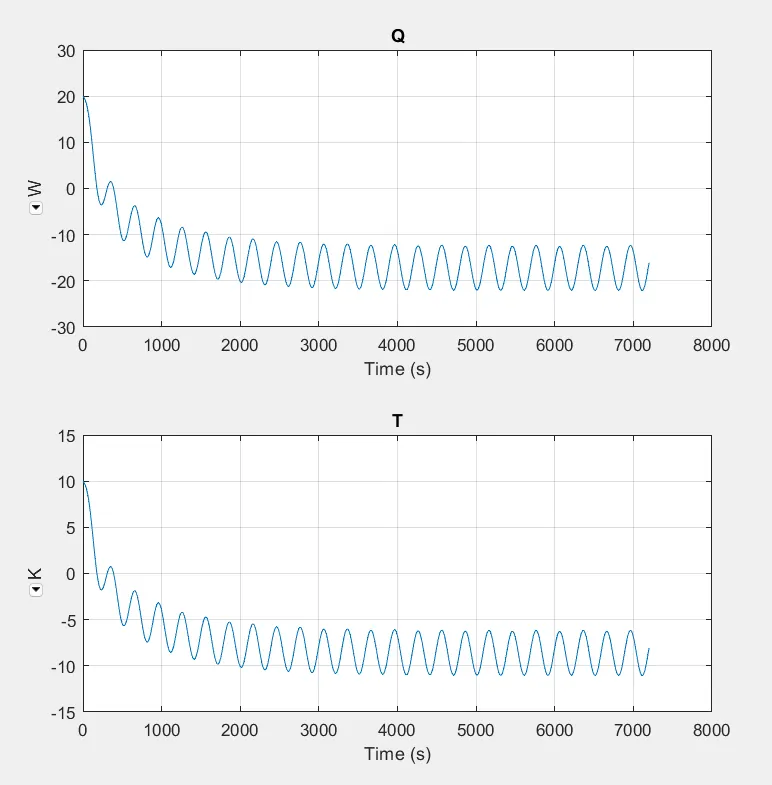
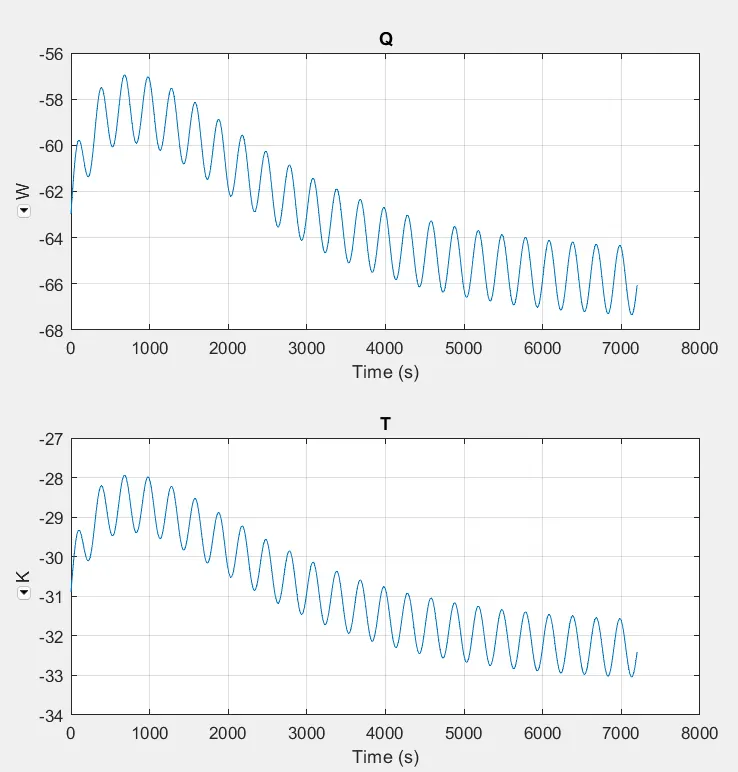
Cell 01 to 04:-
conduction:- as in that case as the high voltage cell so at an start it has an the heat transfer coefficient will be more as 20 but after an the some time as 2000 sec it temp reduces as it dissipiates so at that time its heat discharge coefficient will be an the -20w/m^2k, as well as the thermal conductivity start at 10 but after an the some time it goes to the -10w/mk as an the after the some time .
convection:-as an the diue to the high temp its heat transfer coefficient will be as an the -62 but to exhaust all heat it reached to the -56 but after certain sec or after an 2000 sec it goes to the -69w/m^2k as the thermal conductivity also follow the same path as the at start it as an -30 but after an the some time it try to exhaust all the heat and reached to the -33w/mk thermal conductivity rate.
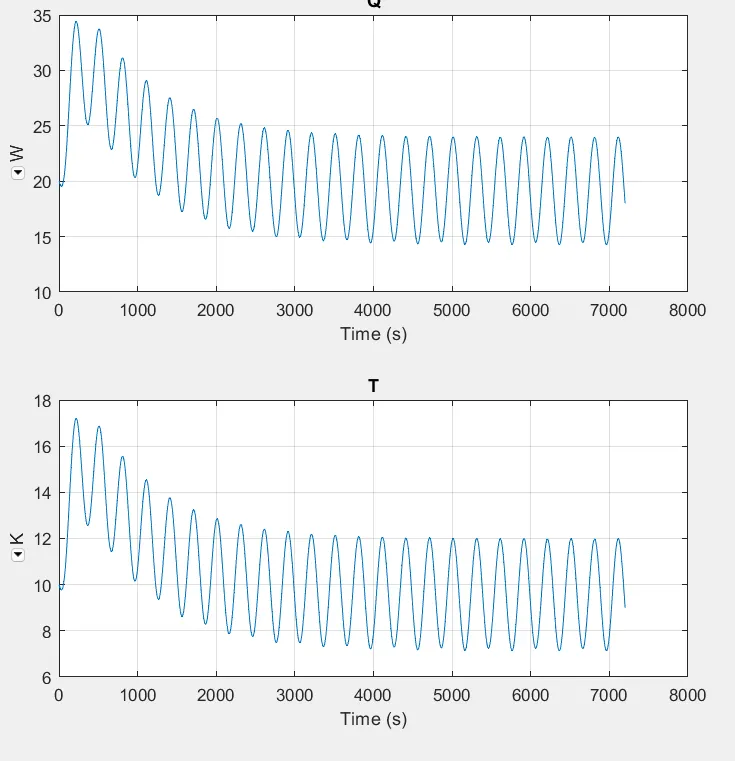
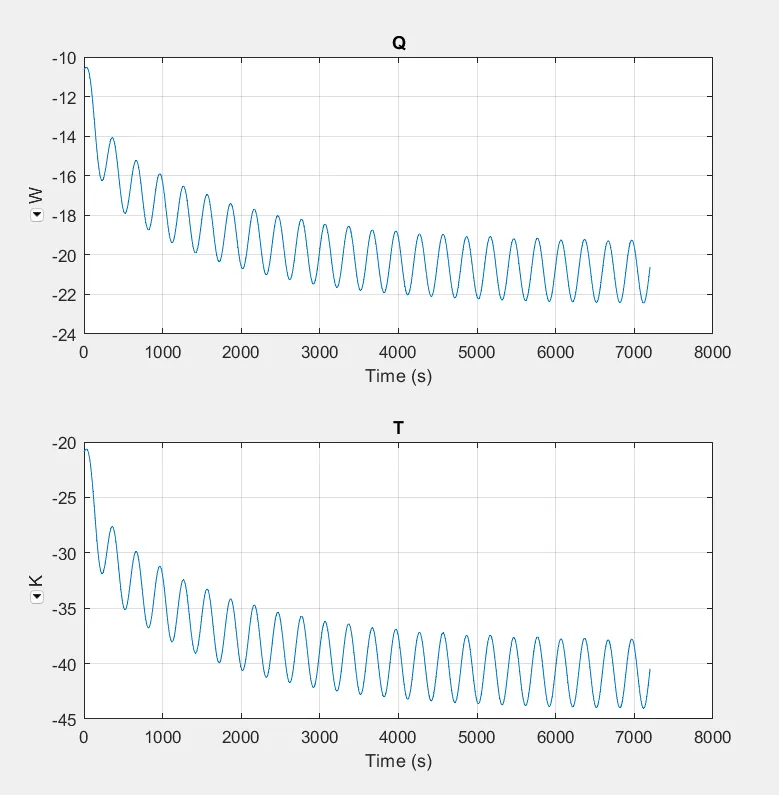
cell no 5 faulty cell:-
conduction:- as an due to the faulty cell it has the less temperature but in that case the as compare to the 1st cell its heat transfer coefficient will be same at an the startig as the 20 w/m^2k but after some certain time itb goes to the increses as an the faulty cell and after all it it reduces to the 15w/m^2k, as the same as the thermal conductivity same as the it starts at an the 10 and at the end it reaches to the 8 as after the all heat is out of the pack
convection:- as same as the conduction convetion also to be an the but the diffrence is the value and characterstics as its heat transfer coefficient will be starts 1t -11 and ends at the -22w/m^2k , as the medium in convectional , and the thermal conductivity is also to be an matter as the it start at the -20 but end at an the cyclic period as the -43w/mk
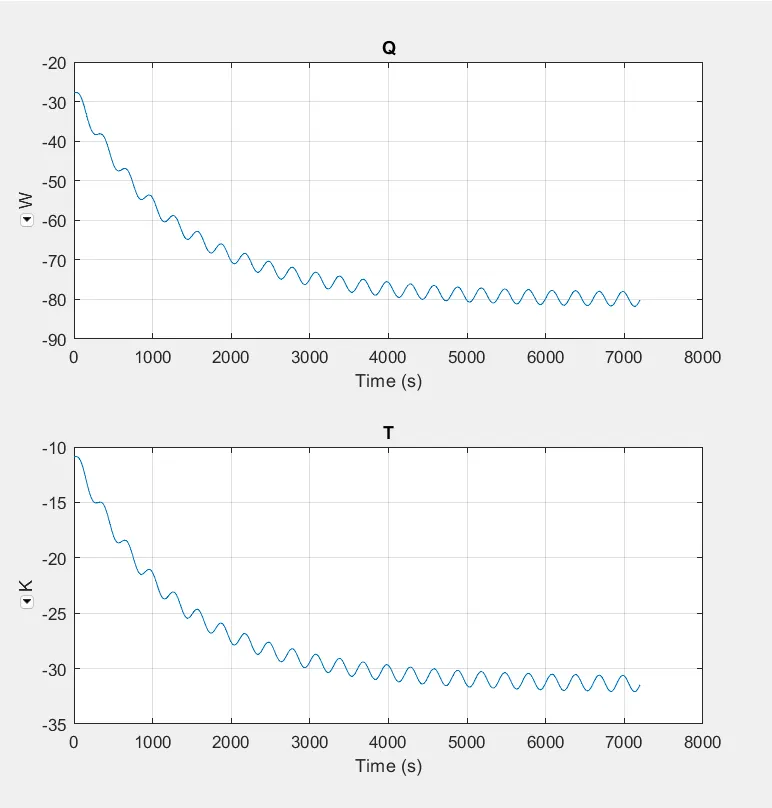
cell no 6 to 10 convection:- as an the cell it have an the less temp as compare to others so the its rate of heat transfer as the heat transfer coefficient will be an the -28 to -80w/m^2k and the thermal conductivity is also from an the -10 to -32w/mk
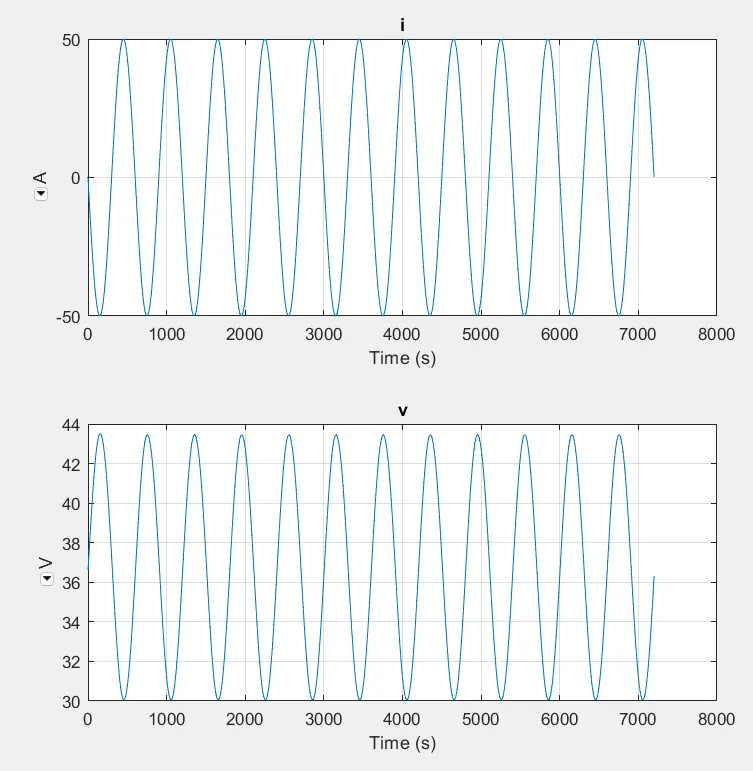
charge /discharge rate:- as well as an the charge discharge rates will be an the same as all the cases
test case 5:-

faulty cell have an the max temperature
SOC:-as an the state of charge will be same in the all conditions
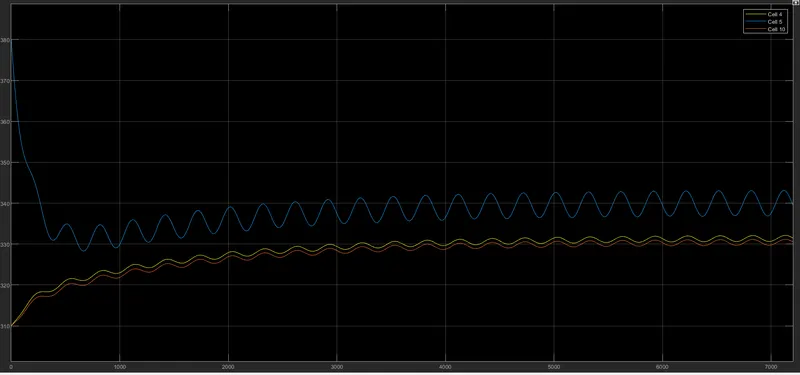
Temperature:- but as an due to the faulty cell temp will be an the more it starts at and the high temp then dissipiate an the heat at an the constant speed at the cyclic condition.
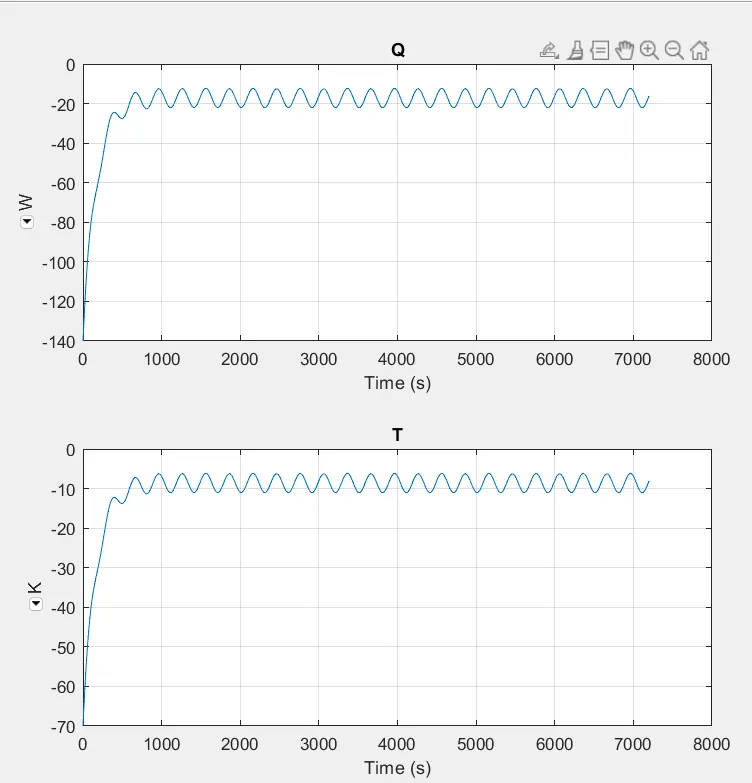
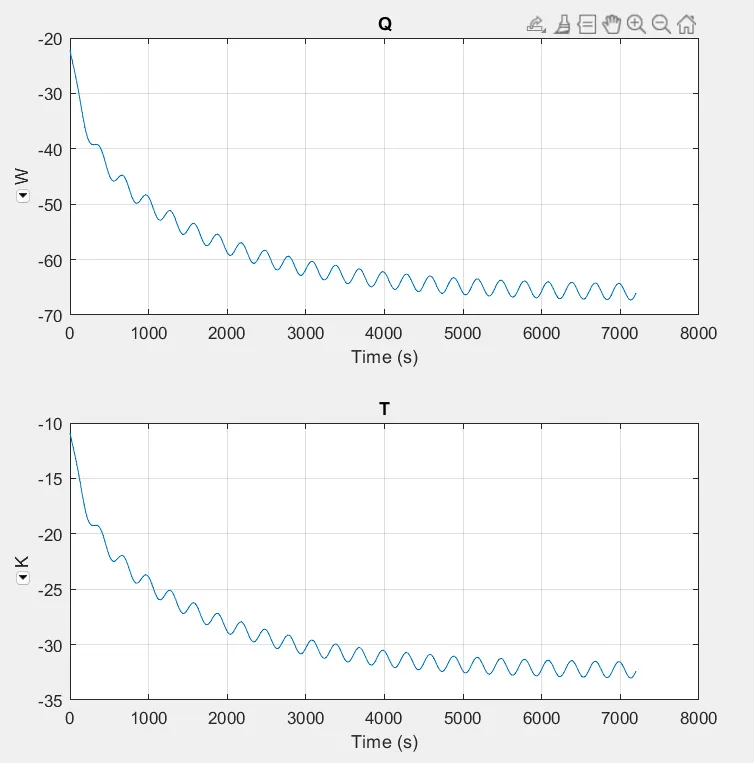
cell 01 to 04:-
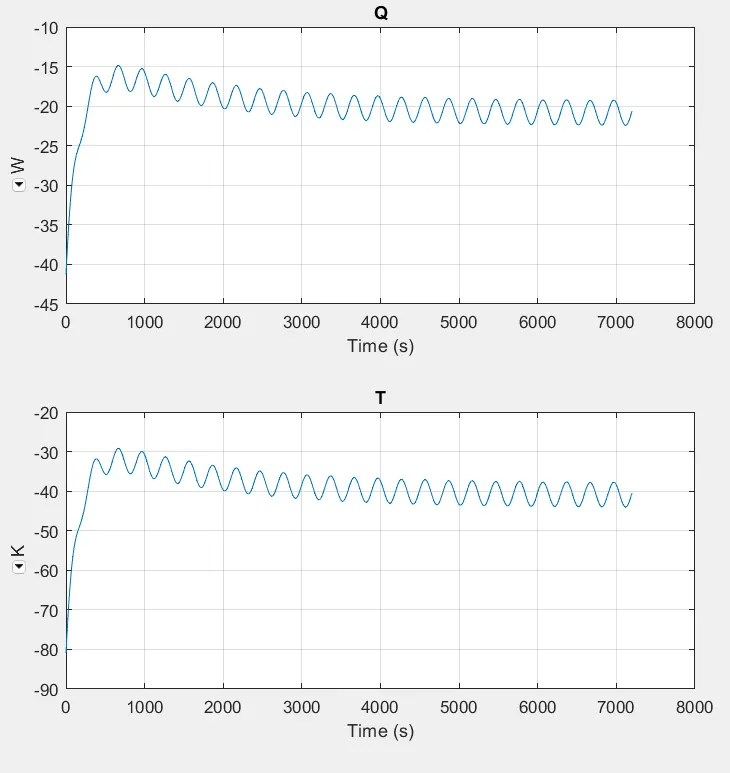
conduction:- as the cell has an the low temp as same as an the cell 6 to 10 but due to the pack of an the battery heat cnduction between the nearby cell as faulty cell 5 so at an the starting its heat traansfer coefficient will be an the -120 but after an the certain time due to conduction it rate changes to the -20 w/m^2k and the thermal conductivity folloe same trend as the -60 to -10w/mk
convection:- as an due to the convetion it starting at the -10 and ends at the -35 w/mk thermal conductivity.as well as the 22 to 65 w/m^2k is the heat transfer coefficient
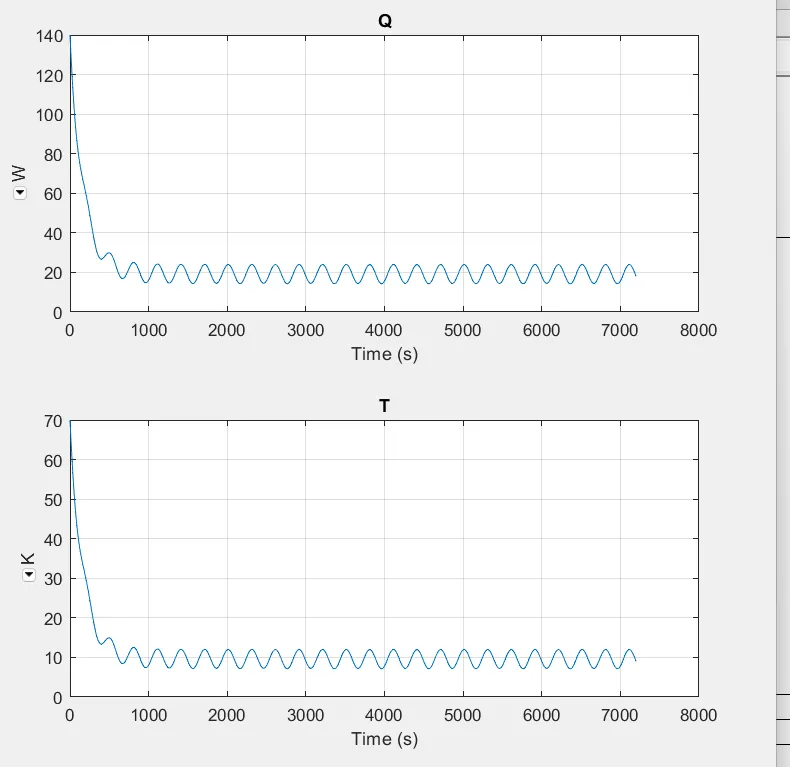
cell 5
conduction:- as at the starting due to more temperature its hear transfer coefficient will be more 130 then after dissipiating an temp reduces to the 20 as well as the thermal conductivity also 70 to 10w/mk
convection:-as same as an the conduction convection as rate of heat transfer be increases as -40 to -15w/m^2k at starts but it reduces after an the some time and the other hand the thermal conductivity as an the -80 to the -40 at the ends of an the temperature cyclic output.
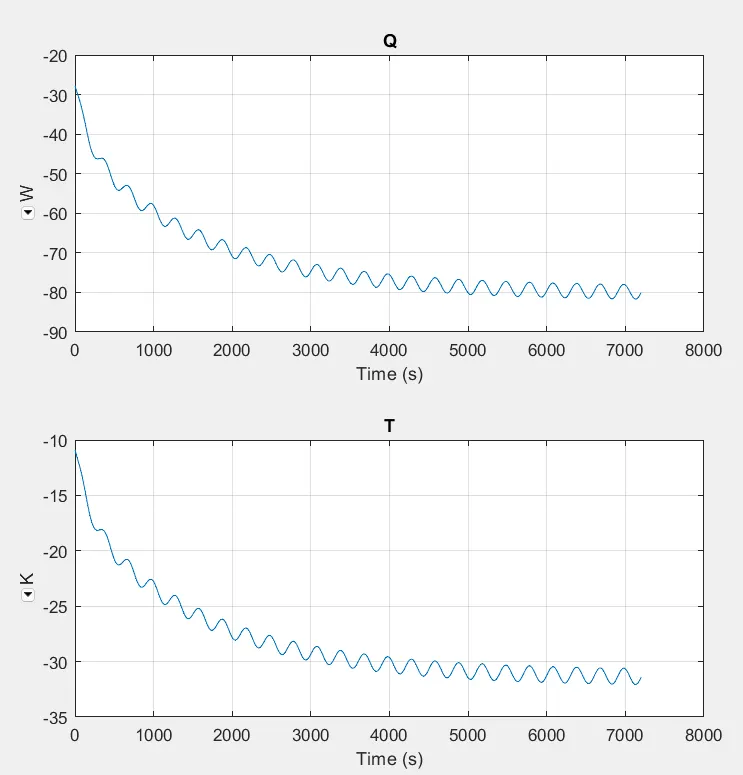
cell 06 to 10 convection:- as the cell it is an the same as the cell no 01 to 04 chatacterstics as the heat transfer coefficient will be an the -30 to -80 w/m^2k, and the thermal conductivity will be an the same as an the -14 to -30w/mk as the it has an the same characterstics only the some very small diffreneces as an the due to the no of cells connected in each modules
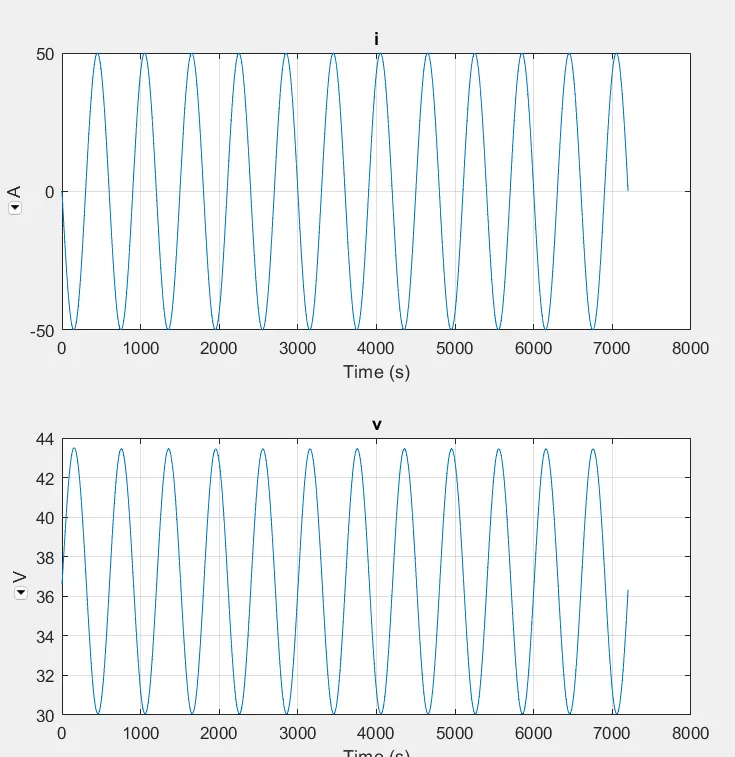
Cyclic charge /Discharge :-as in all above the change in the temp as their will be no changes in the current cycle and the voltage it remains an the same always .
Conclusion:-
- as an due to the temperature change their will be an the changes in heat flow in conduction and the convetion
- due to changes their will be very small cyclic charge in that case as an the fixed amplitude is 50 as well as the soc remains will be same because in all that condition only the 1 ce;l is faulty and due to the charge and discharge cycle
- as their is an in the cell no 5 their will be an the higher oscillation are their we can observe in all that due to the 5th cell is the faulty cell