Project 2 Adaptive Cruise Control
AIM: To Developing Adaptive Cruise Control feature as per the Requirement Document using MATLAB Simulink.
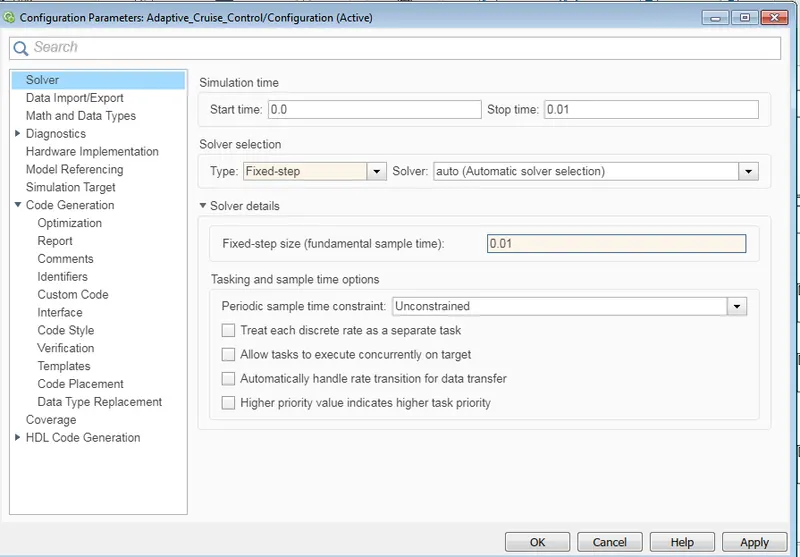
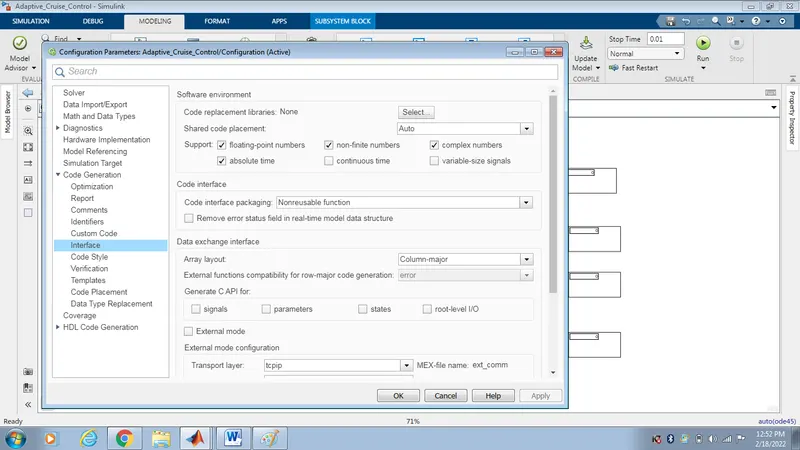
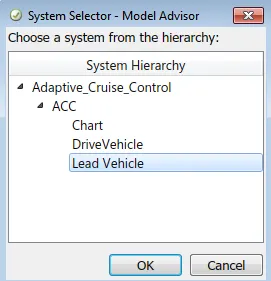
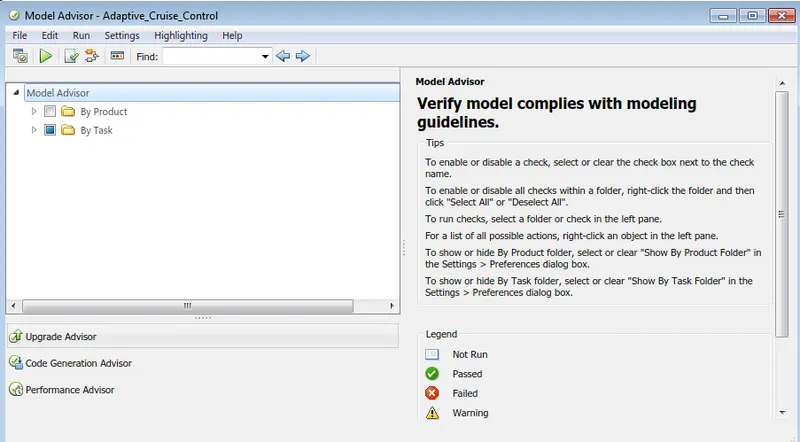
- Follow all the MBD related processes: Requirement Tagging & Traceability, SLDD creation, Configuration Parameter changes, Model Advisor check & Code Generation.
- In Configuration Parameters: enable “Support Floating Numbers” under Code Generation settings.
- Use Embedded Coder to generate the code.
Adaptive cruise control (ACC) is a system designed to help vehicles maintain a safe following distance and stay within the speed limit. This system adjusts a car's speed automatically so drivers don't have to.
Adaptive cruise control is one of 20 terms used to describe its functions so that you might see adaptive cruise control as the following in advertisements and vehicle descriptions:
- Active cruise control
- Dynamic cruise control
- Radar cruise control
- Automatic cruise control
- Intelligent cruise control
ACC functions by sensory technology installed within vehicles such as cameras, lasers, and radar equipment, which creates an idea of how close one car is to another, or other objects on the roadway. For this reason, ACC is the basis for future car intelligence.
These sensory technologies allow the car to detect and warn the driver about potential forward collisions. When this happens, red lights begin to flash, and the phrase 'brake now!' appears on the dashboard to help the driver slow down. There might also be an audible warning.
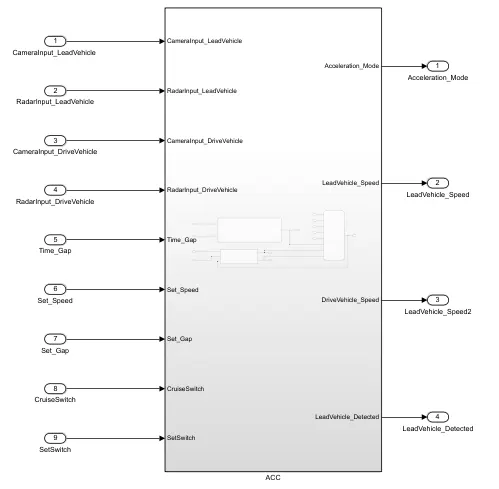
SIMULINK MODEL:
RESULT:
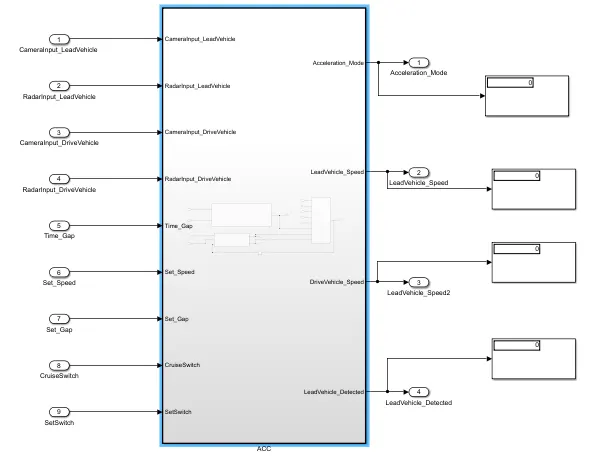
SUBSYSTEM MODEL:
A) Requirement 1– Lead Vehicle:
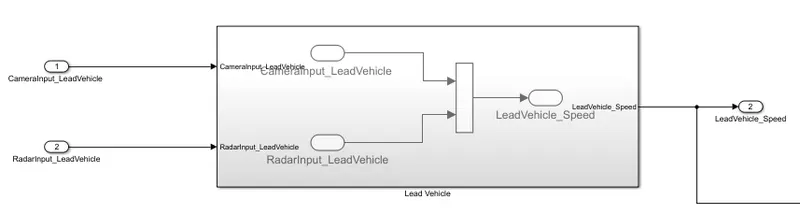
Subsystem:
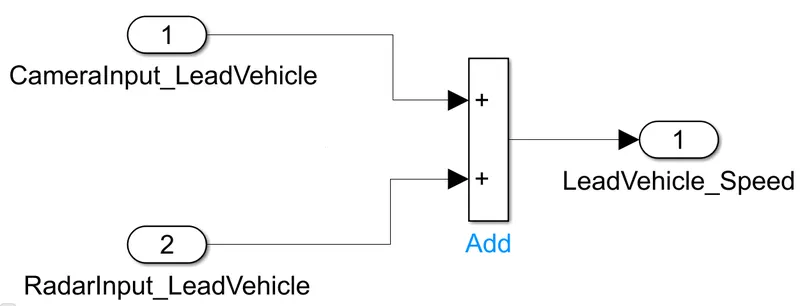
B) Requirement 2 – Drive Vehicle:
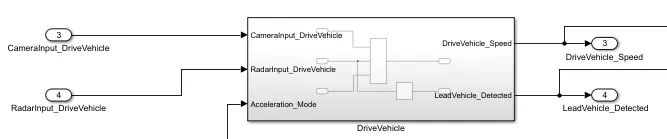
Subsystem:
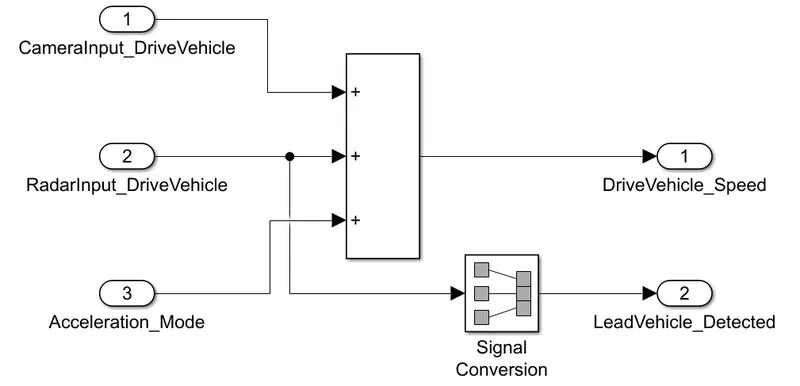
C) Requirement 3 – Adaptive Cruise Control Algorithm:
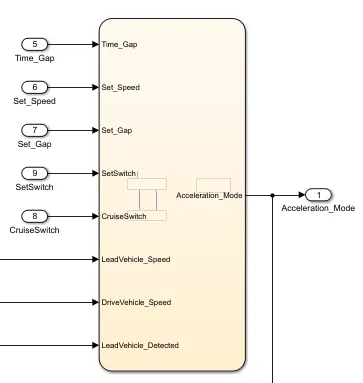
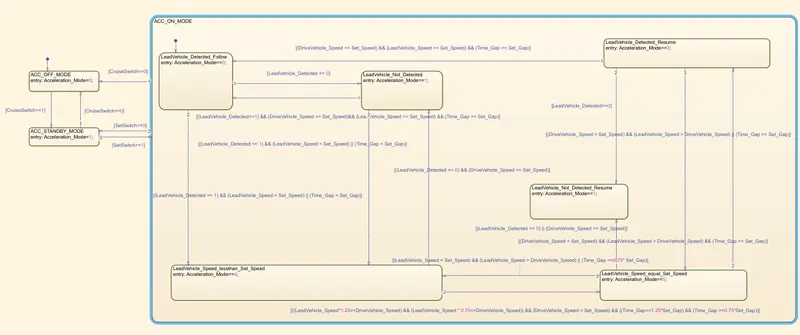
Subsystem of State flow:
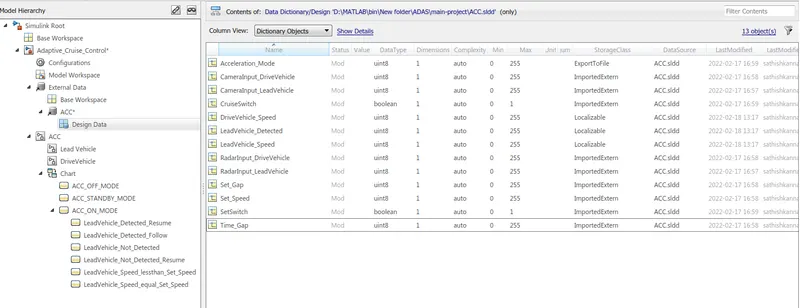
SLDD:
MODEL CONFIGURATION:
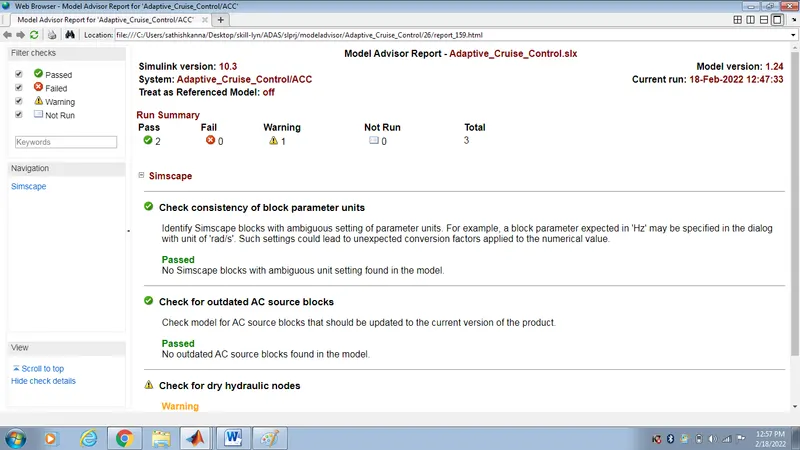
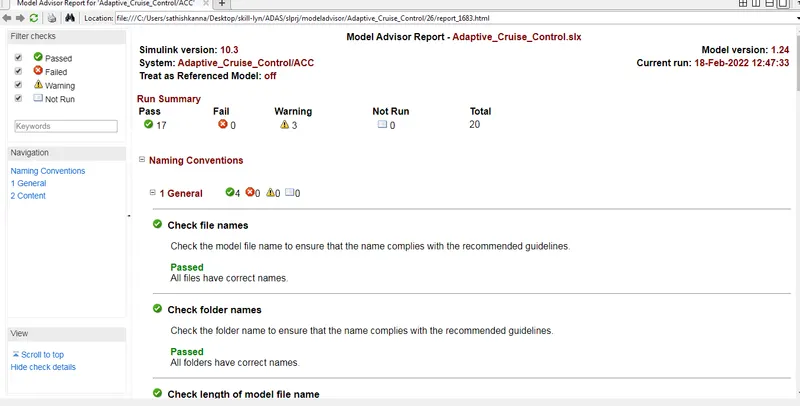
MODEL ADVISOR:
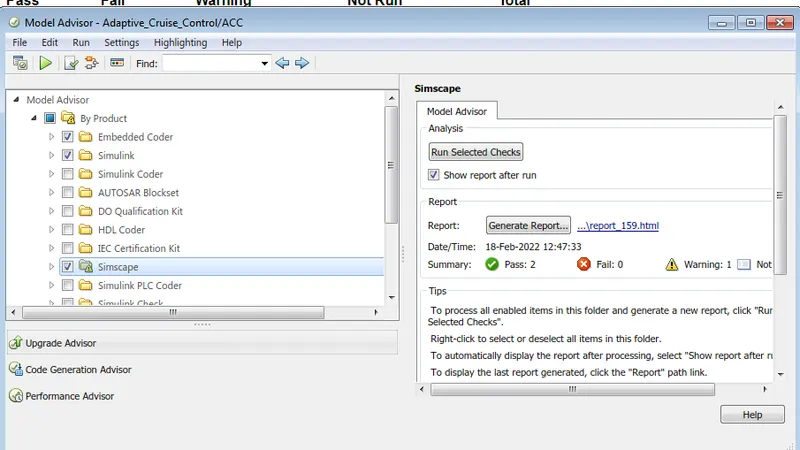
REPORT:
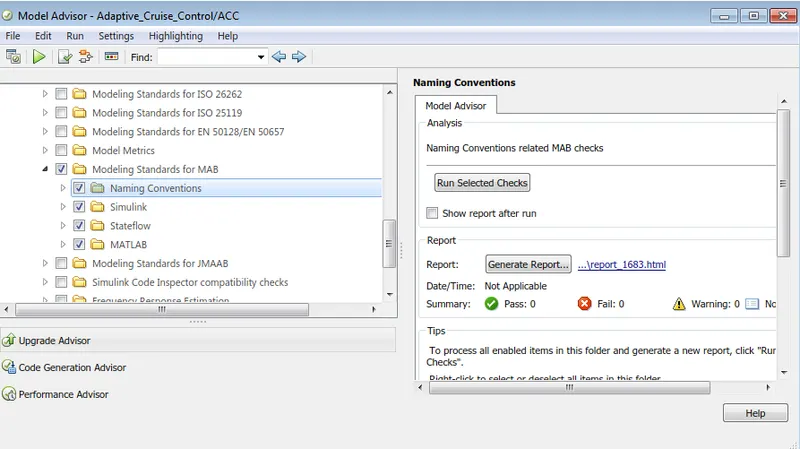
REPORT:
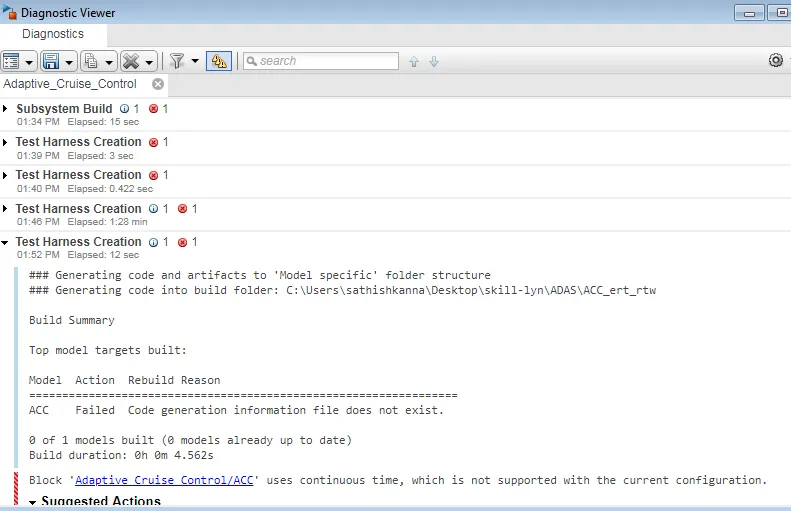
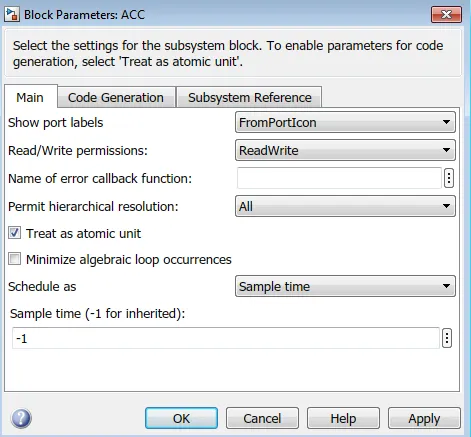
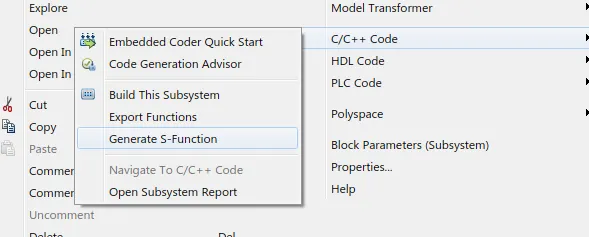
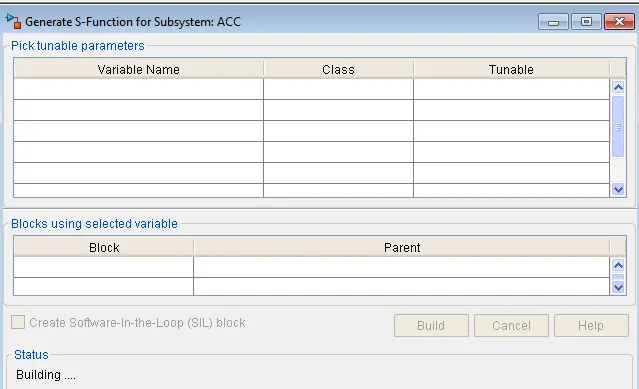
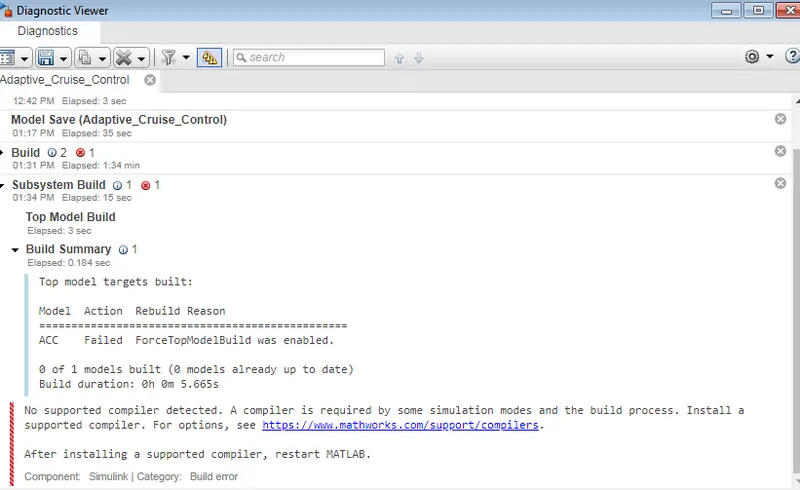
CODE GENERATION:
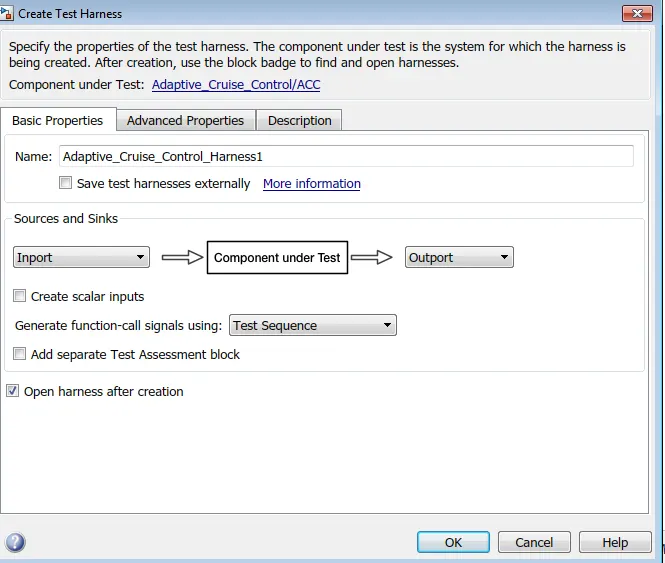
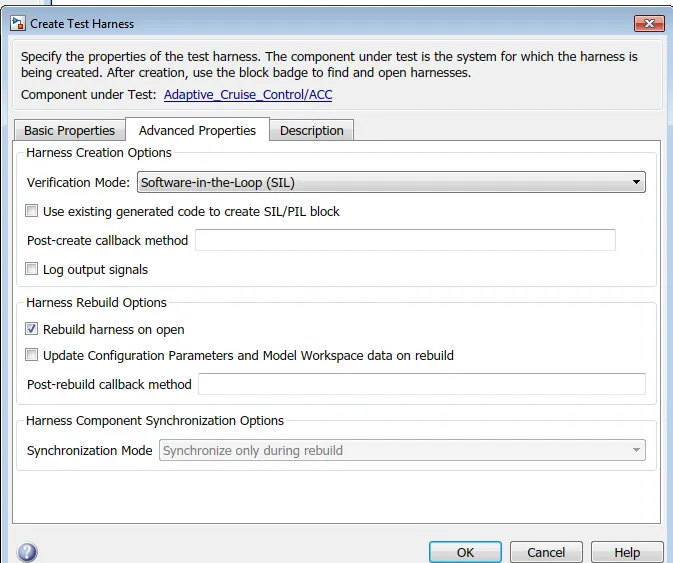
TEST HARNESS METHOD: