Project 2
Before the surgery for kidney cancer, the surgeon will ask you to stop taking some medications. Blood thinners such as warfarin, aspirin, or Plavix will need to be stopped 5 to 7 days before surgery.
You will also need to tell your surgeon if you are taking any anti-inflammatory medications or vitamin supplements, as these can increase bleeding.
Tobacco can limit the body’s ability to heal itself. So stop smoking in the week leading up to the surgery.
You shouldn’t eat or drink anything after midnight before the surgery. This will help prevent nausea that some patients experience due to anesthesia.
If you take blood pressure medicine, your surgeon may ask you to take it with just a few sips of water.
Patients are given general anesthesia so they can be unconscious for the procedure.
The surgeon will make small keyhole incisions in the abdomen to allow the surgical instruments and the laparoscopic camera to be inserted.
Then the surgeon will inflate the abdomen cavity with carbon dioxide to create space to access the cancerous kidney tissue.
The surgeon will then stop the blood flow to the kidney with the tumor or cancer. This allows the kidney tumor or cancer to be removed, in the case of nephron-sparing surgery, or the entire kidney, if necessary.
Finally, the other part of the kidney is sewn back together, the instruments are removed, and the abdomen is deflated.
Laparoscopic surgery and robotic full and partial nephrectomy require that patients undergo general anesthesia.
The exact operating time will vary from one individual to another. However, it will usually take on average 3-4 hours.
Kidney transplantation involves placing a healthy kidney into your body, where it can perform all of the functions that a failing kidney cannot.
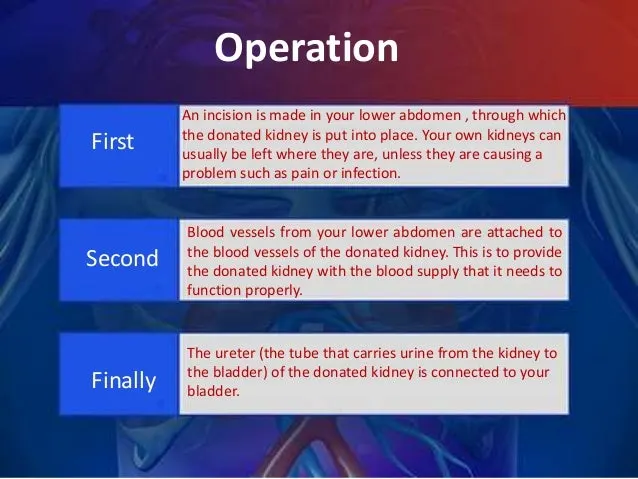
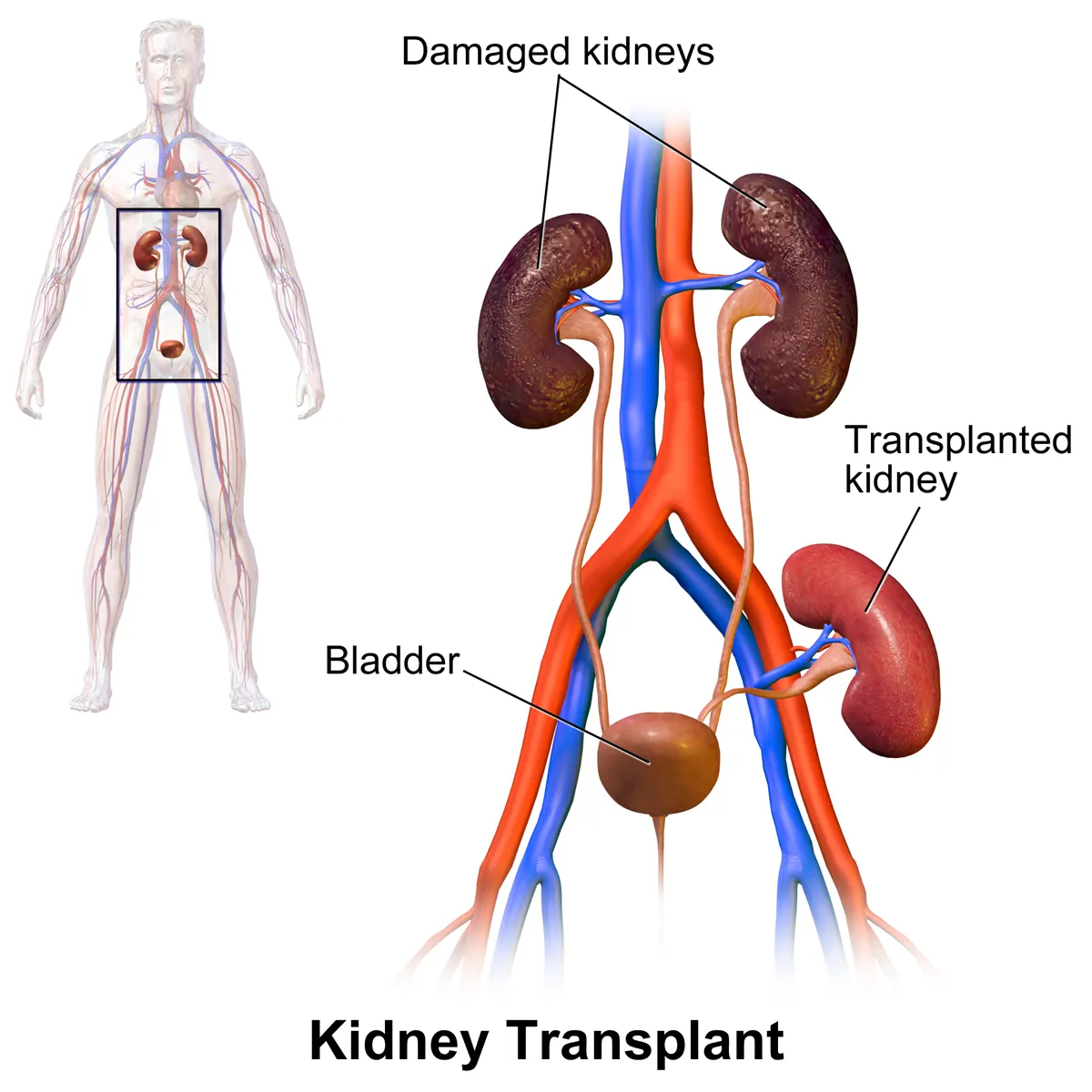
Your new kidney is placed on the lower right or left side of your abdomen where it’s surgically connected to nearby blood vessels. Placing the kidney in this position allows it to be easily connected to blood vessels and your bladder. The vein and artery of your new kidney are attached to your vein and artery. The new kidney's ureter is attached to your bladder to allow urine to pass out of your body.
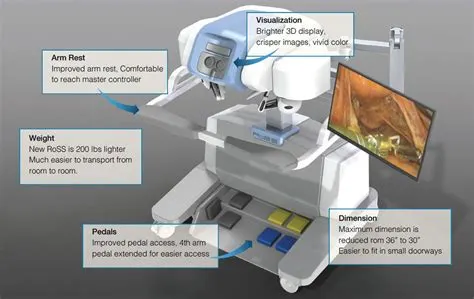
n January 2009, the first all-robotic kidney transplant was performed at Saint Barnabas Medical Center, located in Livingston, New Jersey, through a two-inch incision. In the following six months, the same team performed eight more robotic-assisted transplants.
-
The first phase, the preoperative phase starts with the decision of having surgery and ends with the beginning of surgery. This can be usually considered as preparative period as the goals of the surgery must be attained.
-
Wherever possible, preoperative care should include the treatment of any existing infections, monitoring and if possible stabilising existing chronic diseases such as hypertension and diabetes, dietary deficiency and fluid and electrolyte imbalance correction, and if need be, weightloss in obese patients.
-
-
Preoperative nursing procedures aim to prepare the patient for a safe transition from surgery to the recovery room. A complete history and set of vital signs will be obtained to determine the patient's baseline and overall risk. Counseling about the surgery helps the patient to understand and provide consent.
-
The UNOS Ethics Committee defines three ethical principles: Respect for persons: respect for autonomy- actions or practices respect independent choices made by individuals, as long as choices do not harm others We will examine kidney transplant practices in 3 countries and how they embody these principles in different ways.
-
The transplanted healthy kidney is placed in the lower abdomen on the front side of the body. Below mentioned are some of the legal formalities that must be fulfilled for a successful organ donation: The donor should have a matching blood type so that the chances of organ rejection is minimized.
-