Project 2
PROJECT a. THE organ i have chosed is galblader . the surgical procese of the organ is CHOLECTOMY
1. a. Your gallbladder is a small organ in your upper abdomen. The abdomen is the area in the middle of your body that holds many organs, including the stomach and gallbladder.
b. The gallbladder collects and stores a liquid called bile that helps your body break down food. Small, hard deposits called gallstones can form in the gallbladder. This is a common condition. If your gallstones cause health problems, doctors might do surgery to remove it. For example, you might need surgery if your gallbladder is no longer working correctly and you have pain
c. Gallstones are hard, pebble-like structures that obstruct the cystic duct. The formation of gallstones is often preceded by the presence of biliary sludge, a viscous mixture of glycoproteins, calcium deposits, and cholesterol crystals in the gallbladder or biliary
2. a.
- An ultrasound. ...
- X-rays. ...
- Computed tomography (CT) scan. ...
- Magnetic resonance imaging (MRI) . ...
- Endoscopic retrograde cholangiopancreatography (ERCP) . ...
- Cholescintigraphy (also called DISIDA, HIDA scan, or gallbladder radionuclide scan).
c. Gallstones can block the opening from the gallbladder to the bile duct. When this happens, you experience biliary colic, a specific type of pain that: Often starts in the upper right part of the abdomen.
d. Nausea and vomiting may occur. Chronic gallbladder disease involves gallstones and mild inflammation. In such cases, the gallbladder may become scarred and stiff. Symptoms of chronic gallbladder disease include complaints of gas, nausea and abdominal discomfort after meals and chronic diarrhea.
3. a.
- Go easy on the fat. Avoid high-fat foods, fried and greasy foods, and fatty sauces and gravies for at least a week after surgery. ...
- Increase the fiber in your diet. This can help normalize bowel movements. ...
- Eat smaller, more-frequent meals. This may ensure a better mix with available bile
b. Acute cholecystitis begins suddenly, resulting in severe, steady pain in the upper abdomen. At least 95% of people with acute cholecystitis have gallstones. The inflammation almost always begins without infection, although infection may follow later. Inflammation may cause the gallbladder to fill with fluid and its walls to thicken.
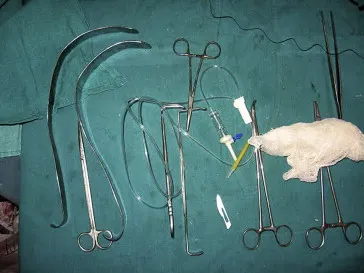
4. a. Gallbladder removal surgery, also known as a cholecystectomy, is a very common procedure.
b. Positioning. For this procedure, the patient should be in the supine position. Peripheral intravenous lines are inserted, and electrocardiography (ECG), pulse oximetry, and blood pressure monitors are placed. The patient is intubated and general anesthesia initiated.
c. During an open cholecystectomy, the surgeon makes a 6-inch (15-centimeter) incision in your abdomen below your ribs on your right side. The muscle and tissue are pulled back to reveal your liver and gallbladder. Your surgeon then removes the gallbladder. The incision is sutured, and you're taken to a recovery area.
d.
5.
- Use the right size pouch and skin barrier opening. ...
- Change the pouching system regularly to avoid leaks and skin irritation. ...
- Be careful when pulling the pouching system away from the skin and don't remove it more than once a day unless there's a problem. ...
- Clean the skin around the stoma with water.
PROJECT B. i have chosen the surgical procedure in the system of respiratory - lobectomy
1. a. The main function of the lungs is the process of gas exchange called respiration (or breathing). In respiration, oxygen from incoming air enters the blood, and carbon dioxide, a waste gas from the metabolism, leaves the blood. A reduced lung function means that the ability of lungs to exchange gases is reduced.
b. We present two cases of lobectomy in lung cancer patients who recovered from COVID-19 before surgical treatment. In both cases, video-assisted thoracoscopic surgery was initiated and hilar fibrosis was detected; as a result, conversion was performed in one case. There were no postoperative complications and mortality. Also, we demonstrate the results of pathological examination in patients who have recovered from COVID-19.
c. A lobectomy is a surgical procedure where an entire lobe of your lung is removed for a variety of reasons that may include a lung cancer diagnosis, infection, COPD or benign tumors.
2. a.
- Chest X-ray. A chest X-ray is usually the 1st test used to diagnose lung cancer. ...
- CT scan. ...
- PET-CT scan. ...
- Bronchoscopy and biopsy. ...
- Other types of biopsy. ...
- Staging.
c. If you have a cough and are producing sputum, looking at the sputum under the microscope can sometimes reveal the presence of lung cancer
d. Your chest may hurt and be swollen for up to 6 weeks. It may ache or feel stiff for up to 3 months. For up to 3 months, you may also feel tightness, itching, numbness, or tingling around the cut (incision) the doctor made.
3. a. shortness of breath if cancer grows to block the major airways. Lung cancer can also cause fluid to accumulate around the lungs, making it harder for the affected lung to expand fully when you inhale.
b.SCLC is the most aggressive form of lung cancer. It usually starts in the breathing tubes (bronchi) in the center of the chest. Although the cancer cells are small, they grow very quickly and create large tumors.
4. 1. lobectomy
2.Under general anesthesia and double-lumen intubation, the patient is placed in a lateral decubitus position, and the padded arms are placed unsupported in the “prayer” position in front of the face. Both legs are positioned together flexed like in a sitting position and padded with pillows.
3.n most cases, during a lobectomy the cut (incision) is made at the level of the affected lobe. The cut is most often made on the front of the chest under the nipple and wraps around the back under the shoulder blade. The surgeon gets access to the chest cavity through the exposed ribs to remove the lobe.
4.
5a..
You will be taught deep-breathing exercises and coughing methods to help your lungs re-expand after surgery. This is to help breathing and prevent pneumonia. You may need oxygen for a period of time after surgery. In most cases, the oxygen will be stopped before you go home.
6a.