Project 2
Project 2
Risk per ISO 14971 is defined as the combination of the probability of occurrence of harm and the severity of that harm. Identification, evaluation, analysis, assessment, and mitigation of potential product issues are the goals of risk management. An entire product life-cycle process is included in risk management.
IMPORTANCE OF RISK MANAGEMENT IN MEDICAL DEVICES
- In general, the patient has faith in the clinicians' knowledge. Rarely does a patient question whether the clinical staff is using safe products that have undergone extensive testing.
- The dangers associated with the medical equipment that you and I design, develop, and produce are frequently accepted by the patient unknowingly. The medical device sector places a high priority on risk management for this same reason. We need to be certain that the medical devices we are bringing to patients and end users are secure.
The abstract of the ISO 140971 standard is given below-
- In vitro diagnostic medical devices and software are included in the scope of this document, which also defines language, principles, and a process for risk management of medical devices.
- The procedure outlined in this document aims to support medical device manufacturers in identifying the hazards connected to the device, estimating and evaluating the risks connected to those risks, controlling those risks, and monitoring the efficacy of the controls.
- All stages of a medical device's life cycle are covered by the criteria of this regulation. The procedure described in this document is applicable to dangers connected to a medical device, such as dangers related to usability, electricity, moving parts, radiation, biocompatibility, and data and system security.
- In some jurisdictions, the procedure outlined in this paper can be used by parties involved in the life cycle of medical devices as well as goods that are not necessarily medical devices.
- The decisions on the use of a medical device in the context of any specific clinical procedure or business risk management are not covered by this document.
- Despite not defining acceptable risk thresholds, this agreement compels manufacturers to develop objective standards for risk tolerance.
- A quality management system may include risk management as a key component. The manufacturer is not required by this agreement to have a quality management system in place, nevertheless.
DESIGN CONTROLS & RISK MANAGEMENT
A medical device's design controls are meant to show that it has been:
- Designed to meet the demands of users and patients.
- Designed to fulfil inputs and specifications.
- Proven to meet relevant requirements.
- Complies with performance standards
It is a very important procedure linked with the risk management process because it helps the manufacturers to assess the risk before manufacturing the product
The device I have selected for this risk assessment project is an implantable pacemaker. The processes followed for the risk assessment of the pacemaker is given below-
Risk assessment processes-
- Risk Management Planning
- Risk Analysis
- Risk Evaluation
- Risk Controls
- Overall Residual
- Risk Acceptability
- Risk Management Review
- Production & Post-Production Information
Risk management plan includes-
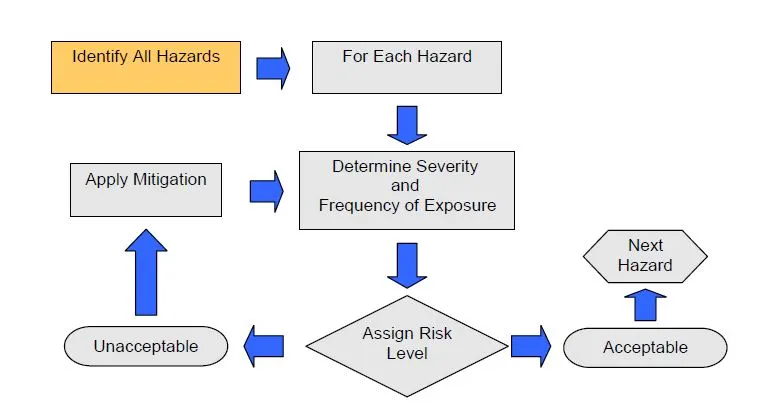
- Fault Tree Analysis (FTA), Software Hazard Analysis (SHA), Preliminary Hazard Analysis (PHA), and Failure Mode and Effects Analysis (FMEA). These methods often consider all potential hazards present in a device, such as software failures, hardware component failures, human errors, and user usage patterns.
- The severity, occurrence, and detectability of the danger are the components of the Risk Priority Number (RPN) that is employed here. On the basis of predetermined criteria, five potential causes of the "disconnected pacemaker" failure mode are being assessed and weighed. The likelihood of such a failure cause increases with the value of the RPN, which means that it will take more resources to lessen its effects on performance.
- Fig.(3) illustrates a different application to evaluate the same pacemaker failure mode
- It provides an illustration of how to use FTA on a pacemaker to look at a disconnected wire system that may not be able to adequately address the patient's issue with cardiac variability.
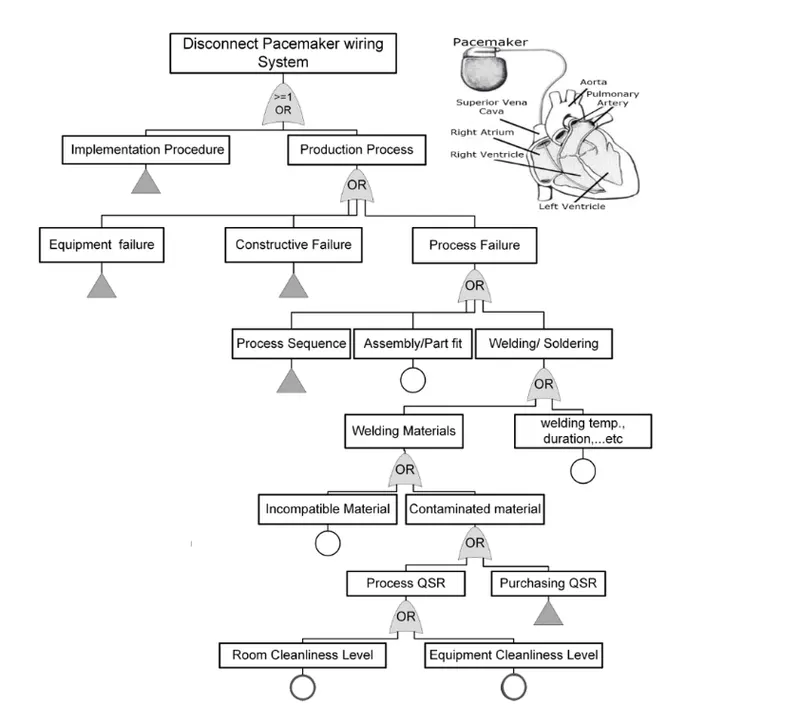
Fig3: Fault tree analysis of disconnected pacemaker
Controlling Risks
Process for making decisions and putting preventive measures in place to lower or maintain risk within the designated threshold.
Activities for risk control and supervision
- Taking steps to meet the previously established risk acceptance criteria by removing or reducing each risk.
- A risk control measure may be used.
- Risk controls may start with design input and extend throughout the life of the medical device.
A predefined hierarchy of risk controls is mandated by some regulatory frameworks, and these controls should be evaluated in the following order:
- Automatic safety built-in protective measures throughout the device's design or production
- Safety-related information, such as cautions, maintenance plans, etc.
- The maker keeps an eye on whether the dangers persist during the device's lifetime.
- The idea is to have a quality management system that is efficient and clear. This monitoring should incorporate data generally acquired from the quality management system, such as production, complaints, and customer feedback.
Risk Management Techniques
- Safeguards, such as predefined operating modes
- Safety-related information, such as labelling warnings
- Numerous actions necessitate intervention.
- A patient-specific reaction, for example, is the appropriate response under the circumstances.
Timelines
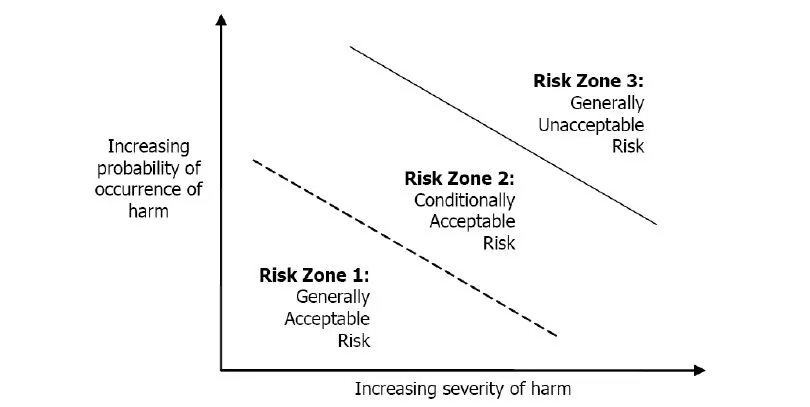
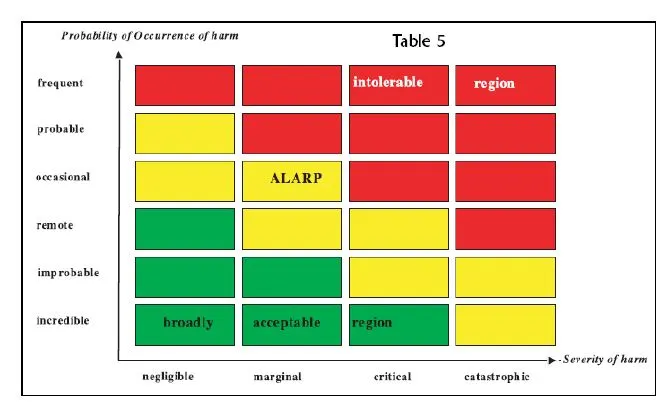
Safety risk Zone
- Determines the residual safety risk associated with each hazard in order to assess its acceptability.
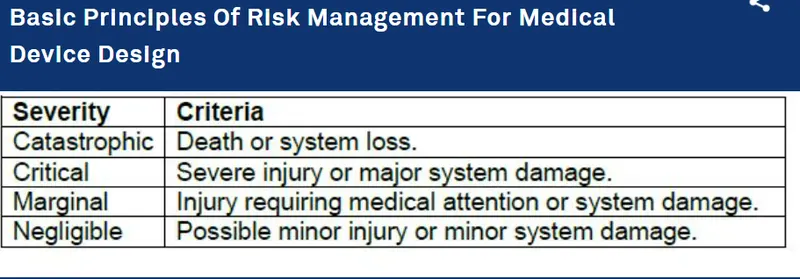
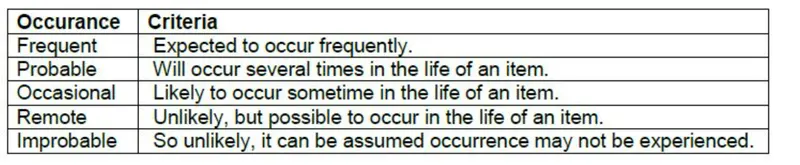
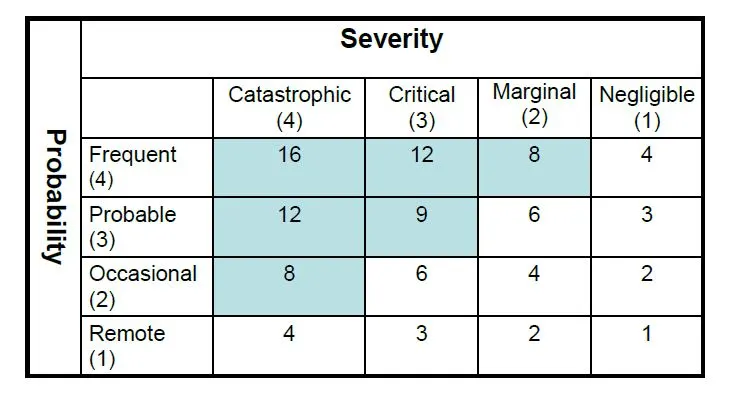
- Safety Risk Zone 1 (R=1) hazards are those that are regarded as generally acceptable or small and don't need any additional investigation. For risks that fall under Safety Risk Zone 1, additional mitigations are not required.
- Safety Risk Zone 2 (R=2) hazards are conditionally acceptable, but they still need to be analyzed and mitigated. These are only regarded as acceptable once sufficient mitigations have been found.
- The majority of risks are unacceptable when they fall into Safety Risk Zone 3 (R=3). A comprehensive risk/benefit analysis must be carried out and documented if dangers in Safety Risk Zone 3 cannot be further minimized to the point of falling into an acceptable Risk Zone (R=1 or 2).
- Mitigation
It means ‘what you will do about this situation.
The first line of defense
• Avoid or eliminate failure causes - The second line of causes
• Identify the failure third line of defence
• reduce impacts.
Hazard Analysis-
- A preliminary hazard analysis can be carried out to determine the baseline risks connected with a device even before a final design has been created. The analysis essentially entails a list of the device's principal parts and technical specifications, together with an assessment of any potential risks. Raw materials and wastes, hardware, monitoring and control systems, human-device interfaces, services, and the operating environment could all be considered as components and operating needs.
- Potential hazards that may need to be assessed include raw material toxicity, flammability, and reactivity; susceptibility to environmental elements like temperature and humidity; mechanical or electrical risks; and human variables related to the operator-device interaction.
- The administration of drugs, the unsafe or inadequate delivery of energy, and the patient-device interaction can all pose risks.
- The delivery of energy, drug administration, or regulation of vital activities by the patient's device may be risky or ineffective, which increases the risk of injury. Inaccurate information may also result in inaccurate diagnosis, treatment, or therapy being prescribed.
- Use a brainstorming strategy to find potential failures, assess potential outcomes, and create risk management solutions when performing a preliminary hazard analysis. These tactics result in a more effective, less expensive design. Failure scenarios can often be ranked according to how serious each hazard is.
- At this point, there is frequently not enough information to appropriately assess the risk of a threat. In the medical device reports, comparisons with related devices and their histories are permitted. If an evaluation reveals a significant risk, the conceptual framework may be drastically altered design. The objective is to lessen as many medium- and low-severity dangers as is feasible while eradicating all high-severity hazards. At this preliminary design stage, there is a great deal of flexibility. The device can be significantly changed to become intrinsically safer at a low cost. A reasonable mitigating approach, for instance, would be the employment of other less-toxic compounds or a diluted version of the original chemical if it is judged that using the chemical poses a considerable risk.
It is possible to do more thorough risk and hazard assessments while developing a prototype. Process and mechanical drawings are available at this point in the design process, and the fundamental process operations have been established. Numerous analysis methods, including top-down and bottom-up strategies, can be used to examine the gadget and how it functions. - For novel or complicated designs with numerous processing steps, a hazard and operability (HAZOP) research is a bottom-up strategy that works well. Each step has a design intent, and a HAZOP is conducted for each of them.
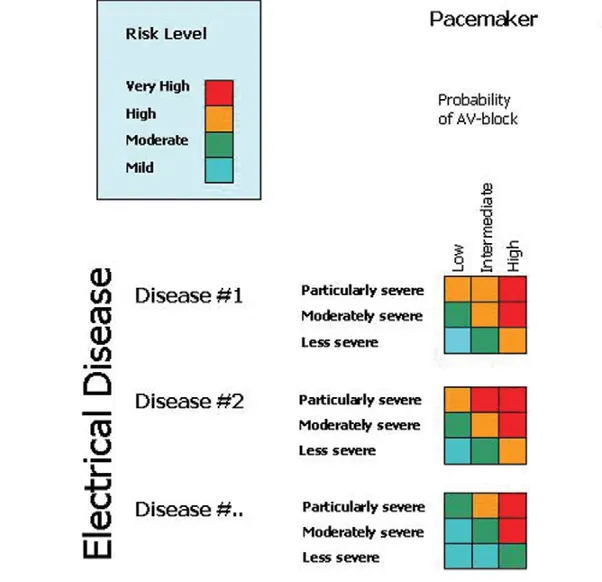
- Potential reasons are determined by whether the deviation indicated by the union of a design parameter and a guiding word (for example, more flow or less flow) can pose a risk. A risk matrix that has consequence and frequency ranges defined in accordance with a company's internal risk-acceptance standards can be used to assess the risk level (Figure ).
- When a device has numerous mechanical parts, an FMEA should be taken into account. An FMEA, however, takes time to complete and is often only used for Class III devices or for the parts of devices that are safety-critical. An FMEA is also a suitable methodology for devices with lots of electrical components. This is a further bottom-up methodology that analyses potential failure modes for a specific medical device component. Potential causes and already-in-place controls are assessed for each failure mode that leads to an undesired outcome, and the degree of risk can be calculated using a risk matrix.
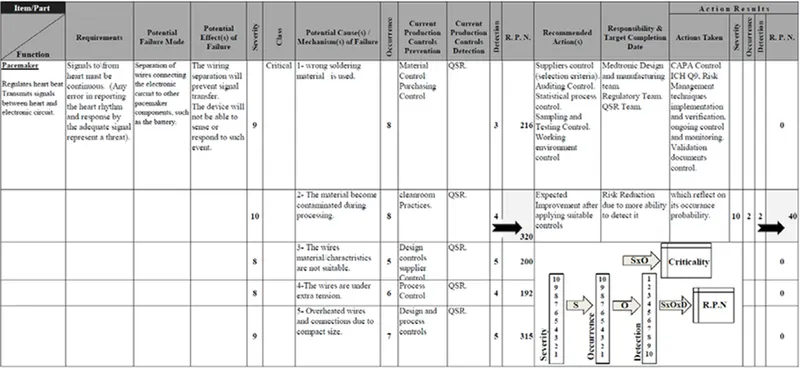
Fig: Investigating a “disconnected pacemaker” failure mode using FMEA
Table-Residual Risk Accessibility table
|
# |
Activity |
Risk Description |
Rating Severity |
Rating Probability |
Rating Product |
Actions/Controls |
Residual rating Severity |
Residual rating Probability |
Residual rating Product |
Remarks(if any) |
| 1 |
Delivery of all the equipment at the client workplace |
Equipment getting damaged upon handling |
2 |
2 |
4 |
Trained personnel, Supervised handling |
2 |
1 |
2 |
|
| 2 |
Purchase of battery, wires,alloys |
Battery not functioning properly |
3 |
3 |
9 |
Check calibration certificate, Accreditation, authenticity ,validity,range etc |
2 |
1 |
2 |
Stringent Purchase |
| 3 |
Packaging |
Contamination |
3 |
3 |
9 |
Ensure sterilization,Enforce sterilization, Supervision,Frequent checks |
3 |
1 |
3 |
|
| 4 |
Design stage specifications |
Magnetic field exposure of the control circuits risk to the patient |
3 |
3 |
9 |
Monitoring, exposure time limit ,Access control, pacemaker design control parameters |
2 |
2 |
4 |
Maintain control and monitor |
| 5 |
Signals from the heart must be continuous(lead wires disconnected) |
The wiring separation will prevent signal transfer.The device will not be able to sense or respond to such event |
9 |
8 |
72 |
Suppliers control Auditing control Sampling and testing control Risk management techniques implementation and verification, validation documents control and it will reflect on the occurrence probability |
2 |
2 |
4 |
CAPA Control Ich Q8, Medtronic design and manufacturing team , Regulatory team should be conscious while validating and verifying the design |
- An FTA is a successful top-down strategy. Starting with the undesirable outcome or top event, the team determines the triggering and contributing events that must take place in order to cause it. Logic gates are used to aggregate these occurrences. The intersection of two or more separate events to create a higher-level event is known as a logic gate. For a AND gate or and OR gate, the logic gate decides whether the sub-event probabilities or frequencies should be multiplied or added. An and gate is used when all events below a gate are required in order for the upper event to occur. An or gate is utilized if each event has enough power to generate the higher event on its own.
- A fault tree can easily incorporate both mechanical failures and human errors. The figure depicts a sample partial fault tree for a pacemaker.
- Injury brought on by device installation or use ranks as the most common occurrence. Two subevents with the labels "operator injury" and "patient injury" are included underneath the main event. Both events are joined using an or gate since anyone might create the top event. One conceivable scenario associated with the operator injury branch involves the device being contaminated with a biohazard, such as blood (the beginning event), and the operator not donning gloves (contributing event).
-
These events are connected using a AND gate because both the starting and contributing events must take place for an injury to occur.
The top-event frequency can be determined and compared to a company's internal risk-acceptance standards if failure rates for each event on a fault tree are known or can be inferred from general data. Although a fault tree is an effective risk-analysis tool, its biggest drawback is the lack of pertinent failure data. As a result, fault trees are typically the greatest tool for comparing the hazards of various options. The biggest advantage of a fault tree is that it makes it simple to identify the events that lead to the top event most frequently, allowing for the focus of mitigating actions on lowering the frequency of these occurrences.
Integrating risk management in the Pacemaker developmental design stages–
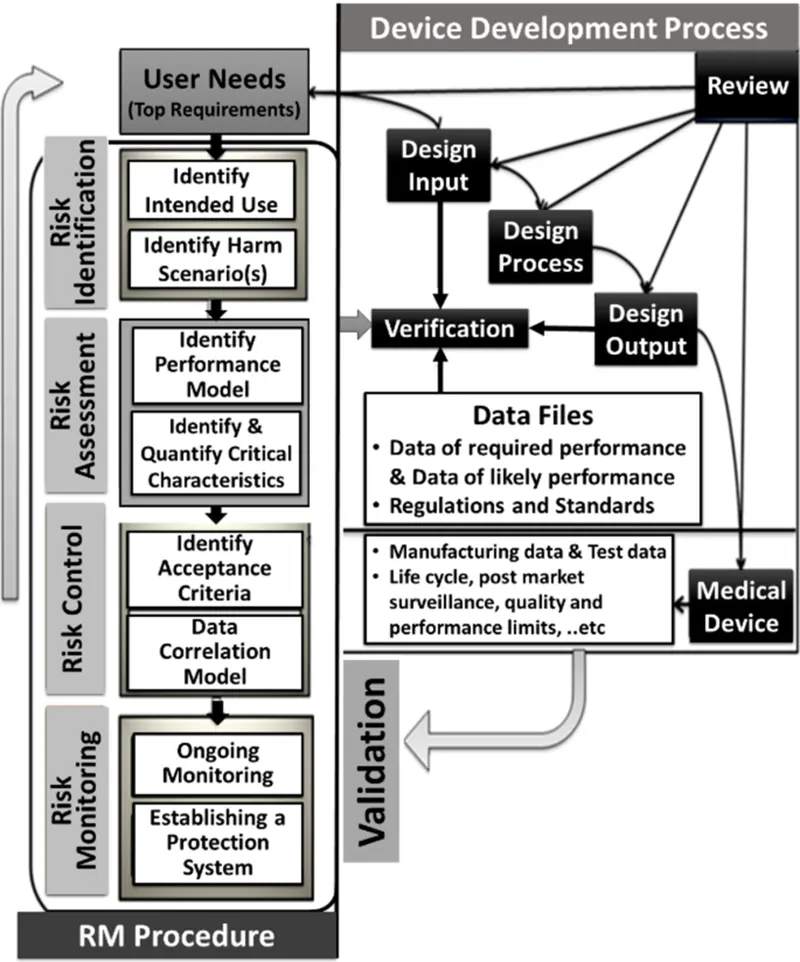
- By building and upholding a successful Risk Managment process over the whole device lifecycle, it is possible to integrate the design and development disciplines required to regulate the design.
- It opens up the possibility of presenting verifiable proof of device safety and regulatory compliance at each hurdle in the device development process. A suggestion for integrating the conventional Risk Management process with the design and production processes of a medical device is shown in Fig.
- The use of RM(Risk Management) is incorporated into the design and production processes to ensure that a design output satisfies the highest standards (such as performance, quality, reliability, etc.). Additionally, it verifies that the manufactured item satisfies the requirements for shape, fit, and functionality.
Design stage-
- In order to quickly construct various prototypes of drug delivery systems, medical devices, pharmaceutical dosage forms, tissue scaffolds, or other bio-affecting agents in small quantities while optimizing the product and the production process, a fabrication approach is chosen.
- The approach can suggest various prototype compositions and designs as a knowledge acquisition tool for reasoning, drawing on the expertise and experience of specialists in a given technical field.
- One approach discussed for creating prototypes is 3D printing. It enables the rapid production of a variety of prototype designs required for the desired tests.
- Compared to conventional technologies, this method considerably shortens the time it takes to produce new items.
- To give a more realistic in-vitro representation of expected in-vivo stresses exerted on medical devices, the innovation illustrated in this technique uses a special mix of tools, data, and processing techniques.
- As a result, the production and testing of prototypes take less time and money.
- It designs medical devices like cardiovascular stents and endovascular grafts using a feature's 3D volumetric data. Data are used by a geometry generator to produce a mesh of the device surface.
- Possible in-vivo stresses on the potential medical gadget are simulated and examined using a stress analyzer. To gauge the response, a virtual placement or deployment of computer-generated medical equipment within the anatomical model is possible.
Marketing sales and service-
- Engineers and product developers alone are not enough to complete risk management.
- On the product risk management team, we must include end users, marketing, sales, business development, quality, regulatory, and manufacturing.
- For the medical devices we are designing, developing, and producing, each of these functional domains offers a unique perspective and set of experiences.
- We need to make sure our risk management activities are comprehensive.
Raw material purchase-
- Pacemaker components must be pharmacologically inert, nontoxic, sterilizable, and able to operate in the physiological environments of the body.
- All of the pacemaker's components, including the case,
- microelectronics, and leads,
- Comprised of biocompatible substances.
- Typically, titanium or a titanium alloy is used to create the casing.
- Although the lead is constructed of a metal alloy as well, it is protected by a polymer like polyurethane.
- Only the lead's metal tip is visible.
- Semiconductors constructed of modified silicon often make up the circuitry.
- A polycarbonate transparent connector and a biocompatible titanium alloy housing surround pacemaker and ICD pulse generators (header). The set screws-equipped hollow header ports accept the leads. Seal plugs (septa) are designed to prevent fluid entry and safeguard the set screws.
Manufacturing stage-
- A medical device must be validated during this stage in order to be tested for its capacity to function as intended for a predetermined amount of time.
- For checking the specifications of an electrocoating process in order to validate a device and assess its quality by comparing the obtained value of the coating process parameter with a predefined or "target value" (for example, the deposition of a layer that properly adheres to the substrate and is typically free of defects observed with conventional methods), the quality of electrocoated medical devices is evaluated.
- In order to do this, it is primarily necessary to compare measured values of the potential difference of electric current between two points: one before and one after the electrocoating process.
- Device validation's primary objective is to identify operational failure modes and formulate a plan of action to control them. In a patent, an illustration of something is provided.
- Data is sent to a computer system so it can be set up to find failure modes before a medical therapy is tried out. Based on the trial data, it determines if one or more of the alert conditions have been met. In response, the computer system generates a warning linked to a mitigation method predefined for the specified failure scenario prior to the trial's start.
- Prior to the trial, failure modes were identified and scored in order to prioritise them and arrange for their mitigation, such as the scheduling of routine monitoring to identify failure reasons.
- A machine-learning algorithm that can compare a medical device's operating parameter to predetermined order data by comparing information from at least one setting sent from the medical device to information from the order stored in the computer memory, then sending a comparison result signal to a distant computer.
- For better management of such applications, this method tends to reduce variations of data outcomes. These techniques are essential for establishing protective strategies for both new and existing technologies before they are used on patients.
Packing and Packaging-
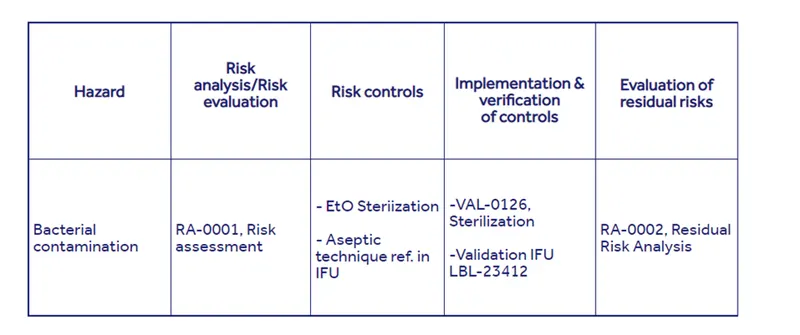
- A simple Risk Management File sample is shown in Figure .
- It lists the supporting documentation for example hazards. The user of the document might then examine each document that was cited to confirm that the risk had been sufficiently controlled, that the residual risk had been decided to be acceptable, or that it had been otherwise documented that the risk-benefit analysis had established that the benefits outweighed the risks.
- The packaging should be proper to safe the Pacemaker from any hazardous effect.
- Pacemaker sterilization for packaging
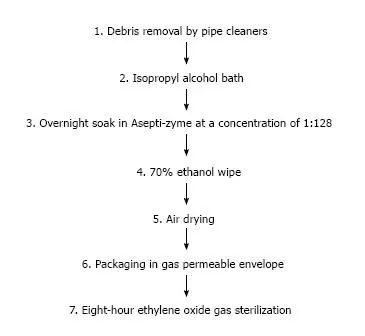
Fig- Risk Management File Traceability matrix
- A benefit-risk analysis works on the principle that the medical benefits of the medical device outweigh the residual risk.
- It is still likely that we will have some risks that are still at an unacceptable level after you establish Risk Controls and evaluate remaining risks. In these circumstances, performing and documenting a benefit-risk analysis might make sense (BRA).
- The justification for the Benefit Risk Analysis must be stated in writing, along with unbiased proof that the medical advantages outweigh the unacceptable risks. The BRA(Benefit Risk Analysis) is a specific provision that allows you to proceed with unacceptable risks if you are able to do so.
- It's crucial to keep in mind that a BRA should never incorporate financial reasoning.
- Important side note: According to certain people who are following the EU MDR, a BRA is necessary for every risk. The justification is that the regulations require that all hazards be minimised to the greatest extent practicable. When we are creating the risk management plan, this is something to keep in mind.
Post-production data
(Transporting, installation, Periodic maintenance,Breakdown maintenance)
Conduct ongoing Risk Management
At this point, our risk management strategy should have developed pathways for gathering post-production data. The risk management strategy should be revised on a regular basis if we discover new sources of information or establish that previously anticipated sources of information are not producing useful data. This is because the risk management plan is a living document. Once more, we should take into consideration the following sources if we need to hunt for additional data sources:
Information about the production process
- Consider data from production tests that are regularly conducted as well as data from receiving inspections and in-process nonconformance data.
Information from the user of the device
- Can you remotely access user information from an electronic device?
- What about consumer surveys that are carried out at conferences or that are included in the device packaging?
Information provided by the installation and maintenance staff?
- What difficulties arise during setup and maintenance?
- Do these employees of yours maintain delicate electronic equipment or do they work for a hospital cleaning and sterilising equipment so it may be used again?
Supply chain /delivery chain information production
- Verify that the distributors are sharing information received from their clients (We may not find out boxes are being damaged in transit if this data channel is not activated).
Regulatory reporting and scientific material that is accessible to the public
- Our risk analysis procedures may find great value in device incident data.
- Comparisons to a rival gadget or information on user experiences can be found in scientific publications, knowledge of cutting-edge technology conferences, technical journals, and business periodicals will provide this kind of knowledge.
- Are more current, competitor devices safer as a result of a design element?
- Does the risk acceptability of our product need to be revised in light of the advancement in technology?
Disposal
- Due to the possibility of device explosion, pacemakers must be removed before the deceased are cremated.
- In fact, the majority of Indian device patients today pass away with pacemakers and defibrillators that are operational and, on average, have batteries that last longer than seven years. Unfortunately, funeral houses and crematoriums are considerably more inclined to discard such devices as "medical waste".
- Devices that were recalled or on warning by the manufacturer were not included. Reprogramming of pacemakers resulted in them "pacing off" or pacing with low voltage output. Detection and treatment of ventricular tachycardia/ventricular fibrillation, as well as audible or vibratory signals, were programmed "off" on defibrillators, and they were designed to pace just minimally or not at all. Programmable patient information, such as the patient's name, doctor, hospital, and the date of their initial implant, was routinely deleted before delivery.
- The pacemaker should be washed in tap water and put in a sealed plastic bag with a biohazard label once it has been removed (explanted). The manufacturer of the pacemaker should then be contacted for information on how to return the device. Some of these manufacturers need to have their contact details included. The manufacturer will typically offer a return kit with all the shipping supplies and papers needed to send the gadget back. The purpose of manufacturers wanting pacemakers returned to them is to study the information on the memory chip inside the pacemaker.
|
|
Hazard identification |
Risk analysis |
Risk control |
|||||
|
No |
Activities (Events) |
Status |
Hazards |
Effects |
L |
S |
R |
(Preventive actions) |
|
1 |
Segregation of infectious and hazardous waste. |
Unavailable |
-An infection risks -Toxic - Corrosive - Poisonous - Combustible -Hazardous |
- The spread of the diseases threats to the health of human beings or any other beneficial uses of the environment. - Damaging effects on the human being and environment. - Carcinogenic and other health risks. |
4 |
4 |
16 |
- Infectious and hazardous waste should be segregated and collected properly in the yellow color bins' marked with the international infectious, and dangerous symbol. - Use of appropriate personal protective equipment. - The staff has to receive written information and training on waste segregation. |
|
2 |
Segregation of sharp waste. |
Unavailable |
- Cut -Injury -Punctured -Wound -Infection |
-Injured by needle and fingers permanently damaged. - Ulcer on legs. -Hands cut due to handling broken glass. -Poses a special risk for deadly diseases such as HIV/AIDS. |
5 |
4 |
20 |
Sharp waste should be segregated properly, and collected in rigid containers. Puncture-proof containers and fitted with covers should be used for disposal of sharp waste Appropriate personal protective equipment should be used during dealing with sharp waste The term of " SHARP " should be labeled on sharp waste containers to remind medical staff what it contains. A sharp containers should be sealed and sent for disposal of with potentially infectious waste before filled to more than three-quarters |
Fig: Blue bag will contain the remaining Pacemaker's parts for waste seggregation
Information review of the Post-production risk management plan of the Pacemaker-
- The hardest element of the post-production risk management process is gathering data and setting up routes for data collection. Once you have the data and knowledge, we can feed it back into the process of risk management, beginning with risk analysis.
- In addition to reviewing the current risk analysis documents, we must design a procedure for the routine examination of the data and information. If any unsettling data or information is obtained, the review procedure must also include escalation triggers for quick consideration of the risk analysis papers.
- For instance, we should review the risk analysis right away if we find a higher-than-normal degree of process non-conformance that could lead to poor patient outcomes.
- In order to determine whether recall efforts are necessary, this could also be done in conjunction with assessing the hazardous situation.
- The risk analysis team will need to sort through the new information and data for routine examination of the post-production data to see if there are any new dangers or hazardous scenarios that weren't previously documented on our risk analysis.
- Additionally, they must decide if any fresh data has emerged that raises doubts about the validity of the established risk estimate.
- For instance, the estimate will need to be amended and the residual risk would need to be re - evaluated if the rate of a certain surgical complication associated with the device is higher than anticipated.
Review outputs
- It is necessary to record and include the reviewed risk management input data in the risk management file.
- Meeting minutes, a review form or some other type of documentation can be used to complete this documentation, which must contain any decisions or actions that were taken.
- The documentation will also contain any updated versions of the analysis, estimation, controls, and residual risk evaluation documents used in the risk assessment. If advancements in technology suggest that the risk tolerance criteria should alter or if additional adjustments to the plan are required, the risk management strategy may also need to be revised.
Opportunities from Risk Management Plan–
- Risk management for medical equipment is governed by ISO 14971. It outlines the policies and processes that producers of medical equipment, including software, must follow in terms of risk management.
- The purpose of ISO 14971 is to assist manufacturers in determining, estimating, evaluating, monitoring, and controlling risk related to a medical device. Providing instructions on how to determine whether the control measures were correctly implemented, it also helps to minimize risk.
- What matters is, According to ISO 14971, the risk management approach must be iterative and used across the whole production process of a product, from design to disposal. Medical device risk management should be handled not only during the development and use of the devices but also after they arepublished for end users.
- In December 2019, the ISO 14971 standard's most recent revision became law. The International Organization for Standardization frequently analyses all standards, and during one of these studies, it was determined that the previous version of ISO 14971 was outdated. It lacked instructions on how to carry out risk management-related actions, and the definitions it included were no longer accurate.
- Additionally, the standard needed to be updated to comply with the most recent version of ISO 13485 as well as the EU MDR and other requirements of a similar nature, such as those of the FDA.
- The main changes in the ISO 14971 are-
- Establishing risk accessibility criteria
- Conducting risk-benefit analysis
- Creating a risk management plan
- All medical device manufacturers are required to adopt the most recent version of ISO 14971 no later than 2022, which is three years after its publication.
- The design reviews of medical devices have all employed the above methods successfully. Based on FDA recommendations for software parts of 510(k) notification submissions for medical devices, pacemaker manufacturers employ FTA. It will also be necessary to examine further computer-controlled medical equipment using FTA as the main risk analysis tool.
- Starting early is essential for effective risk management in the design of medical devices. The risk management process can start as soon as conceptual designs are available. For the purpose of choosing the concept with the highest level of inherent safety, a preliminary hazard analysis may be helpful.
-
Later, when the design is established, design reviews at designated points in the process will enable changes to be made without adversely impacting the project timetable. There are fewer options for hazard mitigation without major schedule implications later in the design process alterations are recognized.
Risk management procedures will often find ways to enhance device performance. The advantages of performing risk analysis during the design of medical devices can be substantial and can be utilized to cover all or part of the cost of putting risk-mitigating measures in place. How to manage risk involves trade-offs at all times. The widespread consensus is that hardware or software controls are more trustworthy than human controls, making them more effective.
- However, as all medical devices require human involvement to function, the risk component must be thoroughly assessed. Reducing the amount of routine human intervention will lower risk and boost productivity. The expense of automating human-doable tasks must be taken into account when comparing such risk reduction to it.
Source-
https://www.qualio.com/blog/iso-14971#RMF
http://www.madehow.com/Volume-3/Pacemaker.html
https://www.greenlight.guru/blog/iso-14971-risk-management
https://www.mddionline.com/risk-management-medical-devices-introduction-process-infographic
https://www.researchgate.net/figure/FMEA-table-for-the-pacemaker-connectors_fig5_3188244
https://www.sciencedirect.com/topics/engineering/risk-acceptability