Project 2
THEORY
A wiring harness is a logical arrangement of wires, terminals, and connectors that runs throughout the entire vehicle and transmits data and electrical power, effectively "connecting" a number of different components. Similar to how the circulatory and central nervous systems of the human body transmit energy and information, this network does the same. Wire harnesses are collections of electrical cables used in electrical applications to carry signals. They are a collection of slack wires that have been bundled into a single covering to create a more streamlined system. Many other industries employ these wire harnesses, with the automotive industry being one of the biggest users.
For the optimum performance, automotive wire harnesses employ a wide range of wire harnesses. These harnesses integrate the electrical and electronic device wiring from several devices into a single system. As a result, they support the transfer of signals and the activation of various electrical and electronic equipment. They are made to work successfully in harsh environments and are also used to set up electrical circuits in autos.
BENEFITS OF AUTOMOTIVE WIRING HARNESS
- Reduced installation time
Consider adding numerous wires to your system. Then, think of installing a single device that connects several wires. It goes without saying that installing a single unit is far quicker than installing many units. Additionally, this lessens the possibility of faulty wiring.
- Reduced risk of shorting
The use of wire harnesses reduces the chance of electrical circuit shorts by combining many wires into rigid bundles, making them safer than loose wires.
- Great performance in harsh conditions
The materials used to make automotive wiring harnesses are strong, making the harness strong as well. These bundles are made to function remarkably well in challenging environments and to carry large power loads.
- Improved fuel efficiency
Every vehicle's ability to increase fuel efficiency is greatly helped by wiring harnesses.
- Performance in hybrid cars
Automotive wire harnesses are the ideal choices for hybrid cars since they offer exceptional performance in challenging settings as well. This indicates that these harnesses can handle electrical loads, withstand high heat, and electromagnetic noise while still transmitting large currents under challenging circumstances.
APPLICATIONS OF AUTOMOTIVE WIRING HARNESS
- Two wheelers, three wheelers, cars, utility vehicles, and commercial vehicles.
- Electrical and geometrical requirements of automobiles, and are embedded in the body, engine, and chassis of vehicles.
- Body wiring harnesses are embedded into dashboards, door locks, power windows, and interior electrical components.
- Engine wiring harnesses embed into speed sensors, lock breaking systems, cruise control systems, and fuel injection systems.
- Chassis wiring comprise of the front, rear and main harnesses.
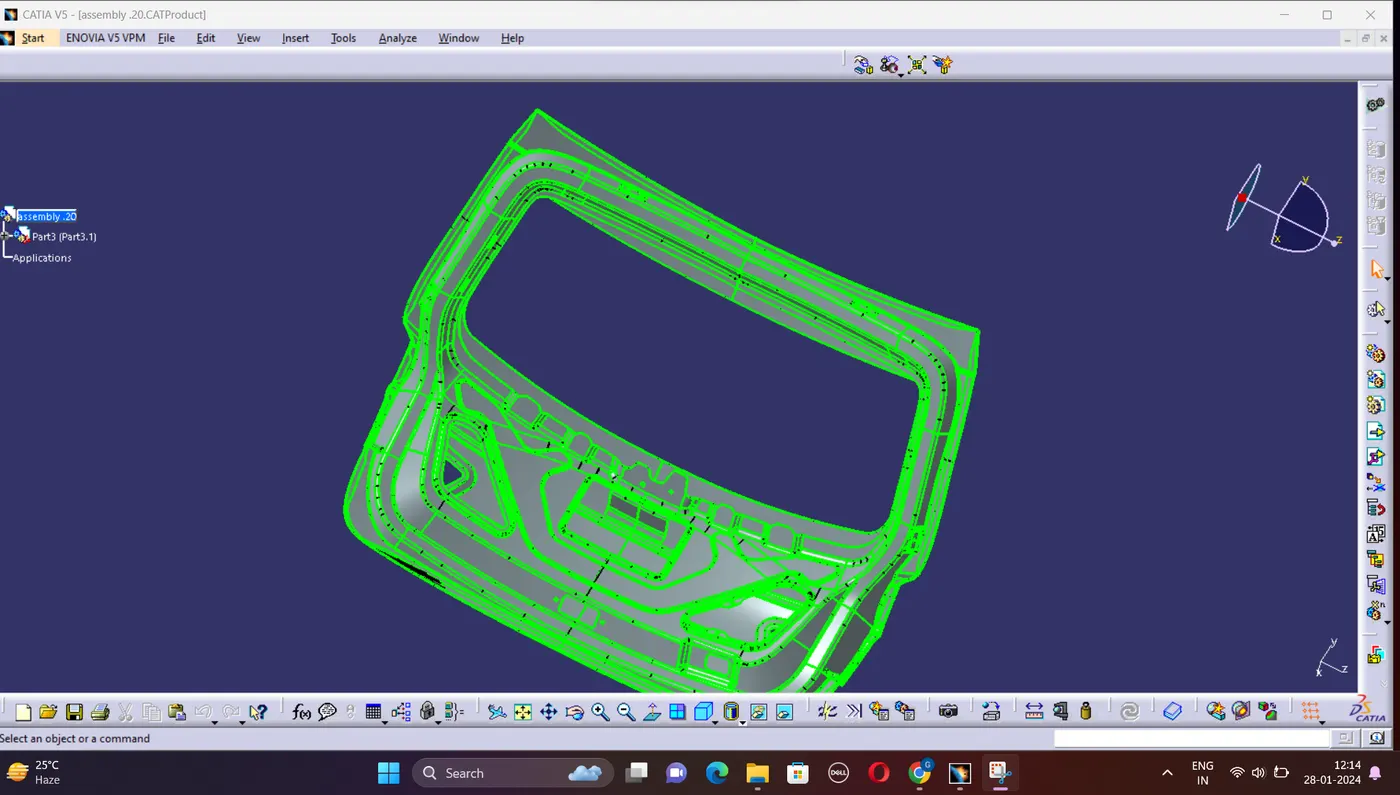
- 3D MODEL OF VEHICLE BACKDOOR
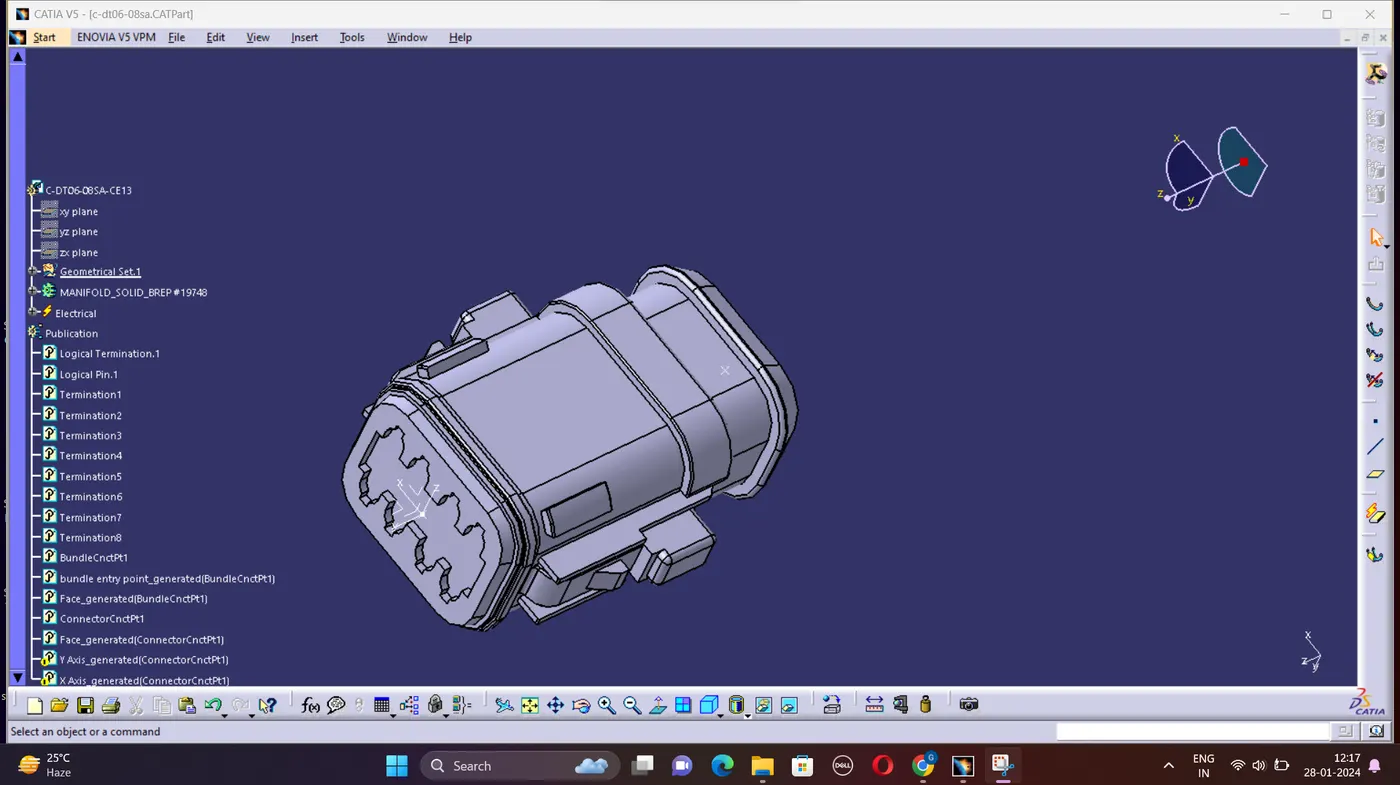
- Electrically Defined C-DT0608-SA-CE13 Connector
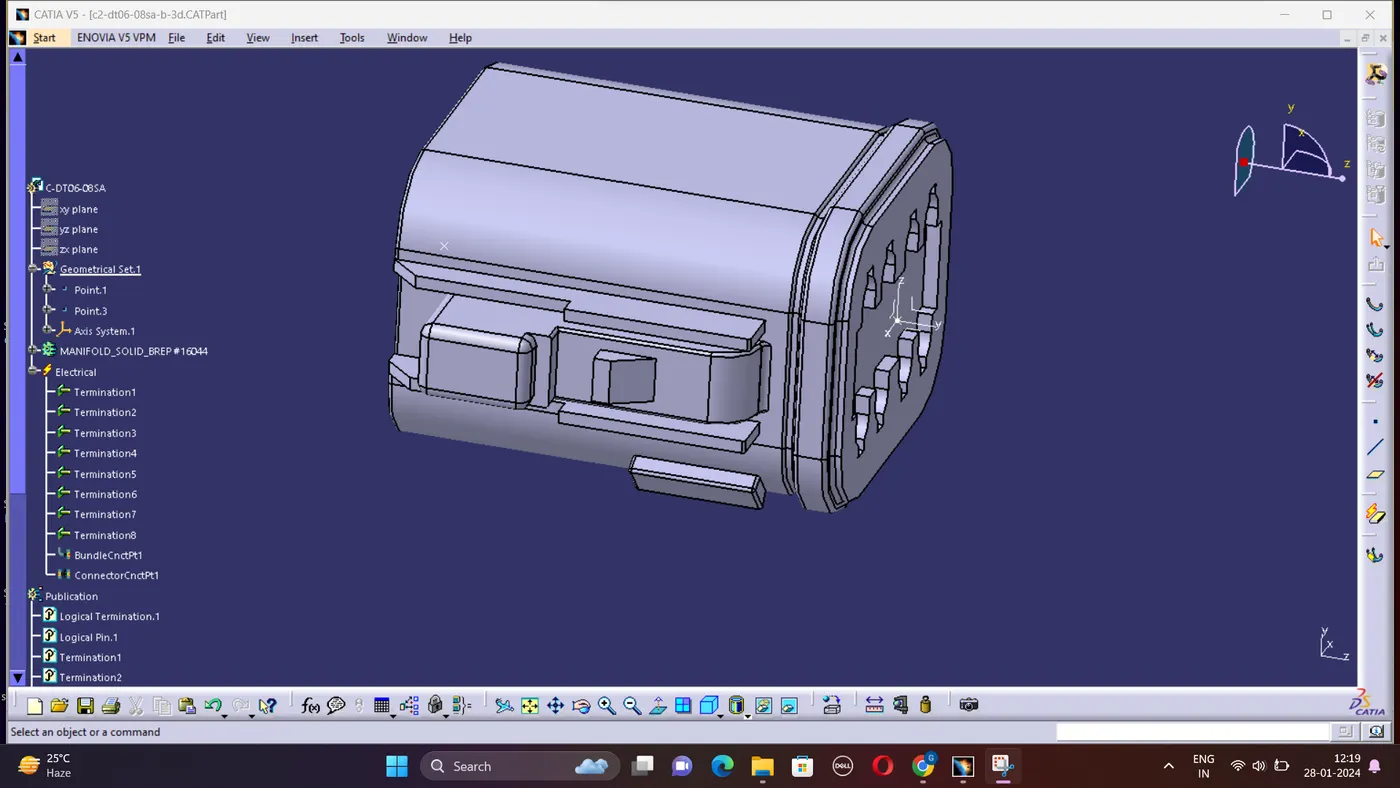
- Electrically Defined 2C-DT0608-SA-CE13Connector
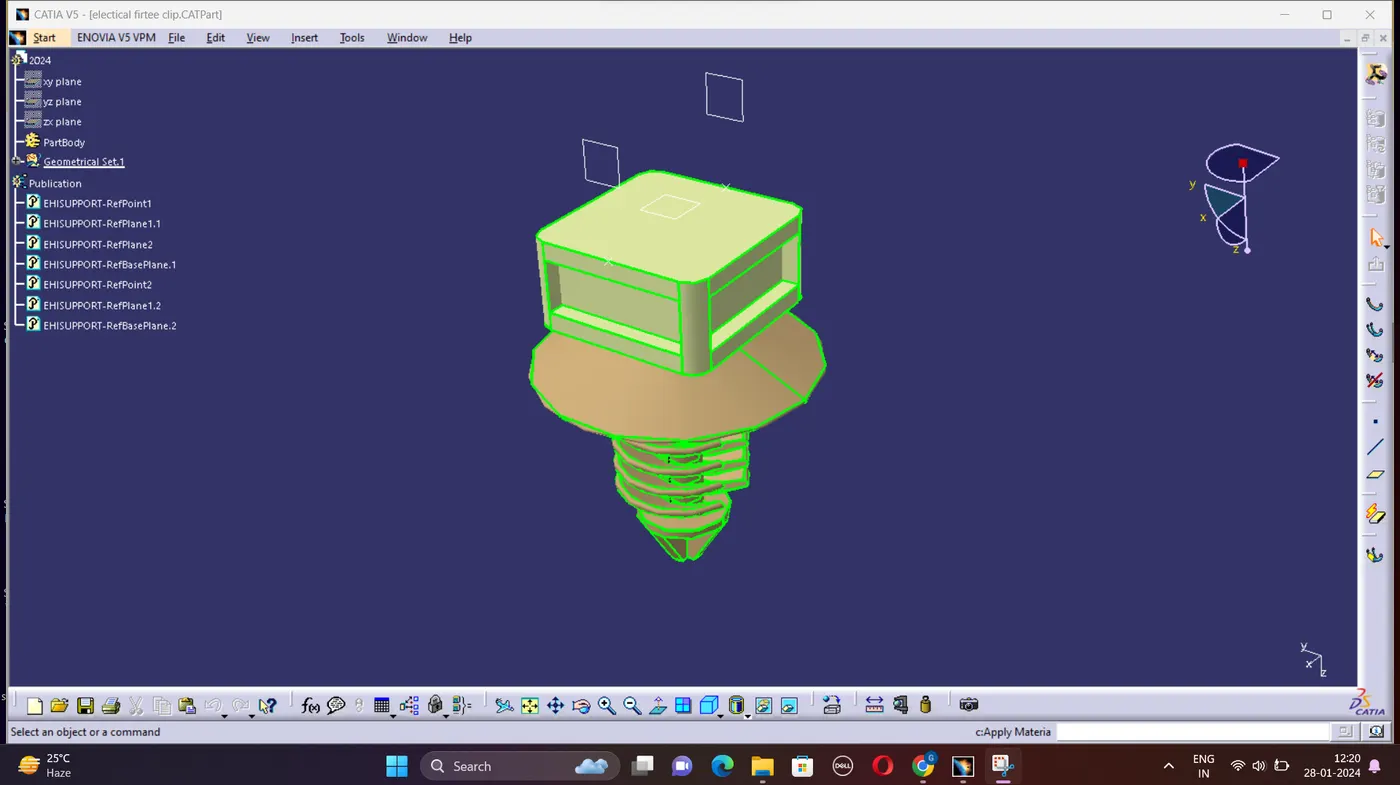
- Electrically Defined Fir tree clip
- Beginning of routing from connector to fir tree clip
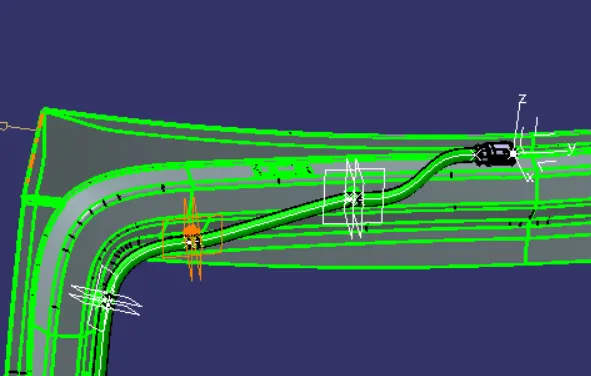
- Routing throuth fir tree clip
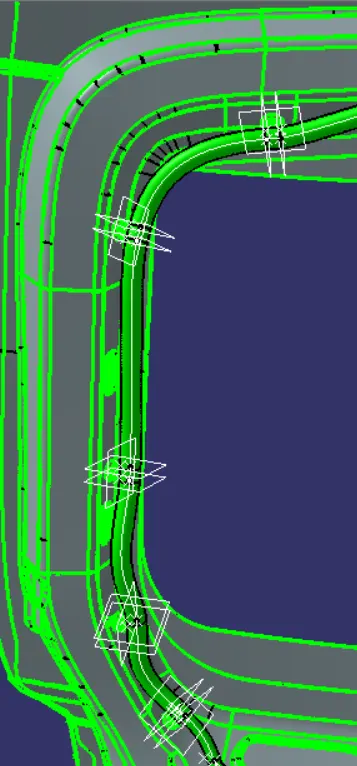
Sub-branch created to connector
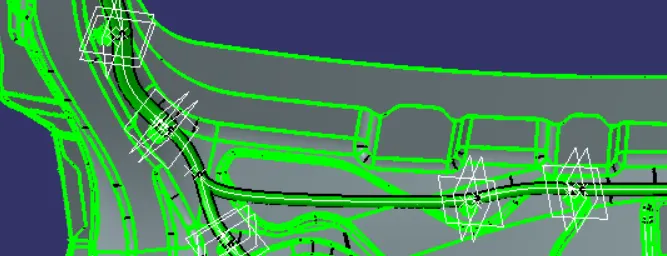
Developed corrugated tubes for routing
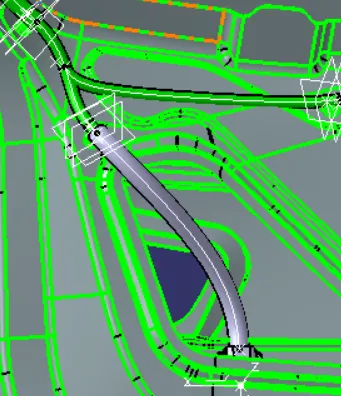
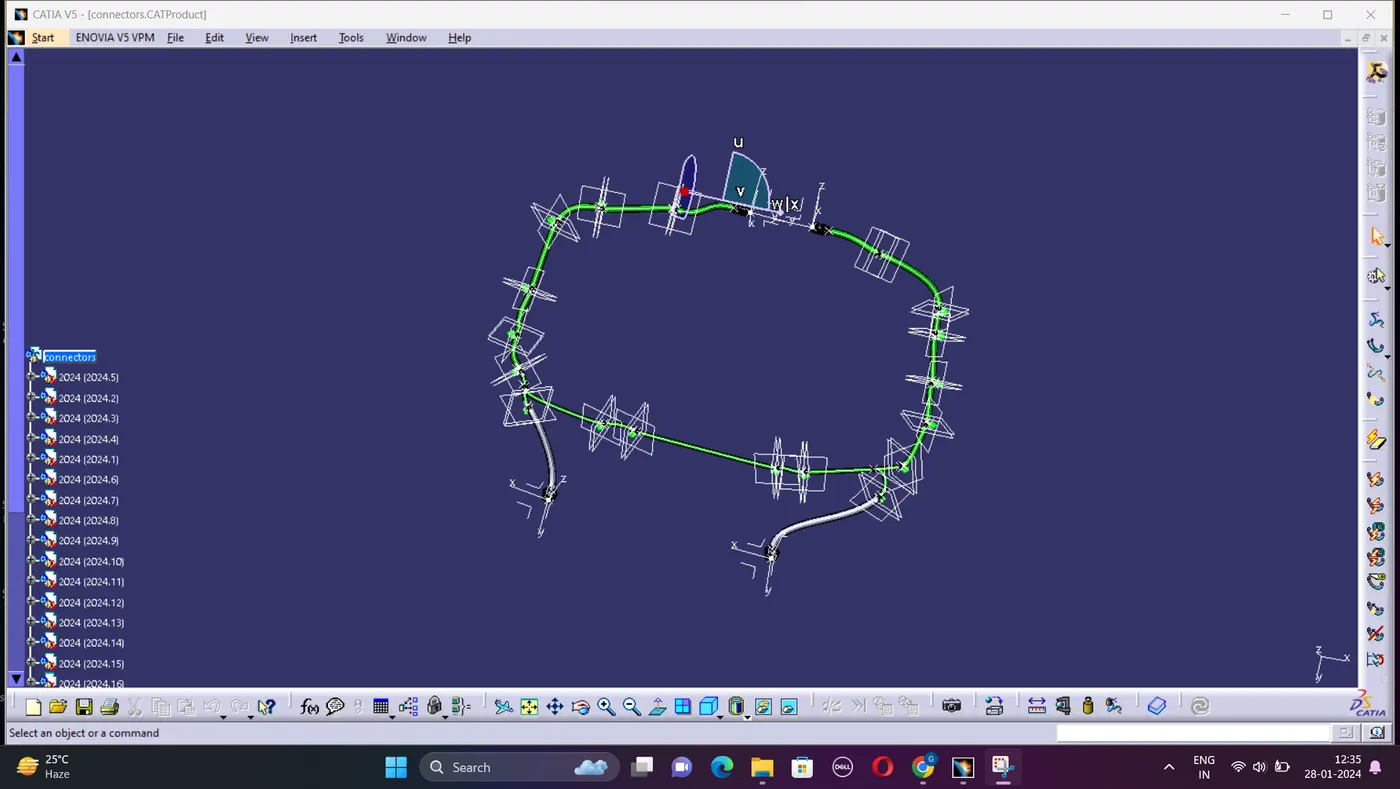
Developed electrical bundle routing for backdoor
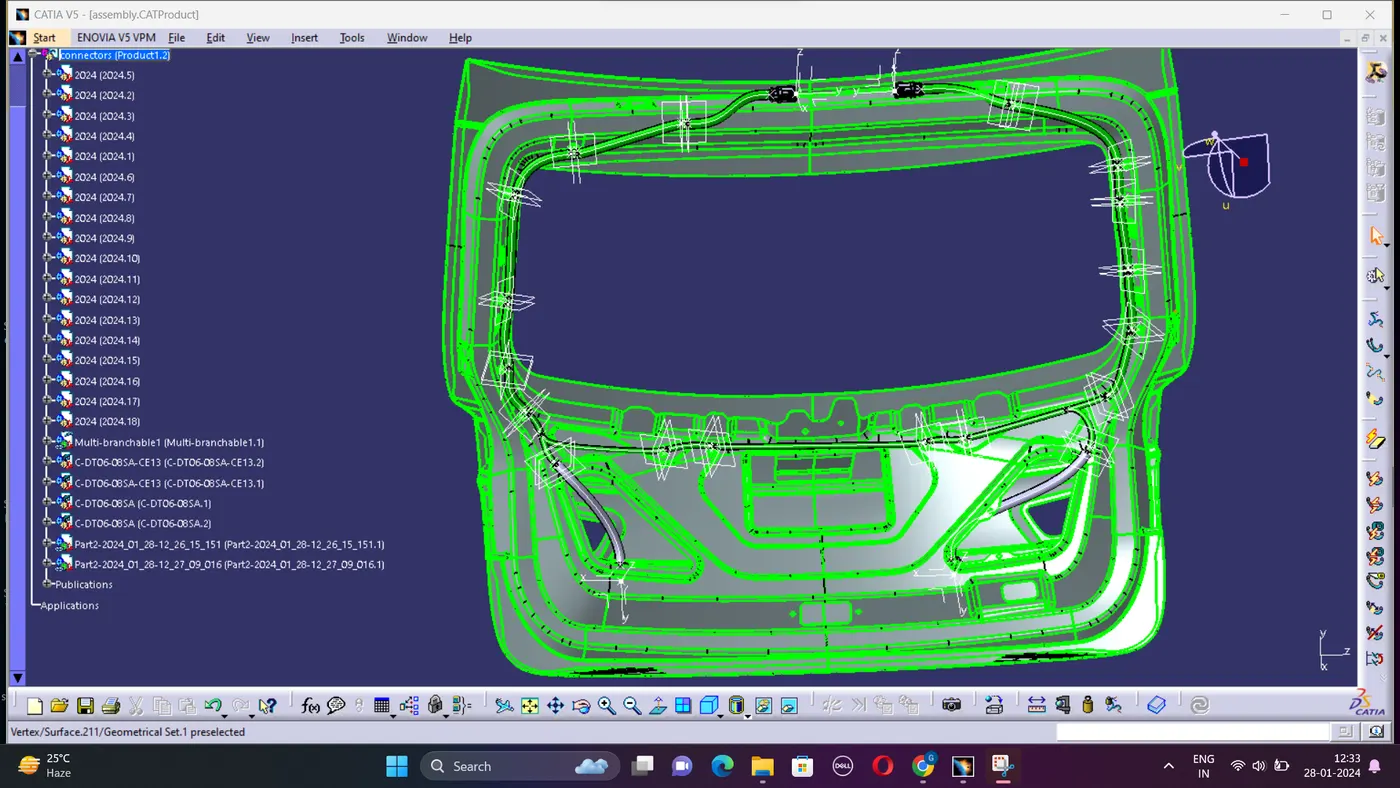
Assembly harness geometrical bundle segment
Create a new product file for wiring harness flattening, initial settings and adding the relevant components
- Open a new product file for the wiring harness flattening process and switch to the electrical harness flattening workbench.
- Select the harness flattening parameters command a pop-up window appears to do the initial settings like, algorithm as coarse, angle mode as regular, minimum angle between two branches, flattening orientation, flattening scaling, synchronization, link and drawing options.
- Now open the input file of the wiring harness geometrical bundle product in a new window and check for the bundle continuity and all the components in the wiring harness assembly are electrically defined.
- Switch to the new product file for the wiring harness flattening and make the window as Tile vertically then we can import the input file to the new product file by selecting the geometrical bundle product tree structure using the extract command and the other window will be closed automatically.
- The imported file will automatically have the suffix .ehf file, this means it is successfully imported into the electrical harness flattening workbench.
- By selecting the appropriate plane and all bundles in the assembly we can flatten them by using flatten command and then adjust the position, angles, etc if required by using various commands available in the electrical harness flattening workbench then save all the files in one folder for the proper and smooth operations.
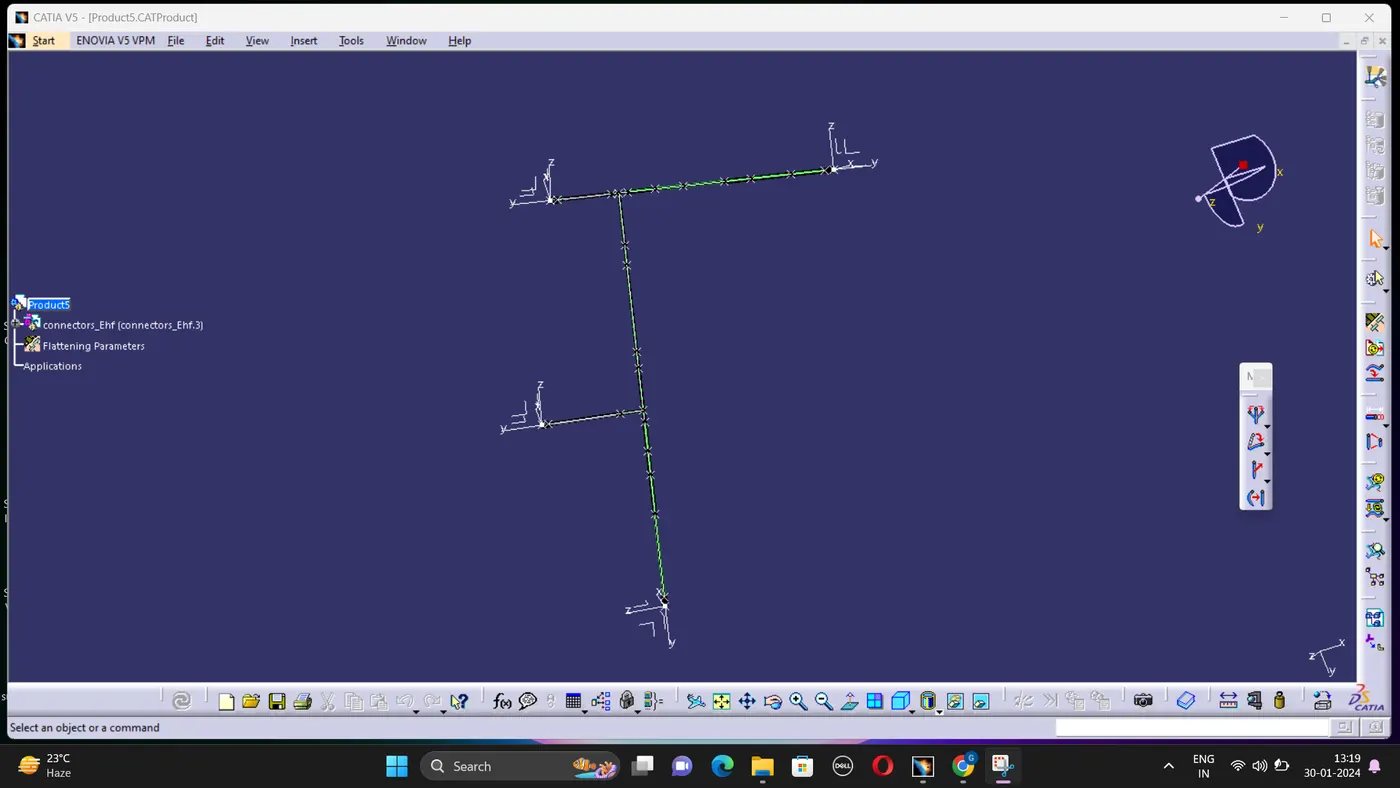
Flattened view of the electrical harness geometrical bundles Adjust the position, angles, etc by using various commands available in the electrical harness flattening workbench and adding protective coverings to the bundles to get the appropriate view
Create a drawing file and convert the electrical harness to a 2D drawing
- Open a new drawing file by using the file toolbar and thereby selecting new and type has drawing. Make initial settings like, standard, paper size, view type, etc available in the pop-up window.
- We can add the front view of the flattened wiring harness assembly to the drawing workbench by selecting the front view command and selecting the appropriate flatten surface from the electrical harness flattening workbench
- Right click on the border of the design sheet and go to the properties and view option then enable 3D wireframe and mark as is always visible from the dress-up feature.
- To enable the 3D views of the connector we have to switch into the electrical flattening workbench and by double clicking, the flattening parameters from the tree structure adjust the graphic replacement of the device to 3D projection and again add a new front view into the drawing.
- We can also add a frame and title block into the drawing by using the toolbar insert, drawing, frame and title block.
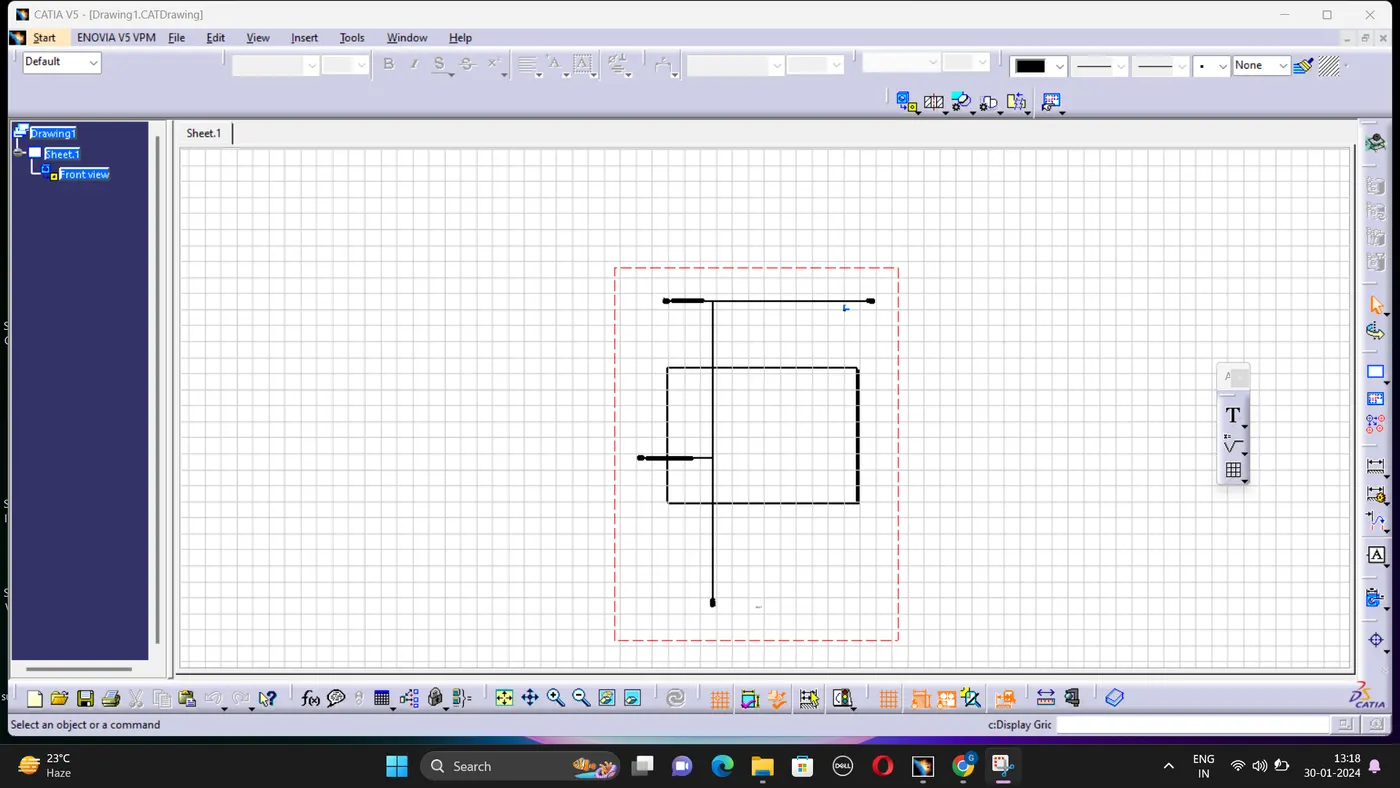
A new drawing file was opened and added the front view of the flattened wiring harness assembly by adjusting the dress-up features to get a fully informative drawing associated with the 3D model
Conclusion
The concept design of wiring harness routing for the backdoor of a car is developed by following all the design guidelines and best practices as per industry standards and thus understand the critical role of wiring harness routing in automobile industries in “connecting” a variety of components to relay information and electric power.