Project 2
REPORT ON BACKDOOR
NOTE:I HAVE PROVIDED THE LINK BELOW OF THE FILE ,IN CASE IF ANY U FIND ANY TROUBLE WITH THE ATTACHED FILE U CAN GRADE MY CHALLANGE THROUGH THIS DRIVE LINK, THANK YOU
PROJECT FILE (ALL FILES)
https://drive.google.com/file/d/1qtJQWiymOh8UoskhB_ufj8fiCplWZlkp/view?usp=sharing
FLATTENING AND DRAWING
https://drive.google.com/file/d/1UsAAGQO1QD2sRQ05en8f7hmGSrwF4_Mo/view?usp=sharing
CATALOG
https://drive.google.com/file/d/1lYqqWHWUMwsrWe_saGMEqNvg-kvnyZNd/view?usp=sharing

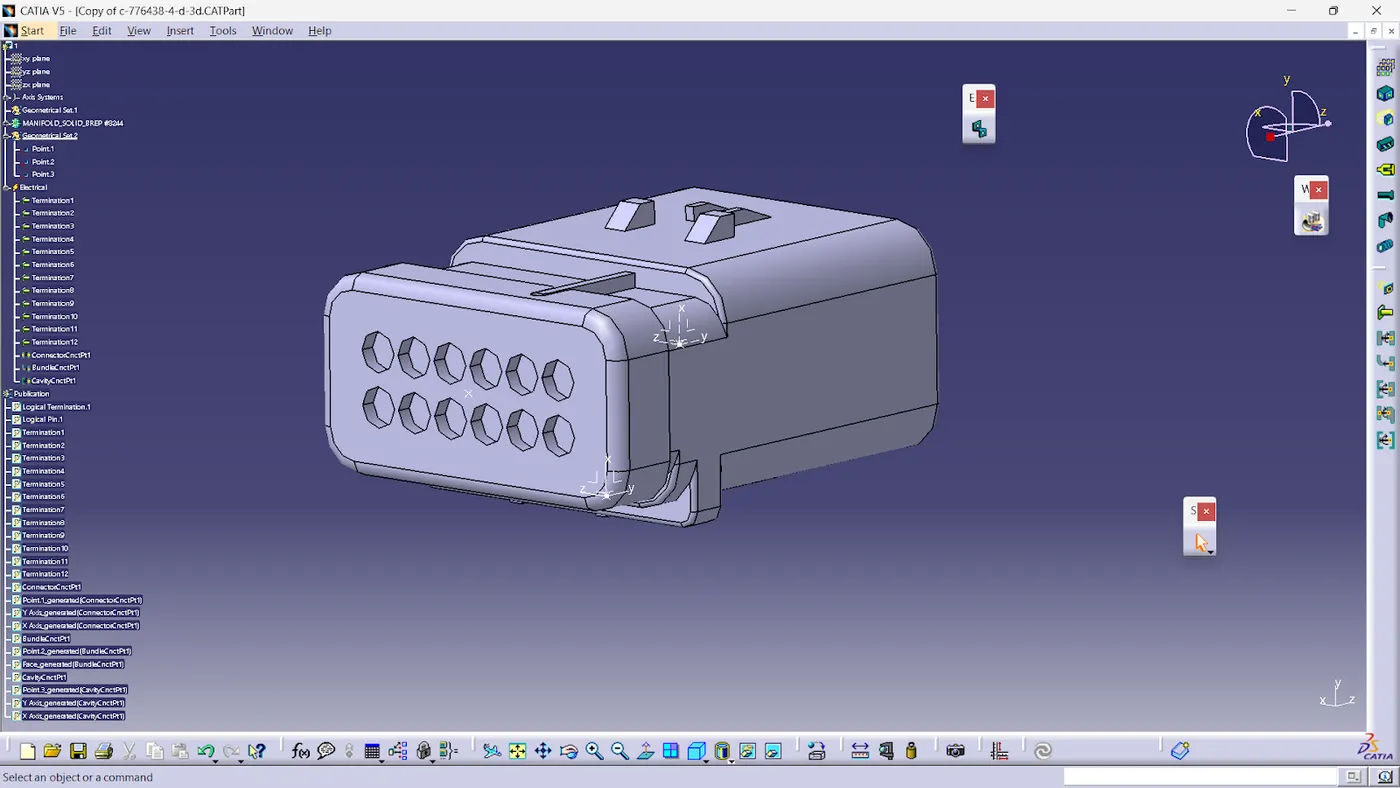
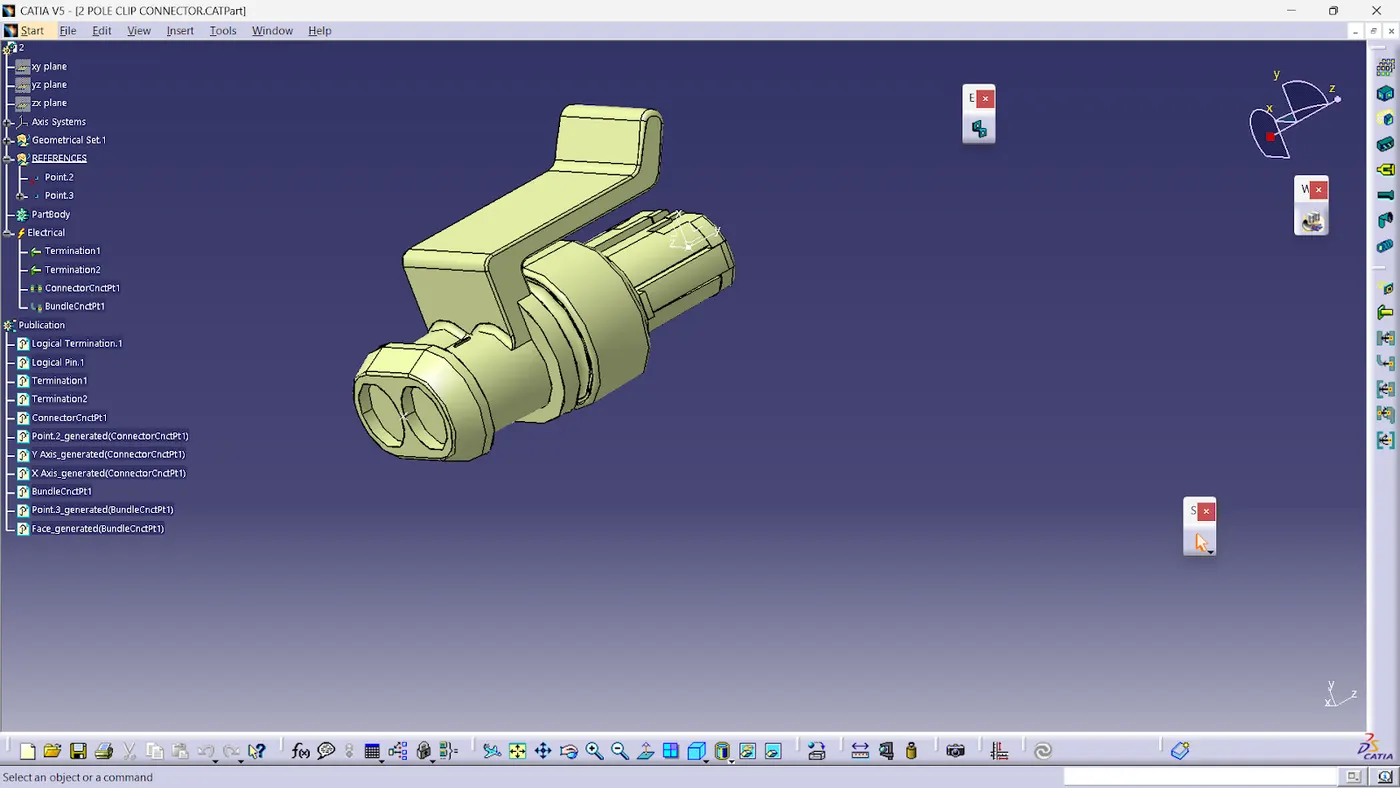
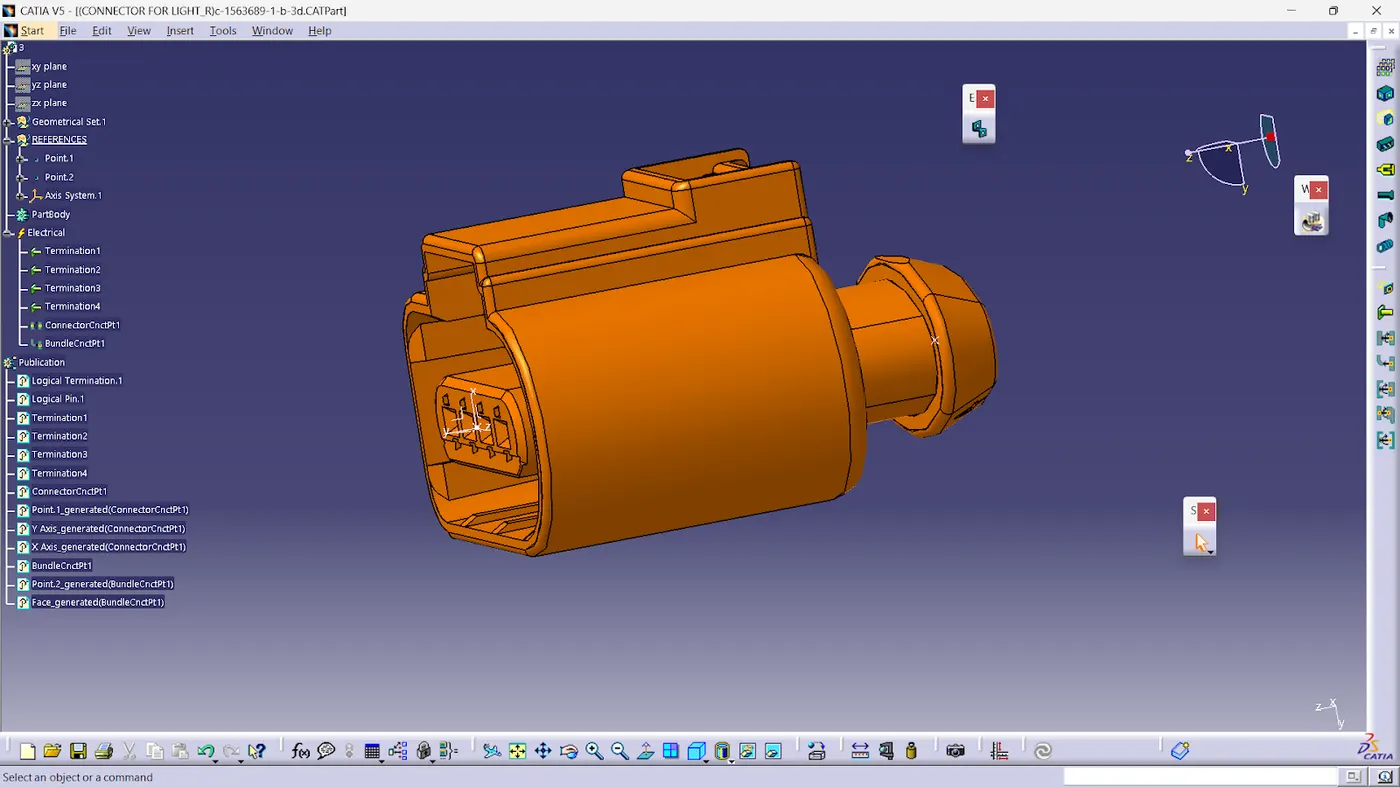
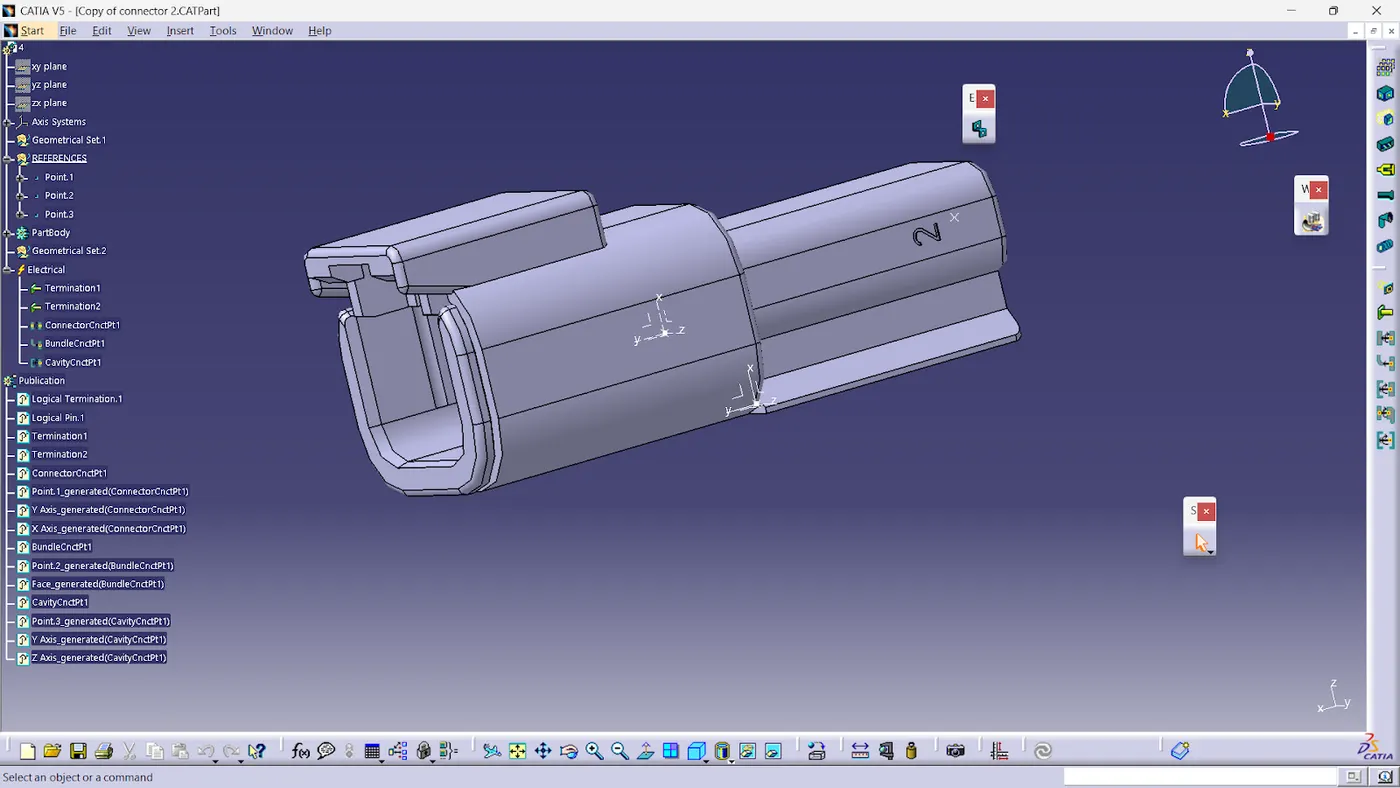
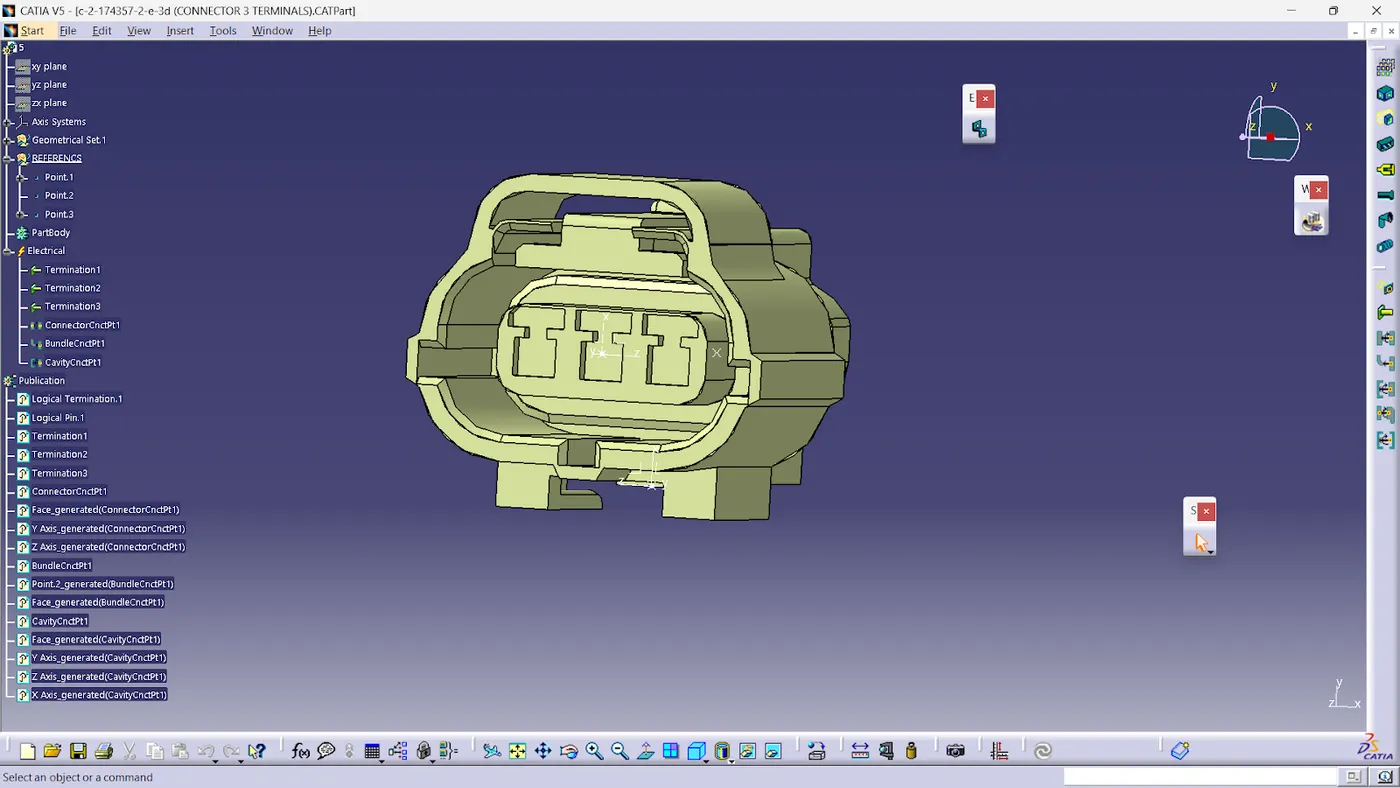
Download connector 3D data from www.te.com
- c
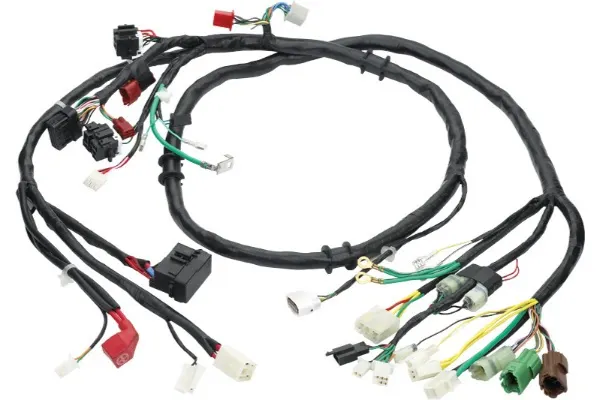
A wire harness, also called as cable harness, cable assembly, wire loom, or wiring assembly, is a group of wires clubbed together into one unit to transmit signals and provide electrical power to various applications. These harnesses consist of multiple components along with the many wires they constitute of. The wires clubbed together could be of any type ranging in hook-up wires, multi-pair cables, multi-conductor cables, and coaxes. There could be a combination of any of these wires, depending upon the design of the harness. These equipment are designed according to the geometric and electrical requirements of the equipment they will be installed in.
Wire harnesses play a crucial role in modern electronic and electrical systems, and their importance has grown significantly in various industries. Here are some reasons why wire harnesses are essential in today's context:
-
Complexity of Electrical Systems:
-
Modern devices and machinery have increasingly complex electrical systems with numerous components that need to be connected. Wire harnesses simplify this process by organizing and securing the wiring, reducing the chances of errors and improving overall system reliability.
-
Integration of Technology:
-
With the integration of advanced technologies such as sensors, microcontrollers, and communication modules, the number of electrical connections has increased. Wire harnesses provide a structured and efficient way to manage these connections, ensuring proper functionality.
-
Space and Weight Optimization:
-
Wire harnesses are designed to be compact and lightweight. In applications like automotive and aerospace, where space and weight are critical considerations, harnesses help optimize the layout and minimize the overall weight of the electrical system.
-
Ease of Manufacturing and Assembly:
-
Wire harnesses streamline the manufacturing and assembly process. They are often pre-assembled, allowing for quicker and more cost-effective production. This is particularly important in industries with high production volumes.
-
Reliability and Durability:
-
Properly designed and manufactured wire harnesses contribute to the overall reliability and durability of the electrical system. They protect wires and connectors from environmental factors such as moisture, dust, and vibrations, reducing the risk of electrical failures.
-
Maintenance and Repairs:
-
In the event of a fault or the need for maintenance, wire harnesses simplify the identification and replacement of faulty components. This ease of access and repair helps reduce downtime in critical systems.
-
Standardization and Compliance:
-
Wire harnesses often adhere to industry standards and regulations, ensuring that electrical systems comply with safety and performance requirements. This standardization facilitates interoperability and compatibility between different components.
-
Cost Efficiency:
-
Despite initial manufacturing costs, using wire harnesses can lead to cost savings in the long run. The reduction in assembly time, lower error rates, and ease of maintenance contribute to overall cost efficiency.
-
Automotive Applications:
-
In the automotive industry, wire harnesses are crucial for connecting various components, from sensors to lights to the engine control unit. The complexity of modern vehicles necessitates the use of well-organized wire harnesses.
-
Aerospace and Defense:
-
In aerospace and defense applications, where reliability and precision are paramount, wire harnesses ensure the secure and error-free connection of critical components such as avionics systems and communication devices.
In conclusion, wire harnesses are essential in modern electronic systems due to their role in simplifying complex wiring, optimizing space and weight, ensuring reliability, facilitating manufacturing, and meeting industry standards. They are a critical component in various industries, contributing to the efficiency and performance of today's advanced electrical systems.
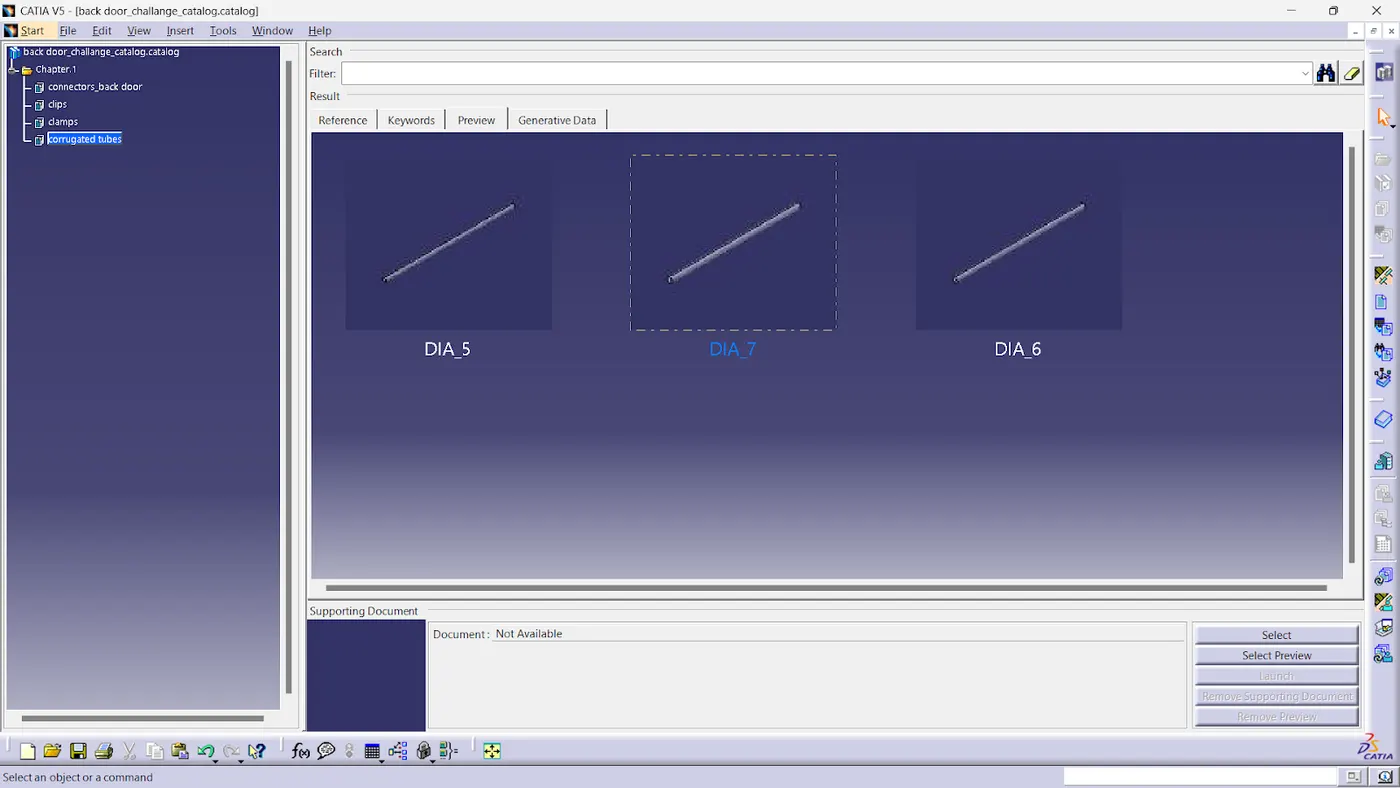
CORRUGATED TUBES (PROTECTIVE COVERING):
"corrugated tubes" or "corrugated conduits." Corrugated tubes are a type of tubing or conduit that has a corrugated (ridged or grooved) surface. These tubes are commonly used for various applications due to their flexibility, durability, and protective qualities. Here are some key aspects of corrugated tubes:
-
Material:
-
Corrugated tubes are often made from materials such as plastic (e.g., polyethylene or polypropylene) or metal (e.g., stainless steel or aluminum). The material choice depends on the specific requirements of the application.
-
Flexibility:
-
The corrugated design imparts flexibility to the tubes, allowing them to bend and adapt to the shape of the surrounding environment. This flexibility is particularly useful in applications where a rigid conduit would be impractical.
-
Protection:
-
Corrugated tubes provide protection for electrical wires, cables, or other sensitive components. They shield the contents from environmental factors such as moisture, chemicals, abrasion, and physical impact.
-
Wiring and Cable Management:
-
These tubes are commonly used in electrical wiring installations to organize and protect cables. They help prevent tangling, damage, and interference, making them suitable for both residential and industrial applications.
-
Applications:
-
Corrugated tubes find applications in various industries, including automotive, aerospace, construction, telecommunications, and industrial machinery. They are used for wire management in vehicles, protection of fiber optic cables, and conduit systems in buildings.
-
Easy Installation:
-
The flexibility of corrugated tubes makes them easy to install, even in challenging or tight spaces. They can be easily bent or routed around obstacles.
-
Temperature Resistance:
-
Depending on the material, corrugated tubes can offer resistance to a range of temperatures. This makes them suitable for applications where exposure to heat or cold is a consideration.
-
Corrosion Resistance:
-
Corrugated tubes made from materials like stainless steel provide excellent resistance to corrosion, making them suitable for outdoor and harsh environments.
-
Customization:
-
These tubes are available in various sizes and can be easily cut or customized to fit specific lengths or requirements.
-
-
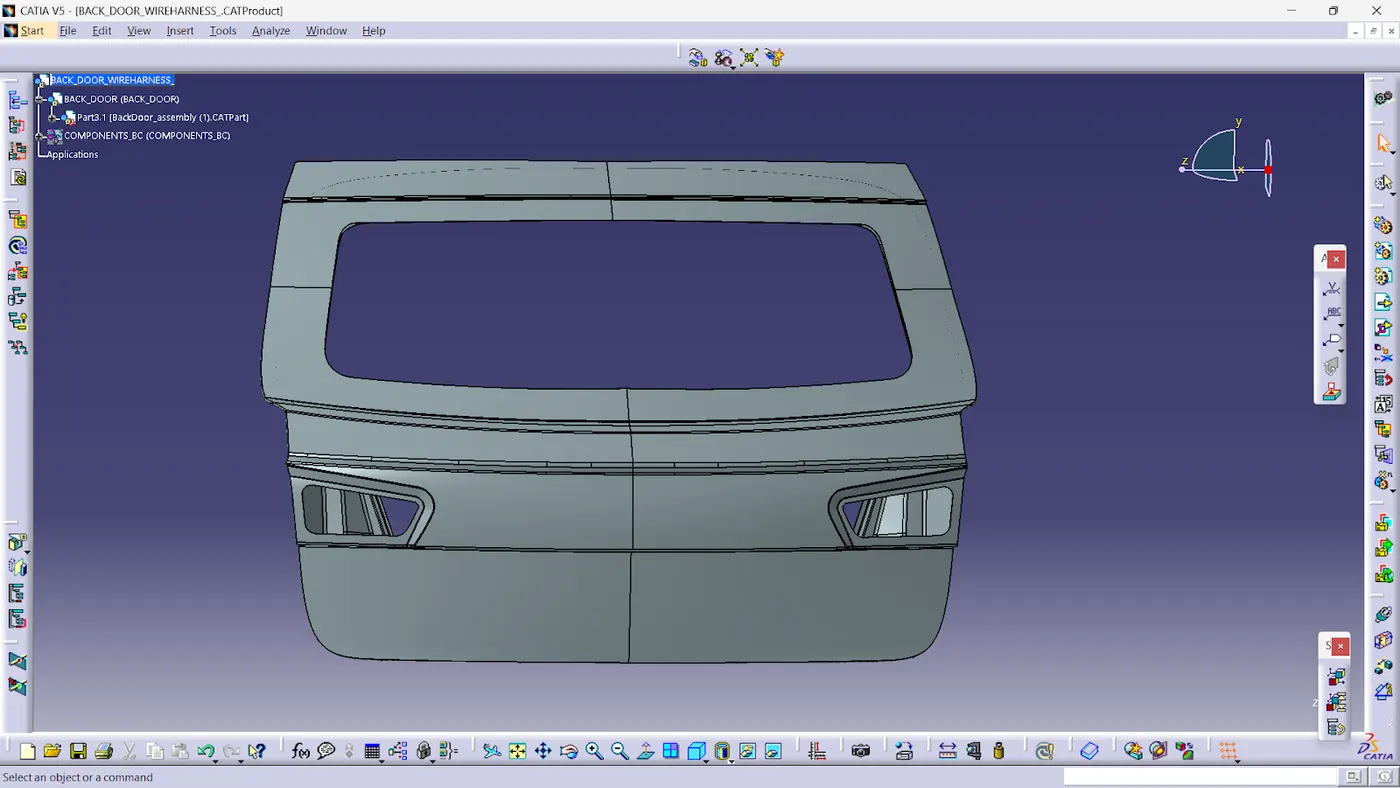
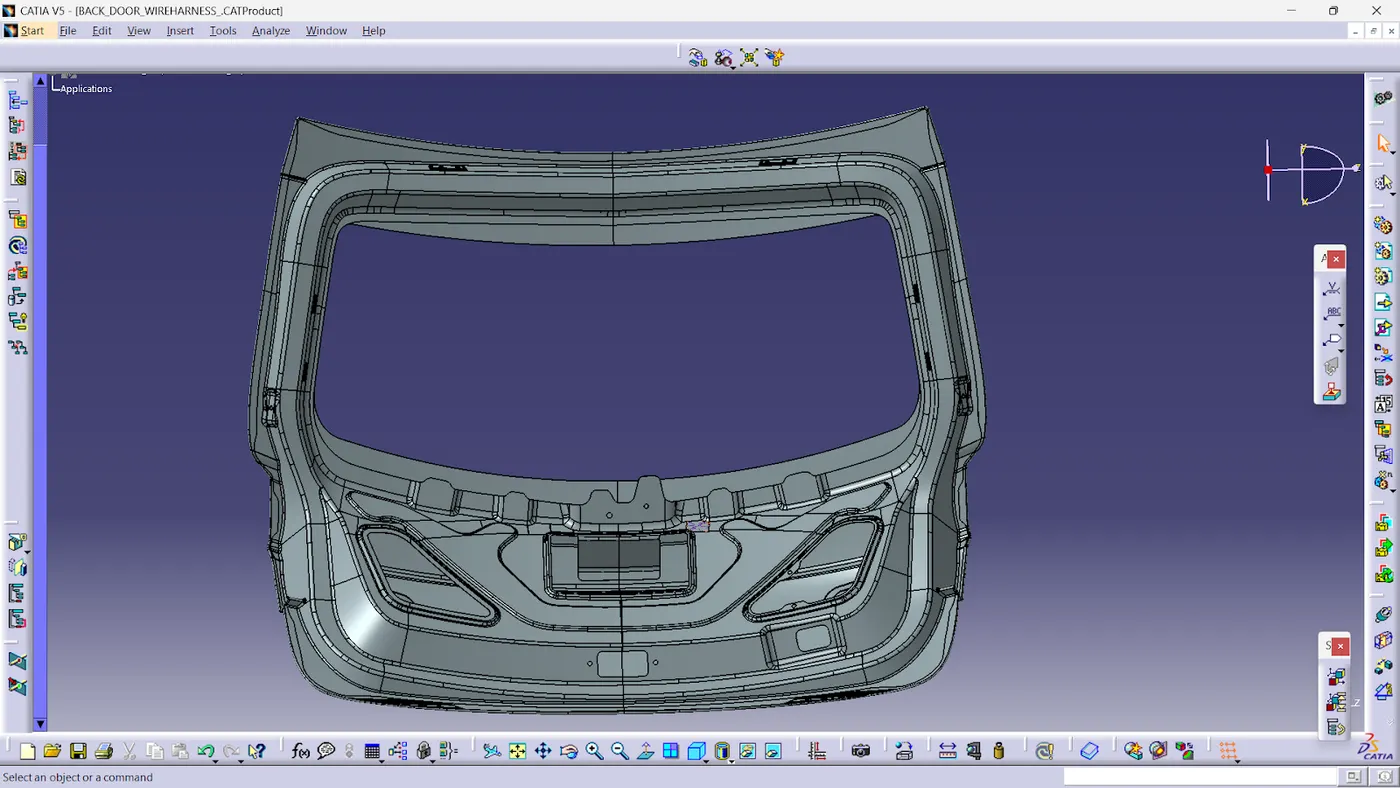
Car Backdoor
-
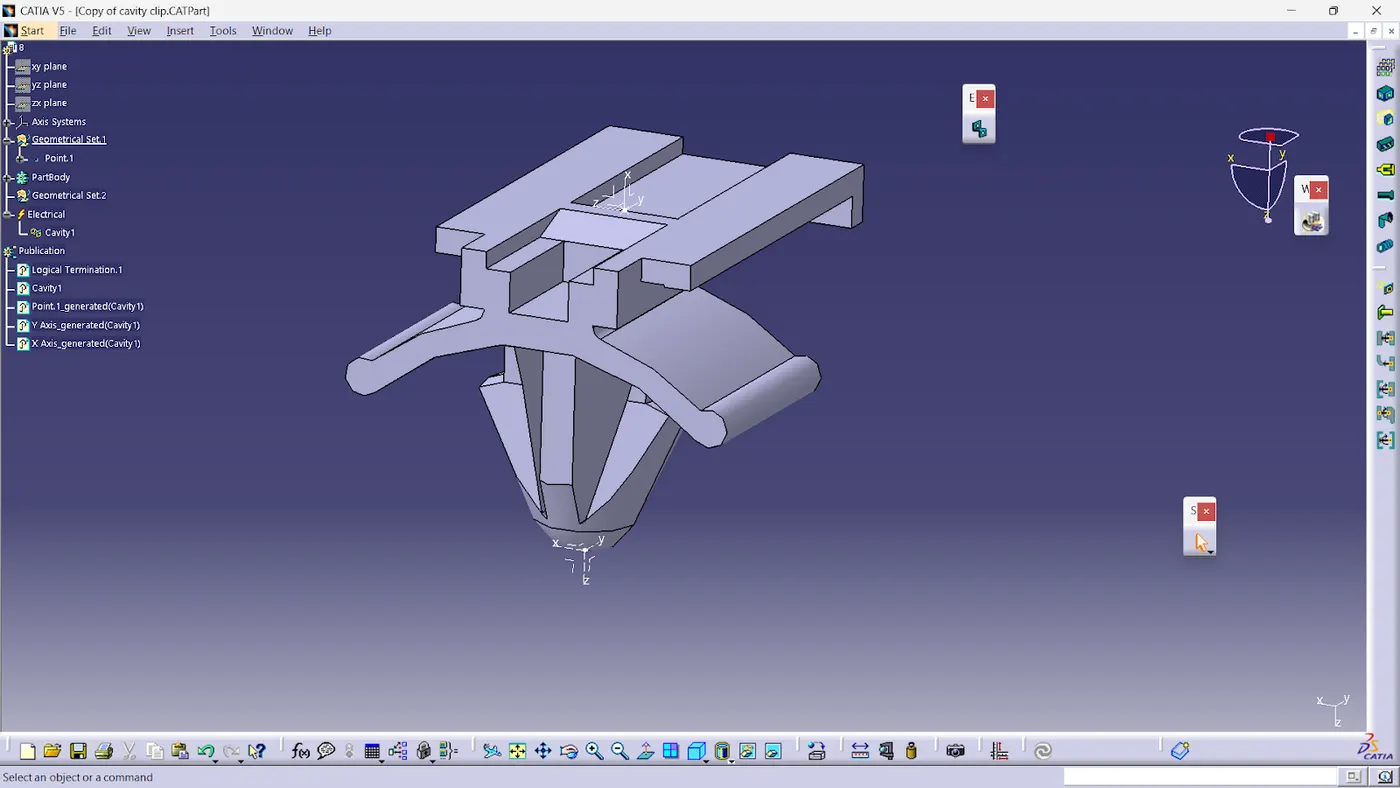
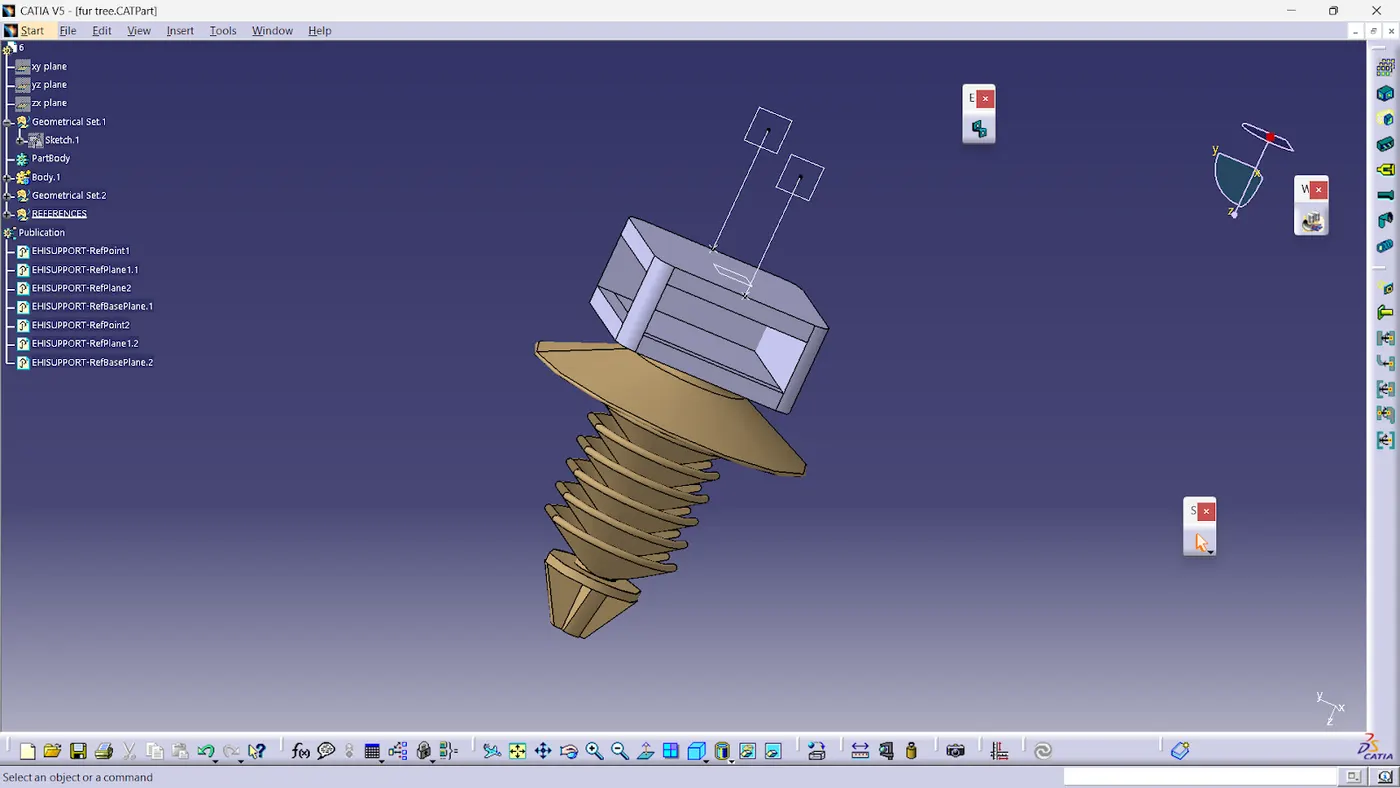
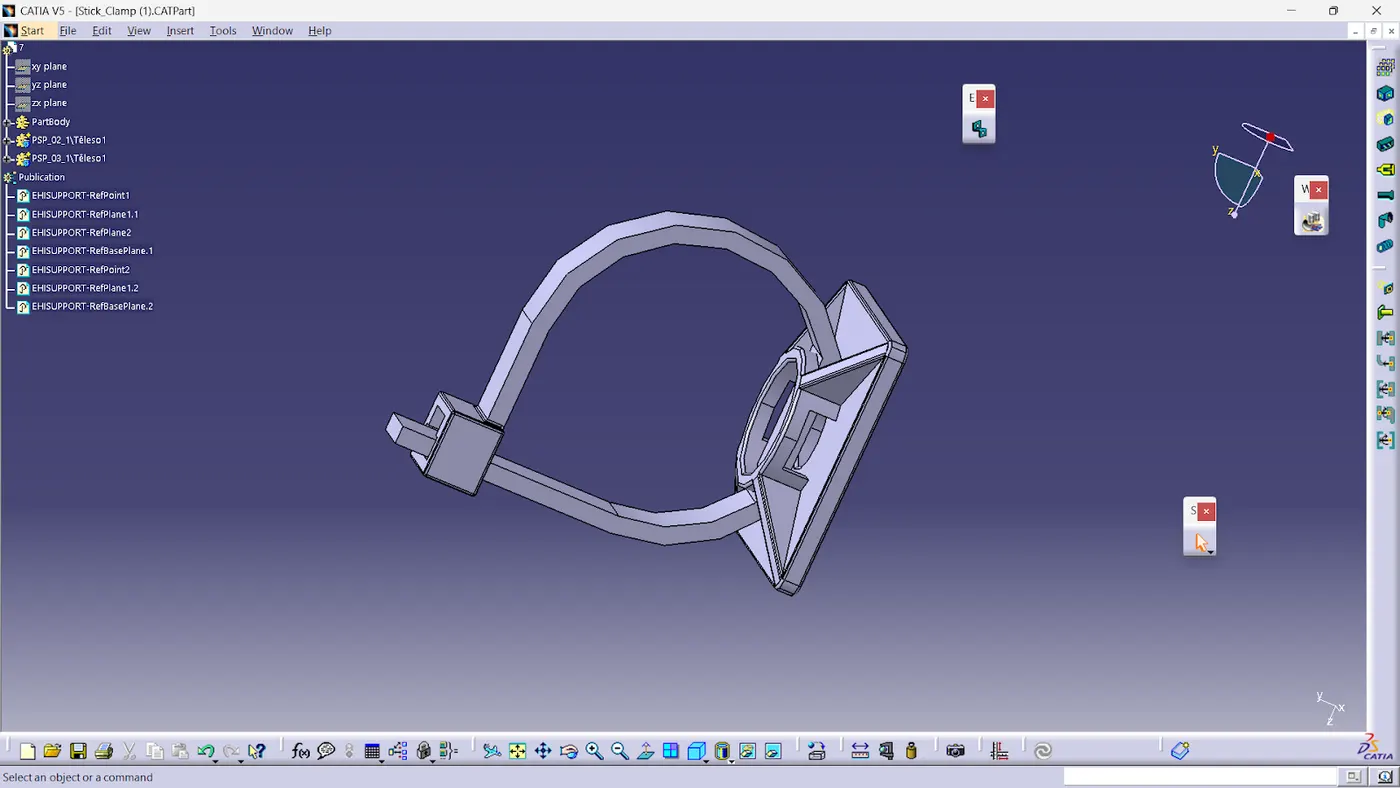
 connectors ,clips and clamp with there electrical properties
 -
-
-
-
-
-
-
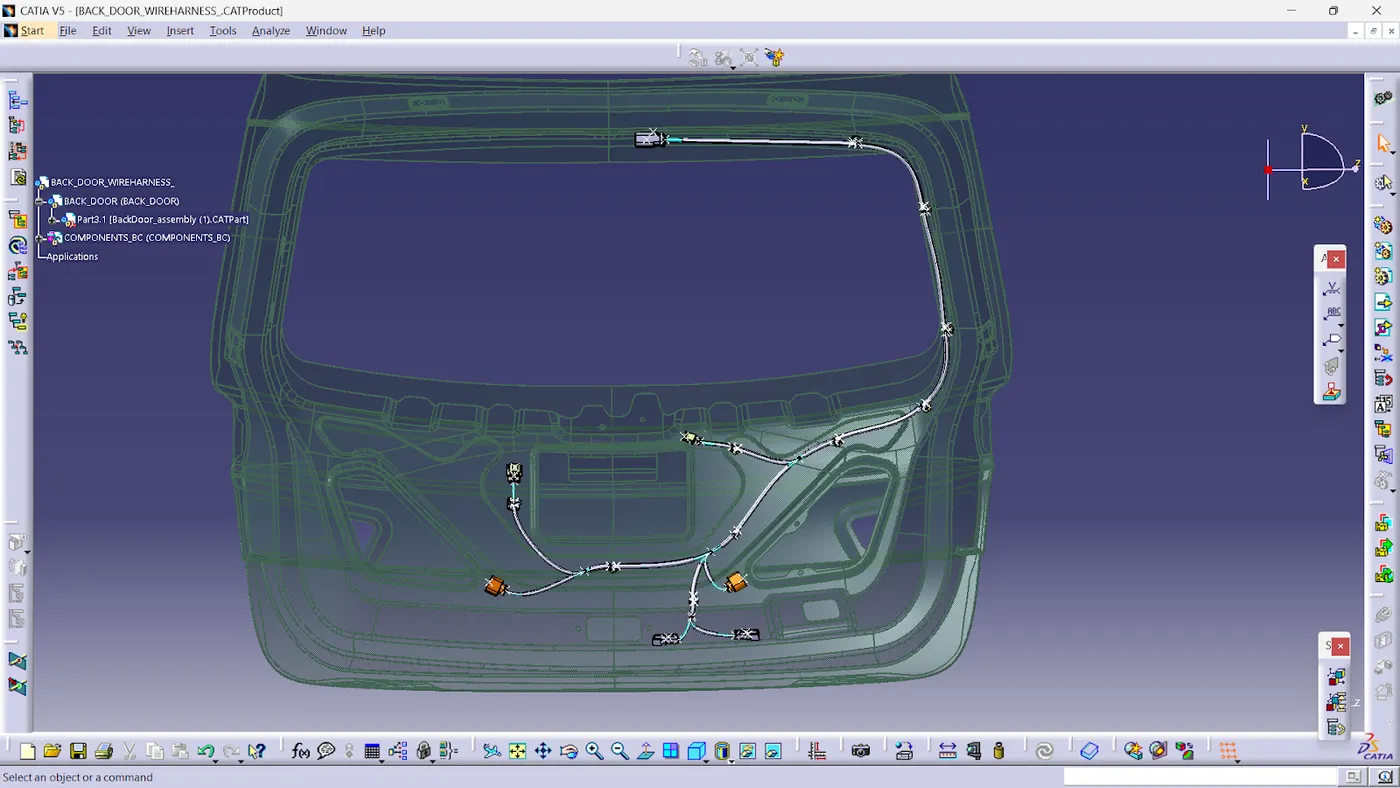
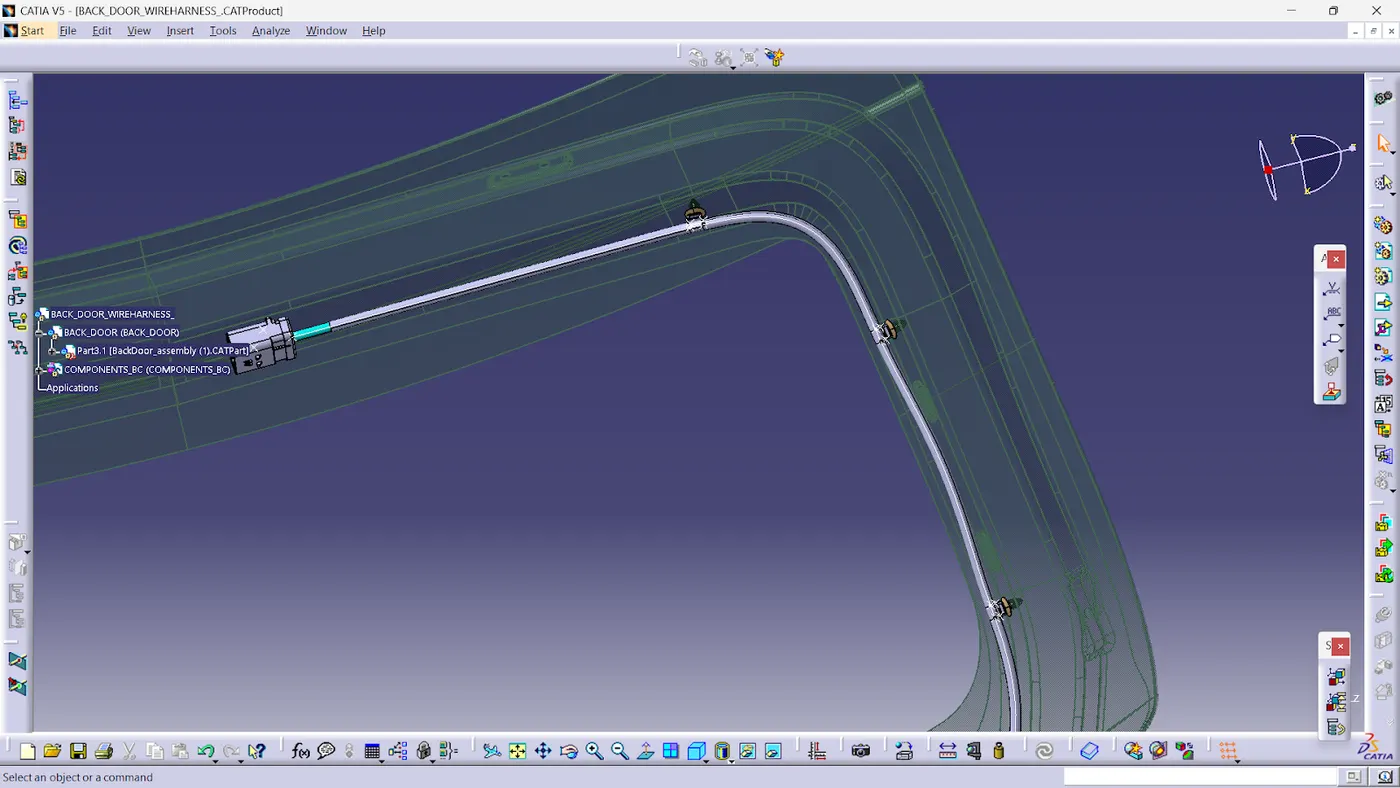
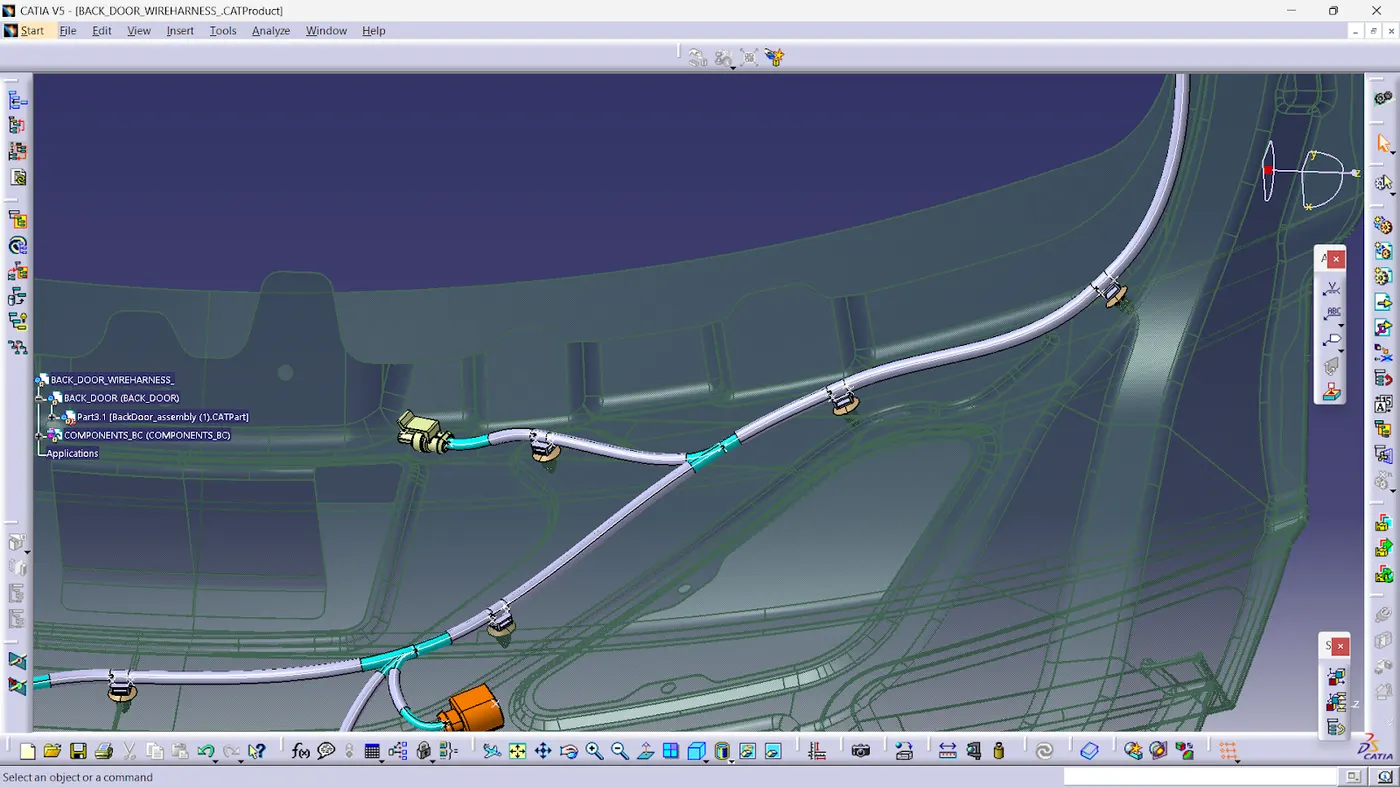
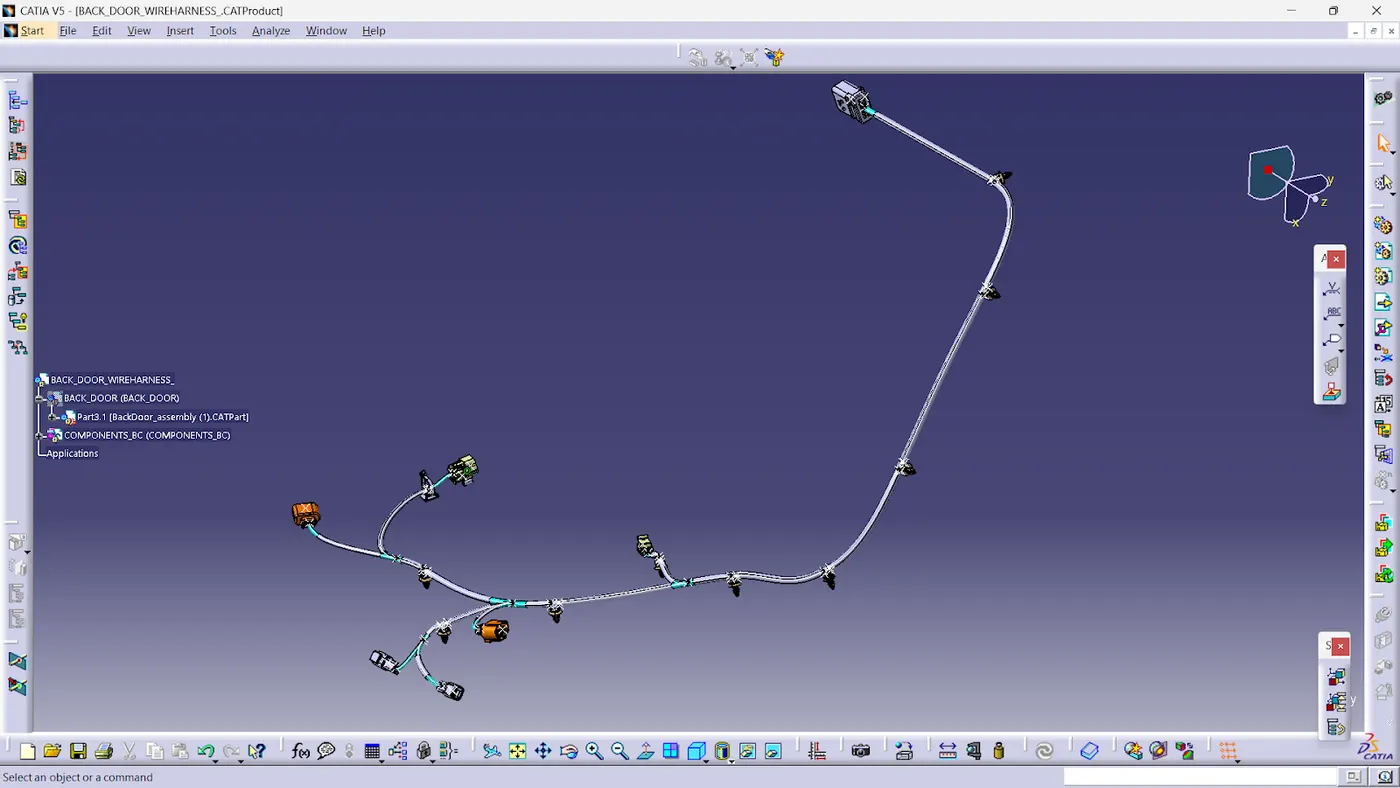
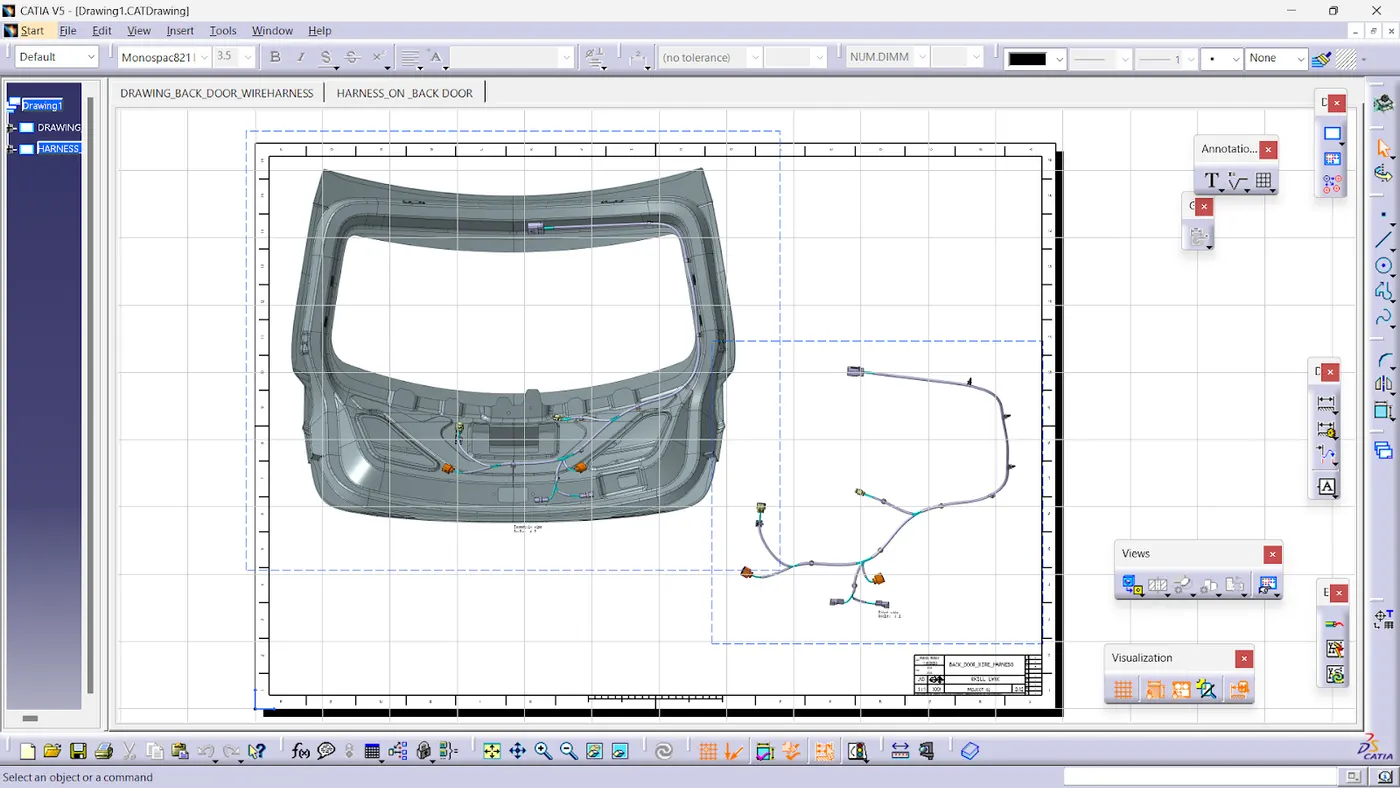
wire harness on the backdoor
-
-
-
-
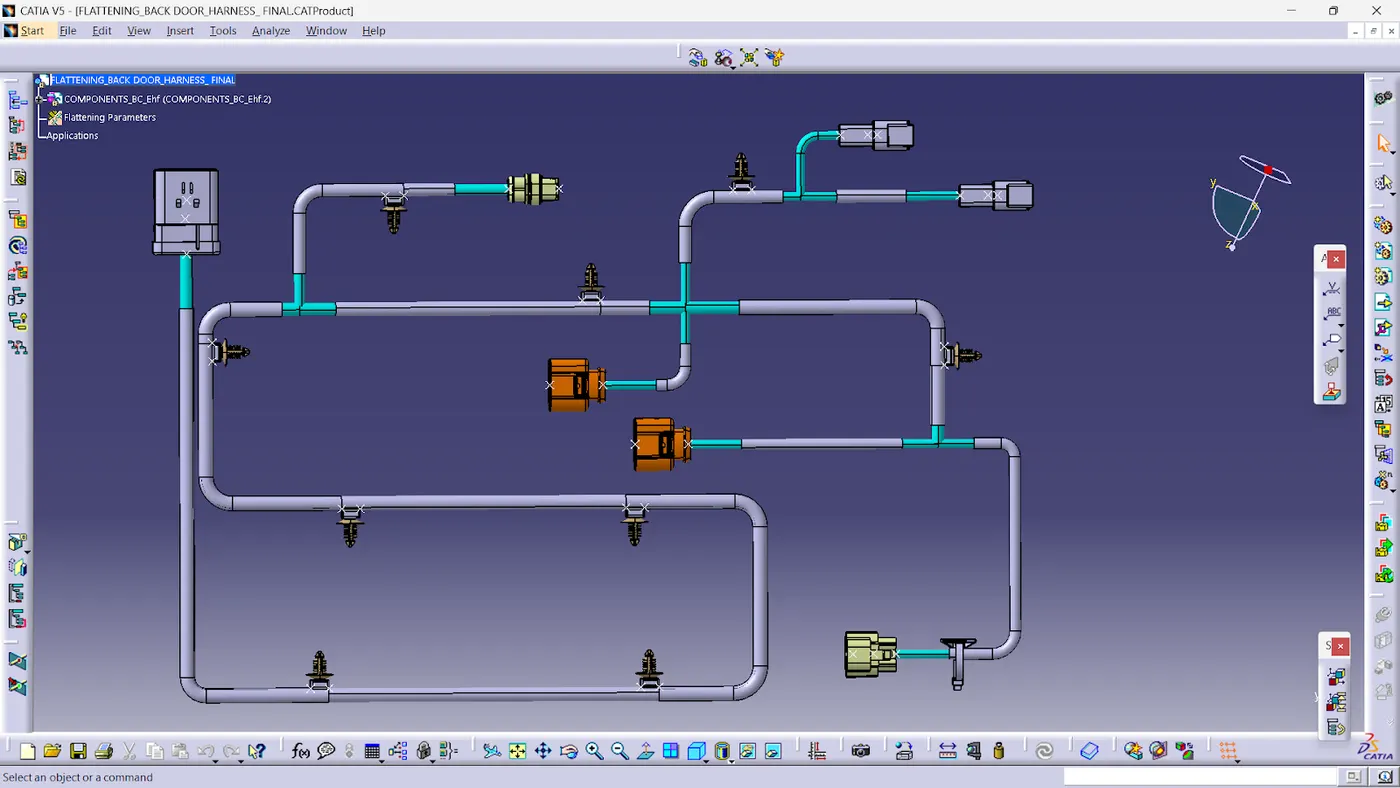
flattening of the wire harness
-
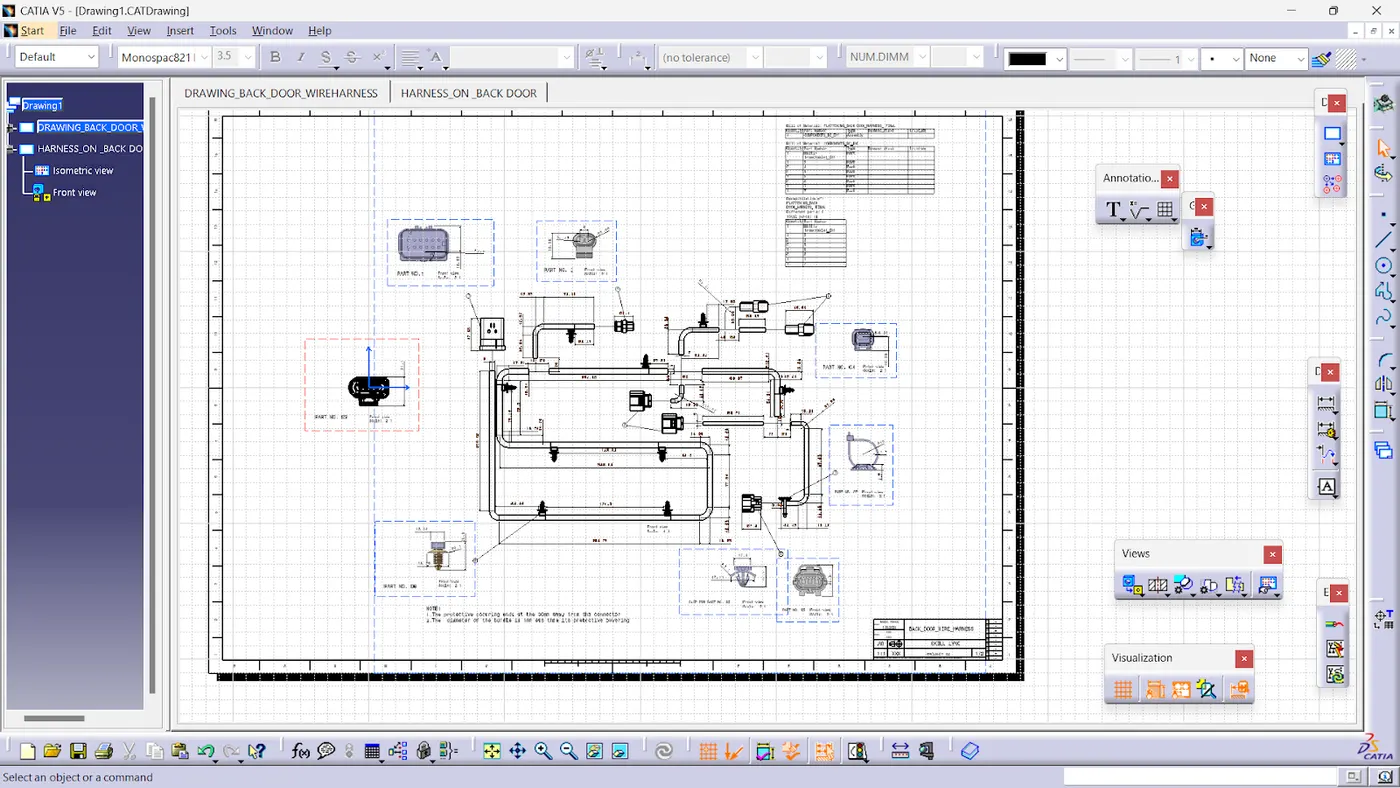
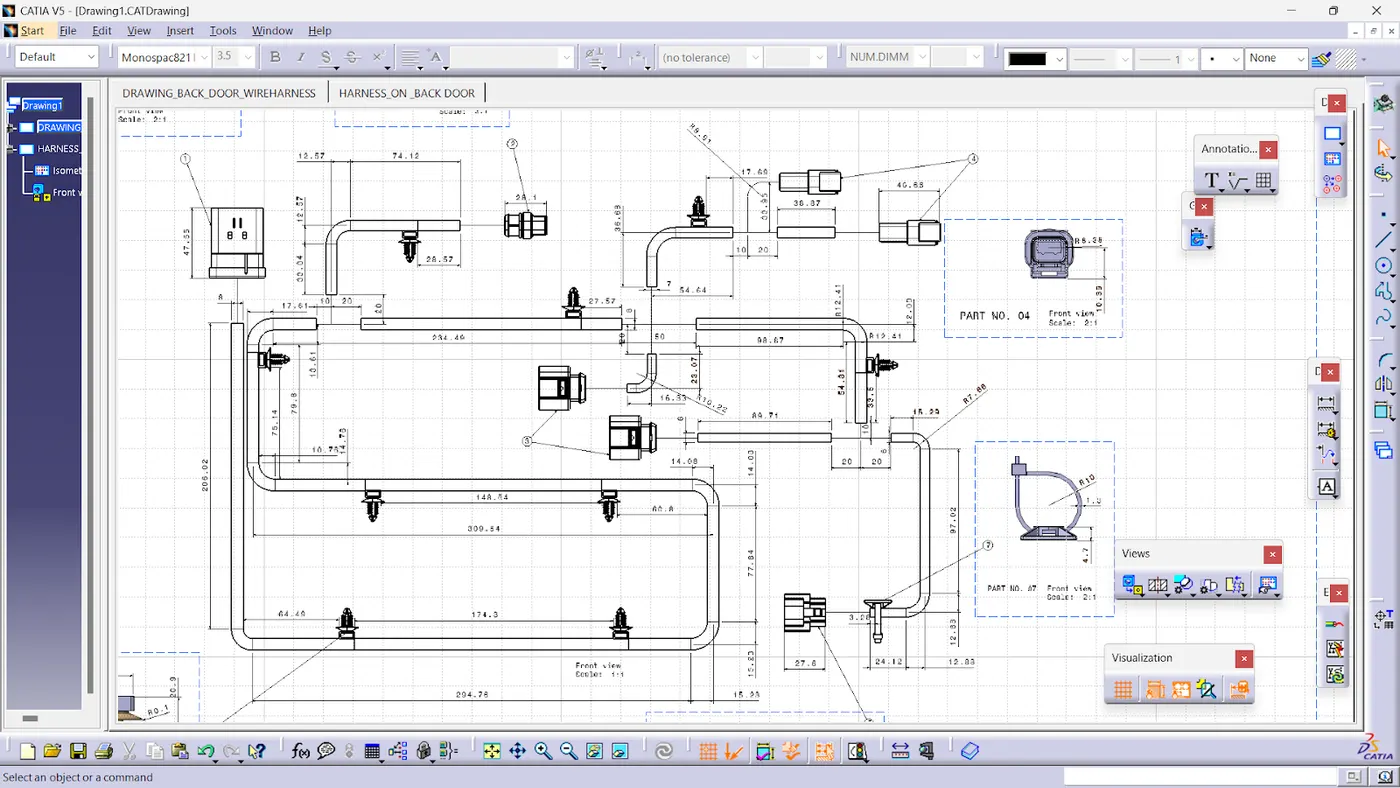
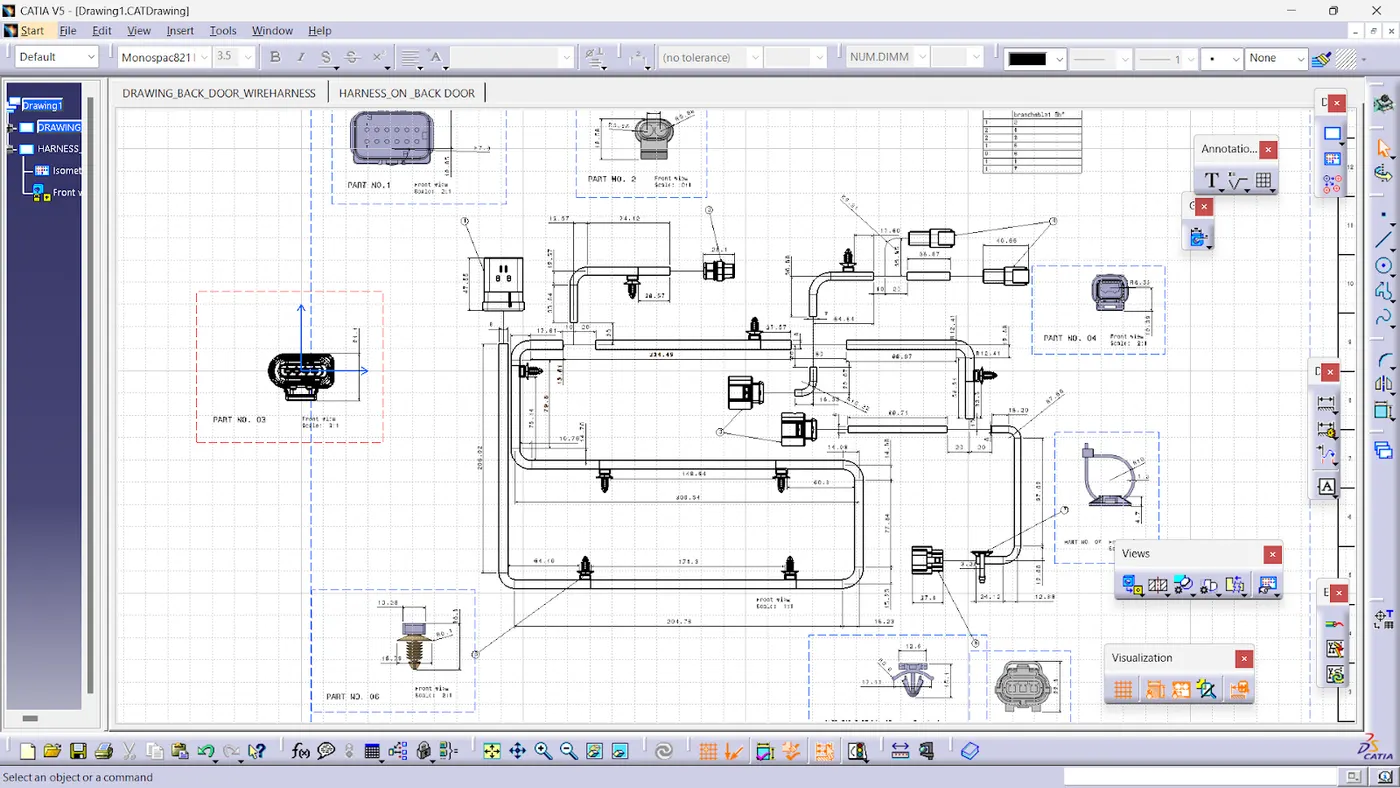
drawing of the flattening
-
-
 Connectivity of the Bundle segment.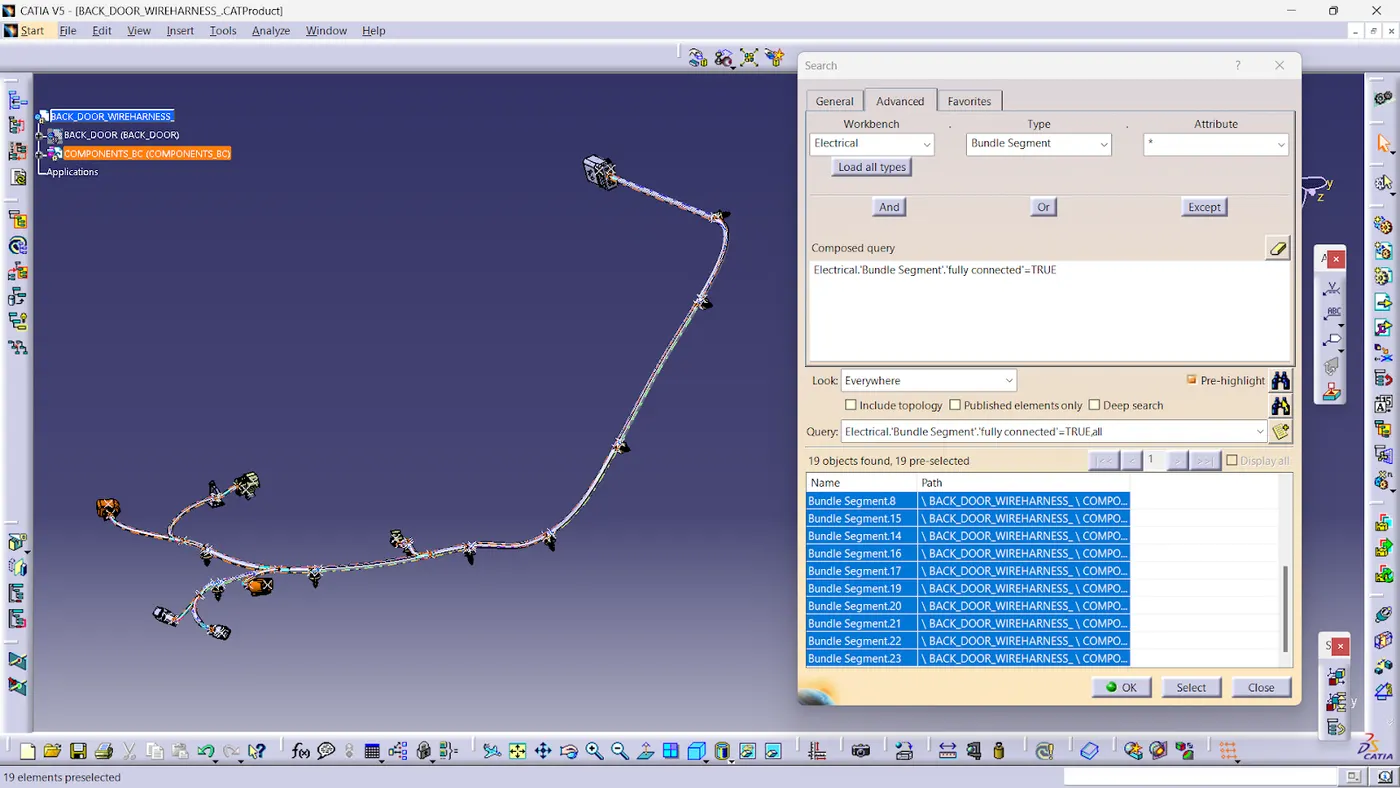
-
catalog of different elements
-


-


-
 conclusion:the given project is done successfully according to the given criteria.