Project
Aim:
To carry out the system-level simulation of an ATV, using SIMULINK software and make a study.
Description:
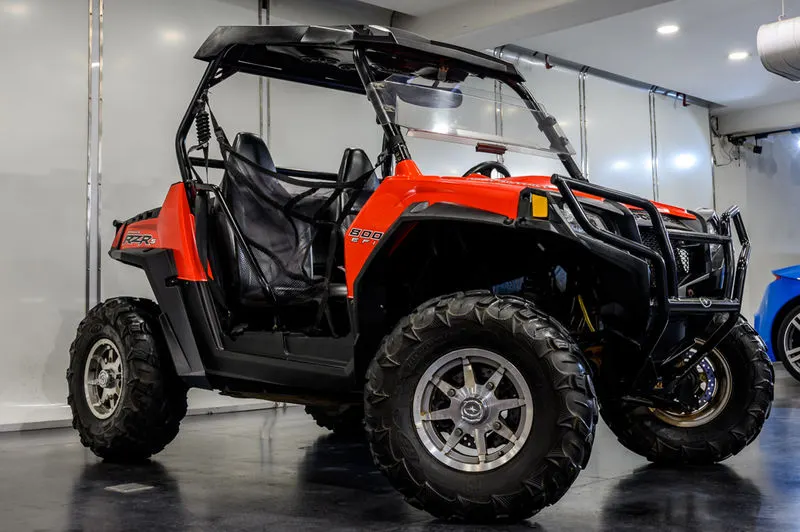
An all-terrain vehicle (ATV) is defined as a motorized off-highway vehicle designed to travel on four low-pressure or non-pneumatic tires, having a seat designed to be straddled by the operator and handlebars for steering control. ATVs are subdivided into two types as designated by the manufacturer. Type I ATVs are intended by the manufacturer for use by a single operator and no passenger. Type II ATVs are intended by the manufacturer for use by an operator and a passenger, and are equipped with a designated seating position behind the operator. Similarly, riders must also consider the various ATV sizes.
Objectives to study:
* Study the Baja model without Dashboard
* Study the Baja model with Dashboard
* Study the Baja Model using LOOK-UP TABLE with and without Dashboard,
Transmission:
There are Five Types of Transmission namely:
Manual Transmission (MS Alto, Tata Indica)
Automated manual transmission (MS Ignis, MS Swift)
Automatic Transmission (Toyota Innova, VW polo GT 2020)
Continous Variable Transmission (Honda City, MS Baleno, Hyundai i20)
Dual Clutch Transmission (VW polo GT 2019, Porsche 911, Kia Seltos)
Here, We are using CVT system in the given model.
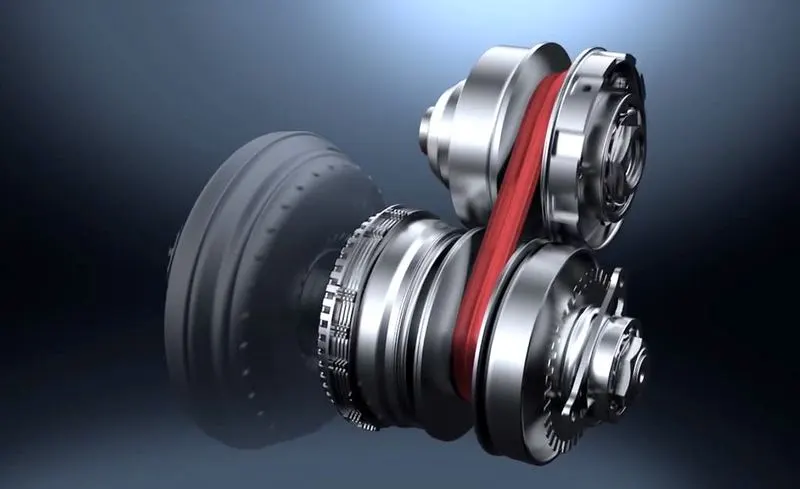
* A continuously variable transmission (CVT) is an automatic transmission that can change seamlessly through a continuous range of Gear ratios. This contrasts with other transmissions that provide a limited number of gear ratios in fixed steps. The flexibility of a CVT with suitable control may allow the engine to operate at a constant RPM while the vehicle moves at varying speeds.
* The most common type of CVT uses two pulleys connected by a belt or chain, however, several other designs have also been used at times.
i)Study the Baja model without Dashboard:
* The CVT unit consists of SIGNAL BUILDER, GENERIC ENGINE, MOTION SENSORS, TRANSMISSION, BODY and TYRES, SOLVER CONFIGURATION BLOCKS etc.,
* CVT-SUBSYSTEM contains: Transmission Block, Input shaft, Output Shaft and Motion sensors.
* The Vehicle body subsystem consists: Vehicle Body block, Brakes and Tyres.
* The initial engine speed is given as 2100 rpm; Mechanical rotation for driven pulley and driven pulley is 0.8 and 0.7.,
* The Mass of the vehicle is 250 kgs.
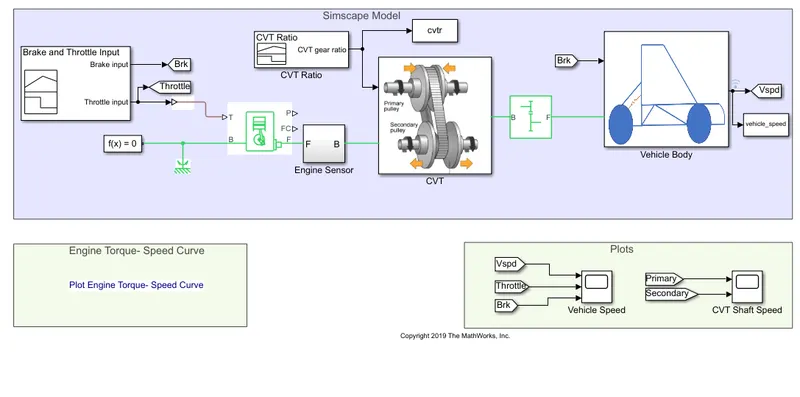
fig-1 (model without dashboard)
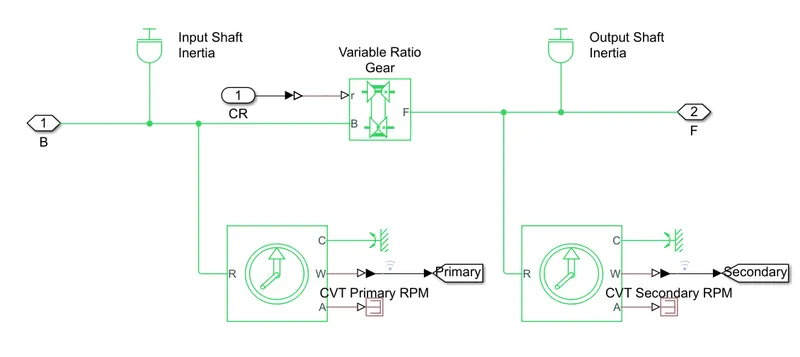
fig-2 (CVT subsystem)
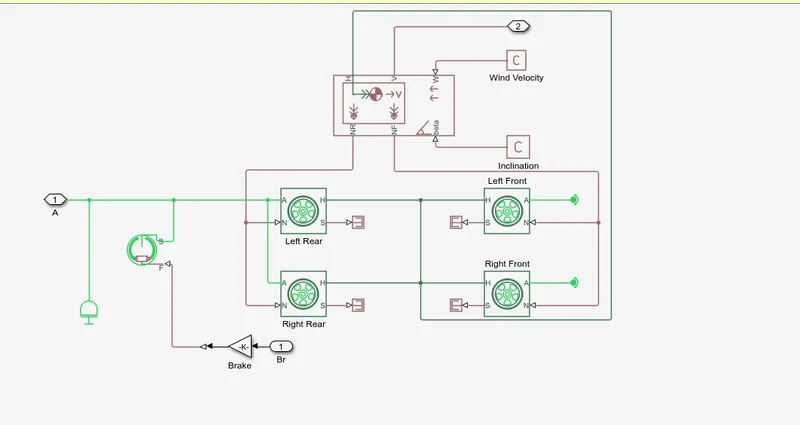
fig-3 (Vehicle Body subsystem)
Thus, the body subsystem consists of brakes and wheels without changing of parameters.
Basic blocks of wheels are used to connect the variable blocks of simulink by supplying power from CVT to wheels.
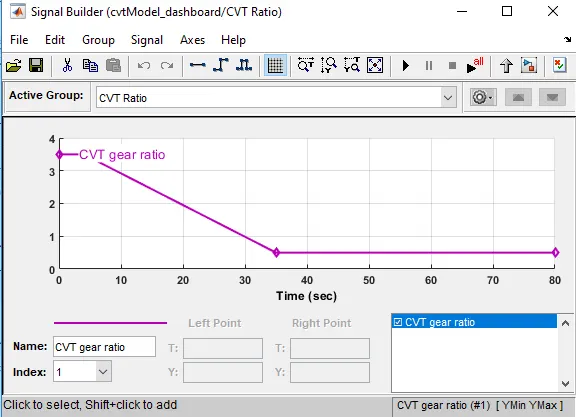
fig-4 (signal builder for providing signals for gear ratio)
ii) Study the BAJA with dashboard:
* The given model of BAJA model along with dashboard, which consists of Throttle meter, brake input inthe dashboard, rather than giving input with signal builder.
* Rest of the blocks and subsystems are common among the previous one without dashboard.
* The main objective of studying with dashboard is to study the result by varying the inputbrake and throttle.,which shows the velocity of the engine.
* By increasing the throttle, the input speed and the velocity of the engine and the shaft do increase.
* In short, the throttle response is directly proportional to the velocity of the engine
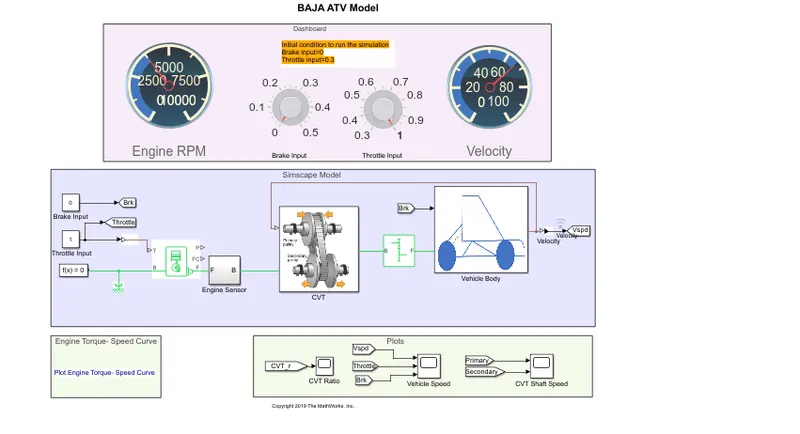
fig 5 (BAJA model with dashboard)
Study the BAJA MODEL using Look-up table:
By using the simulink model of CVT,, This subsystem does contain of Look-up table,transmission block, input and output shaft inertia motion sensors etc.,
The initial engine rpm is given as 2100, the rotation of driver and driven pulley is 0.8 and 0.7 respectively,
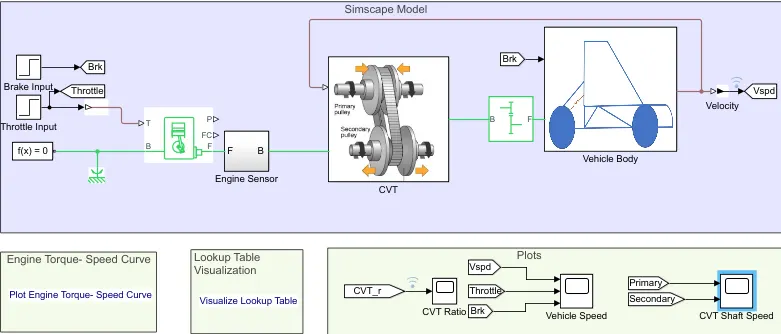
fig-6 (using lookup table without dashboard)
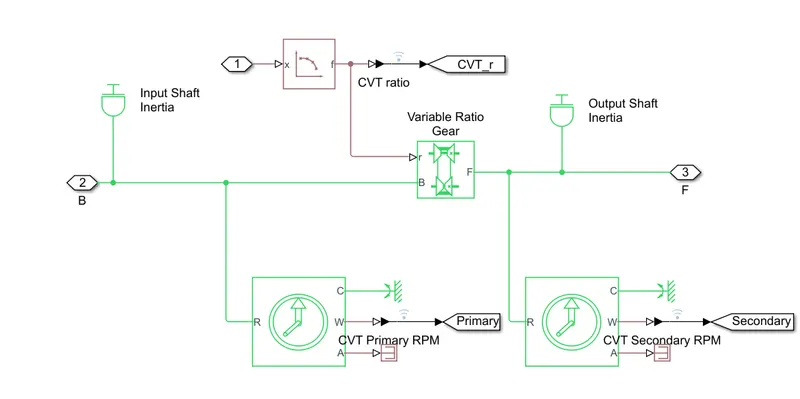
fig-7 (cvt subsystem)
fig 8 (Vehicle Body Subsystem)
Study BAJA model using Lookup Table with Dashboard:
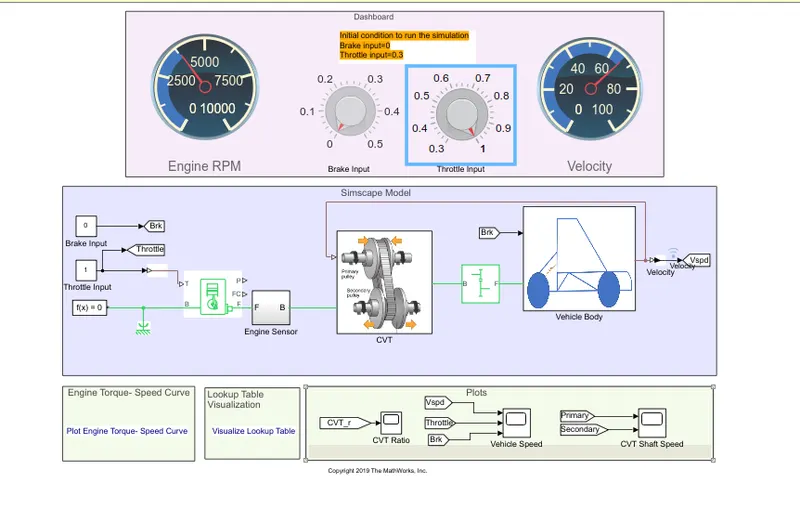
figure-9 (Baja Model with dashboard and lookup table)
The given model of BAJA model along with dashboard, which consists of Throttle meter, brake input inthe dashboard, rather than giving input with signal builder.
* Rest of the blocks and subsystems are common among the previous one without dashboard.
* The main objective of studying with dashboard is to study the result by varying the inputbrake and throttle.,which shows the velocity of the engine.
* By increasing the throttle, the input speed and the velocity of the engine and the shaft do increase.
* In short, the throttle response is directly proportional to the velocity of the engine
* As the Gear ratio varies, the torque also varies.
* At the maximum torque, the speed and velocity decreases.
Outputs Obtained:
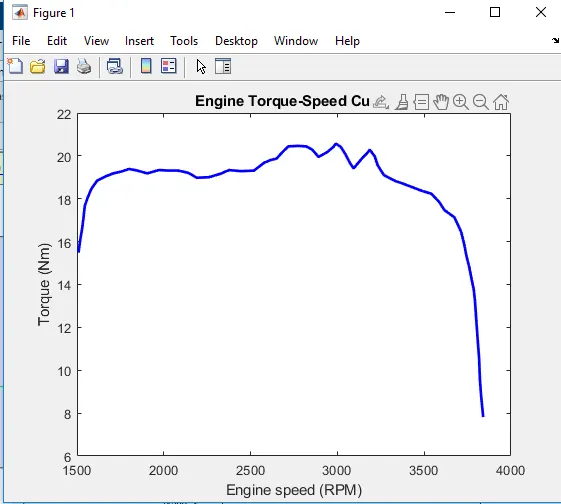
fig-10 (Engine Torque-speed plotted in graph)
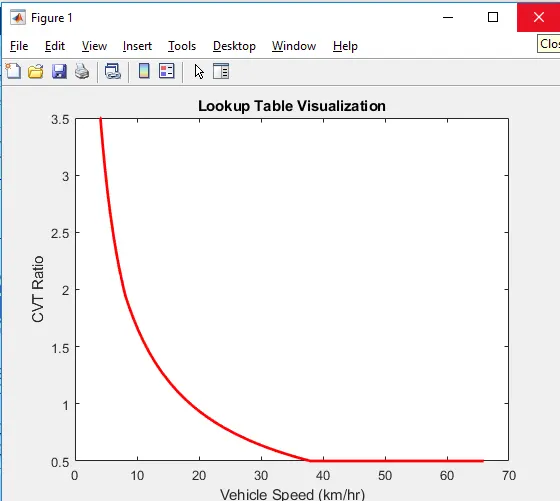
Fig-11 (Look-up visualization)
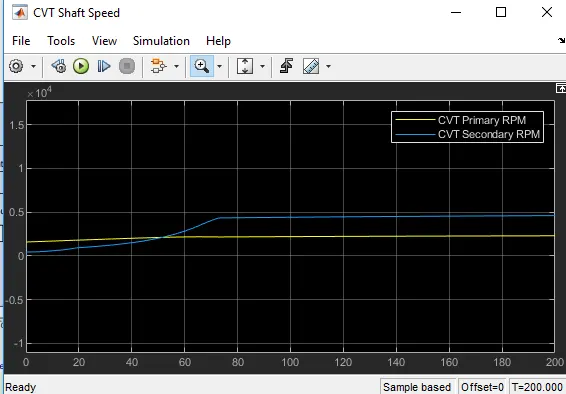
fig-12 (CVT shaft speed)
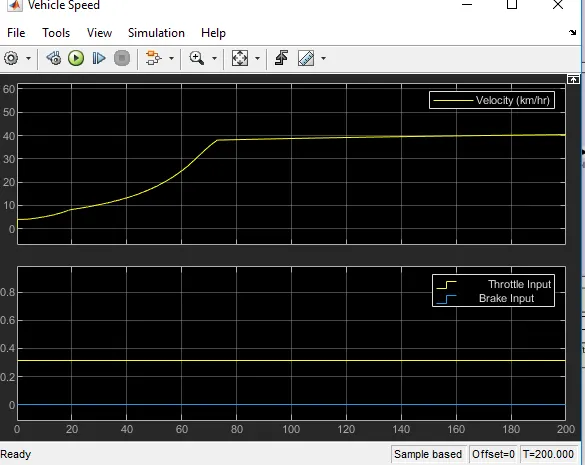
fig 13 (Vehicle speed)
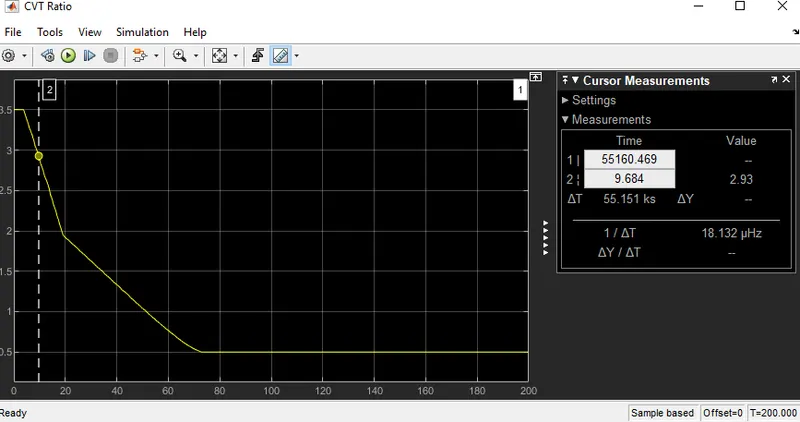
fig 14 (CVT Ratio)
Result:
The system-level simulation of an ATV, using SIMULINK software and the studies related to it has been done and analysis is done.