Project-1: Powertrain for aircraft in runways
Part A:
Q.1). Search and list out the total weight of various types of aircrafts.
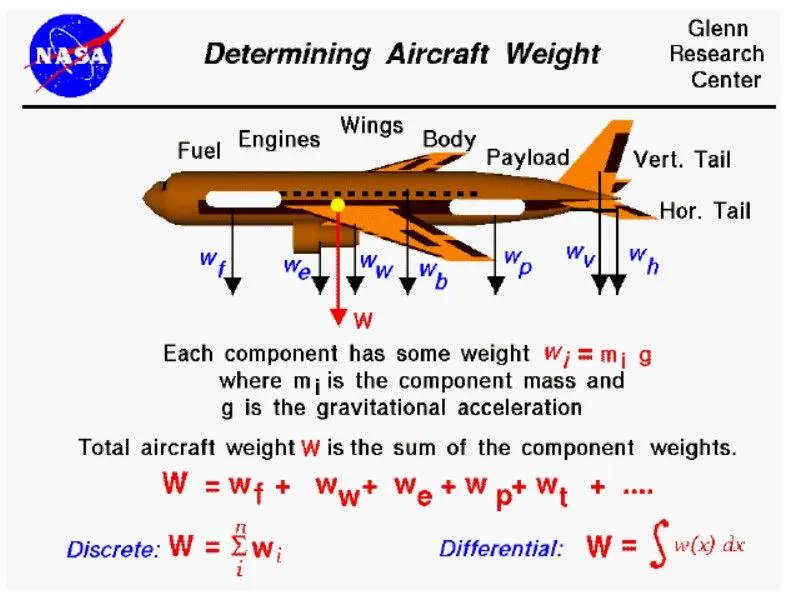
The aircraft gross weight (also known as the all-up weight and abbreviated AUW) is the total aircraft weight at any moment during the flight or ground operation.
An aircraft's gross weight will decrease during a flight due to fuel and oil consumption. An aircraft's gross weight may also vary during a flight due to payload dropping or in-flight refuelling.
At the moment of releasing its brakes, the gross weight of an aircraft is equal to its takeoff weight. During flight, an aircraft's gross weight is referred to as the en-route weight or in-flight weight.
|
Type |
MTOW [kg] |
MLW [tonnes] |
TOR [m] |
LR [m] |
||
|
640,000 |
591.7 |
3,500 |
Heavy |
Super |
||
|
589,670 |
3,660 |
Heavy |
Super |
|||
|
575,000 |
394 |
3,100 |
1,930 |
Heavy |
Super |
|
|
447,700 |
346.091 |
3,100 |
1,800 |
Heavy |
Heavy |
|
|
412,770 |
295.742 |
3,090 |
Heavy |
Heavy |
||
|
Antonov An-124-100M |
405,060 |
330 |
2,520 |
900 |
Heavy |
Heavy |
|
396,900 |
295.742 |
3,018 |
2,179 |
Heavy |
Heavy |
|
|
381,000 |
288.417 |
2,530 |
1,494 |
Heavy |
Heavy |
|
|
377,840 |
285.7 |
3,338 |
2,109 |
Heavy |
Heavy |
|
|
377,840 |
260.32 |
3,222 |
1,905 |
Heavy |
Heavy |
|
|
371,950 |
240 |
3,050 |
2,010 |
Heavy |
Heavy |
|
|
367,400 |
256 |
3,100 |
2,100 |
Heavy |
Heavy |
|
|
347,800 |
260.816 |
2,830 |
Heavy |
Heavy |
||
|
351,800 |
251.29 |
3,100 |
Heavy |
Heavy |
||
|
347,450 |
223.168 |
3,000 |
Heavy |
Heavy |
||
|
340,200 |
265.3 |
Heavy |
Heavy |
|||
|
308,000 |
233.5 |
Heavy |
Heavy |
|||
|
299,370 |
237.683 |
3,380 |
Heavy |
Heavy |
||
|
297,550 |
213 |
3,380 |
1,550 |
Heavy |
Heavy |
|
|
276,700 |
190 |
3000 |
1926 |
Heavy |
Heavy |
|
|
273,300 |
185 |
2,990 |
1,890 |
Heavy |
Heavy |
|
|
270,000 |
175 |
2,670 |
1,860 |
Heavy |
Heavy |
|
|
270,000 |
195.04 |
3,115 |
2,118 |
Heavy |
Heavy |
|
|
256,280 |
183 |
2,990 |
1,890 |
Heavy |
Heavy |
|
|
254,000 |
201.849 |
Heavy |
Heavy |
|||
|
253,500 |
181 |
2990 |
Heavy |
Heavy |
Maximum design taxi weight (MDTW)
The maximum design taxi weight (also known as the maximum design ramp weight (MDRW)) is the maximum weight certificated for aircraft manoeuvring on the ground (taxiing or towing) as limited by aircraft strength and airworthiness requirements.
Maximum design takeoff weight (MDTOW)
Is the maximum certificated design weight when the brakes are released for takeoff and is the greatest weight for which compliance with the relevant structural and engineering requirements has been demonstrated by the manufacturer.
Maximum design landing weight (MDLW)
The maximum certificated design weight at which the aircraft meets the appropriate landing certification requirements. It generally depends on the landing gear strength or the landing impact loads on certain parts of the wing structure.
The MDLW must not exceed the MDTOW.
The maximum landing weight is typically designed for 10 feet per second (600 feet per minute) sink rate at touch down with no structural damage.
Maximum design zero-fuel weight (MDZFW)
The maximum certificated design weight of the aircraft less all usable fuel and other specified usable agents (engine injection fluid, and other consumable propulsion agents). It is the maximum weight permitted before usable fuel and other specified usable fluids are loaded in specified sections of the airplane. The MDZFW is limited by strength and airworthiness requirements. At this weight, the subsequent addition of fuel will not result in the aircraft design strength being exceeded. The weight difference between the MDTOW and the MDZFW may be utilised only for the addition of fuel.
Minimum flight weight (MFW)
Minimum certificated weight for flight as limited by aircraft strength and airworthiness requirements.
2. Is there any difference between ground speed and air speed?
|
Sr.no |
Ground Speed |
Air Speed |
|
1 |
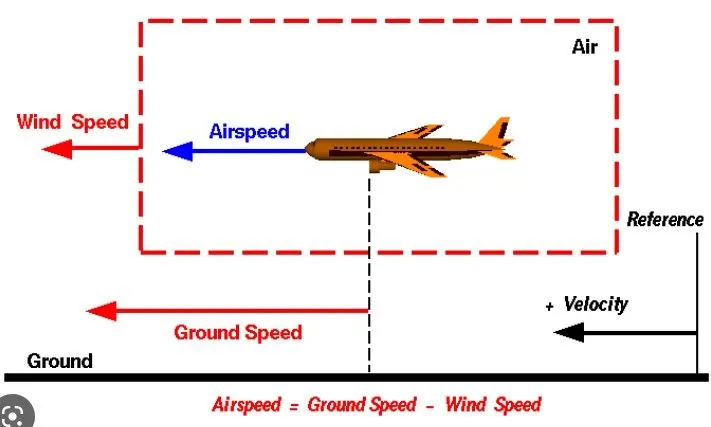
Ground speed, on the other hand, is the aircraft’s speed relative to the ground. |
True airspeed is simply the speed at which an aircraft is moving relative to the air it is flying in. |
|
2 |
One thing that should be noted here is that it’s its horizontal rather than vertical speed – an aircraft climbing completely vertically would have a ground speed of zero. |
It is also the speed at which the air is flowing around the aircraft’s wings. |
|
3 |
Ground speed is what determines how fast an aircraft will get to its destination. |
while airspeed is what determines whether there is enough airflow around an aircraft to make it fly, |
|
It is depends on wind strength, Direction and the Air speed. |
It is shown on speed idicators; True Airspeed, Indicated Airspeed, Calibrated Airspeed |
|
|
4 |
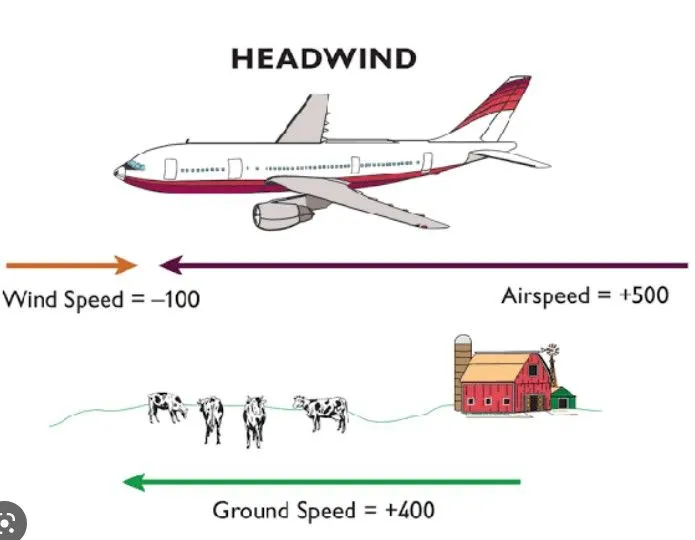
Ground speed = Airspeed + wind speed. |
Airspeed = Ground speed - wind speed. |
Example,
- Imagine an aircraft that cruises at an airspeed of 500 miles per hour that has to cover a ground distance of 2,000 miles.
- If there is no wind at all, then both the aircraft’s airspeed and ground speed would be the same 500 miles per hour, and the aircraft would reach its destination in four hours.
- If there was a 100 miles per hour headwind – wind blowing against the aircraft’s direction of travel – the aircraft would still be traveling at an airspeed of 500 miles per hour. However, its ground speed would be just 400 miles per hour (100 miles per hour slower than its airspeed). And as such, it would take the aircraft five hours to reach its destinations.
- Finally, if there was a 100 miles per hour tailwind – wind blowing in the same direction as the aircraft’s travel – the aircraft would still be traveling at an airspeed of 500 miles per hour, but its ground speed would be 100 miles faster. And, at 600 miles an hour, the aircraft would reach its destination in just 3 hrs and 20 mins.
Q.3). Why is it not recommended to use aircraft engine power to move it on the ground at Airport?
5 REASONS WHY AIRCRAFT TOWING EQUIPMENT IS NECESSARY FOR AIRPORTS
MILITARY TOW TRUCK MODELS
Aircraft towing is an essential part of daily operations at airports worldwide. There's no question that the safest way to move an aircraft on the ground is through the use of aircraft towing equipment. Without aircraft towing equipment, airports open themselves up to the possibility of dangerous accidents that can jeopardize the safety of ground crews, passengers and the aircraft itself.
Pilots and airlines rely on aircraft tugs to perform towing and pushback operations for commercial, private and military aircraft with general ease. The traction design incorporated into aircraft towing equipment means safe movement and stops, even on snow and ice. But there are even more reasons why airlines rely on airport tugs. This article will explore why aircraft towing equipment is used so extensively at large and small airports in every corner of the world. Keep reading to learn more.
1. AIRCRAFT ENGINES CAN CREATE HAZARDOUS CONDITIONS
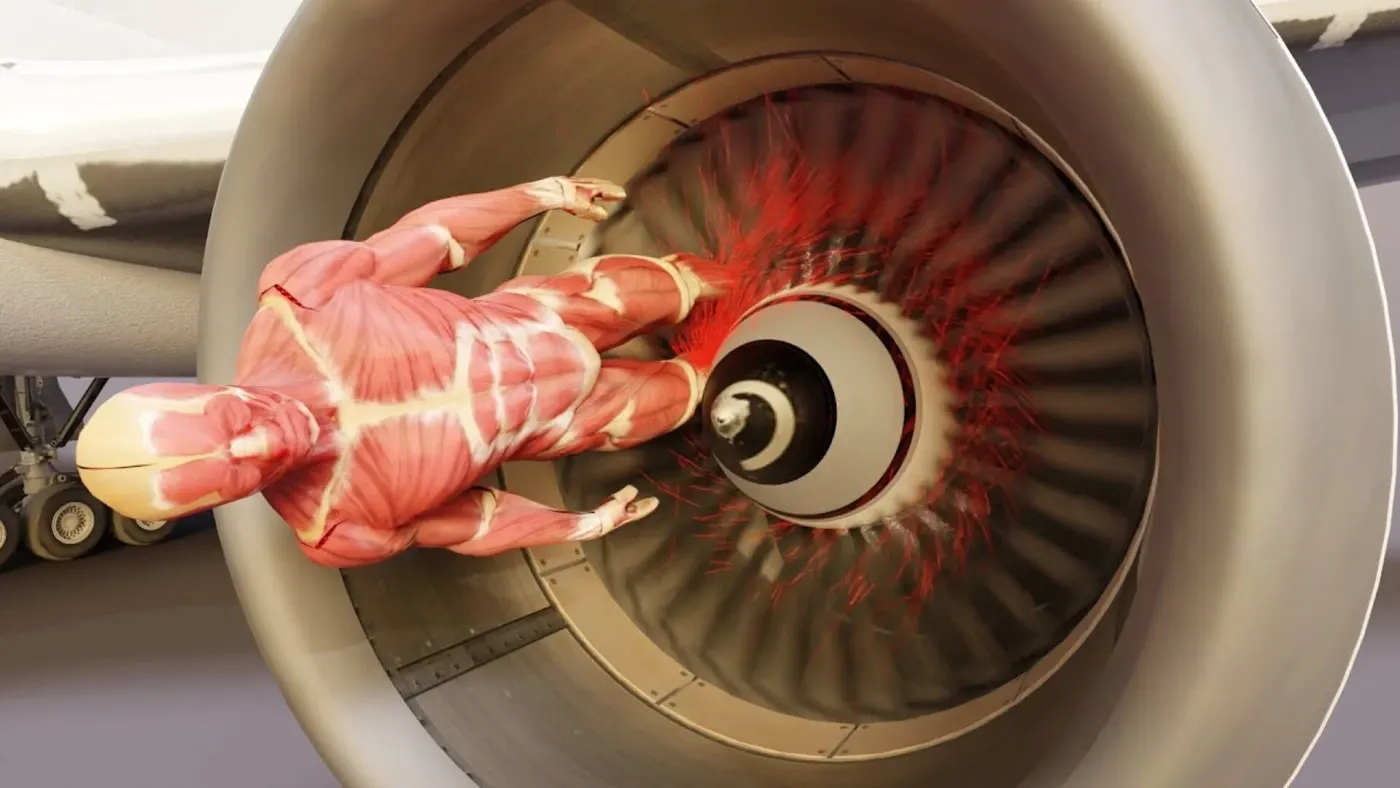
Aircraft towing equipment is typically used for the towing and pushback process to avoid some of the significant hazards posed by aircraft engines. When an aircraft's engine is activated, the thrust can create a high-speed wind that can easily cause damage to the airport terminal, surrounding ground vehicles, jetway, baggage and most importantly, ground personnel.
Suppressing the use of engines is especially important when towing a large aircraft, as their more powerful thrust capabilities can become exceedingly dangerous. Engine thrust can easily send any loose items airborne, turn the tiniest grains of dust into hazardous projectiles and create debris that can cause damage to multi-million dollar engines. Additionally, aircraft engines consume a great deal of fuel and generate extreme noise that can be harmful to ground personnel. Using a pushback tug for aircraft is simply a more economical and safer option than running the engines.
2. AIRCRAFT TOWING IS EASIER FOR MAINTENANCE PURPOSES
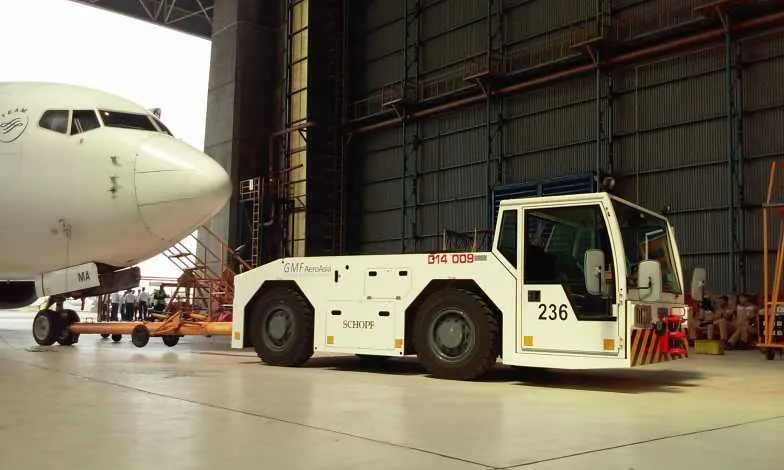
Towing and pushback tugs for aircraft are also used to make general maintenance easier for ground personnel. When an aircraft needs to be moved to a hangar for maintenance purposes or is not required for flight, the easiest way is to send an aircraft tug to the tow-in gate for transport. Aircraft towing frees up time for the airline, maintenance team, airport ground controllers and pilots who don't need to waste time getting the engines started. It's also not cost-efficient to start aircraft engines just to reposition an aircraft for maintenance purposes. Typically, ground personnel are trained to only need the aircraft brake system when towing a large aircraft.
3. PILOTS HAVE LIMITED VISIBILITY FROM THE FLIGHT DECK
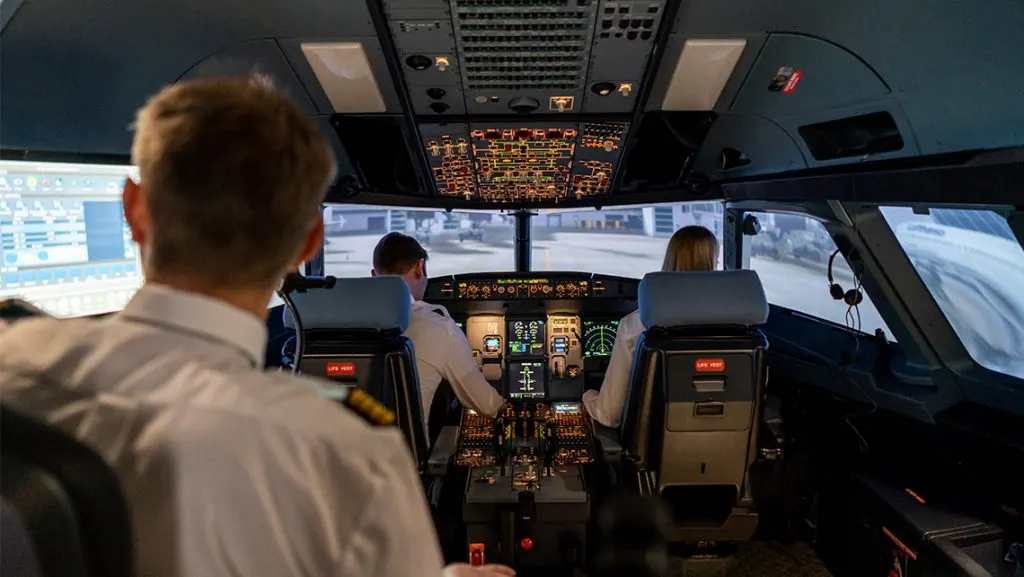
Pilots do not have a clear view of the rear from the flight deck and thus rely on aircraft towing equipment for ground pushback when needed. Once the aircraft is perfectly positioned and far from the terminal tow-in gate and other vehicles, the airport tug is disconnected and the aircraft can use its engines and steering to move to the runway for takeoff.
4. TERMINAL TOW-IN GATES ARE CONFINED SPACES
Another common reason aircraft towing equipment is used in airports concerns aircraft safety from the taxiway to the tow-in gate. Aircraft towing from the taxiway occurs with significant time constraints, so pilots and ground personnel are under extreme pressure to navigate the aircraft quickly and efficiently. The tight confines of the terminal tow-in gate combined with the restricted view of the pilots generally always require a tow in order to arrive safely and on time.
Even though pilots follow taxi centerlines, aircraft with very large wingspans are often faced with the challenge of having adequate clearance. If an airplane connects with another aircraft or hits a gate terminal, it can cause significant damage, huge expenses and contribute to lost time for extra maintenance repairs.
Aircraft towing can prevent contact with other structures because ground personnel have much better visibility from the airplane tug. With the aid of ground personnel walking with the wings and tail, the airport tug driver can precisely position the aircraft to ensure it will not hit a structure, vehicle, person or another aircraft. In addition to this, the airplane tug driver is in constant communication with the pilots to ensure the aircraft will brake if an emergency occurs.
5. PUSHBACK TUGS FOR AIRCRAFT ARE REQUIRED FOR GOING IN REVERSE
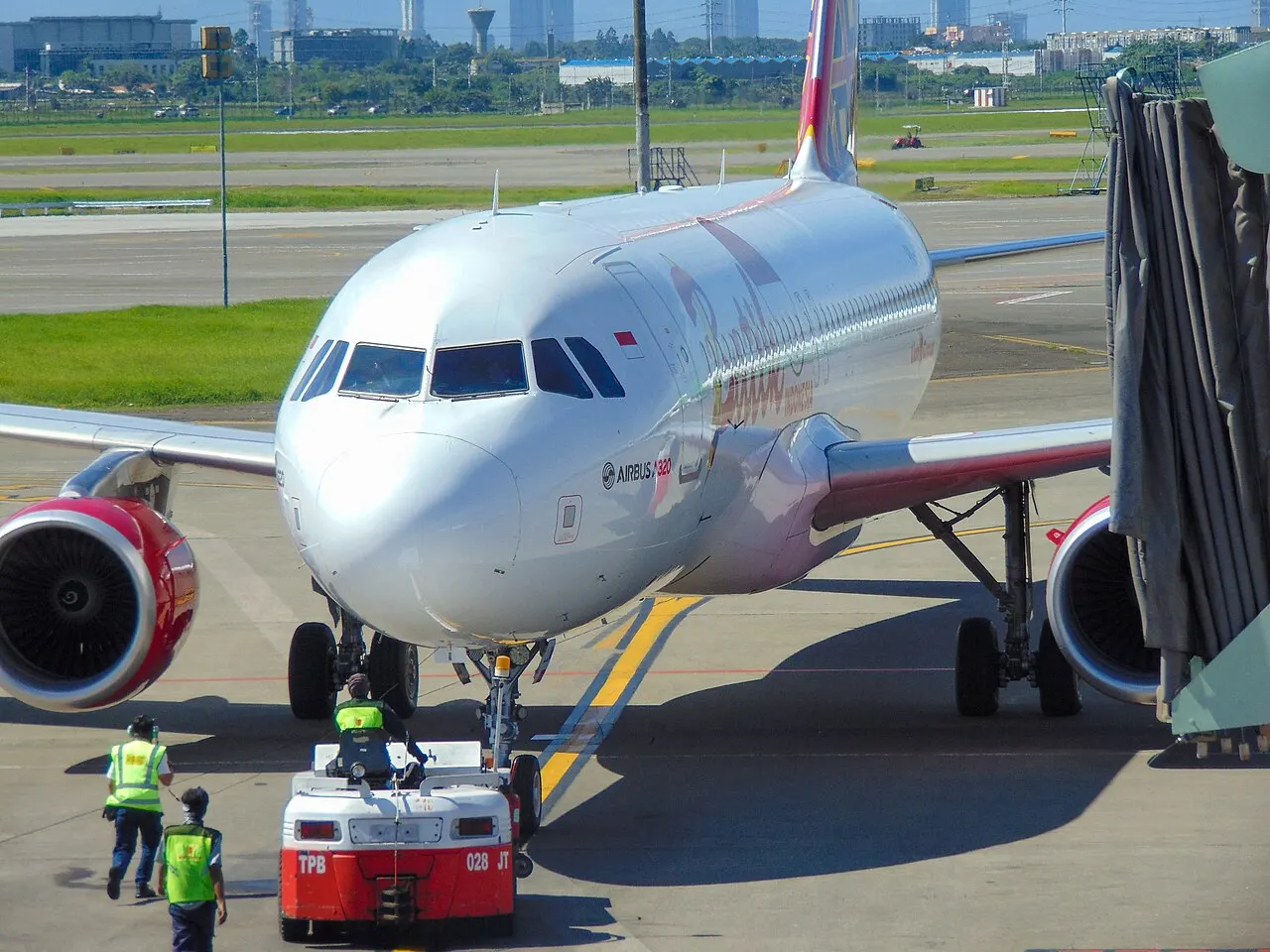
Typically, most aircraft cannot move in reverse without the help of aircraft towing equipment. Planes are not designed with a reverse option that pilots can use for backward movement, so pushback tugs for aircraft are the only option when moving aircraft into hangars or away from the terminal building. This is because aircraft are not outfitted with gears or transmission for propulsion – power for movement is derived solely from the engines through thrust. When aircraft tugs are used to tow planes, an airline can maximize safety and optimize efficiency with on-ground operations.
While most commercial airliners with jet engines have thrust-reversing capabilities, they can only be used as additional braking power during landing. In addition to the problems mentioned above associated with using aircraft engines, reverse thrust also has what is known as the lowest-speed-of-operation limit. If reverse thrust is used below the speed of 80kts, it's very likely the engines will become heavily damaged.
Q.4). How an aircraft is pushed to runway when its ready to take off?
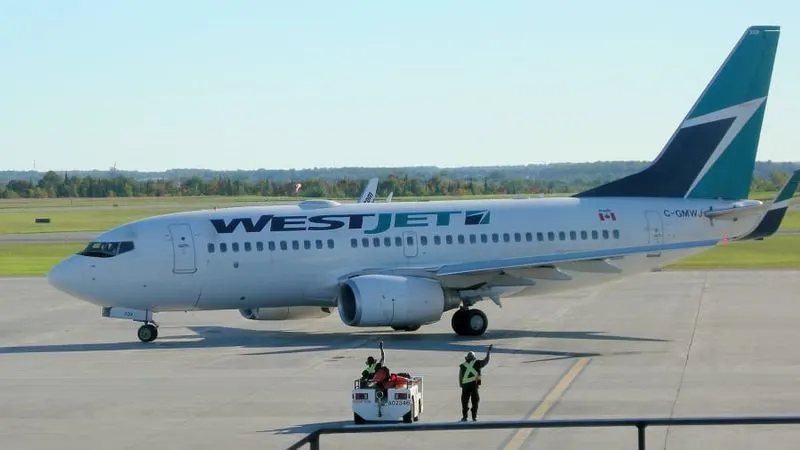
pushback is an airport procedure during which an aircraft is pushed backwards away from its parking position, usually at an airport gate by external power. Pushbacks are carried out by special, low-profile vehicles called pushback tractors or tugs.
Although many aircraft are capable of moving themselves backwards on the ground using reverse thrust (a procedure referred to as a powerback), the resulting jet blast or prop wash would cause increased noise, damage to the terminal building or equipment, and hurt airport staff due to high-speed debris.
Ready for take-off in ten steps…
- The pilot parks the aircraft in exactly the right place. Usually with the help of an automatic system, but occasionally guided by a marshaller waving two paddles or wands. Dozens of handling personnel are already standing by to perform a whole range of tasks simultaneously.
- As soon as the aircraft is stationary and the engines are switched off, the first priority is to disembark the passengers as quickly as possible. The apron handler places chocks in front of the wheels and connects the ground power.
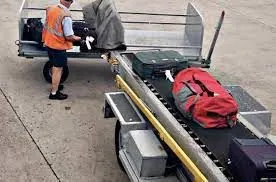
3. Meanwhile, the passenger bridge manoeuvres up to the door and a belt loader rolls up to the cargo hold. Luggage is unloaded and transferred to the terminal on baggage carts.
4. Refuelling begins, usually from a hydrant at the stand. A hose is attached to this from a special vehicle called a dispenser, with the other side connected to the fuel tank in the wing. Read more about refuelling here.
5. Now it is time to service the aircraft. The caterer loads new meals and takes away the food waste and used cutlery and crockery. Other activities include draining the lavatories, replacing the headrest covers, removing rubbish and distributing fresh blankets and in-flight magazine.
6) .1. A specialist team – or sometimes the crew themselves – cleans the cabin so that the new passengers board a pristine aircraft.
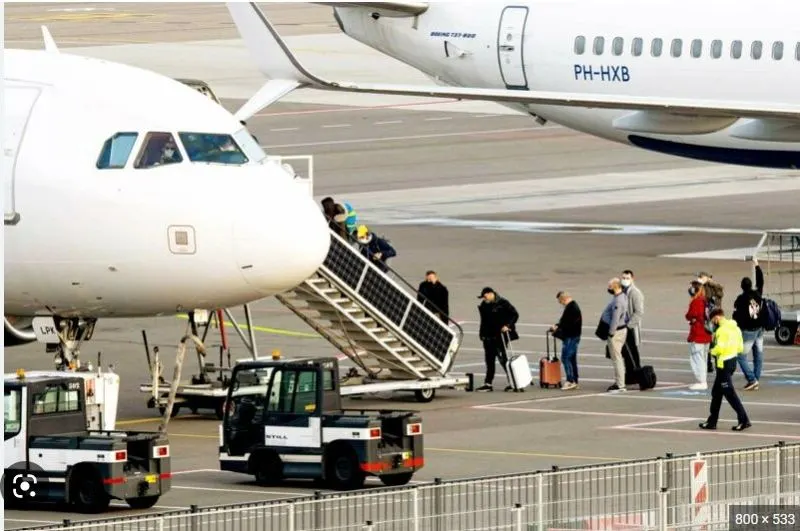
Meanwhile, specialists from the airline conduct a technical check to make sure that the engines, wings, control surfaces, landing gear, instruments, doors and other equipment are in full working order.
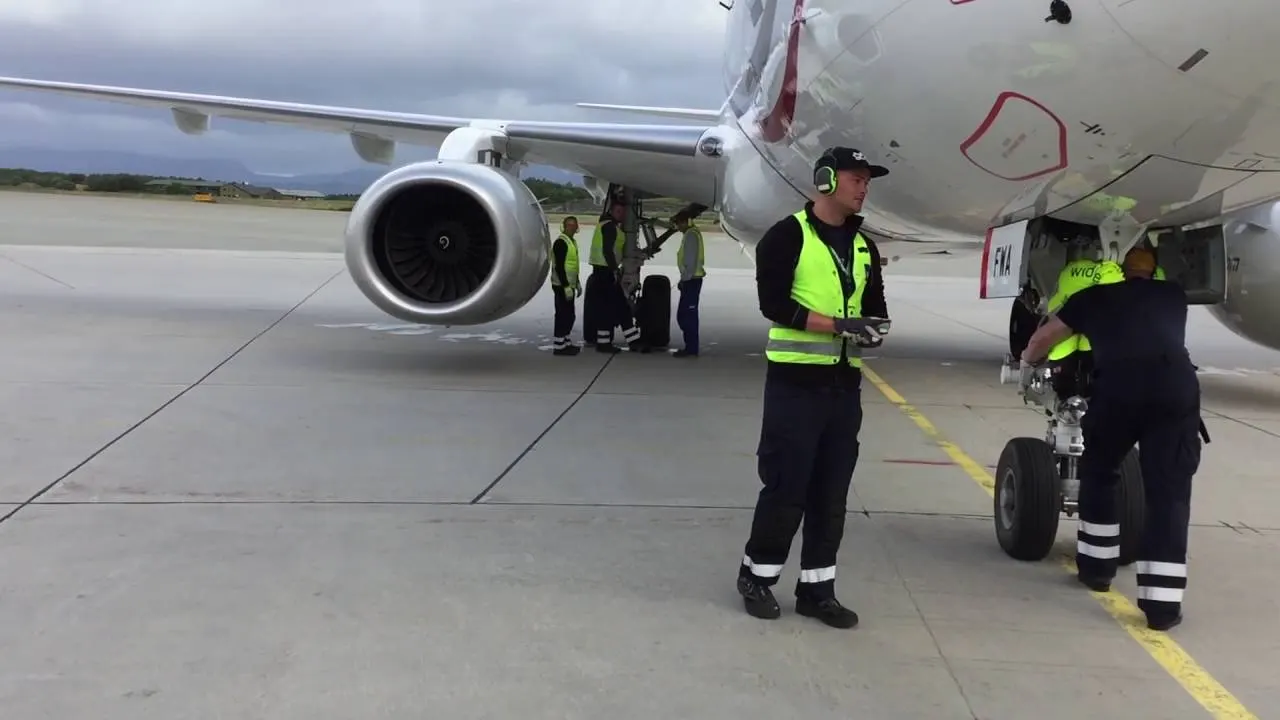
7. The aircraft is now ready for baggage to be loaded for the next flight. This is a quick process, on average taking only 10-15 minutes. A little later the passengers start boarding. As soon as they are all in their seats, the door is closed and the pilot informs air-traffic control that the flight is ready for departure.
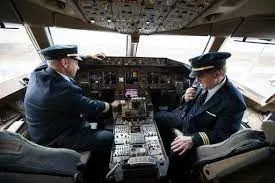
8. The apron handler removes the chocks. A so-called pushback truck reverses the aircraft into taxiing position, pushing it with a towbar attached to the nose-wheel strut. Or, in the most modern versions, by actually lifting the wheel. That speeds up coupling and decoupling.
9. The aircraft taxis to the runway to depart at the agreed time.
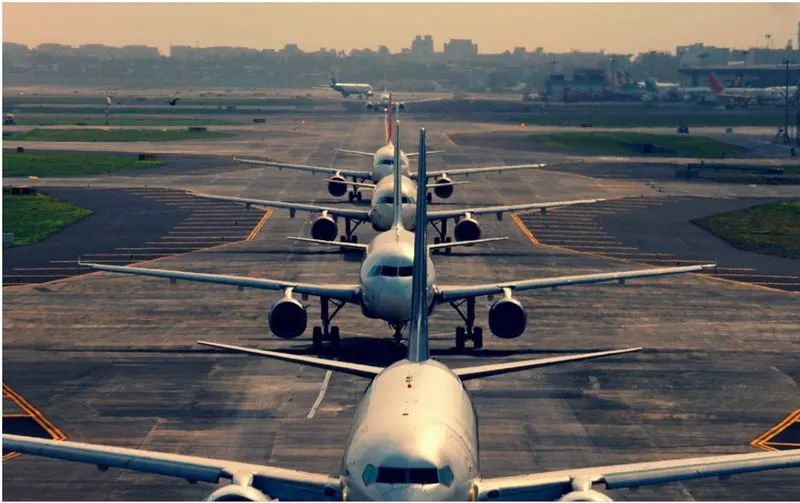
10. The pilot waits for permission to take off from air-traffic control. This is possible once the departure route is clear. As soon as the go-ahead is received, the plane takes to the air at full power.
Q5) . Learn about take off power, tyre design, rolling resistance, tyre pressure, brake forces when landing.
Take off power:
the takeoff power here not how the aircraft takes off for that we have know, How do pilots set engine thrust or power for takeoff?
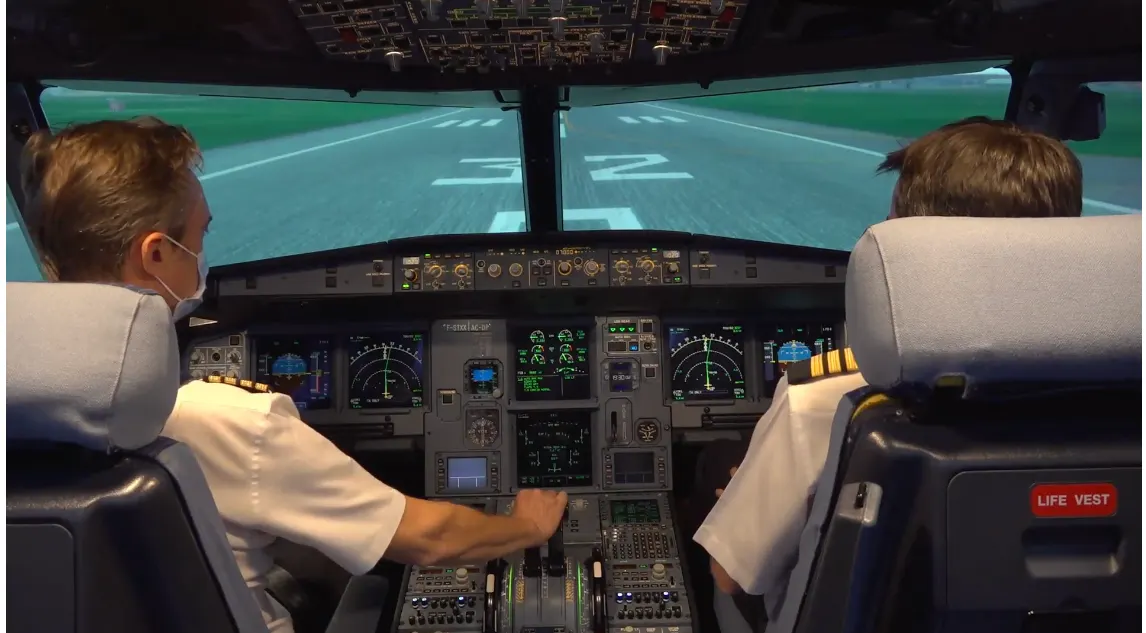
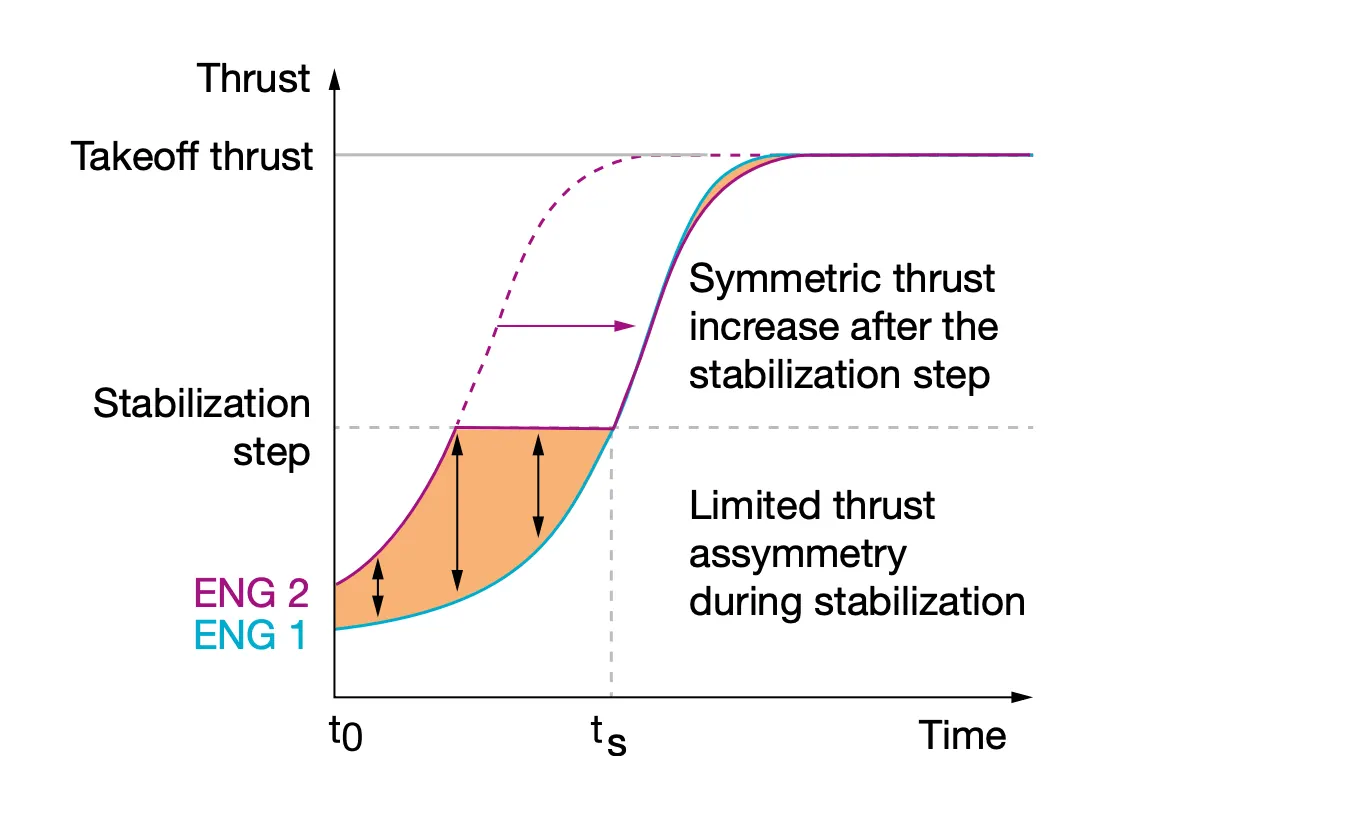
The static takeoff or sometimes called the standing takeoff procedure, is mainly utilized on short runway operations. The idea is to set the engine thrust without any aircraft movement (static). This saves runway space as the aircraft is not moving before power is set on the engines. It eliminates any runway eaten away as the engines go from idle to high thrust setting.
The procedure for static takeoffs varies from aircraft to aircraft. It usually involves the pilot stepping on the brakes when setting the power. Once the desired power is set, the brakes are released, and the aircraft is allowed to roll.
Tyre design :
An aircraft tyre is designed to withstand extremely heavy loads while landing, take off, taxing, and parking. The number of wheels required for aircraft increases with the weight of the aircraft, as the weight of the aeroplane needs to be distributed more evenly.
A Boeing 737NG & 737MAX uses 6 wheels, Boeing 787 uses 10 wheels, Boeing 777 uses 14 wheels and Airbus A380 uses 22 wheels. Aircraft tyres work under extreme conditions, carrying up to 340 tons and accelerating at over 250 km/hour at takeoff, in addition to enduring varied environmental stress when in flight and taxiing.
. An aircraft tyre is constructed for the purpose it serves.
- They support the weight of an aircraft while it is on the ground.
- It also provides the necessary traction for braking and stopping of an aeroplane.
- Tyre also helps to absorb the shock of landing and provide cushioning the roughness of takeoff, roll-out, and taxi operations.
Unlike an automobile or truck tyre, it does not have to carry a load for a long period of continuous operation. However, an aircraft tyre absorbs the high impact loads of landing, and also it’s operating at high speeds for a short time when required.
Rolling resistance :
The force that resists the motion of a body rolling on a surface is called the rolling resistance or the rolling friction.
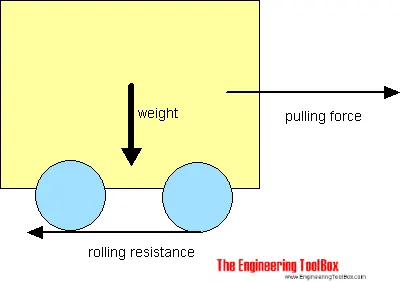
The rolling resistance can be expressed by the generic equation
Fr = c W (1)
where
Fr = rolling resistance or rolling friction (N, lbf)
c = rolling resistance coefficient - dimensionless (coefficient of rolling friction - CRF)
W = m ag
= normal force - or weight - of the body (N, lbf)
m = mass of body (kg, lb)
ag = acceleration of gravity (9.81 m/s2, 32.174 ft/s2)
Note that the rolling resistance coefficient - c - is influenced by different variables like wheel design, rolling surface, wheel dimensions and more.
The rolling resistance can alternatively be expressed as
Fr = cl W / r (2)
where
cl = rolling resistance coefficient - dimension length (coefficient of rolling friction) (mm, in)
r = radius of wheel (mm, in)
Rolling Friction Coefficients
Some typical rolling coefficients:
| Rolling Resistance Coefficient | ||
|---|---|---|
| c | cl (mm) | |
| 0.001 - 0.002 | 0.5 | railroad steel wheels on steel rails |
| 0.001 | bicycle tire on wooden track | |
| 0.002 - 0.005 | low resistance tubeless tires | |
| 0.002 | bicycle tire on concrete | |
| 0.004 | bicycle tire on asphalt road | |
| 0.005 | dirty tram rails | |
| 0.006 - 0.01 | truck tire on asphalt | |
| 0.008 | bicycle tire on rough paved road | |
| 0.01 - 0.015 | ordinary car tires on concrete, new asphalt, cobbles small new | |
| 0.02 | car tires on tar or asphalt | |
| 0.02 | car tires on gravel - rolled new | |
| 0.03 | car tires on cobbles - large worn | |
| 0.04 - 0.08 | car tire on solid sand, gravel loose worn, soil medium hard | |
| 0.2 - 0.4 | car tire on loose sand | |
Rolling Coefficients Cars
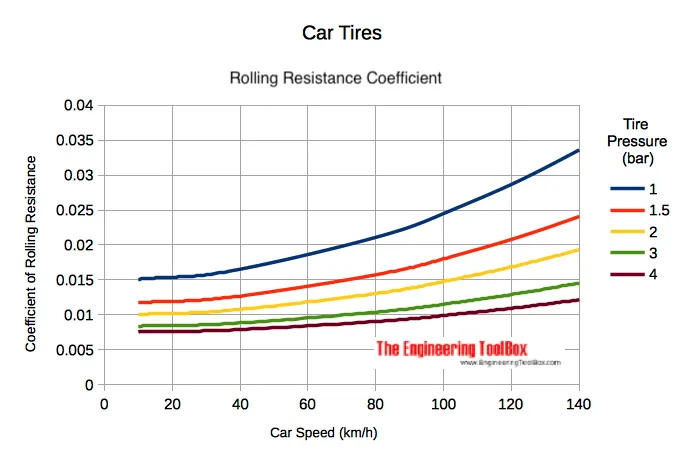
The rolling coefficients for air filled tires on dry roads can be estimated
c = 0.005 + (1 / p) (0.01 + 0.0095 (v / 100)2) (3)
where
c = rolling coefficient
p = tire pressure (bar)
v = velocity (km/h)
Example - Wheel Pressure & Rolling Resistance Coefficient
The standard wheel pressure in a Tesla Model 3 is 2.9 bar (42 psi). The rolling friction coefficient at 90 km/h (56 mph) can be calculated from (3) as
c = 0.005 + (1 / (2.9 bar)) (0.01 + 0.0095 ((90 km/h) / 100)2)
= 0.011
Increasing the pressure to 3.5 bar reduces the rolling resitance coefficient to
c = 0.005 + (1 / (3.5 bar)) (0.01 + 0.0095 ((90 km/h) / 100)2)
= 0.010
- or
((0.011 - 0.10) / 0.011) 100% = 9%
- 1 bar = 105 Pa = 14.5 psi
- 1 km/h = 0.6214 mph
Tyre pressure :
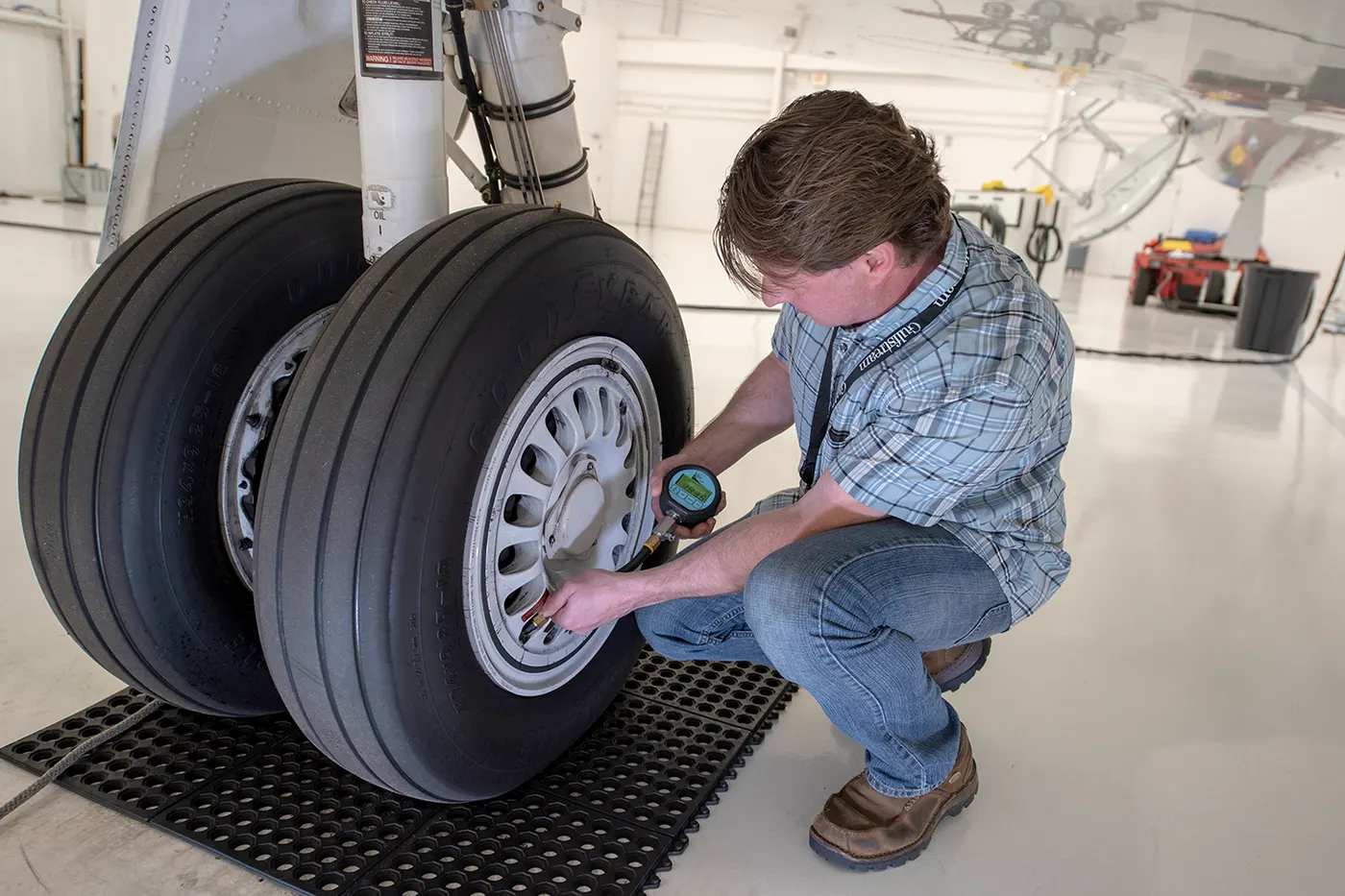
An aircraft tire or tyre is designed to withstand extremely heavy loads for short durations. The number of tires required for aircraft increases with the weight of the aircraft, as the weight of the airplane needs to be distributed more evenly.
What follows are procedures to service the tires, that is, to add nitrogen. But the procedures hold true for checking the tire pressures.
"Low pressure" means something higher than what you need in the tire. We typically crank it up to between 300 and 400 psi. Dry nitrogen is important because you don't want any condensation inside the tire. But, more importantly, it has to be nitrogen and not air. Air is 78% nitrogen, 21% oxygen, and 1% other stuff. The oxygen is what you have to worry about when using ambient air in tires. Air is more sensitive to temperature changes and the normal heating caused by taxi, takeoff, and landing will cause air to increase in pressure to a much greater extent than pure nitrogen. Air is also more flammable and more likely to "bleed" through rubber.
The four major manufacturers in aircraft tire manufacturing are the following according to a report by Pelmar Engineering in 2013:
- Goodyear (United States)
- Michelin (France)
- Dunlop Aircraft Tyres (United Kingdom)
- Bridgestone (Japan)
Brake forces when landing :
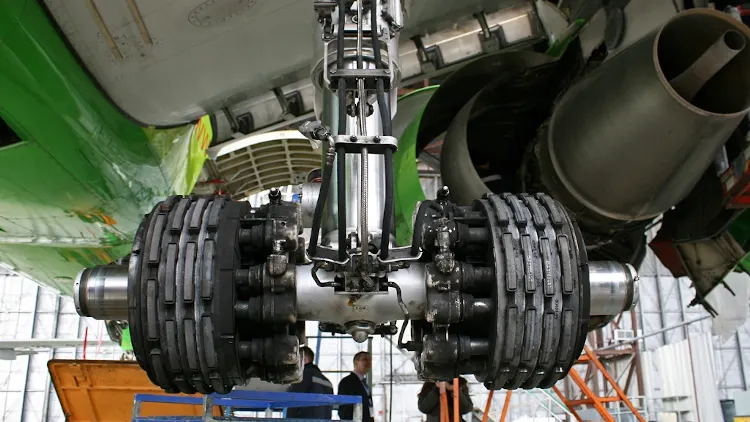
Aircraft brakes stop a moving aircraft by converting its kinetic energy to heat energy by means of friction between rotating and stationary discs located in brake assemblies in the wheels.
A brake assembly on a Boeing 737NG main landing gear, visible after removal of one the wheels. Source: SKYbrary (Click image to enlarge)
Brakes provide this critical stopping function during landings to enable airplanes to stop within the length of the runway. They also stop aircraft during rejected takeoff events, in which an attempted takeoff is canceled as the airplane is rolling down the runway before it lifts off from the ground due to engine failure, tire blowout, other system failure or direction from air traffic control.
Aircraft brakes also prevent motion of the aircraft when it is parked, limit its speed during taxiing and can even help steer the aircraft on the ground by applying different levels of braking force to the left- and right-side brakes.
Aircraft brakes work in conjunction with other brake mechanisms such as thrust reversers, air brakes and spoilers. Thrust reversers are surfaces that are deployed into the path of the jet blast from the engines to redirect propulsive thrust in a direction that opposes the motion of the aircraft. Air brakes and spoilers are flight control surfaces that create additional aerodynamic drag when deployed into the path of air flowing around the aircraft.
How aircraft brakes work
The most common type of brake used on aircraft is the disc brake. Disc brakes function by exploiting friction between rotating and stationary discs inside the brake.
Since kinetic energy (KE) is a function of mass (m) and velocity (v) according to the equation:
KE = ½mv2
The kinetic energy of the A380 during RTO is calculated as follows:
KE = 0.5 * 575,000 kg * (87.4556 m/s)2 = 2.2 x 10⁹ J = 2.2 GJ
2.2 GJ (gigajoules) is about the amount of energy an average cloud-to-ground lightning strike dissipates.
Aircraft braking systems include:
- Aircraft disc brakes in the landing gear, used to brake the wheels while touching the ground. These brakes are operated hydraulically or pneumatically. In most modern aircraft they are activated by the top section of the rudder pedals ("toe brakes"). In some older aircraft, the bottom section is used instead ("heel brakes"). Levers are used in a few aircraft. Most aircraft are capable of differential braking.

- Thrust reversers, that allow thrust from the engines to be used to slow the aircraft.
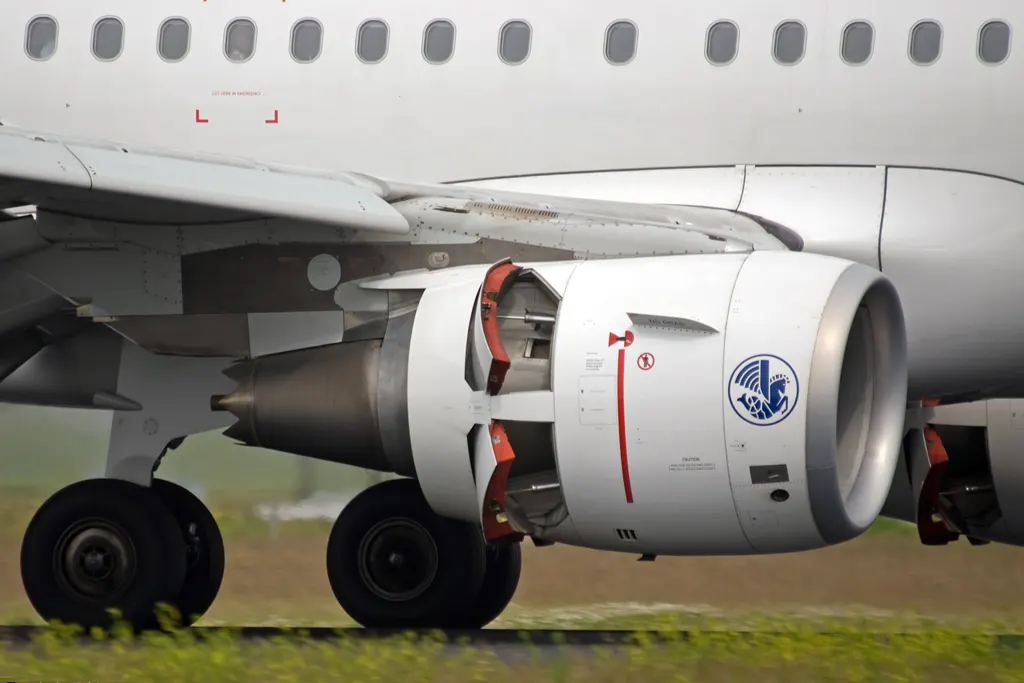
- Air brakes, dedicated flight control surfaces that work by increasing drag.
- Large drogue parachutes.
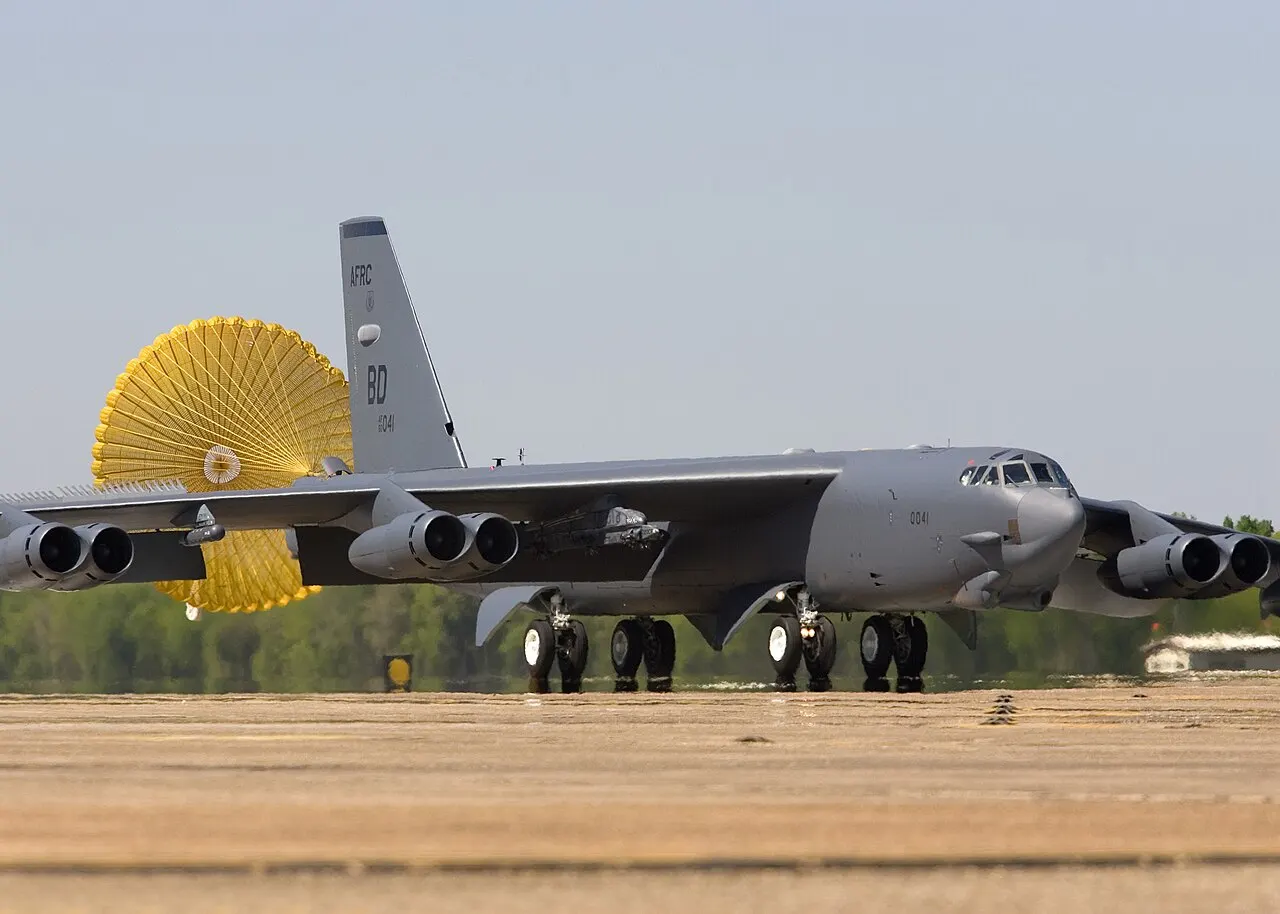
, used by several former and current military and civilian aircraft (examples include the American B-52 and the soviet Tu-134 and Tu-144) and in the Space Shuttle.
Part B:
Q 6). A. With necessary assumptions, calculate the force and power required to push / pull an aircraft by a towing vehicle.
Explaination:
There are different forces acting on the while pull / push an Aircraft by a towing vehicle.
Rolling Resistance Force and Airodynamics Force
Rolling Resistance Force
Tire rolling resistance is the energy that your vehicle needs to send to your tires to maintain movement at a consistent speed over a surface
Airodynamic Force
Aerodynamic force is a force exerted on a body by the air (or other gas) in which the body is immersed, and is due to the relative motion between the body and the Air.
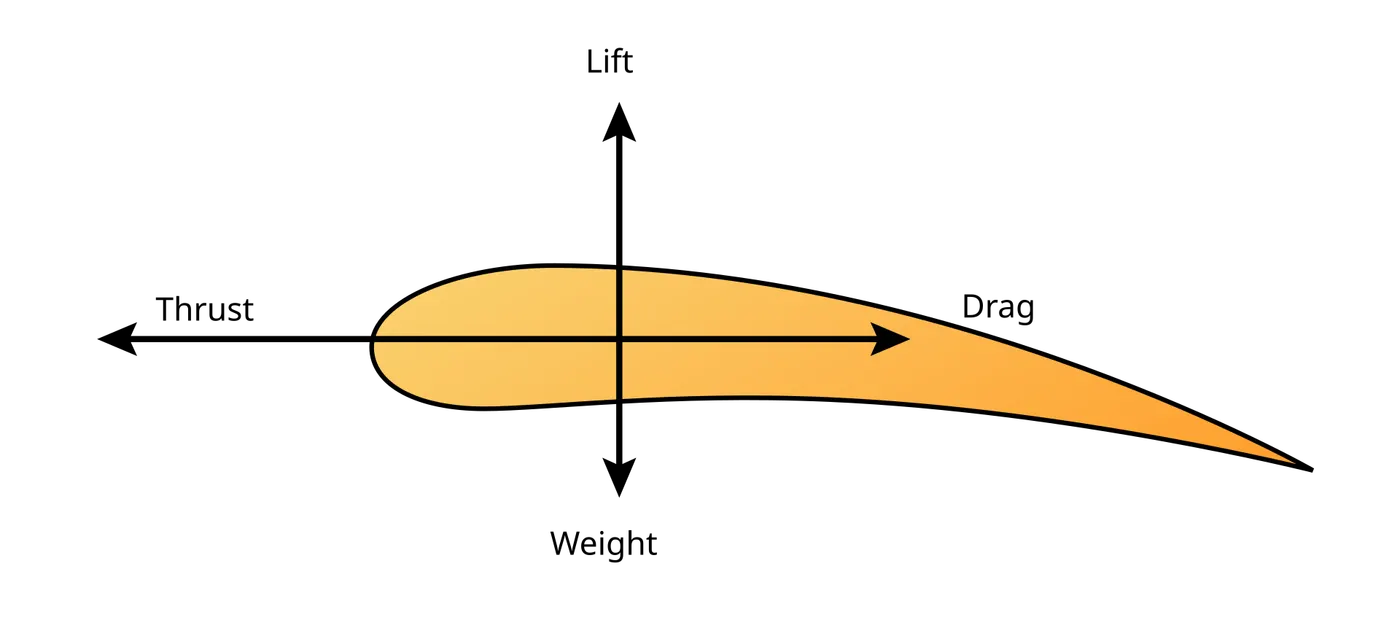
Drag force on the aircraft (Fd1)
Drag force on the Tug (Fd2)
Rolling resistance frictional force on the Aircraft (Fr1)
Rolling resistance frictional force on the Tug (Fr2)
Assume values:
Let, the mass of the Aircraft (m1) = 57500 kg
Mass of the towing vehicle (m2) = 11,850 kg
Co-efficient of rolling resistance of Aircraft (U1) = 0.002
Co-efficient of rolling resistance of Tug (U2) = 0.002
Drag co-efficient of Aircraft (Cd1) = 0.11
Drag co-efficient of Tug (Cd2) = 0.5
Frontal area of aircraft (A1) = 315 m/s^2
Frontal area of Tug (A2) = 40 m^2
Towing speed (v)= 3 m/s
Air density (p)= 1.25kg m/s^2
Acceleration due to gravity (g)= 9.8 m/s^2
Formulas:
Rolling Resistance force ;
Frr = Urr*m*g
Where, urr= Co-efficient of rolling Resistance
M= mass of the vehicle, in kg
G= gravitational constant (9.8) N/m^2
Air Drag force;
Fad= ½* p*A*Cd*V^2
P= Air density
A= frontal area of the vehicle
Cd= Drag co-efficient of the vehicle
V= speed of the vehicle
Calculation:
Rolling resistance force of Aircraft;
Fr1 = Urr*m*g
= 0.002*575000*9.8
= 11,270 N
Rolling resistance force of Tug/ Towing vehicle;
Fr2 = Urr*m*g
= 0.002*11,850*9.8
= 232.6 N
Drag Force on the Aircraft;
Fad1= ½* p*A*Cd*V^2
= ½*1.25* 0.11*315*(3)^2
= 194.90 N
Drag Force on the Tug/ Towing Vehicle
Fad2= ½* p*A*Cd*V^2
= ½*1.25* 0.5*40*(3)^2
= 112.5 N
Total force needed to towing the Aircraft;
Ft = Fr1 + Fr2 + Fad1 + Fad2
= 11,270 + 232.6 + 194.90 + 112.5
= 11,810 N.
Power required by Tug to push / pull the Aircraft;
P = Total force * velocity
= 11,810 * 3
= 35,430 W
P= 35.430 KW
B. Develop the model for the calculated force and power using Simulink.
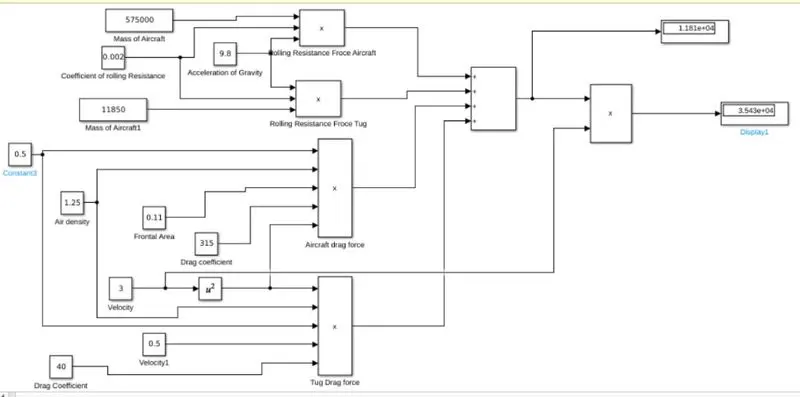
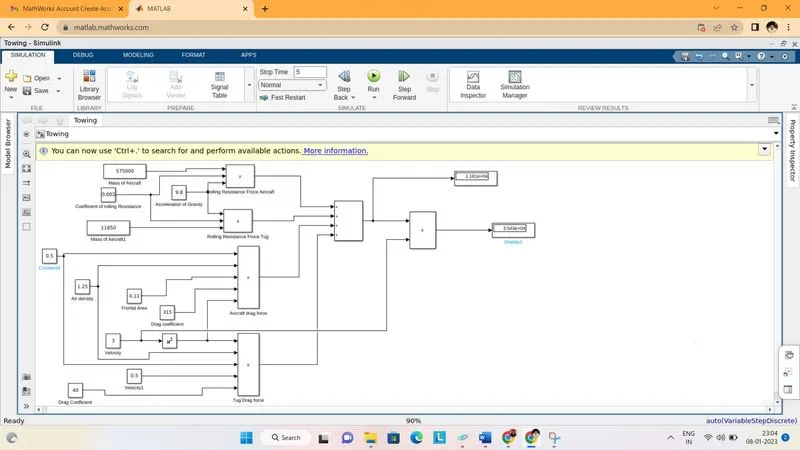
This is online matlab screenshot.