Project-1: Powertrain for aircraft in runways
Part A:
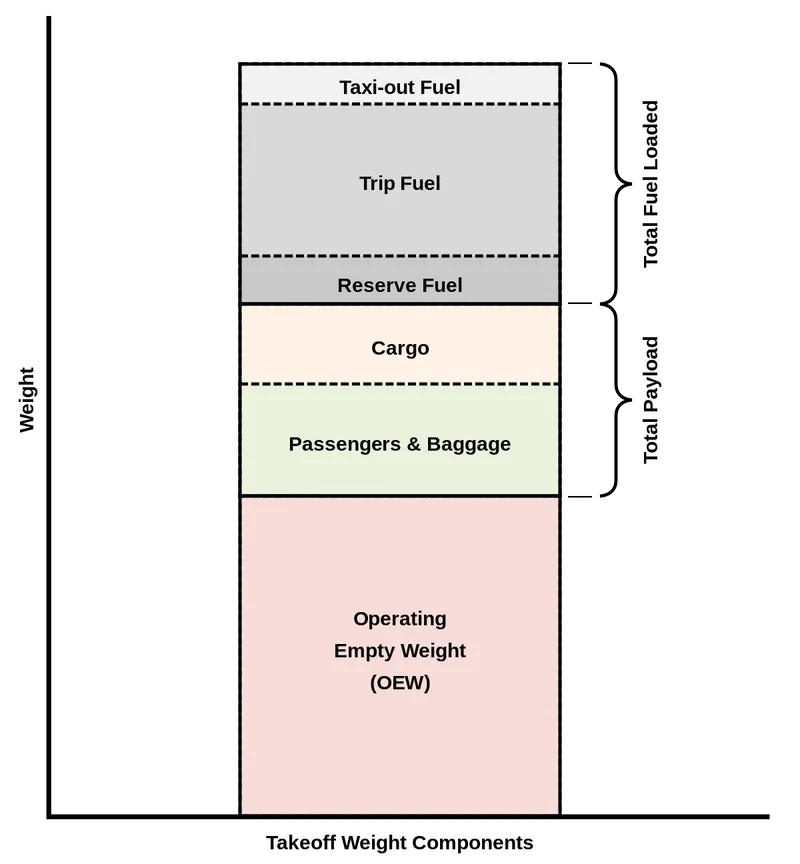
1. Search and list out the total weight of various types of aircrafts.
Aircraft MYOW(kg)
Boeing 747-8F 447,700
Airbus A380-800 575,000
Concorde 185,000
Antonov An225 640,000
Vickers VC10 152,000
Fokker 100 46,000
Embraer 175(19) 37,500
Avro RJ-85 42,000
Boeing 777-300 299,370
Glider 110-200
Powered Lift 160
Fighter Aircraft 13500
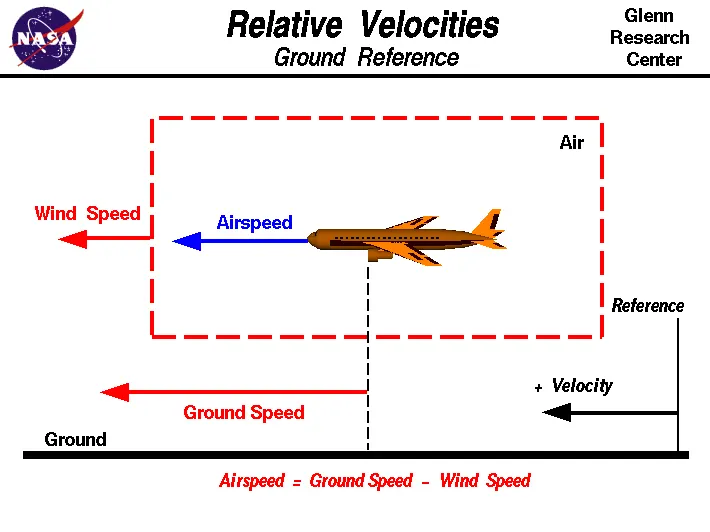
2. Is there any difference between ground speed and air speed?
Ground speed:
-They are the airplane speed which is related to the ground.
-They are the speed which determines how fast the airplane will reach the detination.
-They are the calculated by summing up the airspeed and windspeed.
Air speed:
-It refers to the speed which is relative to air it is flying in.
-They determine whether there is enough airflow around an aircraft to make it lift.
-They are independent of ground speed.
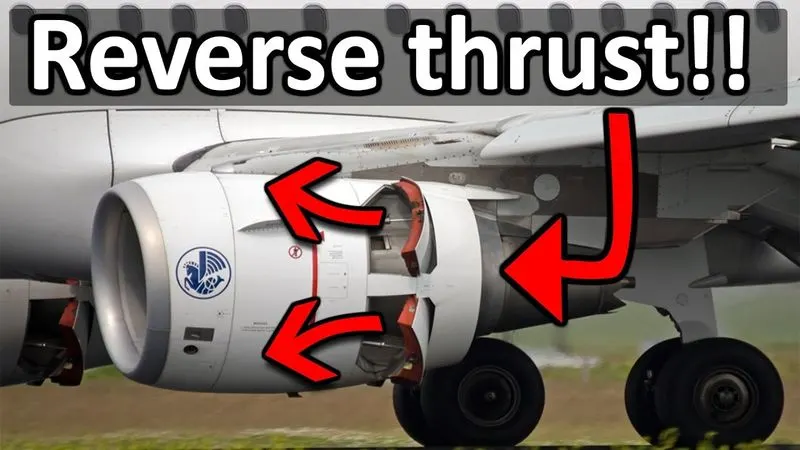
3. Why is it not recommended to use aircraft engine power to move it on the ground at Airport?
Generally most of the airplane can move itself in reverse manner by making use of reverse thrust technology.But in most of the practical it is not possible because when airplanes start using reverse thrust it will consume lot of fuels as well as causes lot of noise and also hazardous for the people working near by
The another for not using reverse thrust is that the jet blast can cause damage to terminal buildings or its equipments.Since the engine is also close to the ground it will blow off the sand and debreis forward and sucks it to the engine and causes damage to it.
4. How an aircraft is pushed to runway when its ready to take off?
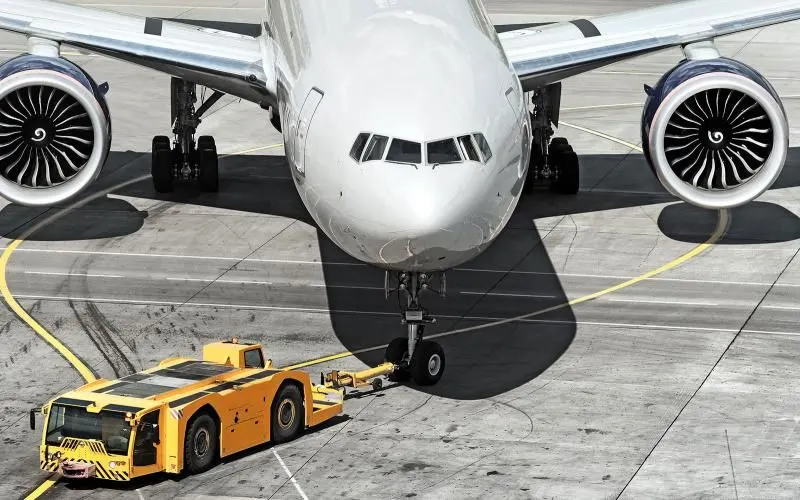
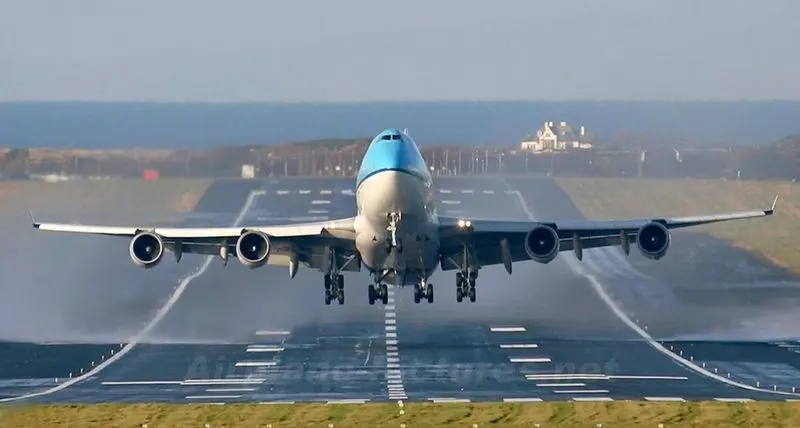
Take off is the phase of the flight in which an aeroplane leaves ground and becomes airbone.For lighter aircraft full power is given durong take off where as on the other hand large cargo carriers aircraft make use of less power during take off inorder to inrease the life span of engine,reduce maintenance cost ,reduce engine heat and also for a smooth take off flight.
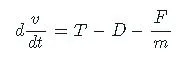
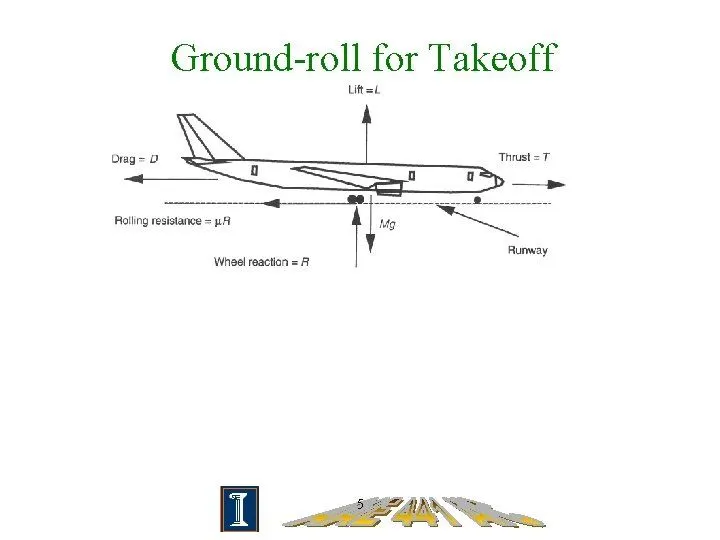
The forces involved during take off are the following:
T=Thrust froce pushes the aircraft in forward dierection on the runway.
D=Drag force resist the forward motion of the aircraft.
F=Rolling resistance force when wheel comes in contact with the gorund during landing and take off.
During take off on the runway the imbalance froce will cause an acceleration along the runway and it is given by the formula:
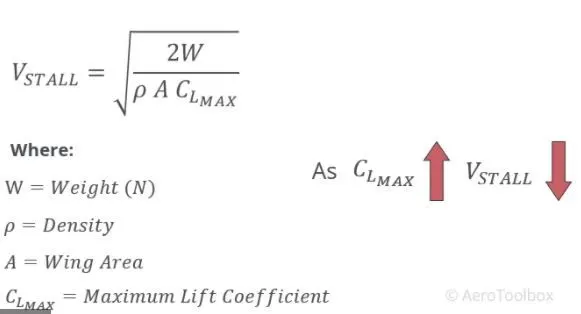
Vstall can be calculated by using a formula given:
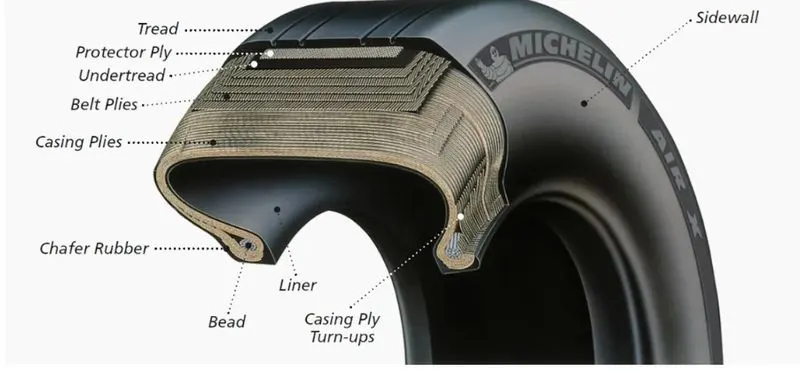
- They support the weight of an aircraft while it is on the ground.
- It also provides the necessary traction for braking and stopping of an aeroplane.
- Tyre also helps to absorb the shock of landing and provide cushioning the roughness of takeoff, roll-out, and taxi operations.
Retreading – Retreading is methods of restoring a worn tyre by renewing the tread area or by renewing the tread area plus one or both sidewalls. Repairs are included in the tyre retreading process.
Load Rating – Load rating is the maximum permissible load at a specified inflation pressure.
Ply Rating – Ply Rating is used to identify the maximum recommended load rating and inflation pressure for a specified tyre. It is an index of tyre strength.
Speed Rating – The speed rating is the maximum takeoff speed to which the tyre has been tested.
Skid Depth – Skid depth is the distance between the tread surface and the deepest groove as measured in the mould.
Rolling resistance :
As we know that the force offered to the tyre .This is the force offred to the tire of the aircraft.It depends upon the tire pressure ,tire material ,temparature around the tyre,structure of the tyre.We that the force required to overcome the rolling resstance is given by
Frr=μrr*m*g
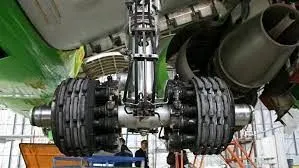
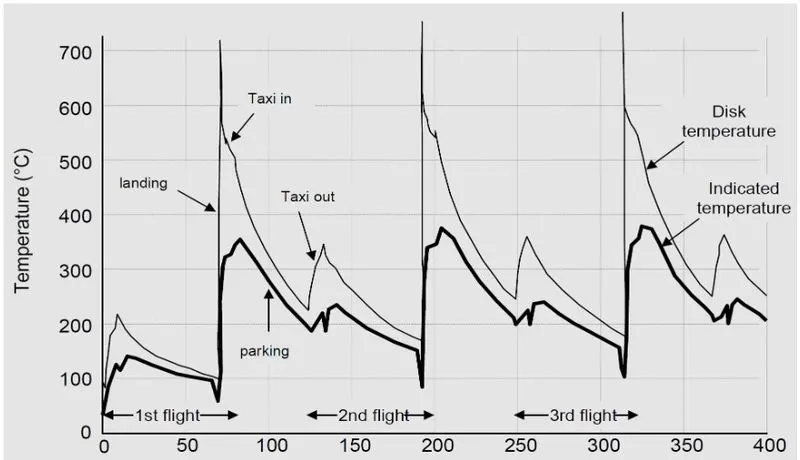
Since kinetic energy (KE) is a function of mass (m) and velocity (v) according to the equation:
KE = ½mv2
Many smaller light sport aircraft do not make use of toe brakes, preferring to use a simpler single lever mechanism.
6) A. With necessary assumptions, calculate the force and power required to push / pull an aircraft by a towing vehicle.
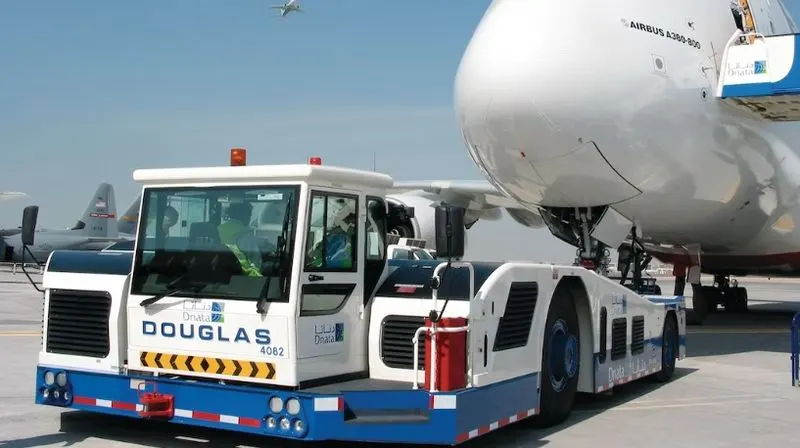
Let us consider the regular runway the oposite forces are acting to propel the vehicle are
Rolling resistance force (Frr)
and aerodynamic drag force. (Fad)
there is no grade so hill climbing force (Fhc)is neglected.
The sum these forces is actual or total force (Fte) to overcome to propel the vehicle.
Frr = m.g. μ.rr;
Fad = 1/2. ρACdv^2;
Where,
m-mass of the vehicle(kg)
g-gravitational constant. (kg/m^2)
μrr-rolling resistance
ρ-air density(kg/m^3)
A-frontal area(m^2)
Cd-aero drag coefficient
v-velocity of the vehicle(m/s)
Fte=Rolling resistance force (Frr)+aerodynamic drag force. (Fad)
Fte=mgμrr+1/2*ρACdv^2
some of the assumptions are :
mass of the aircraft (ma)=24500kg;
mass of the towing vehicle=10000kg;
gravitational constant(g)=9.81m/s^2;
rolling resistance(μrr)=0.05;
air density(ρ)=1.5kg/m^3;
frontal area (A)=10m^2;
aero drag coefficient(Cd)=0.4+0.2=0.6;
velocity(v)=21.6km/hr=6m/sec
Frr=mgμrr
=(24500+10000)*9.81*0.05
=16922.25N force required to pull or push the vehicle Fte=7909.9488N
torque at the wheels =force *radius
=17084.25*0.2(tire radius=0.2m)
=3416.85Nm
power required to pull the vehicle;
we know;
power(p) =force *velocity
=Fte*v
=17084.25*6
=102505.5watts
=102.505kw
The power required to propell the vehicle is 102.505kw.
Fad=1/2*ρACdv^2
=0.5*1.5*10*0.6*6^2
=162N
Fte=mgμrr+1/2*ρACdv^2
=16922.25N+162N
=17084.25N
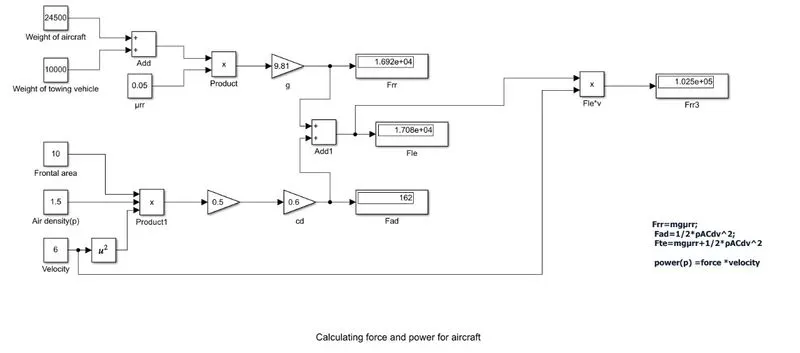
B .The model for the calculated force and power using Simulink :
The following are the equations modeled in simulink
Frr=mgμrr;
Fad=1/2*ρACdv^2;
Fte=mgμrr+1/2*ρACdv^2
power(p) =force *velocity
The simulink is one of the best tool for doing mathamatical model calculations .
The model consists of differnet blocks like constant ,gain ,product, squre ,dispaly blocks.
constant block : This block is used to declare the diffrent input like
m-mass of the vehicle(kg)
μrr-rolling resistance
ρ-air density(kg/m^3)
A-frontal area(m^2)
v-velocity of the vehicle(m/s)
Gain block : This block is multiply the input with the gain value.
This block is used for
g-gravitational constant.(kg/m^2)
Cd-aero drag coefficient
Display : which results the output of the equations ie, forces and power.
Simulink model for calculation of force and power;
7. A. Design an electric powertrain with type of motor, it’s power rating, and energy requirement to fulfill aircraft towing application in Simulink. Estimate the duty cycle range to control the aircraft speed from zero to highest. Make all required assumptions. Prepare a table of assumed parameters. Draw a block diagram of powertrain.
Energy requirement to fulfil aircraft towing
The power required to propell the vehicle is 102.505kw
Power rating
input power =outpower +losses in machine
efficiency (η) = outpower/inputpower
let us assume the machine efficiency is 85%
Then the input power is calculated as
input power =outpower/efficiency (η)
=102.505kw/0.85
=120.59kw
From this we can select a 120kw dc motor is sufficient for the powerr train.
If we consider the particular motor to operate for a 1hr then the energy for the machine is given by
energy = power *time
=120.59*3600
=434.124kwh or 434124wh
Duty cycle
duty cycle=outpower /input power
=102.505/120.59
=0.85%
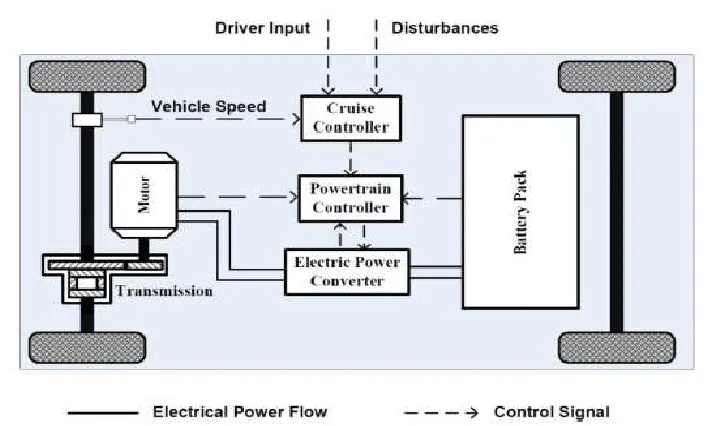
Block diagram of powertrain:
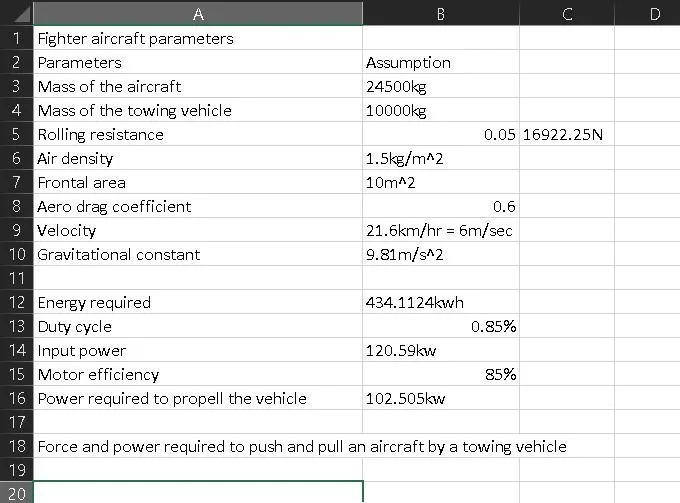
Assumed parameters:
Here I assumed the rafale fighter aircraft;
Parameter Assumption
Mass of the aircraft 24500kg
Mass of the towing vehicle 10000kg
Rolling resistance 0.05
Air density(ρ) 1.5kg/m^3
Frontal area(A) 10m^2
Aero drag coefficient (Cd) 0.6
Velocity(v) 21.6km/hr=6m/sec
Gravitational constant(g) 9.81m/s^2
DC& block in simulink
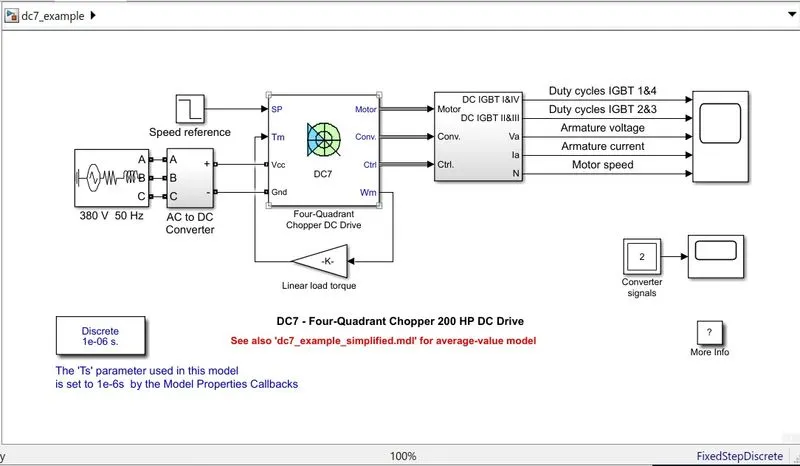
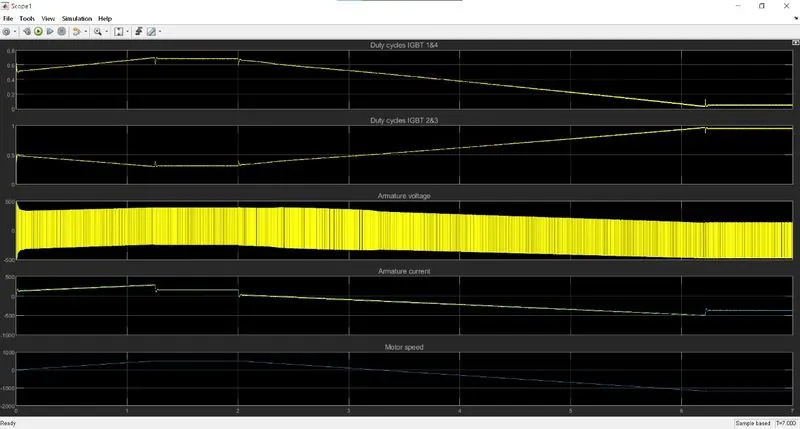
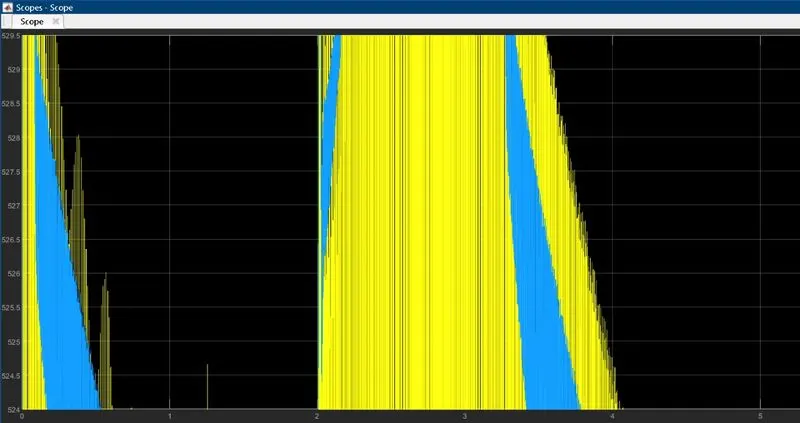
Scope result
7B)