Project-1: Powertrain for aircraft in runways
PROJECT:POWERTRAIN FOR AIRCRAFT IN RUNWAYS
AIM
Part A:
1. Search and list out the total weight of various types of aircrafts.
2. Is there any difference between ground speed and air speed?
3. Why is it not recommended to use aircraft engine power to move it on the ground at Airport?
4. How an aircraft is pushed to runway when its ready to take off?
5. Learn about take off power, tyre design, rolling resistance, tyre pressure, brake forces when landing.
Part B:
6. A. With necessary assumptions, calculate the force and power required to push / pull an aircraft by a towing vehicle.
B. Develop the model for the calculated force and power using Simulink.
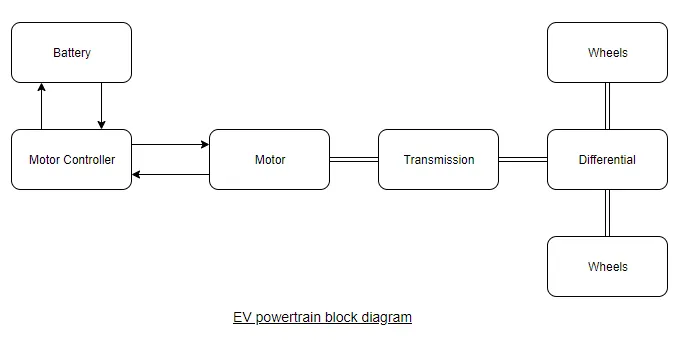
7. A. Design an electric powertrain with type of motor, it’s power rating, and energy requirement to fulfill aircraft towing application in Simulink. Estimate the duty cycle range to control the aircraft speed from zero to highest. Make all required assumptions. Prepare a table of assumed parameters. Draw a block diagram of powertrain.
(Hint :DC7 Block)
B. Also, Design the parameters in excel sheet.
Aircrafts
Types of Aircrafts
- Boeing 747-8
- Helicopter
- Glider
- Cargo Aircraft
- Amphibious
- Biplane
- Bomber
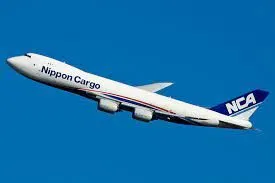
Boeing 747-8
It is a wide body airliner developed by boeing commercil airplanes and the largest variant of 747.it has length of 76 metres and top speed of 1500km
Maximum weight is 447696 kg
Helicopter
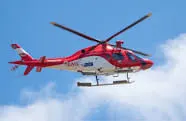
it is a type of rotorcraft which lift and thrust are supplied by horizontally spinning motors. this allowa the helicopter to take off and land vertically,to hover and to fly forward and backward and litterally it has overall length of 42.4 ft which may vary depends.
the weight of helicopter varies from 600 to 56000 kg
Glider
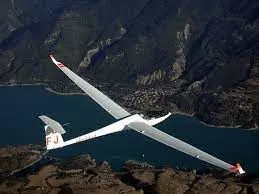
glider or it is also known as sailplane it is a type of glider aircraft used in leisure activity and sport of gliding. this unpowered aircraft can use naturally occuring currents of rising air in the atmosphere to gain altitude
weight of glider plane is 110 kg to 220 kg
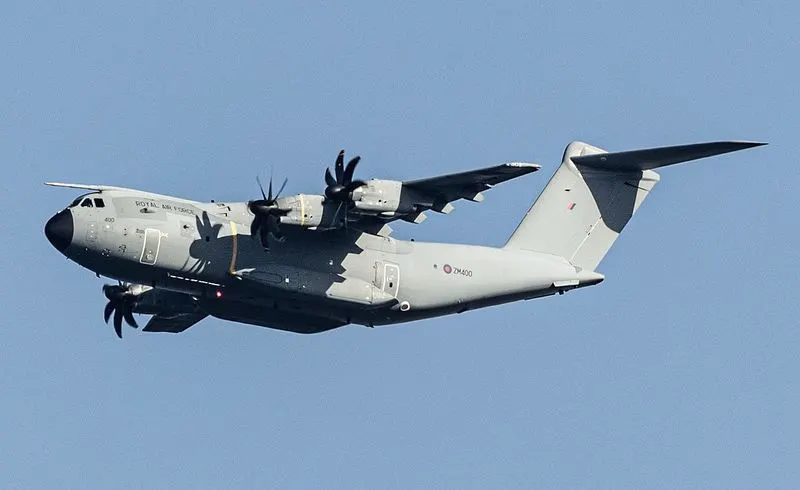
Cargo Aircraft
cargo aircraft is designed for converting for the carriage of cargo rather than passengers. such aircraft usually do not incorporate passenger amenities and generally feature one or more large doors for loading cargo. freighters may be operated by civil passenger or cargo airlines
weight of cargo aircraft is 250000 kg
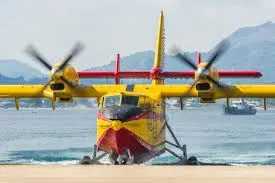
Amphibious
it is an aircraft that can take off and land on both solid ground and water fixed well amphibious aircarafts are seaplanes,which are equipped with retractable wheels,at the expense of extra weight and complexity, plus dimnished range and fuel economy compared to planes designed specifically for land only or water only operation
weight of sea planes ranges from 10000 to 80000 kg
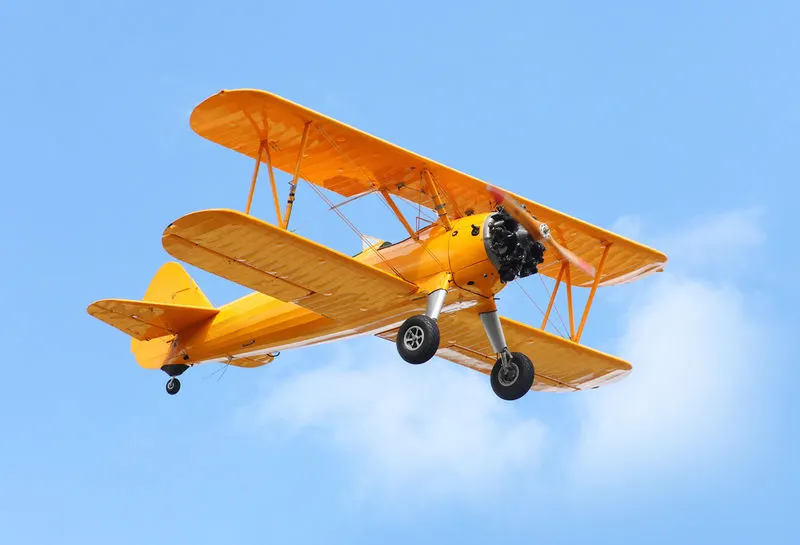
Biplane
A biplane is a fixed wing aircraft with two main wings stacked one above the other. The first powered, controlled aeroplane to fly, the wright flyer, used a biplane wing arrangement, as did many aircraft in the early years of aviation. While a biplane wing structure has a structural advantage over a monoplane, it produces more drag than a monoplane wing. Improved structural techniques, better materials and higher speeds made the biplane configuration obsolete for most purposes by the late 1930s.
weight of a biplane is 12000 kg
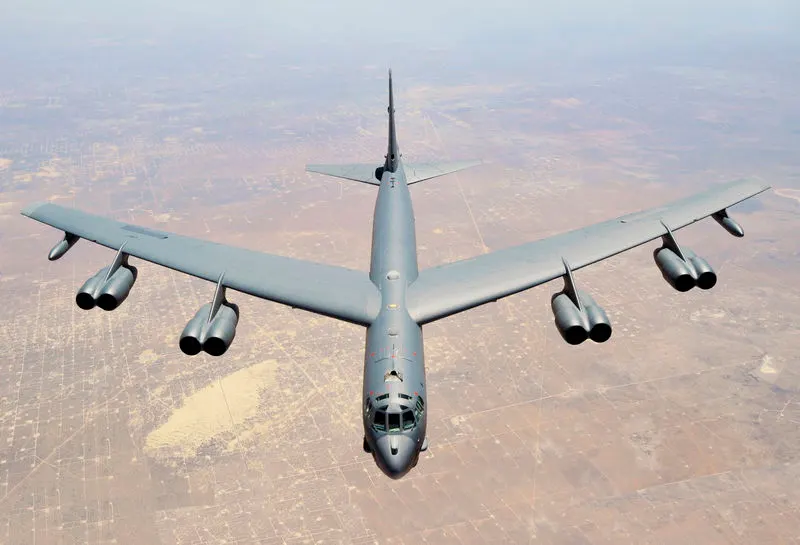
Bomber
A bomber is a military combat aircaft designed to attack ground and naval targets by dropping air to ground weaponry (such as bombs), launching torpedoes , or deploying air launched cruise missiles. The first use of bombs dropped from an aircraft occurred in the italo turkish war, with the first major deployments coming in the first world war and second world war by all major airforces causing devastating damage to cities, towns, and rural areas. The first purpose built bombers were the italian caproni Ca 30 and British bristol TB8, both of 1913. Some bombers were decorated with nose art or victory markings
weight of bomber aircraft is 83250kg
Difference between ground speed and air speed
| Ground speed | Air speed |
| Wind speed is the vector difference between the airspeed and the ground speed. | The important quantity in the generation of lift is the relative velocity between the object and the air, which is called the airspeed. |
| Ground speed is the airplane’s speed relative to the surface of the Earth | Airspeed is the speed relative to the air it is flying in. |
| it determines how fast an aircraft can get into its destination | it deterrmines whether there is enough air flow for the aircraft to fly |
| calculated by sum of air speed and windspeed | independant of ground speed |
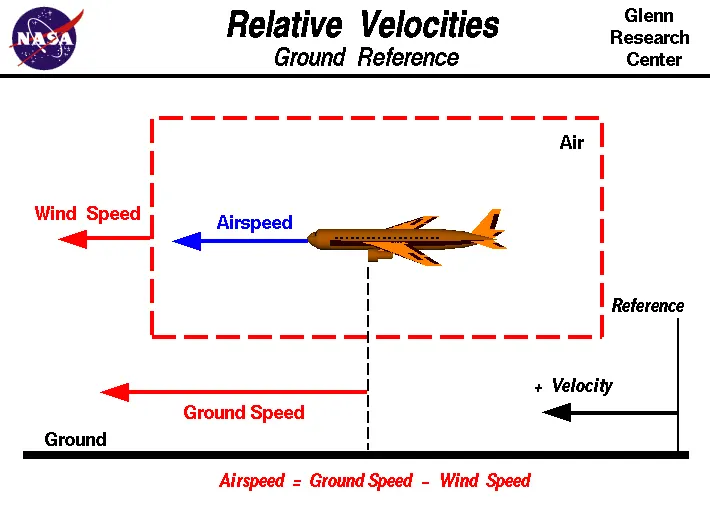
Here wind speed is the vector difference between ground and air speed.On a perfect still day the wind speed is zero and it is equal to the ground speed. If the measured air speed is greater than the observed ground speed the wind speed becomes positive.
Why is it not recommended to use aircraft engine power to move it on the ground at Airport?
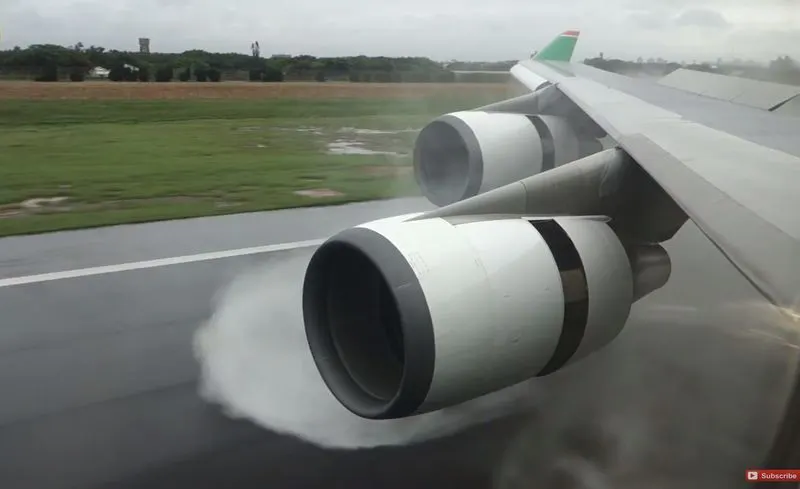
Many aircraft are capablem of moving backward using reverse thrust Movement of large aircraft about the airport, flight line, and hangar is usually accomplished by towing with a tow tractor In the case of small aircraft, some moving is accomplished by hand pushing on the correct areas of the aircraft. resulting jet drop will make damage to the building or equipment.engine close to the ground whick blows the sand and also sucks it as a result of this engine cause damage to the engine.
Towing the best option for this problem Airplanes get towed when the thrust of their engines creates a significant hazard to the immediate area surrounding them. Planes also get towed for maintenance purposes so pilots are not required to move the aircraft as airplane mechanics are trained in the use of the aircraft brakes while towing.
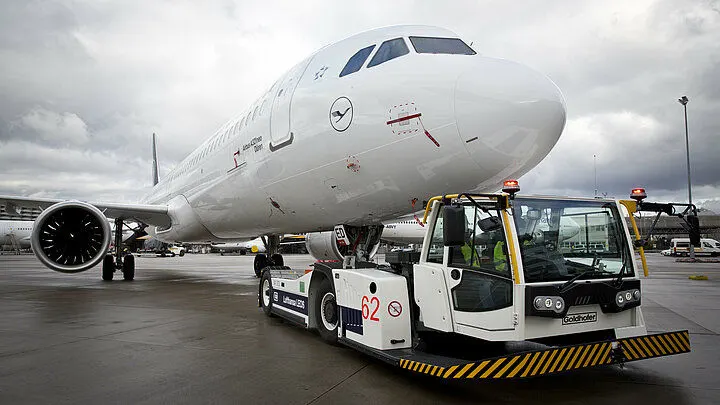
How an aircraft is pushed to runway when its ready to take off?
An aircraft is pushed to runway using taxiing. Taxiing is the movement of an aircraft on the ground, under its own power, in contrast to towing or push-back where the aircraft is moved by a tug. The aircraft usually moves on wheels, but the term also includes aircraft with skis or floats .the thrust or power to propel the aircraft comes from its engine itself.Airliners have nose wheel steering, controlled by a cockpit control called a tiller. The tiller allows nose wheel to rotate at quite extreme angles making tighter turns possible. It also reduces the fuel consumption as you do not need much engine power during taxiing. If rudders were used, the power has to be increased to make sure sufficient air flows over the rudder surface to make it effective.Some large airplanes with multi wheel main gears have a tendency to scrub the tyres on the tarmac when nose wheel is steered. To counter this problem, an automatic main gear steering is inbuilt in the aircraft. This makes the main gears turn the opposite direction to that of the nose wheel, greatly decreasing the wear on the tyres.
Learn about take off power, tyre design, rolling resistance, tyre pressure, brake forces when landing.
Take off power
The total energy of an aircraft flying in the atmosphere can be calculated using equation,
E = ½ m v2+ mgh
However, the engines mounted onto the wings of the plane are required to provide additional energy per time, power, in order to keep the aircraft flying at a constant altitude and speed. This extra power needed to overcome the drag acting on the airplane and is calculated using
P = (dh/dt) m g
where (dh/dt) is the decent speed required to keep the plane's speed constant if the engines fail.
Aircraft tyre
An aircraft tire or tyre is designed to withstand extremely heavy loads for short durations. The number of tires required for aircraft increases with the weight of the aircraft, as the weight of the airplane needs to be distributed more evenly. Aircraft tire tread patterns are designed to facilitate stability in high crosswind conditions, to channel water away to prevent hydroplaning and for braking effect.
Aircraft tires also include fusible plugs (which are assembled on the inside of the wheels), designed to melt at a certain temperature. Tires often overheat if maximum braking is applied during an aborted takeoff or an emergency landing. The fuses provide a safer failure mode that prevents tire explosions by deflating in a controlled manner, thus minimizing damage to aircraft and objects in the surrounding environment. carcass plies are type of layer type rubber which is used to form the tyre .
The purpose of aircraft tyre is
- They support the weight of an aircraft while it is on the ground.
- It also provides the necessary traction for braking and stopping of an aeroplane.
- Tyre also helps to absorb the shock of landing and provide cushioning the roughness of takeoff, roll-out, and taxi operations.
Unlike an automobile or truck tyre, it does not have to carry a load for a long period of continuous operation. However, an aircraft tyre absorbs the high impact loads of landing, and also it’s operating at high speeds for a short time when required.
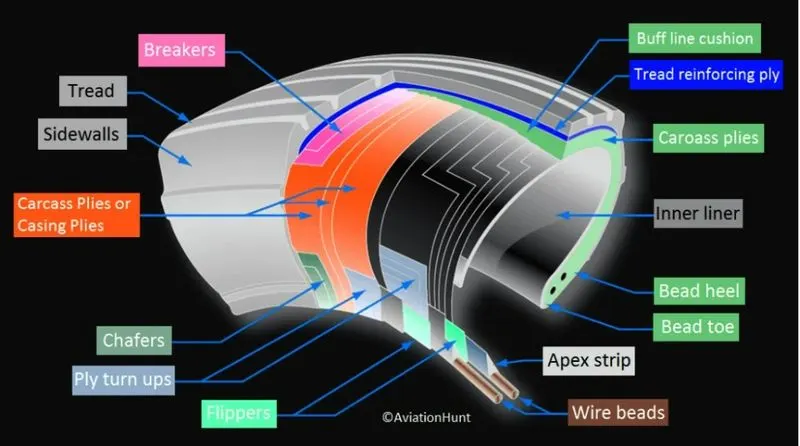
Retreading – Retreading is methods of restoring a worn tyre by renewing the tread area or by renewing the tread area plus one or both sidewalls. Repairs are included in the tyre retreading process.
Ply Rating – Ply Rating is used to identify the maximum recommended load rating and inflation pressure for a specified tyre. It is an index of tyre strength.
Speed Rating – The speed rating is the maximum takeoff speed to which the tyre has been tested.
Skid Depth – Skid depth is the distance between the tread surface and the deepest groove as measured in the mould.
Rolling Resistance in aircraft
The force that resists the motion of a body rolling on a surface is called the rolling resistance or the rolling friction.Rolling resistance is the combination of forces that work against the forward motion of your vehicle. The weight of the vehicle, gravity and inertia, the amount of friction between the tires and the road surface, and air drag all play a part.
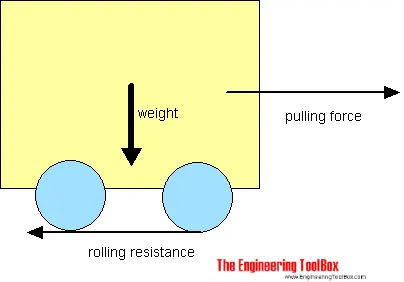
Fr = c W
where
Fr = rolling resistance or rolling friction (N, lbf)
c = rolling resistance coefficient - dimensionless (coefficient of rolling friction - CRF)
W = m ag
= normal force - or weight - of the body (N, lbf)
m = mass of body (kg, lb)
ag =acceleration of gravity (9.81 m/s2, 32.174 ft/s2)
Tyre pressure
Car tyres aren’t just unsafe when they’re old and worn out – you need to ensure you know what tyre pressure you have in your tyres when you drive it because there are critical safety and economic implications.
Car tyre pressure is a measurement of how much air is in your pneumatic tyre, and ensures the tyres wear evenly and maintain the correct level of grip on the road surface. This is commonly expressed as PSI, or pounds-per-square-inch.
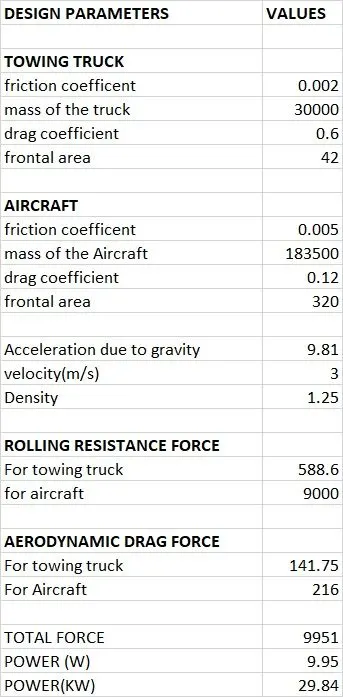
With necessary assumptions, calculate the force and power required to push / pull an aircraft by a towing vehicle.
Mass of the aircraft=183500kg
Mass of towing machine=30000 kg
Rolling resistance coefficient of aircraft=0.005
coefficient of rolling resistance of towing=0.002
drag coefficient of aircraft=0.12
drag coefficient of towing=0.6
Area= 320 m^2
frontal area of towing =42 m^2
towing speed 3 m/s
air density =1.25kg/m3
gravity acceleration(g)=9.81 m/s^2
Equation for finding rolling resistance force is
`Fr=mu*m*g`
m=mass of aircraft
g= acceleration of gravity
Equation for finding drag force is
`Fad=1/2rhoCdAv^2`
`rho`=density
Cd=Air drag coefficient
A=frontal area
v=velocity
Frr for aircraft=9000N
Frr for Towing vehicle=588.6 N
Fad for aircraft=216 N
Fad for towing vehicle=141.75
Total Force = Frr1+Frr2+Fad1+Fad2=9.95 KN
AIRCRAFT


Crr=0.005; %coefficient of rolling resistance of aircraft
m=183500;   % weight of aircraft
g=9.81;     %acceleration due to gravity

p=1.25;     %Air density
A=320;      %Frontal Area of aircraft
Cd=0.12;     %coefficient of air drag of aircraft
v=3;         %velocity

Frr= Crr*m*g; %force of rolling resistance
Fad=0.5*(Cd*p*A*v^2); %force on aerodynamic drag


TOWING


Crr=0.002;     %coefficient of rolling resistance of towing
m=30000;       % weight of towing
g=9.81;        %acceleration due to gravity

p=1.25;        %Air density
A=42;          %Frontal Area of towing
Cd=0.6;         %coefficient of air drag of towing
v=3;           %velocity

Frr=Crr*m*g;    %force of rolling resistance
Fad=0.5*(Cd*p*42*v^2);  %force on aerodynamic drag
Power = Total Force * velocity=9.95 x 3= 29.84 kw
Design an electric powertrain with type of motor, it’s power rating, and energy requirement to fulfill aircraft towing application in Simulink. Estimate the duty cycle range to control the aircraft speed from zero to highest. Make all required assumptions. Prepare a table of assumed parameters. Draw a block diagram of powertrain.
So the force required to pull the aircraft is 9.95 KN and power required is around 29.84 KW.
to find the torque required at wheels = Total force *tyre radius
tyre radius of towing machine is to be 28 inches=0.7112 m
so the torque required is 9.95 x0.7112= 7.076 KNm
Motor torque = (wheel torque)/(gear ratio .n)
here gear ratio is assumed to be 8 for delivering high torque
assuming efficiency is 82%
Motor torque = 7.076/(8x0.82) = 1.079 KNm
if motor was 90% efficient motor torque = 1.079/0.9=1.198Knm
Power required by motor is 29.84/(0.82x0.90)=40.43Kw
so Total energy consumed =40.43x0.1167=6.77 Kwh
The battery selceted is to be around 60Kw
duty cycle=40.43/60=0.67
duty cycle is around 67%
DC7 EXAMPLE
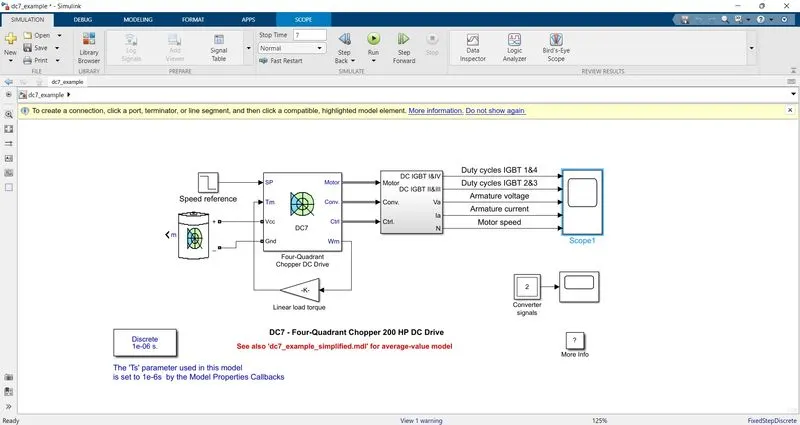
OUTPUT RESULTS
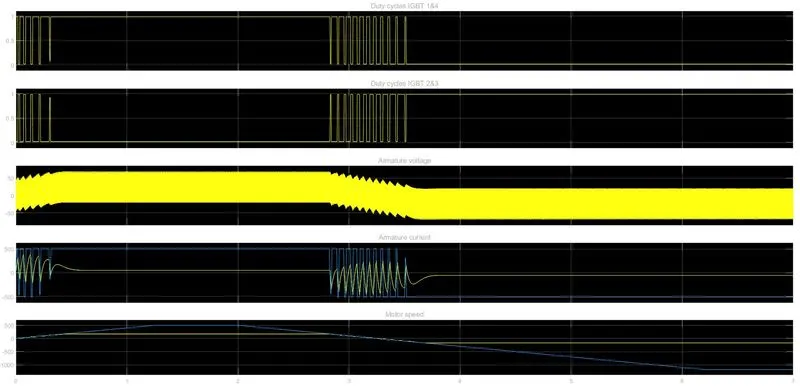
EXCEL FILE
https://docs.google.com/spreadsheets/d/1VJsTolJu5Yvp2cRNB8L0U0CFEInQoFg0/edit?usp=sharing&ouid=109211319371499234172&rtpof=true&sd=true