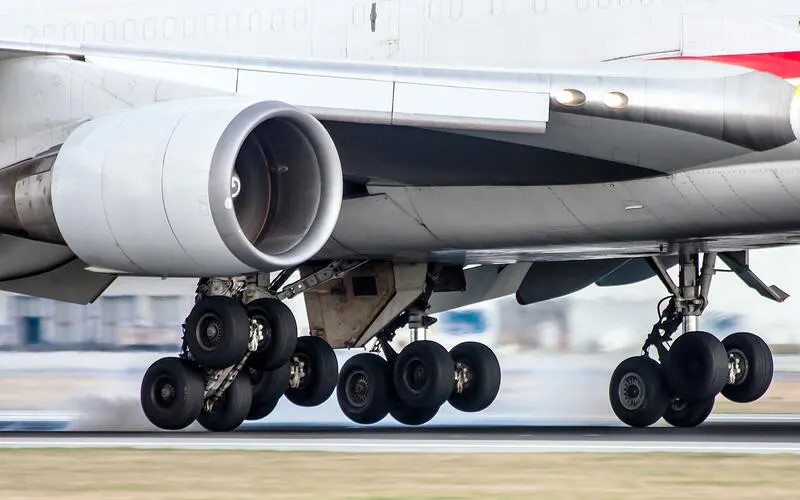
Project-1: Powertrain for aircraft in runways
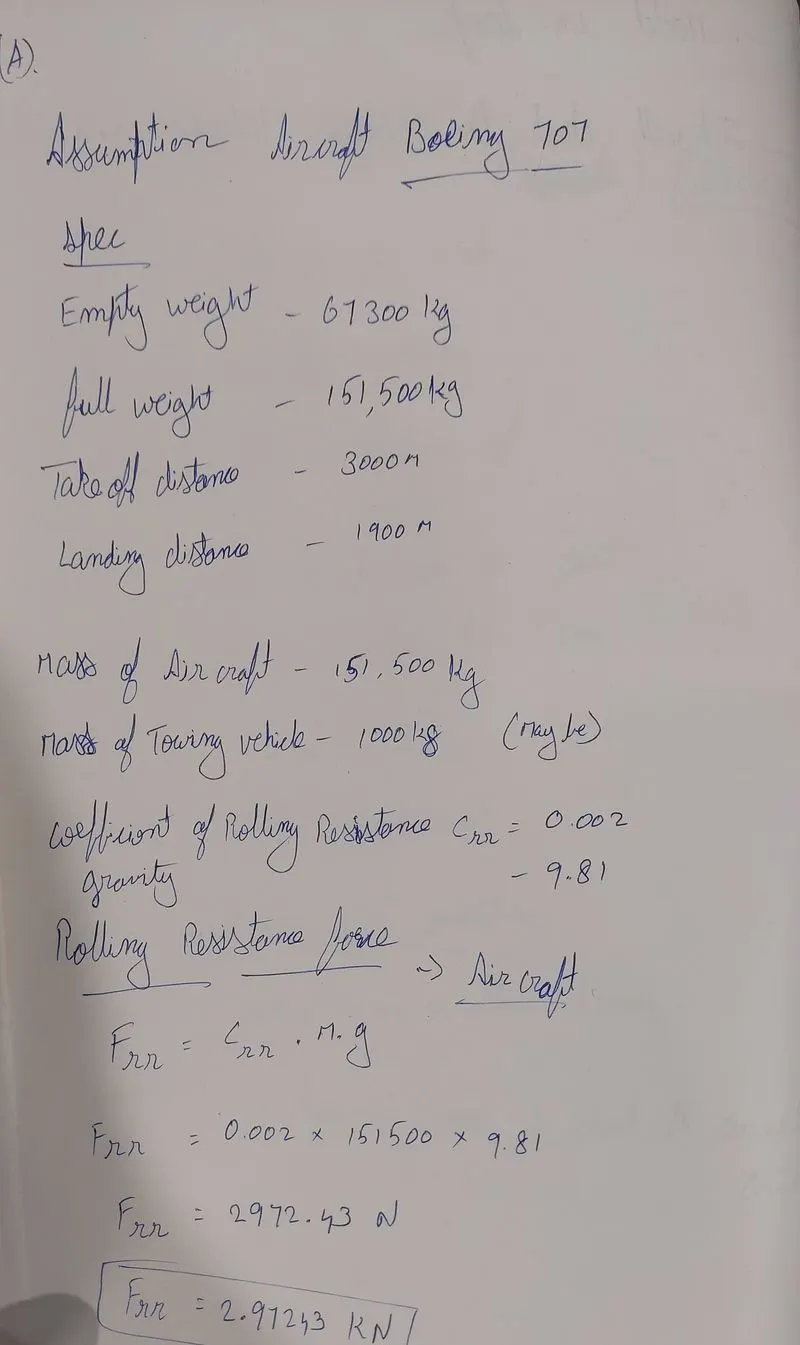
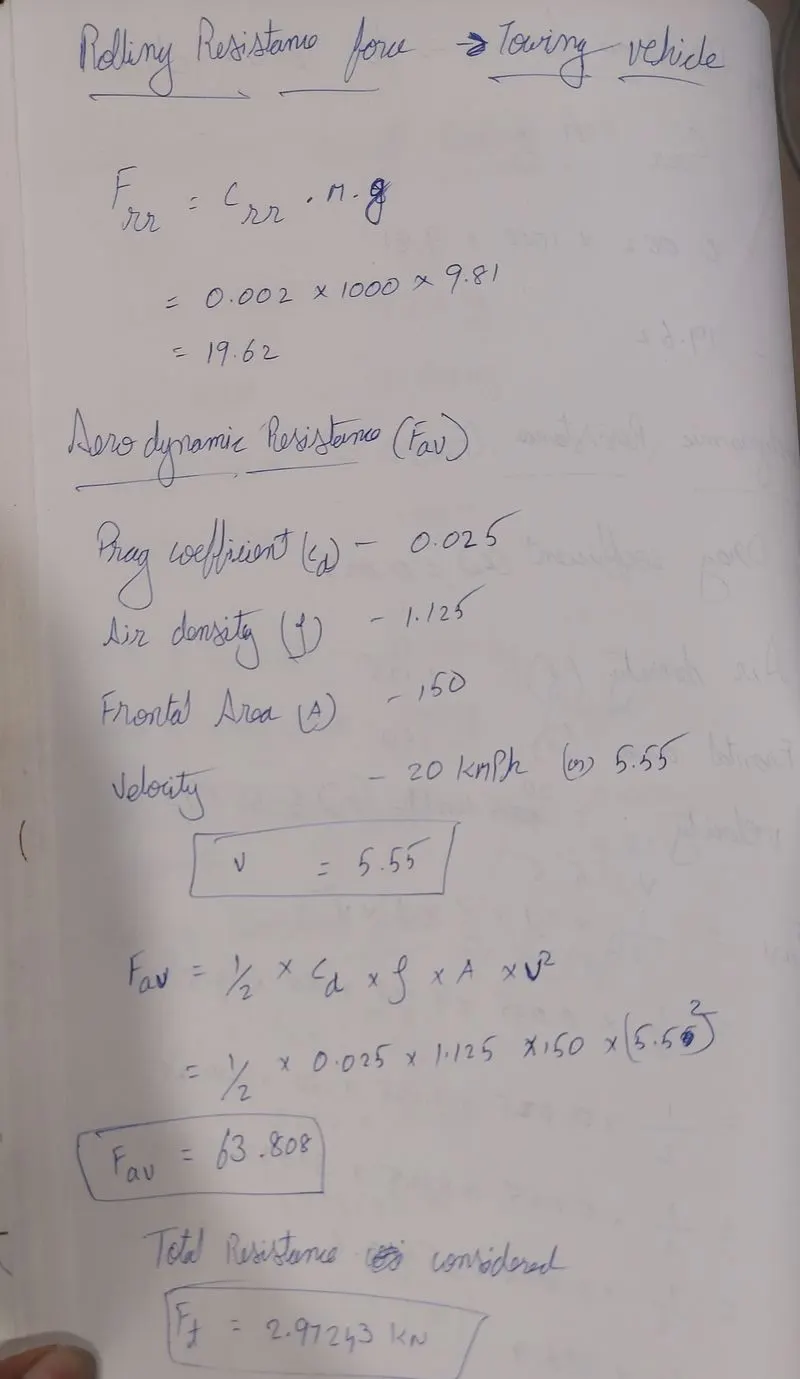
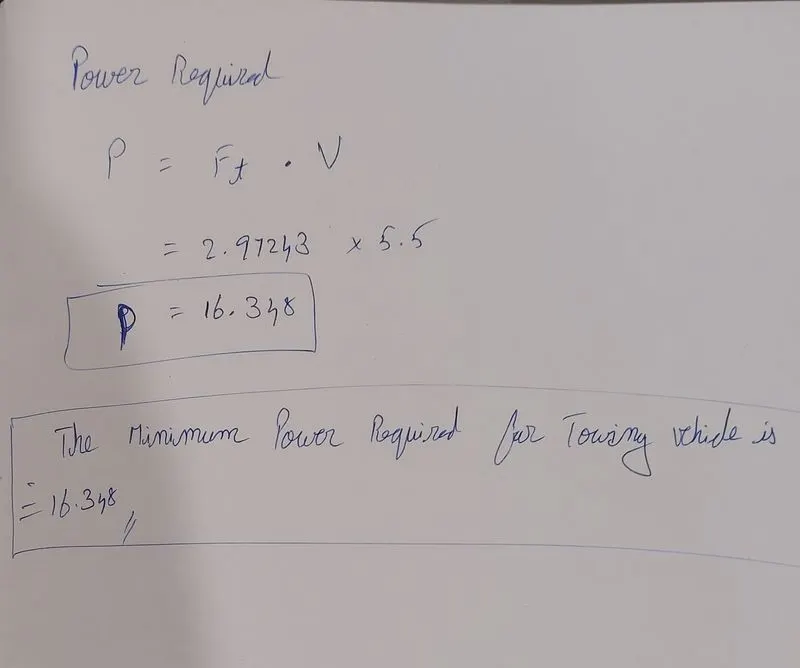
6. A. With necessary assumptions, calculate the force and power required to push / pull an aircraft by a towing vehicle.
Answer:
(A)
6. B. Develop the model for the calculated force and power using Simulink.
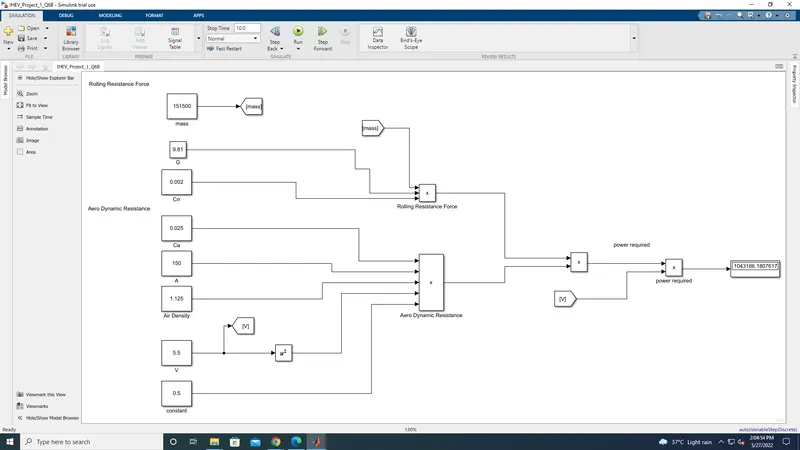
Value has been taken from the previous calculation
Dard Coefficient (Cd) - 0.025
Air density - 1.125
Frontal Aera (A) - 150
Velocity ( V) - 5.5
Mass (M) - 151500
Coefficient of rolling resistance - 0.002
G - 9.81
Rolling resistance formula
Frr = Crr * M * G
Aero Dynamic Resistance formula
Fav = 1/2 * Cd * Airdensity * A * V^2
Power required
P = Ft * V
These are the values and formulas used in the simulink model
And the output has been shown in the display
7. A. Design an electric powertrain with type of motor, it’s power rating, and energy requirement to fulfill aircraft towing application in Simulink. Estimate the duty cycle range to control the aircraft speed from zero to highest. Make all required assumptions. Prepare a table of assumed parameters. Draw a block diagram of powertrain.
(Hint :DC7 Block)
Answer:
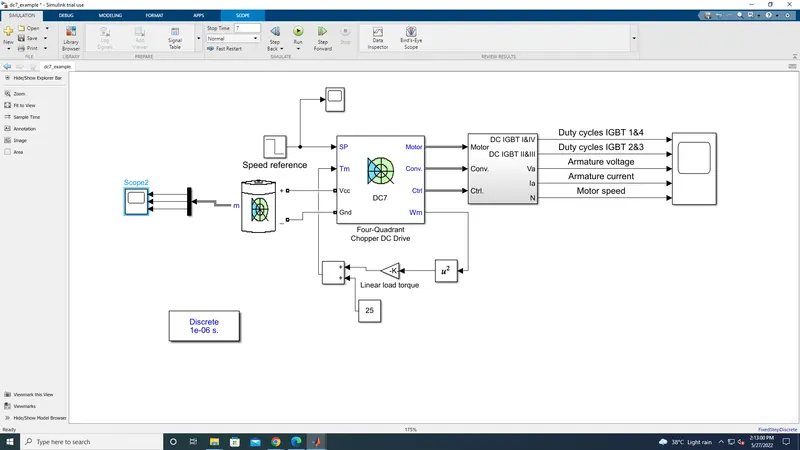
Output:
output has been shown in the scope
Battery output
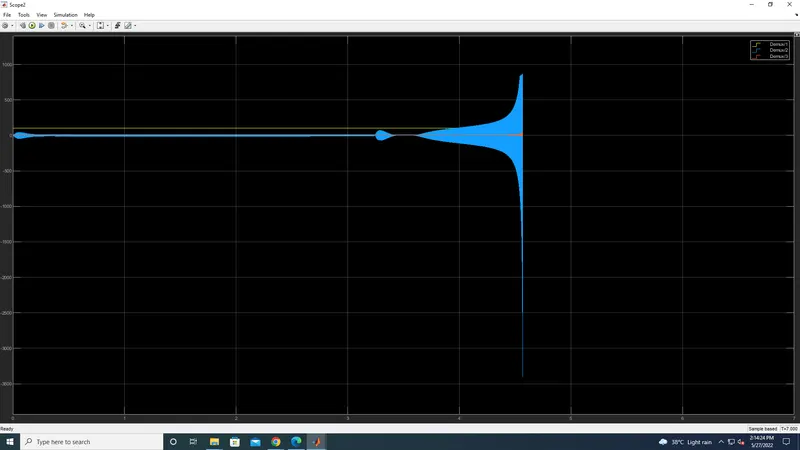
Output from the selector
( Duty cycles IGBT 1&4, Duty cycles IGBT 2&3 , Armature voltage , Armature current , Motor speed )
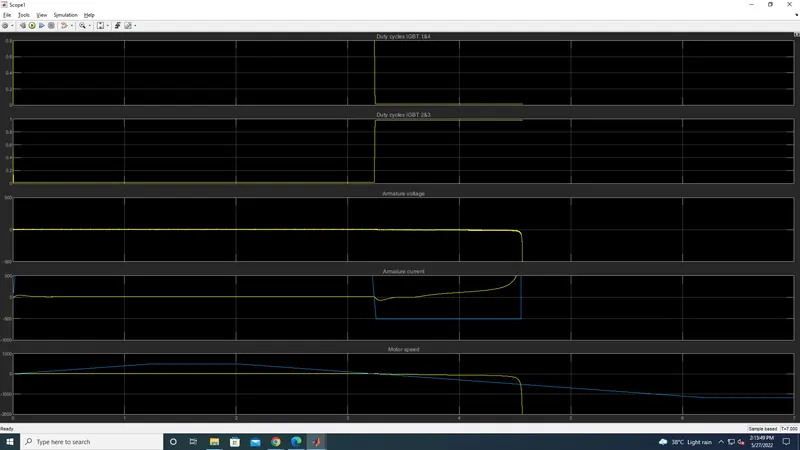
Ramp Value
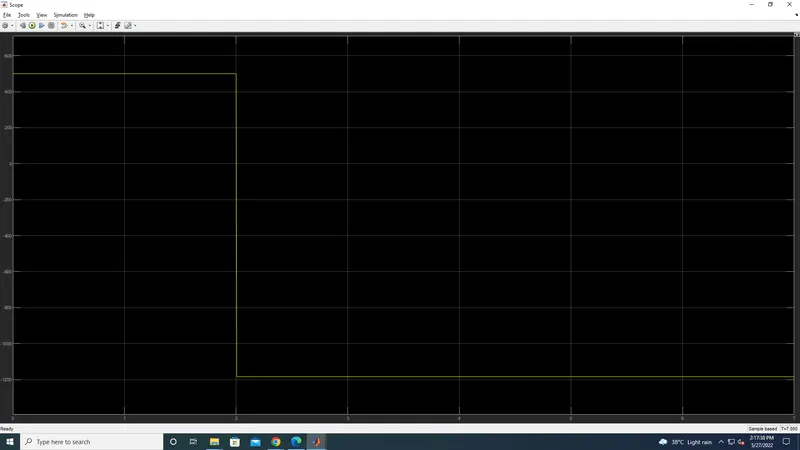
block diagram of powertrain
7. B. Also, Design the parameters in excel sheet.

Part A:
1. Search and list out the total weight of various types of aircrafts.
Manufacturer's empty weight (MEW)
Also called Manufacturer's Weight Empty (MWE) or Licensed Empty Weight
It is the weight of the aircraft "as built" and includes the weight of the structure, power plant, furnishings, installations, systems and other equipment that are considered an integral part of an aircraft.
This excludes any baggage, passengers, or usable fuel2.
Zero-fuel weight (ZFW)
This is the total weight of the airplane and all its contents (including unusable fuel), but excluding the total weight of the usable fuel on board.
As a flight progresses and fuel is consumed, the total weight of the airplane reduces, but the ZFW remains constant.
Maximum zero fuel weight (MZFW) is the maximum weight allowed before usable fuel and other specified usable agents (engine injection fluid, and other consumable propulsion agents) are loaded.
Operating empty weight (OEW) (Roughly equivalent to basic empty weight on light aircraft)
It is the basic weight of an aircraft including the crew, all fluids necessary for operation such as engine oil, engine coolant, water, unusable fuel and all operator items and equipment required for flight but excluding usable fuel and the payload.
Payload
It is the carrying capacity of an aircraft. It includes cargo, people, extra fuel. In the case of a commercial airliner, it may refer only to revenue-generating cargo or paying passengers.
Maximum takeoff weight (MTOW)
This is the maximum weight at which the pilot of the aircraft is allowed to attempt to take off3.
Regulated takeoff weight (RTOW)
Depending on different factors (e.g. flap setting, altitude, air temperature, length of runway), RTOW or maximum permissible takeoff weight varies for each takeoff. It can never be higher than MTOW. More information is on this answer.
Maximum landing weight (MLW)
This maximum weight at which an aircraft is permitted to land3.
The following image depicts takeoff weight components.
Weights
Maximum ramp weight (MRW)
also called maximum taxi weight (MTW)
It is the maximum weight authorized for maneuvering (taxiing or towing) an aircraft on the ground.
Basic Empty Weight (BEW) is the weight of the aircraft "as built" and includes the weight of the structure, power plant, furnishings, installations, systems and other equipment that are considered an integral part of an aircraft before additional operator items are added for operation.
Dry Operating Weight (DOW) BEW + Weight of Crew (Pilot + Cabin including their bags) + Pantry
Operating Weight (OW) DOW + Takeoff fuel (Ramp Fuel - Taxi fuel)
Maximum Zero Fuel Weight (MZFW) DOW + Payload (anything put on the aircraft that generates revenue to the company, passenger, baggage, cargo, mail and fret)
Maximum Taxi Weight (MTW) MZFW + Ramp fuel
Maximum Takeoff Weight (MTOW) MZFW + Takeoff fuel, or MTW - Taxi fuel
Maximum Landing Weight (MLW) MTOW - Trip Fuel
Types of aircraft
There are a number of ways to identify aircraft by type. The primary distinction is between those that are lighter than air and those that are heavier than air.
Lighter-than-air
Aircraft such as balloons, nonrigid airships (blimps), and dirigibles are designed to contain within their structure a sufficient volume that, when filled with a gas lighter than air (heated air, hydrogen, or helium), displaces the surrounding ambient air and floats, just as a cork does on the water. Balloons are not steerable and drift with the wind. Nonrigid airships, which have enjoyed a rebirth of use and interest, do not have a rigid structure but have a defined aerodynamic shape, which contains cells filled with the lifting agent. They have a source of propulsion and can be controlled in all three axes of flight. Dirigibles are no longer in use, but they were lighter-than-air craft with a rigid internal structure, which was usually very large, and they were capable of relatively high speeds.

Heavier-than-air
This type of aircraft must have a power source to provide the thrust necessary to obtain lift. Simple heavier-than-air craft include kites. These are usually a flat-surfaced structure, often with a stabilizing “tail,” attached by a bridle to a string that is held in place on the ground. Lift is provided by the reaction of the string-restrained surface to the wind.
Another type of unmanned aircraft is the unmanned aerial vehicle (UAV), commonly called drones or sometimes remotely piloted vehicles (RPVs). These aircraft are radio-controlled from the air or the ground and are used for scientific and military purposes.
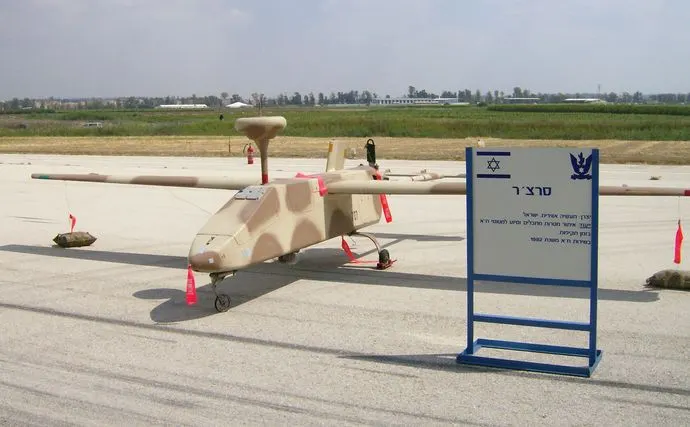
Gliders
Gliders are usually used for flight training and have the capability to fly reasonable distances when they are catapulted or towed into the air, but they lack the dynamic sophistication of sailplanes. These sophisticated unpowered craft have wings of unusually high aspect ratio (that is, a long wing span in proportion to wing width). Most sailplanes are towed to launch altitude, although some employ small, retractable auxiliary engines. They are able to use thermals (currents more buoyant than the surrounding air, usually caused by higher temperature) and orographic lift to climb to higher altitude and to glide for great distances. Orographic lift results from the mechanical effect of wind blowing against a terrain feature such as a cliff. The force of the wind is deflected upward by the face of the terrain, resulting in a rising current of air.
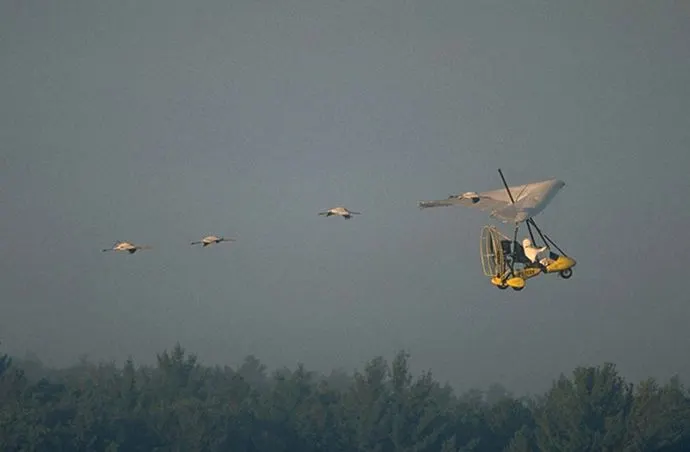
Civil aircraft
All nonmilitary planes are civil aircraft. These include private and business planes and commercial airliners.
Private aircraft are personal planes used for pleasure flying, often single-engine monoplanes with nonretractable landing gear. They can be very sophisticated, however, and may include such variants as: “warbirds,” ex-military planes flown for reasons of nostalgia, ranging from primary trainers to large bombers; “homebuilts,” aircraft built from scratch or from kits by the owner and ranging from simple adaptations of Piper Cubs to high-speed, streamlined four-passenger transports; antiques and classics, restored older aircraft flown, like the warbirds, for reasons of affection and nostalgia.
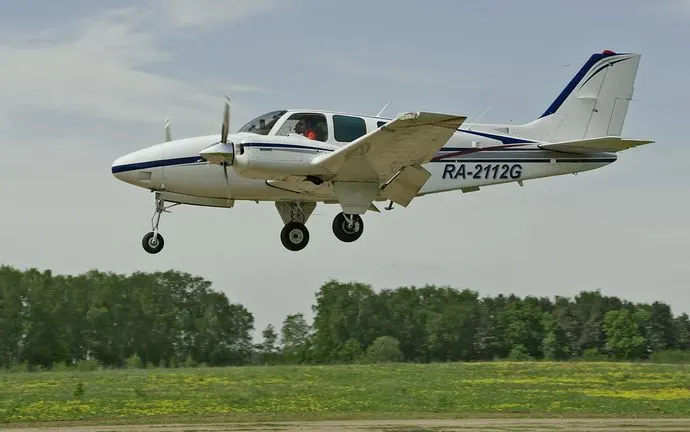
Business aircraft
Business aircraft are used to generate revenues for their owners and include everything from small single-engine aircraft used for pilot training or to transport small packages over short distances to four-engine executive jets that can span continents and oceans. Business planes are used by salespeople, prospectors, farmers, doctors, missionaries, and many others. Their primary purpose is to make the best use of top executives’ time by freeing them from airline schedules and airport operations. They also serve as an executive perquisite and as a sophisticated inducement for potential customers. Other business aircraft include those used for agricultural operations, traffic reporting, forest-fire fighting, medical evacuation, pipeline surveillance, freight hauling, and many other applications. One unfortunate but rapidly expanding segment of the business aircraft population is that which employs aircraft illegally for transporting narcotics and other illicit drugs. A wide variety of similar aircraft are used for specialized purposes, like the investigation of thunderstorms, hurricane tracking, aerodynamic research and development, engine testing, high-altitude surveillance, advertising, and police work
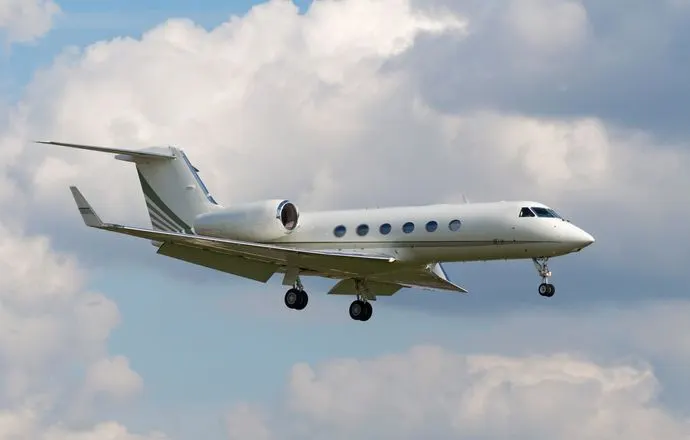
Commercial airliners
Commercial airliners are used to haul passengers and freight on a scheduled basis between selected airports. They range in size from single-engine freight carriers to the Airbus A380 and in speed from below 200 miles per hour to supersonic, in the case of the Anglo-French Concorde, which was in service from 1976 to 2003.
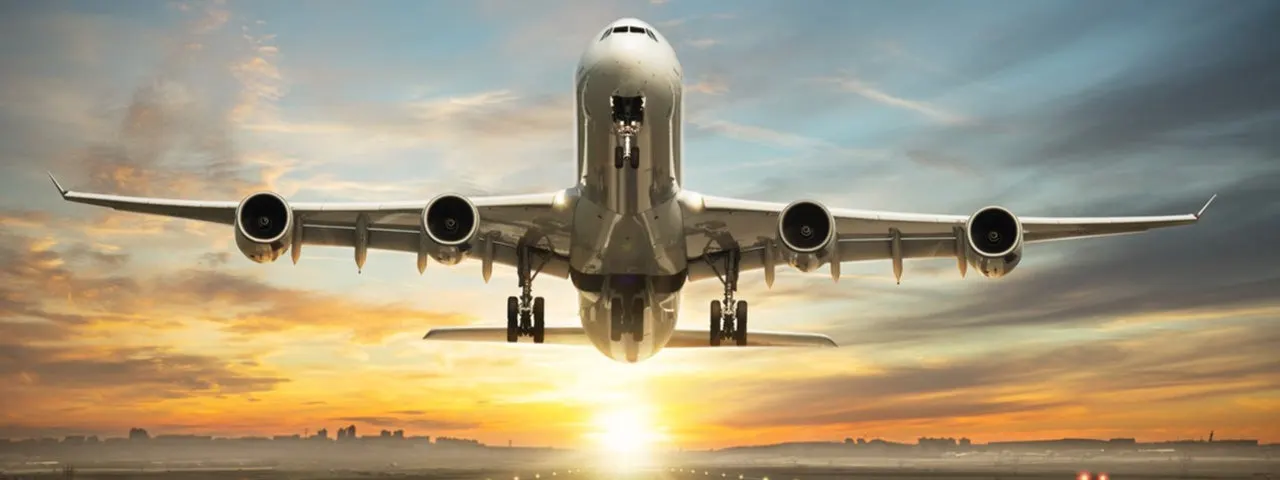
2. Is there any difference between ground speed and air speed?
Answer:
Airspeed is the vector difference between the ground speed and the wind speed. On a perfectly still day, the airspeed is equal to the ground speed. But if the wind is blowing in the same direction that the aircraft is moving, the airspeed will be less than the ground speed
While ground speed is the airplane’s speed relative to the surface of the Earth, airspeed – at least true airspeed – is its speed relative to the air it is flying in.
Below, I will explain the two types of speed in more detail, as well as talk about the four types of airspeed that are commonly used
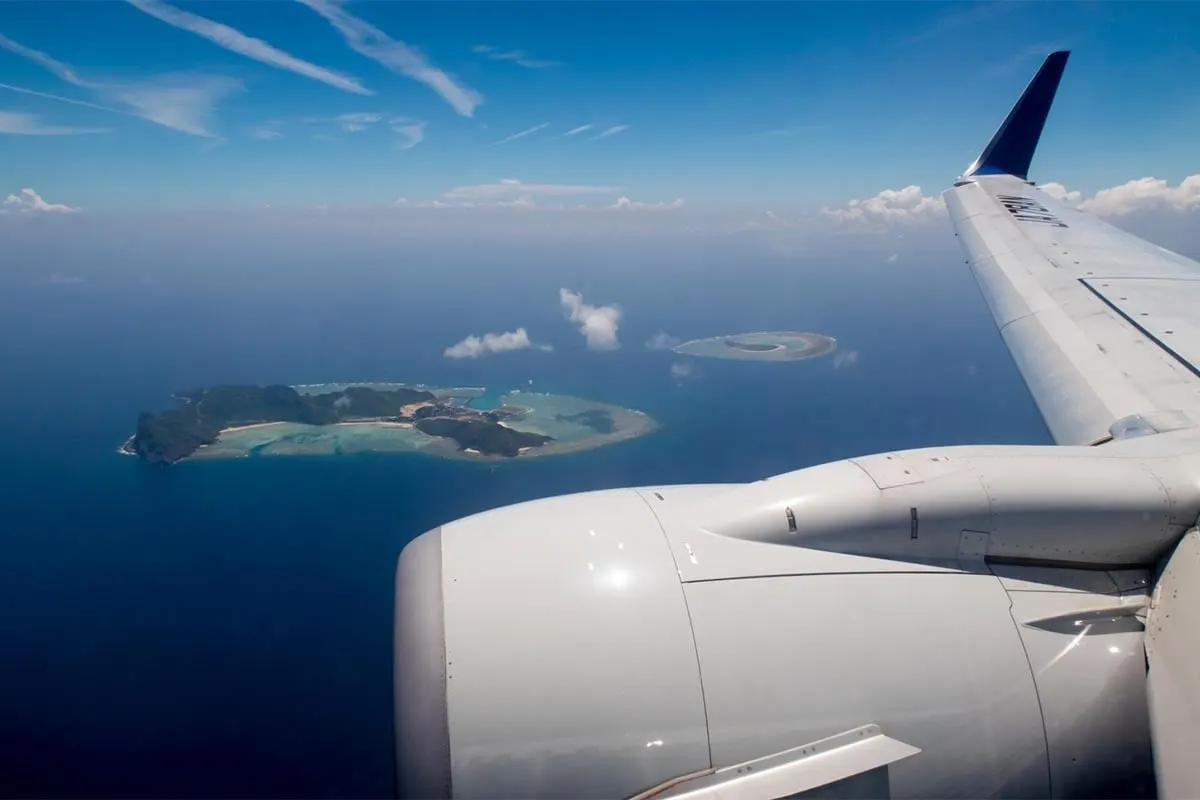
Airspeed vs. Ground Speed
As mentioned above, true airspeed is simply the speed at which an aircraft is moving relative to the air it is flying in. As such, it’s also the speed at which the air is flowing around the aircraft’s wings.
Ground speed, on the other hand, is the aircraft’s speed relative to the ground. One thing that should be noted here is that it’s its horizontal rather than vertical speed – an aircraft climbing completely vertically would have a ground speed of zero.
In other words, while airspeed is what determines whether there is enough airflow around an aircraft to make it fly, ground speed is what determines how fast an aircraft will get to its destination.
Wind’s Effect on Ground Speed
The relationship between airspeed and ground speed is fairly simple. Ground speed is simply the sum of airspeed and wind speed.
if the aircraft is flying in the same direction as the wind is blowing, the aircraft experiences tailwind, and its ground speed is higher than its airspeed. On the other hand, if the wind is blowing against the direction the aircraft is traveling in, the aircraft experiences headwind, and its ground speed is lower than its airspeed.
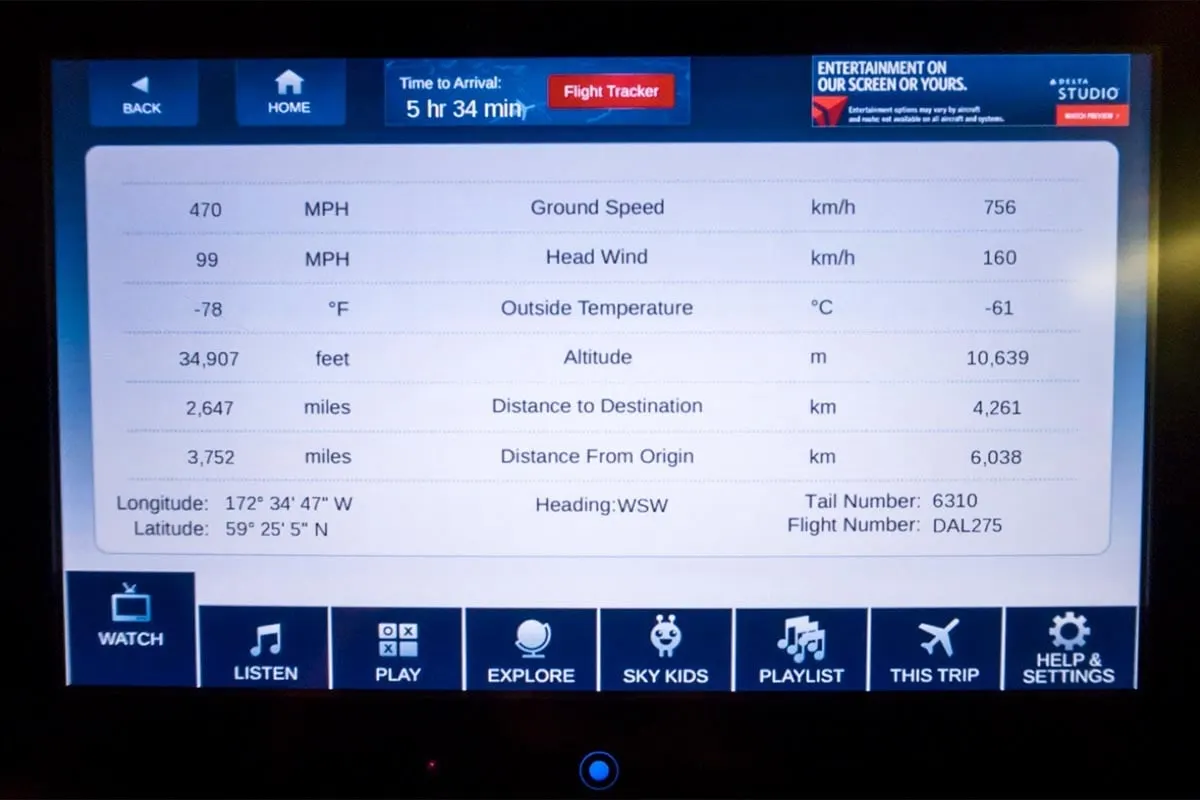
To give you an actual example, imagine an aircraft that cruises at an airspeed of 500 miles per hour that has to cover a ground distance of 2,000 miles.
If there is no wind at all, then both the aircraft’s airspeed and ground speed would be the same 500 miles per hour, and the aircraft would reach its destination in four hours.
If there was a 100 miles per hour headwind – wind blowing against the aircraft’s direction of travel – the aircraft would still be traveling at an airspeed of 500 miles per hour. However, its ground speed would be just 400 miles per hour (100 miles per hour slower than its airspeed). And as such, it would take the aircraft five hours to reach its destinations.
Finally, if there was a 100 miles per hour tailwind – wind blowing in the same direction as the aircraft’s travel – the aircraft would still be traveling at an airspeed of 500 miles per hour, but its ground speed would be 100 miles faster. And, at 600 miles an hour, the aircraft would reach its destination in just three hours and twenty minutes.
The above is the reason why some flights go “out of their way” to avoid headwinds or catch tailwinds. And, why some flights might appear to be traveling at “supersonic speeds,” even though their airspeed – the speed that would actually matter in determining whether or not the flight truly is supersonic – is subsonic.
3. Why is it not recommended to use aircraft engine power to move it on the ground at Airport?
Answer:
High engine thrust during maintenance activity can cause considerable damage to airplanes and other elements in the airport environment. An example of this problem occurred after an airplane arrived at its final destination with a log entry indicating the flight crew had experienced anomalous engine operation
For movement on the ground the aircraft uses it own engine power, which is called taxing. Although many aircrafts are capable of moving in backward using reverse thrust, as result the jet blast or prop wash might cause damage to the terminal building or equipment.
Aircraft Drag Co-efficient: 0.09
Aircraft Mass (kg): 575,000 kg
The Engine of the aircraft can easily do the work under its ow power to go towards runaways and after landing taxi to their assigned
gate. But, as we know that the engine is so powerfull that the thrust developed produces jet blast which might cause damage to the
terminal building or various people and equipment. Engines which are close to the ground may also blow sand and debris back and
forth which may get sucked to the engine. A pushback is therefore the preferred method to move the air-craft away from the gate
and most importantly it reduces the cost of aviation fuel. Taxing can save a lot of money.
There is a risk of injury to ground support personnel who may be in relatively close to the air-craft
It is easier for the truck driver to see the surroundings better than the pilot who is sitting in the cock-pit wit limiting window. the
pushback driver knows the airport better than the pilot.
Effectively a loss of control can happen, especially during high power engine running. Damage can occur to the air-craft
itself,other aircraft nearby and other buildings.
A new system was proposed where a new system in which a push-back truck will move the air-craft all the way to run-way to
save fuel and reduce impact of environment.
The plane engines are very loud, when more than one plane will addup their sound, then it will be unbearable for passengers
and other parts near airport
4. How an aircraft is pushed to runway when its ready to take off?
Answer:
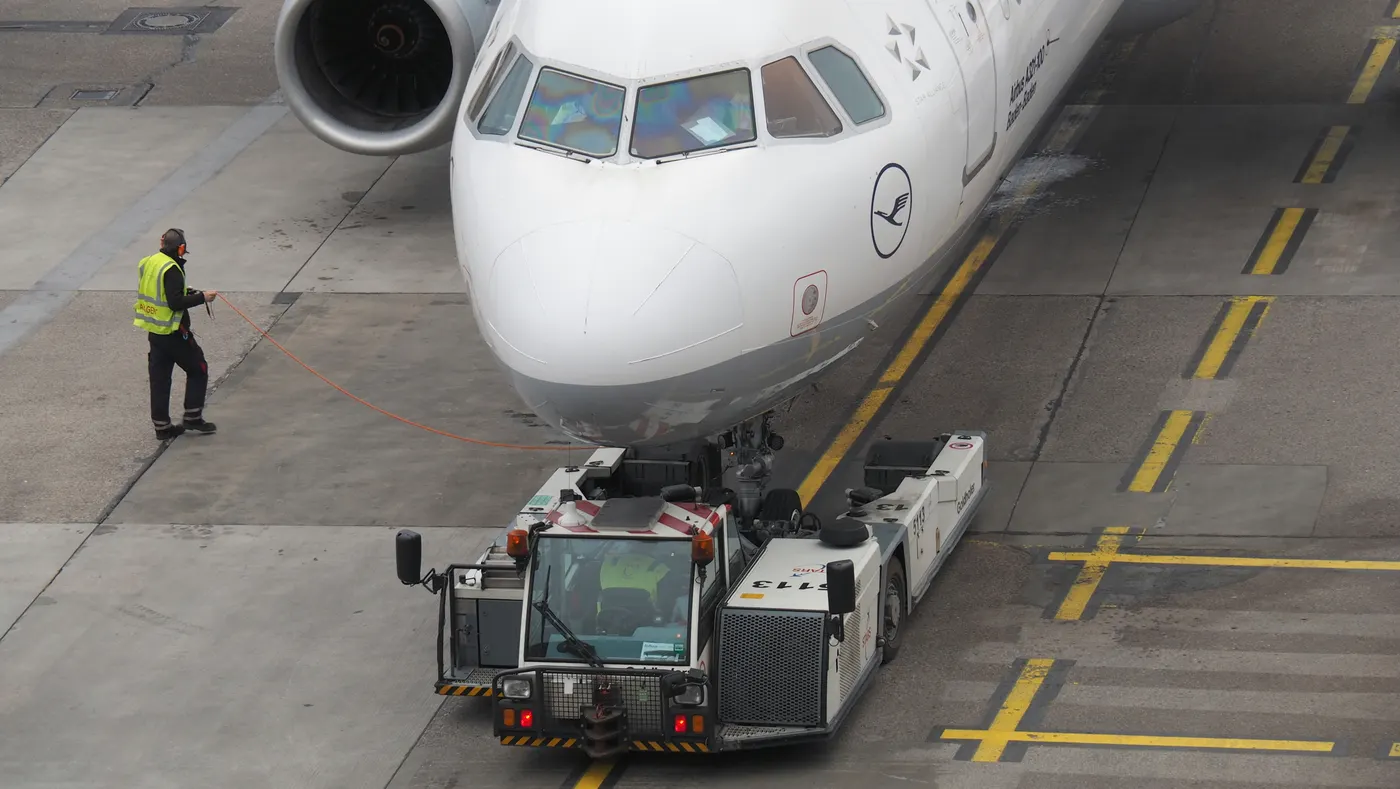
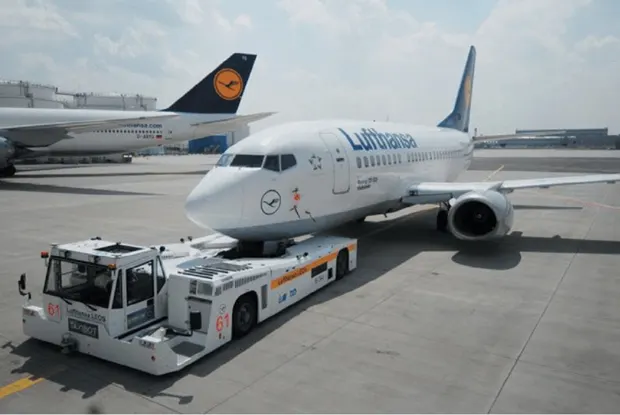
A so-called pushback truck reverses the aircraft into taxiing position, pushing it with a towbar attached to the nose-wheel strut. Or, in the most modern versions, by actually lifting the wheel. That speeds up coupling and decoupling. The aircraft taxis to the runway to depart at the agreed time
Prevention of Ground Collisions
Greater emphasis is now being given to the prevention of ground collisions and runway incursions. Procedures are therefore being adopted with the philosophy that both pilots are to monitor the taxi route and avoid being ‘heads down’ in the cockpit whilst taxiing. Common procedures that will be seen during the ground phase of the flight will therefore be:
The ‘Before Taxi/After Engine Start’ checklist being completed before commencing taxi;
The taxi route being confirmed between both pilots;
Crews that are unfamiliar with the airfield may take a relatively long period of time to check the cleared taxi route on the aerodrome charts before commencing taxi;
Turning points, holding points, runways and runway incursion hotspots being verbally called out.
In keeping with this philosophy it is therefore best practice for controllers to refrain from issuing any instructions when aircraft are approaching any such turning points or runways in order to avoid the pilots becoming distracted at those locations.
TAXIING:
It is defined as the movement of the air-craft on the ground, under its own power where as towing or pushback is where the air-craft
is moved by the tug. The air-craft usually moves on wheels but the term also used for the air-craft that has skies or floating
equipments. An airplane uses taxiways to taxi from one-place on the air-port to another, example when the air-craft moves from
hanger to the runaway.
TOWING:
Movement of large aircraft about the airport, flight line, and hangar is usually accomplished by towing with a tow tractor (sometimes called a “tug”). In the case of small aircraft, some moving is accomplished by hand pushing on the correct areas of the aircraft. Aircraft may also be taxied about the flight line but usually only by certain qualified personnel.
Towing aircraft can be a hazardous operation, causing damage to the aircraft and injury to personnel, if done recklessly or carelessly. However, specific instructions for each model of aircraft are detailed in the manufacturer’s maintenance instructions and are to be followed in all instances. When towing the aircraft, the towing vehicle speed must be reasonable, and all persons involved in the operation must be alert. When the aircraft is stopped, do not rely upon the brakes of the towing vehicle alone to stop the aircraft. The person in the flight deck must coordinate the use of the aircraft brakes with those of the towing vehicle.
5. Learn about take off power, tyre design, rolling resistance, tyre pressure, brake forces when landing.
Answer:
Take-off
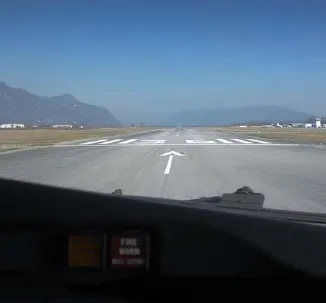
When entering or vacating a runway the flight crew will be required to perform certain actions, most or all of which will be due to Standard Operating Procedures (Standard Operating Procedures (SOPs)). This will mean that one or both pilots become ‘heads down’ in the cockpit whilst performing such actions. Although as stated previously there is now a greater emphasis on the avoidance of becoming ‘heads down’ and of appropriately monitoring the ground movement of the aircraft; in certain situations this cannot be avoided as the actions must be accomplished. It is therefore at the judgment of the flight crew how best to manage these tasks and the maintenance of their situational awareness in such circumstances. During fam flights it is useful for controllers to observe such actions with regards to being ’heads down’ particularly in the case of the ‘before take-off’ checklist and the ‘after landing scan’ as these are often lengthy processes.
If possible the ‘before take-off’ checklist will be constructed such that it can be completed before the aircraft enters the runway. Ideally it will be accomplished and completed either whilst on a straight portion of the taxiway or whilst stationary at the holding point. This, however, may not be possible depending on the specific aircraft type or operator in question, and may require part of or the entire ‘before take-off’ checklist to be completed only when a clearance to enter the runway is received.
The pilot flying (PF) squeezes the thrust levers slightly forwards, advancing the engines to around 20% of their maximum power. Another pause as we hear the engines spool up. All three pilots scan the engine instruments for any anomalies. Satisfied, the PF uses their index finger to press the Take Off/Go Around (TOGA) button.
With a whir of an electric motor, the auto throttle advances the thrust levers forward and sets the takeoff power. With a reassuring whine, the two massive engines under the wings are woken from their slumber. Forcing 65,000 pounds of thrust out of the back of each engine, the 787 Dreamliner starts to pick up speed.
“80knots”, calls the Pilot Monitoring (PM), scanning the engine and performance indications like a kestrel locating a rabbit.
“Check”, acknowledges the PF.
The bumps from the nosewheel hitting the runway lights get faster and faster as the aircraft approaches its takeoff speed.
“V1, rotate!”, calls the PM.
As the aircraft reaches its critical speed, the PF pulls gently back on the control column. The tail of the aircraft sinks down, raising the nose into the air. For a moment, the aircraft seems to crouch, nose pointed up, poised, ready to launch skywards. Then, in a magical moment, the wings bite the air rushing over them and the aircraft eases into the night sky.
Airfield Performance
Take-Off Run Available (TORA)
The TORA is the distance from the point at which the aircraft can start its takeoff run to the point at which the the surface can no longer bear its weight. In most cases, this is equivalent to the length of the runway.
The Clearway
This is an area at the end of the TORA that is free from any obstructions exceeding 0.9 meters in height like buildings or trees. The aircraft can use this area in order to achieve the 35 feet screen height.
The clearway may not be immediately obvious, as it is not defined by a paved surface. It can include an area of open ground or even water, so long as it is under the control of the airport. When you add the clearway to the TORA, this gives you the…
Takeoff Distance Available (TODA)
The TODA is the total distance that the aircraft has to start its takeoff run and climb to the 35 feet screen height. On a runway without a Clearway, the TODA will equal the TORA.
Accelerate-Stop Distance Available (ASDA)
The final distance that must be considered for takeoff performance is the ASDA. This is the distance of weight bearing surface available to the aircraft to accelerate and then come to a safe stop in the case of a rejected takeoff.
Aircraft Weight
The most obvious element in this equation is the weight of the aircraft. Just like in your car, the heavier the aircraft is, the slower it will accelerate. If you were to increase the weight of the aircraft, eventually you’d reach a weight at which it could no longer accelerate to the required speed before running out of runway.
Heavier weights also require more lift to fly. In order to generate this lift, the aircraft has to be traveling faster.
Runway Slope
Another fairly easy factor to understand is that if the runway is sloping upwards, it will naturally take longer for the aircraft to accelerate to the speeds required for flight.
Wind
Aircraft like to takeoff into a head wind. With a stronger wind over the wings, the aircraft doesn’t have to be moving as fast over the ground to reach the air speed required to lift off. This means that less runway is required.
Conversely, if there was a strong wind from behind the aircraft, the takeoff distance required would be much greater.
Airfield Pressure Altitude
The higher the pressure altitude, the lower the air density. When the air density is low, not only is thrust reduced (as mentioned above) but there are fewer air molecules flowing over the wing at a given speed. This results in less lift. The higher the pressure altitude, the greater the takeoff distance required.
Runway Condition
One of the less obvious aspects, the condition of the runway can affect the drag on the wheels. The greater the drag, the slower the acceleration, the greater the TOD required. Careful assessment by pilots of the current and potential future runway conditions is essential to ensuring a safe departure.
The Takeoff Data
Depending on the aircraft, it can take a couple of minutes to calculate the data. The 787-9 and 787-10 tend to take a little longer than the 787-8, as there are more takeoff flap setting options. Once the calculations are complete, the OPT displays the figures for flap setting, engine power and takeoff speeds that will be used for takeoff.
Tyre Design
An aircraft tyre is designed to withstand extremely heavy loads while landing, take off, taxing, and parking. The number of wheels required for aircraft increases with the weight of the aircraft, as the weight of the aeroplane needs to be distributed more evenly.
Designing aircraft tires is a very intense undertaking. Once an aircraft manufacturer goes to the tire manufacturer with the size and weight requirements, the tire manufacturer begins the process of designing a tire that meets the needs of the aircraft manufacturer as well as all regulatory requirements — including foreign regulations in many cases.
Engineers are challenged with designing tires with cool running, heat-resistant materials while simultaneously exceeding tire service requirements. Tire prototypes are put through rigorous tests that simulate cycles of landings, take-offs, and taxi operations. It is only after the tires pass all mandatory tests and meet the requirements of the aircraft manufacturer and airworthiness authorities that the tires are put into production.
Two types of tires are used in aircraft applications — bias-ply tires and radial tires. Although both types of tires share some similarities in design, there are differences that need to be noted.
Tread:
The tread is made of rubber mixed with other additives to obtain the desired level of toughness, durability, and resistance to wear. The tread pattern is designed to aircraft operational requirements, with the ribbed tread design used widely due to its good traction under varying runway conditions.
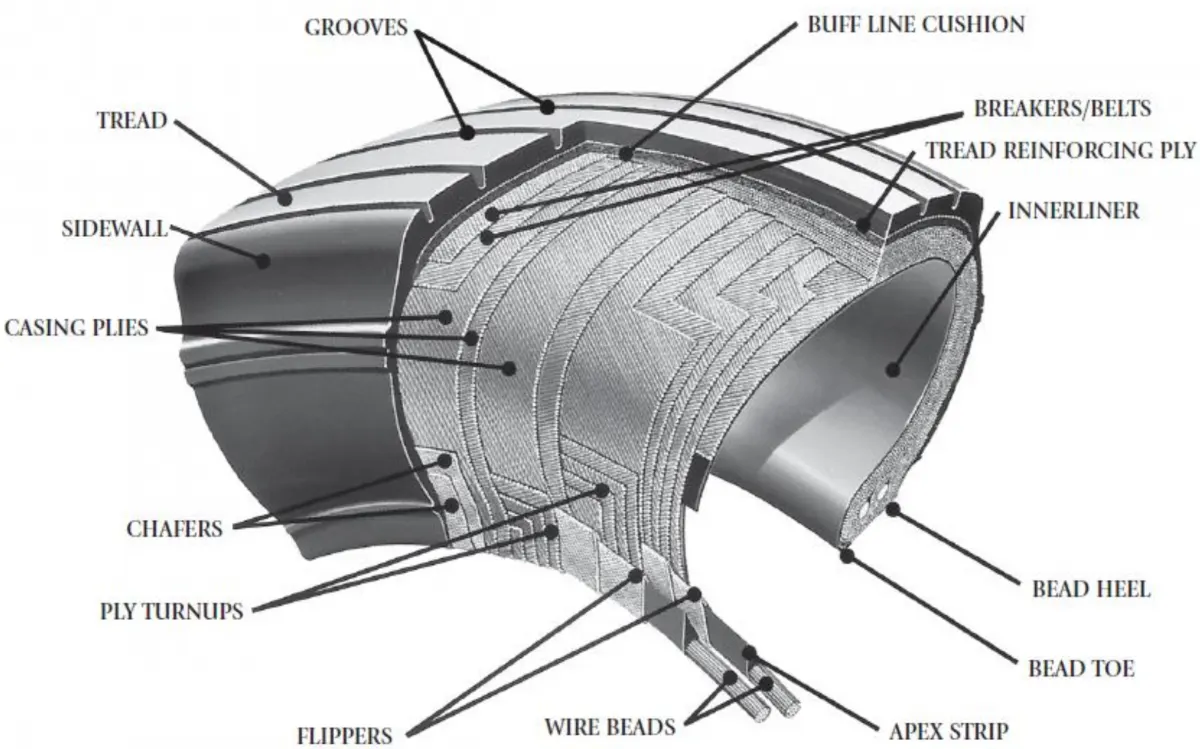
Sidewall:
The sidewall is a protective layer of rubber that covers the outer casing ply. It extends from the tread edge to the bead area.
Tread Reinforcing Ply:
One or more layers of fabric that strengthens and stabilizes the tread area for high-speed operation. It also serves as a reference for the buffing process when tires are retreaded.
Buff Line Cushion:
The buff line cushion is made of rubber compound to enhance the adhesion between the tread reinforcing ply and the breakers or casing plies. It is of sufficient thickness to allow for the removal of the old tread when the tire is retreaded.
Breakers: Breakers are reinforcing plies of rubber-coated fabric placed under the buff line cushion to protect casing plies and strengthen and stabilize the tread area. They are considered an integral part of the casing construction.
Casing Plies: Alternate layers of rubber-coated fabric (running at opposite angles to one another) provide the strength of the tire.
Wire Beads:
Hoops of high tensile strength steel wire that anchor the casing plies and provide a firm mounting surface on the wheel. The outer edge of the bead that fits against the wheel flange is called the bead heel. The inner bead edge is called the bead toe.
Apex Strip:
A wedge of rubber affixed to the top of the bead bundle.
Flippers:
Layers of rubberized fabric that help anchor the bead wires to the casing and improve the durability of the tire.
Ply Turnups:
The casing plies are anchored by wrapping them around the wire beads, thus forming the ply turnups.
Chafer:
A protective layer of rubber and/or fabric located between the casing plies and wheel to minimize chafing.
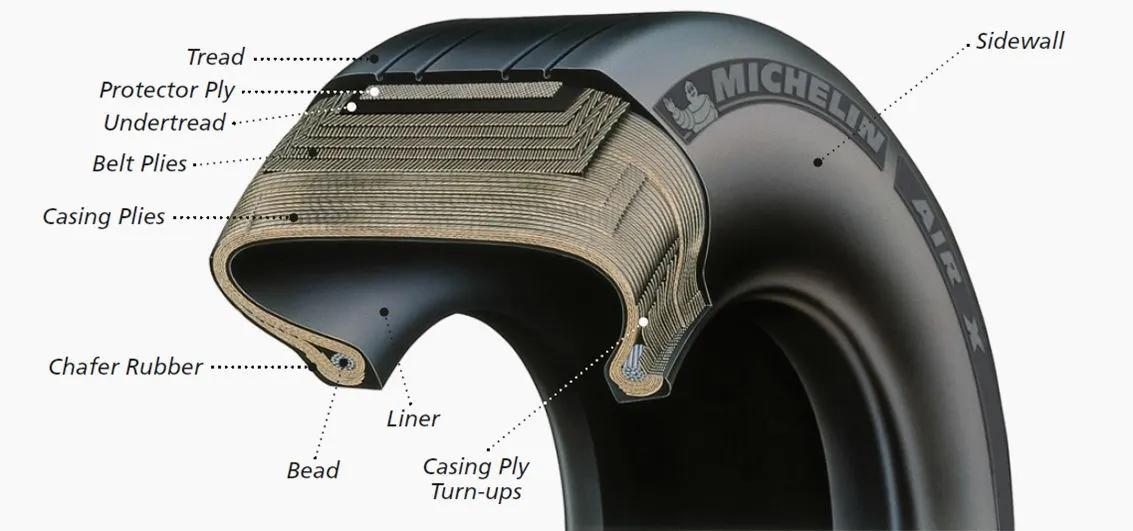
Liner:
In tubeless tires, the liner is a layer of low permeability rubber that acts as a built-in tube and restricts gas from diffusing into the casing plies. In tube-type tires, a thinner liner is used to prevent tube chafing against the inside ply.
Overlay:
A layer of reinforcing rubber coated fabric placed on top of the belts to aid in high speed operation.
Belt Plies:
A composite structure that stiffens the tread area for increased landings. The belt plies increase the tire strength in the tread area.
Casing Plies:
As in bias-ply tires, the casing plies are layers of rubber-coated fabric. However, unlike those in bias plies that run at opposite angles to one another, radial plies run radially from bead to bead.
Chippers:
The chippers are layers of rubber-coated fabric applied at diagonal angles that improve the durability of the tire in the bead area.
Tire inspection
In order to ensure safety and increase tire life, systematic inspections of mounted tires should be performed. A word of warning — Never probe cracks, cuts, or embedded foreign objects while the tire is inflated! Serious injuries could result. In addition, defects such as cuts, cracks, and bulges should be marked with a crayon or chalk prior to deflation since the defects may disappear when the tire is deflated. The following should be checked:
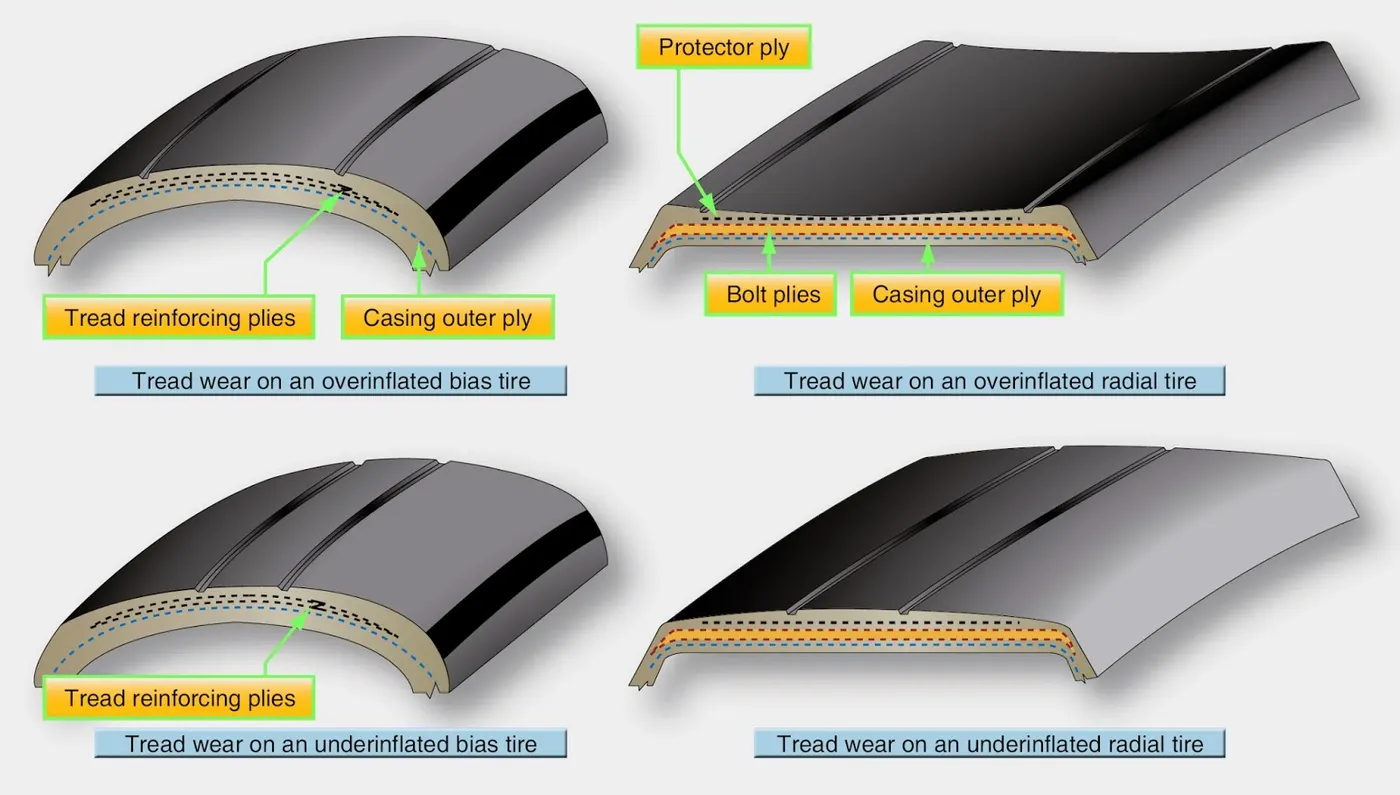
Tread wear: Treads should be visually inspected for wear. The tire should be replaced when tread has worn to the base of any groove at any spot or to a minimum depth specified in the aircraft maintenance manual. Tread wear can also be an indication of improper tire inflation. Refer to Figure 3 for tread wear indications.
Tread cuts: The tire should be inspected for cuts and other foreign damage. Follow the criteria from the applicable aircraft maintenance manual. If no specific criteria is outlined in the manual, the following can be used for guidance in determining tread cuts:
Types of Tread wear pattern
A-Normal
Even tread wear on this tire indicates that it has been properly maintained and run at correct inflation pressure.
B-Excessive
Worn to the breaker/casing plies, the tire should not be left in service or retreaded.
C-Overinflation
Continuous overinflation accelerates center tread wear. It reduces traction while making tread more susceptible to cutting.
D-Underinflation
Excessive tread shoulder wear results from chronic underinflation. It increases the chance of damaging shoulders and sidewalls which shortens tire life because of excessive flex heating.
• Any cut that extends into the casing plies on bias tires.
• Any cut into the belt on radial tires.
• Any cut that extends across one or more rubber tread ribs to the fabric.
• Rib undercutting at the base of any
cut or tread splice warrants replacement.
rolling resistance
It is defined as the force resisting the motion when a body rolls on a surface (ex- ball, tyre) .Rolling resistance can be seen in an
aircraft when the air-craft takes off from the runway and while landing on the runway.
rolling resistance force can be written as: Frr=Urr*m*g(N)
Where Urr= coefficient of rolling resistant
m= Mass(kg)
Frr= rolling resistance (N)
g= acceleration due to gravity(9.81m/s^2)
Tyre Pressure
The tyres of an air-craft have to withstand very high amounts of pressure, while take-off, landing, towing, taxing. as the weight of the
aircraft increases the no. of wheels are also increased.as we know that while landing the aircraft drags the wheel till it matches with
its rotational velocity, due to this a lot of heat is generated due to friction. aircraft tires are usually filled with nitrogen to minimize
expansion and contraction from changes in tempretures and pressure during flight , Also the use of inert gasses for tire inflation
reduces the possibility of tire explosion. services should be done regularly by checking tyre pressures and maintaining proper tire
inflation pressure.
Rolling resistance and tire pressure are inversely proportional to each other.
The high-flying rubber is typically inflated to 200 psi, roughly six times what you put in an automobile tire, and the tires on an F-16 fighter are pumped to 320 psi. “It's really pressurized air that's so strong,”
Visible Wear
Under-inflation will increase the footprint of the aviation tire as it rolls on the ground and will increase the build-up of heat. Heat is no friend to tires on airplanes and the tread will wear out more quickly than it should.
On multi-tire landing gear the under-inflated tire will force the other, maybe correctly inflated tires, to take a little bit more of the strain. This will wear those other tires a little more.
Invisible Wear
As extra heat caused by under-inflation builds up in the airplane tire the internal components of the tire might start to separate from each other. A catastrophic failure might result. Component separation in the casing of the tyre will prevent retreading and will increase operating costs. All for a bit of pressure maintenance!
24 Hour Pressure Checks
A carefully thought out pressure maintenance routine will increase the life of the tyre and will reduce the number of wheel changes required.
As all tires can allow a small pressure decrease during normal operations (due to the intense nature of their service life) airplane operators should check tire pressure every 24 hours.
Because putting the right pressure in the tires will always take pressure off the airplane operation.
brake forces when landing
On other aircraft types, the brake units are powered by the hydraulics system. An electrical signal is sent from the flight deck to hydraulic actuators near the main landing gear. Here, hydraulic fluid at 3,000 pound per square inch is used to force the brake unit against the wheel, thus slowing it dow
irplanes rely on a braking system to safely land on runways. At cruising altitude, most commercial airplanes fly at a speed of roughly 500 to 600 mph. When landing, however, they must reduce their speed. A typical 747, for instance, has a landing speed of about 160 to 170 mph. And upon touching the runway, airplanes must quickly brake until they come to a complete stop. How do airplanes brake when landing exactly?
Wing Spoilers
Many airplanes use wing spoilers to assist with braking when landing. Not to be confused with ailerons, spoilers are extendable flaps on the ends of an airplane’s wings. Pilots can raise the spoilers to decelerate the airplane as it approaches the runway. And even while on the runway, pilots will typically leave the wing spoilers raised. Raised wing spoilers create drag, which essentially slows down the airplane so that it’s able to brake more quickly.
Disc Brakes
In addition to wing spoilers, airplanes use disc brakes. Airplane disc brakes are similar to the braking system in automobiles. They consist of a pair of calipers that, when engaged, squeeze pads against the rotors of an airplane’s landing gear.
Disc brakes are designed to remain static at all times. In other words, they don’t rotate with the wheels of an airplane’s landing gear. As the wheels turn, the disc brakes will remain static and stationary. They are a vital component of an airplane’s braking system because they are designed to apply pressure to the airplane’s wheels. Disc brakes will squeeze the wheels, thereby slowing down the speed at which they spin. In turn, this reduces the speed of the airplane so that it can come to a complete stop on the runway.
Reverse Thrust
Finally, many jet airplanes use reverse thrust to assist with braking during landings. Reverse thrust is a feature in jet engine airplanes that, as the name suggests, involves the reversal of the engines’ thrust. When flying, the thrust is projected out the rear of an airplane’s engines. When landing, however, pilots may use the reverse thrust feature. Reverse thrust changes the direction of the engines’ thrust. Rather than projecting out the rear, the thrust will be projected out the front. This reversal of thrust provides deceleration that allows airplanes to slow down more quickly when landing.