Project-1: Powertrain for aircraft in runways
AIM :
- To search and list out the total weight of various types of aircrafts.
- To differentiate between ground speed and air speed of an aircraft.
- To understand why it is not recommended to use aircraft engine power to move it on the ground at Airport.
- To understand how an aircraft is pushed to runway when its ready to take off.
- To learn about take off power, tyre design, rolling resistance, tyre pressure, brake forces when landing.
- To calculate the force and power required to push/pull an aircraft by a towing vehicle. Make all necessary parameters.
- To Design an electric powertrain with type of motor, it’s power rating, and energy requirement to fulfill aircraft towing application. Estimate the duty cycle range to control the aircraft speed from zero to highest. Make all required assumptions.
Also, prepare a table of assumed parameters. Draw a block diagram of powertrain.
PROCEDURE :
Study (1) - To search and list out the total weight of various types of aircrafts
Weight of an Aircraft :
The Aircraft Gross Weight is the total aircraft weight at any moment during the flight or ground operation.
During flight, an aircraft's gross weight is referred to as the en-route weight or in-flight weight.
- Note : An aircraft's gross weight is not a term with constant value. Its value decreases during a flight due to fuel and oil consumption. An aircraft's gross weight may also vary during a flight due to payload dropping or in-flight refuelling.
An aircraft's gross weight is limited by several weight restrictions in order to avoid overloading its structure or to avoid unacceptable performance or handling qualities while in operation. These limits are established during an aircraft's design and certification period and are laid down in the aircraft's type certificate and manufacturer specification documents.
- Maximum Design Taxi/Ramp Weight (MDTW/MDRW) -
It is the maximum weight certificated for aircraft manoeuvring on the ground as limited by aircraft strength and airworthiness requirements. - Maximum Design Take-Off Weight (MDTOW) -
It is the maximum certificated design weight when the brakes are released for takeoff.
The difference between the maximum taxi/ramp weight and the maximum take-off weight depends on the size of the aircraft, the number of engines, APU operation, and engines/APU fuel consumption, and is typically assumed for 10 to 15 minutes allowance of taxi and run-up operations. - Maximum Design Landing Weight (MDLW) -
It is the maximum certificated design weight at which the aircraft meets the appropriate landing certification requirements.
It generally depends on the landing gear strength or the landing impact loads on certain parts of the wing structure. The maximum landing weight is typically designed for 10 feet per second sink rate at touch down with no structural damage.
The above weights have the comparative relationship as mentioned below -
MDLW < MDTOW < MDTW - Maximum Design Zero-Fuel Weight (MDZFW) -
The maximum certificated design weight of the aircraft less all usable fuel and other specified usable agents (engine injection fluid, and other consumable propulsion agents).
It is the maximum weight permitted before usable fuel and other specified usable fluids are loaded in the airplane.
The weight difference between the MDTOW and the MDZFW may be utilized only for the addition of fuel.
Maximum fuel weight = MDTOW - MDZFW
Also,
Maximum payload = MDZFW – OEW ...[Operating empty weight (OEW) is the sum of the empty weight and the crew plus their baggage] - Minimum Flight Weight (MFW) -
It is the minimum certificated weight for flight as limited by aircraft strength and airworthiness requirements.
Note : The maximum operational weight may be less than the maximum allowable weight due to considerations such as high-density altitude or high-drag field conditions caused by wet grass or water on the runway.
Various types of Aircrafts and their weights -
When we talk about aircraft classifications, we are talking about groups of aircraft that have similar flying characteristics when it comes to their propulsion, in-flight handling, and the way they land. Classifications also correspond closer to the airman certificate categories than they do the aircraft categories.
There are seven categories of aircraft, which may be further subdivided into two or more classes:
- Airplane category :
(a) Single-Engine land class
(b) Single-Engine sea class
(c) Multi-Engine land class
(d) Multi-Engine sea class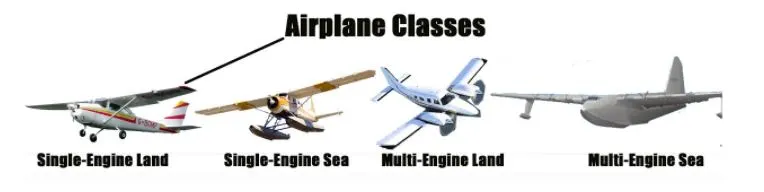
The Boeing 737-800 is an example of an average sized Multi-Engine airplane. It has a maximum takeoff weight (MDTOW) of about 80,000 kg. This includes the weight of the plane, which is about 41,000 kg, and the weight of the fuel which is about 18,000 kg. This leaves about 20,000 kg for passengers, cargo, and crew. - Rotorcraft category :
(a) Helicopter class : Typically, the empty weight of helicopters ranges from 135 kg to 15070 kg.
(b) Gyroplane class : The aircraft has an empty weight of 265 kg and a gross weight of 450 kg.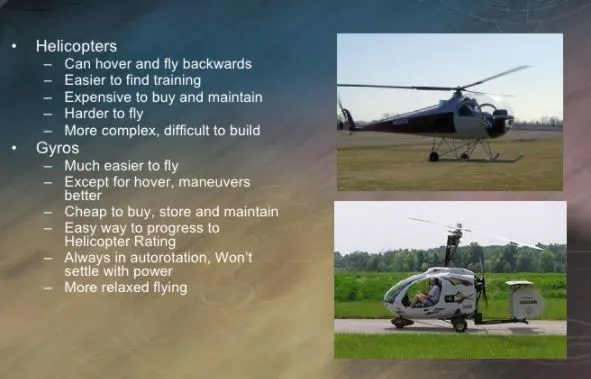
- Powered Lift category :
An example of this type of aircraft is the Bell XV-15. Its MTOW is about 27445 kg.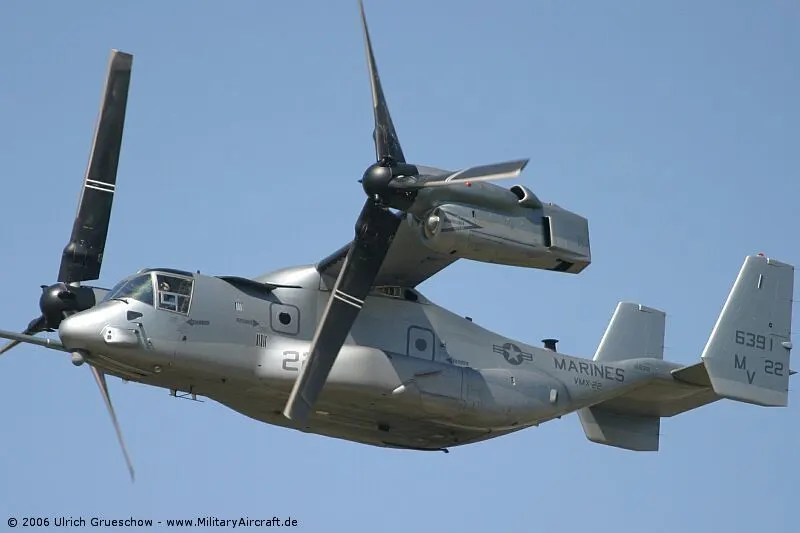
- Glider category :
Empty weight (no pilot) of sailplanes can be as little as 250 lbs, or nearly 1,500 pounds.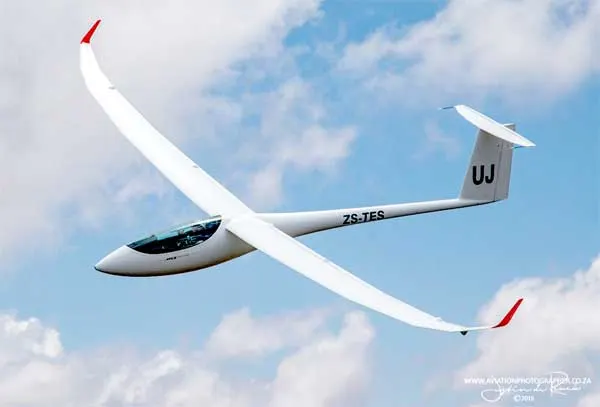
- Lighter than air category :
(a) Airship class : An example of this is the LZ 129 Hindenburg Zeppelin which has an empty weight of 1,30,000 kg.
(b) Balloon class : It weighs about 2.5 tons (fully inflated).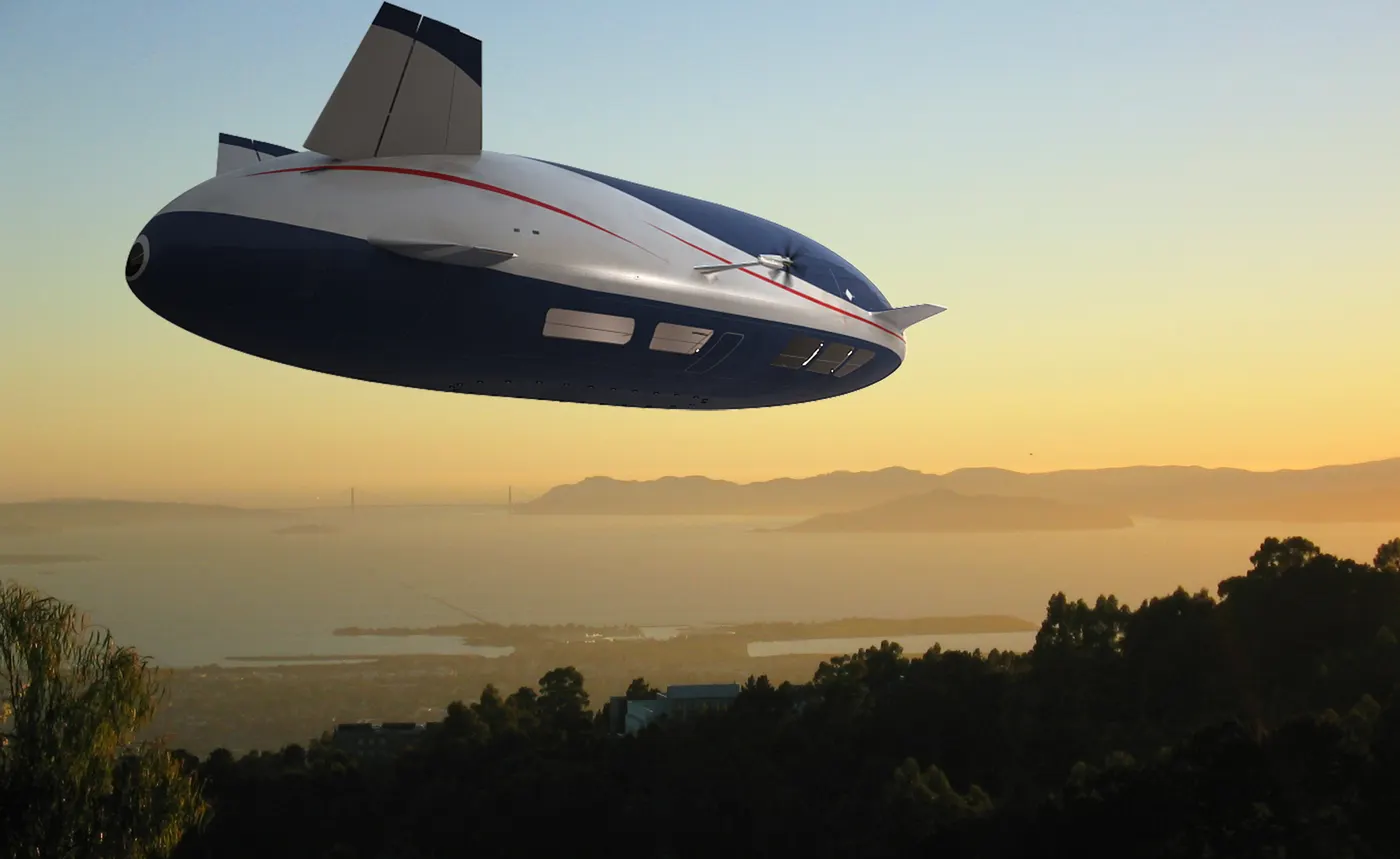
- Powered Parachute category : The empty weight of a PPC can range from 90–225 kg and payload can be upwards of 225 kg.
(a) Powered Parachute land class
(b) Powered Parachute sea class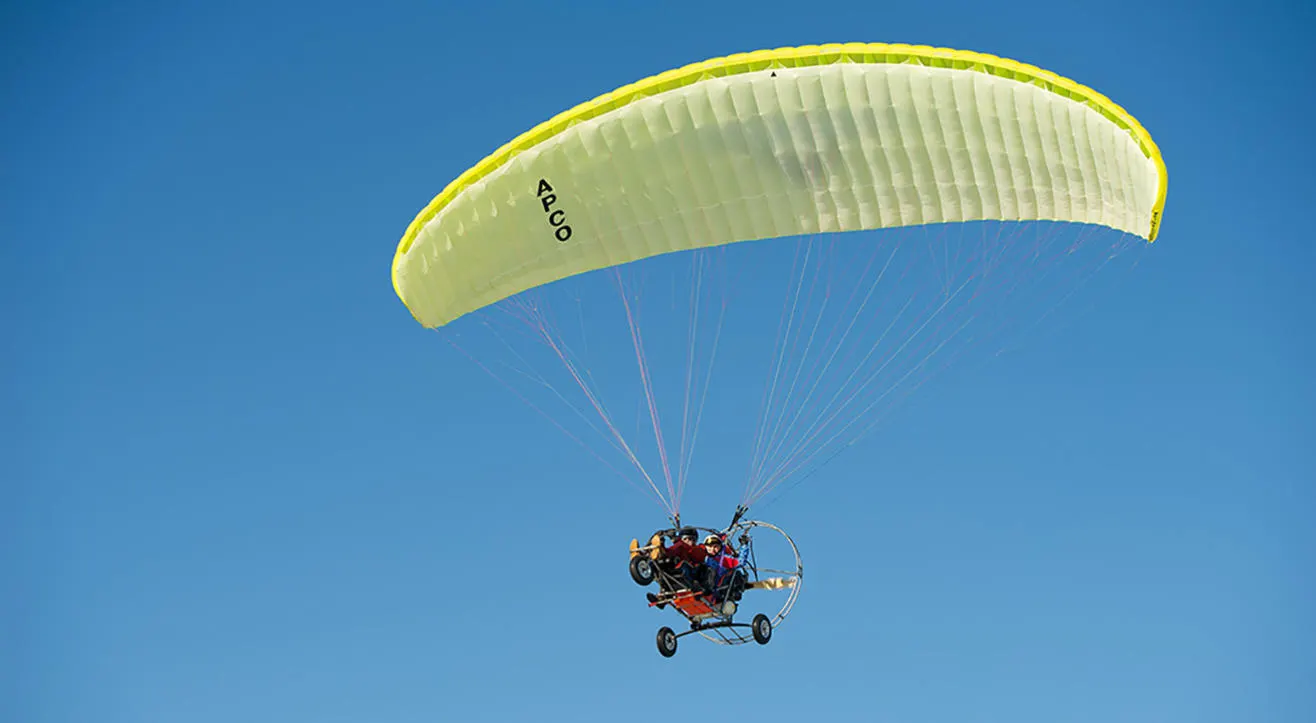
- Weight-Shift-Control Aircraft category : This type of aircraft as a whole typically weighs around 250 kg.
(a) Weight-Shift-Control aircraft land class
(b) Weight-Shift-Control aircraft sea class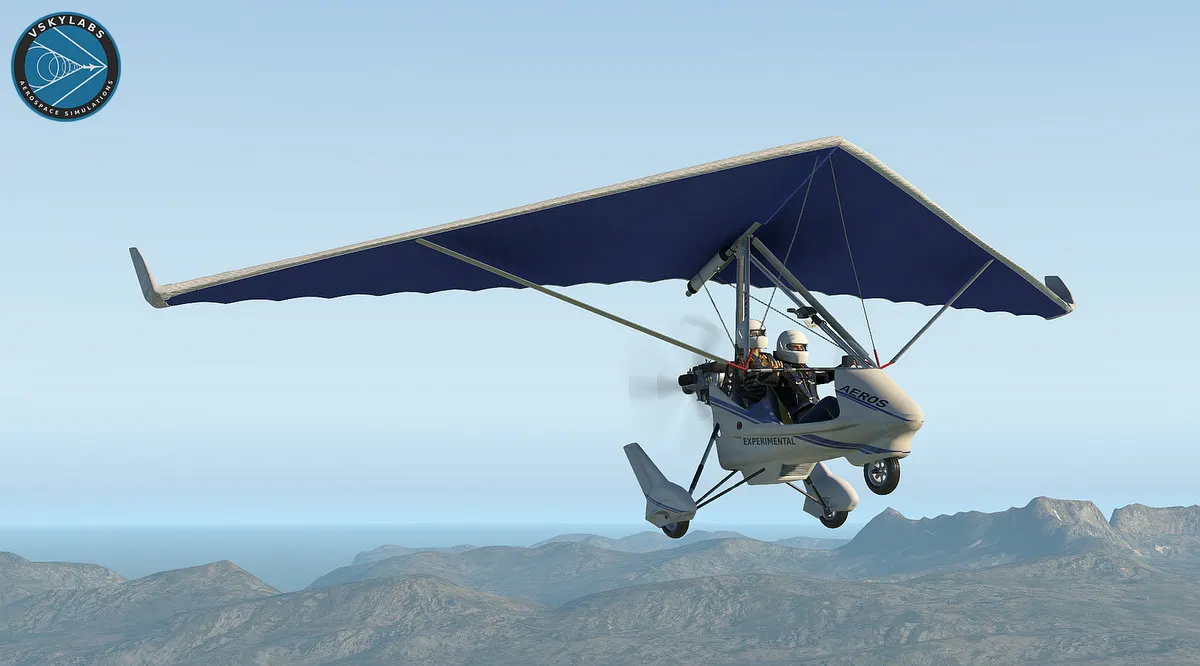
Study (2) - To differentiate between ground speed and air speed of an aircraft.
A. - The Ground speed and the Air speed of an aircraft differ merely based on the reference frame from which the aircraft is being looked at.
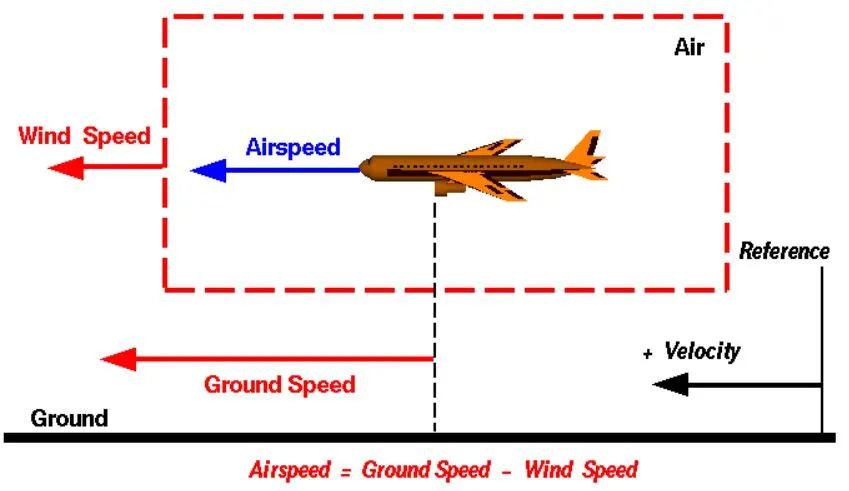
Ground Speed :
- Ground speed is the aircraft’s speed relative to the ground.
In other words, Ground speed is how fast an airplane's shadow would move across the land.
If there's a strong wind pushing an aircraft, that's reflected in the ground speed. - One thing that should be noted here is that it’s its horizontal rather than vertical speed – an aircraft climbing completely vertically would have a ground speed of zero.
Air Speed :
- Airspeed is simply the speed at which an aircraft is moving relative to the air it is flying in.
As such, it’s also the speed at which the air is flowing around the aircraft’s wings. - Thus, Airspeed cannot be directly measured from a ground position, but must be computed from the ground speed and the wind speed. Airspeed is the vector difference between the ground speed and the wind speed.
NASA explains :
On a perfectly still day, the airspeed is equal to the ground speed. But if the wind is blowing in the same direction that the aircraft is moving, the airspeed will be less than the ground speed.
Study (3) - To understand why it is not recommended to use aircraft engine power to move it on the ground at Airport.
A. - Before answering the above question, let us first understand the concept of Taxiing and Towing of an aircraft -
Taxiing is the movement of an aircraft on the ground, under its own power, in contrast to Towing or push-back where the aircraft is moved by a tug or a tow tractor. The aircraft usually moves on wheels, but the term also includes aircraft with skis or floats (for water-based travel). If the aircraft is being pushed backwards with the tow tractor, it is called Push-back.
A typical tractor or tug for a large aircraft weighs up to 54 tonnes (119,000 pounds)
An airplane uses taxiways to taxi from one place on an airport to another, for example, when moving from a hangar to the runway.
The term "taxiing" is not used for the accelerating run along a runway prior to takeoff, or the decelerating run immediately after landing, which are called the takeoff roll and landing rollout, respectively.
Towing aircraft can be a hazardous operation, causing damage to the aircraft and injury to personnel, if done recklessly or carelessly. Before the aircraft to be towed is moved, a qualified man must be in the cockpit to operate the brakes in case the tow bar should fail or become unhooked. The aircraft can then be stopped, preventing possible damage.
Given below are the main reasons why it is not recommended to use aircraft engine power to move it on the ground at Airport -
- The backwards thrust would do damage to the jetway or throw up loose debris on the tarmac which would end up getting sucked up in a running jet engine of another plane. That’s why we see the no reverse thrusters sign at the gates.
- It is not that easy to taxi an airplane in a busy airport because of the longer wings. When you have other aircraft packed close to you it is quite difficult to judge the distance between your wings and parked aircraft. Having a push back truck moves you to a safer distance with enough space for you to taxi out with the engines.
- Using the aircraft engine power causes a lot of noise. Also, Towing and Pushback reduces the fuel consumption on a large scale.
- Pilots have a very limited view of their surroundings and may fail to notice a ground vehicle or even another airplane. The tug operator can see everything.
Study (4) - To understand how an aircraft is pushed to runway when its ready to take off.
A. - Before an aircraft can take off, it has to taxi (i.e. move on the ground under its own power) from the airport terminal to the runway. An airplane uses taxiways to taxi from one place on an airport to another, for example, when moving from a hangar to the runway. The term "taxiing" is not used for the accelerating run along a runway prior to takeoff, or the decelerating run immediately after landing, which are called the takeoff roll and landing rollout, respectively.
Aircraft always take off into a headwind, as this increases airspeed and so reduces the length of the take-off run, so the plane will taxi to the downwind end of the runway. At some small airports, this may only take moments, but at larger ones, it can take several minutes. Aircraft move slowly on the ground with taxi speeds ranging from 10–40 km/h (6–25 mph).
During taxi, the pilots will deploy flaps and slats on the aircraft wings; the motors moving the flaps and slats make a distinct whining sound. In freezing temperatures, aircraft will need to be "de-iced" before reaching the runway. The plane will be sprayed with an anti-freeze solution to remove built-up snow and ice, as these can disrupt the airflow over the wings and reduce lift. Once in the air, the engines will provide hot air to prevent ice and snow from re-forming on the wings.
Study (5) - To learn about take off power, tyre design, rolling resistance, tyre pressure, brake forces when landing.
A. -
Take off :
- Takeoff is the phase of flight in which an aerospace vehicle leaves the ground and becomes airborne. Takeoff is the opposite of landing.
- For aircraft that take off horizontally, this usually involves starting with a transition from moving along the ground on a runway. For balloons, helicopters and some specialized fixed-wing aircraft (VTOL aircraft such as the Harrier), no runway is needed.
- For light aircraft, usually full power is used during takeoff. Large transport category (airliner) aircraft may use a reduced power for takeoff, where less than full power is applied in order to prolong engine life, reduce maintenance costs and reduce noise emissions.
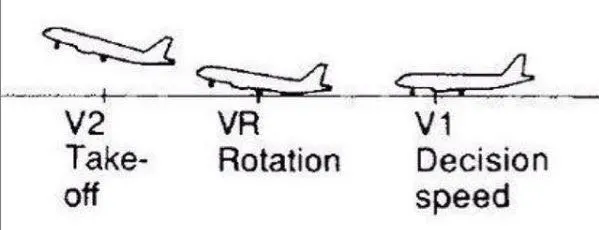
- The aircraft is permitted to accelerate to rotation speed (Vr). The nose is raised to a nominal 5°–15° nose up pitch attitude to increase lift from the wings and effect liftoff.
Rotation Velocity (Vr) -
The procedure for take-off will be that the vehicle will accelerate until it reaches a safe initial flying speed. The pilot can then rotate the vehicle to an attitude to produce climb lift and it will ascend from the ground. The determination of this safe flying speed or rotation speed, Vr, is a critical factor in determining take-off performance.
- Operations with transport category aircraft employ the concept of the takeoff V-speeds: V1, Vr and V2. These speeds are determined not only by the above factors affecting takeoff performance, but also by the length and slope of the runway and any peculiar conditions, such as obstacles off the end of the runway. Below V1, in case of critical failures, the takeoff should be aborted; above V1 the pilot continues the takeoff and returns for landing. After the co-pilot calls V1, they will call Vr or "rotate," marking speed at which to rotate the aircraft.
- Fixed-wing aircraft designed for high-speed operation have difficulty generating enough lift at the low speeds encountered during takeoff. These are therefore fitted with high-lift devices, often including slats and usually flaps, which increase the camber and often area of the wing, making it more effective at low speed, thus creating more lift.
Tyre Design :
- Carcass plies are used to form the tire. They are sometimes called casing plies. An aircraft tyre is constructed for the purpose it serves.
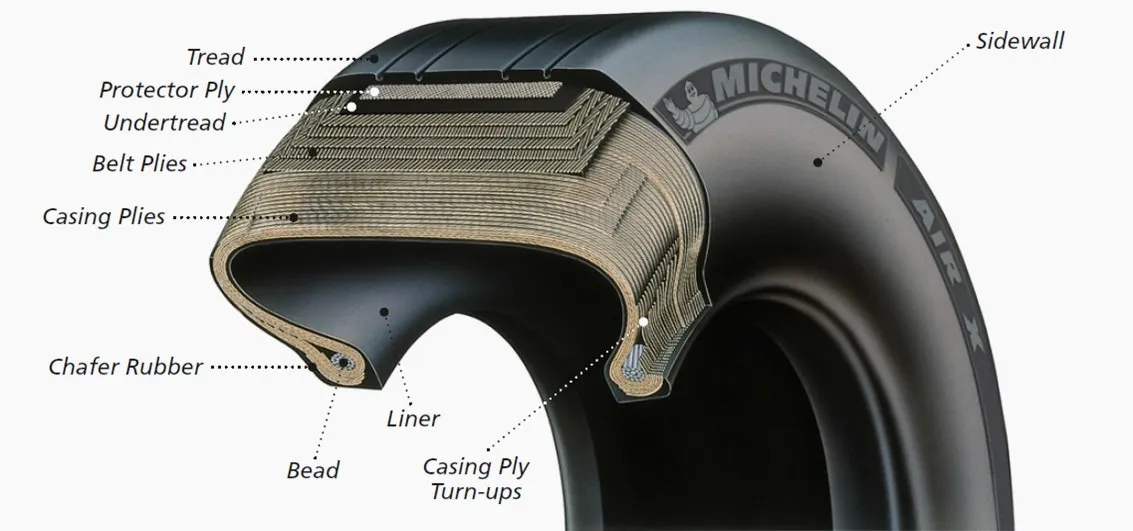
- They support the weight of an aircraft while it is on the ground.
- It also provides the necessary traction for braking and stopping of an aeroplane.
- Tyre also helps to absorb the shock of landing and provide cushioning the roughness of takeoff, roll-out, and taxi operations.
- The number of tires required for aircraft increases with the weight of the aircraft, as the weight of the airplane needs to be distributed more evenly. Aircraft tire tread patterns are designed to facilitate stability in high crosswind conditions, to channel water away to prevent hydroplaning, and for braking effect.
- Aircraft tires also include fusible plugs, designed to melt at a certain temperature. Tires often overheat if maximum braking is applied during an aborted takeoff or an emergency landing. The fuses provide a safer failure mode that prevents tire explosions by deflating in a controlled manner, thus minimizing damage to aircraft and objects in the surrounding environment.
Rolling Resistance :
- The friction between aircraft and runway will be proportional to the normal force exerted by the aircraft on the runway.
The normal force will be equal to the Weight of aircraft, the friction coefficient will be typically of a magnitude of 0.02 for a standard tarmac runway.
`F = muW`
Tyre Pressure :
- One thing we almost never see when an airplane lands is a blowout. Again and again, the tires hit tarmac at around 170 miles per hour bearing such a huge weight and they perform it perfectly.
Reason - The typical airliner tire can handle a 38-ton load. It can meet the ground 500 times before needing a re-tread, a refresh it can take on seven times in its life. - Aircraft tires are usually inflated with nitrogen to minimize expansion and contraction from extreme changes in ambient temperature and pressure experienced during flight. Dry nitrogen expands at the same rate as other dry atmospheric gases (normal air is about 80% nitrogen), but common compressed air sources may contain moisture, which increases the expansion rate with temperature.
Also, the use of an inert gas for tire inflation eliminates the possibility of tire explosion.
Brake forces when landing :
Aircraft braking systems include:
- Aircraft Disc Brakes : Modern aircraft typically use disc brakes. The disc rotates with the turning wheel assembly while a stationary caliper resists the rotation by causing friction against the disc when the brakes are applied.
These are used to brake the wheels while touching the ground. These brakes are operated hydraulically or pneumatically.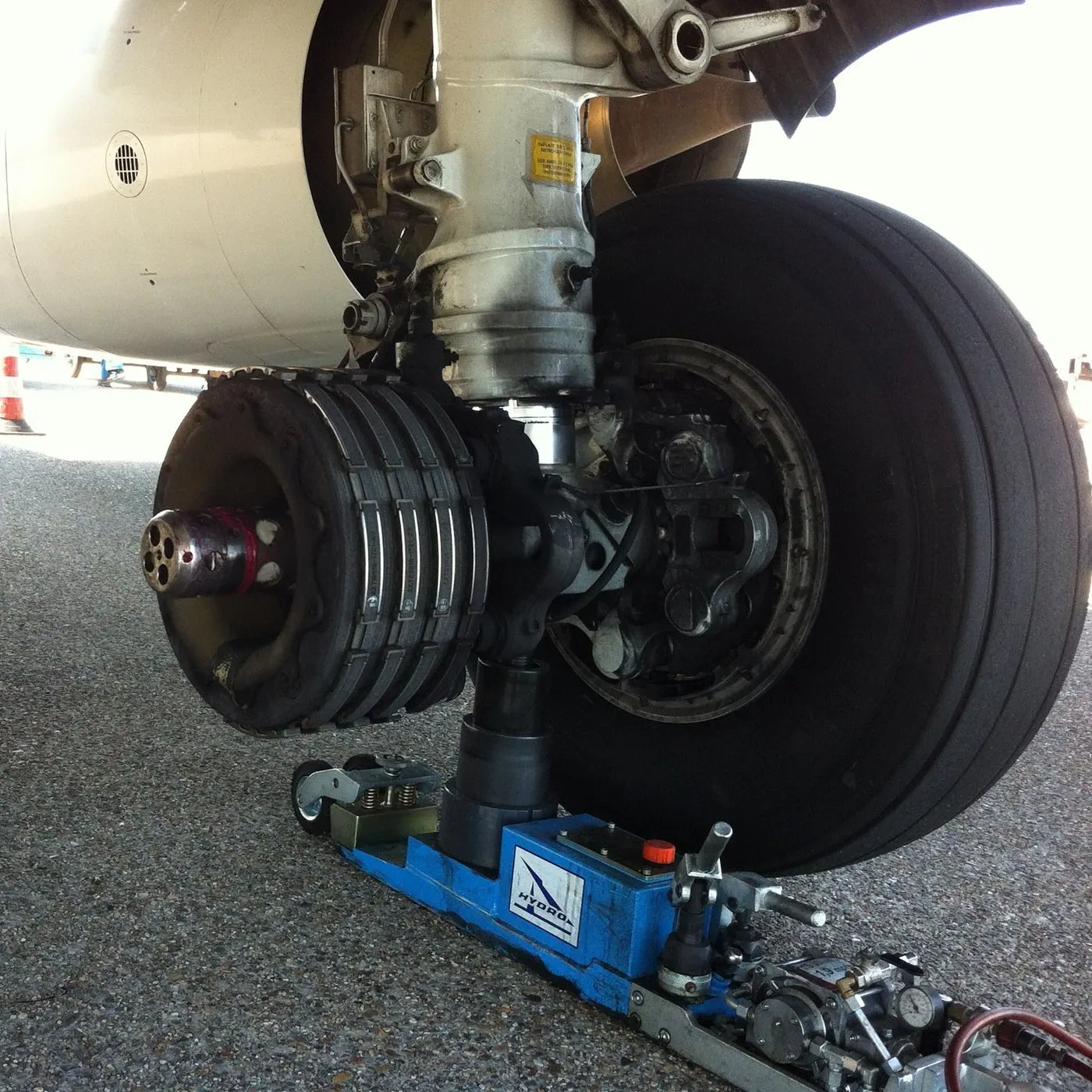
- Thrust reversers : Thrust reversal, also called reverse thrust, is the temporary diversion of an aircraft engine's thrust so that it acts against the forward travel of the aircraft, providing deceleration.The thrust reversers allow thrust from the engines to be used to slow the aircraft.
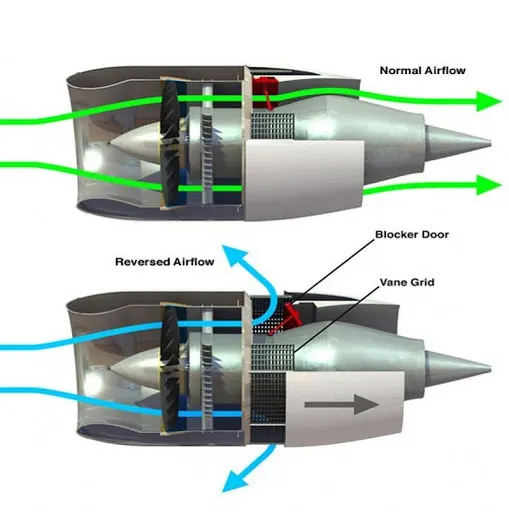
- Air brakes : An air brake is a panel conforming the shape of an aircraft that can be opened with hydraulic pressure in order to create drag. Air brakes are used when the aircraft needs to reduce its airspeed.
The working of these air brakes involve dedicated flight control surfaces that work by increasing drag.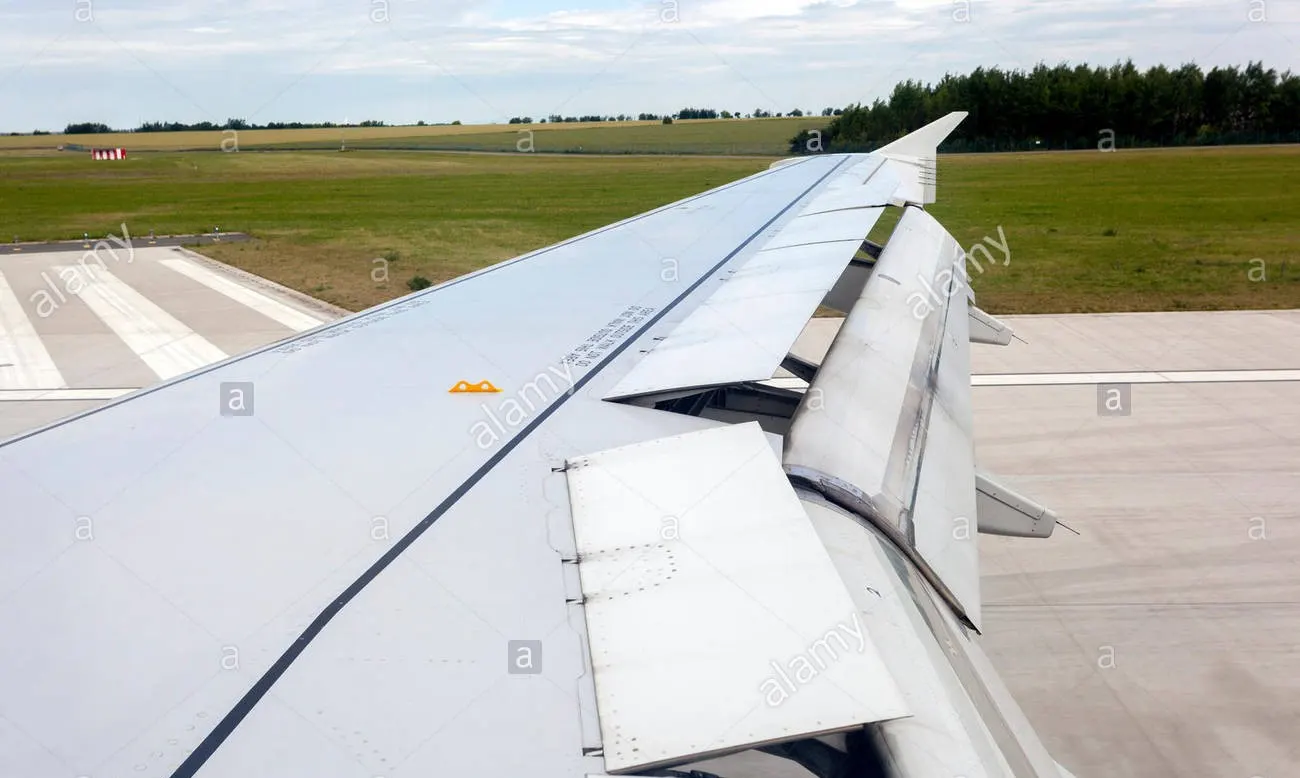
Study (6) - To calculate the force and power required to push/pull an aircraft by a towing vehicle.
Sol : The different forces involved while an airplane is being towed by a tug are (assuming the aircraft is being pushed/pulled at a constant velocity) -
- Rolling resistance or Friction force on the aircraft (Fr1)
- Drag force on the aircraft (Fd1)
- Rolling resistance force on the tug/towing machine (Fr2)
- Drag force on the tug/toing machine (Fd2)
The towing machine needs to develop traction power against all the above forces.
Assumptions -
- Mass of the aircraft (m1) = 80,000 kg (MDTOW for Boeing 737-800)
- Mass of the towing machine (m2) = 50000 kg
- Coefficient of rolling resistance for aircraft (`mu1`) = 0.02
- Coefficient of rolling resistance for the tug (`mu2`) = 0.03
- Drag coefficient for aircraft (Cd1) = 0.15
- Drag coefficient for the tug (Cd2) = 0.7
- Frontal area of aircraft (A2) = 20 `m^2`
- Frontal area of tug (A1) = 4 `m^2`
- Towing speed (v) = 3 m/s
- Air density (`rho`) = 1.25 kg/`m^3`
- Gravitational acceleration (g) = 9.81 m/`s^2`
Calculations :
The mathematical expressions for the Rolling Resistance force is - `Fr = mu*m*g`
& that for the Drag force is - `Fd = 1/2*rho*A*Cd*v^2`
∴ `Fr1 = mu1*m1*g` = 0.02*80000*9.81 = 15696 N
`Fr2 = mu2*m2*g` = 0.03*50000*9.81 = 14715 N
`Fd1 = 1/2*rho*A1*Cd1*v^2` = `1/2*1.25*20*0.15*3^2` = 16.87 N
`Fd2 = 1/2*rho*A2*Cd2*v^2` = `1/2*1.25*4*0.7*3^2` = 15.75 N
- Note : It may be noted that the values of drag forces are very less as compared to those of the rolling resistance forces. Thus, the rolling resistance or the frictional force is the most dominant force while the towing of an aircraft.
∴ Total force = Fr1 + Fr2 + Fd1 + Fd2 = 30.44 kN
Power required = (Total force)*(towing velocity) = 91.33 kW
Result : The force required to push/pull the aircraft by the towing vehicle is 30.44 kN. The corresponding power required is 91.33 kW.
Study (7) - To Design an electric powertrain with type of motor, it’s power rating, and energy requirement to fulfill aircraft towing application.
Estimate the duty cycle range to control the aircraft speed from zero to highest. Make all required assumptions.
Also, prepare a table of assumed parameters. Draw a block diagram of powertrain.
Solution. -
Based on the calculations done above,
Force required to push/pull the aircraft = 30.44kN
Required Power = 91.33 kW
Now, assuming tyres radius for the tug to be 25 inches = 0.635 m
∴ Torque required at wheels = (Total force)*radius = 19.3 kNm
∴ Motor Torque = (Wheel Torque)/(`Gear Ratio*eta`) ....[assuming an overall gear ratio of 8 and the transmission efficiency to be 85%]
= `19.3/(8*0.85)`
= 2.83 kNm
If the motor is considered to be 95% efficient, then motor torque = `2.83/0.95` = 2.97 kNm
Similarly power required by the motor considering all the efficiencies = `91.33/(0.85*0.95)` = 113.1 kW
Let us assume the towing operation runs for 15 mins (0.25 hr)
∴ Total Energy consumed = 113.1*0.25 = 28.275 kWh
A battery of higher capacity than this needs to be selected.
Accordingly, for example a Battery of 150 kW power rating is selected, the duty cycle range to control the speed from 0 to max speed (here 3m/s) is
d = (required power)/(rated power) = `113.1/150` = 0.75
This means, the controller should provide a duty cycle ranging from 0 to 75% in order to control the towing speed.
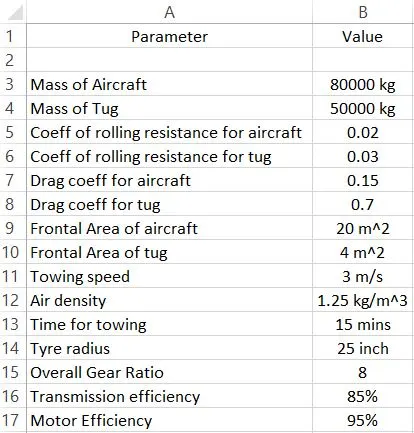
Below is a table containing all the assumed parameters and their values -
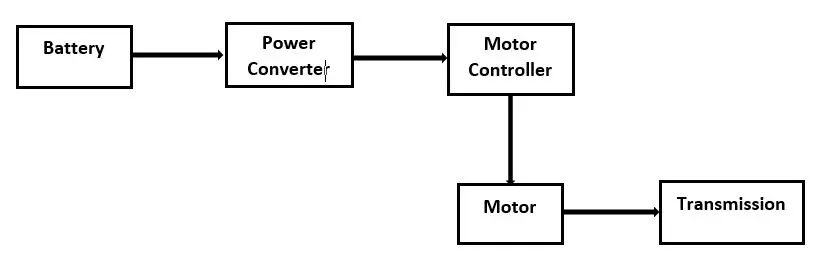
Shown below is a block diagram for the powertrain of the towing machine -