Project-1: Powertrain for aircraft in runways
NOTE : i am part of live EV batch.
1) Total weight of various types of aircraft are as follow:
Aircrafts empty weight MAx weight
Cessna 6690 10700
citation jet M2 195000 400000
Boeing 760-300 264500 354000
Boeing 787-800 2645000 502500
Boeing 777-300 354000 660000
Boeing 747 -400 407000 910000
Airbus A320 82000 170000
Airbus A330 274500 507000
2 )
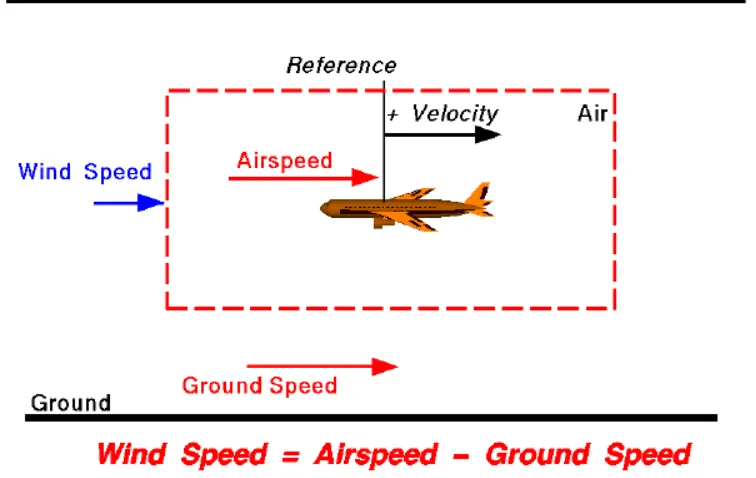
Ground Speed :
Ground speed is how fast an airplane is travelling , relative to a fixed point on the ground .
Airspeed :
Airspeed, in contrat, is how fast an airplane is really flying strictly under its own power, which is calculated by substracting the wind speed from the ground speed .
3 ) Why is it not recommended to use aircraft engine power to move it on the ground at Airport?
It is not recommended to use aircraft engine power to move it on the ground at airport because of following reasons :
- The engine power will create large noise and there will be fuel losses.
- The use of engine thrust near terminals is restricted due to the possibility of jet blast damage .
- There is risk of injury to ground support person who may be in relatively close proximity to the aircraft .
4 ) How an aircraft is pushed to runway when its ready to take off?
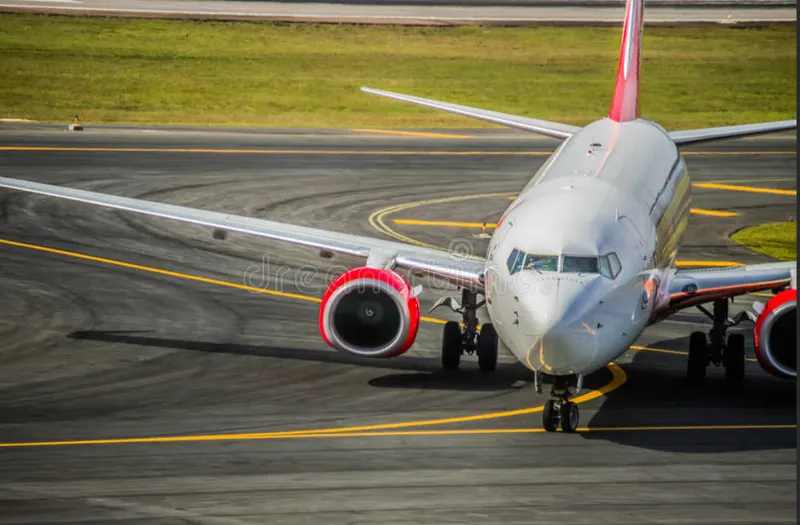
Taxiing :
- It is the movement of an aircraft on the ground ,under it own power .
- An airplane uses taxiways to taxi from one place on an airport to another .
Towing :
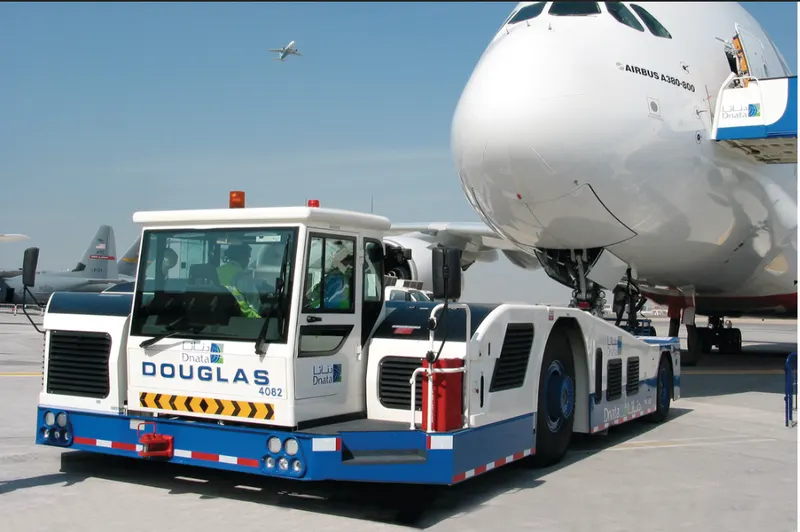
- Movement of large aircraft about the airport ,flightline and hagar usually accomplished by towing with a tow tractor .
- Towing aircraft can be a hazardous operation , causing damage to the aircraft and injury to personnel , if done carelessly.
5 ) Learn about take off power, tyre design, rolling resistance, tyre pressure, brake forces when landing.
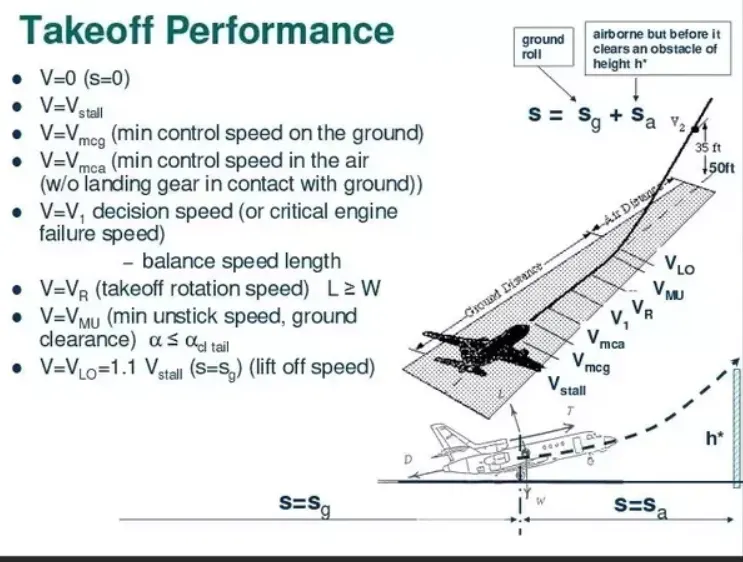
Take off power :
- Take off is the phase of flight in which an aerospace vehicle leaves the ground and becomes airbone .
- For aircraft that take off horizontally , this usually involves starting with a ransition from moving along the ground on a runway .
- For ballons and helicopters ,no runway is needed . Takeoff is the opposite of landing .
The force is given by :
`(dV)/dt = (T-D-F)/m`
where dv/dt is acceleration ,
m is mass
T is thrust of propulsion system pushing aircraft along runway,
D is the aerodynamic drag of vehicle resisting the aircraft motion,
F is rolling resistance ,
- vehicle will accelerate untill it reaches a safe initial flying speed.
- The pilot can then rotate the vehicle to an altitude to produce climb lift and it will ascend from ground .
Tyre design:
- Tyres are one of the most important components of aircraft.
- An aircraft tyres is designed to withstand extremely heavy loads while landing ,take off ,taxing and parking .
- The no .of wheels required for aircraft increases with the weight of the aircraft , as the weight of the aeroplane needs to be distributed more evenly .
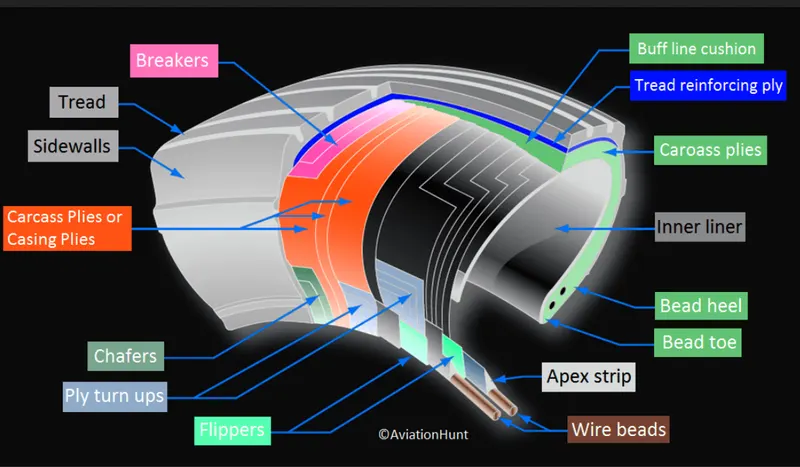
- Carcass plies are used to form tire .
- They are sometimes called casing plies .
Rolling resistance :
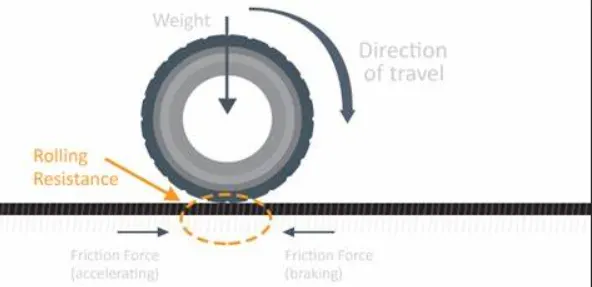
- Rolling resistance , sometime called rolling friction or rolling drag , is the force resisting the motion when a body rolls on a surface .
- The primarry cause of pneumatic tire rolling resistance is hysteresis .
- The rubber compound in a tire exhibits hysteresis .
- The rolling resistance can be express as :
- Fr = cW
- and W = mag
- where Fr is rolling resistance ,
- c is rolling resistance coefficient ,
- m is mass of body
- ag is acceleration of body
Tyre Pressure :
- Tyre pressure is generally defined as the amount of air inside a tire .
- An aircraft tyre is designed to withstand extremely heavy load for short durations .
- Each of the twelve boeing 777-300ER main tires is inflated to 220 psi (15 bar).
- Aircraft tires are generally operated at high pressure, up to 200 psi (14 bar) for airliners , and even higher for business jets .
- The main landing gear on the concorde was typically inflated to 232psi (16 bar).
Breake force :
- The breake units is powered by the hydraulic system because stopping a 200 -tonne aircraft landing at 180 mph requires a lot of breaking force .
- During breaking condition , an electric signal is sent from the flight deck to hydraulic actuators near the main landing gear .
- Here , hydraulic fluid at 3000 pounds per square inch is used to force the brake unit against the wheel , thus the slowing it down.
6 . A ) With necessary assumption , calculate the force and power required to push /pull an aircraft by a towing vehicle.
- The given data is taken from the towing truck TMX - 150 -12 and Aircraft Airbus A319
- Given data:Mass of truck = 11700 kg
- mass of air craft = 75500 kg
- length of air craft = 33.84 m
- velocity of truck = 25 kmph
- height of the aircraft = 11.76m
- air density = 1.225 kg/m^3
- drag coefficient (cd) = 0.75
- rolling resistance coefficient = 0.013
- gravitational constant = 9.8 Nm
Calculation of rolling resistance force (Frr):
- Frr = `murr * m*g`
- m = mass of truck + mass of aircraft
- = 11700+75500
- m= 87200 kg
- so , Frr = 0.013 * 87200 * 9.8
- Frr = 11109.28Nm
Calculation of aerodynamic force (Fad) :
- Fad =
`0.5 *rho * Cd * A*v^2`Velocity = 25/3.6 = 6.95 m/sArea = length of aircraft * height of aircraft = 33.84*11.76 = 392.544 m^2
- Fad = 0.5 * 1.225 * *0.75 * 392544*6395^2
- Fad = 8816 N
Total force required to push /pull an aircraft by a towing vehicle is :
- Ftotal = Frr + Fad
- = 11109.28 + 8816
- = 19925.28 N
- power = Ftotal * velocity
- = 19925.28*6.95
- = 138.480KW
B ) Developing the model for the calculated force and power using simulink :
Simulink model :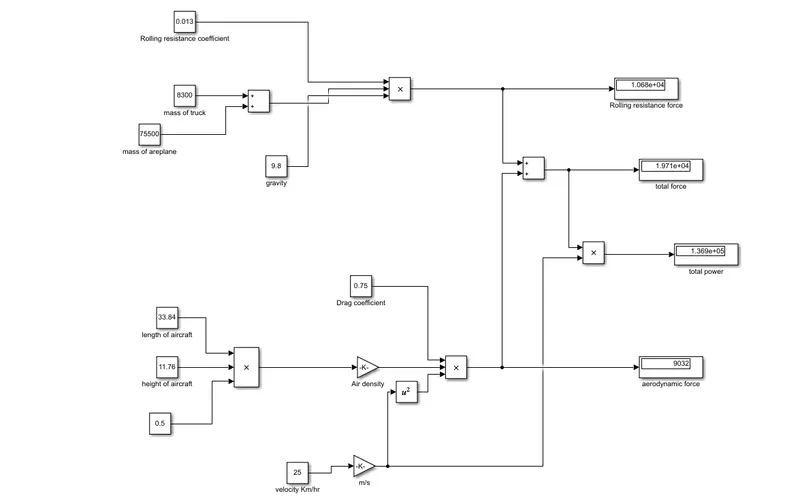 Below is the link of model ,https://drive.google.com/file/d/1fU2FjhvFMF9Y_9Tw9g4NDQSZeZnmWoHc/view?usp=sharing
7 )
Data required for designing :
Force required to tow aircraft = 19925.28 N
power required for towing aircraft = 138.696 kw
Tyre radius = 0.411 m
Gear ratio = 7
Transmission efficiency (nt) = 80 %
motor efficiency (nm) = 92%
Calculation :
Torque required at the wheel
Tw = Total force * Tyre radius
= 19925.28 *0.411
= 8189.290 Nm
Actual power required(pac)
pac = (power required )/(nt*nm)
= 138.696/(0.8*0.92)
pac = 188.917 kw
It is motor power rating should be around 190 kw
To calculate motor torque (Tm):
Tm = (Tw)/(gear ratio*nt)
= 8189.29/(0.8*7)
Tm = 1.46 Knm
To calculate battery capacity :
The towing tractor takes 15 min for taxing .
15 min = 0.0166 hr
Battery capacity = Pac * hours
= 188.917 * 0.0166
Battery capacity = 3.136 Kwh
The battery must deliver the power output of 3.136 kwh
If i use 210 kwh battery , i can run towing tractor easily .
Duty cycle calculation:
Duty cycle = power required (Pac) / power rated(battery capacity)
= 188.917 / 210
dutty cycle = 0.899
To run towing tractor for 15 min with speed of 7 m/s the duty cycle varries between (0-0.899)
At 0.899 the towing tractor reaches its maximum speed of 7 m/s.
Parameters: values
Mass of the truck 11700 kg
mass of aircraft 75500 kg
Area of aircraft 392.544 m^2
coeficient of rolling resistance 0.013
speed of the truck 25 kmph
Drag coefficient 0.75
Air desity 1.225 kg/m^3
Taxing time 15 min
Battery voltage 80v (2 nos )
motor power 6.086 knm
Simulink model :
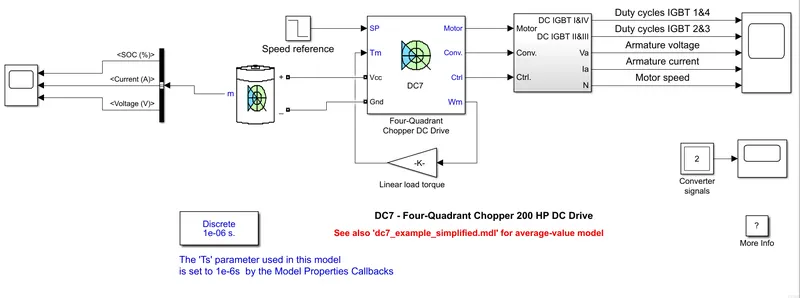
below is the link of model
https://drive.google.com/file/d/11NWO7v8kvDc3IevD254Dk9YluSdEQPTE/view?usp=sharing
Outputs :
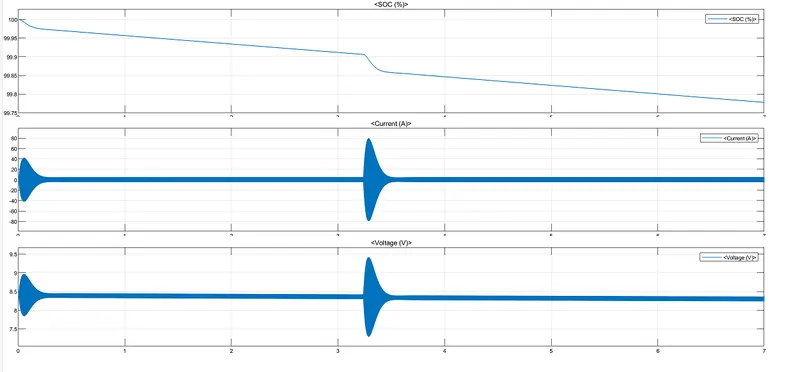
- From the graph we can say that initialy battery is 100% and after 7 sec it is 98 %
- current values and voltage values are shown .
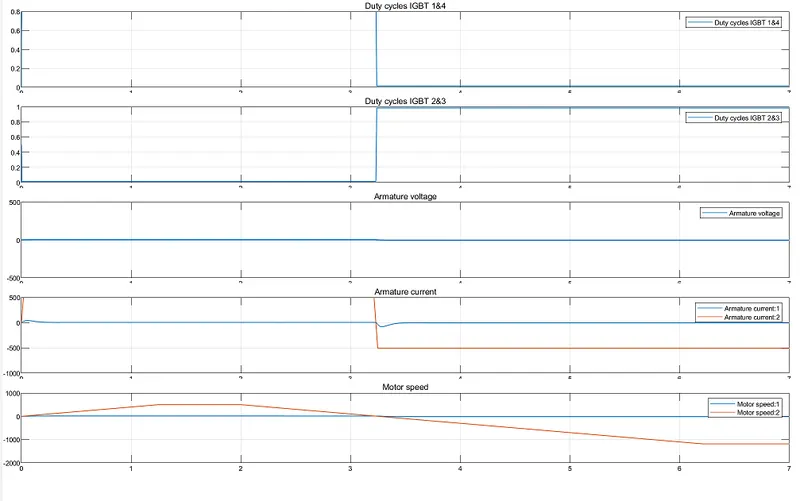
- The above graph shows the ducty cycle values of 87 %.
- Armatue current and armature voltage is shown .
- The value of motor speed is also given .
7 .B ) Design perameter in given excel sheet is :
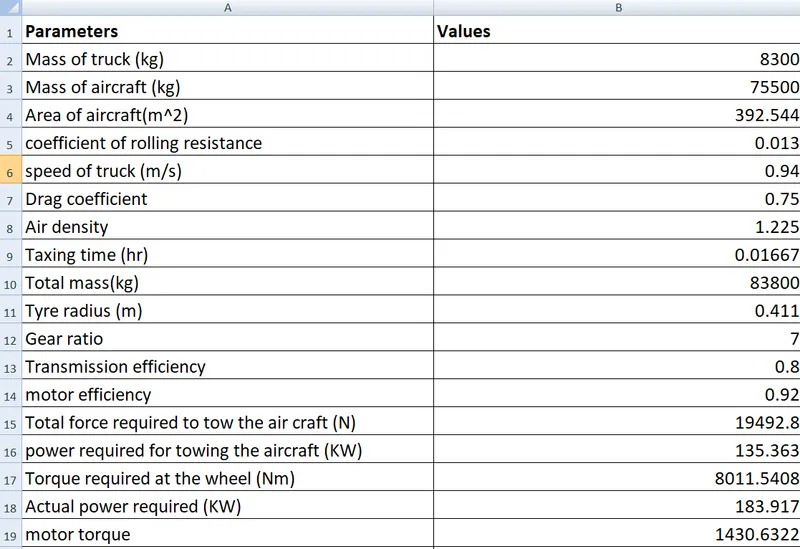

Below is the link of excel sheet,