Project-1: Powertrain for aircraft in runways
Project-1: Powertrain for aircraft in runways
Part A:
PS1. Search and list out the total weight of various types of aircraft.
Solution:
The weight of the aircraft is needed to be calculated by the pilot for every flight to ensure the aircraft remains within weight limitations set by the manufacturer. These limitations are to ensure the aircraft is able to perform and recover from all flight maneuvers and withstand structural loading.

Below is a table of some of the most common aircraft:
| Aircraft | Empty Weight | Max Fuel Weight | Max Cargo Weight | Max Gross Takeoff Weight |
|---|---|---|---|---|
| Antanov AN-225 | 628,000 lbs 285,000 kg |
661,400 lbs 300,000 kg |
417,000 lbs 190,000 kg |
1,411,000 lbs 640,000 kg |
| Airbus A380-800 | 611,000 lbs 277,000 kg |
560,000 lbs 254,000 kg |
185,000 lbs 84,000 kg |
1,268,000 lbs 575,000 kg |
| Boeing 747-800 | 485,300 lbs 220,100 kg |
427,400 lbs 194,000 kg |
295,000 lbs 134,000 kg |
987,000 lbs 447,700 kg |
| Airbus A340-500 | 370,000 lbs 168,000 kg |
386,300 lbs 175,000 kg |
119,000 lbs 54,000 kg |
820,000 lbs 372,000 kg |
| Boeing 777-300ER |
370,000 lbs 168,000 kg |
320,800 lbs 145,500 kg |
148,000 lbs 67,100 kg |
776,000 lbs 352,000 kg |
| Boeing 787-10 |
299,000 lbs 135,500 kg |
223,500 lbs 101,500 kg |
126,300 lbs 57,300 kg |
560,000 lbs 254,000 kg |
| Boeing 737-900 | 98,500 lbs 44,700 kg |
53,100 lbs 24,000 kg |
44,600 lbs 20,200 kg |
187,000 lbs 85,000 kg |
| Airbus A320-100 | 93,900 lbs 42,600 kg |
48,700 lbs 22,100 kg |
44,000 lbs 20,000 kg |
150,000 lbs 68,000 kg |
| Embraer 190 | 63,500 lbs 28,800 kg |
28,600 lbs 13,000 kg |
28,800 lbs 13,100 kg |
106,000 lbs 48,000 kg |
| Gulfstream G650 |
54,000 lbs 24,500 kg |
48,200 lbs 21,900 kg |
6,500 lbs 3,000 kg |
100,000 lbs 45,200 kg |
| Bombardier CRJ900 |
48,160 lbs 21,850 kg |
19,600 lbs 8,900 kg |
6,075 lbs 2,760 kg |
80,500 lbs 36,500 kg |
| Bombardier Q400 | 39,300 lbs 17,800 kg |
11,700 lbs 5,300 kg |
18,700 lbs 8,500 kg |
62,000 lbs 28,000 kg |
| Learjet 75 |
13,900 lbs 6,300 kg |
6,060 lbs 2,750 kg |
2,900 lbs 1,300 kg |
21,500 lbs 9,700 kg |
| Cessna Citation CJ4 |
10,300 lbs 4,700 kg |
5,800 lbs 2,650 kg |
2,200 lbs 1,000 kg |
17,200 lbs 7,800 kg |
| Beechcraft King Air B100 |
7,100 lbs 3,200 kg |
3,200 lbs 1,450 kg |
4,150 lbs 1,900 kg |
12,000 lbs 5,400 kg |
| Diamond DA50 RG | 3,200 lbs 1,450 kg |
340 lbs 155 lbs |
1,250 lbs 560 kg |
4,400 lbs 2,000 kg |
| Beechcraft Bonanza G36 |
2,500 lbs 1,150 kg |
450 lbs 200 kg |
850 lbs 385 kg |
3,660 lbs 1,660 kg |
| Cessna 206H | 2,200 lbs 990 kg |
520 lbs 235 kg |
1,150 lbs 520 kg |
3,600 lbs 1,630 kg |
| Sirrus SR22 |
2,250 lbs 1,000 kg |
485 lbs 220 kg |
950 lbs 430 kg |
3,600 lbs 1,630 kg |
| Cessna 172R | 1,700 lbs 770 kg |
380 lbs 170 kg |
560 lbs 255 kg |
2,425 lbs 1,100 kg |
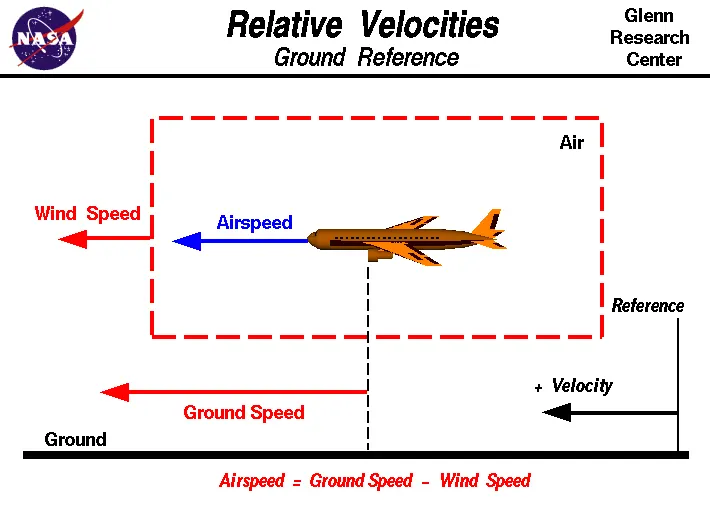
PS2. Is there any difference between ground speed and airspeed?
Solution:
| Ground Speed | AirSpeed |
| 1. The aircraft moves relative to the reference point which is on the earth's surface at the ground speed. | 1. The important quantity in the generation of lift is the relative velocity between the object and the air, which is called the airspeed. |
| 2. Ground speed is also a vector quantity. | 2. Airspeed is the vector difference between the ground speed and the wind speed. |
| 3. Ground speed = distance covered per unit time. | 3. Airspeed = Ground Speed - Wind Speed |
PS3. Why is it not recommended to use aircraft engine power to move it on the ground at the Airport?
Solution:
It is not recommended to use aircraft engine power to move it on the ground at the Airport because those engines are very powerful and can produce very high torque which may lead to damage to the airport terminal buildings and people nearby. Due to high speed, the air blast is also high which can create a sand storm condition on the ground and sand & stones may stuck in the engine which may damage the engine itself.
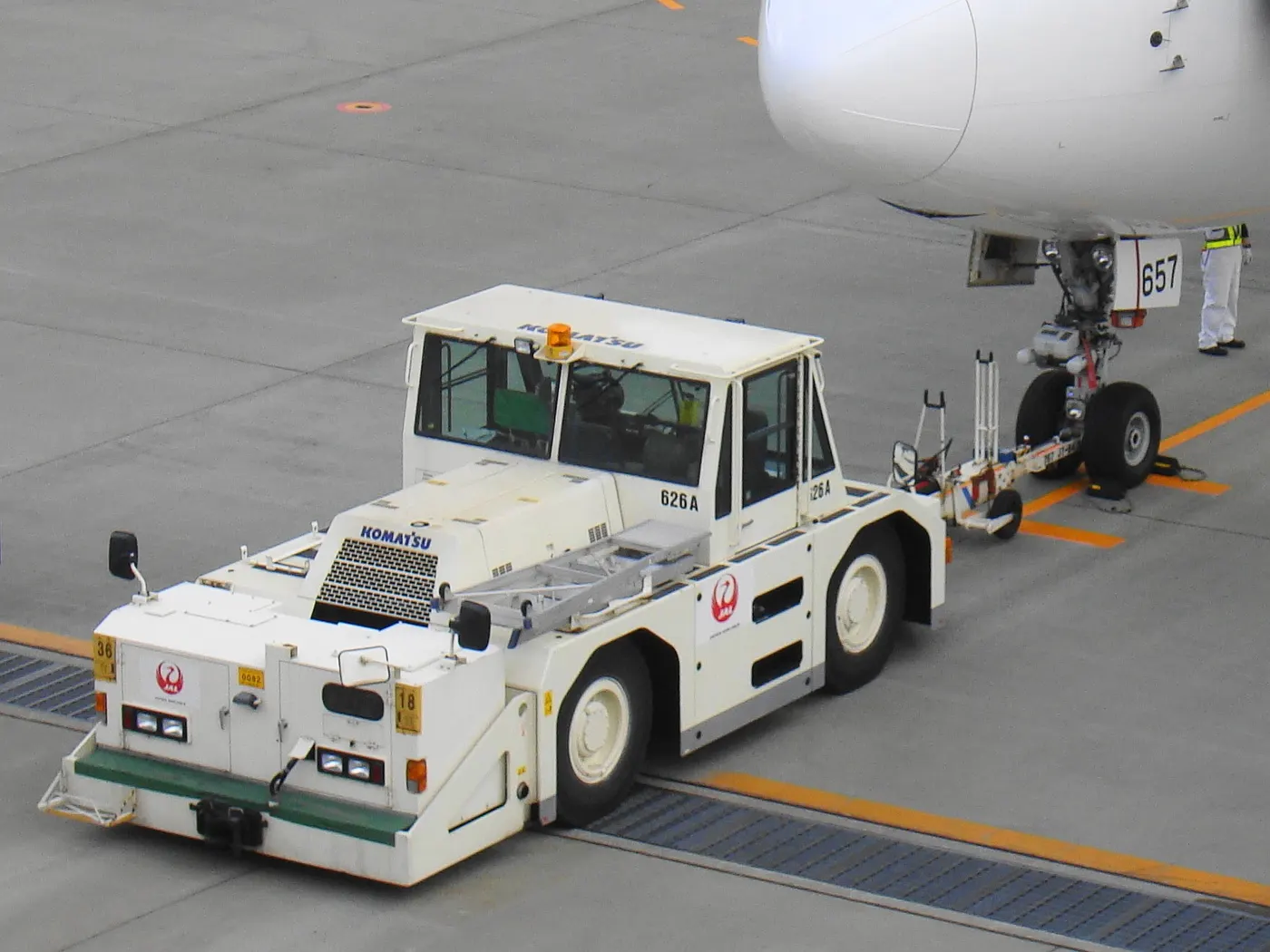
PS4. How an aircraft is pushed to the runway when it's ready to take off?
Solution:
Aircraft is pushed by ground vehicles are known as tow vehicles.
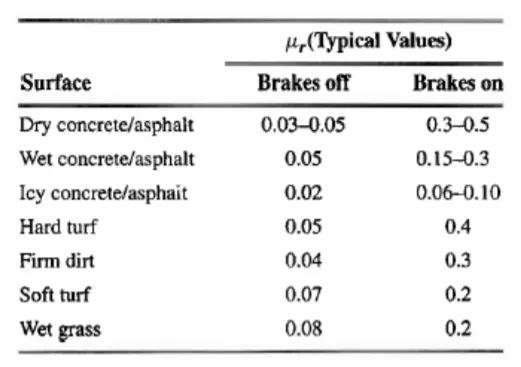
PS5. Learn about take-off power, tire design, rolling resistance, tire pressure, brake forces when landing.
Solution:
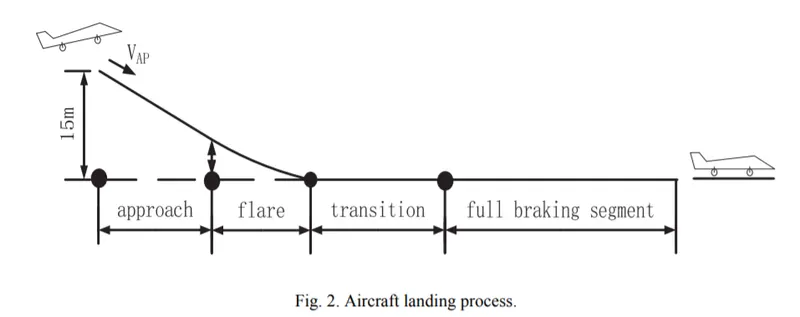
Aircraft Takeoff Performance Calculation Method
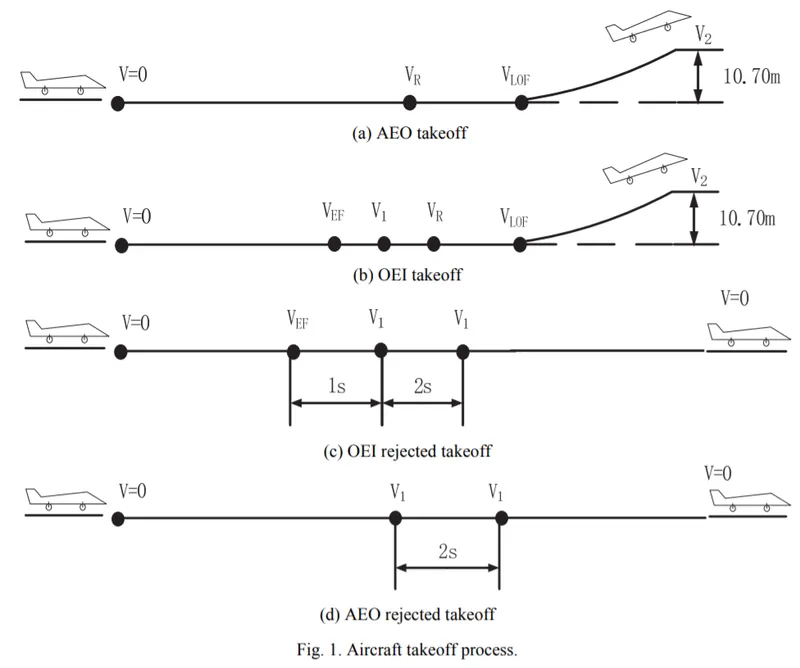
When an aircraft takes off, one or more engines may fail suddenly and it may encounter a
variety of situations. There are four basic situations that should be researched for
calculating the takeoff performance of an aircraft, including:
(i) takeoff with all engines operating(AEO),
(ii) take off with one engine inoperative(OEI),
(iii) rejected takeoff with all engines operating,
(iv) rejected takeoff with one engine inoperative.
Figure 1 shows the above four takeoff situations and marks several important takeoffs
speeds.
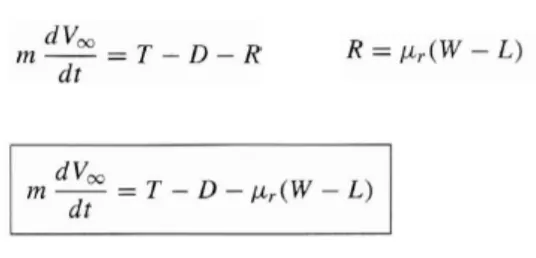
Forces acting on the aircraft
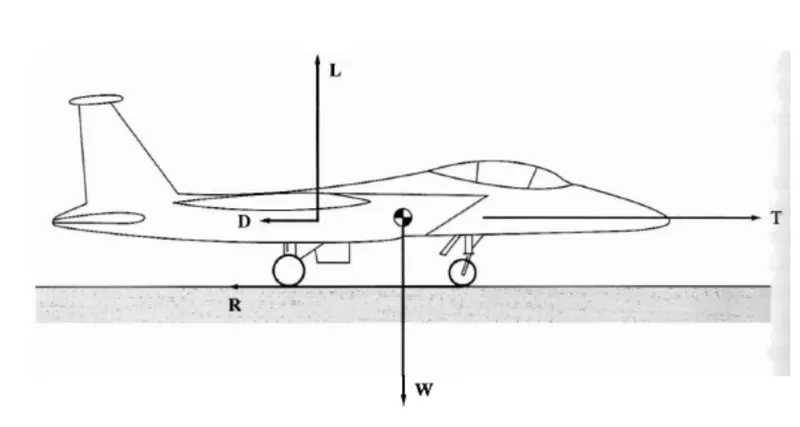
T=Forces of thrust,
W=weight,
L=lift, and
D=drag,
R=rolling resistance caused by friction between the tires and the ground.
Tire design of aircraft:
When it comes to safety, tires are one of the most important components of aircraft. They help to absorb the shock of landing and provide cushioning. It also provides the necessary traction for the braking and stopping of an aircraft.
An aircraft tire is designed to withstand extremely heavy loads while landing, take off, taxing, and parking. The number of wheels required for aircraft increases with the weight of the aircraft, as the weight of the airplane needs to be distributed more evenly.
Retreading – Retreading is a method of restoring a worn tire by renewing the tread area or by renewing the tread area plus one or both sidewalls. Repairs are included in the tire retreading process.
Load Rating – Load rating is the maximum permissible load at a specified inflation pressure.
Ply Rating – Ply Rating is used to identify the maximum recommended load rating and inflation pressure for a specified tire. It is an index of tire strength.
Speed Rating – The speed rating is the maximum takeoff speed to which the tire has been tested.
Skid Depth – Skid depth is the distance between the tread surface and the deepest groove as measured in the molud.
Aircraft Tyre Standards
Each tire manufacturer produces their own designs of the tire with different tread patterns, wear patterns, wear limits, etc, and in some cases, different names for the same part of the tire. But all tires must meet the approved standards before being accepted by the FAA or CAA.
All commercial aircraft tires are approved under FAA Requirement Technical Standard Order (TSO) C62. A TSO is a minimum performance standard for specified materials, parts, and appliances used on civil aircraft.
Tire pressure of aircraft:
Brake forces when landing in aircraft:
An electrical signal is sent from the flight deck to hydraulic actuators near the main landing gear. Here, hydraulic fluid at 3,000 pounds per square inch is used to force the brake unit against the wheel, thus slowing it down.
The brakes on the 787 Dreamliner work differently from those on other types.
Electric brakes

Part B:
PS6.
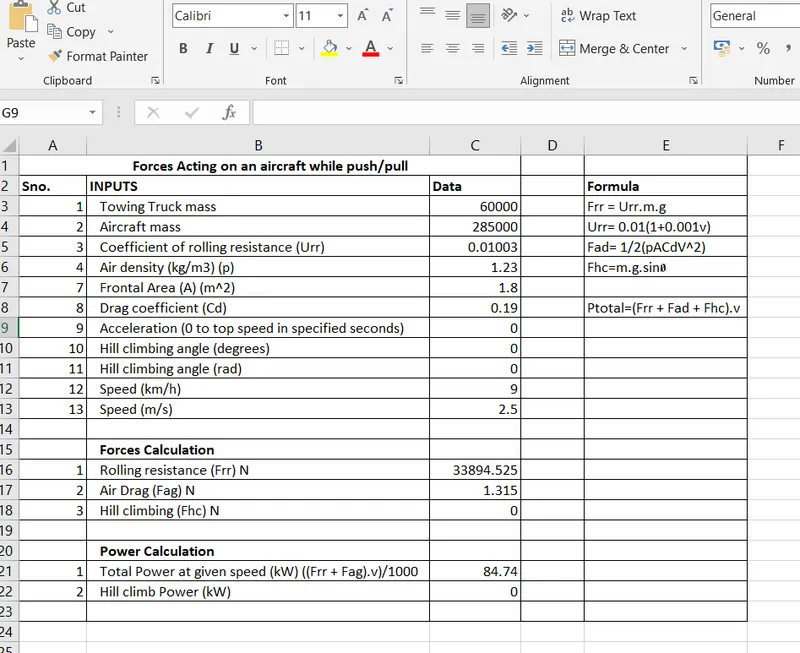
A. With necessary assumptions, calculate the force and power required to push/pull an aircraft by a towing vehicle.
Solution:
Forces Acting on an aircraft while push/pull:
Considering:
| Aircraft | Empty Weight | Max Fuel Weight | Max Cargo Weight | Max Gross Takeoff Weight |
|---|---|---|---|---|
| Antanov AN-225 | 628,000 lbs 285,000 kg |
661,400 lbs 300,000 kg |
417,000 lbs 190,000 kg |
1,411,000 lbs 640,000 kg |
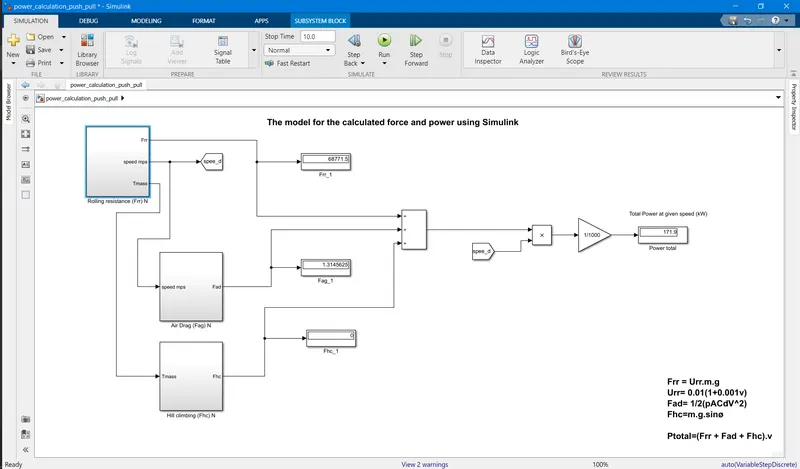
B. Develop the model for the calculated force and power using Simulink.
Solution:
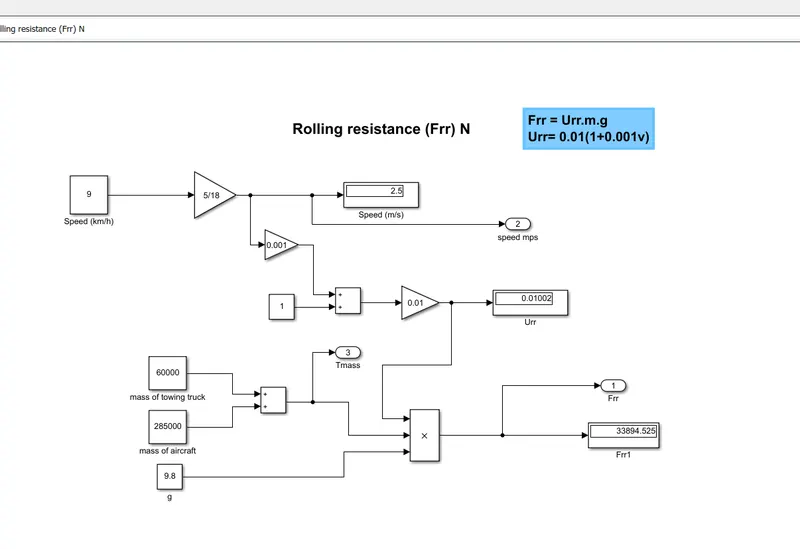
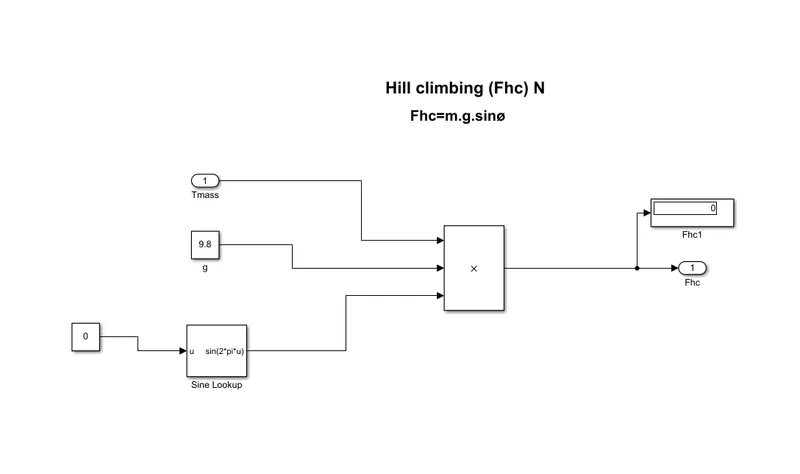
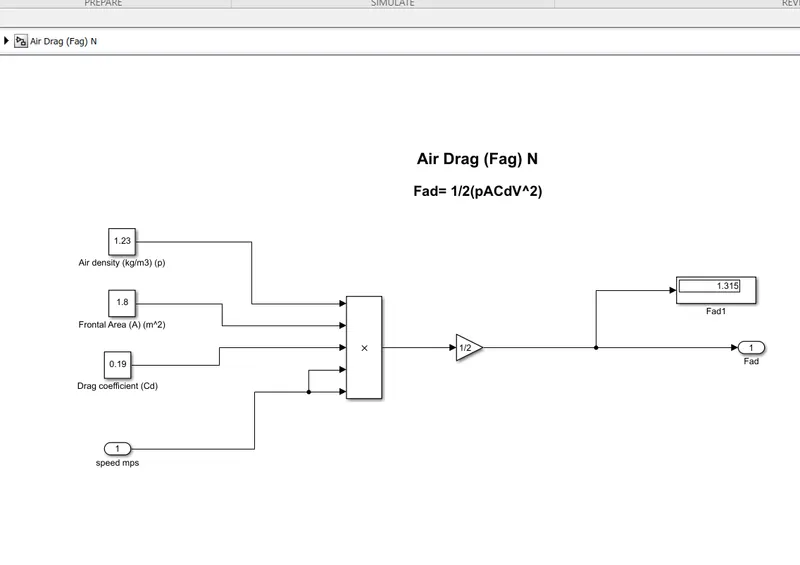
Power Required when the aircraft is empty (fuel + passengers).
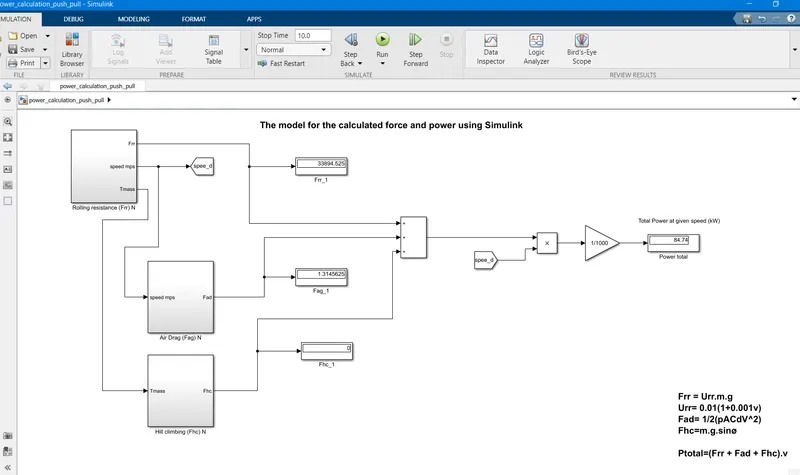
Power Required when the aircraft is full (fuel + passengers).
PS7.
A. Design an electric powertrain with the type of motor, its power rating, and energy requirement to fulfill aircraft towing application in Simulink. Estimate the duty cycle range to control the aircraft speed from zero to highest. Make all required assumptions. Prepare a table of assumed parameters. Draw a block diagram of the powertrain.
(Hint: DC7 Block)
Solution:
From the above Calculation:
Power Required when the aircraft is full (fuel + passengers): 171.9kW
so, I am taking the 200kW motor in that towing truck.
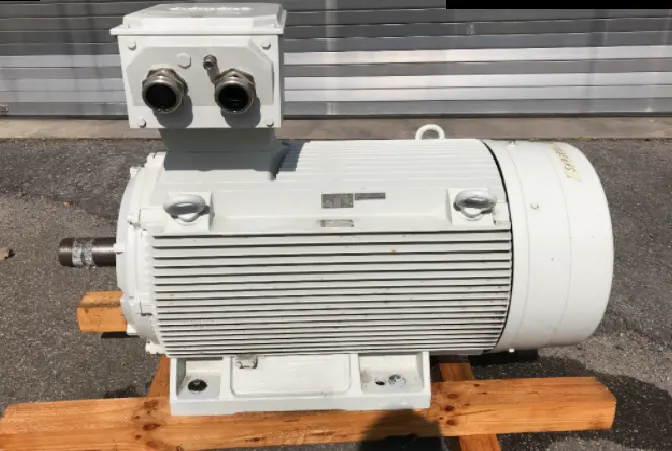
Rated Power: 200kW
Rated voltage: 690 V
Rated Current: 216 A
Rated torque: 2585 Nm
Efficiency: 94.4%
Assumption:
Input Current: 216 A
Input Voltage: 690 V
Input Power: V*I = 149.04kW
so, Output Power = (input power * Efficency)/100
= 140.69kW
Duty cycle is = output power/ input power
= 0.944
A block diagram of the powertrain.
B. Also, Design the parameters in an excel sheet.
------------------------------------------------------------------------------------------------------------------------------------------------------------------------------------------------END--------------------------------------------------------------------------------------------------------------------------------------------------------------------------------------------------------