Project-1: Modelling an electric Car with Li-ion battery
ans-
1)PID CONTROL SUBSYSTEM-
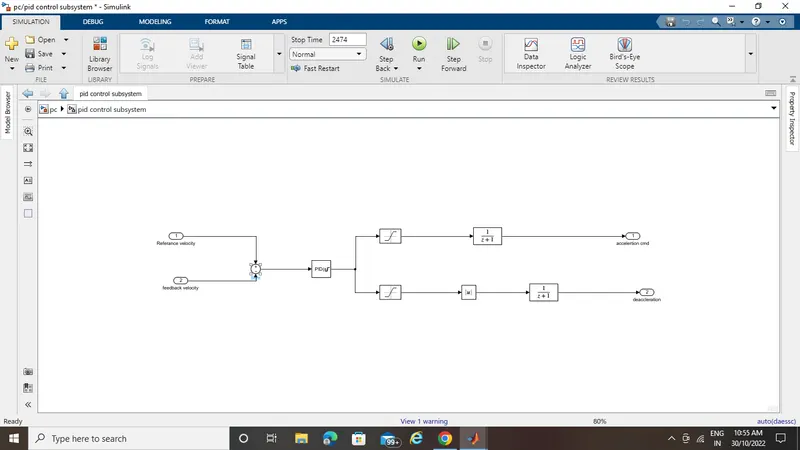
PID contrilller-
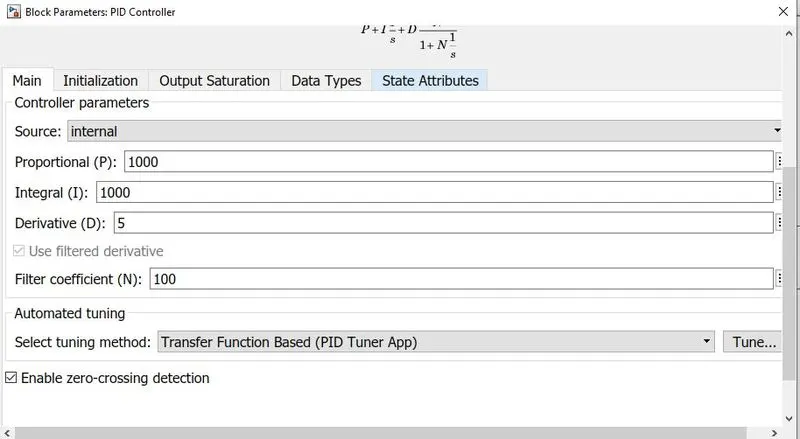
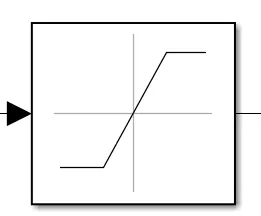
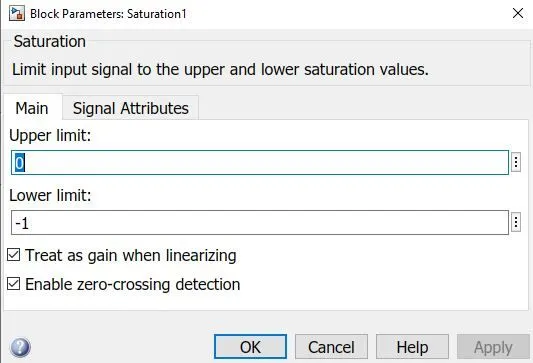
saturation block-
2)MOTOR CONTROLLER SUBSYSTEM-
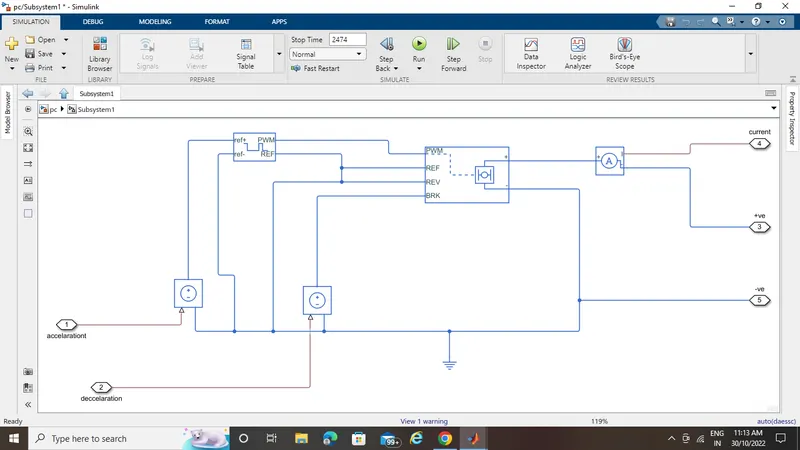
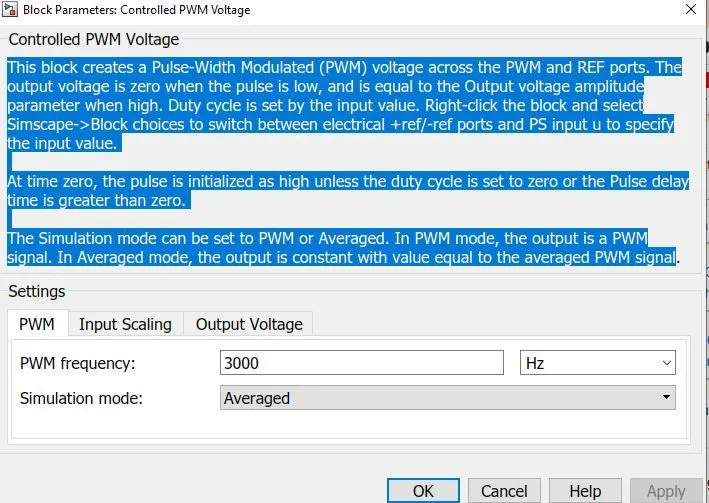
PWM votage-
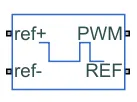
This block creates a Pulse-Width Modulated (PWM) voltage across the PWM and REF ports. The output voltage is zero when the pulse is low, and is equal to the Output voltage amplitude parameter when high. Duty cycle is set by the input value. Right-click the block and select Simscape->Block choices to switch between electrical +ref/-ref ports and PS input u to specify the input value.
At time zero, the pulse is initialized as high unless the duty cycle is set to zero or the Pulse delay time is greater than zero.
The Simulation mode can be set to PWM or Averaged. In PWM mode, the output is a PWM signal. In Averaged mode, the output is constant with value equal to the averaged PWM signal
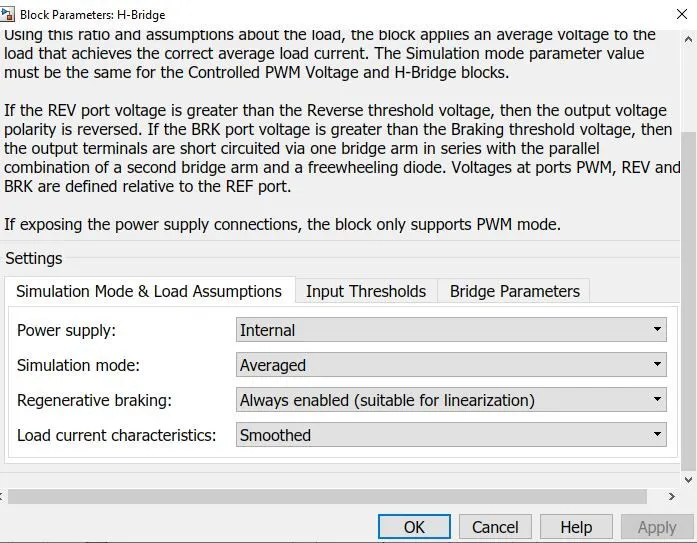
H-bridge-
-
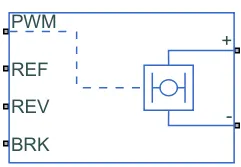
This block is used to change the polarity of the voltage applied across the DC motor so as to run the motor in forward and reverse direction as per the input command.
3)MOTOR SUBSYSTEM-
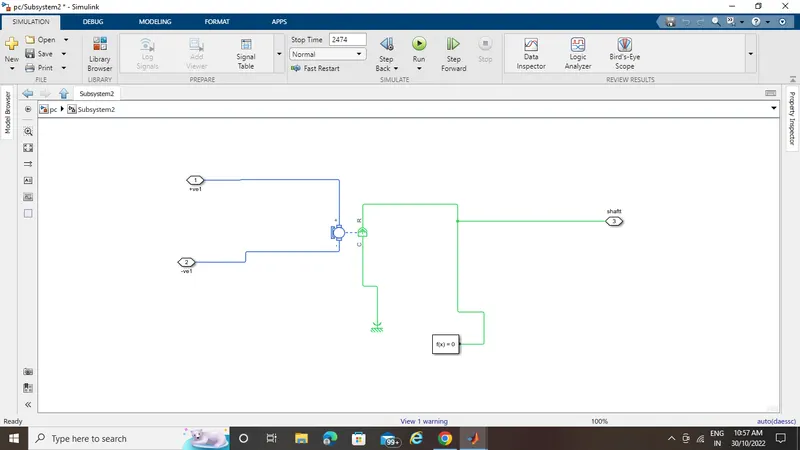
DC motor-
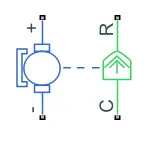
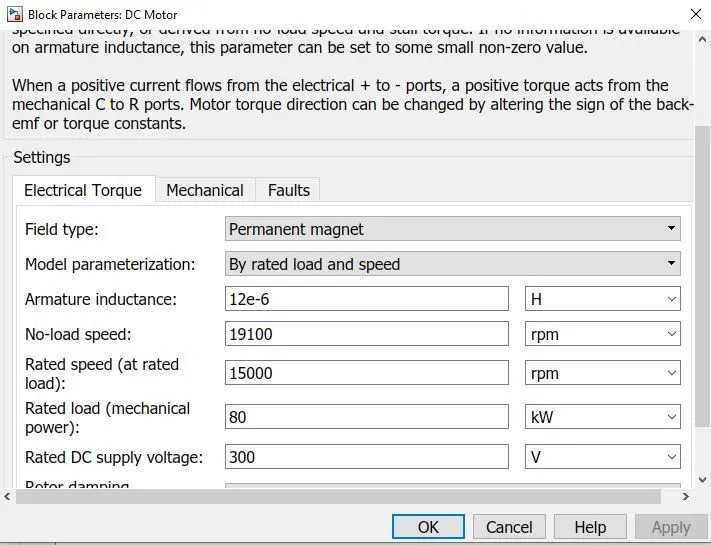
- To convert the electrical energy to mechanical energy we use motors. In this electric vehicle model, we have used DC motor. This motor can act as a generator also in case of regenerative braking.
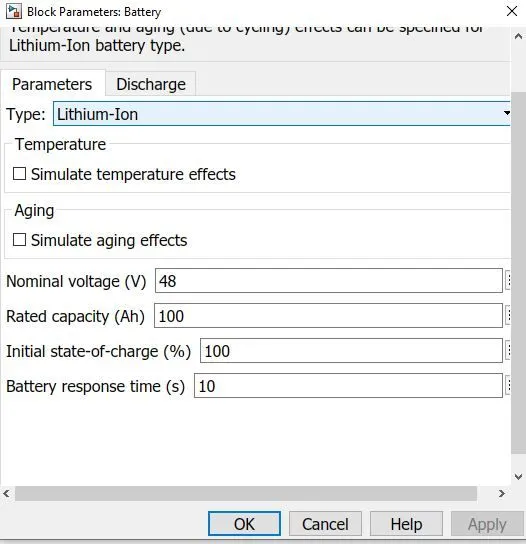
4)BATTERY SUBSYSTEM-
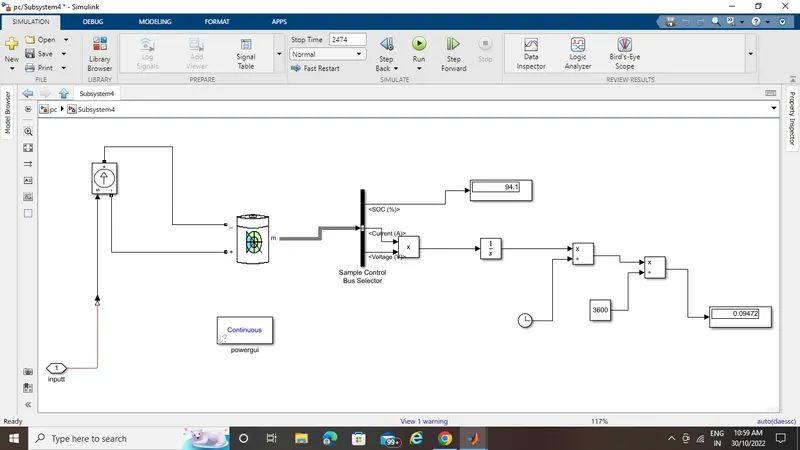
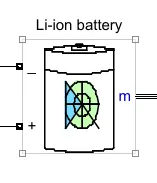
battery-
5)VEHICLE BODY SUBSYSTEM-
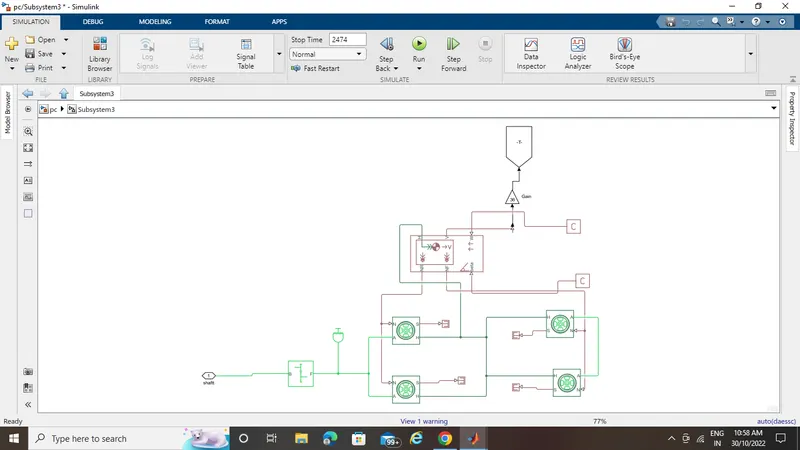
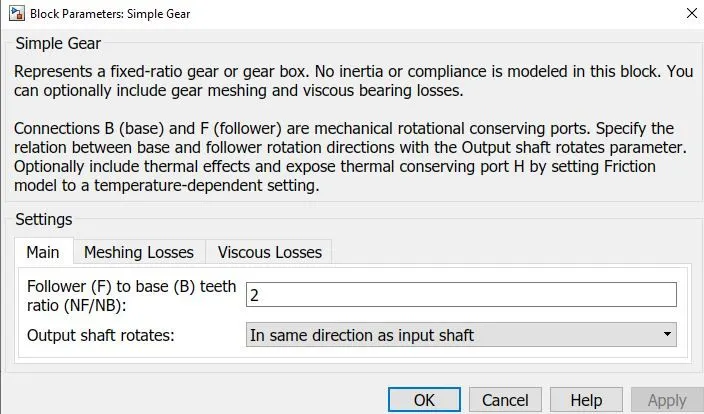
FIXED GEAR-
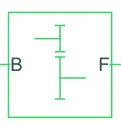
- The Simple Gear block represents a gearbox that constrains the connected driveline axes of the base gear, B, and the follower gear, F, to corotate with a fixed ratio that is specified.
INERTIA-
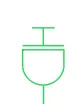
- The Inertia block represents an ideal mechanical rotational inertia.
TIRES-
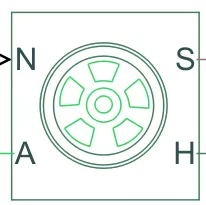
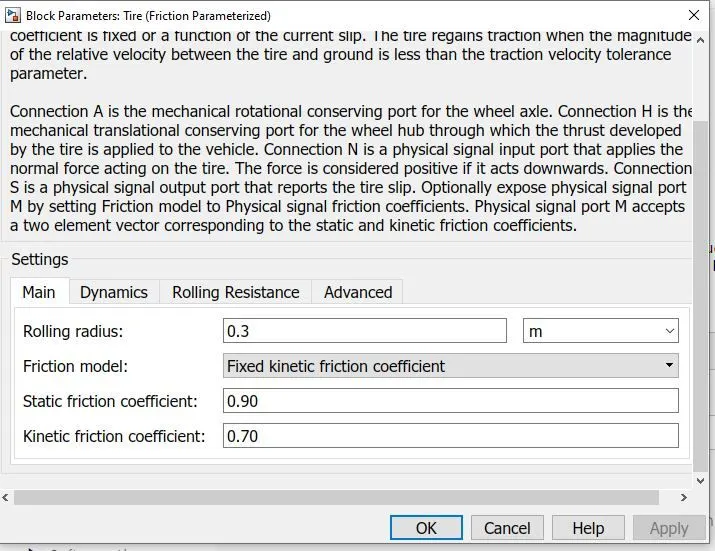
- The Tire (Magic Formula) block models a tire with longitudinal behavior given by the Magic Formula an empirical equation based on four fitting coefficients. The block can model tire dynamics under constant or variable pavement conditions.
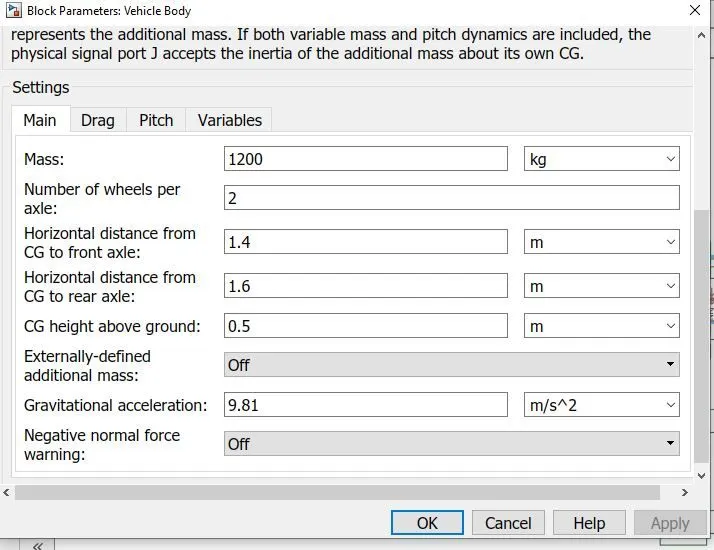
vehicle body-
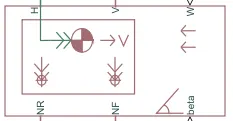
- The Vehicle Body block represents a two-axle vehicle body in longitudinal motion. The vehicle can have the same or a different number of wheels on each axle. For example, two wheels on the front axle and one wheel on the rear axle. The vehicle wheels are assumed identical in size. The vehicle can also have a center of gravity (CG) that is at or below the plane of travel.
- The block accounts for body mass, aerodynamic drag, road incline, and weight distribution between axles due to acceleration and road profile. Optionally include pitch and suspension dynamics. The vehicle does not move vertically relative to the ground.
- The block has an option to include an externally-defined mass and an externally-defined inertia. The mass, inertia, and center of gravity of the vehicle body can vary over the course of simulation in response to system changes.
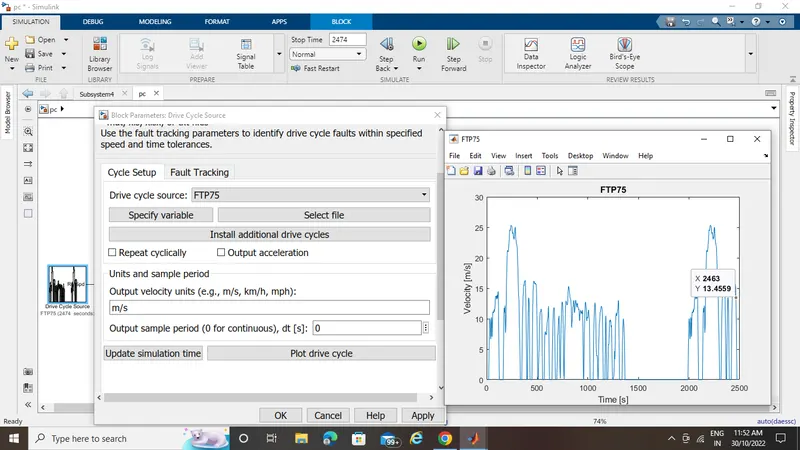
6)DRIVE CYCLE-
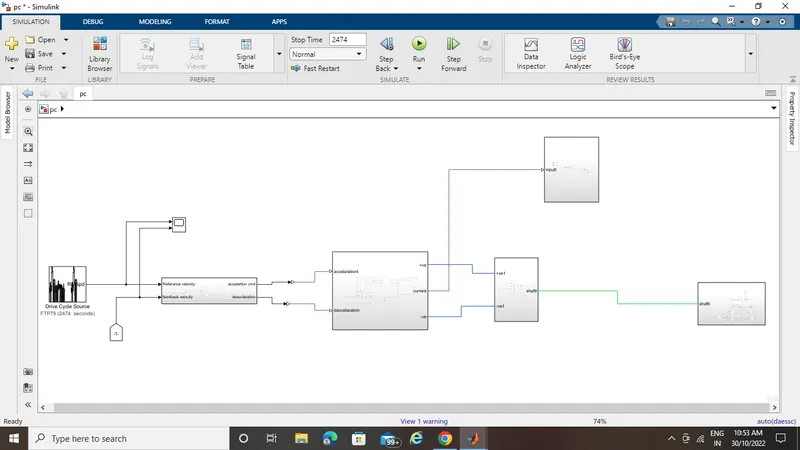
MAIN MODEL-
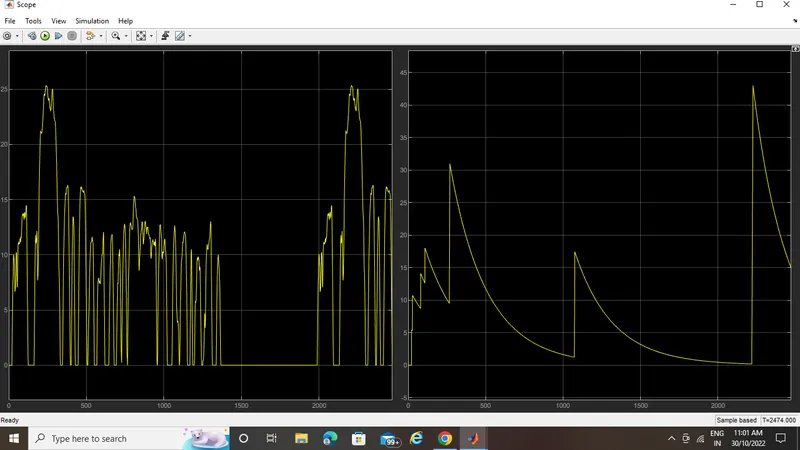
output-