Project 1 Mechanical design of battery pack
Battery pack capacity: 18 kWh
Cell: ANR26650M1-B
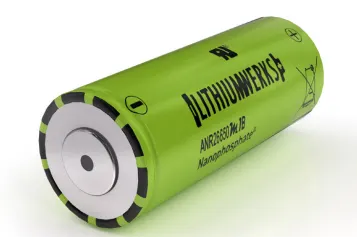
Lithium iron phosphate (LiFePO4) battery technology delivers high power and energy density combined with excellent safety performance and extensive life cycling in a lighter-weight, more compact package. The cells are inherently safe over a wide range of temperatures and conditions. Whether the application requires extraordinary cycle life or stable float reliability, the Lithium Werks’ 26650 cells are suitable for a wide variety of power, pulse, or standby applications. Nanophosphate battery technology offers stable chemistry, faster charging, consistent output, excellent cycle life, and superior cost performance. It provides the foundation for safe systems while meeting customer requirements. Multiple layers of protection are employed at the chemistry, cell, and system level to achieve an energy storage solution with superior safety and abuse tolerance compared to metal oxide lithium-ion chemistries.
Applications:
- Energy storage
- Uninterruptible Power Supplies
- Communication technologies
- Aerospace
- Electrified mobility devices
- Industrial equipment
- Medical devices
- Toys
ANR26650M1-B Specifications
Nominal Ratings:
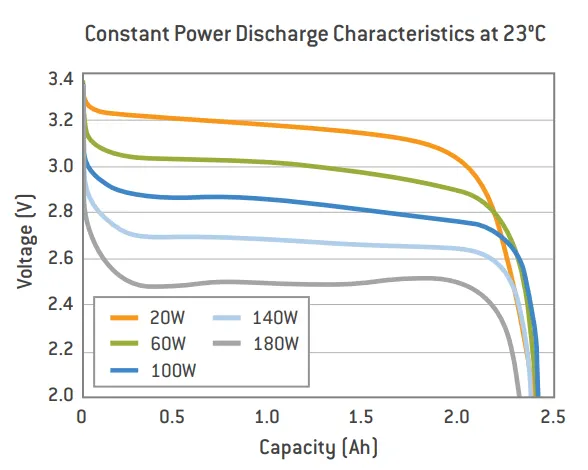
- Voltage: 3.3 Volts
- Capacity: 2.5 Ah
- Energy: 8.25 Wh
- Specific Power: 2600 W/kg
- Impedance (1KHz AC Typical): 6 mΩ
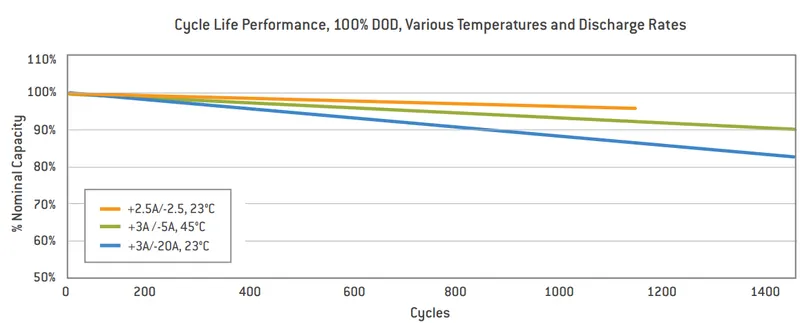
- Cycle Life at 1C/1C, 100% DOD: > 4000 cycles
- Cell Type: 26650 Lithium Ion Power Cylindrical Cell
Discharging:
- Max Continuous Discharge: 50 A
- Max Pulse Discharge Current >50% SOC (10s): 120 A
- Minimum Voltage: 2 Volts
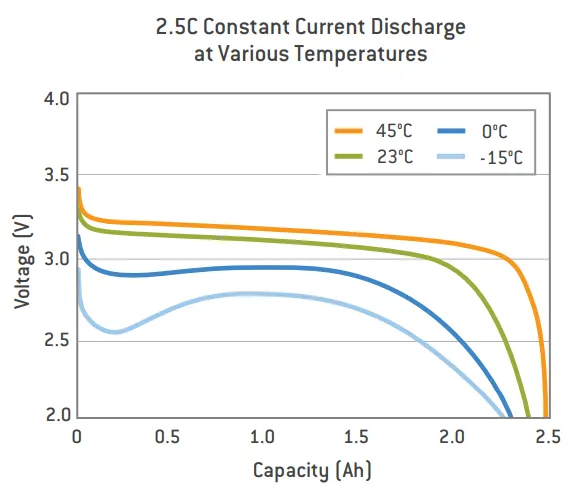
- Temperature: -30ºC to 55ºC
Charging:
- Recommended Standard Charge: 2.5 Amps
- Max Charge Rate: 10 Amps
- Max Pulse Charge Current <50% SOC (10s): 25 A
- Float Voltage: 3.45 Volts
- Recommended charge V & Cut-off Current: 3.6 Volts, taper to 125mA
- Temperature (reduce charging current to 250mA when under 0ºC): 0ºC to 55ºC
Mechanical:
- Diameter: Ø25.96 +/- 0.5 mm (1.0")
- Length: 65.15 +/- 0.5 mm (2.6")
- Mass: 76 g
Battery Pack Calculation:
Battery pack capacity - 18 kWh
Assumed Voltage - 144 V (req to run the vehicle)
Capacity - 2.5 Ah
Nominal voltage of a cell = 3.3 V
1. No. of cells, N = Energy/(Nominal voltage*capacity)
N = 18000/(3.3*2.5)
N = 2181.8 = 2182 cells
2182 cells are required to get 18 kWh of energy from the battery pack. The battery pack consists of series and parallel configurations.
In a series configuration, the voltage adds up while the capacity remains the same.
In a parallel configuration, the capacity adds up while the voltage remains the same.
Let's calculate the No. of cells required in series to get 144 V,
Ns = Total Voltage req/Nominal voltage
Ns = 144/3.3 = 43.6
Ns = 44 cells
Therefore, 44 cells are connected in series in one module to get 144 V, and the capacity of the module will be 2.5 Ah.
Let's calculate the No. of cells required in parallel,
Np = Total No. of cells/Ns
Np = 2182/44
Np = 49.5 = 50 cells
Therefore, 50 cells are connected in parallel in one module.
Cell architecture - 44 series and 50 parallel - 44s50p
2. Capacity of the pack = Np*capacity of each cell
Capacity = 50*2.5 = 125 Ah
Hence, the battery pack can supply 125 A of current for 1 hour which can be considered as the C-rate of this pack.
3. Range = Battery pack capacity/Energy consumed per km
Let's assume the energy consumption to be 150 Wh/km,
Range = 18000/150 = 120 km
The vehicle can cover a range of 120 km with the current specification.
4. Battery casing
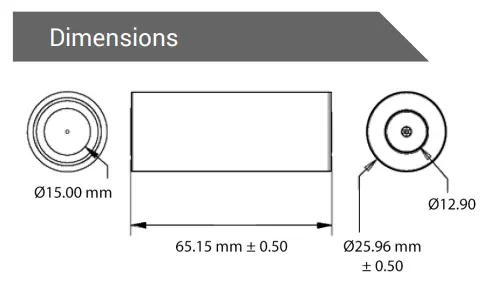
The cell, ANR26650M1-B, has a diameter of 26 mm and a height of 65 mm with 0.5 mm tolerances on both.
Length of the casing (L) = No. of cells in series*(cell diameter (26) + margin at both side of cell (4)) + clearance at side (2*(diameter of edge cell + margin))
L = 44*(26+4) + 2*(26+4)
L = 1380 mm
Breadth of the casing (B) = No. of cells in parallel*(cell diameter (26) + margin at both side of cell (4) + clearance at side (2*(diameter of edge cell + margin))
B = 50*(26+4) + 2*(26+4)
B = 1560 mm
Height of casing (H) = Height of cell + margin for wiring, cell holders, and metal strips
H = 65+35 = 100 mm
The volume required for the battery pack is 1380*1560*100 = 0.215 m3
5. Battery pack weight
Cell weight = 76 g
No. of cells = 44*50 = 2200 cells
Battery pack weight, W = Cell weight*No. of cells + Weight of accessories
W = 76*2200 + 5 = 172 kg
Mechanical Design of Battery Pack:
A battery consists of one or more electrochemical cells which are converting chemical energy into electrical energy (during discharging) and electrical energy into chemical energy (during charging). The type of elements contained within a battery and the chemical reactions during discharging-charging events define the chemistry of a battery.
A battery cell consists of five major components: electrodes – anode and cathode, separators, terminals, electrolyte, and a case or enclosure. For automotive applications, there are different types of cells used which are shown below:
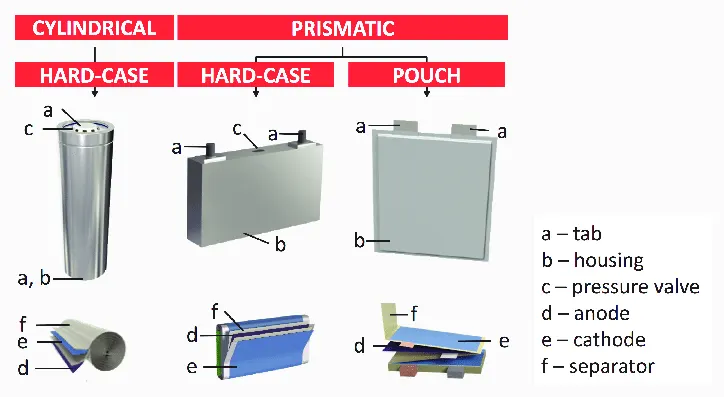
Individual battery cells are grouped together into a single mechanical and electrical unit called a battery module. The modules are electrically connected to form a battery pack.
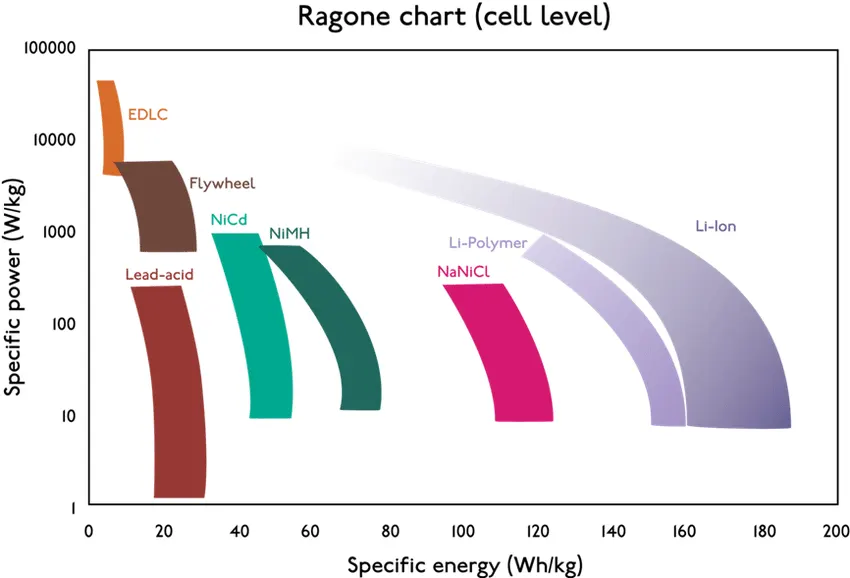
There are several types of batteries (chemistry) used in hybrid and electric vehicle propulsion systems but we are going to consider only Lithium-ion cells. The main reason is that Li-ion batteries have higher specific energy [Wh/kg] and specific power [W/kg] compared with other types. This can be seen in the Ragone plot below,
Battery pack architectures:
A battery cell can be regarded as the smallest division of the voltage.
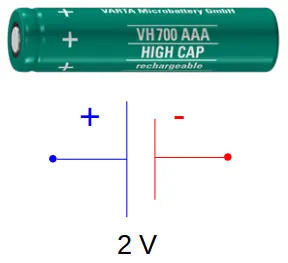
Individual battery cells may be grouped in parallel and/or series as modules. Further, battery modules can be connected in parallel and/or series to create a battery pack. Depending on the battery parameters, there may be several levels of modularity.
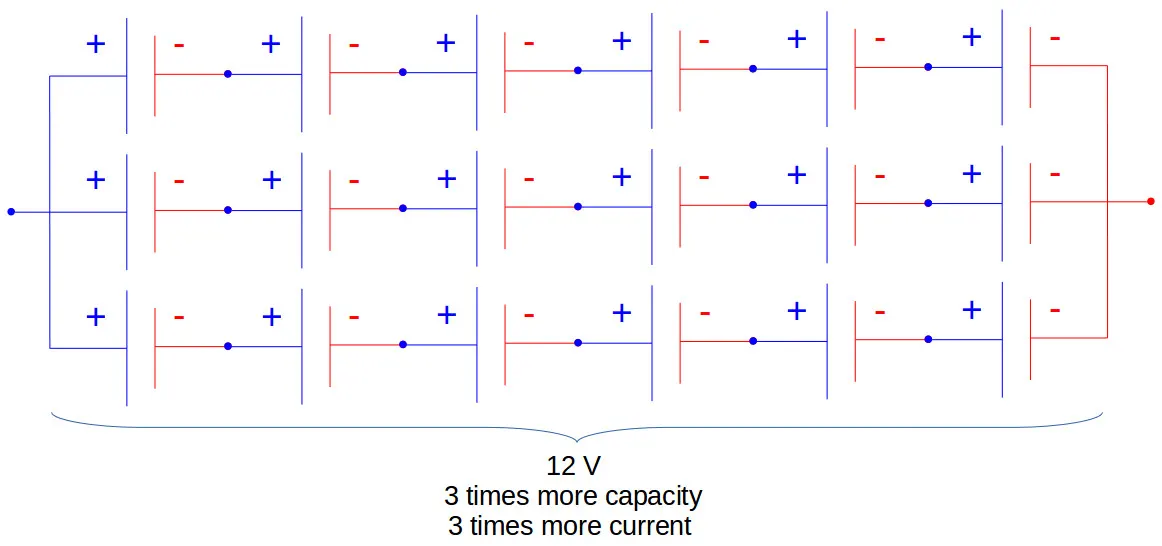
The total battery pack voltage is determined by the number of cells in series. For example, the total voltage of 6 cells connected in series will be the sum of their individual voltage.

In order to increase the current capability of the battery capacity, more strings have to be connected in parallel. For example, 3 strings connected in parallel will triple the capacity and current capability of the battery pack.
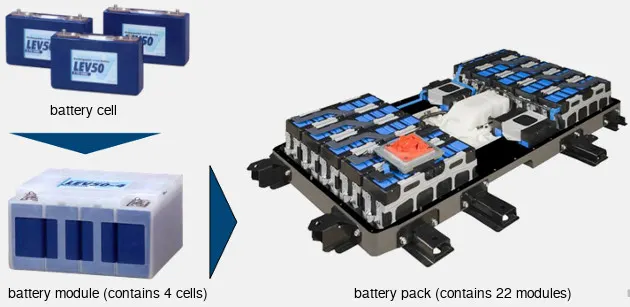
The high-voltage battery pack of the Mitsubishi i-MiEV consists of 22 modules made up of 88 cells connected in series. Each module contains 4 prismatic cells. The voltage of each cell is 3.7 V and the total voltage of the battery pack is 330 V.
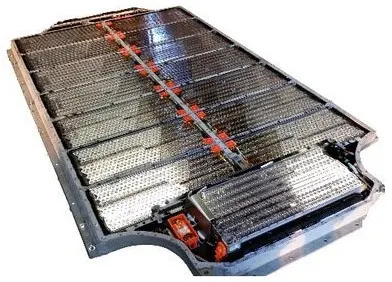
Another example is the high-voltage battery pack of the Tesla Model S, which has:
- 74 cells in a parallel group
- 6 groups in series for a module
- 16 modules in series
- 7104 cells in total
Considerations for assembling batteries:
Battery pack combinations:
1. Ladder, linear, F-type, or radial
2. Multi-row cells
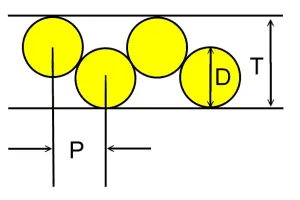
There are two ways to start packing them. One could be called the cubic, and the other face-centered cubic, or nested.
3. Face-centered cubic

4. FCC with alternating long and short rows

5. Fixed channel width optimization
Battery strips:
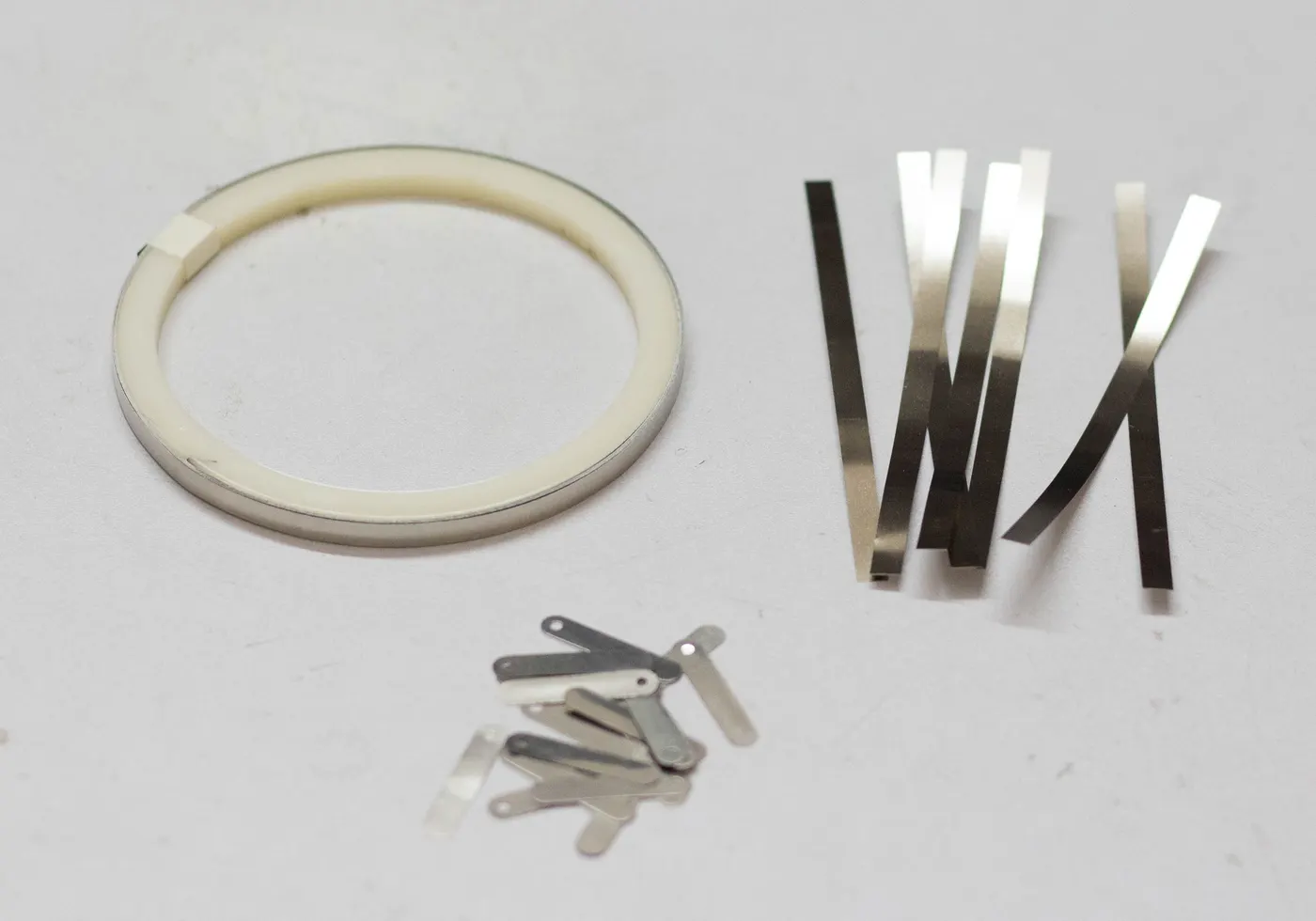
To make the battery pack, you have to connect the cells together by means of Nickel strips or thick wire. Generally, Nickel strips are widely used for this. In general two types of nickel, strips are available in the market: nickel-plated steel strips and pure nickel strips. Pure nickel strips have much lower resistance. Low resistance means, less heat generation during the charging and discharging, which leads to longer useful battery life. Nickel strips come in different dimensions and lengths. Choose the strips according to the current rating.
Battery holder:
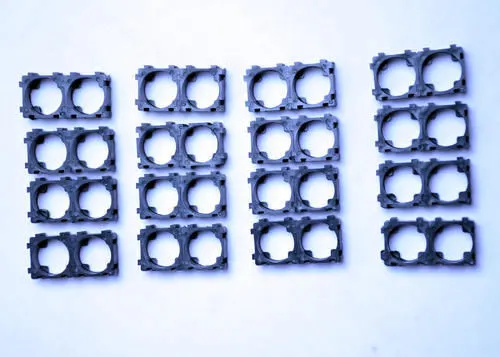
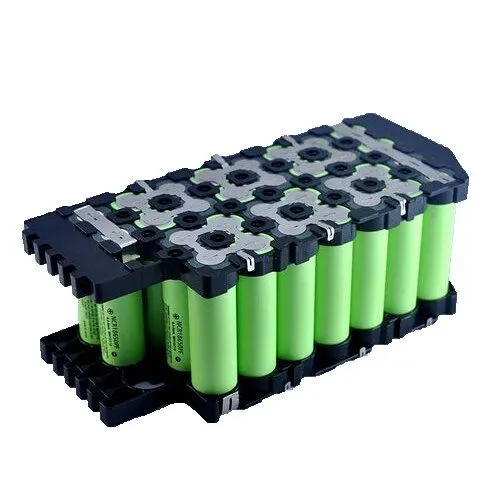
A battery holder or a battery mount is an integrated or separate cavity to hold cells. If it is a separate compartment, it can be attached to a cell-powered device. It is used to hold the cells securely and power the device it is attached to. The primary function of a battery holder is to facilitate the power supply to the device it is attached to. External connections can be made to the cells in the battery holder through lugs soldered to the cell-powered device, wire leads, and snap terminals, or they can be mounted on PCBs via pins.
Types of welding used:
Spot welding, laser welding, ultrasonic welding. Out of all these, spot welding is cheap, and laser welding operation is efficient.
Battery case (enclosure):
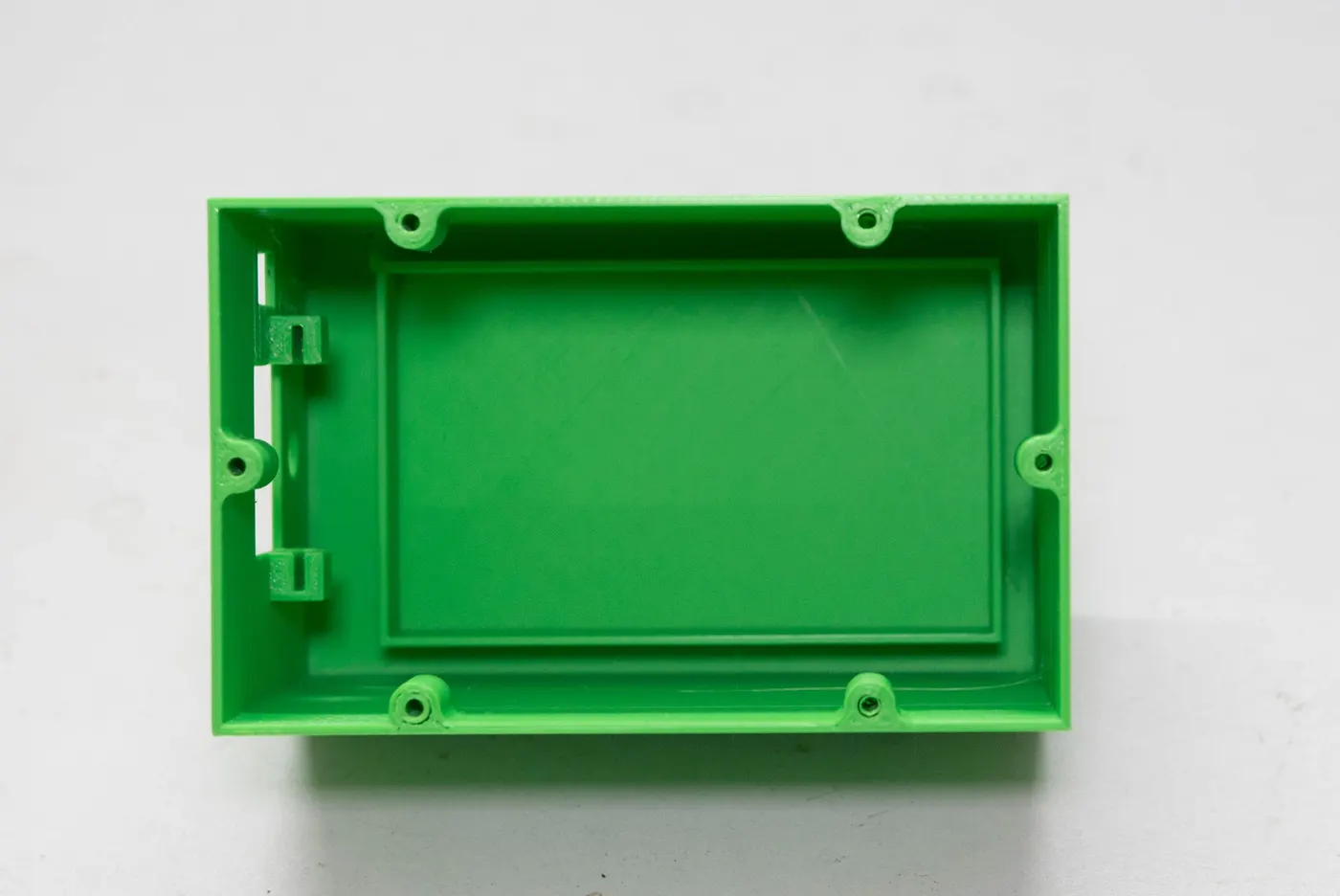
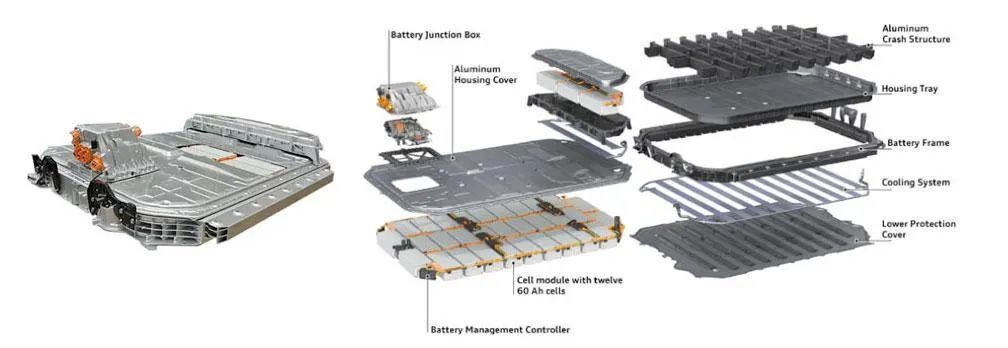
Battery enclosures for EVs also called frames, boxes, or housings, have the primary purpose of holding and protecting the battery cells. They come in different shapes and sizes, and much like other vehicle parts, are an arena for several materials fighting for prominence.
Aluminum and steel are traditional material choices for battery enclosures. Yet, composites could provide an improved alternative, which will significantly improve the performance of the EVs.
The battery pack has all-around exposed nickel strips, to avoid any accidental shorting, an enclosure is used.
References:
- https://www.powerstream.com/BPD.htm
- https://www.instructables.com/DIY-Professional-18650-Battery-Pack/
- https://x-engineer.org/ev-design-battery-calculation/#:~:text=The%20high%20voltage%20battery%20it,maximum%20regeneration%20brake%20torque
- https://www.batteryspace.com/prod-specs/6610.pdf
- https://a123batteries.com/anr26650m1-b-lithiumwerks-nanophosphate-3-3v-2-5ah-lithium-iron-phosphate-battery/
- https://www.laserax.com/battery-laser-welding-applications
- https://blog.bulgin.com/blog/battery-holders-guide