Project 1 Mechanical design of battery pack
Prepare a detailed battery pack drawing along with its enclosure. State your assumptions.
Battery pack capacity: 18 kWh
Cell: ANR26650M1-B
https://www.batteryspace.com/prod-specs/6610.pdf
Before getting into the calculation part - The battery Capacity needed is 18kWh this can be achieved by numerous configurations of series and parallel cells. The main point is applicant use if the voltage required is high at the user end N no of series sells are to be configured same complies with Ah.
Consider a high voltage battery pack for an EV
Why HV?
A high-voltage battery is a battery with a relatively higher energy density than normal batteries. This energy density results in a higher capacity for energy storage. Due to this increased energy density, these batteries can charge and discharge a lot faster than other batteries, giving them more stable charge cycles and longer battery life. As a result of the high voltage, these batteries can also deliver quick surges of electricity on-demand, which in general applications is preferred as present-day equipment requires a fast response battery.
Higher voltage batteries are more efficient compared to normal batteries in that they can charge at relatively low currents which do not affect the charge time or cycle. Adaptability to low current also protects higher voltage batteries from overheating and enables improved energy retention and storage.
Typical HV battery systems are commonly rated 192V, 200V, 220V, 384V, 480V
Electrical calculations: Given Technical Data - ANR2665M1-B - LFP Battery
Nominal Voltage - 3.3 V
Nominal capacity - 2.5 Ah
Internal impedance - 6 milli ohm
Power - 2600 W/kg
Consider voltage =240V
For capacity - Ah=kWh/V
18000 Wh/240V=75Ah
Capacity = 75 Ah
Therefore the Battery Pack Capacity 18000 Wh =240V*75Ah
No of Series cells = Total nominal voltage of Pack/Individual Voltage of cell
= 240V/3.3V =72.72 =73 Series Cells
No of parallel cells = Total nominal capacity of pack/ capacity of individual cell
= 75Ah/2.5Ah = 30 Parallel Cells
Total Number of cells = 73*30 = 2190 cells
These 2190 cells can be split into desired no of modules depending on the application and depending on the manufacturer.
Extra power due to configuration = Total no of cells*Nominal V of single cell*Nominal I of single cell
= 2190*3.3V*2.5Ah =18067.5 Wh
So to attain an 18kWh battery pack modular pack design with an uninterrupted supply of 18067.5Wh should be configured
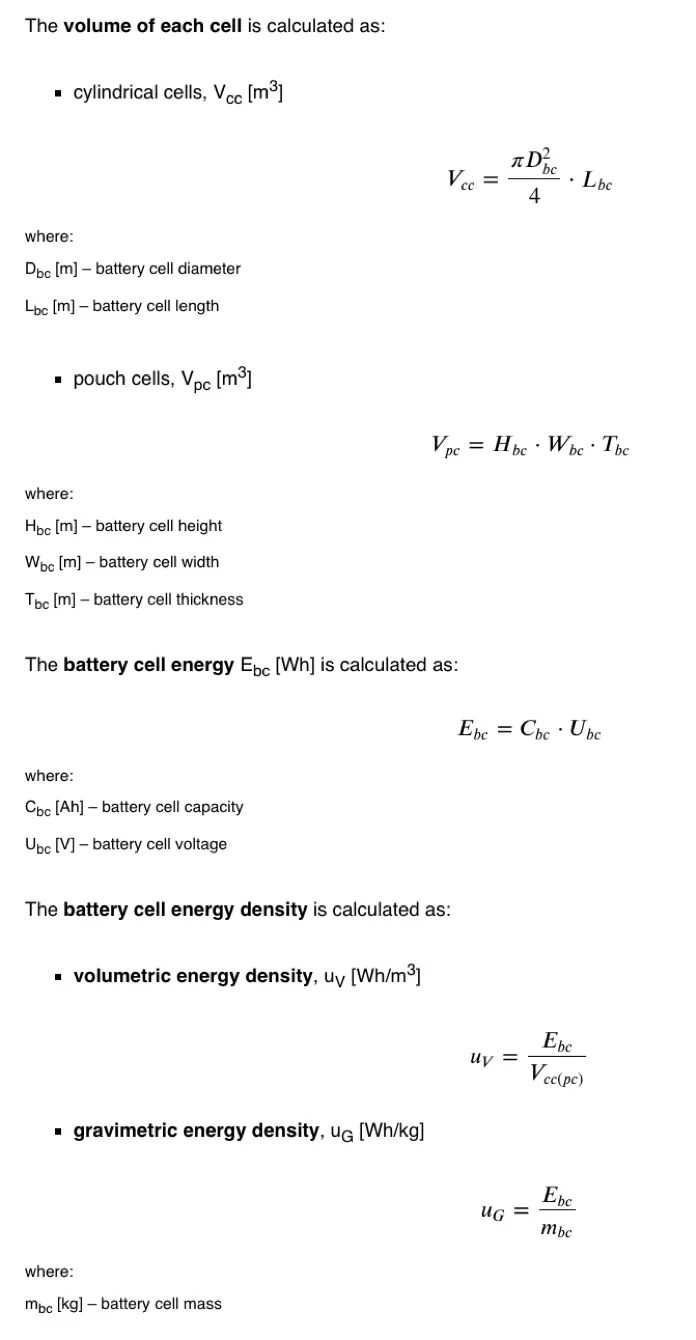
Mechanical Calculations: Given Technical Data - ANR2665M1-B - LFP Battery
Cell weight = 76g
Cell Dimension = 26*65 mm
Total weight of a battery pack = 2190 cells *0.076 kg
= 166.44 kg ( Ideal weight of all cells )
Battery pack construction - Cells - Module - Pack
- Electrical, Mechanical
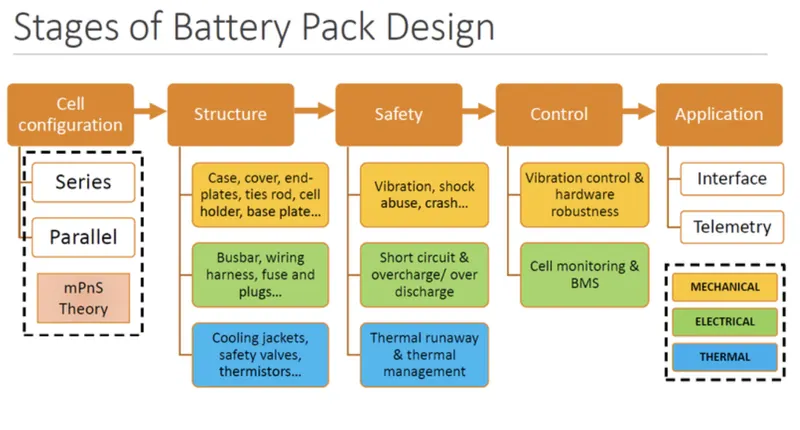
Battery Pack Construction :
- Cell electric Connection
- Cell fixtures (holding/housing)
- Modules fixtures
- Pack fixtures
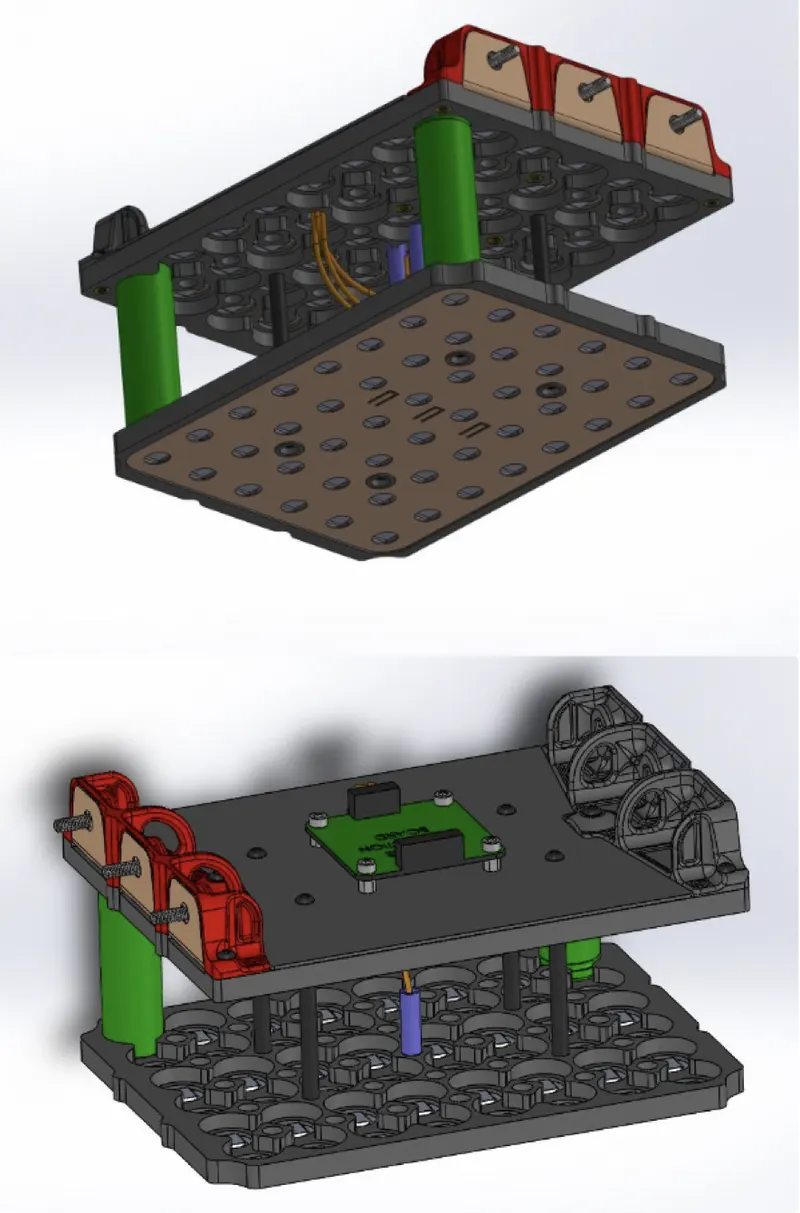
Cell holders / Cavity :
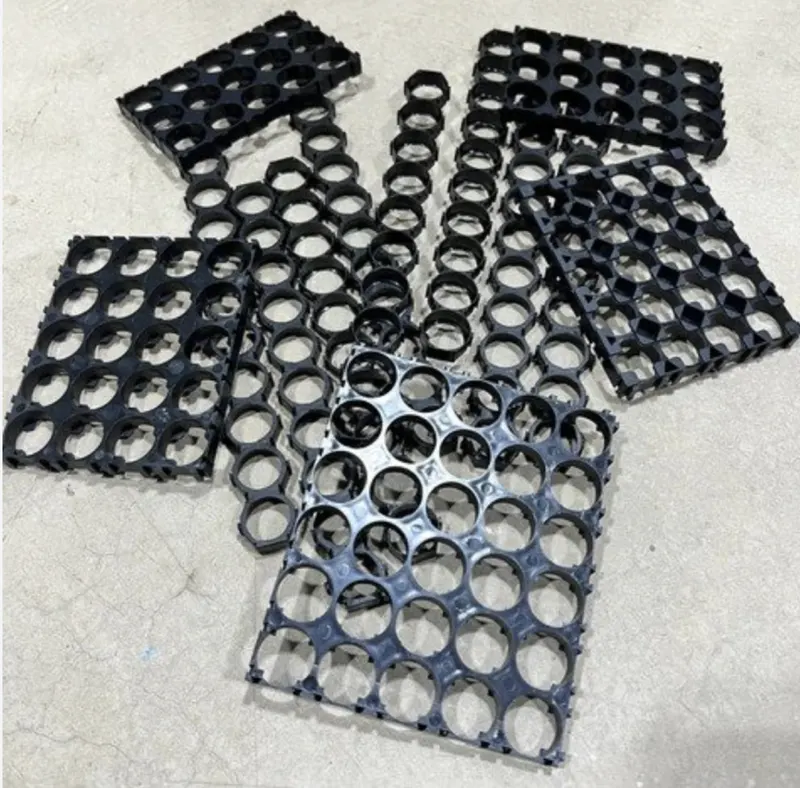
The easy framework to build complete battery packs, using 26650 cell holders provides several advantages:
1. Cell holders provide critical spacing between the cells. This allows for much better cooling characteristics as compared to cells that are in direct contact with each other.
2. Using cell holders makes your battery pack more solid.
3. Cell holders give your battery pack an element of vibration resistance.
For these reasons, we recommend always using 26650 cell holders when building a battery pack.
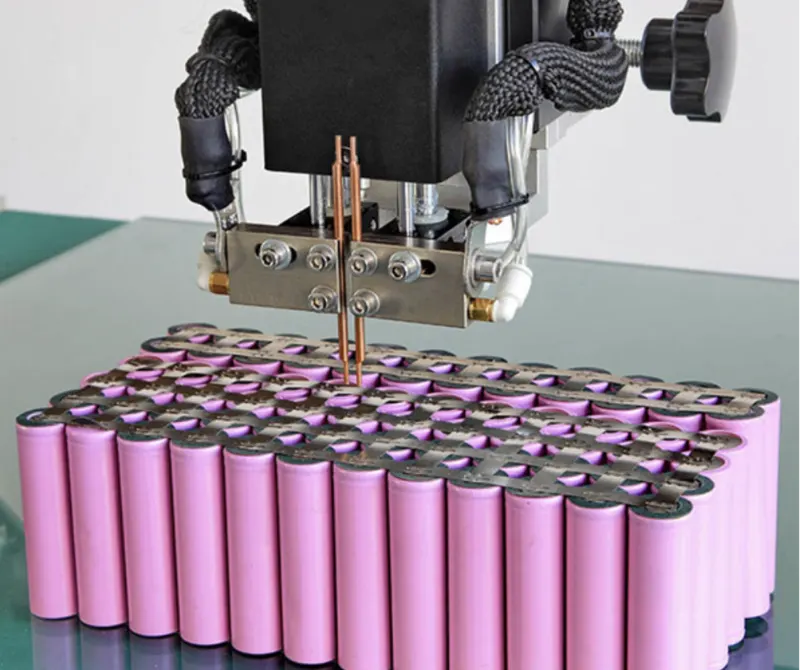
Spot Welding:
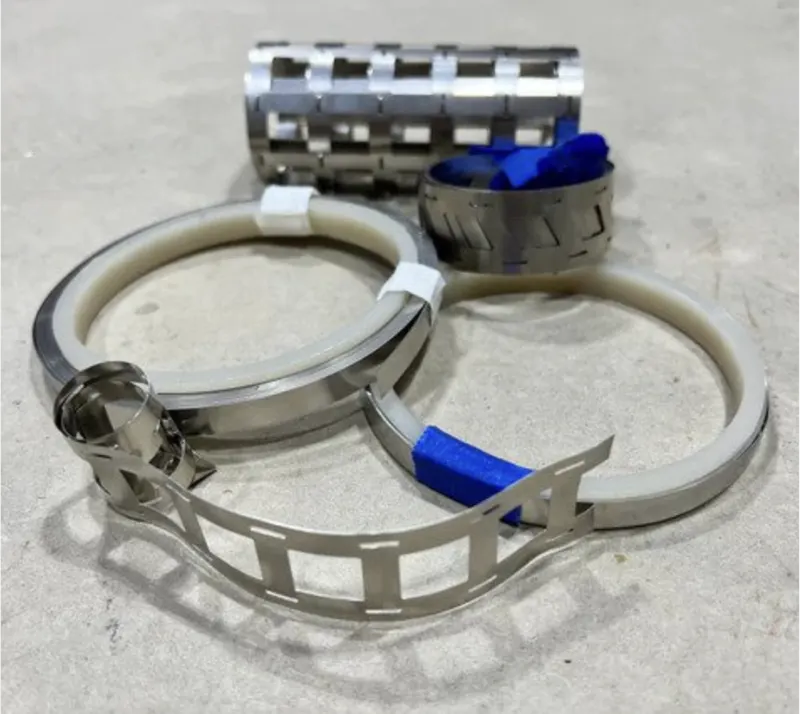
Spot welding is the most common method used in connecting 26650 cells. This is because spot welding enables the cells to be joined together without adding a lot of heat. Also, each spot weld takes far less time than an equivalent soldered connection would.
A high-end spot welder used to make professional battery packs typically costs somewhere between $200 and $300. There are, however, lower-cost spot welders that may not have all the bells and whistles that the K-weld has, but they will certainly get the job done.
Soldering:
If you have no other way to put a battery together, then soldering a lithium-ion battery would be a good choice. The main problem with soldering is that you must apply a large amount of heat to the cell to form a bond. That heat does not dissipate quickly.
Sure, with the right soldering iron this issue can be minimized, but it's difficult to completely eliminate. If you don’t do things just right, that amount of heat directly on both sides of a cell will certainly affect its long-term performance.
NOTE: There are some use-cases in which using soldering is preferable to welding. A large-scale Powerwall battery is an example of such an application. This is because in this type of Powerwall battery, each cell is typically individually fused.
Most commonly used connector materials - Nickle has issues of heat generation . THe alternate solution is SIGMAclad
Foil-based components - one large easy to handle parts that replace several bulky parts, simplifying assembly.
cell holder :
The main function of a battery holder is to keep cells fixed in place safely and securely also it is used to keep cells in a proper arrangement so that there will be a decrease in mechanical vibration , and have a better thermal runway in between the gaps of the cell . Most of the cell holder is made up of polypropylene or nylon bodies rated for 80-100 ° C.
Step 2 :
Inserting cells inside the holder :
Insert the cells inside these connectors with positive and negative poles kept alternatively in adjacent rows depending on the type of configuration.
Step 3 : Connection - Spot welding, Soldering, SIGMAclad, Foil-based connection, bus bar
Spot welding :
Spot weld with nickel strips to make a series connection between the cells.
After making series connections , connect the strings in parallel . And complete the connection.
Step 4 :
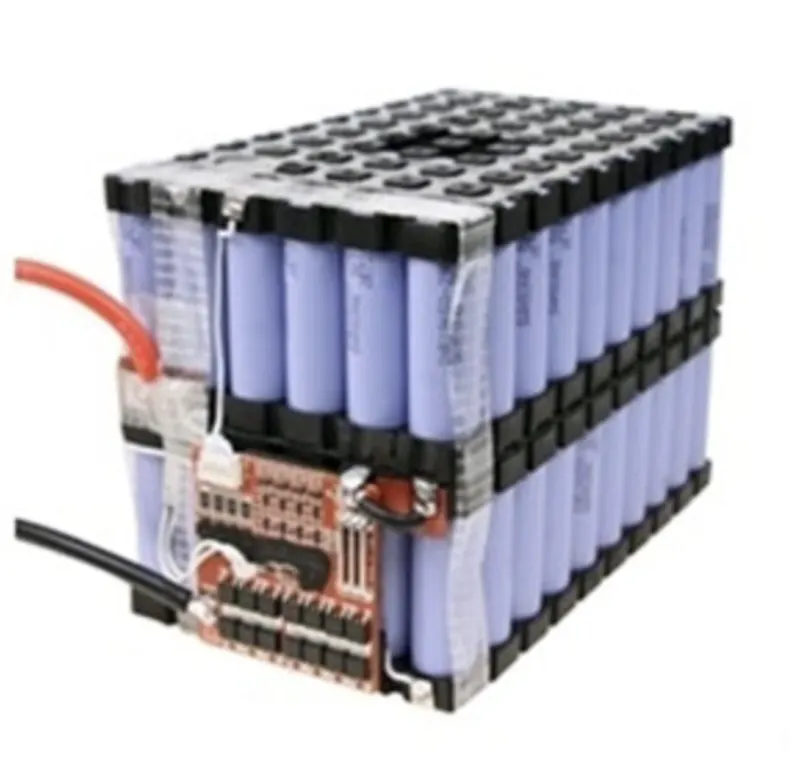
Connect BMS with the battery pack
Step 5 : Cooling, Heating -Tab/Surface cooling
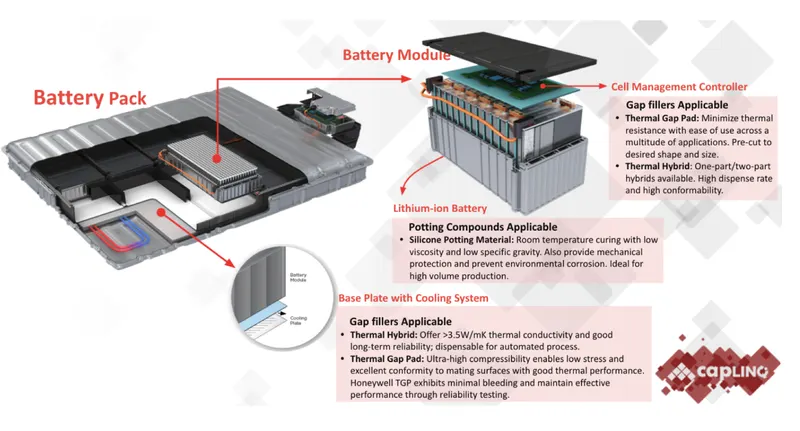
Install cooling structures for air cooling / liquid cooling /PCM.
Step 6 : Modular Enclosure
Install the battery pack inside the enclosure.
Enclosure for battery packs :
There are different types of enclosures available for the battery pack . A few are explained below . The main features required for EV battery enclosures are :
- Lightweight
- Shock and Vibration - proof
- Fire protection
- Prevent Electromagnetic radiation
- Low cost
- Aluminium sheet battery enclosure
Aluminium sheet battery enclosure :
Aluminium's inherent properties - corrosion resistance and recyclability - make the metal attractive in electric - vehicle manufacturing . The enclosure regulates thermal conductivity by helping to cool and heat the battery cells . Using aluminium to enclose a lithium - ion battery pack in an EV can reduce weight by about 50 per cent . Weight savings translates into a longer driving range , a major challenge for the competitiveness of electric vehicles . The lightweight aluminium translates into a lower cost per weight at mass - production volumes .