Project 1 Mechanical design of battery pack
ANR26650M1-B
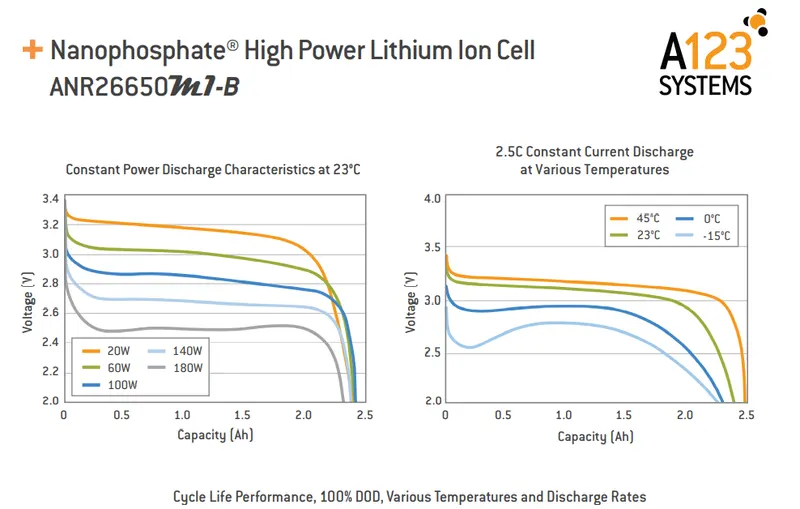
A123’s high-performance Nanophosphate lithium iron phosphate (LiFePO4) battery technology delivers high power and energy
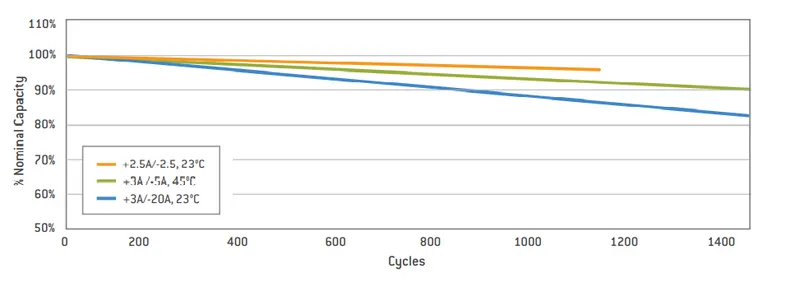
density combined with excellent safety performance and extensive life cycling in a lighter weight, more compact package. Our cells have low capacity loss and impedance growth over time as well as high usable energy over a wide state of charge (SOC) range, allowing our systems to meet end-of-life power and energy requirements with minimal pack oversizing.
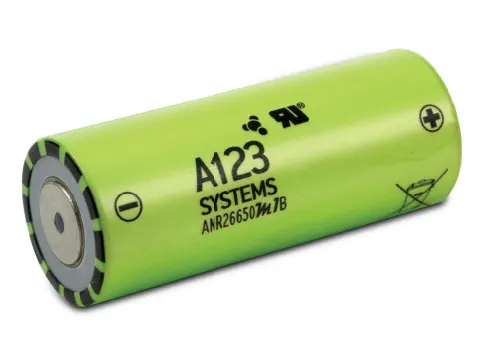
ANR26650M1-B, LithiumWerks Nanophosphate®
Lithium Iron Phosphate (LiFePO4) (formerly A123)
3.3 Volts, 2.5 Ah Cylindrical Battery
NOTE: In March of 2018 LitiumWerks acquired the rights to produce the A123 ANR26650M1-B
The product that will ship is the LithiumWerks ANR26650M1-B cell as pictured above.
For more information about this cell please call us at (800) 650-8810
| ANR26650M1-B Pricing | ||
| 5 - 24 | $ 7.90 | |
| 25 - 99 | $ 7.24 | |
| 100 - 999 | $ 6.68 | |
| 1000 + | $ 6.21 | |
| Distributor Level Pricing: Call | ||
For distributor level pricing please call (800) 650-8810 or email us at [email protected] for a quote.
The minimum order for this price group is 5 batteries
The Case quantity for the ANR26650M1-B is 100 batteries
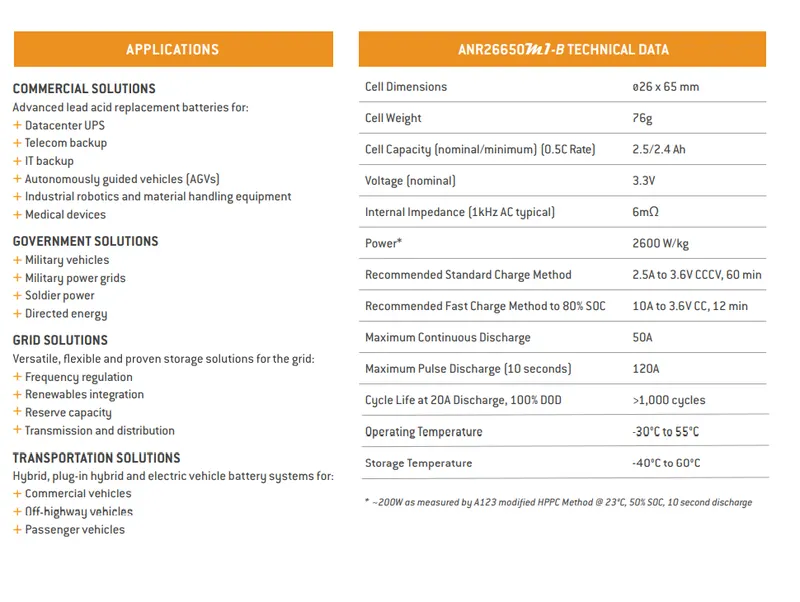
ANR26650M1-B Specifications
Nominal Ratings
Voltage: 3.3 Volts
Capacity: 2.5 Ah
Energy: 8.25 Wh
Specific Power: 2600 W/kg
Impedance (1KHz AC Typical) 6 mΩ
Cycle Life at 1C/1C, 100% DOD: > 4000 cycles
Cell Type: 26650 Lithium Ion Power Cylindrical Cell
Discharging
Max Continuous Discharage: 50 A
Max Pulse Discharge Current >50% SOC (10s): 120 A
Minimum Voltage: 2 Volts
Temperature: -30ºC to 55ºC
Charging
Recommended Standard Charge: 2.5 Amps
Max Charge Rate: 10 Amps
Max Pulse Charge Current <50% SOC (10s): 25 A
Float Voltage: 3.45 Volts
Recommended charge V & Cut-off Current: 3.6 Volts, taper to 125mA
Temperature
(reduce charging current to 250mA when under 0ºC): 0ºC to 55ºC
Mechanical
Diameter: Ø25.96 +/- 0.5 mm (1.0")
Length: 65.15 +/- 0.5 mm (2.6")
Mass: 76 g
Certifications
Transportation: UN 3480 (UN38.3), CIQ
Safety: UL 1642, IEC 62133
The LithiumWerks ANR26650M1-B is the next generation of A123 Systems’ pioneering 26650 cylindrical cell, now with greater power and energy density and lower impedance. This versatile lithium ion cell is suitable for a wide variety of applications and system designs. Proven performance in the toughest conditions, combining durability, reliability, and safety, the ANR26650 cell offers an excellent combination of price-performance.
Cylindrical Cell Primary Applications:
- Portable high power devices
- Stationary battery backup systems
- Grid stabilization energy storage systems
- Commercial truck and bus hybrid electric vehicles (HEVs)
Lithium Ion Cell Benefits:
- Power: Over 2,600 W/kg and 5,800 W/L
- Safety: Excellent abuse tolerance and environmentally friendly
- Life: Excellent calendar life, 10X cycle life vs. conventional lithium ion
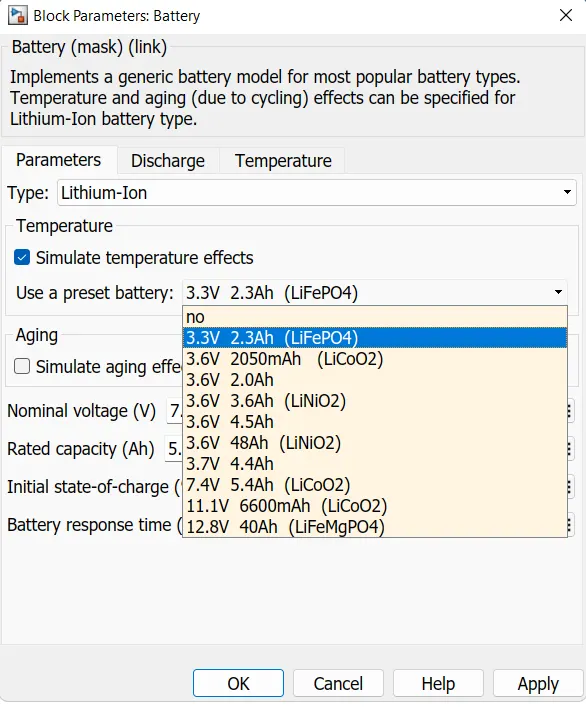
18KW battery pack macking battery power Calculation, cells count
Power (BP)=V(BP)*I(BP)
V(BP)=250 V (Required voltage for application assumptions)
indivitual cell vottage
V cell=3.3
Number of cell based cell voltage =V(BP)/V cell
= 250/3.3
=75.75 ~=76 cells connected with series
I(BP)=Power (BP)/V(BP)
= 18000/250
= 72 Ah
I cell =2.3 Ah
Number of Cell based cell current =I(BP)/I cell
=72 Ah/2.3 Ah
= 31.3 ~= 31 cell connected with parrallel
Total number of cell= Number of cell based cell voltage * Number of Cell based cell current
=76 series* 31 parrallel
= 2356 cell
Total weight of 18 KW battery pack =Total number of cell * indivitual cell weight
= 2356* 76 g
= 179056 g ~= 179 kg total weight of batty Pack
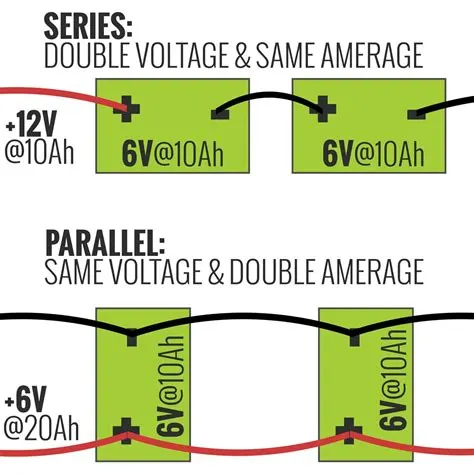
Battery connection weding method
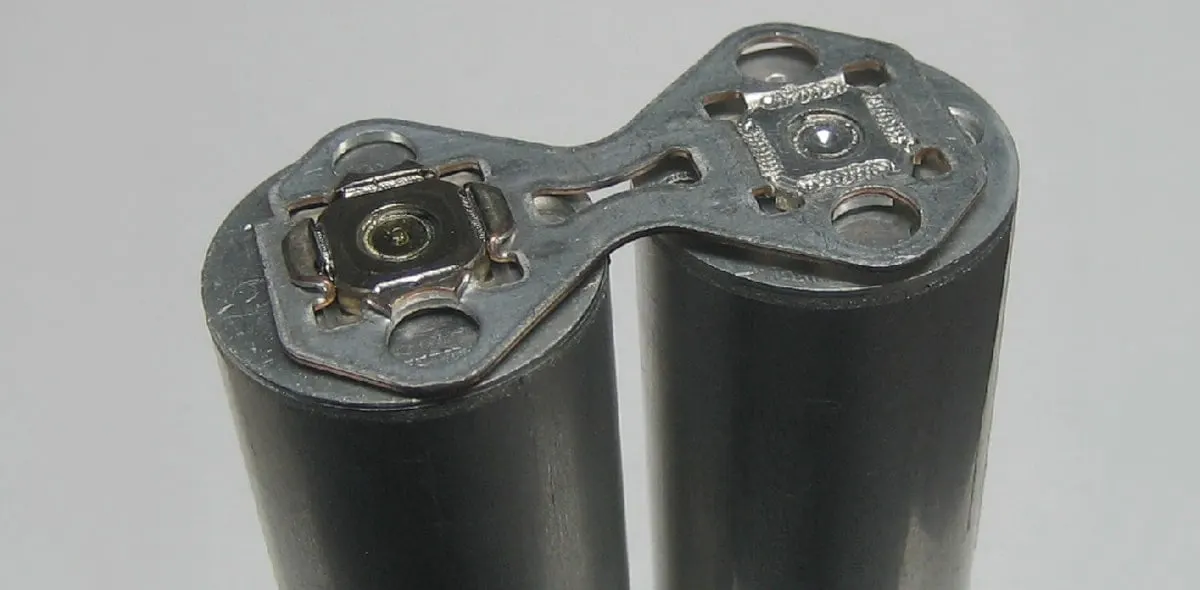
Resistance spot, ultrasonic or laser beam welding are mostly used for connecting battery cells in the production of large battery assemblies. Each of these welding techniques has its own characteristics depending on the material properties and contact geometry. Cell casing and terminal dimensions may constrain possible contact geometries.
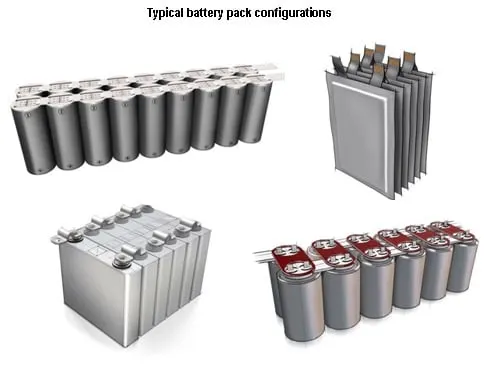
Fiber laser welding
The laser welding process is non-contact, has no consumables, and offers instantaneous welding once the laser is positioned at the weld point location. Furthermore, you can closely control and optimize the weld size and location on the part for strength and conductivity. You can also tailor the motion options to the manufacturing environment.
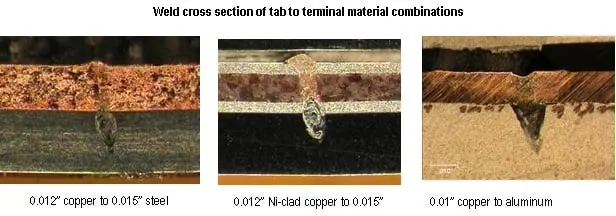
Fiber lasers can be used for tab-to-terminal welds on prismatic, cylindrical, pouch, and ultra-capacitor battery types. The tab thickness can vary from 0.006-0.08-inch for both aluminum and copper tab material, depending on the size of the battery. The fiber laser can weld many material combinations, including aluminum to aluminum, aluminum to steel, copper to steel, and copper to aluminum. The figure above shows examples of fiber laser welding of common dissimilar materials combinations for tab-to-terminal welding.
Resistance welding
Resistance welding is the most cost-effective method for joining tabs, using both DC inverter closed loop and capacitor discharge power supplies. With fast rise times, closed loop feedback control, polarity switching, and options for displacement and force sensing, the process can be finely tuned and monitored to ensure both high quality and yield.
Resistance welding is a great choice for welding nickel tab material up to 0.015-inch thickness, and nickel or steel clad copper tab material to around 0.012-inch thickness to a wide variety of terminal materials.
For nickel tab thicknesses up to 0.0070-inch, the tab can be welded as is, with no modification. For thicker tabs, one should place a slot and projections in the tab as part of the stamping process to prevent electrical shunting and excessive electrode wear.
Battery Cooling & Heating – Battery Plate
To provide maximum lithium-ion battery life and optimum performance, Modine’s advanced battery cooling and heating solutions regulate battery temperatures within their optimal operating range under all conditions by transferring heat from a battery cooling plate through a two-phase battery chiller.
Features and Benefits
- Mechanical and thermal interface to regulate the battery pack’s temperature.
- Heated/cooled coolant flows through a cooling surface, which is in good thermal contact with the battery cells.
- Coolant fitting alternatives available.
- Design options:
- Dimpled coolant passages with lower internal pressure drop.
- Coolant passages with turbulator insert with higher pressure drop and increased heat rejection capacity.
- Customizable plate sizes and coolant flow path.
- Design developed to optimize flow distribution, internal pressure drop, thermal resistance, and surface temperature gradient.
We continue to build on the advantage of our battery heating and cooling innovations to provide customers optimum battery life and performance.
Injection Molded Plastic
Enclosures made from injection molded plastics are most commonly used for battery packs. For these enclosed pack designs, two or more plastic parts are molded and then assembled with the pack and accompanied circuitry. They can be sealed using glue, mechanical fasteners (Screws) or ultrasonic welding. The product cost can be reduced by using insert moldings in which the interconnection strips and the terminals are molded into the plastic parts to eliminate both materials and assembly costs.
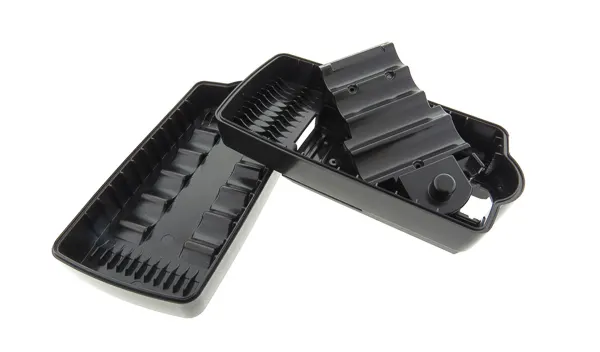
Custom Designed Battery Pack Enclosure Made From Injection Molded Plastic
In some designs, the battery pack can form part of the outer case of the end product and usually requires a mechanical latch to hold the battery in place. This latch as well as the terminals must interface with plastic parts from the device itself so high precision and tight tolerances are essential.
Shrink Wrap or Vacuum Formed Plastic
The simplest and least expensive packaging for small batteries is shrink wrap or vacuum formed plastic. These solutions are only possible if the battery is intended to be completely enclosed by the finished product. In other cases, battery packs are mounted externally and may serve a mechanical function, such as a handle or base for the product. Our extensive experience in designing battery enclosures of all types allow us to enhance the functional design of the product while assuring that the battery passes any shock, vibration and environmental testing required for your application.
CONCLUTION
18KW Battery pack module have to macked to use this method it is useful and applicable