Project 1 Mechanical design of battery pack
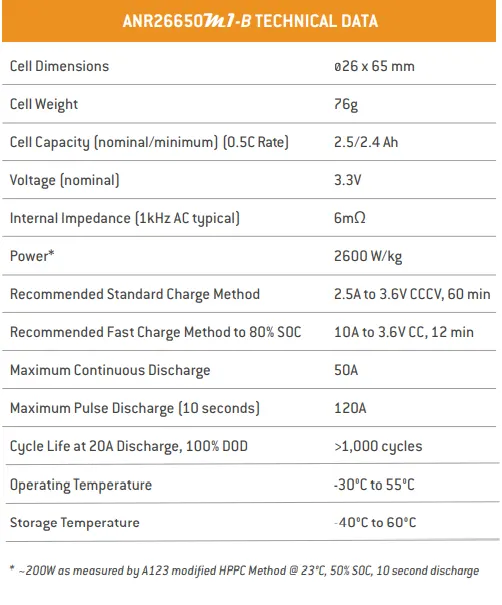
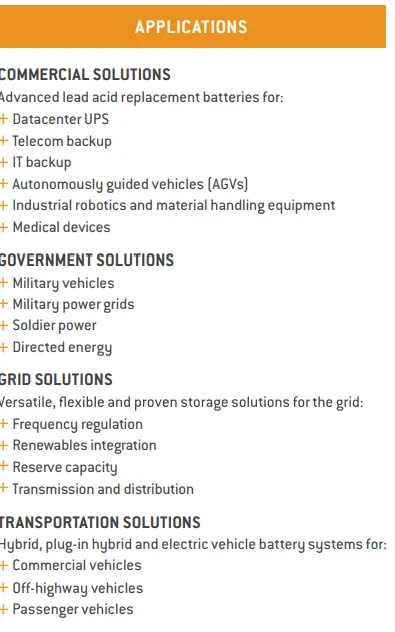
Given cell Datasheet :
Constant power discharge charecteristics :
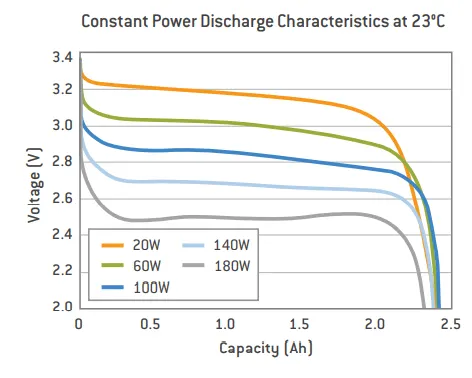
Constant current discharge charecteristic:
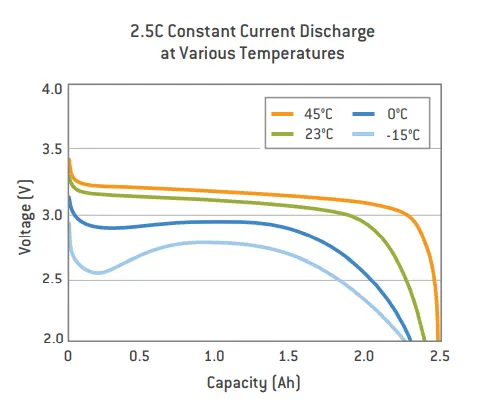
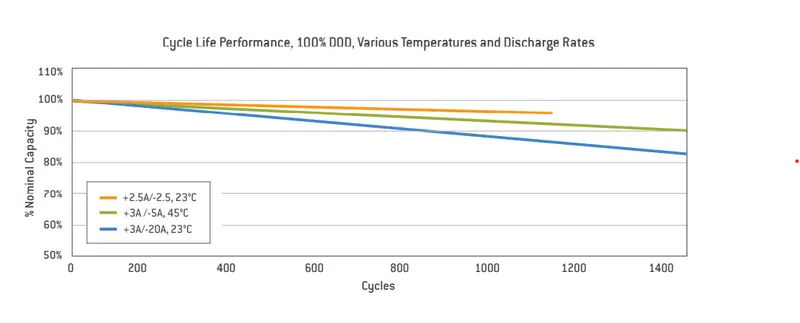
Cell perameter according to cell datasheet :
- Cell dimension = 26 x 65 mm
- call weight = 76g
- cell capacity = 2.5 Ah
- Nominal voltage = 3.3v
- internal resistance = .006 ohms
- power = 2600 W/kg
Calculation :
- Battery capacity = 18 Kwh given
- BAttery voltage = 330v assuming
series connection :
Each cell voltage is 3.3 v and battery pack voltage requirement is 330 v ,
Nuber of cells required to be connected in series are as follow :
Ns = battery pack voltage / individual cell voltage
= 330/33
= 100
So ,here we required 100 number of cells in series connections.
Parallel connection :
Required capacity is 18000 Wh ,
voltage is assued to be 330 v ,
hence current is given by ,
I = capacity /voltage
= 1800/330
= 54.54 Ah
Single cell has capacity of 2.56 Ah
So , number of cells required to be connected in parallel are as follow :
Np = Battery capacity / individual cell capacity
= 54.54 / 2.56
= 22 aprox.
so ,here we required 22 number of cell in parallel connection .
Total Number of cells are -
= Number of cells in series x number of cells in parallel
= 100 *22
= 2200
So we required 2200 cells for battery pack
Cell Architecture :
There are 100 cells in series and 22 cells in parallel.
100s22p
Design of battery pack :
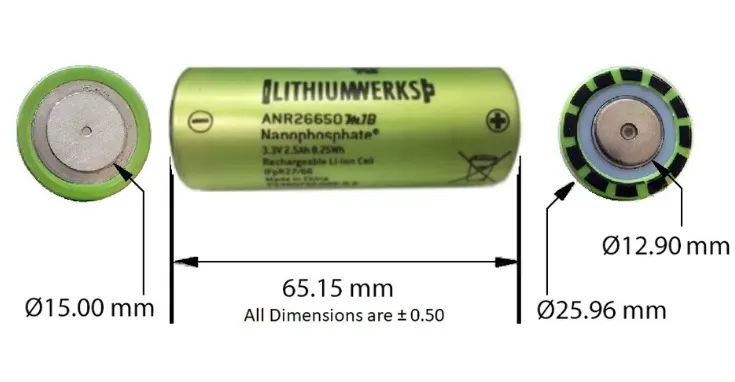
- Cell diameter = 26 mm
- cell height = 65 mm
- cell weight = 76 g
Length of casing (L) = number of cells at series x (cell diameter + margin at the both side of cell ) + Clearance at side
= 100 x ( 26 +4) + 60
=3060 mm
Breadth of casing (B) = Number of cells at parallel x (cell diameter + margin at the both side of cell ) + Clearance at side
= 22 x (26 + 4) + 60
= 720
Height of casing (H) = height of cell + margin of wiring + cell holder and metal strip
= 100 mm
Weight of battery pack :
cell weight = 76 g
number of cells = 2200
Battery pack weight (W) = cell weight x number of cells + weight of accessories
= 76 x 2200 + 4.5
= 167.2 kg
Connection of cells :
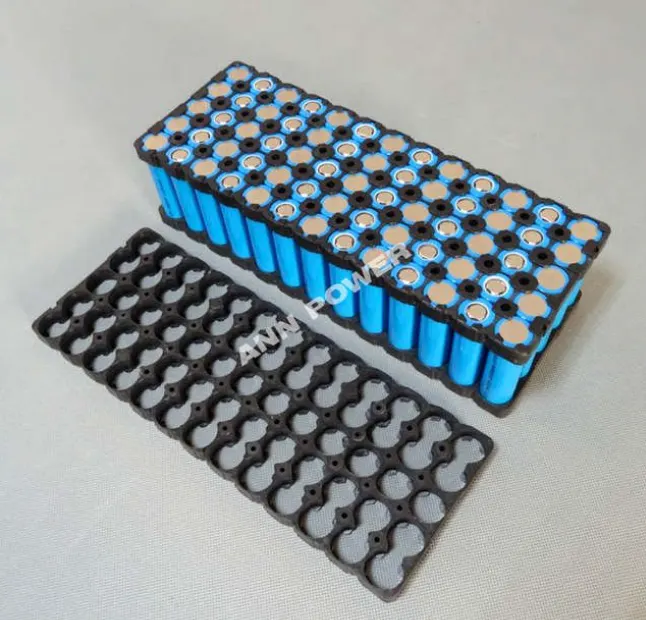
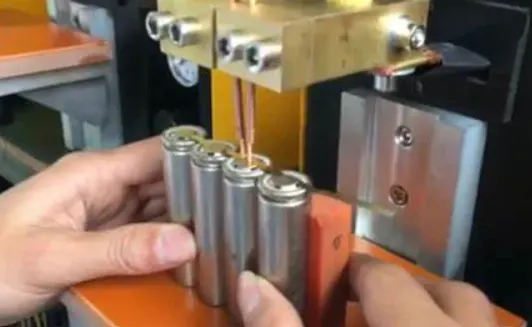
- Cells are connected with the help of Nickel strips .
- Nickel is used because it has high heat capability .

Welding :
- To connect cells the nickel strip are used and are welded by following methods :
- Spot weiding
- Laser welding
- Wire welding .
Cell insulation :
- The outside case of battery is electrically connected to the positive end of the cell .
- This surface is electrically isolated from an electrical bus bar or mechanical support that may be of different voltage potential .
- Insulation ,such as tapes , shrink wraps , or sleeves , must have at least a 150 degree C melting point .
- This helps to ensure that the cells do not short circuited to each other at a high temperature.
Cell protection :
- Cell is protected from exposure to corrosive substance and oxidizing catalysts ,such as dust and moisture .
- The necessary level of protection for cells in a battery pack varies depending on the intended application .
- The battery pack design for use in an HEV must have an enclosure that isolated cells from shock and vibration , protect them from dirt and debries , as well as shield them from other environmental dangers ,such as salt spray.
- Even a sealed enclousre is subjected to pressure differentials between its inside and the ambient ,causing minute amounys of air exchange .
- Over a time , some moisture may accumulate and condense on inside srface .
- Enclosure protecting cells must work with the thermal management system to achieve optimum durability and safety of the battery pack.
Cell Testing :
- Various call testing is done to check the battery performance and mechanical strength.
- Battery pack are subjected to comprehensive testing to ensure that the electronic are performing correctly .
- The protection circuit is check by applying a short circuit across the terminals for 1 to 2 second and checking that the current path is cut with in prescribe period and the battery recovers afterward.
Aging test :
- Various test is taken to check the self depliting charecteristics of battery .
- Life cycle test
- capacity fade test
- calender test
Performance test :
Following performance test are performed :
- Dynamic load test
- HPPC test
Safety test :
- Cell short circuit test : This test is carried out to check the short circuited conditions .
- cell overcharging test : This test is carried out to check the what will happed if battery is overcharged.
- Cell nail penetration test : in this test the cell is given indentation to see that how much toughness it has .
- Fire resisitance test : To check the fire resistivity of the cell .
Mechanical test :
- Vibration test : in this test the battery pack is applied to external load to check the vibration capacity of battery pack during various condition .
- Shock test
- water proof test .
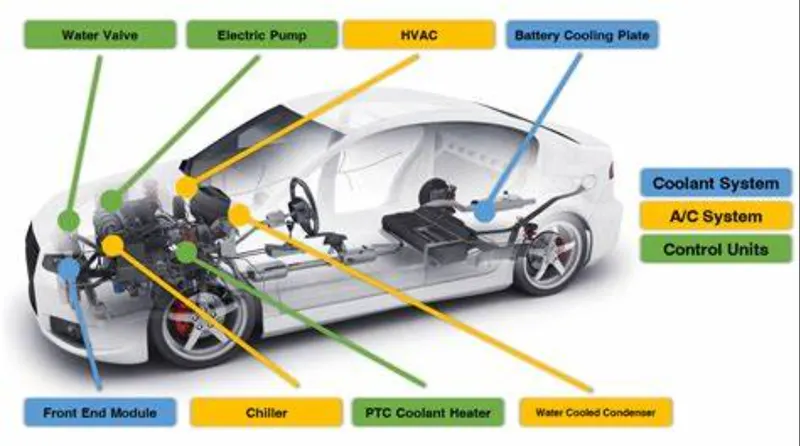
Thermal management :
- Cell operates throughout a wide temperature range , they are most effective between 25 degree C to 35 degree C .
- However it can be operated between 15 degree C to 45 degree C.
- Carefull attaintion to the thermal management is necessary to keep the cells operating at peak efficiency and avoid fault conditions .
- In HEV vehicles operating in cold climates - where a heater is beneficial to keeping the cell operating in their optimal range .
- There are various method to avoid thermal rumaway occuring in the battery .
- Passive cooling and active cooling .
Battery management system :
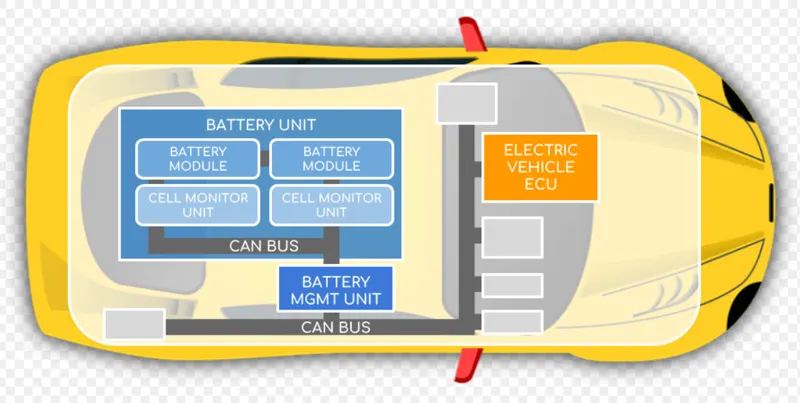
- It is electronic device which combination of hardware and software .
- The BMS and cells together form the energy management system .
- BMS isused to control various parameter like current ,vlotage and temperature of the battery .
- To protect the cell from being damage .
- To inprove the life cycle of the battery pack.
- To maintain same SOC level of battery .
- To report to user or other devices.
Recycling :
- Recycling of battery is very important process .
- After some time the capacity of battery is decrease .
- So that battery is not usable for EV.
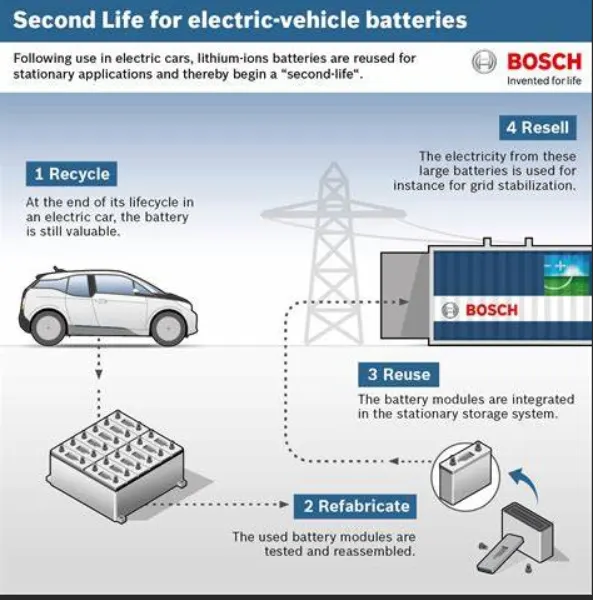
- The process of recycling ,refabricating and reusing only battery are called secondary life of battery.
- Second way is to extract the material from the battery .