Project 1 Mechanical design of battery pack
AIM
- To prepare a mechanical design of a battery pack with ANR26650M1-B (LiFePO4) and a capacity of 18 KWh along with its enclosure.
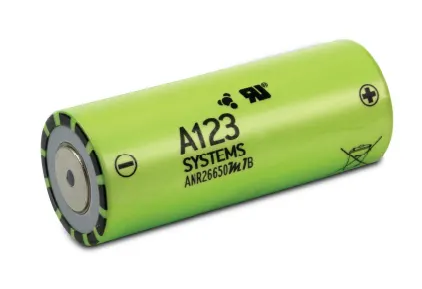
- ANR26650M1-B is a high-performance Nanophosphate lithium iron phosphate (LiFePO4) battery manufactured by A123 systems
- It has high power and energy density with minimal capacity loss.
- It delivers excellent safety performance and extensive life cycling in a lighter weight, more compact design and package.
Datasheet of ANR26650M1-B
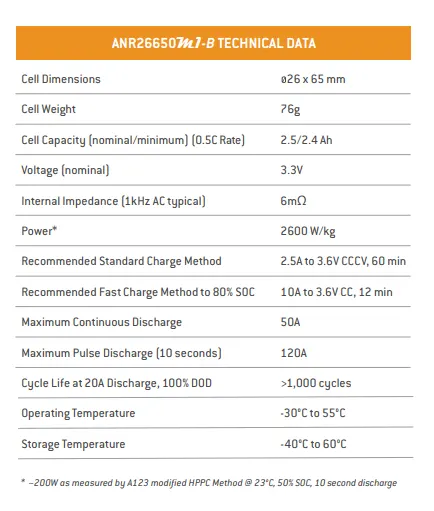
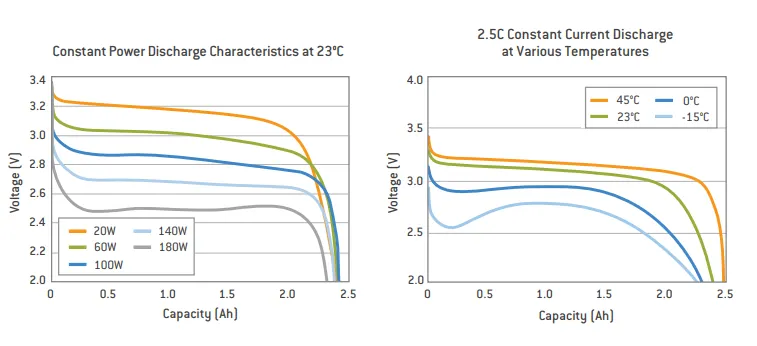
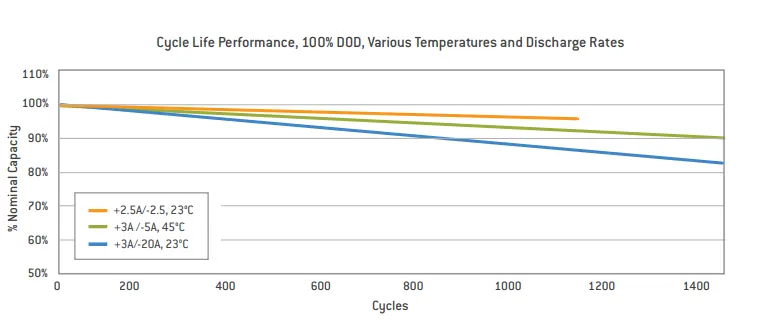
From datasheet,
Nominal voltage = 3.3 V
Nominal cell capacity = 2.5 Ah
power = 2600 W/Kg
Energy of a cell = nominal voltage * nominal capacity
= 3.3 * 2.5
= 8.25 Wh
for designing the battery pack with a capacity of 18 KWh,
let's consider,
the total battery pack voltage = 375 V
total capacity = total energy / total voltage of battery pack
= 18000 / 375
= 48 Ah
to find number of cells in series/parallel combination,
In series connection current remains same and the voltage compounds
No of cells in series (Ns) = total voltage of battery pack / nominal voltage
= 375 / 3.3
Ns = 114 (rounded)
In parallel connection, voltage remains the same and capacity compounds
No of cells in parallel (Np) = total capacity of battery pack / nominal capacity
= 48 / 2.5
Np = 20 (rounded)
the battery pack configuration are 114s20p
total no of cells = 114*20 = 2280
Dimensions of cell
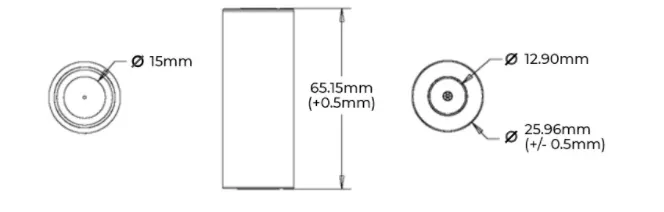
Length of the casing = Ns * (cell diameter + margin at both sides of the cell) + clearance at side
= 114 * (26 + 4) + 60
= 3480 mm
Breadth of the casing = Np * (cell diameter + margin at both sides of the cell) + clearance at side
= 20 * (26 + 4) + 60
= 660 mm
Height of the casing = height of the cell + margins of wiring, strips
= 65 + 35
= 100 mm
the dimensions (L*B*H) = 3480*660*100 mm
Weight of battery pack = Number of cells * weight of a cell + other accessories weight
= (2280 * 76) + 6
= 173 Kg
construction of battery pack
1. selection of batteries and their total numbers based on the above calculations. the individual voltage of the cells should be checked.

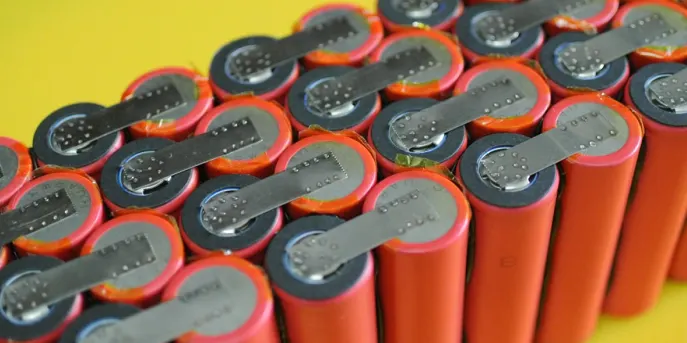
2. select the required battery strips. pure nickel strips are widely used as it has low resistance meaning less heat generation while charging/discharging

3. assemble the cells in a suitable holder

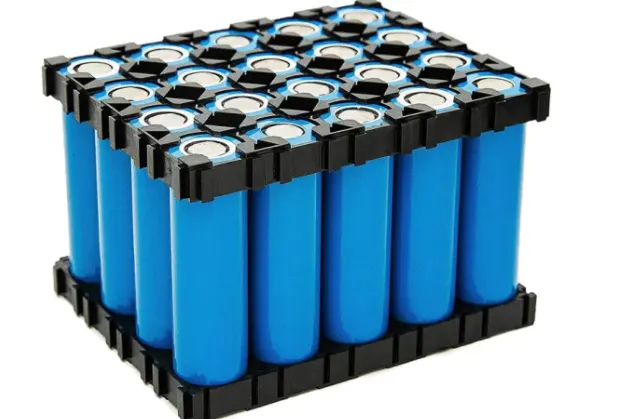
4. spot weld the battery strips
5. Adding the BMS - A battery management system (BMS) is an electronic system that manages a lithium battery pack that monitors all the cells in the battery pack disconnecting it from the input power source when fully charged. used to balance all the cell's voltage equally and doesn't allow the pack from being over-discharged.
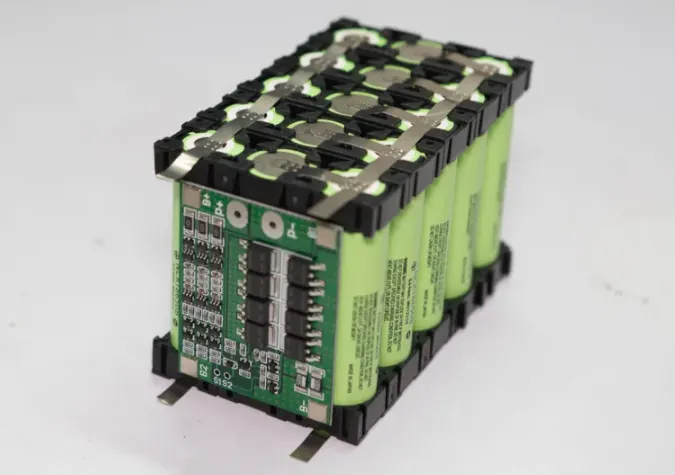
6. wiring harness - including BMS, load, other protection circuits are done
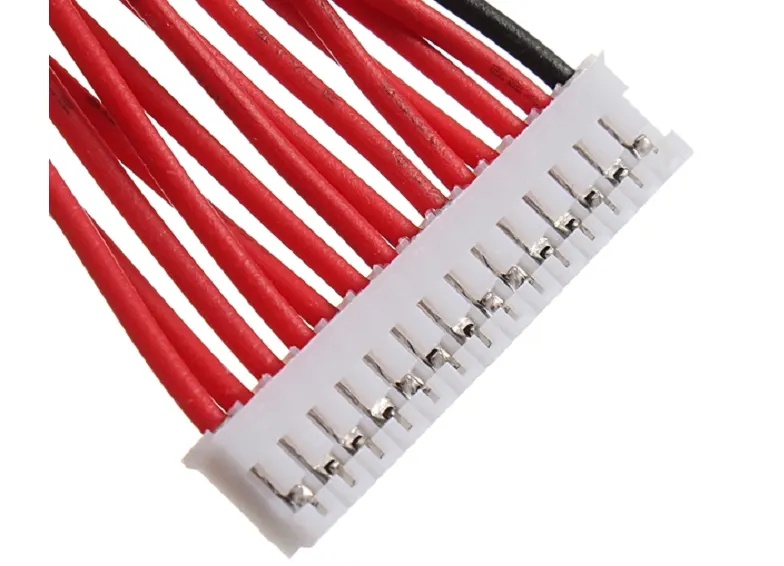
7. Enclosure - The enclosure is able to secure the modules during sudden accelerations or decelerations from crash scenarios, allows for airflow to cool the cells, and allows for convenient serviceability of the modules.


the total battery pack would look like this,
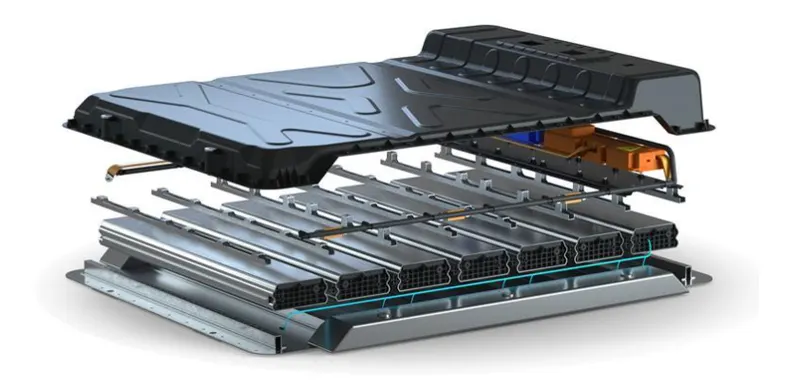 (all images are sourced from google)
CONCLUSION
Thus a mechanical design of a battery pack with ANR26650M1-B cells for a total capacity of 18 KWh is prepared by calculations based on the datasheet along with its enclosure.
Reference:
https://www.batteryspace.com/prod-specs/6610.pdf
https://www.electricbike.com/introduction-battery-design-1/
https://x-engineer.org/ev-design-battery-calculation/