Project 1 Mechanical design of battery pack
Project 1 Mechanical design of battery pack:
To Create a Battery pack of capacity: 18 kWh of Cell: ANR26650M1-B. Prepare a detailed battery pack drawing along with its enclosure. State your assumptions.
Solution:
Datasheet of the Cell: ANR26650M1-B <<< Click Here to Download
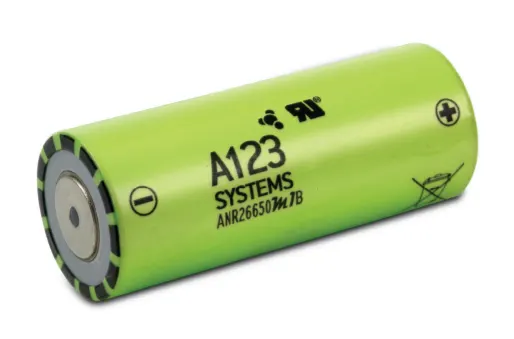
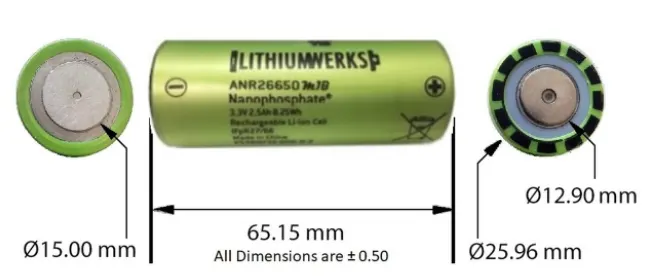
Cell Specification From the datasheet:
Manufacturer: A123 Systems
Manufacturer part number: ANR26650M1B
Voltage: 3.3 Volts
Capacity: 2.5Ah
Type: LiFePO4
Diameter:
- Dimensions:25.96 +/- 0.5 mm
- Length: 65.15 +/- 0.5 mm
- Mass: 76 g +/- 1.0 g
The calculation for a Battery pack of capacity: 18 kWh
we know,
Voltage = 3.3V
& Current= 2.5A
so,
=>Power of unit cell= V*I
=> P=V*I
=> P=3.3*2.5
=> P=8.25 kW for one cell.
given to construct an 18kWh Battery pack,
=> 18*1000 Wh
let x be the total number of cells used in making a 18000Wh Battery with 8.25Kw Cells.
=> number of cells = 18000/8.25
=> number of cells = 2181.81 as calculated
=> number of cells ~= 2181 (Combination of series and parallel)
as we know if we connect cells in Series we get the voltage and in parallel we get Current.
2181 is a very odd number of cell combinations, either we have to include a few cells or exclude a few cells for the battery pack.
=> square root(22181)
=> 46.70
so I am taking 47 cells in series and 47 cells in parallel which is 2209 total cells.
which means I am designing a battery pack of
Voltage: 47*3.3 =155 V
Capacity: 47*2.5 = 117Ah
from this, we will get 155*117 = 18.13kWh
Battery Pack Drawing of Configuration of 47S47P:
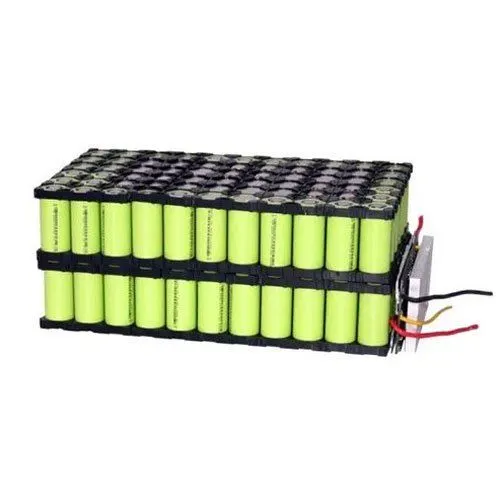
Schematic Diagram:
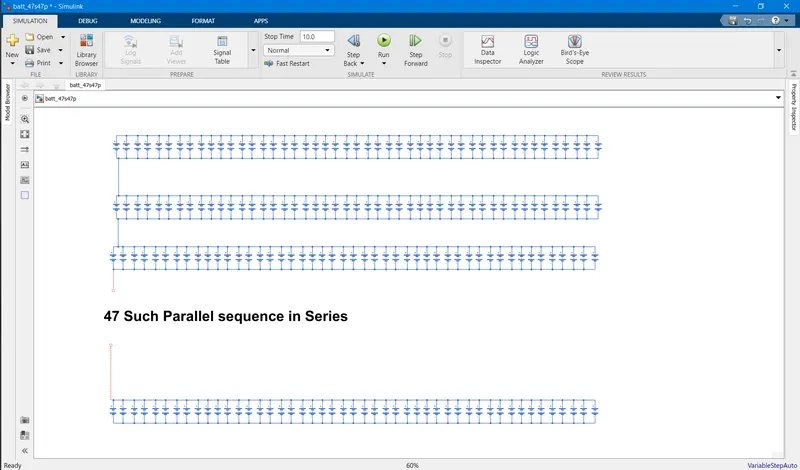
Mechanical Connection:
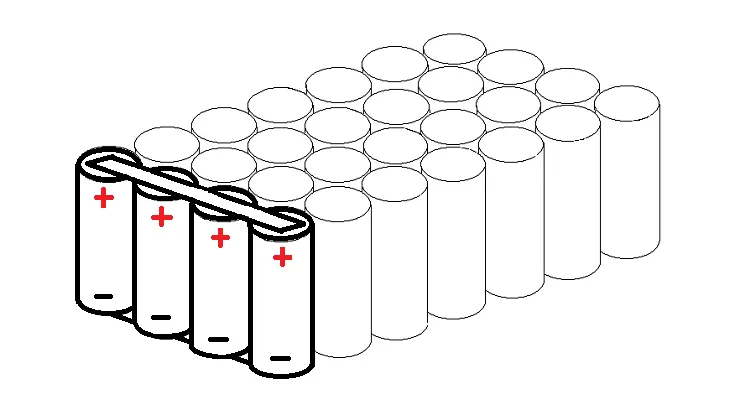
Cells in Parallel, the P-Count
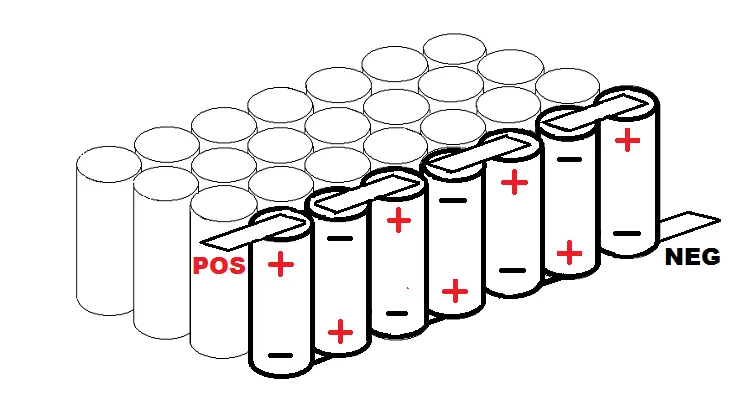
Cells in Series, the S-count
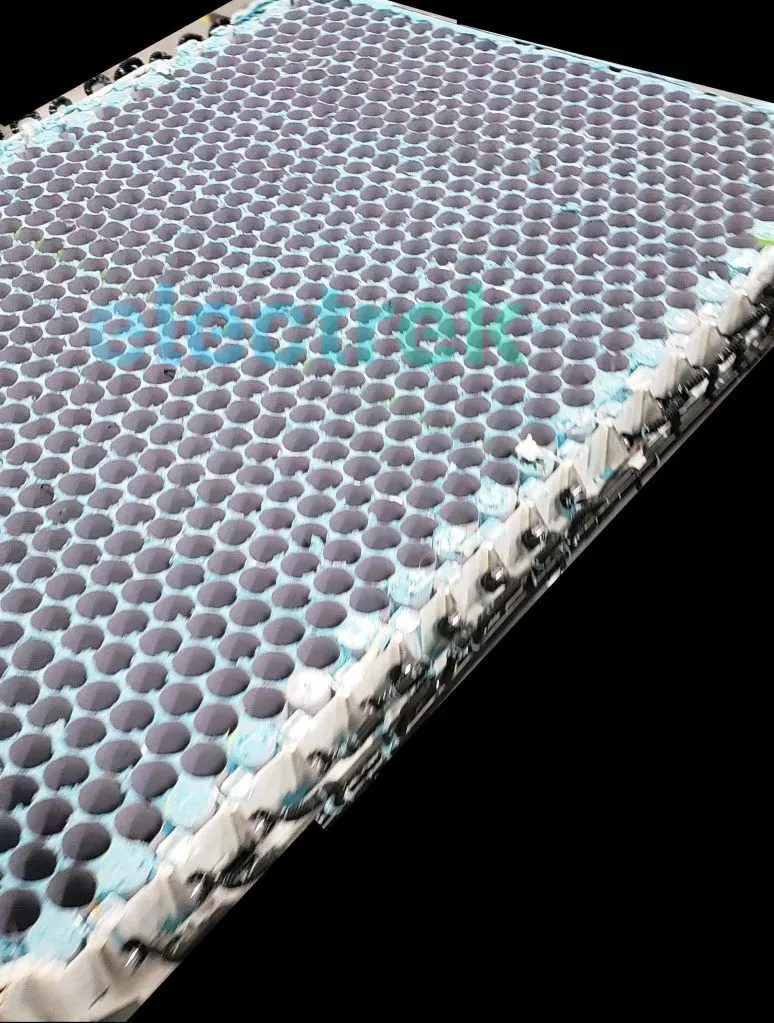
a honeycomb layout in battery for connection:
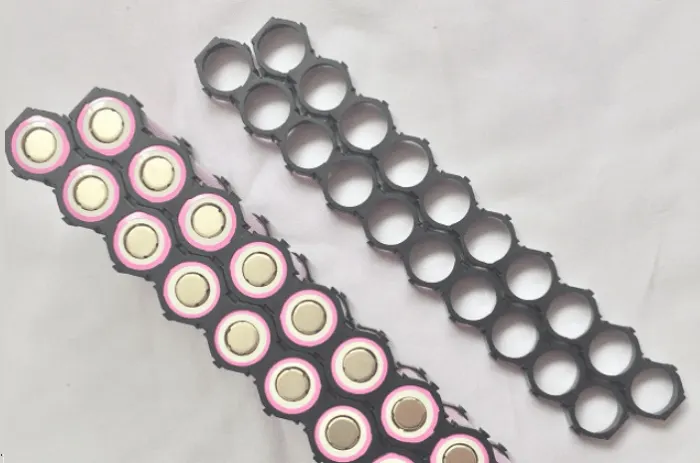
Here are plastic end caps that help space the cells in a honeycomb arrangement.
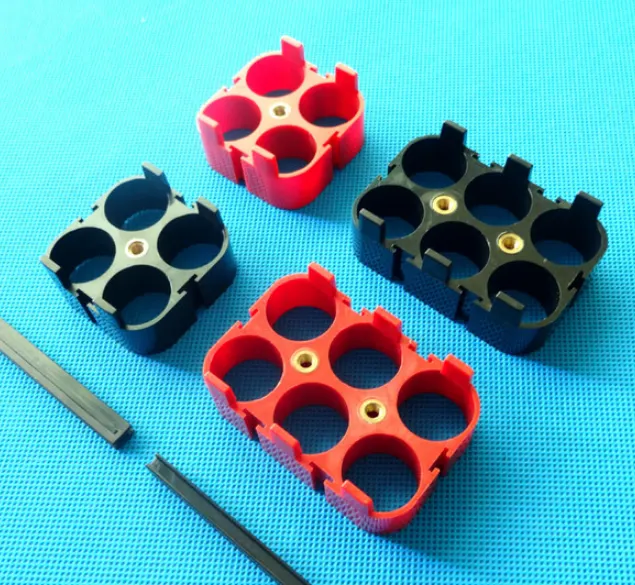
Using a honeycomb layout is mathematically the most compact way to arrange cells. That being said, the common rank-and-file arrangement leaves “just enough” space between four adjacent cells to allow a thin bolt to pass through from one side plate to the other (as seen below), and a honeycomb does not.
The plastic end-cap cell holders are an important safety feature for a DIY pack. The common square layout usually positions the cells so that they are almost touching each other. That means there will be almost no air circulation, and that leads to the cells in the center of the pack gradually running warmer by the end of a ride.
For Example:

This pic is from a battery pack design website in Russia, and it helps you figure out how many cells can fit in your frame.
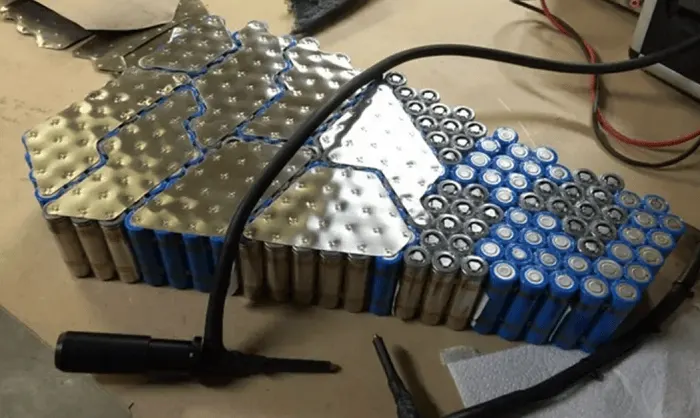
Something like this:
Instead of using nickel ribbon to make the series and parallel connections, you can use a flat plate to accomplish all of the electrical bus functions. This 21S pack has 12P groups, for a HUGE 252-cell pack… Just for example.
Below is the holder of 2000+ Cells in a honeycomb arrangement.
overall battery pack construction:
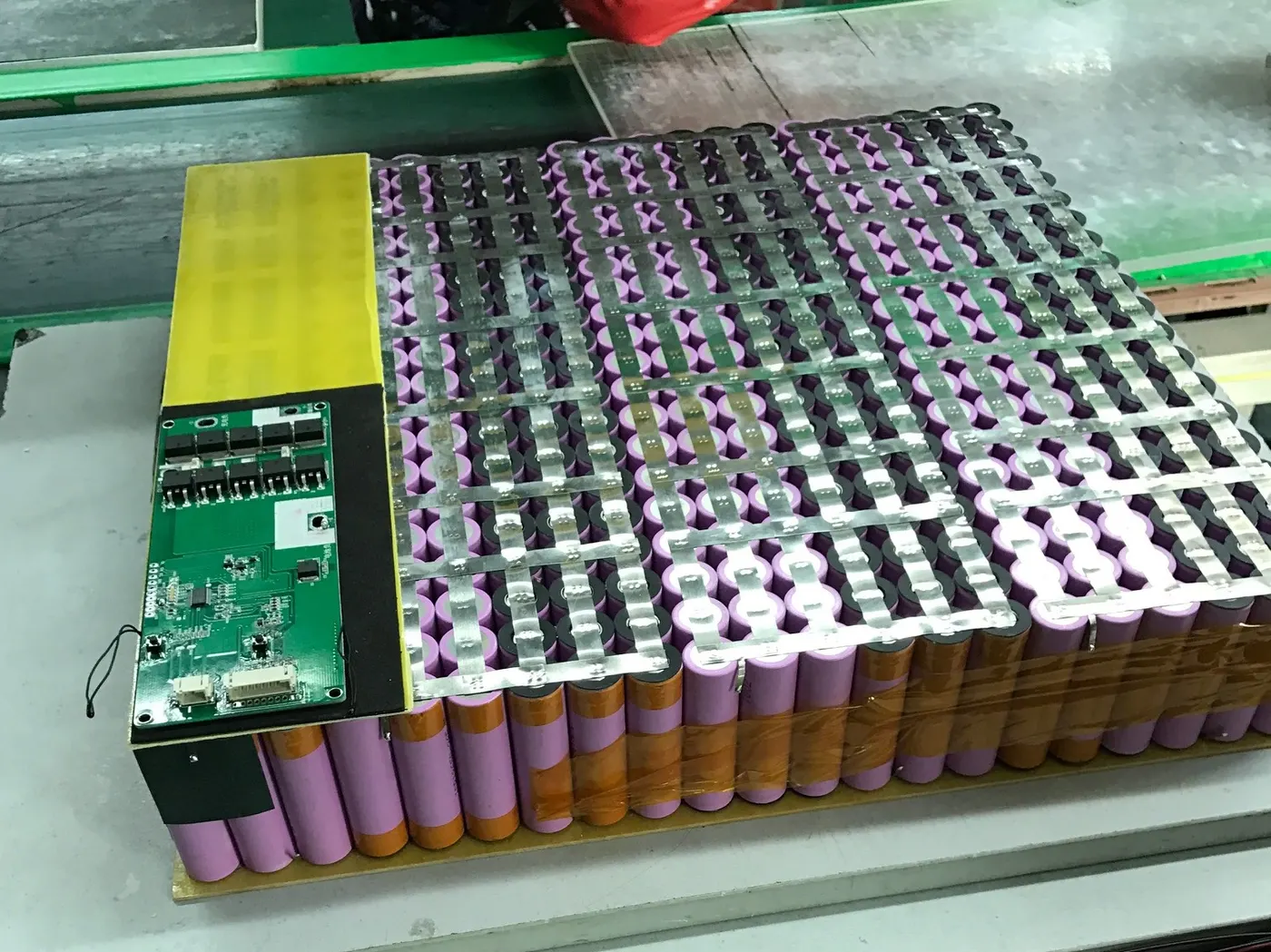
This was my Assumption:
so I am taking 47 cells in series and 47 cells in parallel which is 2209 total cells.
which means I am designing a battery pack of
Voltage: 47*3.3 =155 V
Capacity: 47*2.5 = 117Ah
from this, we will get 155*117 = 18.13kWh