Project 1 : CFD Meshing for Tesla Cyber Truck
Aim - Performing topological cleanup on tesla cyber truck and performing cfd mesh.
Objectives -
- Removing topological errors
- removing penetration errors
- Assigning PID
- Performing CFD mesh
- Improving mesh
- Creating wind tunnel
Procedure -
- Open Ansa Software and load the given geometry
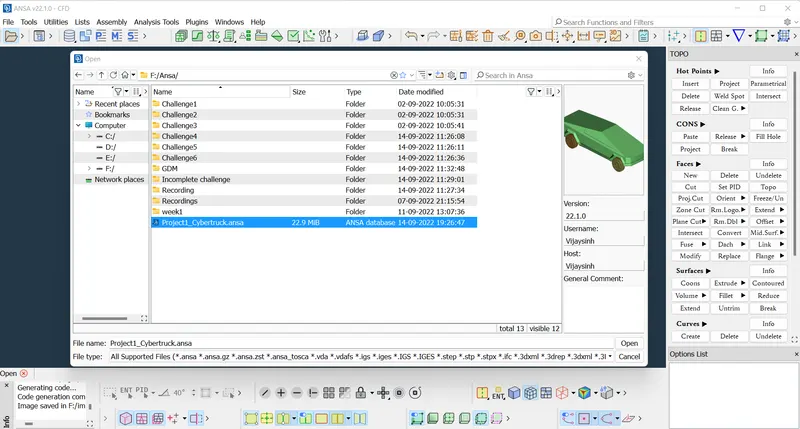
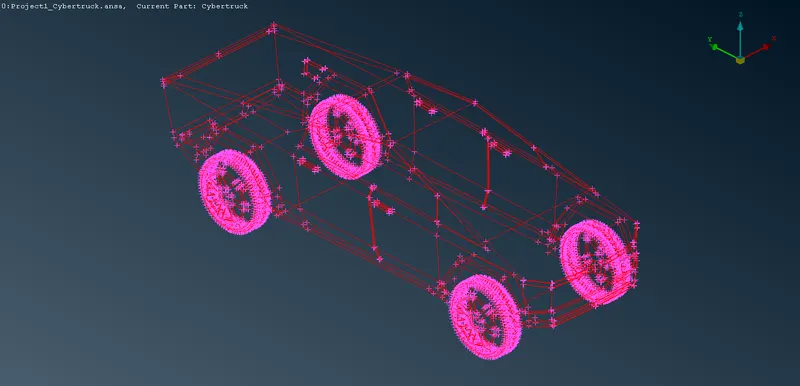
- Model in wireframe view
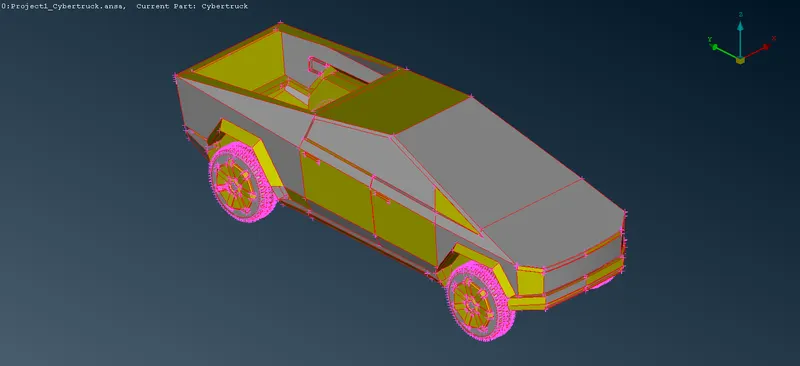
- Model in shadow mode (to check openings)
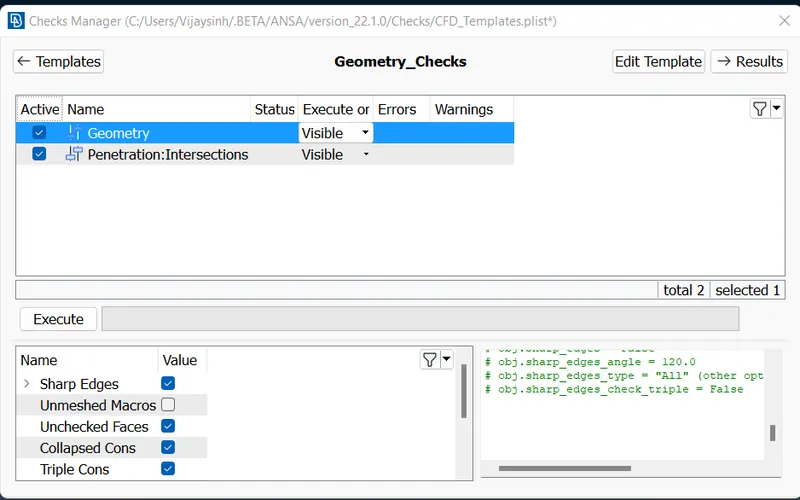
- Checking Geometry using check manager
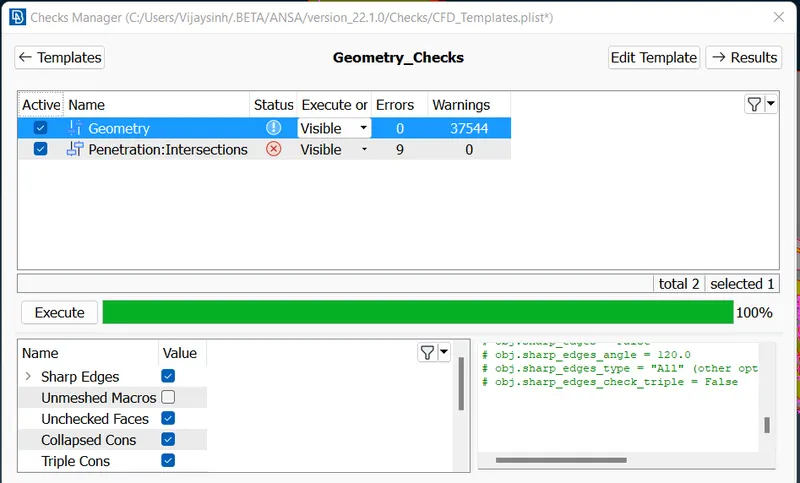
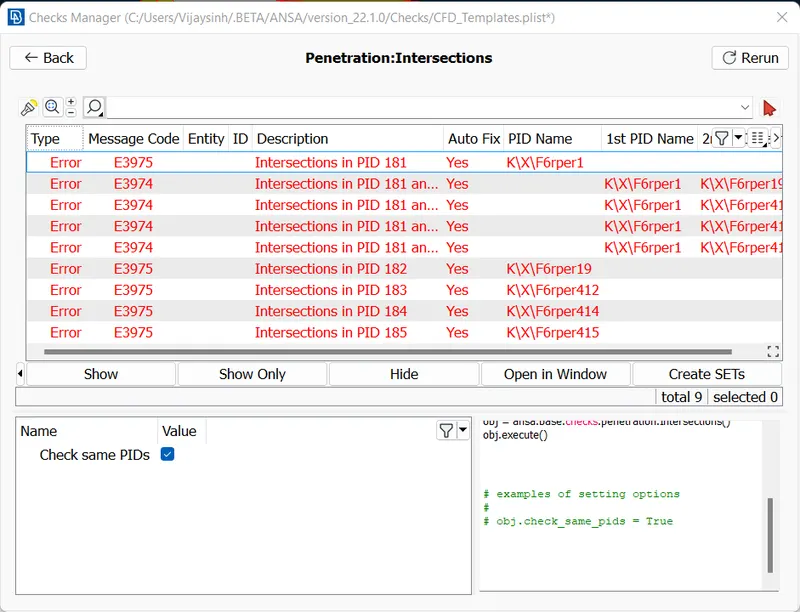
- performing topo to joint single coons with nearby surface
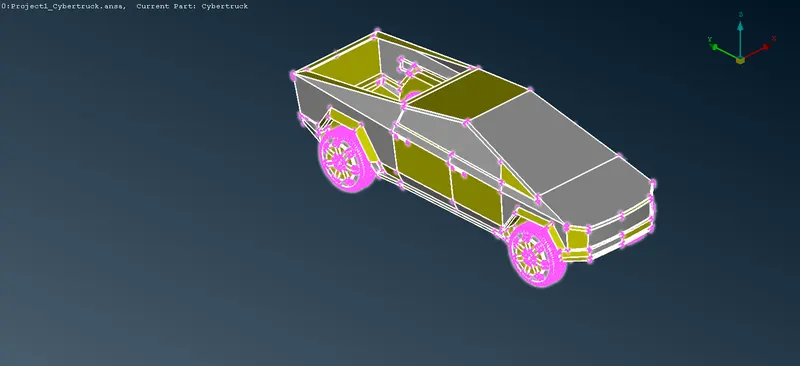
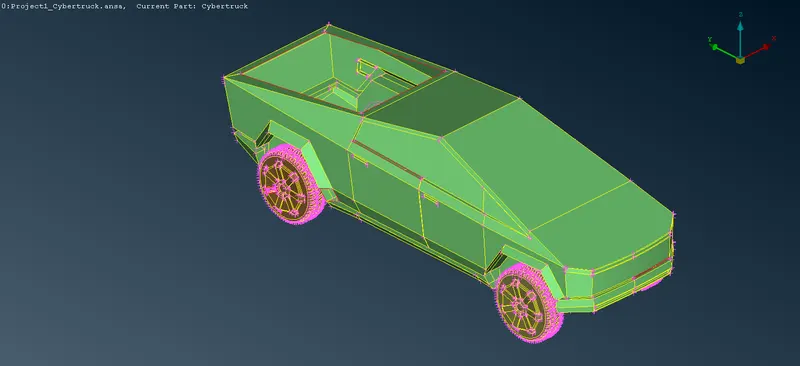
- Enabling single cons only to see the opening. we can see there are lot of single and some triple coons are also present. we have to create surfaces to fill the opening so we can convert single cons into double cons
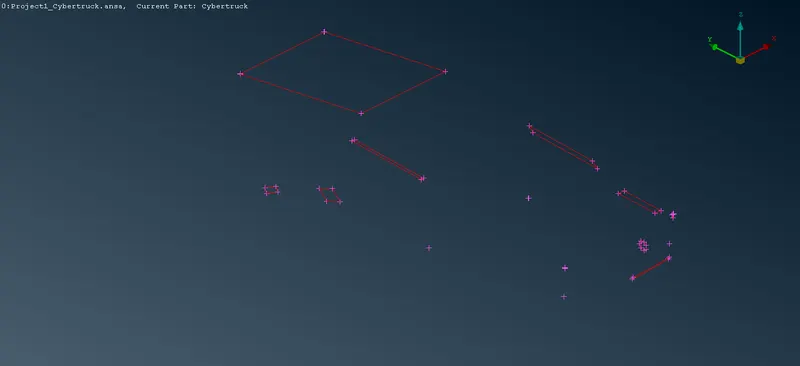
- checking all single coons and creating surfaces one by one
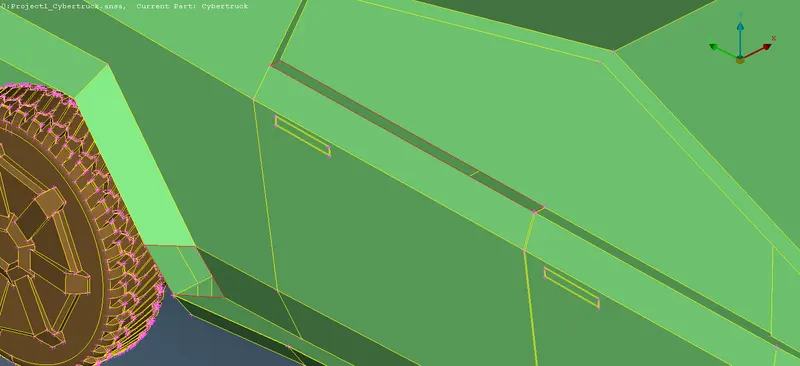
- we can clearly see that there is a small gap on door we have to fill this gap by creating the surface over there
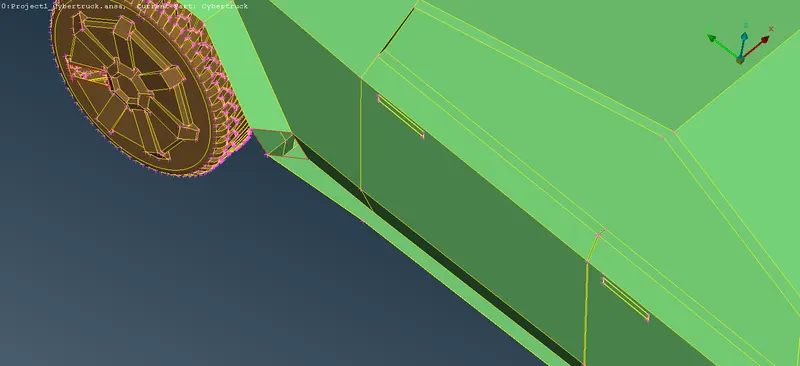
By creating surface using new surface (coons method) we have this clean area (no single cons)
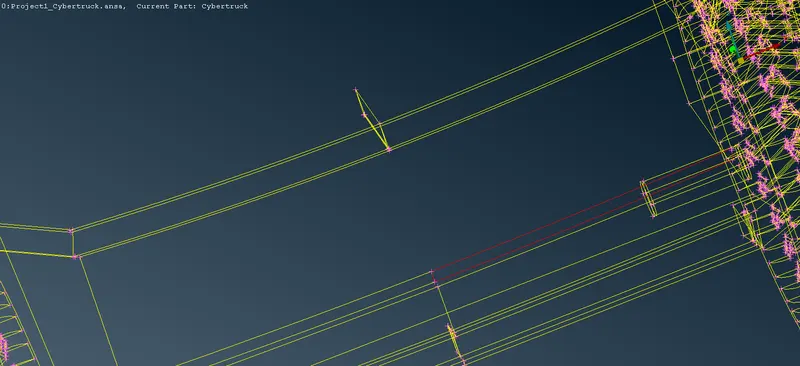
- we can clearly see that there is a small gap on bumper side we have to fill this gap by creating the surface over there
By creating surface using new surface (coons method) we have this clean area (no single cons)
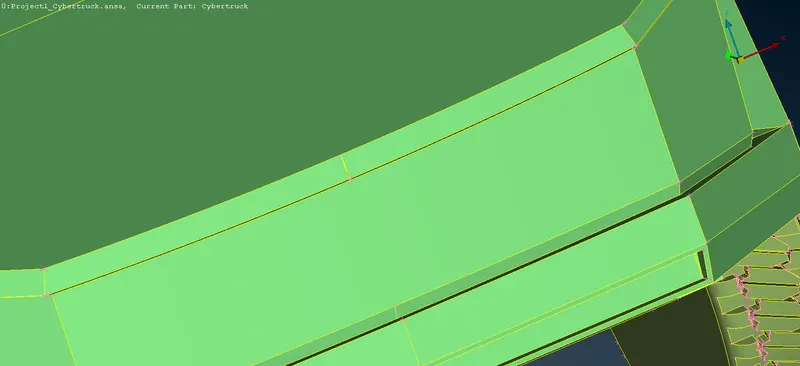
- we can clearly see that there is a large opening on roof top of cyber truck. we have to fill this gap by creating the surface over there
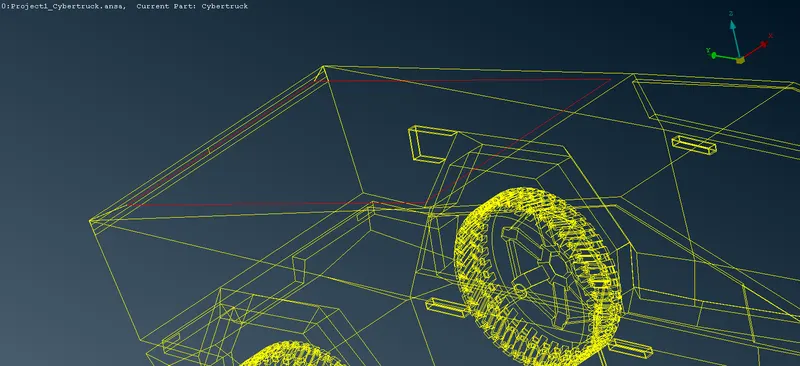
By creating surface using new surface (coons method) we have this clean area (no single cons)
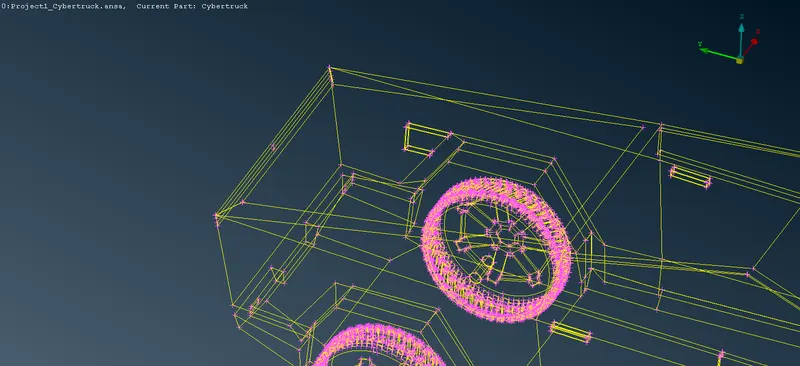
- we can clearly see that there is a small gap on back door side. we have to fill this gap by creating the surface over there
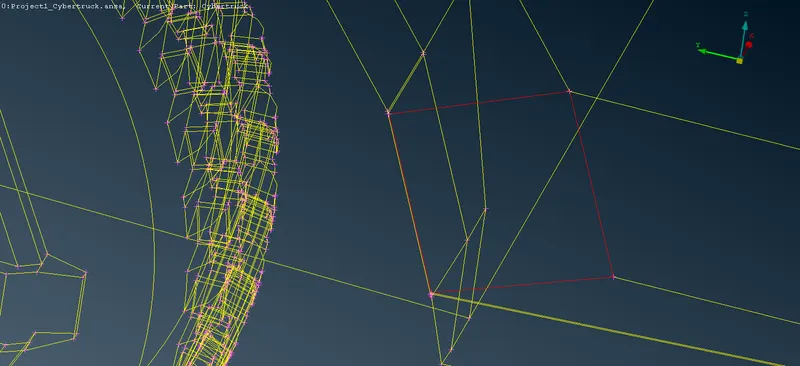
By creating surface using new surface (coons method) we have this clean area (no single cons)
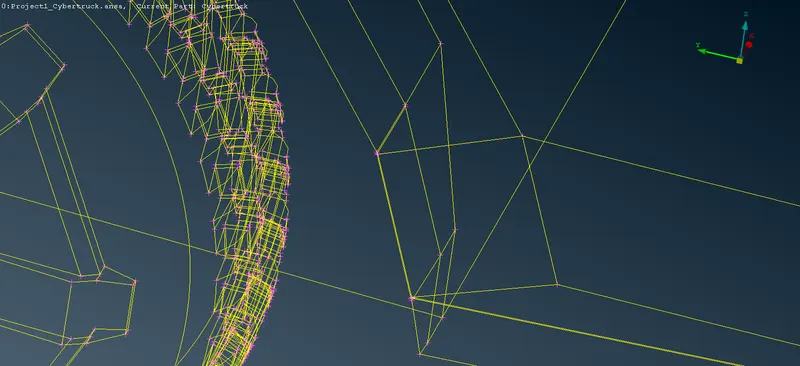
- we can clearly see that there is a small gap on tire rim. we have to fill this gap by creating the surface over there
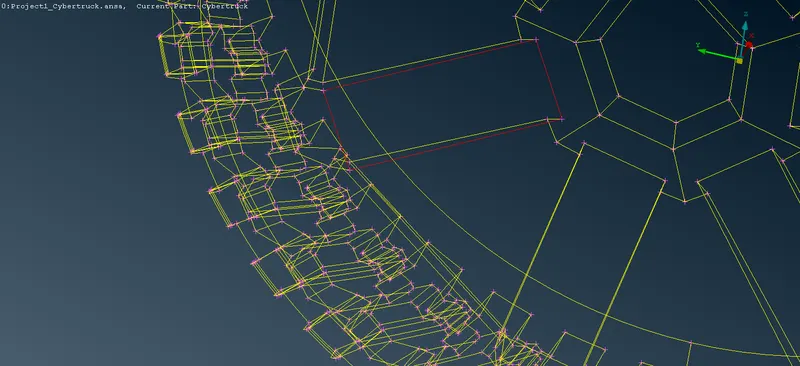
By creating surface using new surface (coons method) we have this clean area (no single cons)
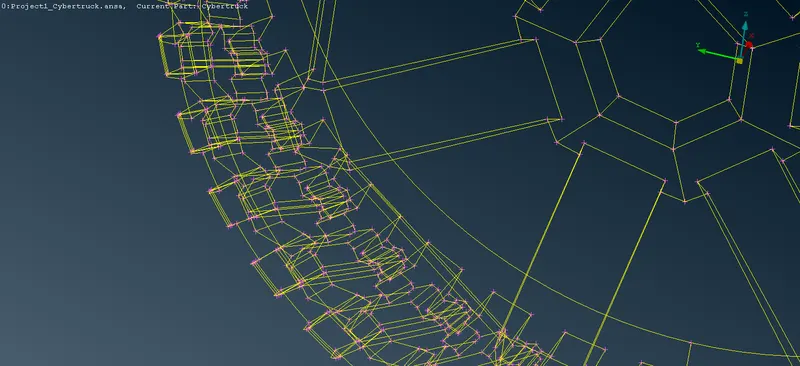
- we can clearly see that there some single cons still remaining we have create surfaces over there.
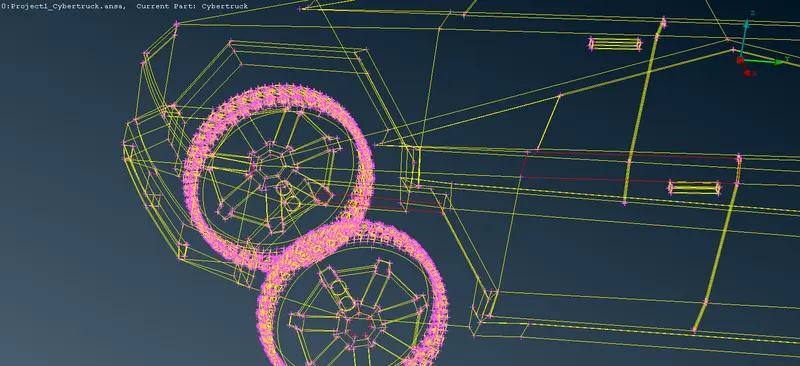
- we can clearly see that there is a very small gap on bumper side we have to fill this gap by creating the surface over there
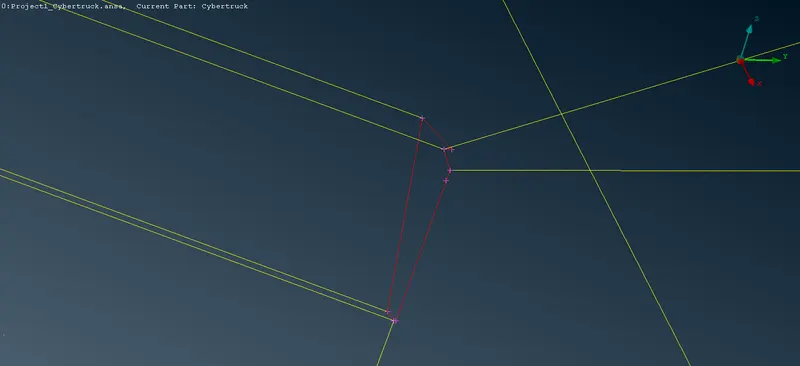
By creating surface using new surface (coons method) we have this clean area (no single cons)
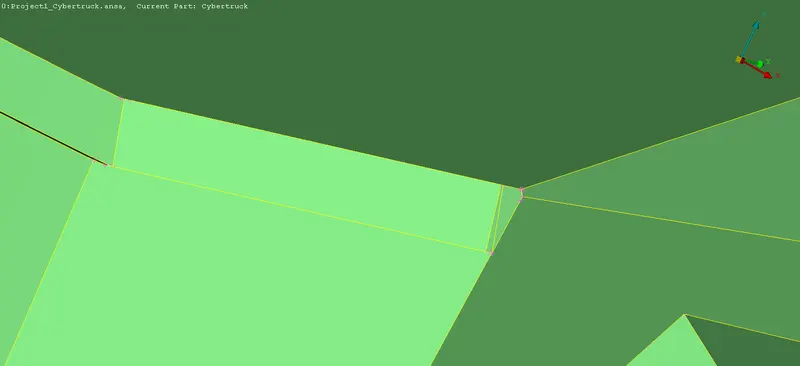
- we can clearly see that there is a small gap on door (above the handle) we have to fill this gap by creating the surface over there
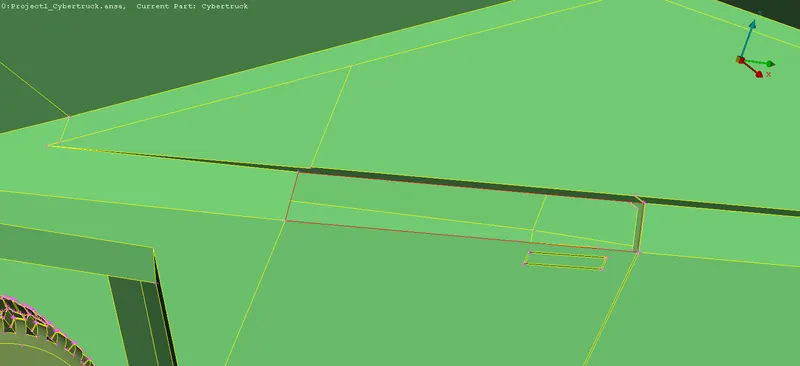
By creating surface using new surface (coons method) we have this clean area (no single cons)
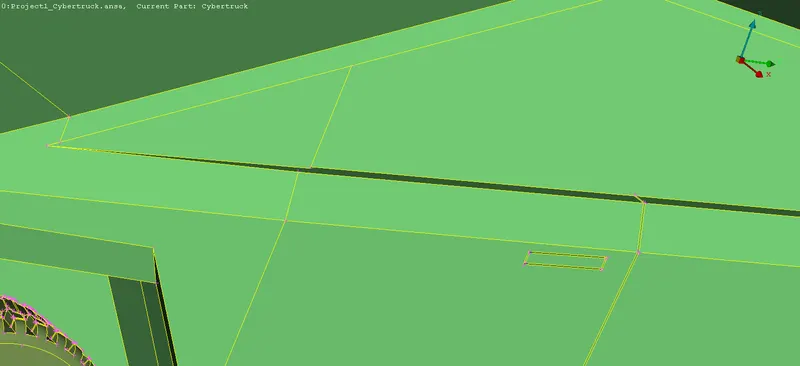
- we can clearly see that there is a small gap on rim of tire side we have to fill this gap by creating the surface over there
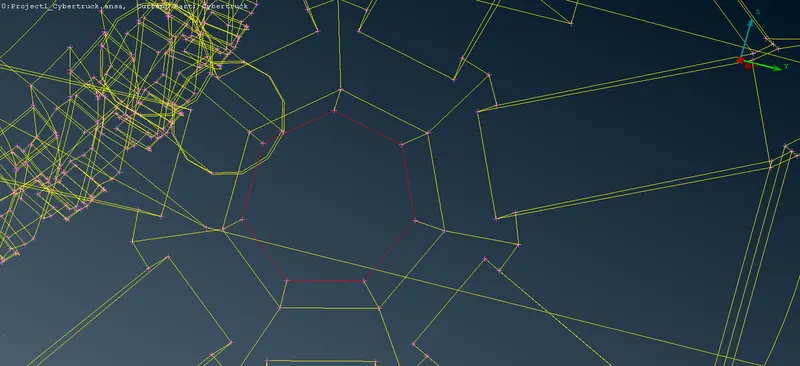
By creating surface using new surface (coons method) we have this clean area (no single cons)
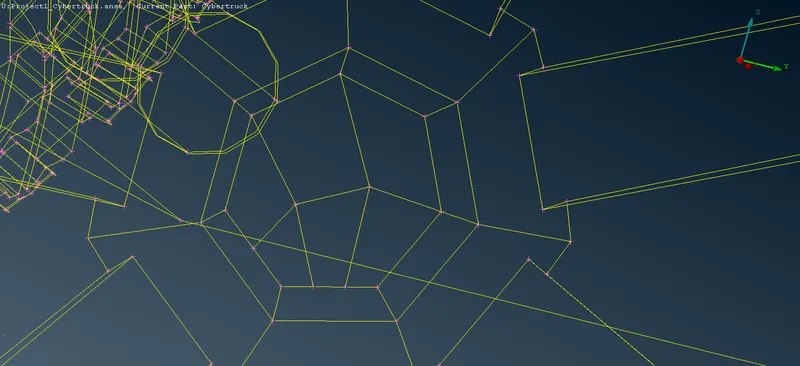
- Now removing all remaing small single cons by creating a surfae over there
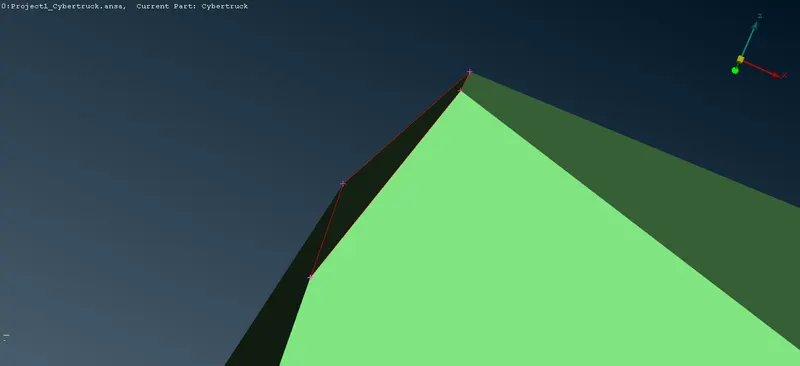
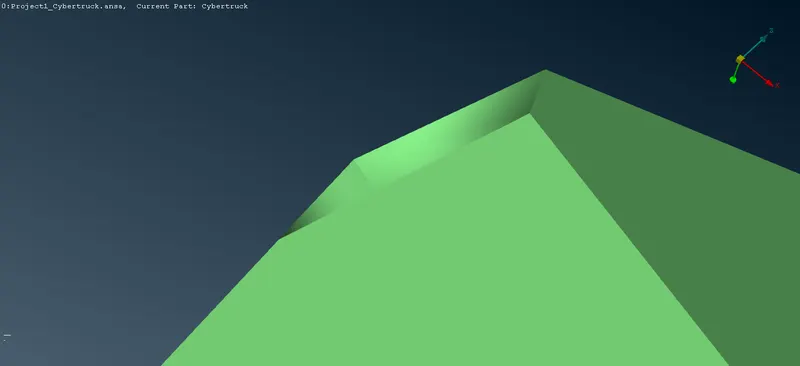
- Checking geometry in different views (to check remaining single cons)
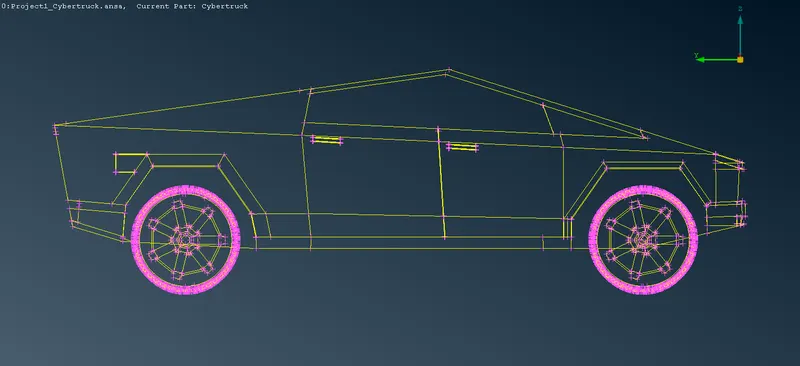
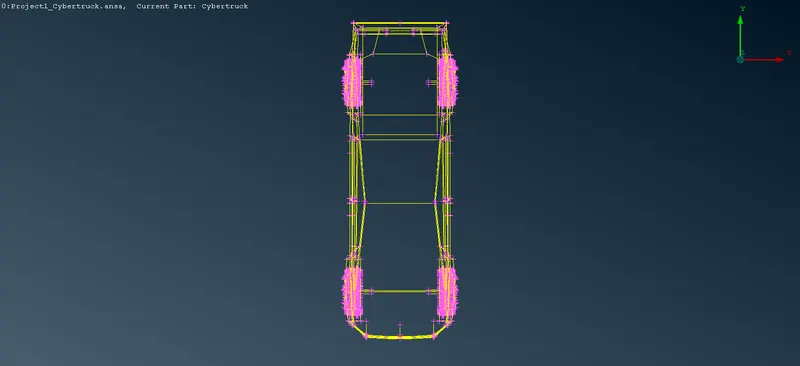
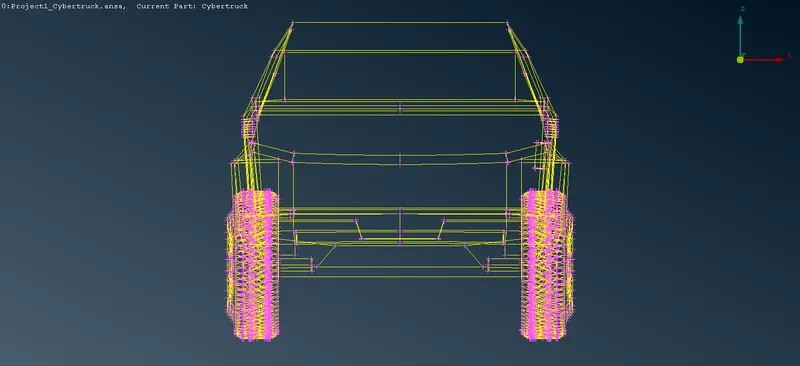
Look like there are no geomtry errors. Now checking for penetration erros (Overlapping surfaces, Intersection surfaces)
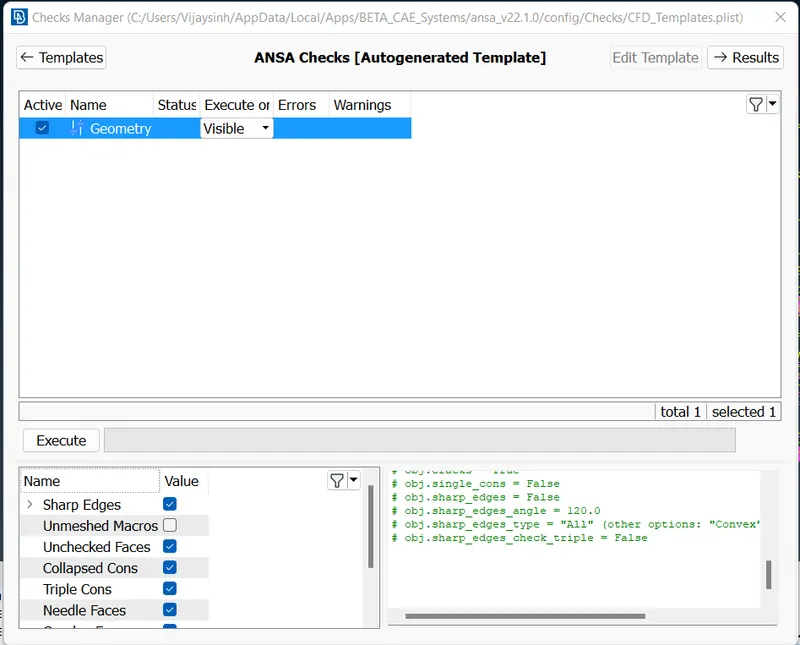
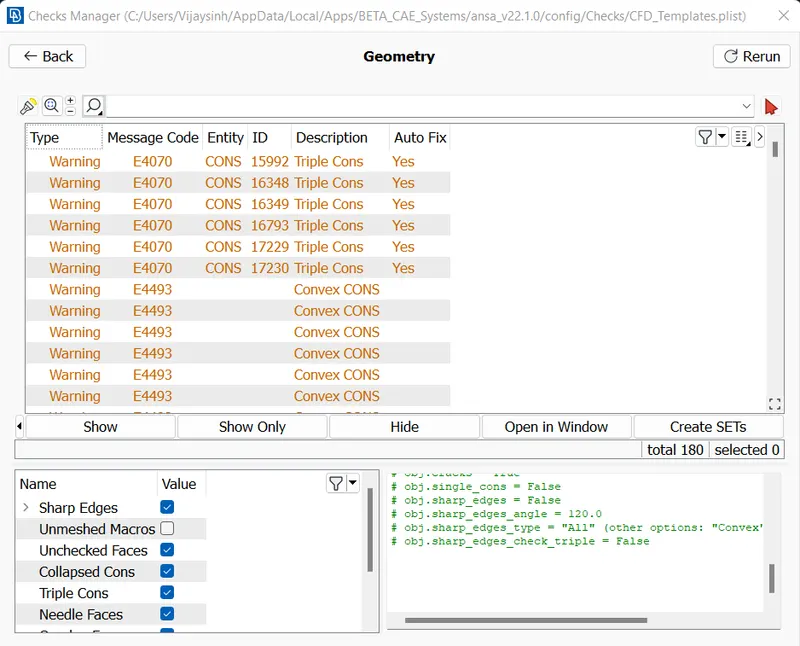
We can see that there are some triple cons and convex cons. We can avoid them because convex cons happens due to sharp corners of geometry, but we have to remove triple cons lets clear triple cons by deleting unwanted surfaces and PIDs, Now checking for penetration errors
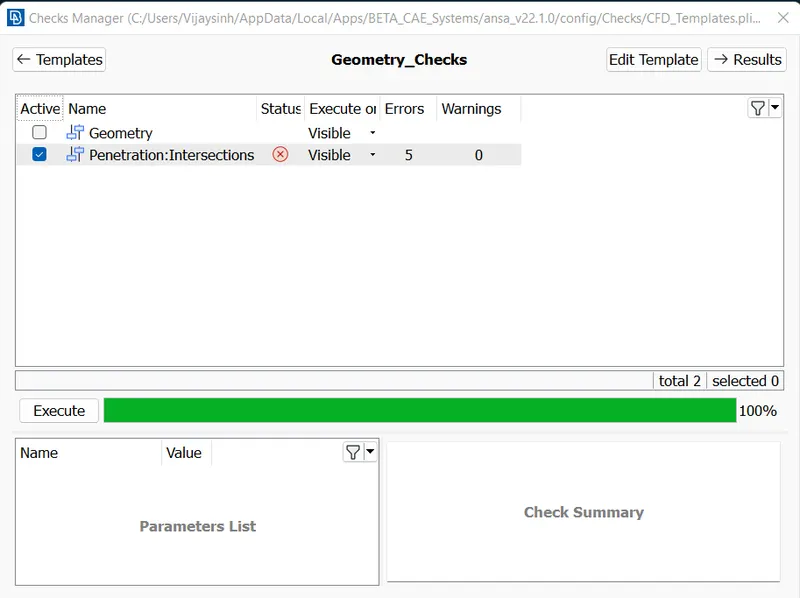
We can see that there are five penetration errors
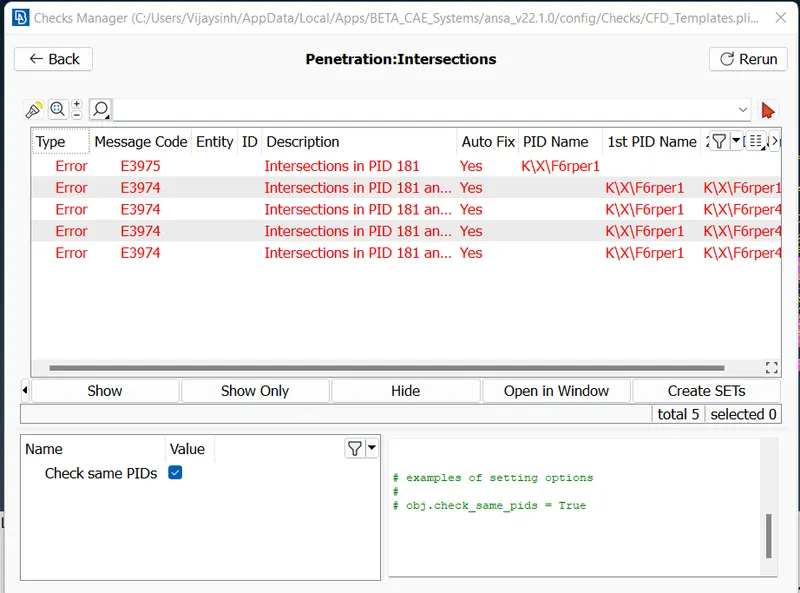
Checkng where the penetration errors are showing by selecting all penetration errors
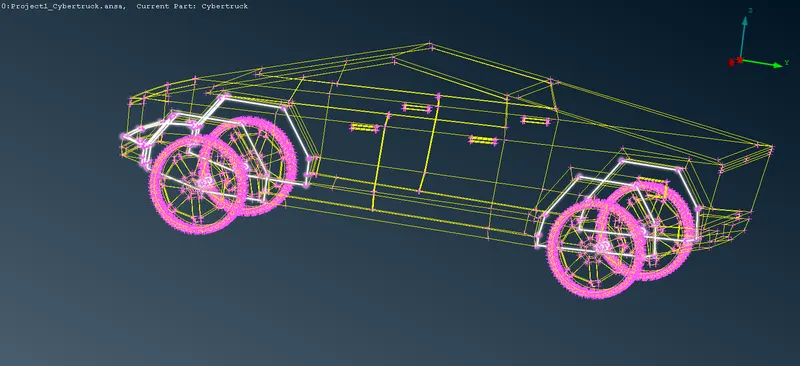
Now removing a penetration error one by one
we can see that there is surface extend over there by deleting inside surface we can remove it
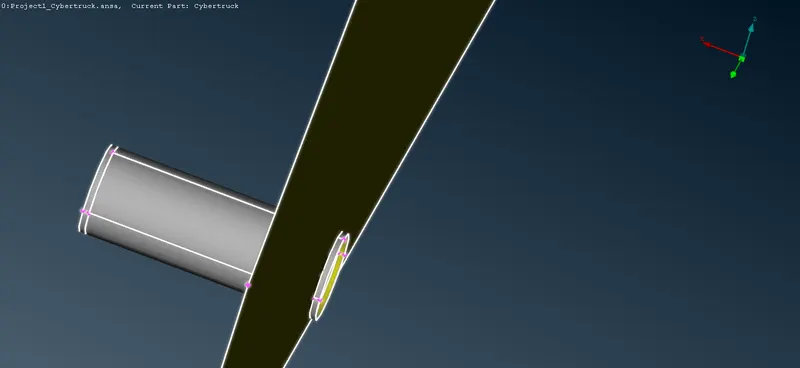
Now there is some errors on roof side
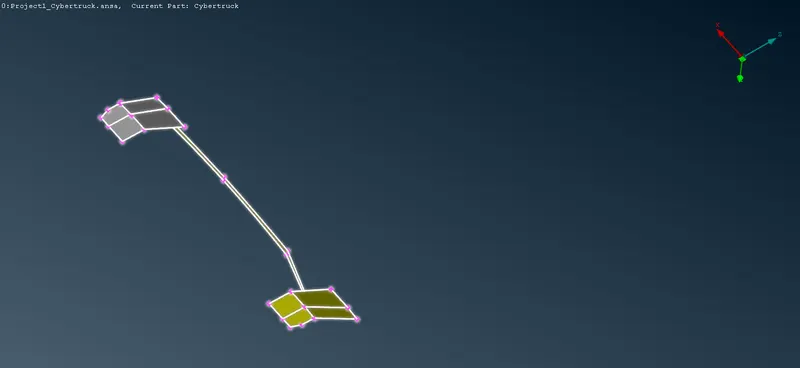
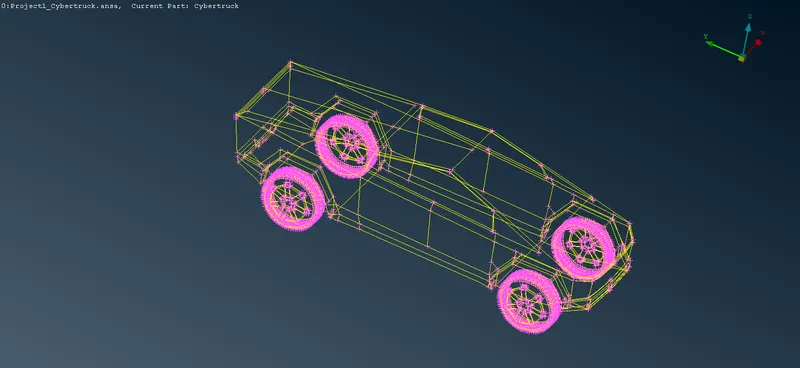
We have removed all intersection errors as well as triple cons now perform the geometry cleanup to check last time
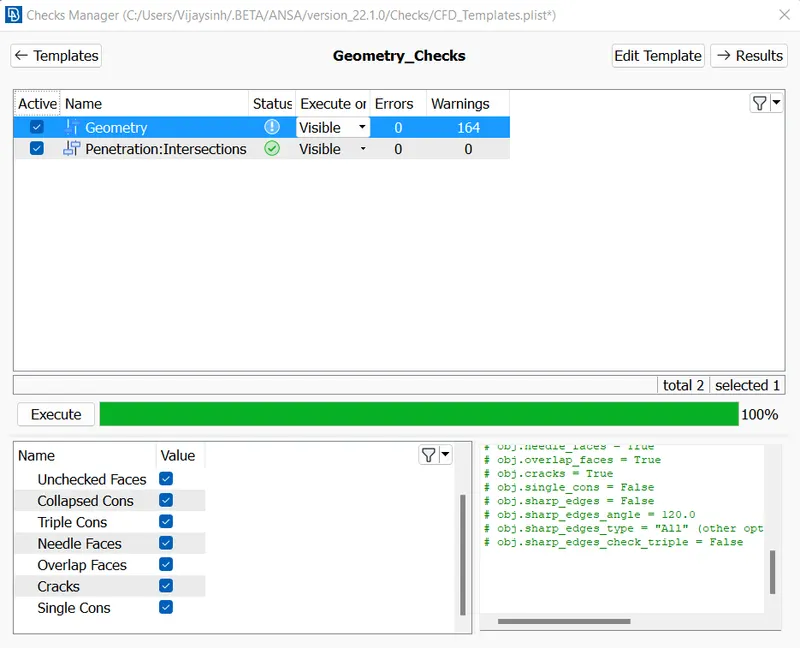
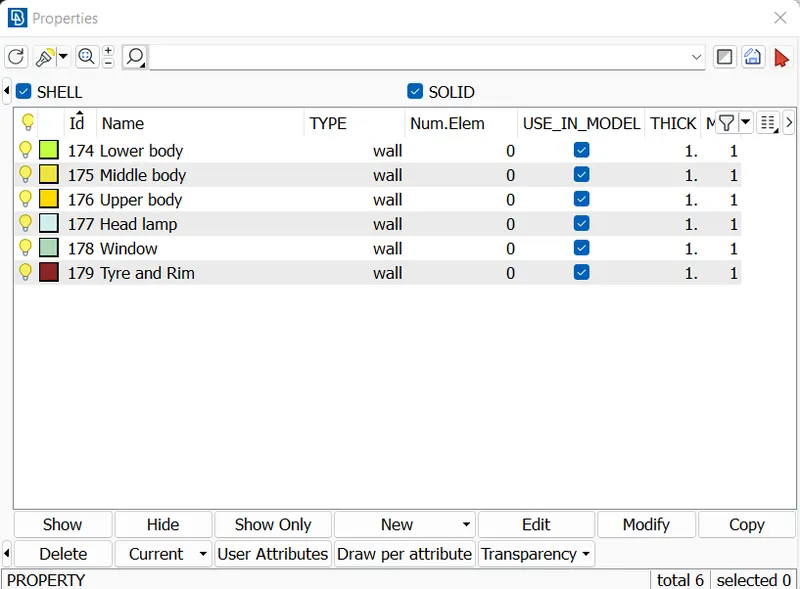
Now geometry cleanup is done, Lets assign some PID Before this compress the PID so we can remove dummy PIDs, We have convert this model in seperate regions so meshing doesnt take more complications or take long time, I have assign some seperate PID like upper body, middle body and lower body so we can perform mesh individually.
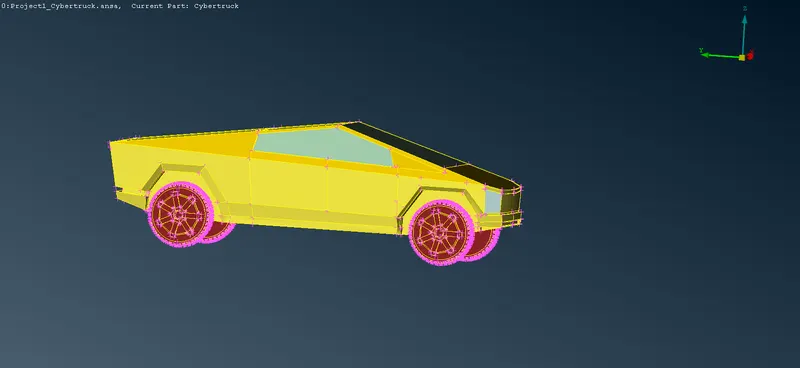
Geometry is clean now
Now move to meshing
we have take some criteria before doing meshing so lets make some criteria
Body (Upper, Lower, Middle) = 3mm
Tyre and rim = 2mm
Windows = 2mm
Head lamp = 4mm
Lets move for meshing now,
Meshing
Lets start with Tyre and rims
we have to hide PID so we can apply mesh only on tire and rim
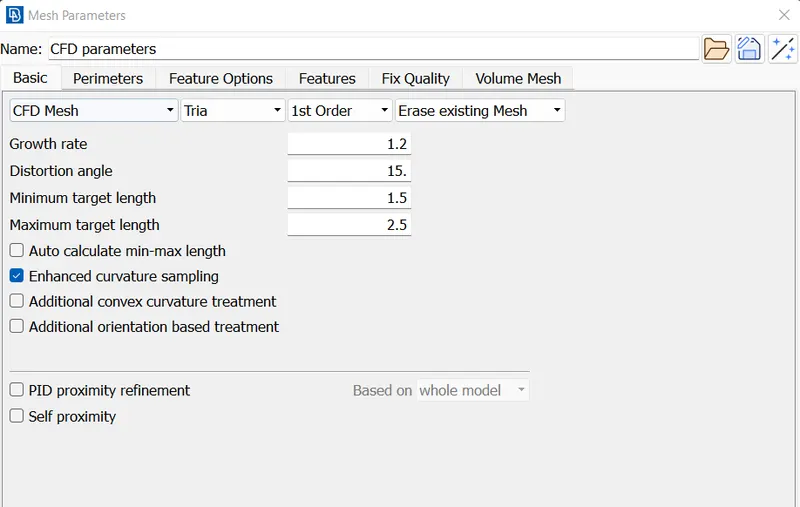
- Tyre and rim (2mm)
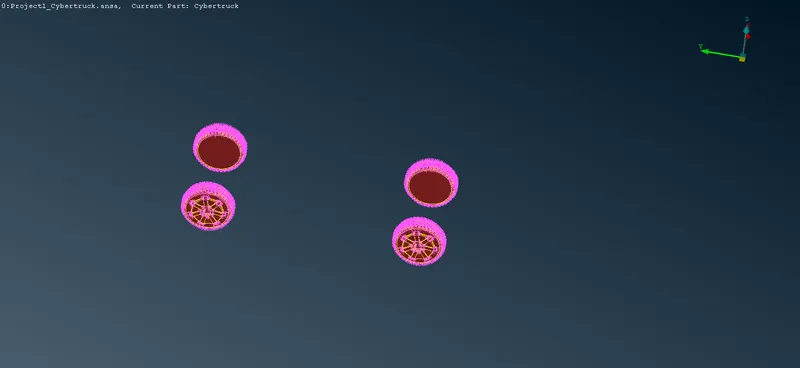
Select perimeters and macros as 2mm and select quality criteria
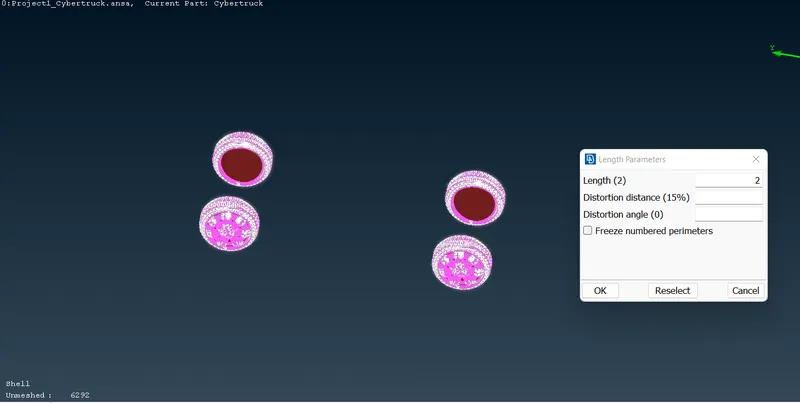
select mesh criteria (Minimum 1.5 an maximum 2.5mm)
Select quality criteria
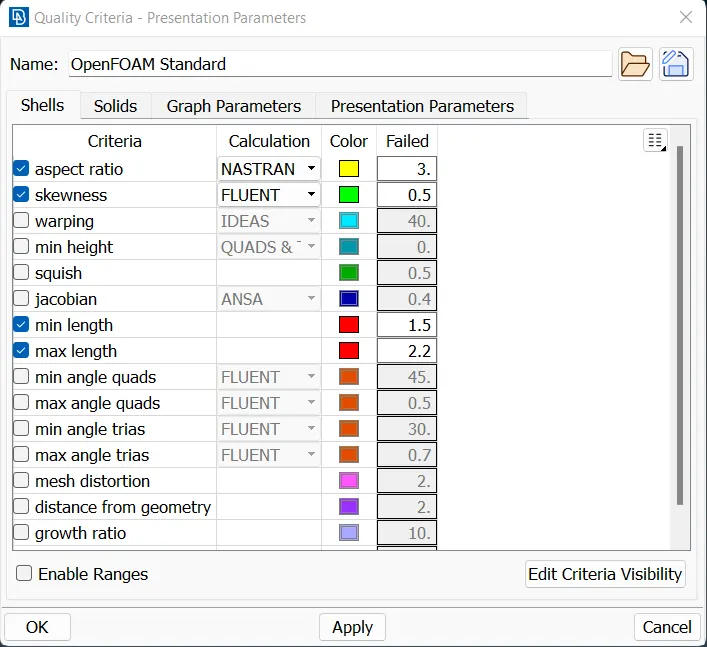
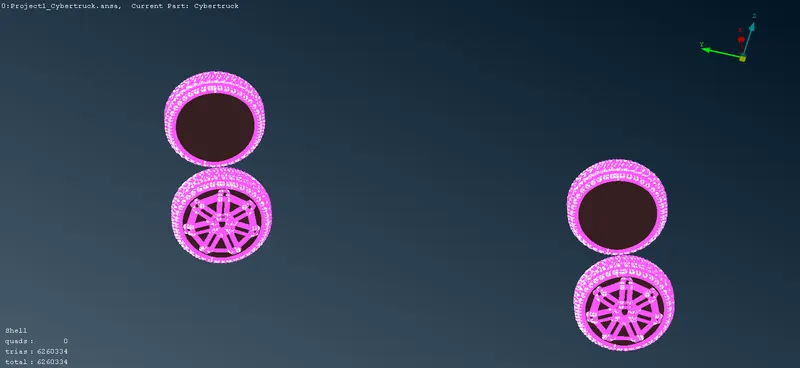
go to mesh generation and make Cfd mesh visible
we have our fine mesh on tire and rim section
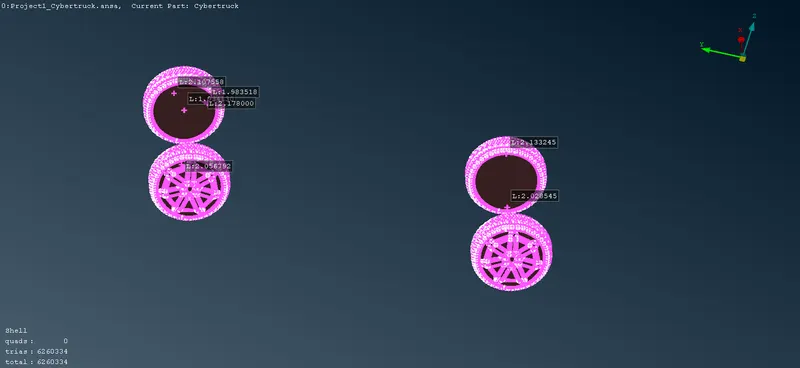
lets measure the node length
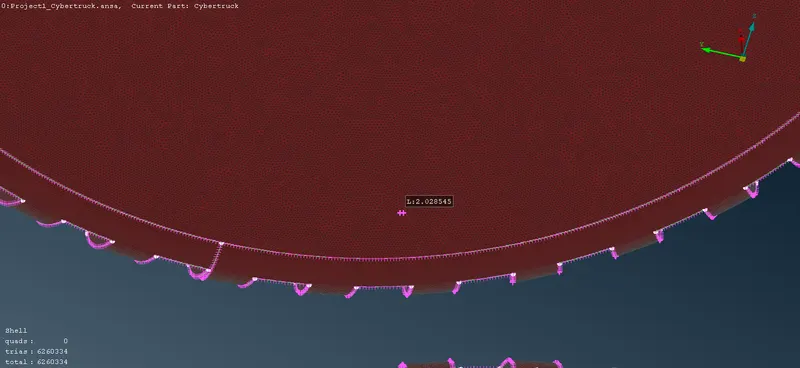
Now same procedure for Head lamp but as per there criteria ( 4mm)
- Head lamp (4mm)
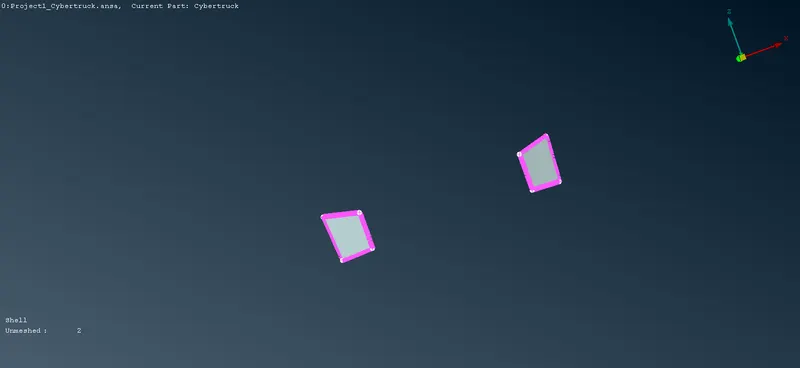
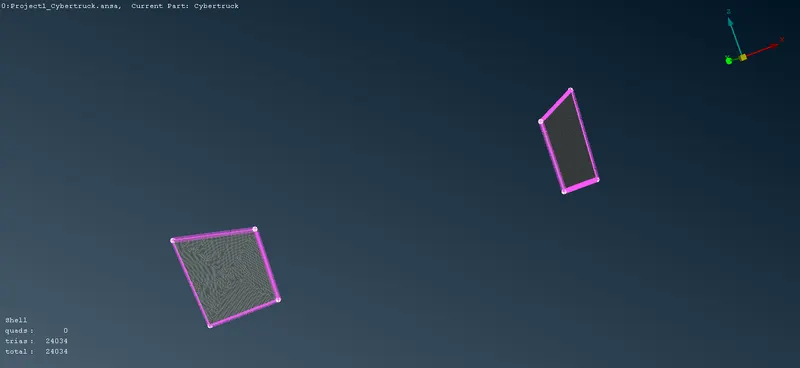
Measuring the node length
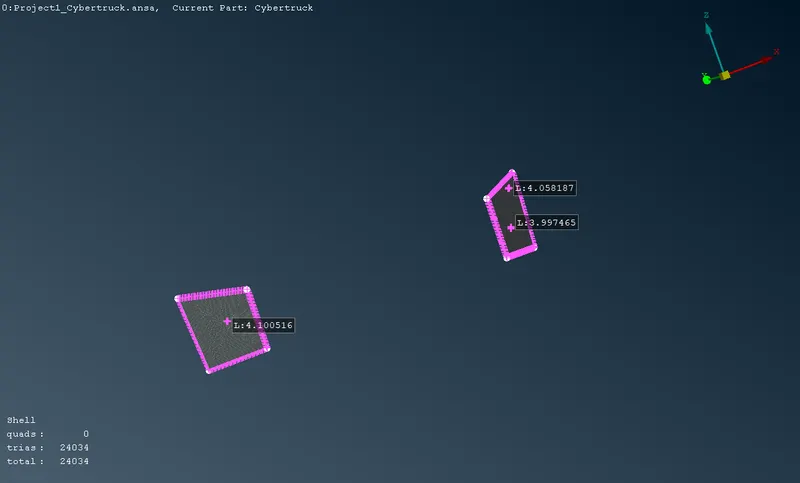
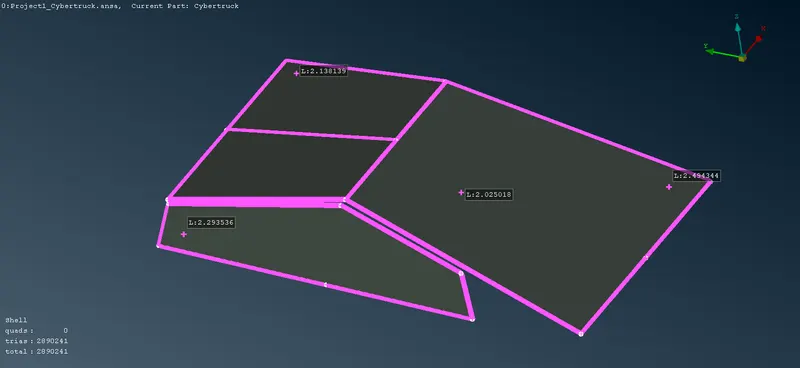
- Windows (2mm)
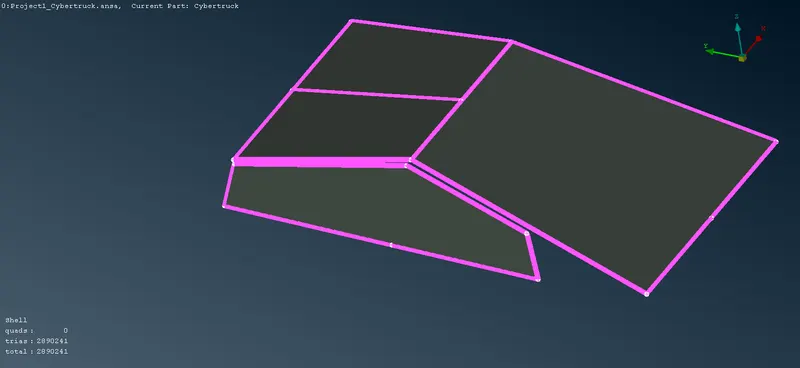
measure the node length
- Upper body (3mm)
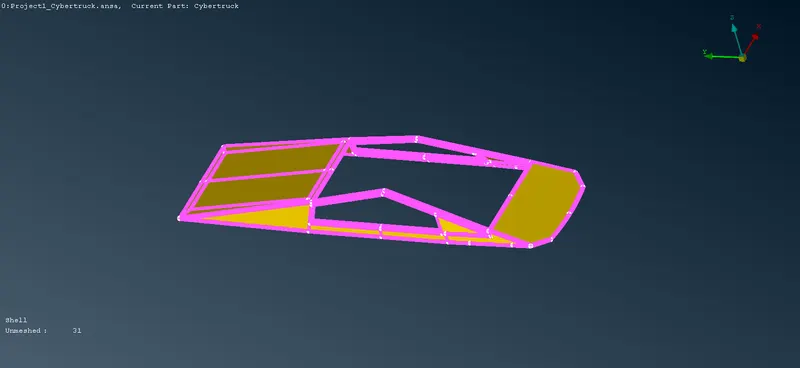
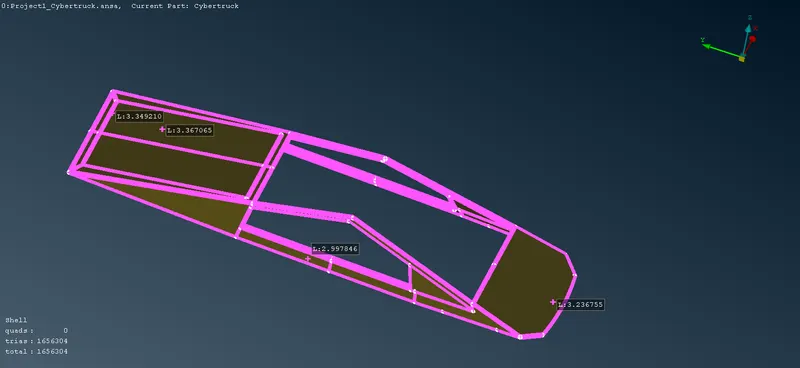
- middle body (3mm)
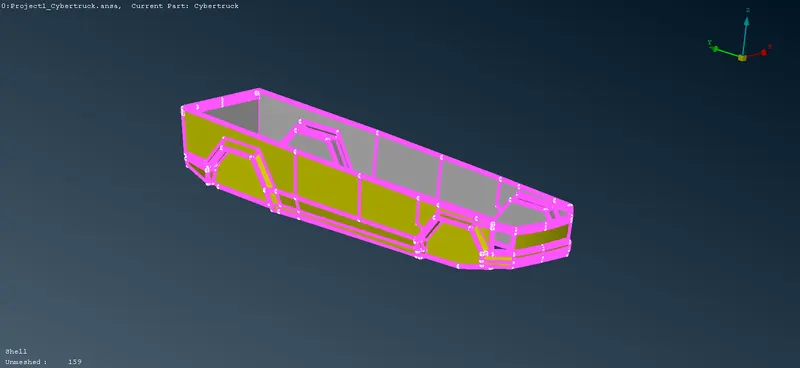
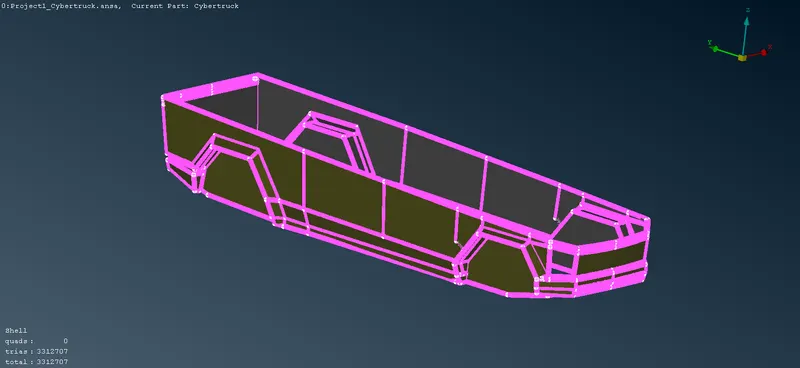
Measure the node length to check mesh
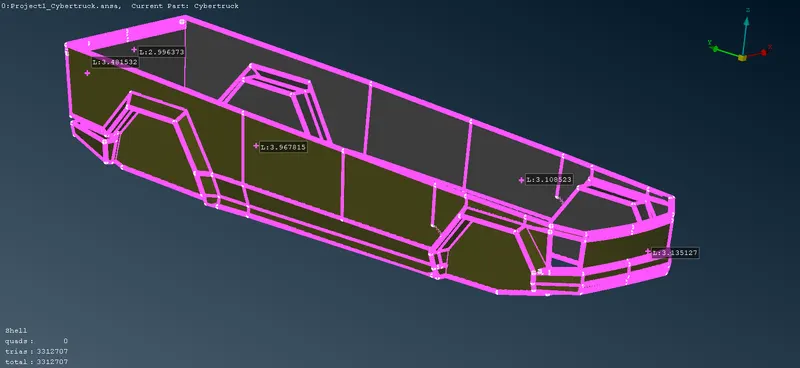
- lower body (3mm)
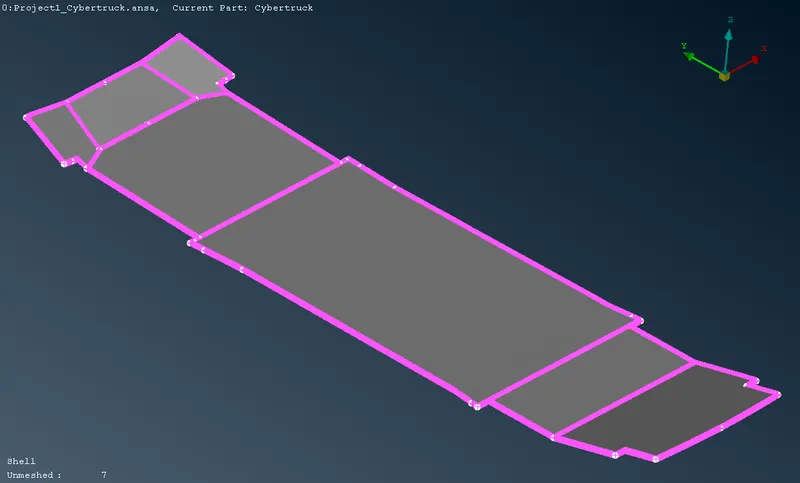
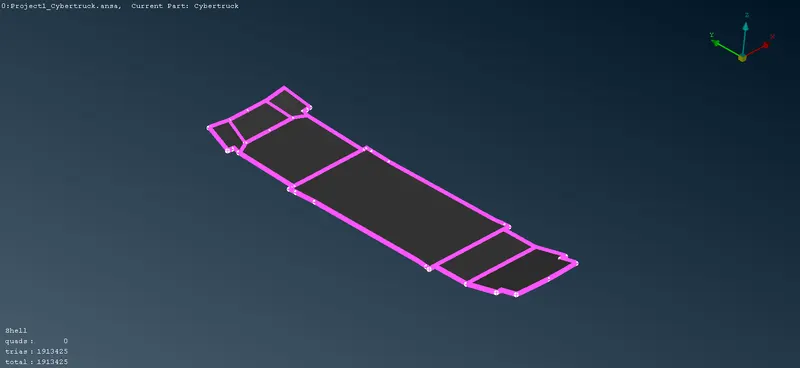
lets mesure the node length
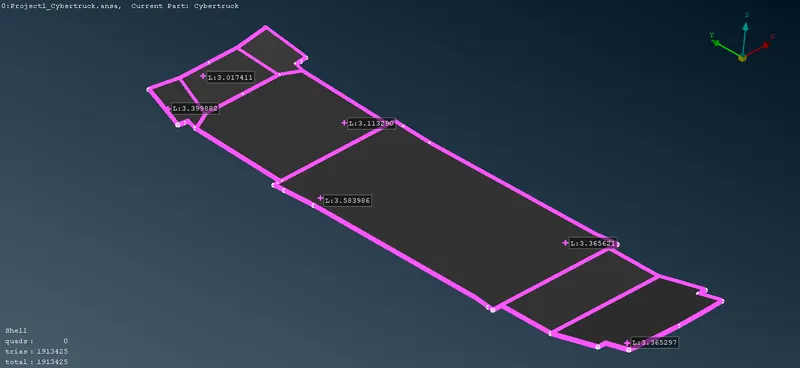
- Complete Meshing On tesla cyber truck
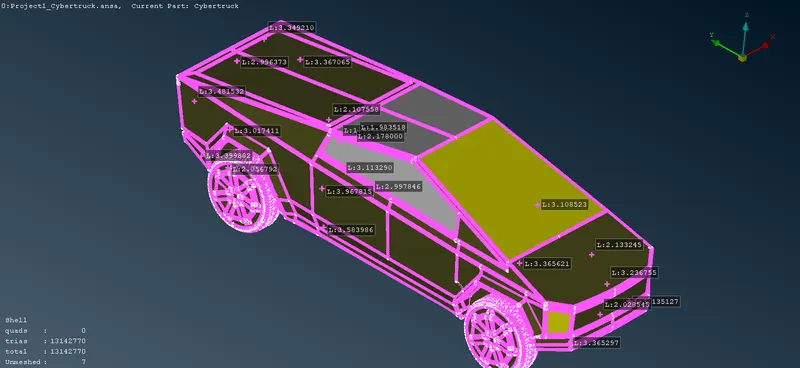
Now meshing is done
Creating Wind Tunnel
Lets create a wind tunnel (enclosure)
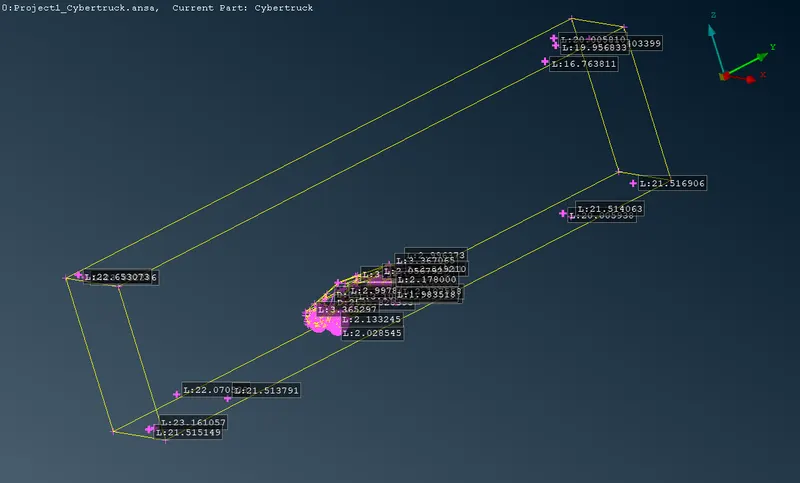
Before creating wind tunnel we have to measure the car size, lets measure it
Length of car is 5906 mm (apprx)
Height of car 2535 mm (apprx)
width of car 2028 mm (approx)
We can make a enclosure using relative points)
We have created two surfaces by creating points and joint them using curve , simiarly lets create other surfaces.
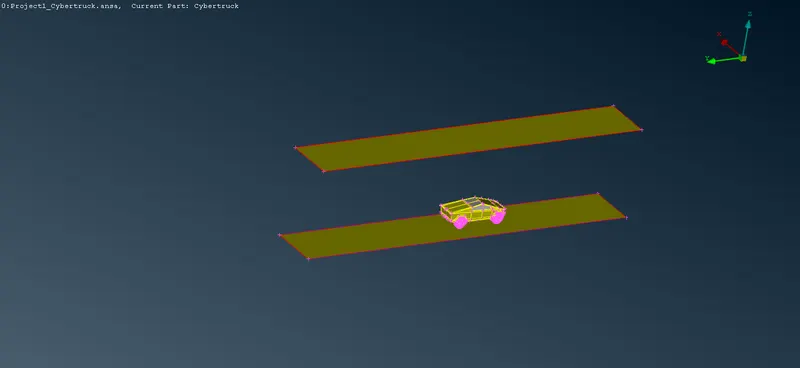
Now Join this surface using nw surface and fitted or coons option.
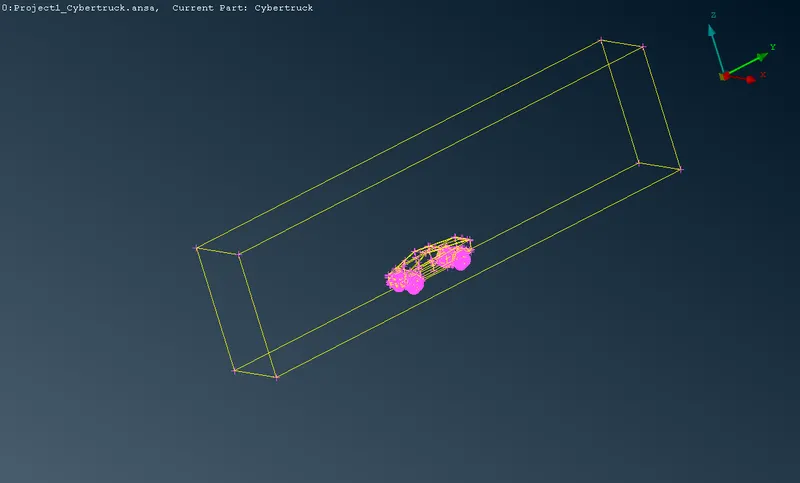
We have our volume (tunnel).
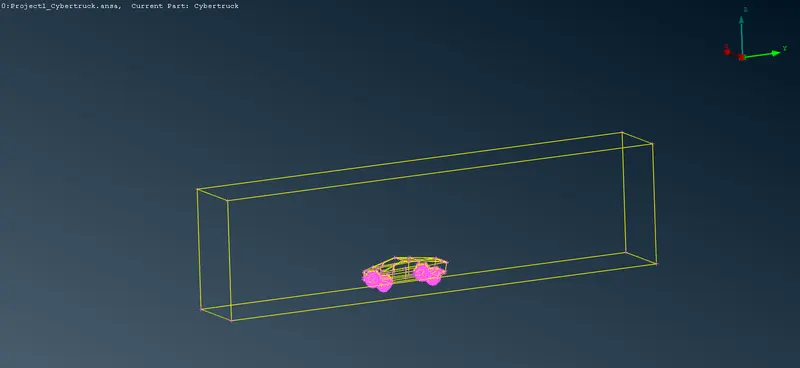
Assigning PID to tunnel (We can seperately mesh them)
- Now mesh this one by one
Front and rear surface of tunnel (20mm)
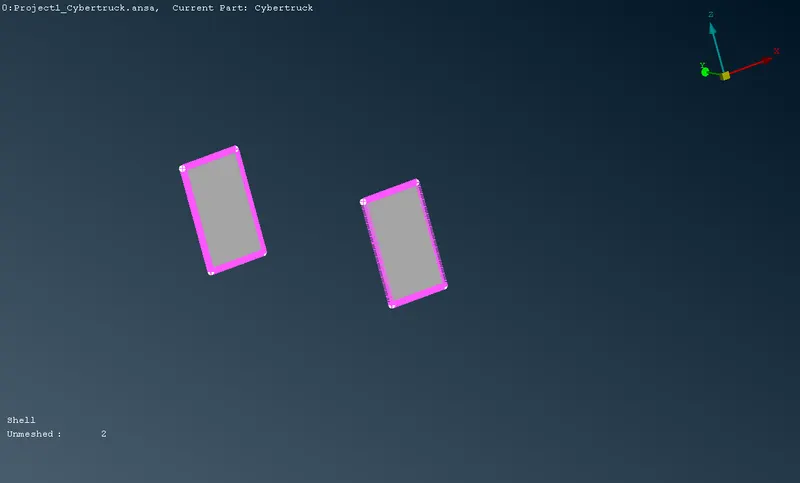
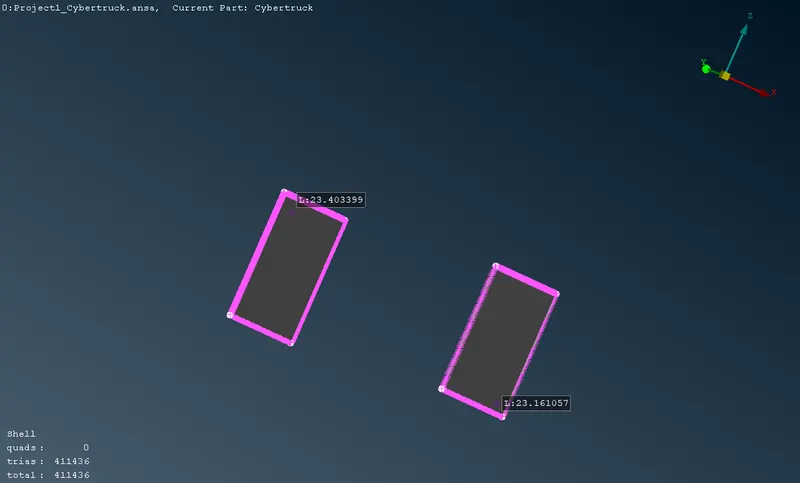
Side of wind tunnel (20 mm)
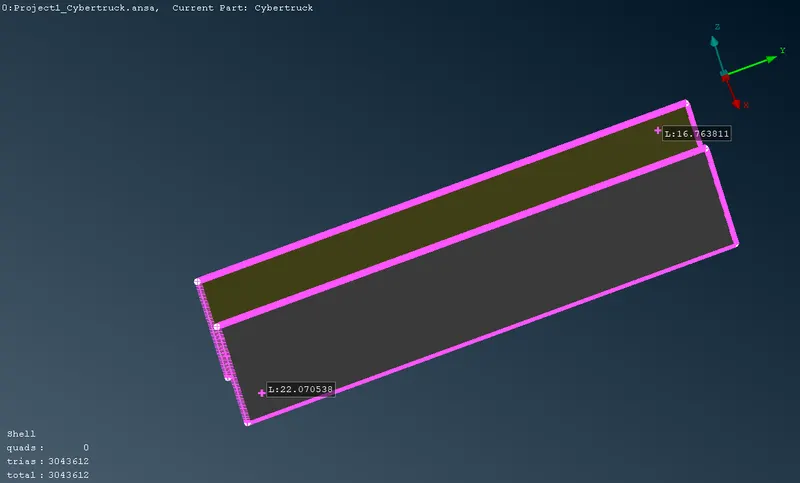
Base of wind tunnel (20mm)
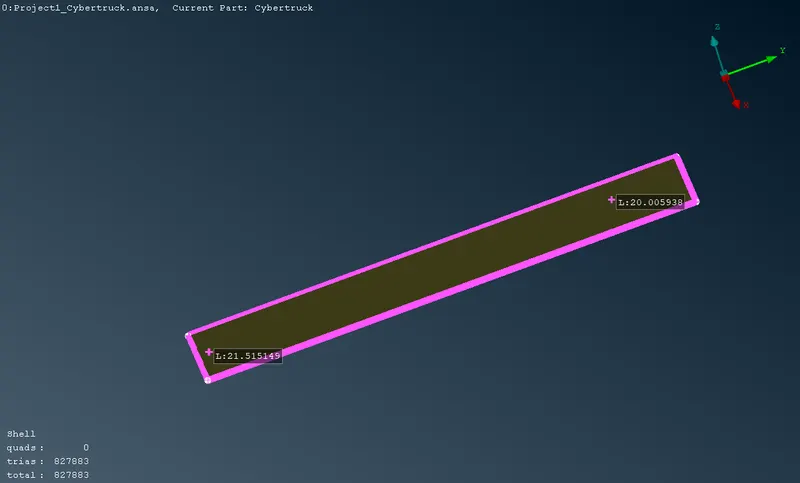
Upper surface of wind tunnel (20mm)
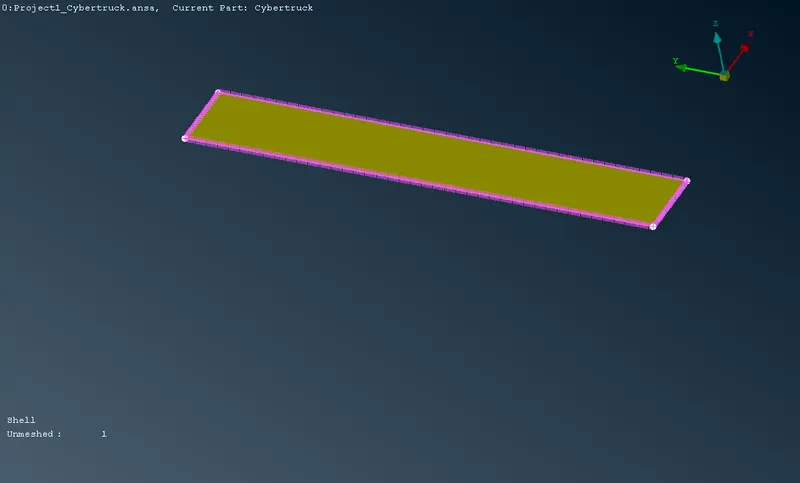
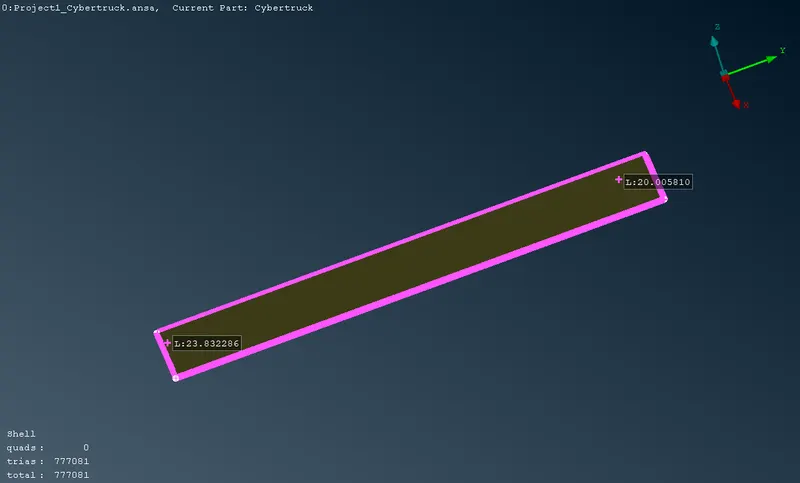
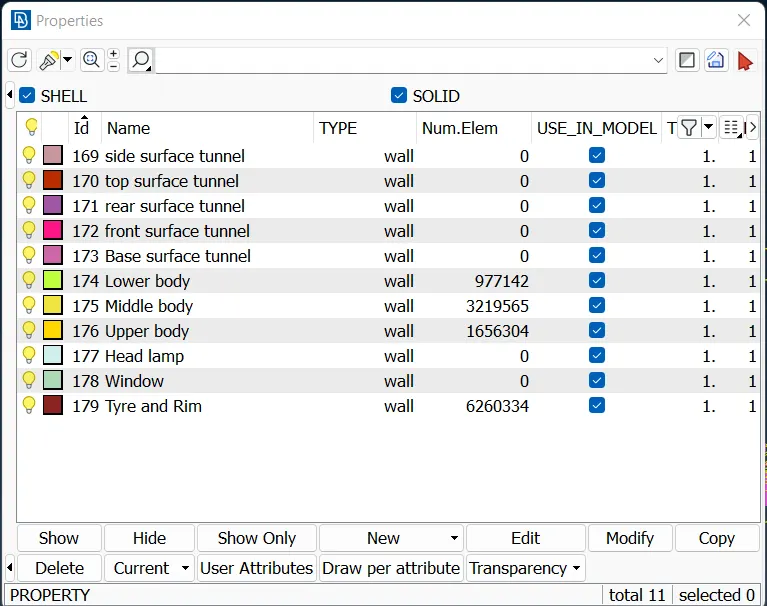
Now all meshing is done lets check it in PID manager
Final PIDs
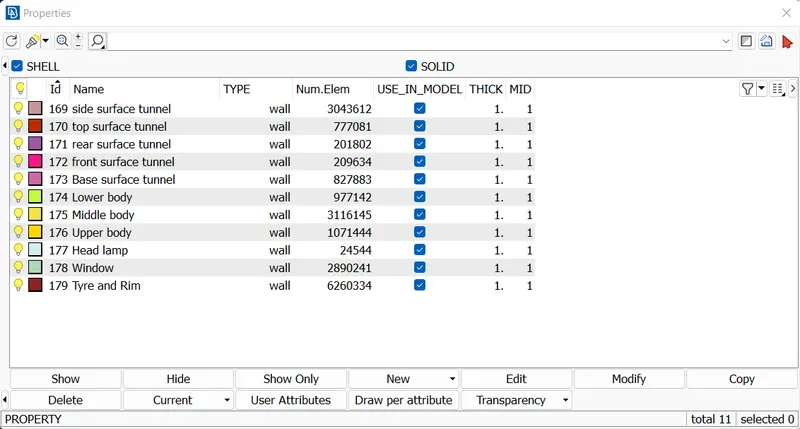
We can see that all PID are visible and and their elements number it means all mesh is now completed.
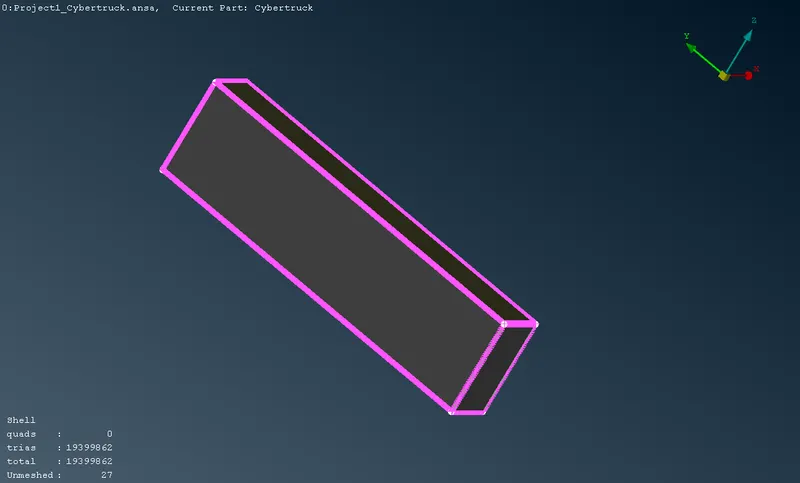
From this image we see that there are 27 unmeshed elements which is very low as comapred to total number of elements and we can ignore them
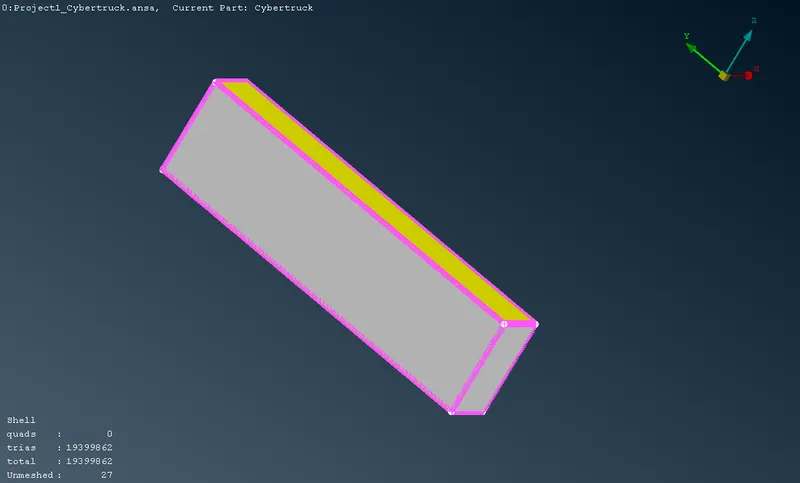
Results -
Learning outcomes
- Geomertry cleanup
- Assigning PIDs
- Removing geometry errors
- Applying cfd mesh
- Creating volume (Wind tunnel)
- Meashing on volumes
Conclusions -
- Mesh length is all depend on geometry, smaller surface required smaller mesh length
- Varying mesh can be possible
- Volumetric mesh takes more time for meshing.
Google drive Link of Model