Project _1
Objective
The aim of this project is to complete 3D modelling of an Rear combinational lamp and perfrom various operations in accordance the industry life cycle . The inputs given are as follow.
Lens Rib hight - MINIMUM 8-10 MM
Interferance - 1.5 MM
Thickness of Lens - 2.5 MM
Housing Thickness - 2 MM
Reflector Thickness - 2 MM
Boss - M4X10 SCREW
Procedures
Tail lamp is basically used to show any vehicle position so one should able to see from distance but as above maintained the intensity is low then it will not be clearly visible and if the intensity is too high then it will be a distraction for the back driver.
Some general material used for the lamp are listed below
|
PARTS NAMES |
MATERIAL |
|
LENS/INNER LENS |
PMMA/PC |
|
HOUSING |
PP/ABS/ASA |
|
REFLECTOR |
PC |
|
BEZEL |
PBT/PC |
|
BULB/LED |
STANDARD(P21W,P21/5W,PY21W,W5W) |
The steps performed to completed the projects are listed below.
CLASS A SURFACE
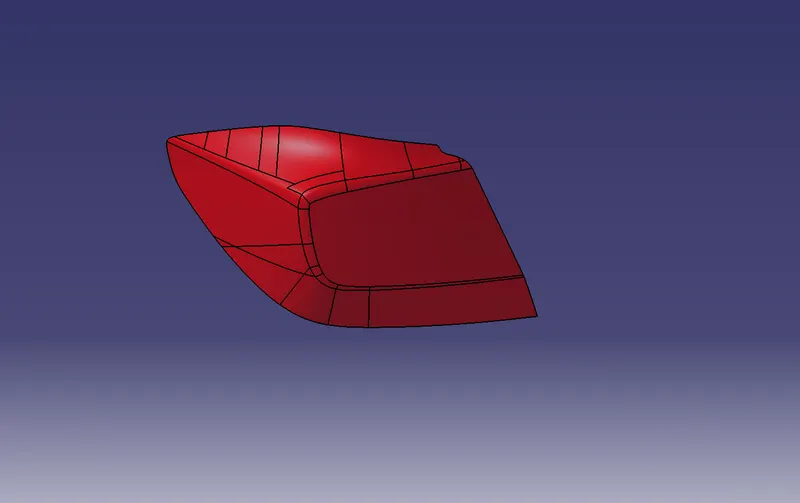
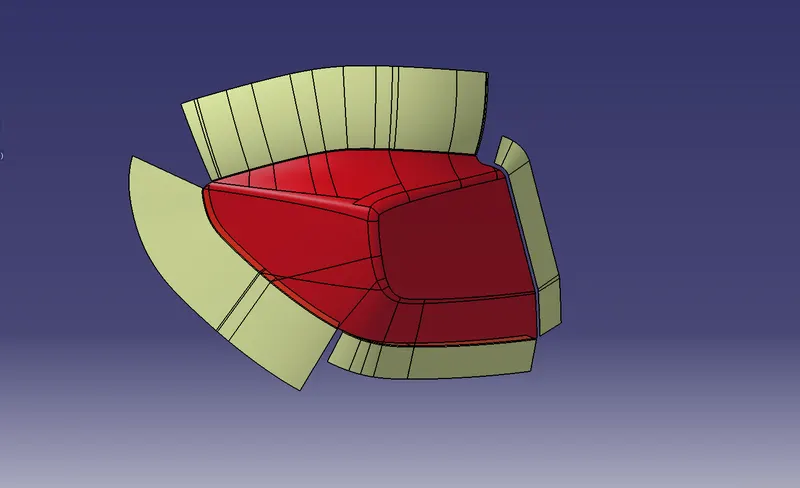
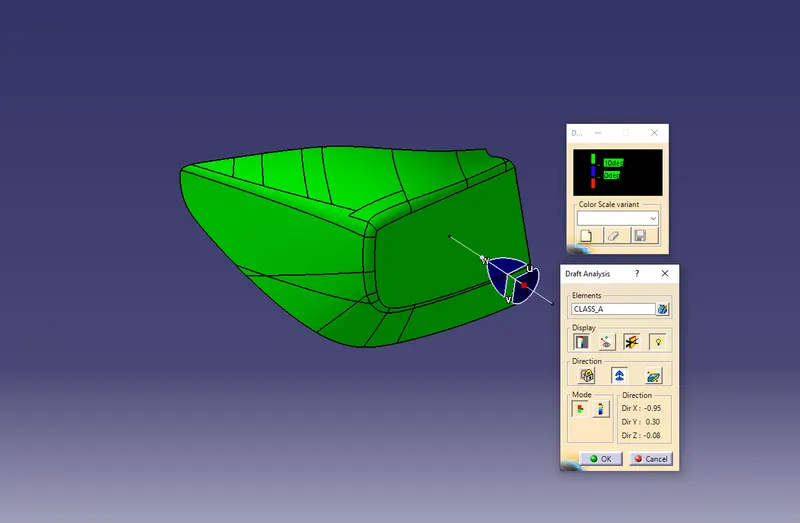
TOOLING AXIS AND DRAFT ANALYSIS OF THE CLASS A SURFACE
CLASS B AND CLASS C CREATION
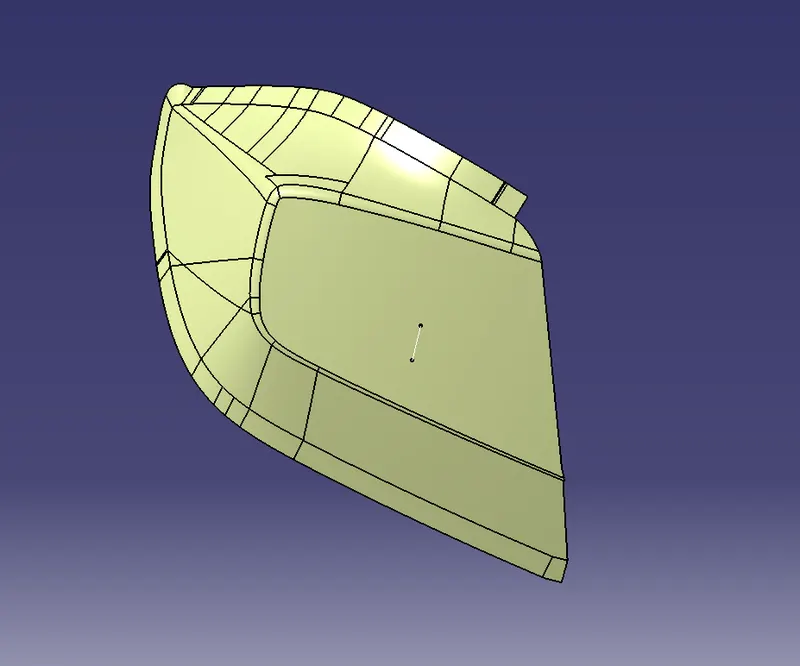
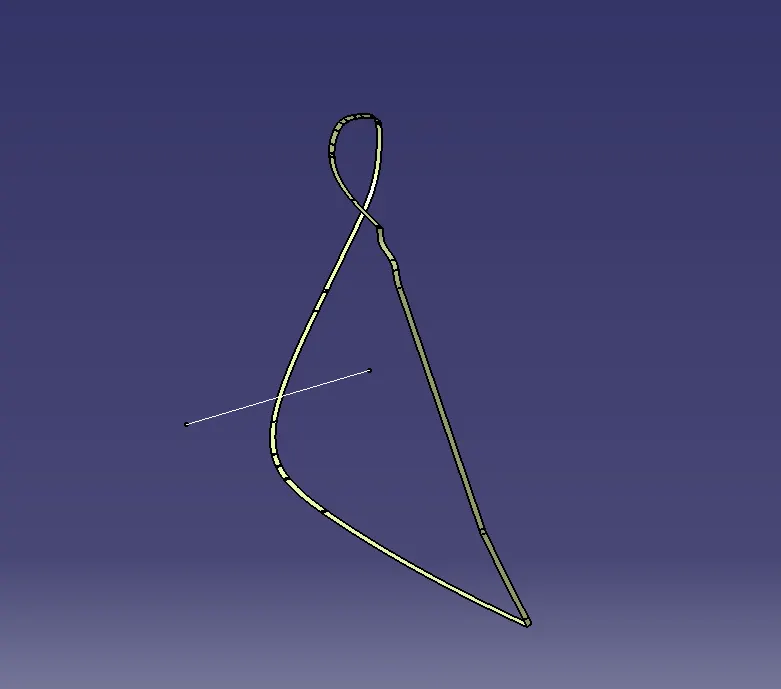
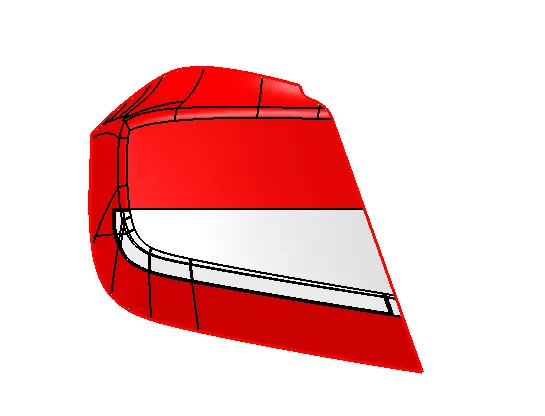
Once the lens section is done we are creating the Housing and the reflectors.The seal leg of the housing is been created from the housing .
WELDING TRACK
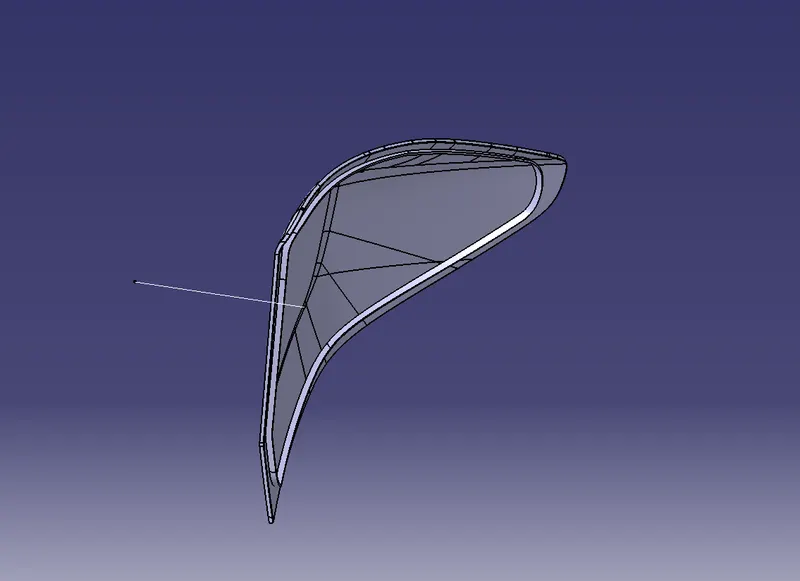
REFLECTORS
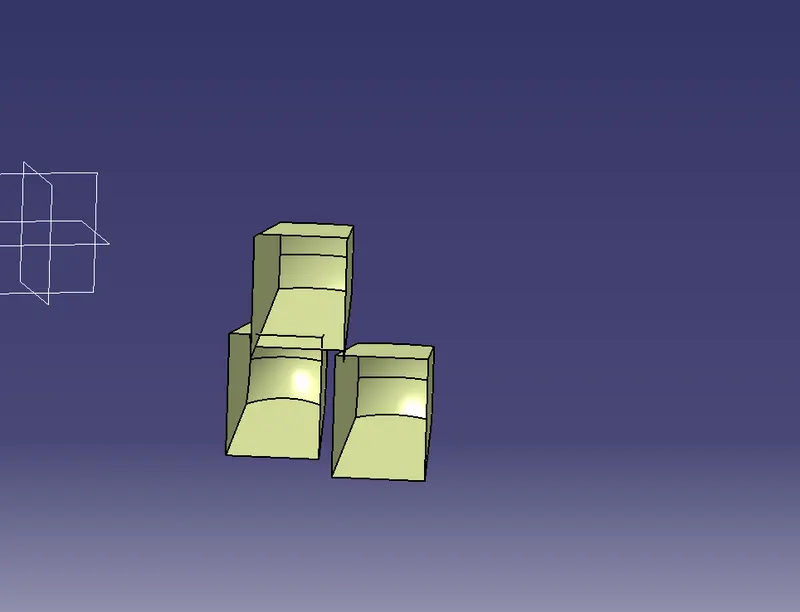
HOUSING CREATION
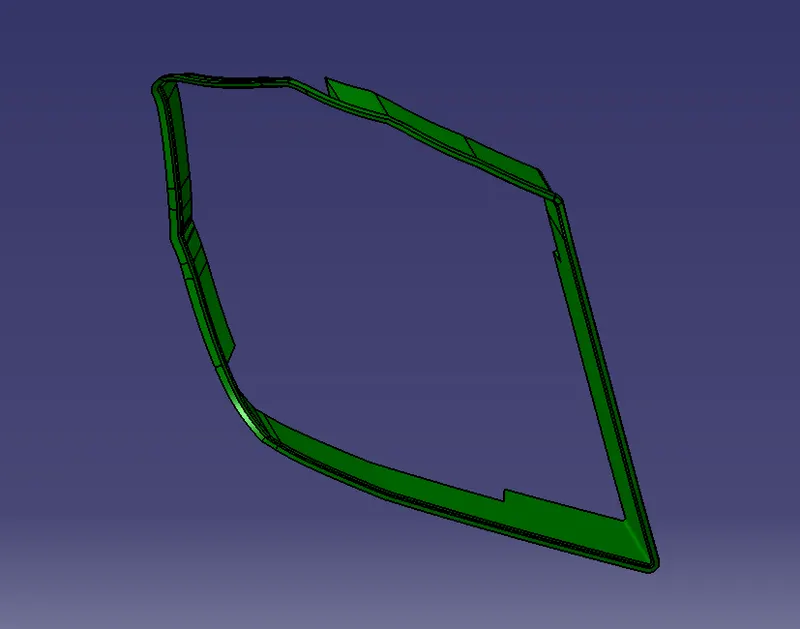
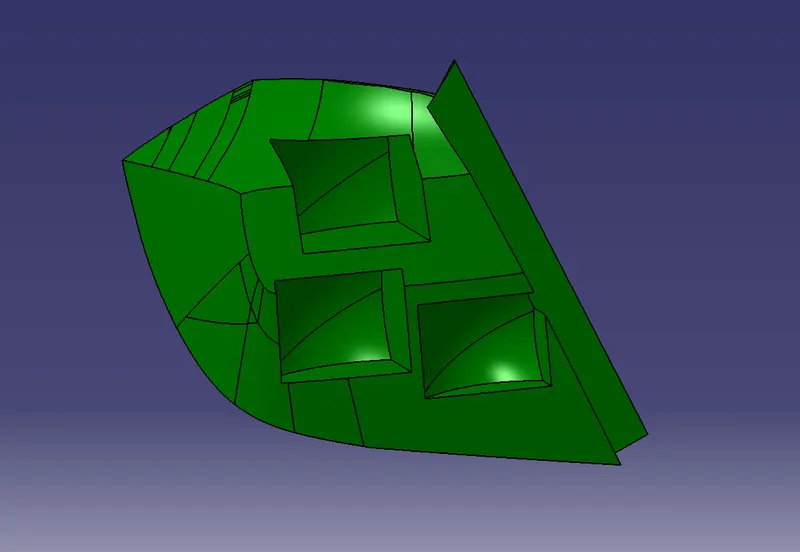
HOUSING UNIT WITH ASSEMBLY FIXATION
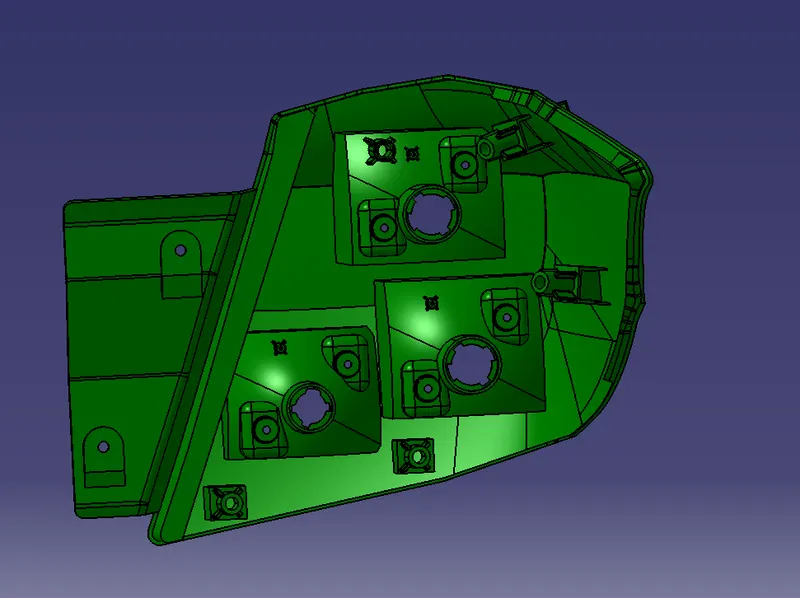
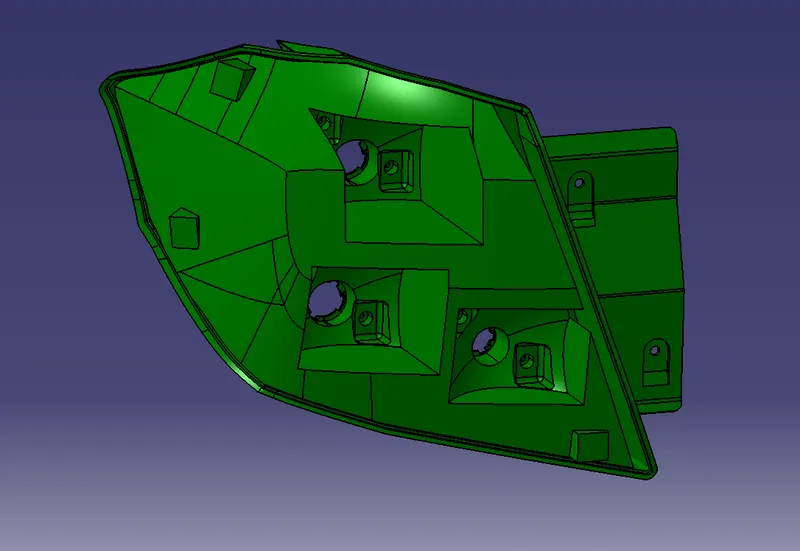
For Tail function bulb details:-
For tail function, P5W can be used (pin type with 5 watts)
For Stop function bulb details:-
For tail function, P21W can be used (pin type with 21 watts)
Mainly tail and stop function, OEM used to keep in same chamber most of the time so P21/5W (dual filament bulb) is being used
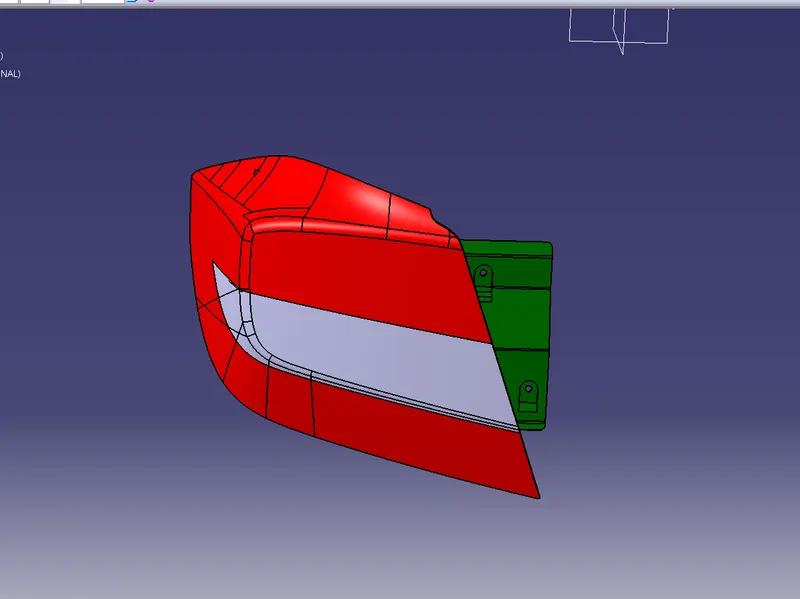
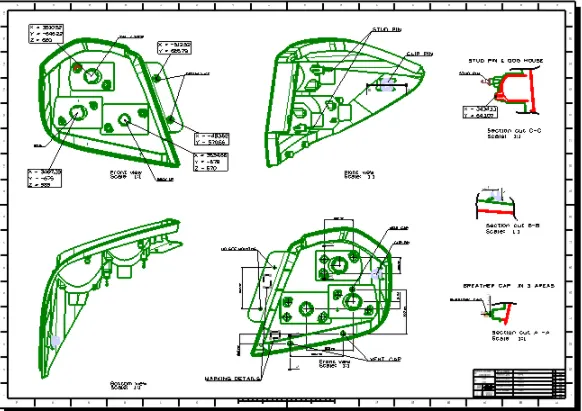
ASSEMBLY DRAWING
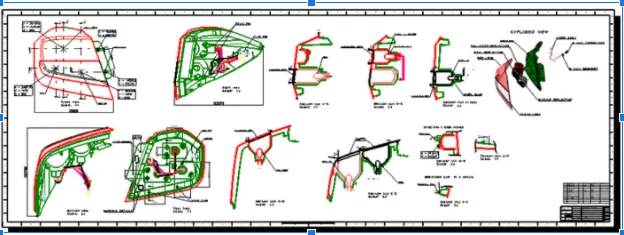
HOUSING DRAWING
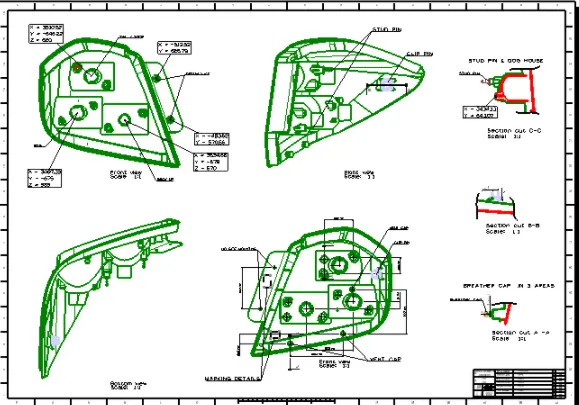
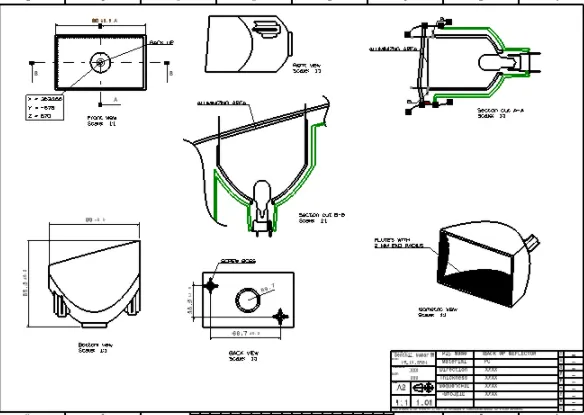
REFLECTOR DRAWING
Conclusion
Various parts of an automobile lamps are created in accordance to the regulations and a proper assembly is made in CATIA. The parts are then drafted so that it can be used by other teams to verify the quality of the parts in the assembly line.