Photo Realistic Rendering
THE AMERICAN CHOPPER BIKE MODELLING
- OBJECTIVES :
To design the chopper parts and assembly all parts & Photorealistic rendering of the American Chopper bike by using solidworks & solidworks visualize for rendering softwares.
- INTRODUCTION:
SOLIDWORKS is used to develop mechatronics systems from beginning to end. At the initial stage, the software is used for planning, visual ideation, modeling, feasibility assessment, prototyping, and project management. The software is then used for design and building of mechanical, electrical, and software element. In this project we are to learn the entire modeling of an American chopper using Solidworks for modelling and Solidworks Visualize for rendering.
The different components of the American Chopper we deal with are:
- Chasis
- Transmission Belt
- Pedal
- Front Fork
- Oil Tank & GAS TANK
- Kick Stand
- Front Wheel & REAR Wheel
- Front Fender & REAR Fender
- Engine
- Chain
- METHODOLOGY:
- Dimensions analysis
- Design all parts of bike
- assembly of all parts
- Make decals and materials
- Finally rendering the assembly file
- CHASIS
A motorcycle's chassis or frame forms its skeleton. All the components of a motorcycle, like the suspension, wheels, fuel tank, seats, handlebars etc, are attached to this base structure which lends a motorcycle its strength and ability to handle well.
TOOLS & FEATURE ARE USED:
- Sketch
- line
- circle
- spline
- boss-extrude
- cut-extrude
- intersection curve
- dome
- combine
- fillet
- chamber
- split
- mirror
- swept boss
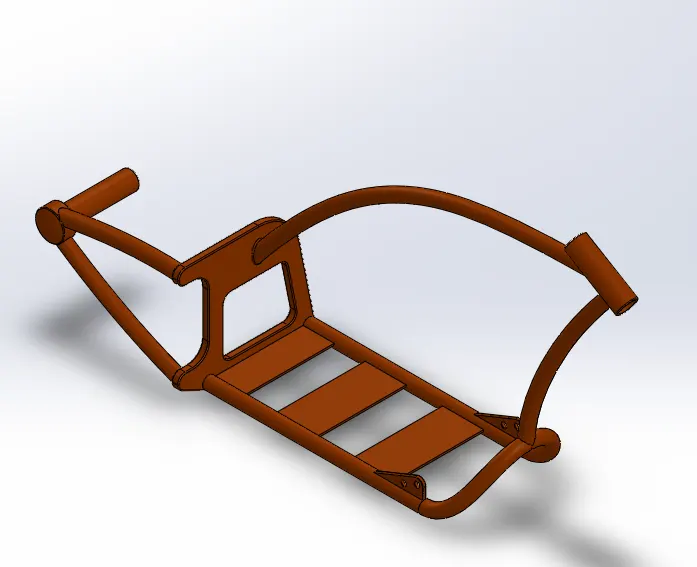
1.1 CHASIS
- TRANSMISSION BELT
A belt is a loop of flexible material used to link two or more rotating shafts mechanically, most often parallel. Belts may be used as a source of motion, to transmit power efficiently or to track relative movement. Belts are looped over pulleys and may have a twist between the pulleys, and the shafts need not be parallel.
TOOLS & FEATURE ARE USED:
- Sketch
- Boss Extrude
- Fillet
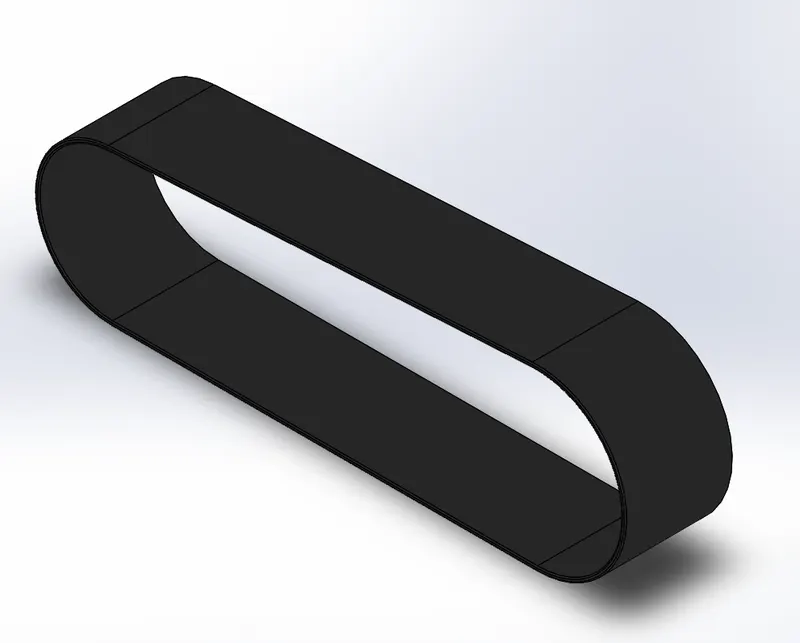
1.2 TRANSMISSION BELT
- PEDAL
The positions and number of gears vary with the make of motorcycle. See how to change gear on a motorcycle. This pedal is usually on the right side of the motorcycle, just in front of the footrest. Some automatic motorcycles have the rear brake lever on the left handlebar.
TOOLS & FEATURE ARE USED:
- Sketch
- Boss Extrude
- Revolve
- Fillet
- Dome
- Chamber
- Linear pattern Array
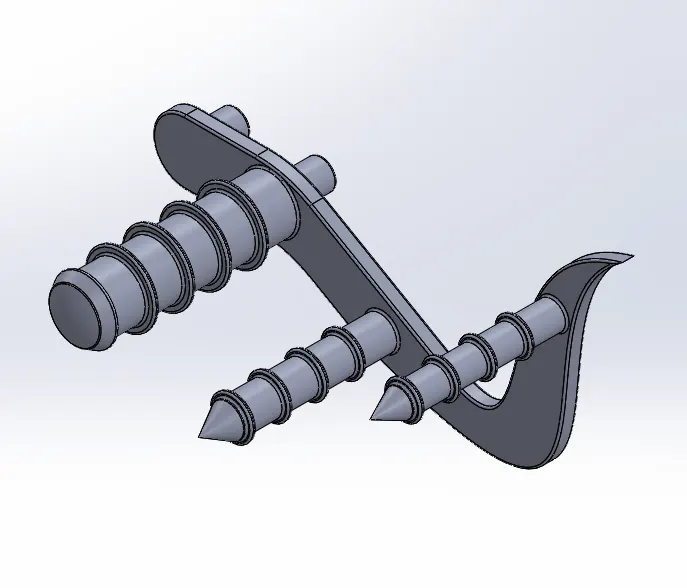
1.3 PEDAL
- FRONT FORK
The most common type of front suspension is the “fork.” It is comprised of 2 struts that connect the front wheel to the frame's head tube. A motorcycle fork connects a motorcycle's front wheel and axle to its frame, typically via a yoke, also known as a triple clamp, which consists of an upper yoke joined to a lower yoke via a steering stem, a shaft that runs through the steering head, creating the steering axis. Most forks incorporate the front suspension and front brake, and allow the front wheel to rotate about the steering axis so that the bike may be steered. Most handlebars attach to the top clamp in various ways, while clip-on handlebars clamp to the fork tubes, either just above or just below the upper triple clamp.
TOOLS & FEATURE ARE USED:
- Sketch
- Revolve
- Boss Extrude
- Fillet
- Linear Pattern Array
- Cut Extrude
- Dome
- Cut Revolve
- Body Move
- Project Curve
- Swept Boss
- Create Plane
- Mirror
- Combine
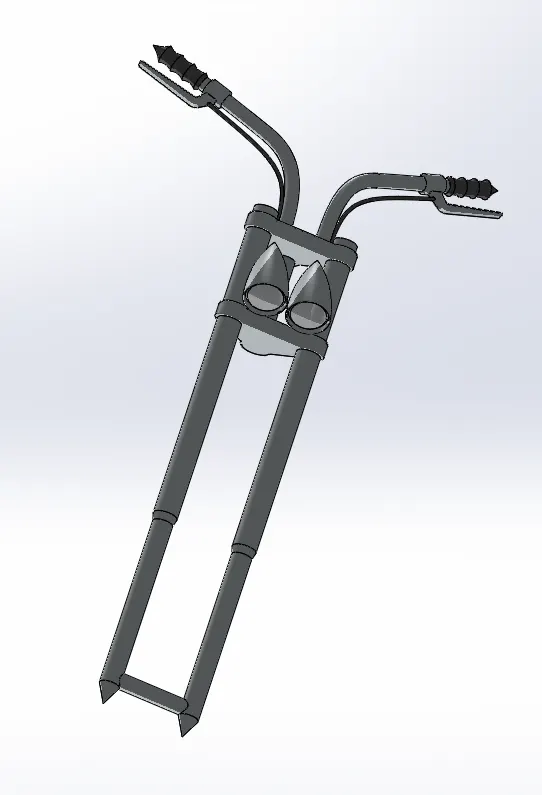
1.4 FRONT FORK
- OIL TANK & GAS TANK
A fuel tank (also called a petrol tank or gas tank) is a safe container for flammable fluids. Though any storage tank for fuel may be so called, the term is typically applied to part of an engine system in which the fuel is stored and propelled (fuel pump) or released (pressurized gas) into an engine.
TOOLS & FEATURE ARE USED:
- OIL TANK
- Sketch
- Boss Extrude
- Combine
- Fillet
- Shell
- Decals
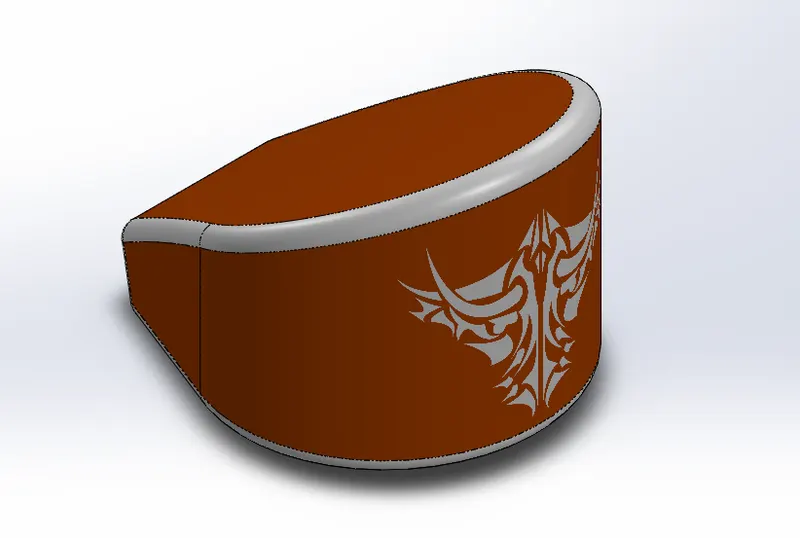
1.5 OIL TANK
2. GAS TANK
- Plane
- Surface Sweep
- Surface Trim
- Project Curve
- Surface Loft
- Bundary Surface
- Mirror
- Surface Knit
- Split Line
- Surface Extrude
- Fillet
- Cut Sweep
- Shell
- Decals
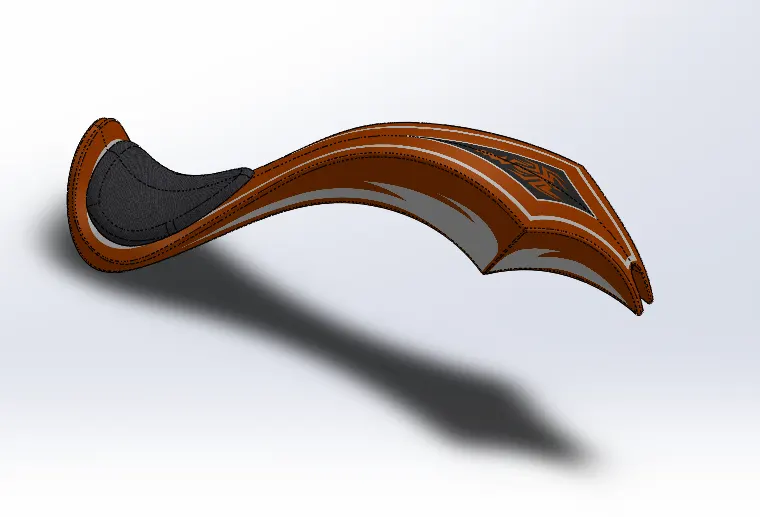
1.6 GAS TANK
- KICK STAND
A kickstand is a device on a bicycle or motorcycle that allows the bike to be kept upright without leaning against another object or the aid of a person. A kickstand is usually a piece of metal that flips down from the frame and makes contact with the ground.
TOOLS & FEATURE ARE USED:
- Sketch
- Plane
- Loft
- Dome
- Boss Extrude
- Cut Extrude
- Fillet
- Split
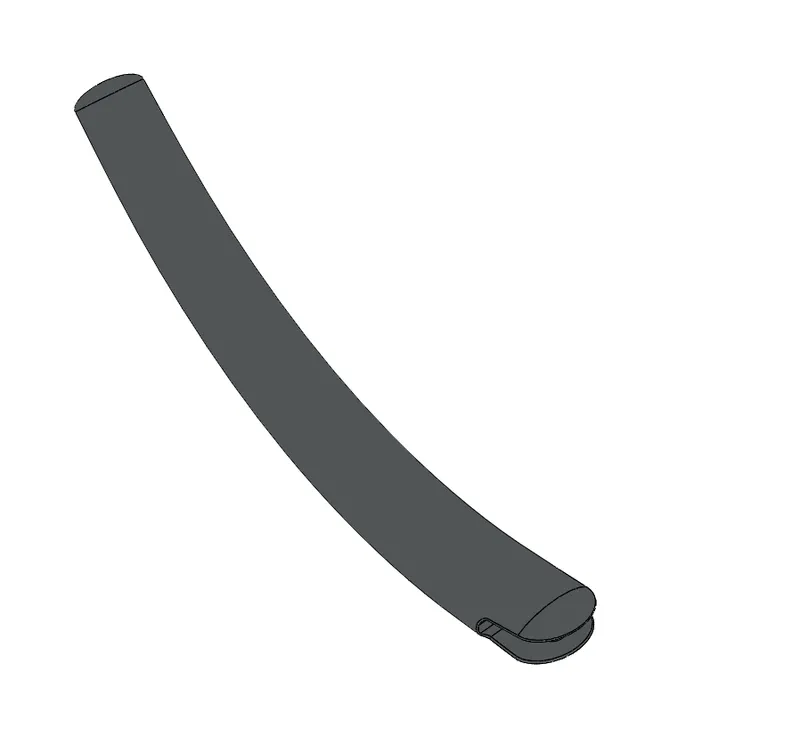
1.7 KICK STAND
- FRONT WHEEL & REAR WHEEL
Motorcycle wheels are made to cope with radial and axial forces. They also provide a way of mounting other critical components such as the brakes, final drive and suspension. Wheels, and anything directly connected to them, are considered to be unsprung mass. Traditionally motorcycles used wire-spoked wheels with inner tubes and pneumatic tyres. that mainstream manufacturers would start to introduce cast wheels on their roadgoing motorcycles. Spoked wheels are usually made using steel spokes with steel or aluminium rims. Cast wheels are predominantly made from an aluminium-alloy, but can also be made from more-exotic materials, such as magnesium content alloy or carbon fibre
TOOLS & FEATURE ARE USED:
- Sketch
- Solid bodies
- Revolve
- Boss Extrude
- Fillet
- Circular Pattern Array
- Cut Extrude
- Chamfer
- Cut Revolve
- Combine
FRONT WHEEL
- RIM
- ROTOR
- CALIPER
- TYRE
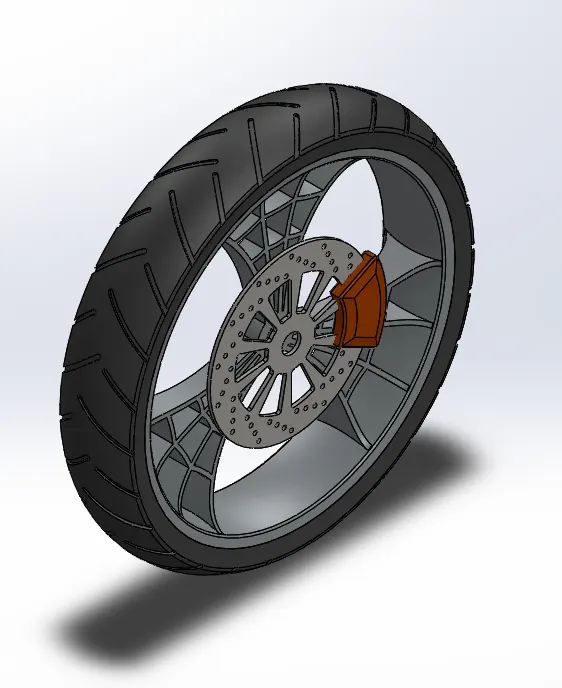
1.8 FRONT WHEEL
REAR WHEEL
- RIM
- ROTOR
- CALIPER
- SPROCKET
- TYRE
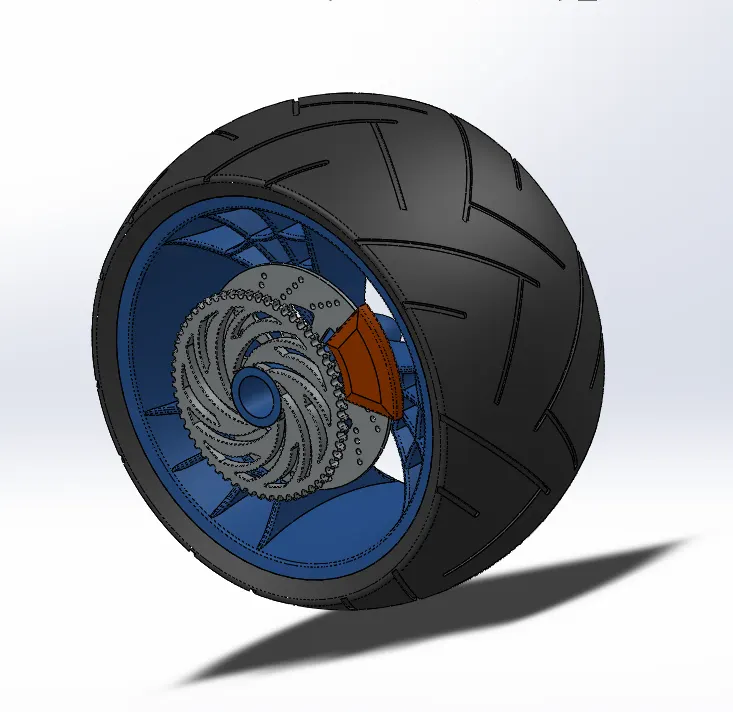
1.9 REAR WHEEL
- FENDER
A fender is essentially a covering for your bike tires that protects you from the rain. Riding with fenders will prevent the rain from splashing a streak of muddy water up your back, over your shoes and on your face. Fender is the American English term for the part of an automobile, motorcycle or other vehicle body that frames a wheel well.
TWO TYPES OF FENDER IN BIKE:
- FRONT FENDER
- REAR FENDER
TOOLS & FEATURE ARE USED:
- Sketch
- Revolve
- Fillet
- Shell
- Split
- intersect curve
- Decals
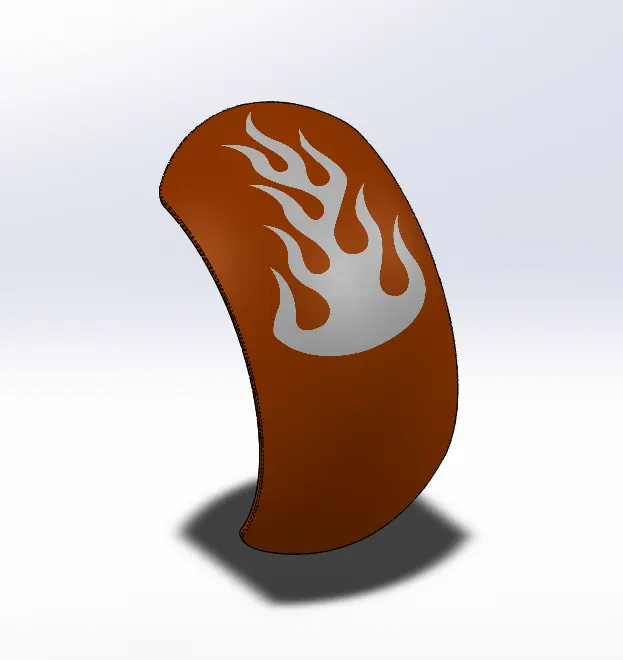
1.10 REAR FENDER
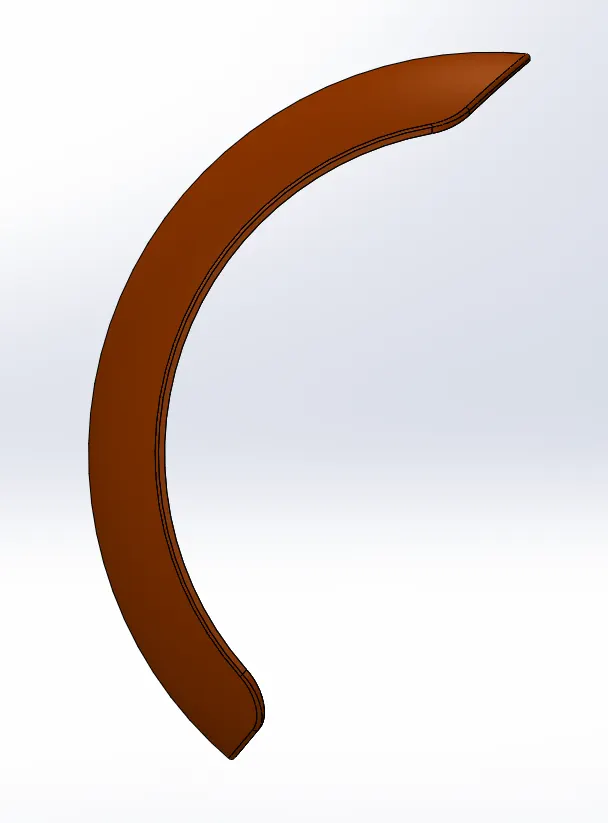
1.11 FRONT FENDER
- ENGINE
A motorcycle engine is an engine that powers a motorcycle. Motorcycle engines are typically two-stroke or four-stroke internal combustion engines, but other engine types, such as Wankels and electric motors, have been used. Motorcycle engines work the same way that car engines do. They consist of pistons, a cylinder block and a head, which contains the valve train. The pistons move up and down in the cylinder block, driven by explosions of a fuel-air mixture that has been ignited by a spark.
Below, we highlight some of the most common types of motorcycle engines. Inline Engines. Inline (straight) engines are perhaps the best place to start. This group of engines comprises of 4 main types – single, parallel twin, inline triple and inline four. Single Cylinder.
TOOLS & FEATURE ARE USED:
- Sketch
- Revolve
- Boss Extrude
- Cut Extrude
- Plane
- Fillet
- Circular Pattern
- Dome
- Chamfer
- Mirror
- Intersection Curve
- Swept Boss
- Compcurve
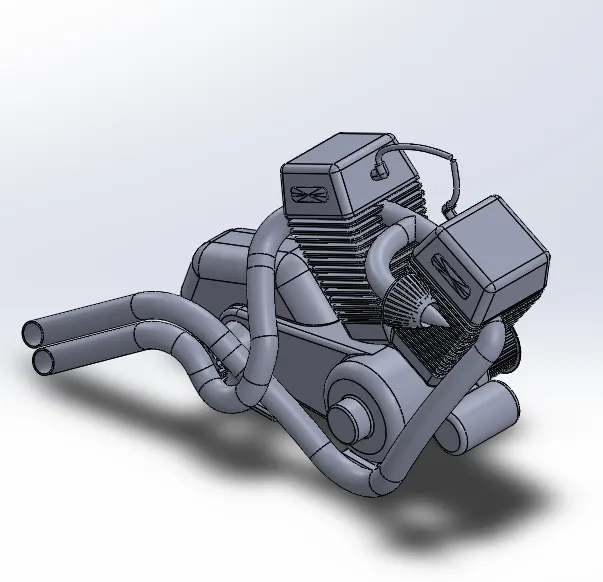
1.12 ENGINE
- CHAIN
These specially developed chains are used as the part of the drive train to transmit the motor power to the back wheel (Figure 1.13). Motorcycle Chains are superior to gears, which are in the crank cases, by the ease in adjusting the shaft center distance and the number of teeth of the sprocket. A chain and sprocket drive is a type of power transmission in which a roller chain engages with two or more toothed wheels or sprockets, used in engines as a drive from crankshaft to camshaft.
TOOLS & FEATURE ARE USED:
- Sketch
- Block
- Extruded Boss
- Curve Driven Pattern
- Fillet
- Mirror
- Body delete
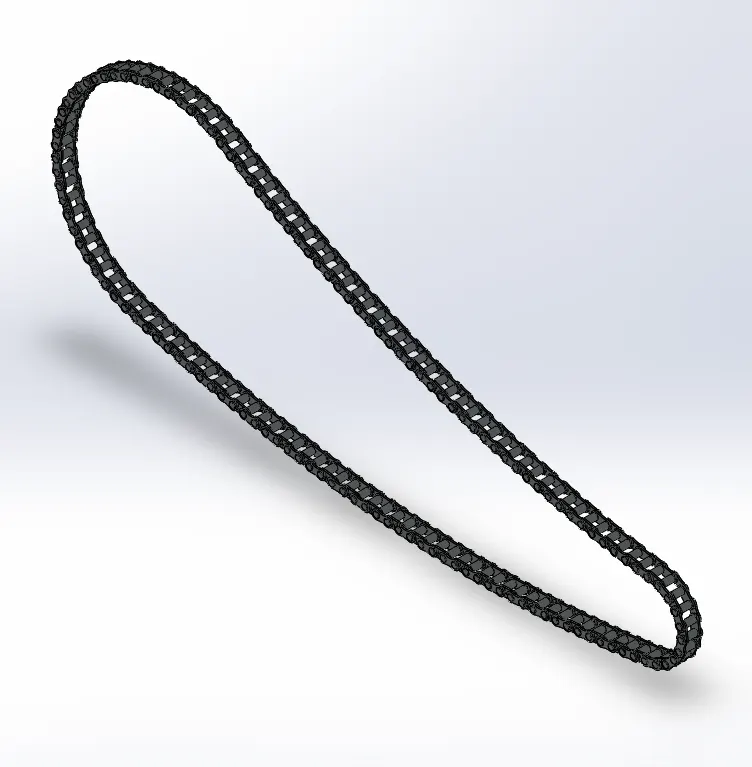
1.13 CHAIN
ASSEMBLY MODEL OF REPORT:
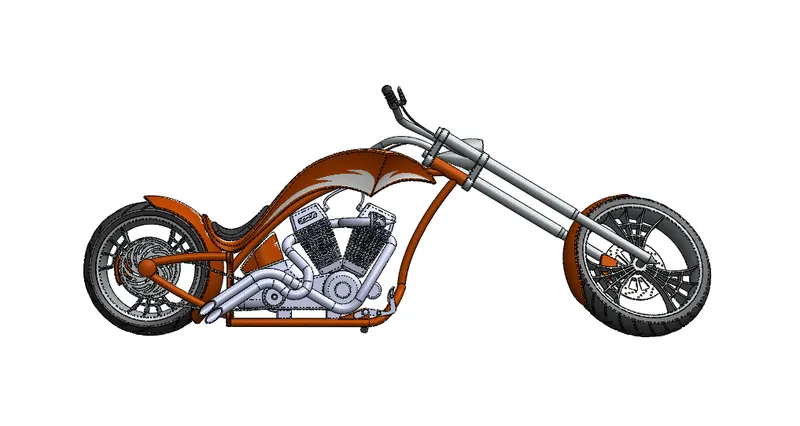
1.14 FRONT VIEW
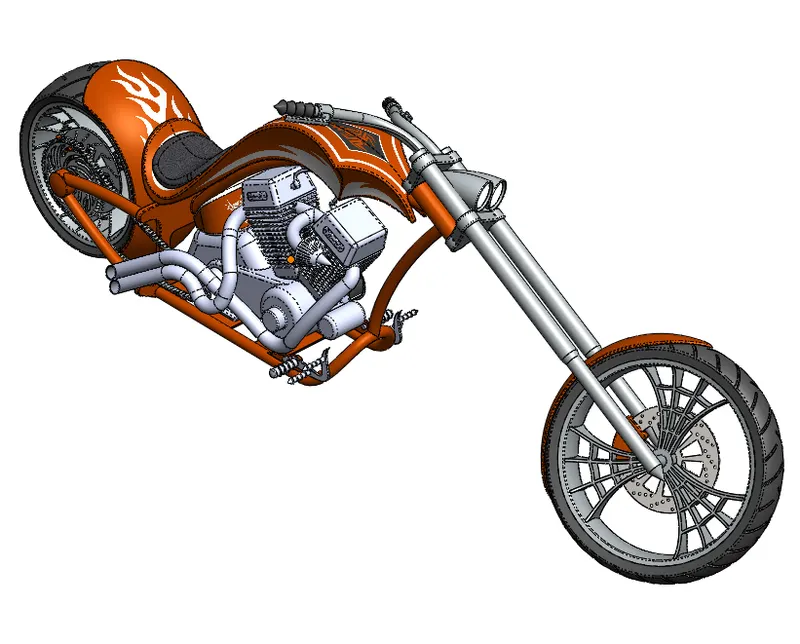
1.15 ISOMETRIC VIEW
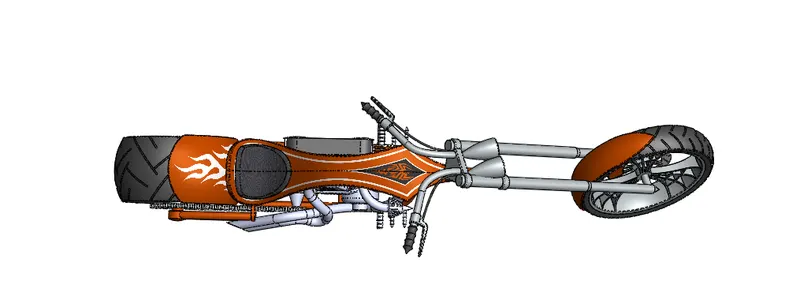
1.16 TOP VIEW
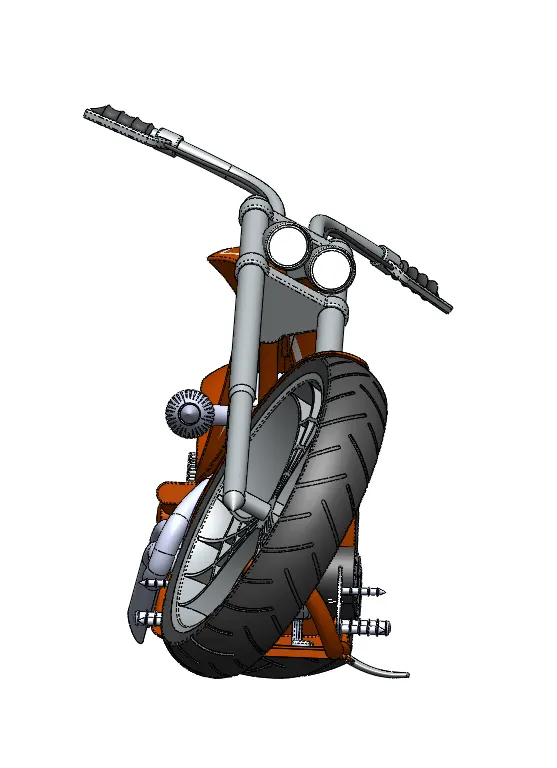
1.17 RIGHT VIEW
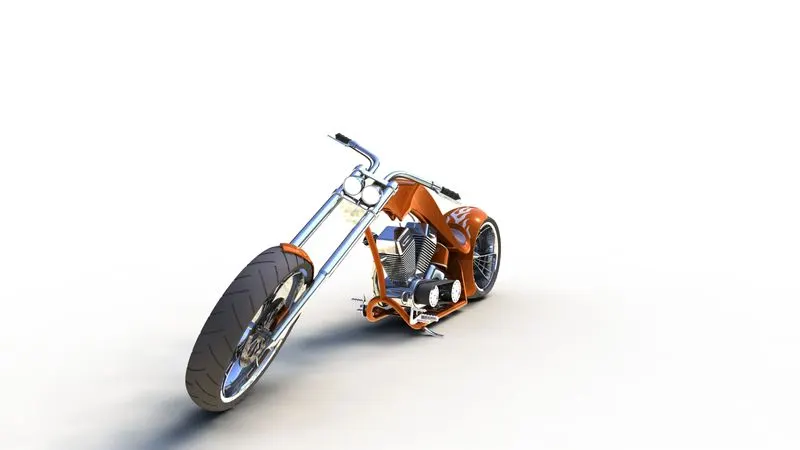
1.18 (a) CAMERA SETUP VIEW
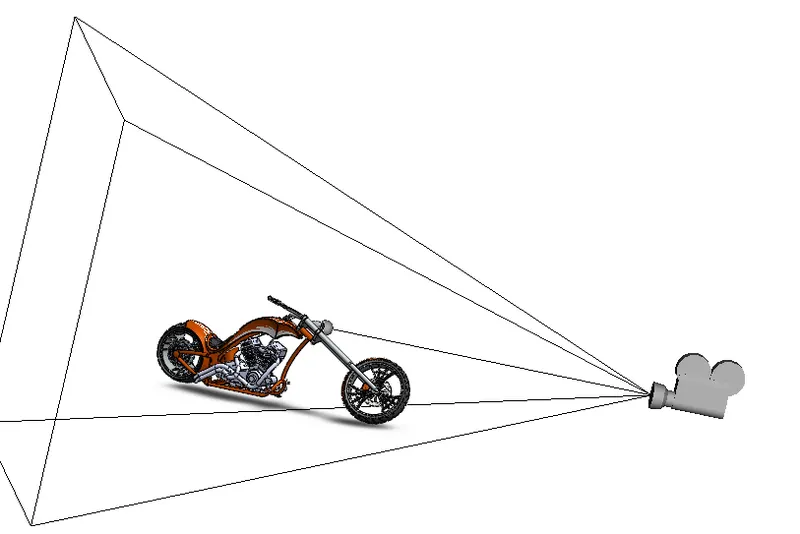
1.18 (b) CAMERA SETUP VIEW
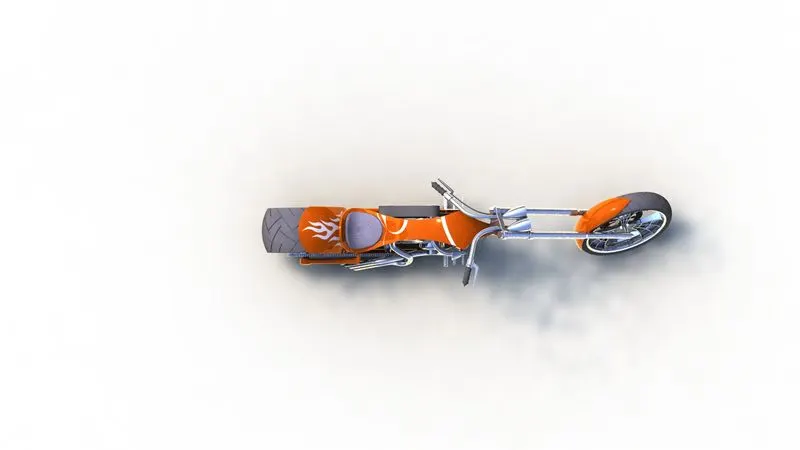
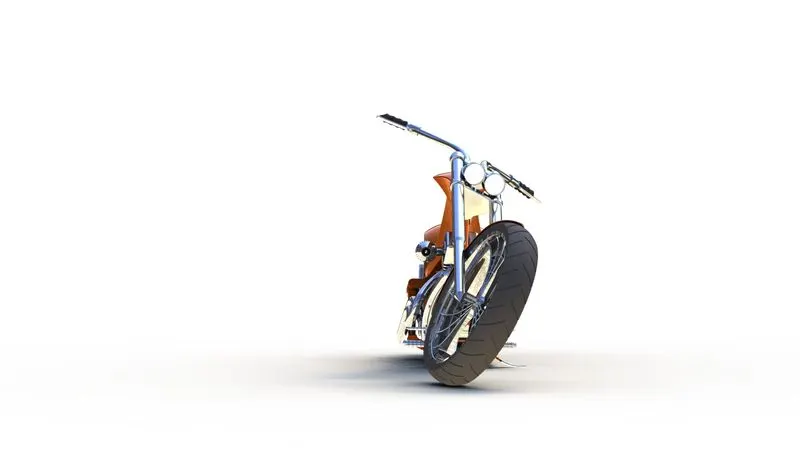
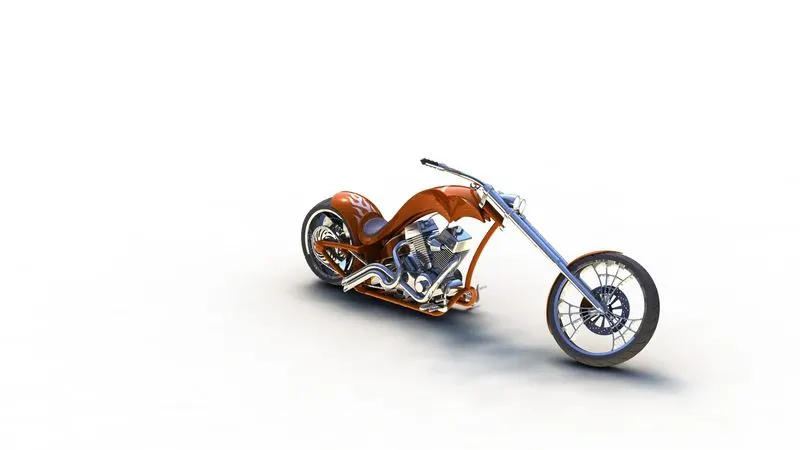
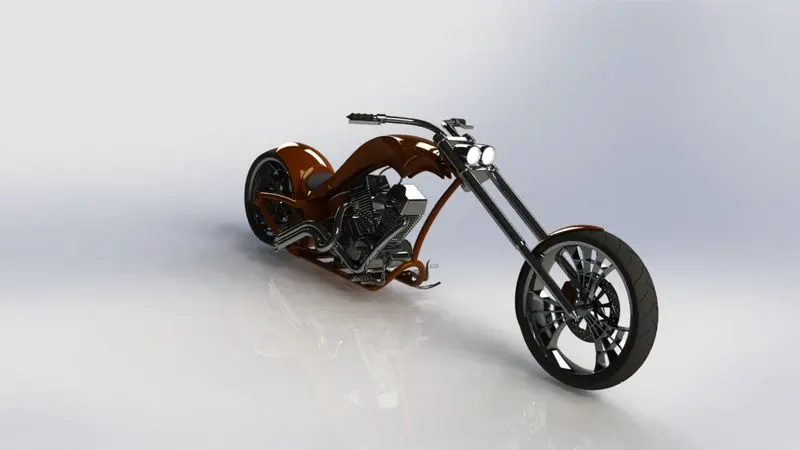
RENDERING IMAGES:
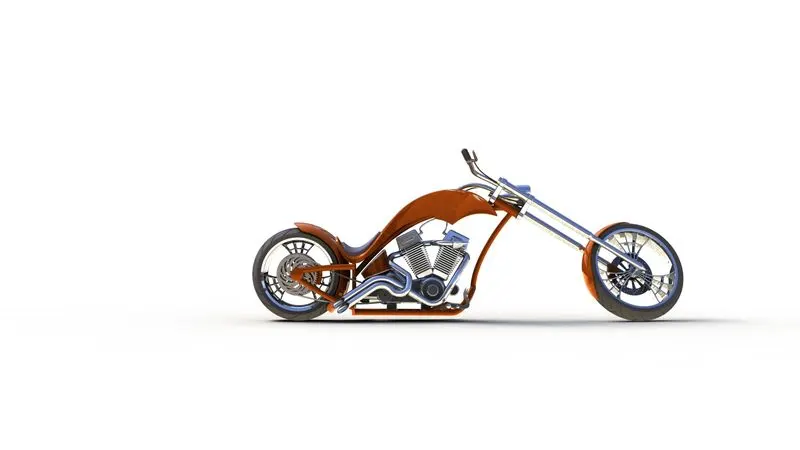
- CONCLUSION
Design the chopper bike parts and assembly all parts & Photorealistic rendering of the American Chopper bike by using solidworks succesfully completed