Independent Research Project
AIRFLOW ANALYSIS OF A NACA 4412 AIRFOIL
AIM- To calculate lift and drag coefficents of a NACA 4412 airfoil.
1.INTRODUCTION
An Airfoil is a cross sectional area which is used in aircraft wing design. Its fundamental concept is to offer lift to a plane by reducing the drag to a sufficient amount. The measurement of forces and coefficient of lift depends upon
configuration and assembly of various parts of the desired aircraft. Heavier one has more lift while lighter one has less lift contrasted with heavier ones. In like manner, dependent upon the use of plane, Airfoil cross section is settled. Lift however apply extra forecast to the raising velocity of the aircraft, which in turns relies upon the plane with respect to the flight speed. Henceforth, the coefficient of lift and weight is the central factor to make indicate how the lift reacts according to the speed and different parameters
1.1 Theory of Flight
Flight is a phenomenon that has long been a part of the natural world. Birds fly not only by flapping their wings, but by gliding with their wings outstretched for long distances. Smoke, which is composed of tiny particles, can rise thousands of feet into the air. Both these types of flight are possible because of the principles of physical science. Likewise, man-made aircraft rely on these principles to overcome the force of gravity and achieve flight.
Lighter-than-air craft, such as the hot air balloon, work on a buoyancy principle. They float on air much like rafts float on water. The density of a raft is less than that of water, so it floats. Although the density of water is constant, the density of air decreases with altitude. The density of hot air inside a balloon is less than that of the air at sea level, so the balloon rises. It will continue to rise until the air outside of the balloon is of the same density as the air inside. Smoke particles rise on a plume of hot air being generated by a fire. When the air cools, the particles fall back to Earth.
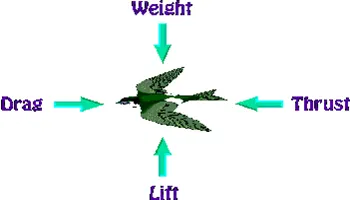
Heavier-than-air flight is made possible by a careful balance of four physical forces: lift, drag, weight, and thrust. For flight, an aircraft's lift must balance its weight, and its thrust must exceed its drag. A plane uses its wings for lift and its engines for thrust. Drag is reduced by a plane's smooth shape and its weight is controlled by the materials it is constructed of.
Lift-
In order for an aircraft to rise into the air, a force must be created that equals or exceeds the force of gravity. This force is called lift. In heavier-than-air craft, lift is created by the flow of air over an airfoil. The shape of an airfoil causes air to flow faster on top than on bottom. The fast flowing air decreases the surrounding air pressure. Because the air pressure is greater below the airfoil than above, a resulting lift force is created.
Drag-
Every physical body that is propelled through the air will experience resistance to the air flow. This resistance is called drag. Drag is the result of a number of physical phenomena. Pressure drag is that which you feel when running on a windy day. The pressure of the wind in front of you is greater than the pressure of the wake behind you. Skin friction, or viscous drag, is that which swimmers may experience. The flow of water along a swimmer's body creates a frictional force that slows the swimmer down. A rough surface will induce more frictional drag than a smooth surface. To reduce viscous drag, swimmers attempt to make contact surfaces as smooth as possible by wearing swim caps and shaving their legs. Likewise, an aircraft's wing is designed to be smooth to reduce drag.
Like lift, drag is proportional to dynamic pressure and the area on which it acts. The drag coefficient, analgous to the lift coefficent, is a measure of the amount of dynamic pressure gets converted into drag. Unlike the lift coefficient however, engineers usually design the drag coefficient to be as low as possible. Low drag coefficients are desirable because an aircraft's efficiency increases as drag decreases.
Weight-
The weight of an aircraft is a limiting factor in aircraft design. A heavy plane, or a plane meant to carry heavy payloads, requires more lift than a light plane. It may also require more thrust to accelerate on the ground. On small aircraft the location of weight is also important. A small plane must be appropriately "balanced" for flight, for too much weight in the back or front can render the plane unstable.
Thrust
Propulsion involves a number of principles of physical science. Thermodynamics, aerodynamics, fluid mathematics, and physics all play a role. Thrust itself is a force than can best be described by Newton's second law. The basic form of this law is:
F = ma
which states that force (F) is equal to mass (m) times acceleration (a). Acceleration is the rate of change of velocity over time. Thrust (T) is produced therefore by accelerating a mass of air.
1.2 About the Airfoil used
The NACA airfoils are airfoil shapes for aircraft wings developed by the National Advisory Committee for Aeronautics (NACA). The shape of the NACA airfoils is described using a series of digits following the word "NACA". The parameters in the numerical code can be entered into equations to precisely generate the cross-section of the airfoil and calculate its properties.
The NACA four-digit wing sections define the profile by:
1.First digit describing maximum camber as percentage of the chord.
2.Second digit describing the distance of maximum camber from the airfoil leading edge in tenths of the chord.
3.Last two digits describing maximum thickness of the airfoil as percent of the chord.
For example, the NACA 2412 airfoil has a maximum camber of 2% located 40% (0.4 chords) from the leading edge with a maximum thickness of 12% of the chord.
For the simulation we are using a NACA 4412 airfoil.
2.SIMULATION
2.1 Preparing the Geometry
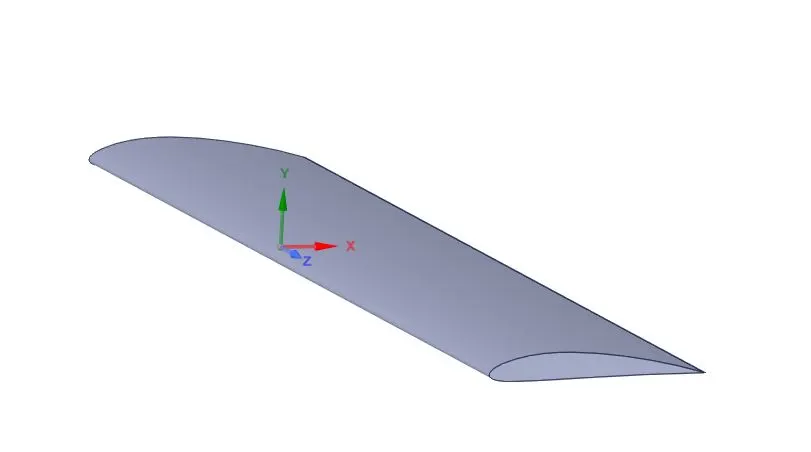
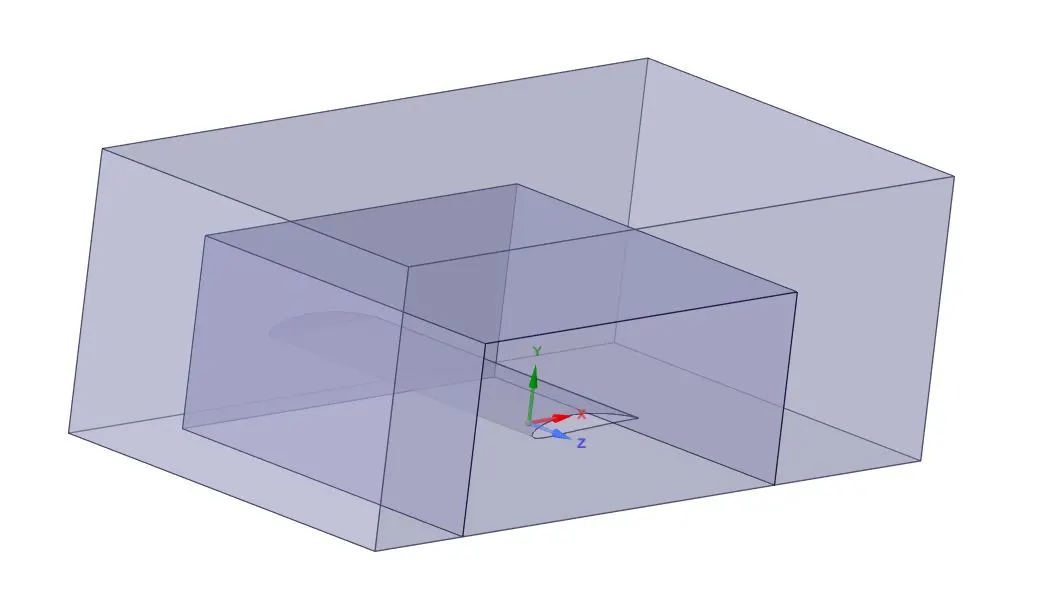
The NACA 4412 airfoil was made on solidworks and then imported on spaceclaim.Then the enclosure tool was used to create 2 enclosures around the airfoil. One enclosure is big while the other is small.The aim to create two enclosures in to get two different they of meshs around the airfoil.After that interference was checked and the topology was set two share.By this we will get a conformal mesh.As the body is symmetrical I used the split body tool to decrease time for simulation and it will help to to create finer mesh.The final image is given below.
2.2 Meshing
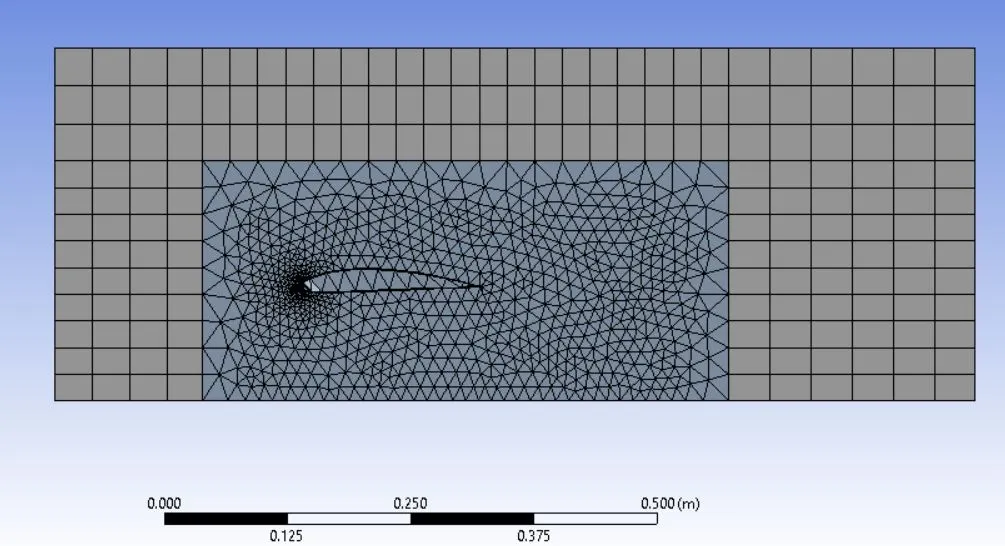
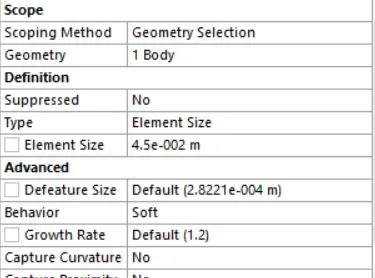
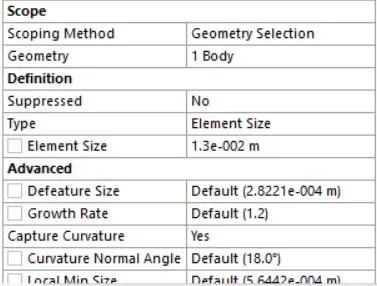
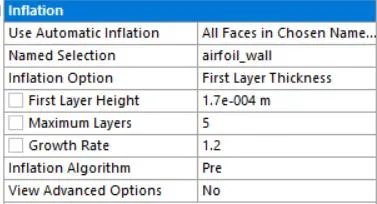
After preparing the geometry the meshing module was opened.For the outer box, Hexaheron mesh by using Meshing method and setting it to multizone. Sizing tool was also used to make desired size of element in the two enclosures.An inflatin layee was added around the airfoil. All detail of mesh are given below.
2.3 Simulation Setting
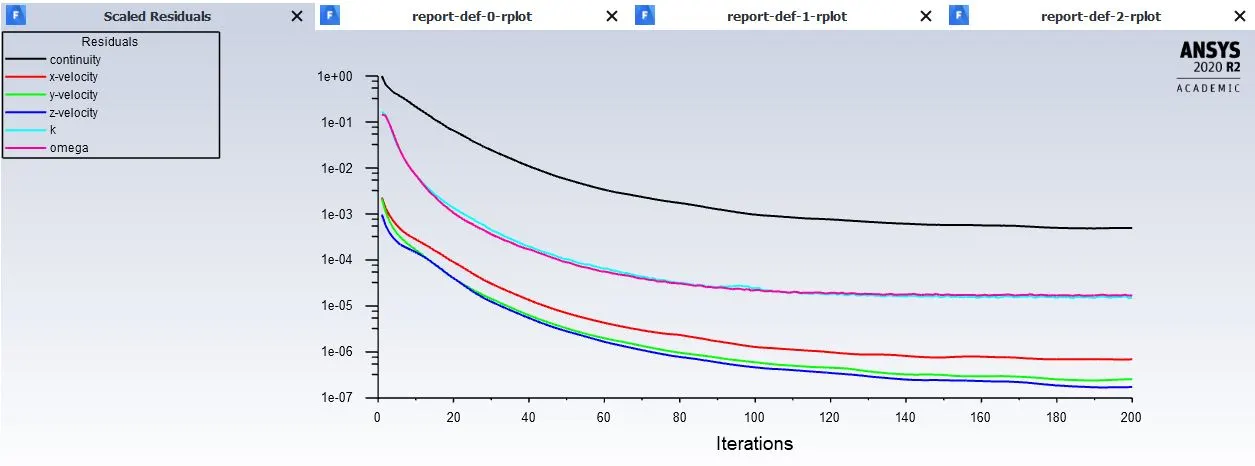
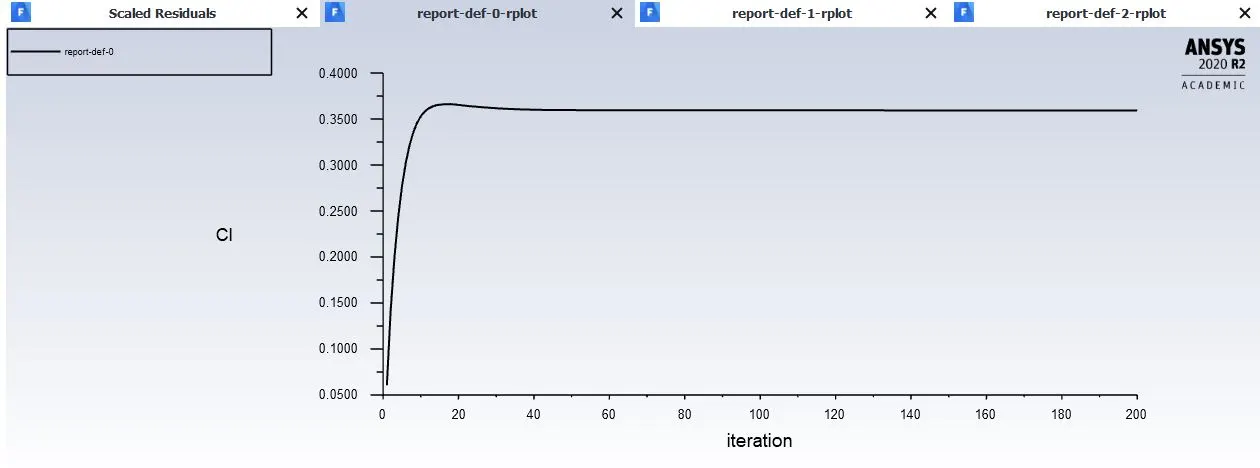
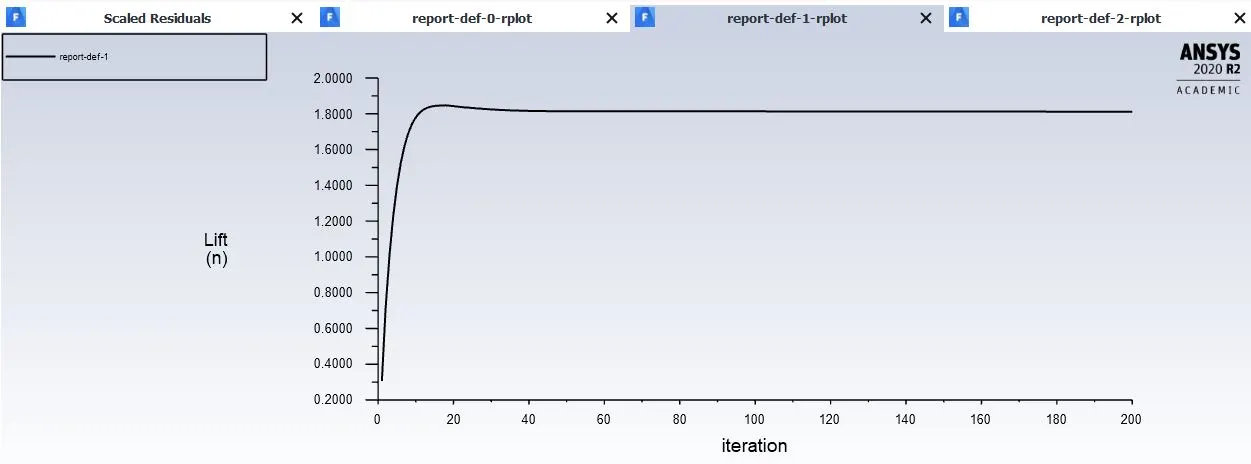
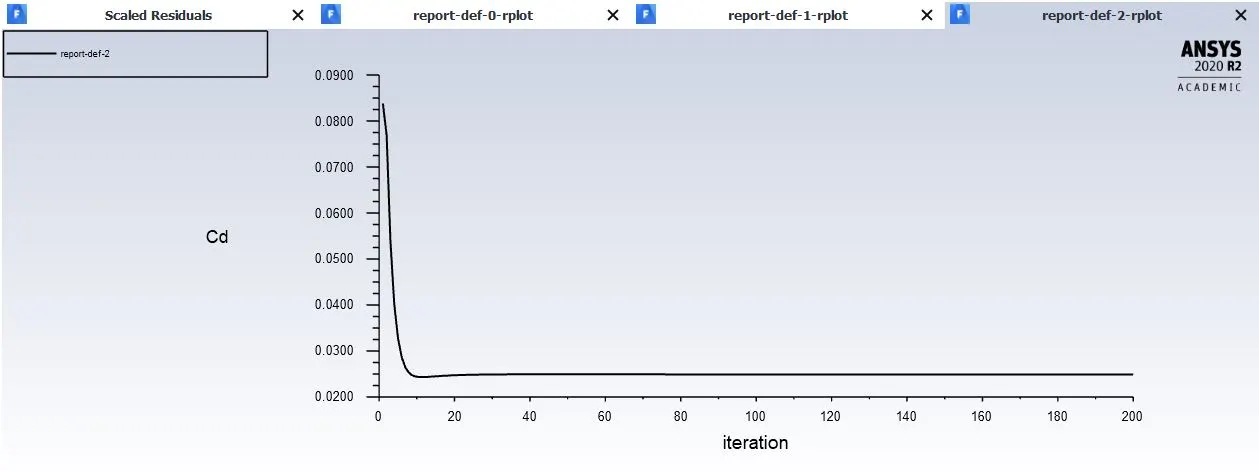
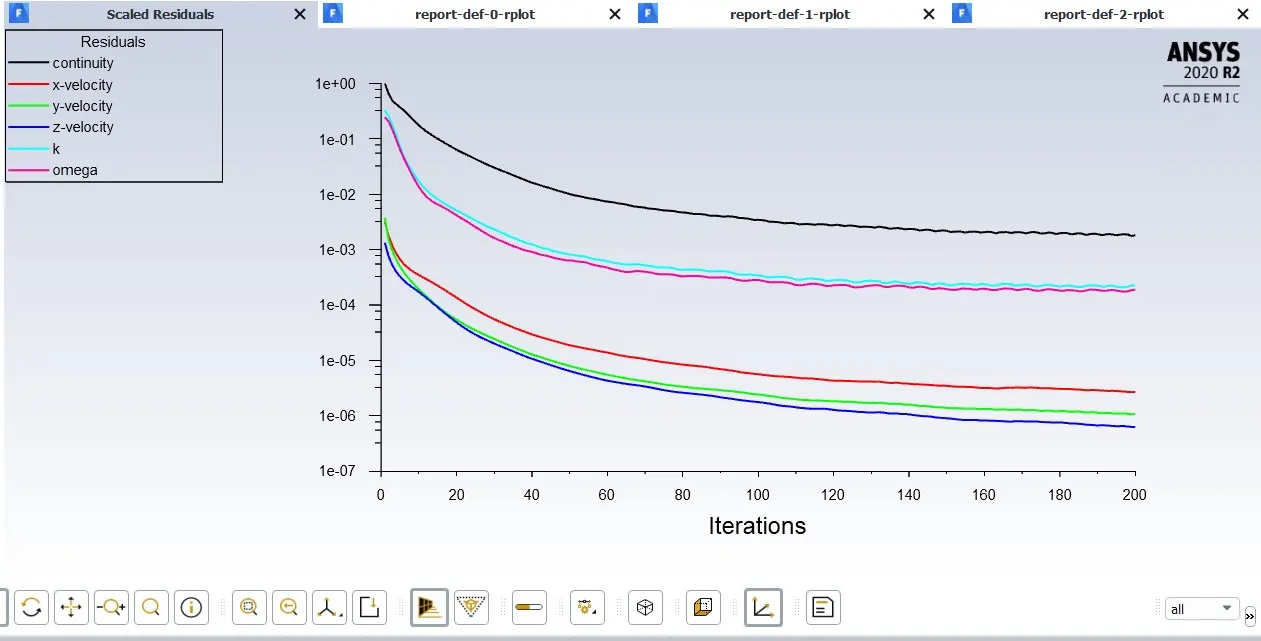
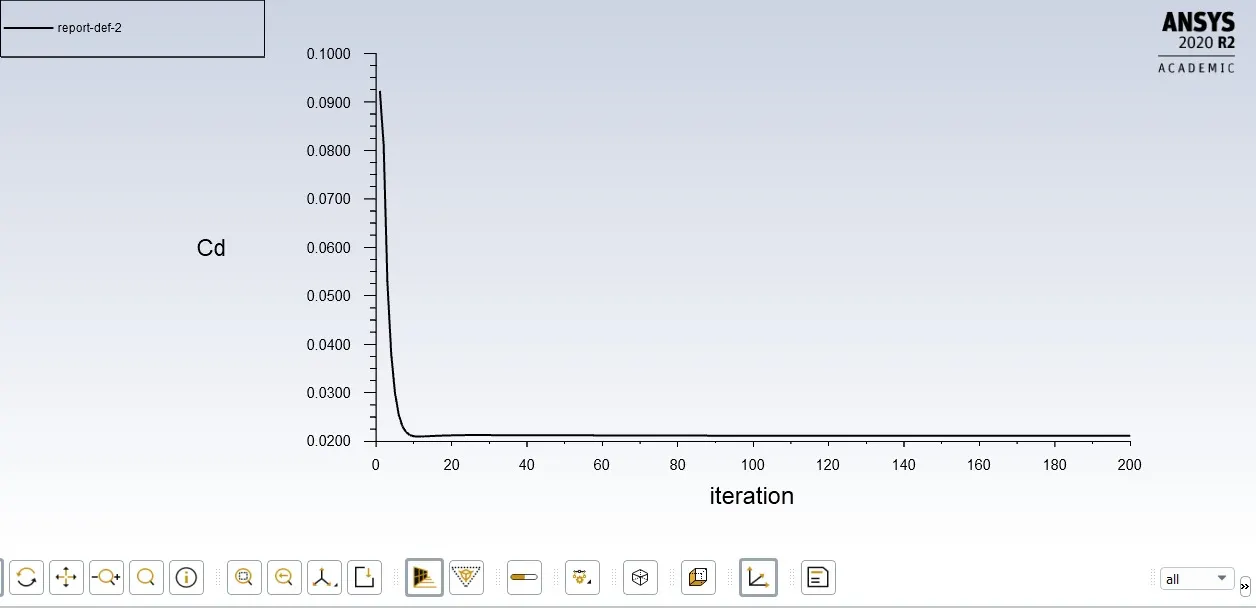
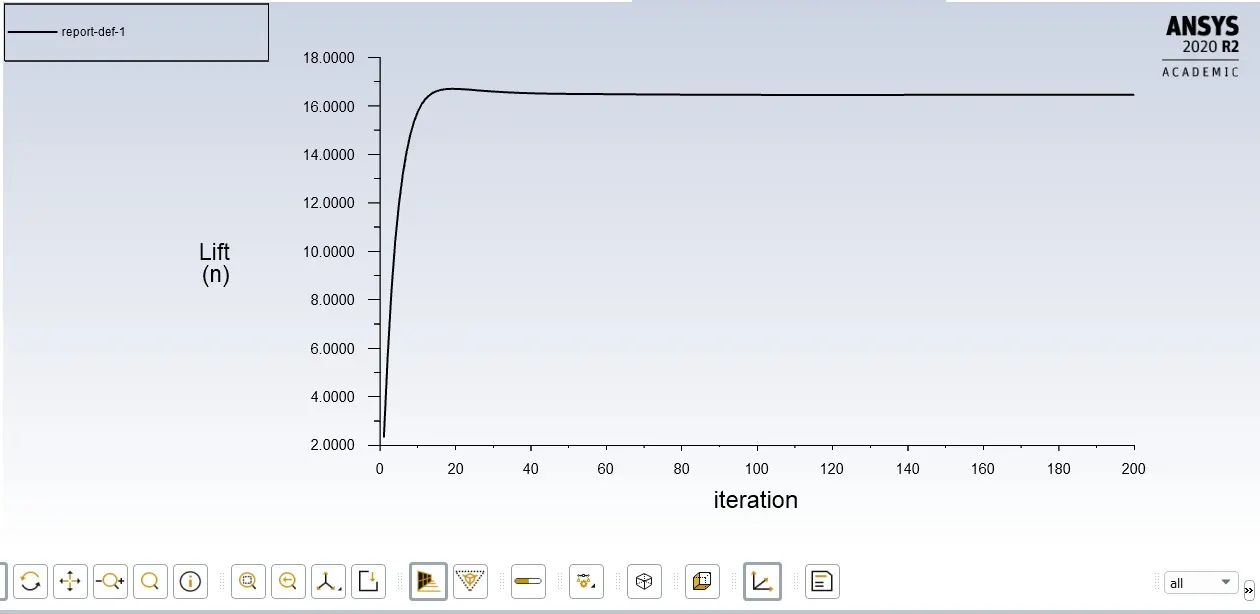
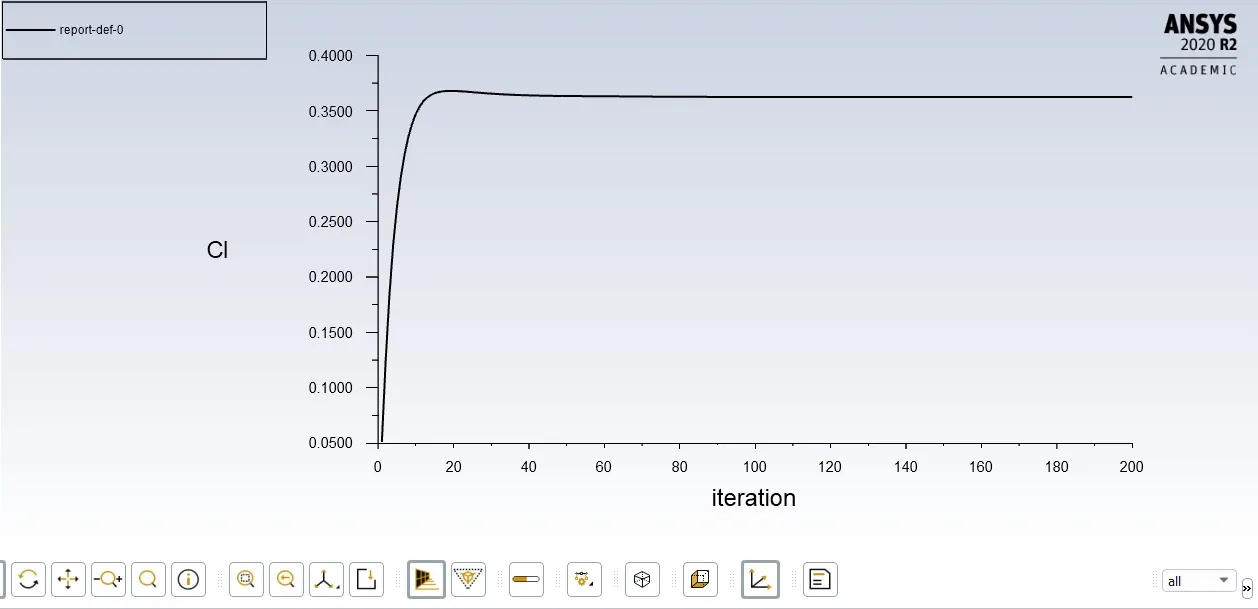
There are 3 cases for the simulation with varing the speed of air from 10 m/s to 30m/s For this simulation I used the k-omega SST model with pressure based solver as the the air speed is less the 0.3 mach.The report for Lift and drag coefficeints were made. Also the the lift force was also calculated.The simulation was ran for 200 iterations.
2.4 Results
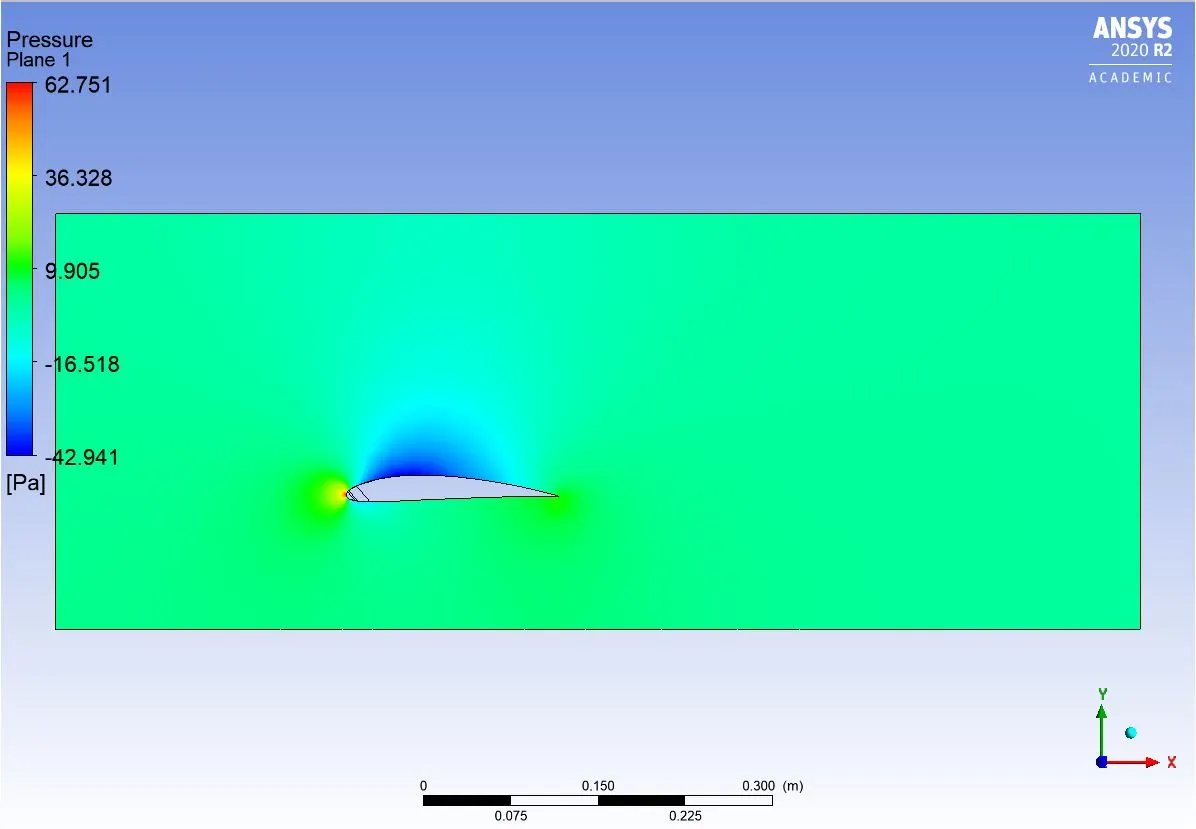
Case 1- Air speed 10m/s
Case 2- Air speed 20m/s
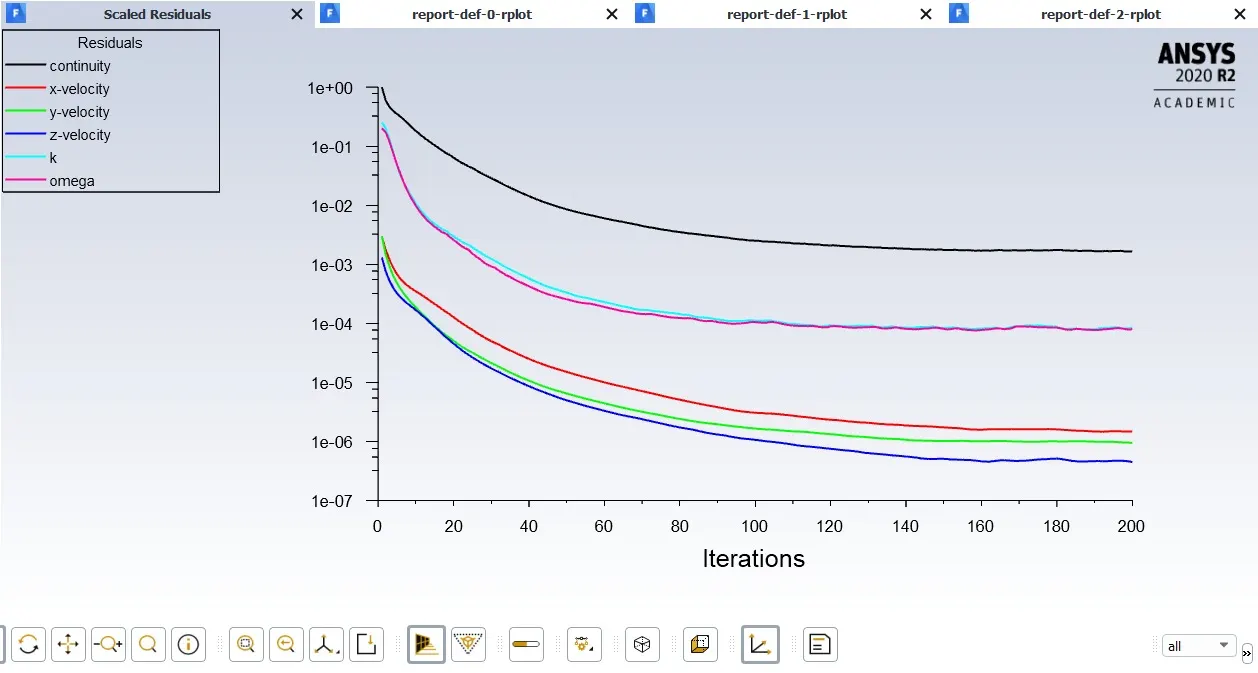
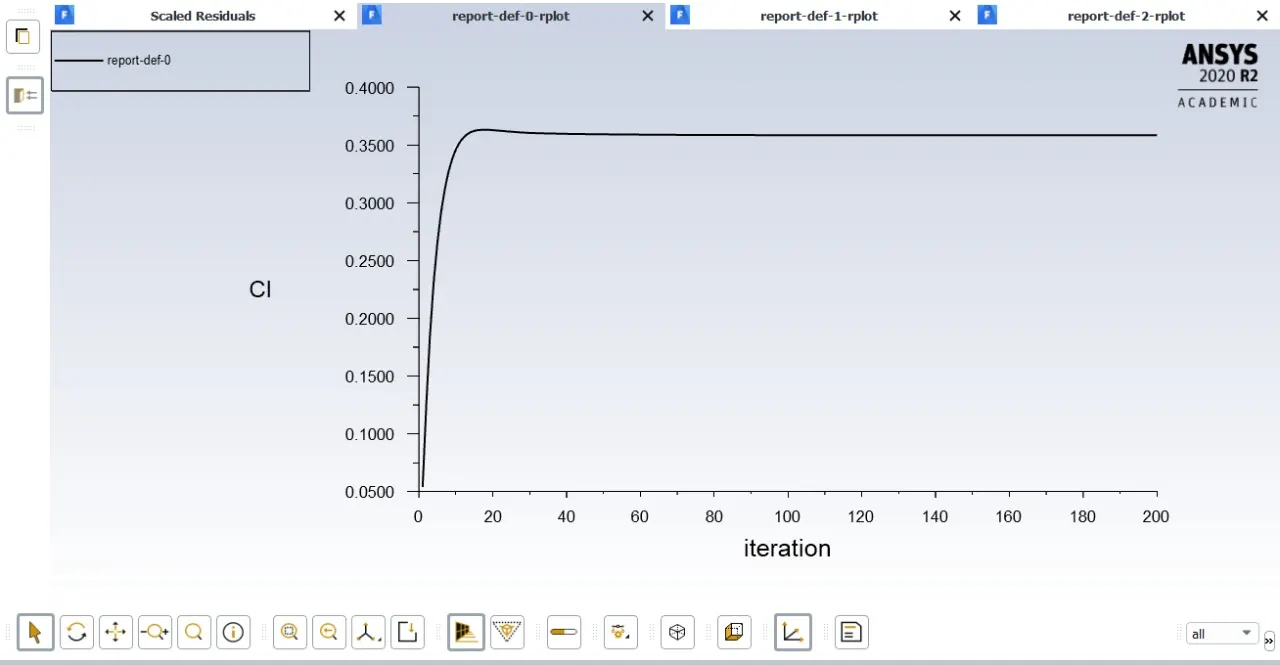
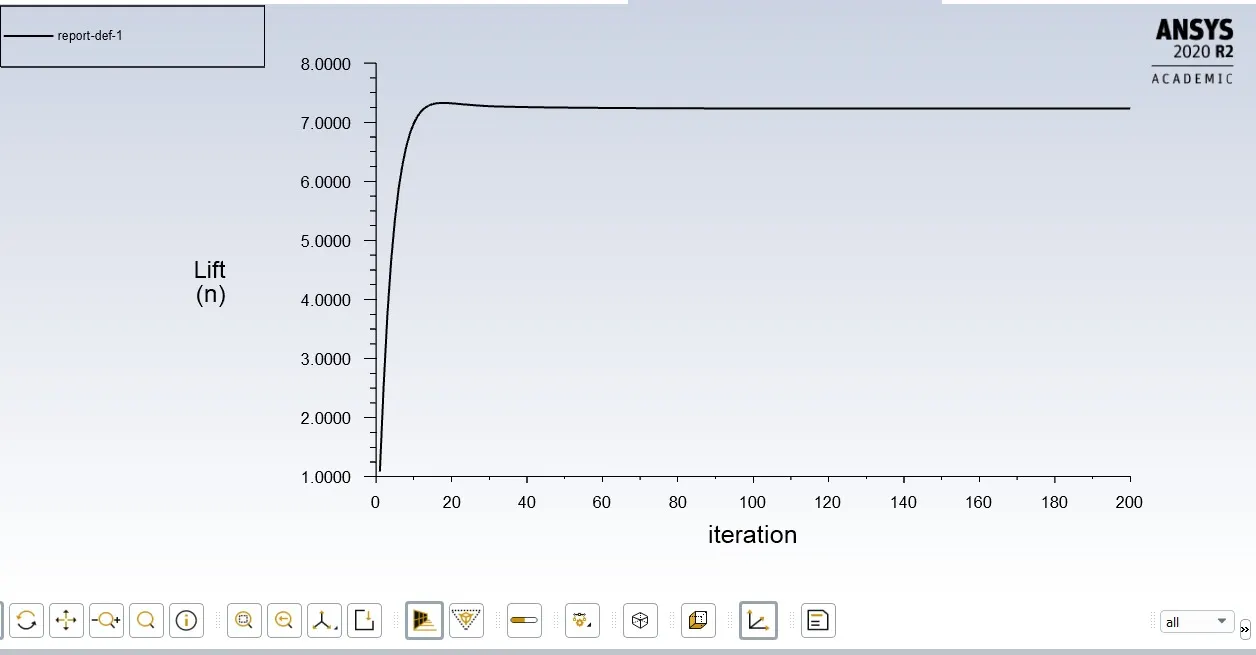
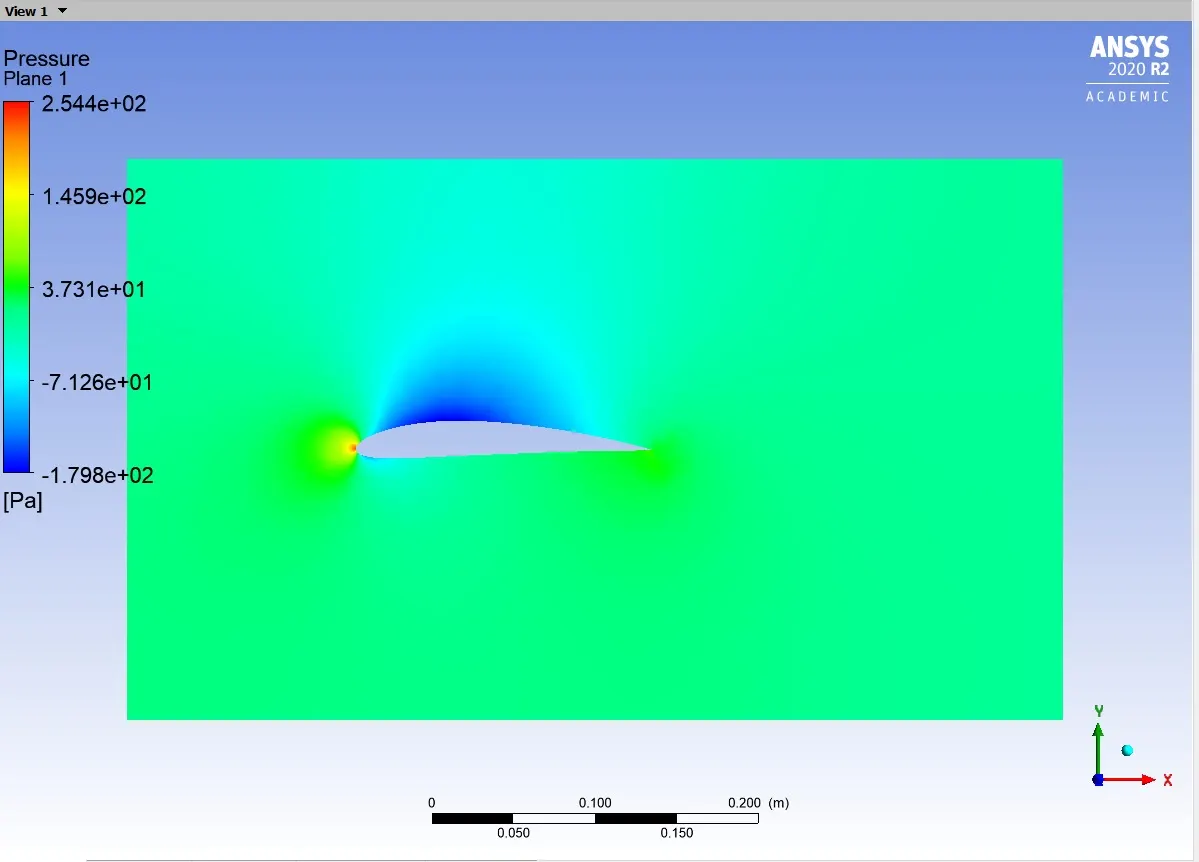
Case 3- Air speed 30m/s
Conclusion
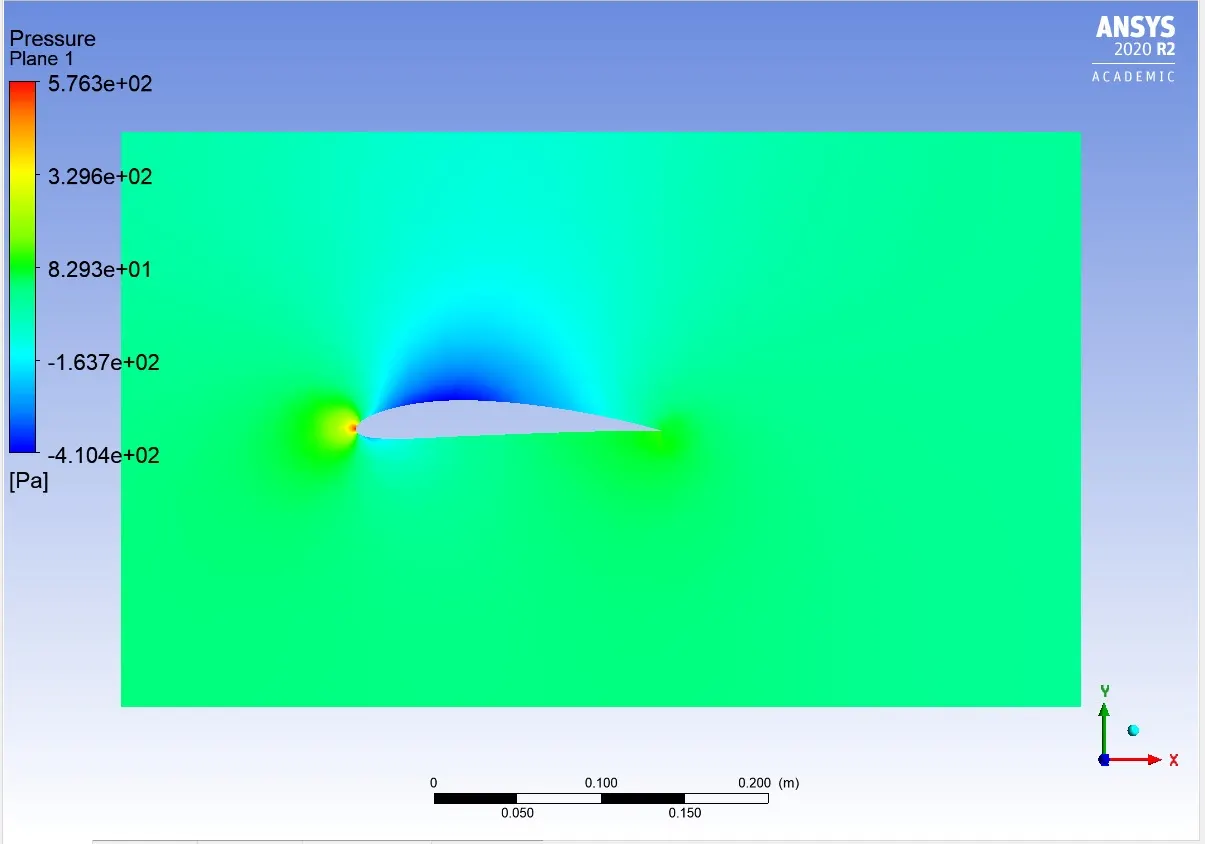
From the above Simulation we reached to a conclusion that as the air speed increases the Lift also incerases because the of the pressure difference above and below the airfoil.In all the case the highest pressure is found at the leading edge of the airfoil as it is the point where the flow divides into two.The table below shows all the reading below.
| CASE | AIR SPEED(m/s) | LIFT COEFFICIENT |
DRAG COEFFICIENT |
LIFT FORCE (N) |
| 1 | 10 | 0.3625 | 0.0211 | 1.8 |
| 2 | 20 | 0.3625 | 0.0211 | 7.2492 |
| 3 | 30 | 0.3625 | 0.0211 | 16.4586 |