Identification of Cracks
Failure in the structure is classified into two types
- Flexural failures - It causes due to instability of structures
Types of Flexural failure- Bending failure
- Shear failure
- Torsion failure
- Buckling failure
- Compression failure
- Tension failure
- Plastic hinge failure
- Serviceability failures - It causes due to excessive usage of building that is excessive vibration and stresses induced building
Types of serviceability failures- Deflection
- Vibration
- Stresses
1)
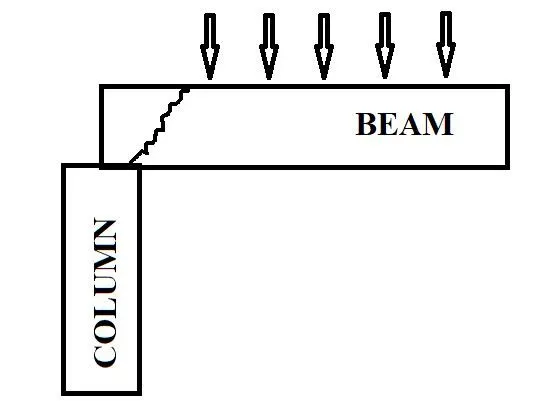
a) Damage to the structure is caused due to "SHEAR FAILURE" which is a flexural type of failure. This type of failure is caused due to higher force concentration of loads on the beams. Since shear failure is a sudden effect without warning, the desgin of shear must ensure that shear strength of every member in the structure is greater and these type of failures are non repairable. Shear failures in beams are caused by diagonal cracks near support providing no shear reinforcement. Beams fail immediately upon formation of critical cracks in the high shear region near the beam supports. Whenever the value of actual shear stress exceeds the permissible shear stress of the concrete used, the shear reinforcement must be provided. The purpose of shear reinforcement is to prevent failure in shear and to increase beam ductility, thus sudden failure of beam will not happen.
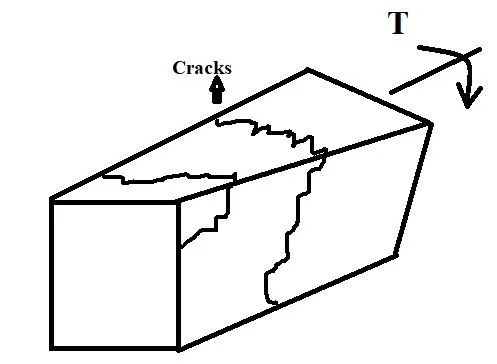
b) Damage to the structure is caused due to "TORSION FAILURE" which is a flexural type of failure. This failure is caused due to rotational forces formed beacuse of non uniform distribution of mass, strength and stiffness or seismic movements. Torsional problems takes place when the mass center and center of rigidity are not located at the same place. By increasing distance between center of mass and center of rigidity, building is forced to twist around the rigid structural section and subjected to great torsional moments. Excessive torsion causes columns and concrete walls to fail or heavily damage. The torsion will increase the shear force in the peripheral members in addition to the lateral shear rising from seismic ground motion and on the other hand excessive rotation of slabs could result in large deformations in peripheral members and damage those with relatively low strength. These type of failures are non repairable.
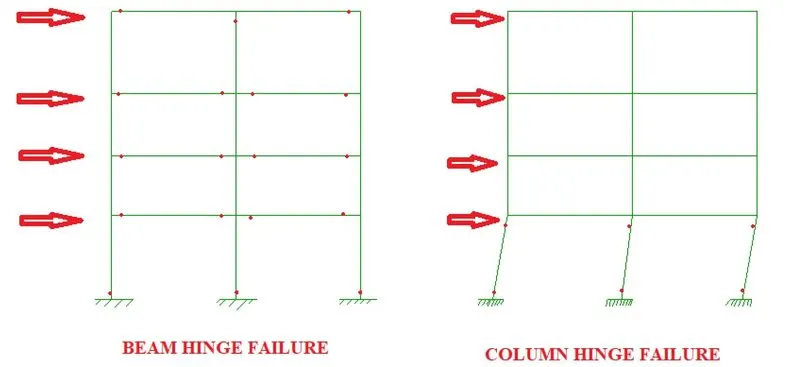
c) Damage to the structure is caused due to " PLASTIC HINGE FAILURE". It is caused due to crushing of concrete along with plastic state of reinforcement. Mostly during oscillation of structure or structure not achieving the equilibrium. Plastic hinges are introduced into the structure in such a way asssuming that the structure deforms only at the plastic hinges where plastic bending occurs. The selection of plastic hinge location will ensure that ductility is inelastic deformation is well distributed throughout height of the building. End of beam and base of column should have appropriate plastic hinge. Inappropriate detailing of plastic hinge location causes failure of building such as beam column connection. This type of failure is non repairable.
2)
a) Damage to the structure is caused due to "PULL OUT FAILURE". This failure is developed in beam due to inadequate rebar development from beam to column so the crack will develop as a line along beam-column junction.
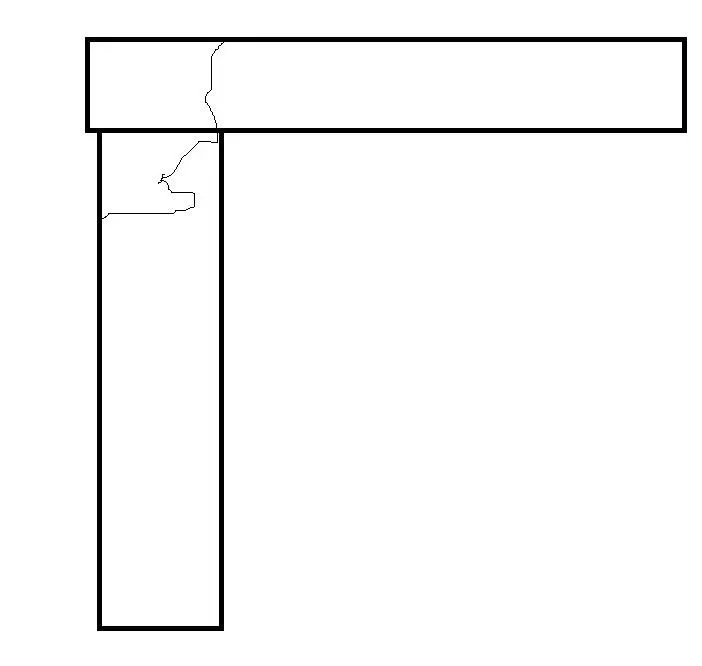
b) Damage to the structure is caused due to "COMPRESSION FAILURE". When columns are axially loaded, the concrete and steel will experience some stresses. When axial loads are greater in amount compared to cross sectional area of the column, the concrete and steel will reach the yield stress and failure will be starting without any later deformation. This type of failure is the crushing or yielding of material itself and not the entire column. Mostly occurs in short column or wider beam which are non repairable.
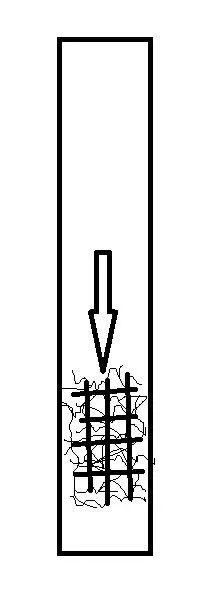
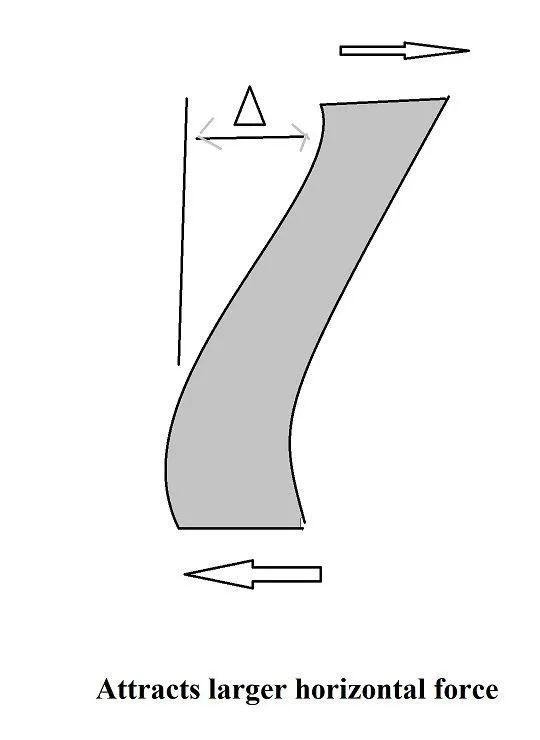
c) Damage to the structure is caused due to "SHORT COLUMN FAILURE". Short columns unable to withstand loads which causes failure. Short column possess high stiffness that attracts most of the force acting on multistorey building. Inadequate design of short column to sustain these forces will result in damage and shear failure. This effect is known as short column effect. Special attention is required for short columns and hence recommended to avoid in building especially for earthquake prone areas. The effect of a short column is disastrous as they undergo brittle shear failure. More the stiffness of any structural element less will be its flexibility to undergo any sort of deformation. Earthquake design of a building is more efficient through the flexible design of the structure. To avoid failure of short column, a special ductile reinforcement is necessary.