Identification of Cracks
Q.1
A)
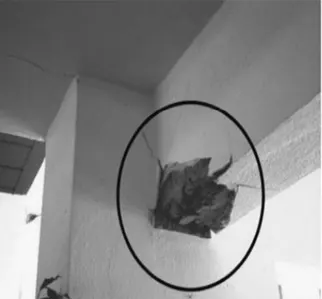
Observation -
Concrete is crushed and the reinforcement is visible
Concrete spalled beyond the reinforcement which may be sign of rupture
No damage has found on the top of the beam because of the flange advantage from slab
The cracks are developed from the bottom that means bar yielding occurred in support bottom only
Ans -
It is flexural failure of beam due to the reversal of stress during earthquake
Usually you will see at support top experiences tension and bottom compression but during reversal stresses due to earthquake at support top experiences compression and bottom experience tension
As the bottom tension was not satisfied by the
Provided reinforcement
Since the reinforcement failed, it can not be repaired
B)
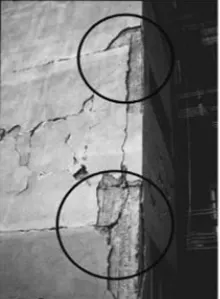
Observation -
Cracks along beam and column
Some Cracks seem to be developed through the structure as it looks much wider
Beam looks separated from the column at joints
Concrete is not severely crushed but it has cracked
Ans -
It's beam put out failure due insufficient developed length of the reinforcement in the joints
During earthquake the horizontal movement of structure makes it worse and detaches beam from column
Because the sufficient anchorage length makes the good bond between beam and column
Providing Anchorage between two old concrete is difficult. the damage can not be repaired
C)
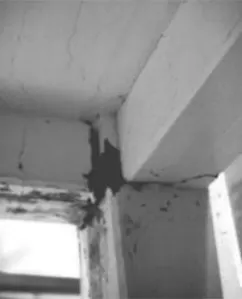
Observation -
Cracking is developed at the column beam
Cracks in beam are developed on its entire
width and the Cracks are wide
Slab also has developed some minor cracks along the beam width direction
Ans -
It's a Plastic hinge failure.
The damage has occurred only at the joint
Cyclic lateral loading & stress reversal at the joints led to the damage
Even the flange advantage of the slab was unable to control the damage so it has developed cracks
We can try strengthening of joints
Q.2
A)
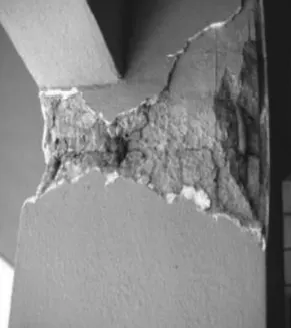
Observation -
Concrete is damaged all around the column face
The beam looks safe
There are not any connecting walls so this column might be at ground floor at the parking space
Ans -
It's soft story failure due to plastic hinge formation
The story dose not have any connecting walls so the plastic hinge forms at the top of the ground storey column during earthquake
we can repair the crush of the concrete but we can not repair the internal damage if there is any.
B)
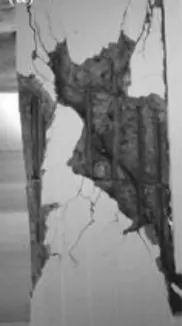
Observation -
Concrete has crushed severally
Reinforcements are not damaged
C/C distance between links looks more than 300 mm means there are less no of links provided
Ans -
It's pure shear failure
Due to less no links shear failure has takes place concrete tried to took the shear force and It it damaged
It's not repairable
C)
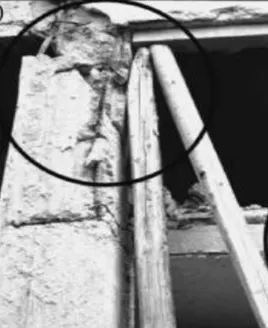
Observation -
Column has completely failed
The concrete and reinforcement both are crushed
There are two slabs connecting to the column at different levels one at top and one at mid height of the column
Considering the wooden piles are provided post failure to support the beam as a temporary solution
Ans -
It's a short column failure
They have attached one slabs at mid height of the column which has lead to this failure
This type of failure is not repairable