Identification of Cracks
1)
a)
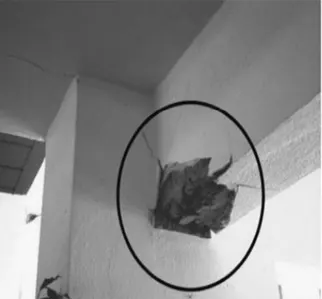
as i have seen in the above picture, i am observed some of the following points from week 1 lectures
- crushed concrete
- some cracks of beam in its width and depth areas
- reinforcement exposed to air and it may cause corrosion in its life
- structure may not collpase as it is binded with column and slab
answer:
- it's a form of flexural failure due to reversal of stree during earthquake
- during stress reversal, compression in top and tension in bottom will occur
- top of beam might be safe as it is supported by slab but bottom of beam is not safe as it is tensioned
- so, reinforcement got yielded.it can not be repaired
b)
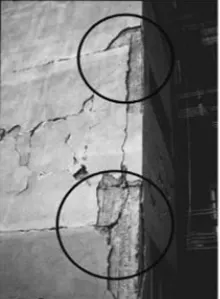
as i have seen in the above picture, i am observed some of the following points from week 1 lectures
- it's a crack development between beam and column joint at one edge
- the cracks are developed through the length as seen in above picture
- concrete not crushed
answer:
- it's a beam pull out failure due to insufficient development length
- due to horizontal movement during earthquake, the damage might occur and detached beam from column joint
- we can't provide length for this.so, we can't repair.
c)
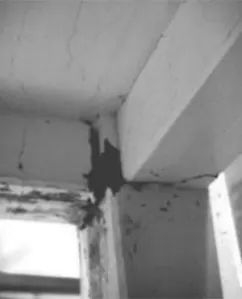
as i have seen in the above picture, i am observed some of the following points from week 1 lectures
- cracks at column-beam joint
- cracks at beam width and slab
- some part of concrete is aslo crushed
answer:
- it's a plastic hinge failure
- cyclic lateral loading and stress reversal led to damage
- slab is damaged means it's went to severe tension with its flange condition
- the joint can be strengthened
2)
a)
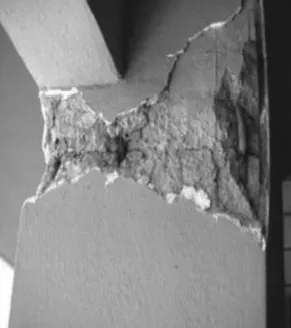
as i have seen in the above picture, i am observed some of the following points from week 1 lectures
- concrete damaged at top of the column and concrete is detached from the column
- beams are safe
- location of column at the edge
- it might be the parking area as there is no walls around it
- there is no visibilty of steel.
answer:
- it's a soft storey failure, technically plastic hinge formation
- due to lateral movements, plastic hinge forms at the top. it leads to collapse of building slowly, if not repaired
- it might be repaired with concrete
b)
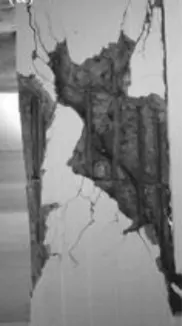
as i have seen in the above picture, i am observed some of the following points from week 1 lectures
- concrete breaked diagonally
- as seen in above picture, reinforcement is not perfect as there is much gap between stirrups. but, longitudinal reinforcement is intact
answer:
- it's a pure shear failure
- due ti inadequate shear reinforcement, the stresses might take the concrete. the structure will collapse slowly
- it may not be posssible to repair
c)
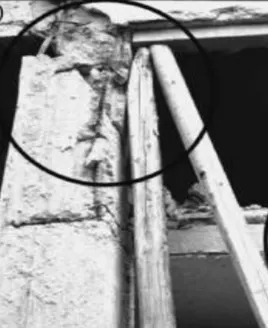
as i have seen in the above picture, i am observed some of the following points from week 1 lectures
- it seems to be small part of column is attched to beam
- some part of reinforcement is also exposed to air
- concrete also crushed at detached
- the wooden piles are placed for supporting the structure after damage. but the wooden piles may not provide life time security
- it seems to be two different level slabs in a single storey
answer:
- it's a short column failure
- due to additional slab at mid height leads to this effect
- this is not at all repairable
- i have a thought that, we can create an architectural column for support the slab or beam at correct level of placement