Hood design-Week 2
CAR HOOD
Hood provides a cover for engine compartment and also to give access to repair the engine. The hood consist of several components, a outer panal for styling and protection , a inner panal to provide strength, pair hinge to mount the hood to the car body, a latch and striker to hold the hood in closed position. Usually both outer and inner panal is made up of steel or aluminium because of strength and formabiliy.
 OFF-56% |" />
OUTER PANAL
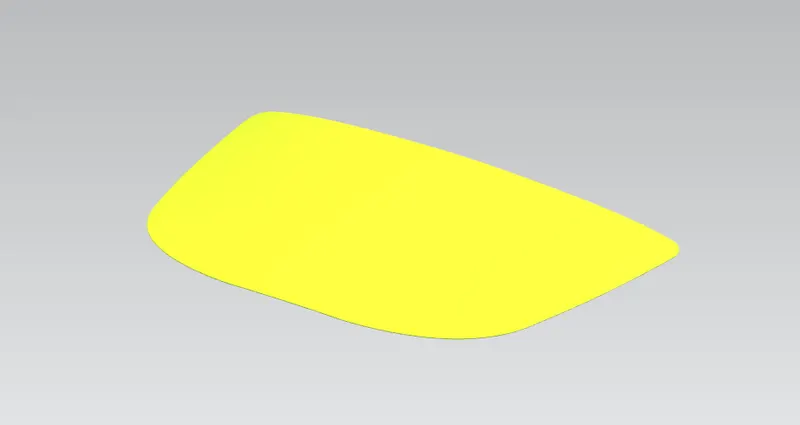
The outer panal of the hood is the part of the exterior surface of the car. The thickness of the outer panal will be around 0.75mm for steel. The outer panal provide cover to the engine compartment and also responsible for good asthetics of the car. The outer surface of the outer panal must be smooth to provide uniform flow around the car. They usually made by stamping or deep drawing process.
HINGE
The hinge is the component used to fix the hood components to the car body and also provide a freedom to rotate (open/close) the hood around an axis for maintaining the engine and other parts in the compartment. The hinge consist of two parts one is attacted of welded to the car body and another to the hood inner panal using bolts and nuts. These two parts of the hinge are assembled in a way to rotate on a same axis.
STRICKER AND LATCH
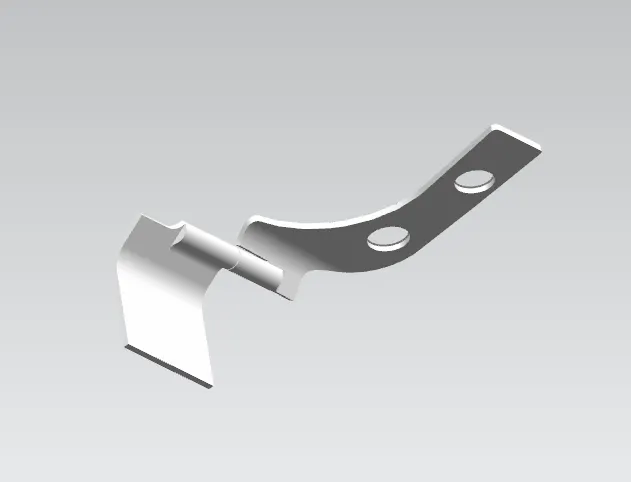
Stricker is used to hold the hood in same postion when it is in closed postion. The stricker is attaced to the hood inner panal with bolt and nuts and rotate along with the hood. Latch is another component that is palced on the front of the engine compartment which frimly locks the sticker making the whole hood in a closed potion without shaking.
INNER PANAL
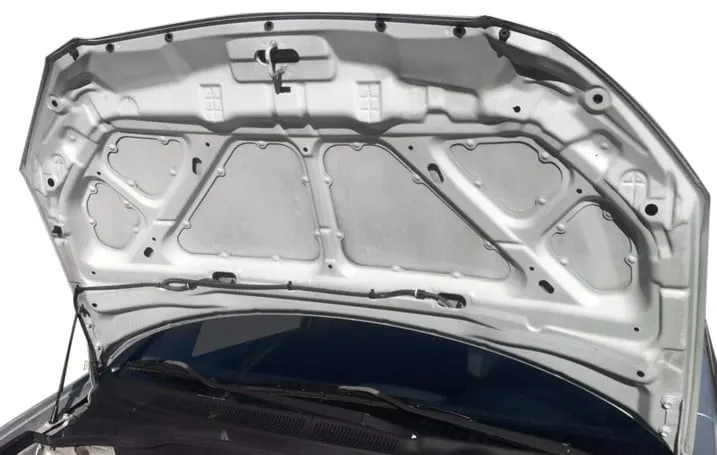
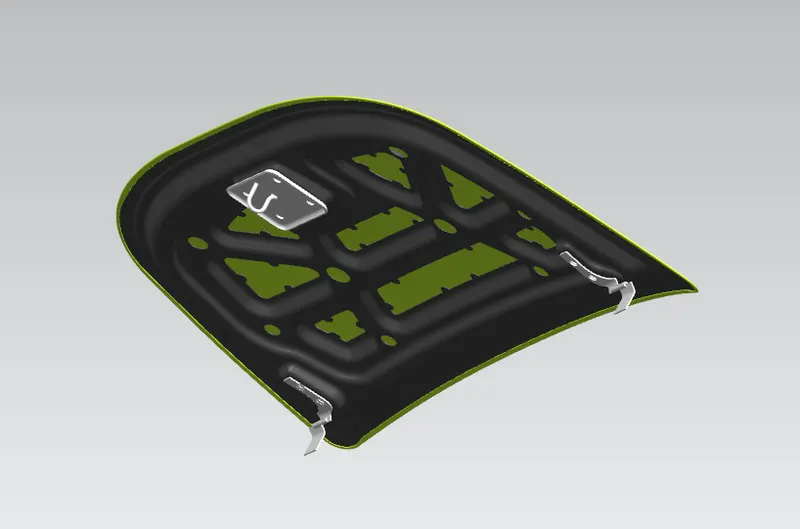
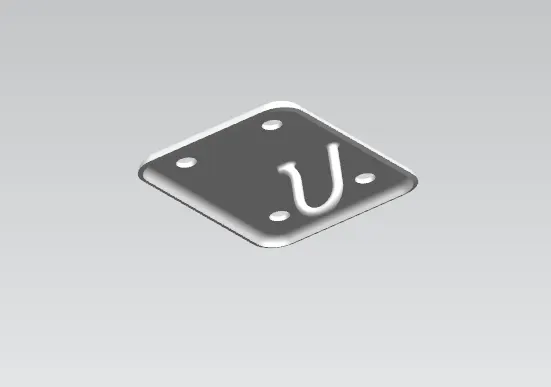
The porpouse of the inner panal is to provide strength to the outer panal and also to provide palce for hinge and stricker to be fixed. The inner panal is manufactured form the steel or aluminum sheets of t hickness around 0.75mm by stamping or deep drawing process. The hood inner panal can extend around 25-30mm from the outerpanal and maintaining some gap between the panal and the engine head. This panal is also the palce for the control rod or gas stay to be attached to hold the hood in open positon incase of engine maintanence or repair. To provide the strength the inner panal, several reinforements are made. All the hood inner panal have the reinforcement according to the master section that obtained with lots of expremental results. This master section reinforecement provide the primary strength of the inner panal.
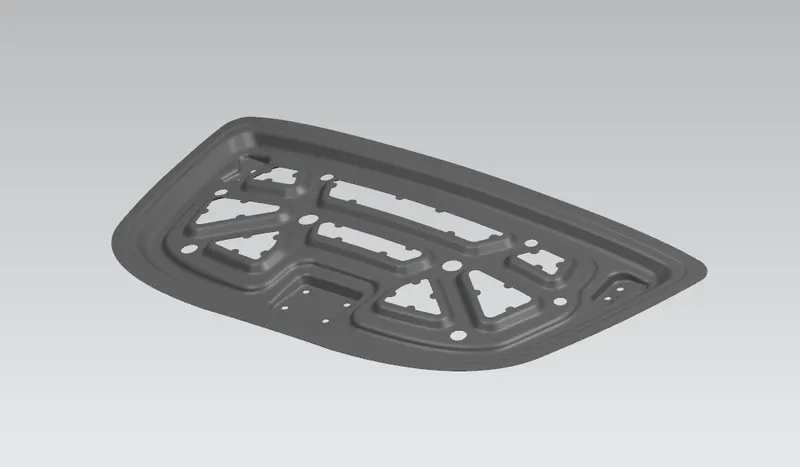
- Reinforcements: Reinforcement is one of the technique to increase the strenght of the material. This idea of the reinforece ment is to increase the area of the region there by increasing the strength of the material.
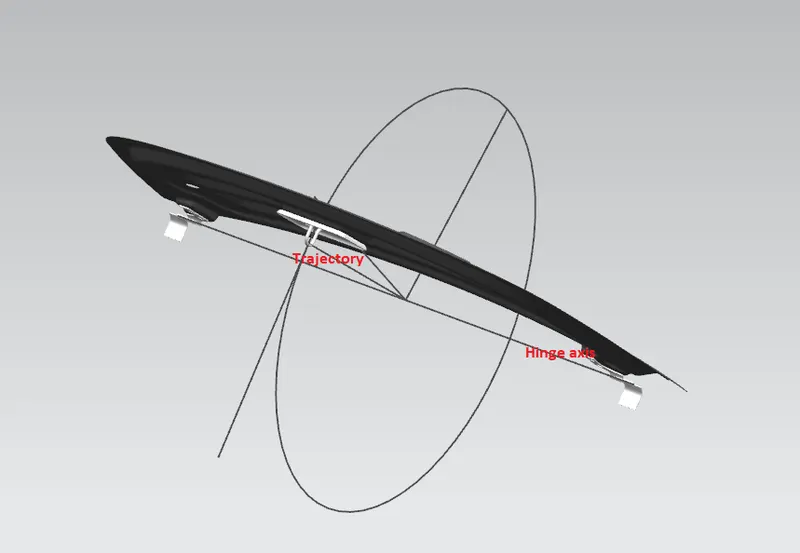
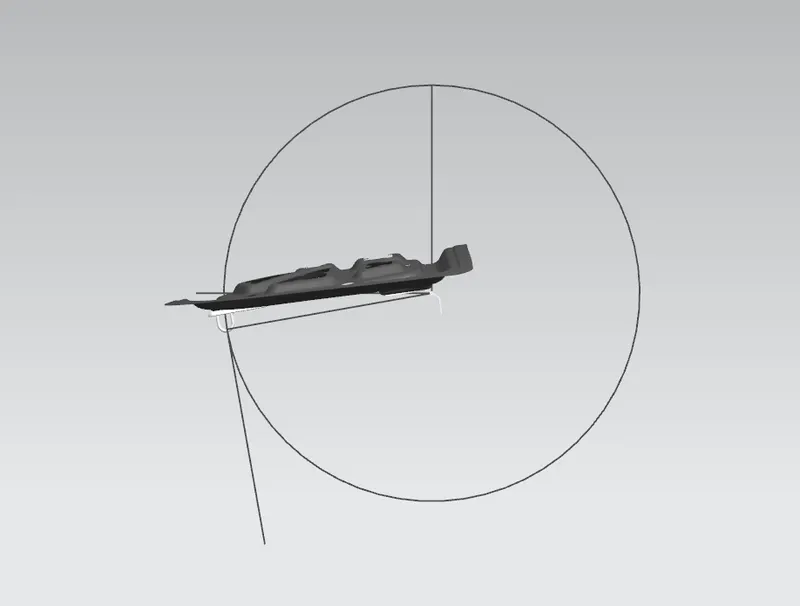
- Latch Trajectory: On desinging the inner panal the important thing to be considered is the latch trajectory. The hood can be rotated with help of hinge along an axis called Hinge axis. With axis as a center point both the latch and the stricker must be placed on the same trajectory ensuring the striker must hit the latch whenver the hood is closed. This can be done by alinging both the sticker axis and latch axis to the tangent of the circle drawn with hinge axis as center point.
- NVH: Noise Vibration Harness(NVH) is a important factor to be consider while designing all the components in the car. All the parts shoul be designed in such a way that reduce the NVH value. Lesser the NVH value higher the rating of NCAP rating of the car. This factor carries a major responsibilty on passenger comfortness, less wear of components, and noise less environment.
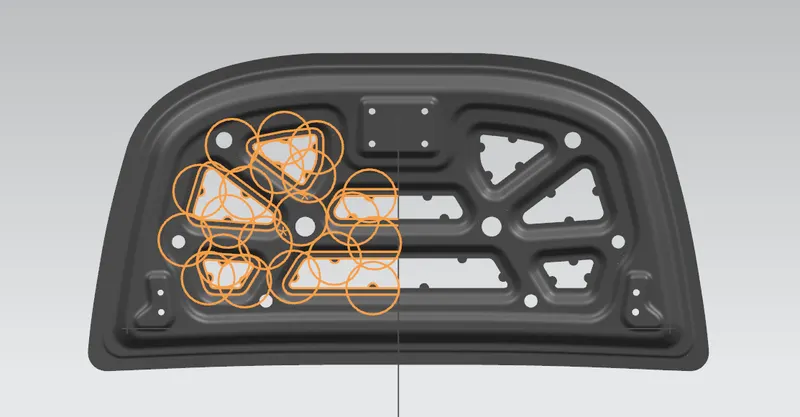
- Mastic data: Mastic sealent are materials used to bond the outer and inner panal. The main purpose of this method bonding is to ensure the good asthetics of the outer pannal. There occurs many darks spots and dents on the outer panel if the panel are joined using the process like spot welding, riveting etc, which would spoil the outer look of the car. But in case of the mastic sealents the outer panel remains untouched. They are similar to regular gules, but when applied to bond the panals and heated, they spread gradually for some area, fill the gaps and gets harden and enables strong bond within the panals. An mastic glue on a particular spot on the panal can increase strength, bond and also reduce NVH for around 40mm of radius. So, with the effect of the matic sealent on the panal for 40mm radius The sealents are applied on the spots to strength the whole hood.
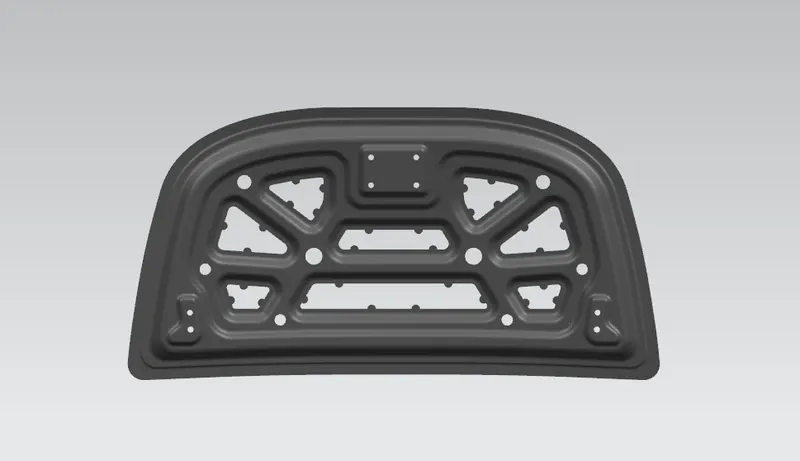
- Emboss definitions: Despite of the master section reinforcement there are several other embosses and cuttouts are made in the inner panal. This embosses and cutts are made in such a way that direct the force outward of the passenger compartment ensuring safety of the passenger whenerver an is accident occured.This defenitions are one of the factor that responsible for the saftey rating in the crash test.
MANUFACTURING PROCESS INVLOVED IN PRODUCING HOOD:
Deep drawing and Stamping:
These are two process used to produce the inner and outer panal. The primary input material for both this process are the sheet metal. The sheet metal of required thickness is place in the deep drawing maching. The machine consist of dies in the shape of the panel. When the machine is turned on the die is pressed against the sheet metal and deform the sheet metal tht shape od the die. The movement of the pressing die will in such a direction that will not damage the sheet metal while pressing. So to eliminate the damges the panel is designed with minimum 7 degree of draft angle.
Hemming Process:
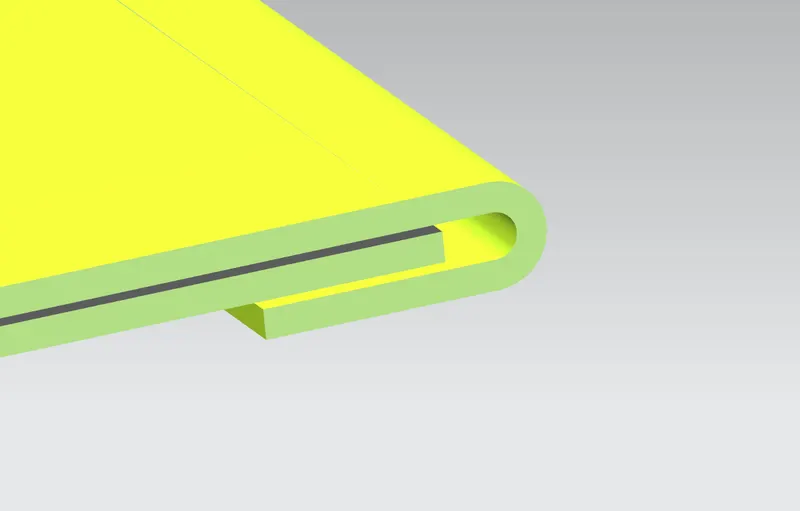
Hemming is hte process used to join the inner and outer panel. In hemming process the edges of the outer panal are warped around the inner panal with help of rollers that rolls around the edege at particular angle. This ensures proper bonding and also to avoid the rain water to get into the inner panal causing carrosion. While designing the componets that going to invlove in hemming process, there should a relife in the place of corners. This will eliminate the interstion of the sheet metal on the corners while hemming. Also on hemming there sholud be gap of 15-20mm between the inner and outer panal to reduce NVH.
Punching:
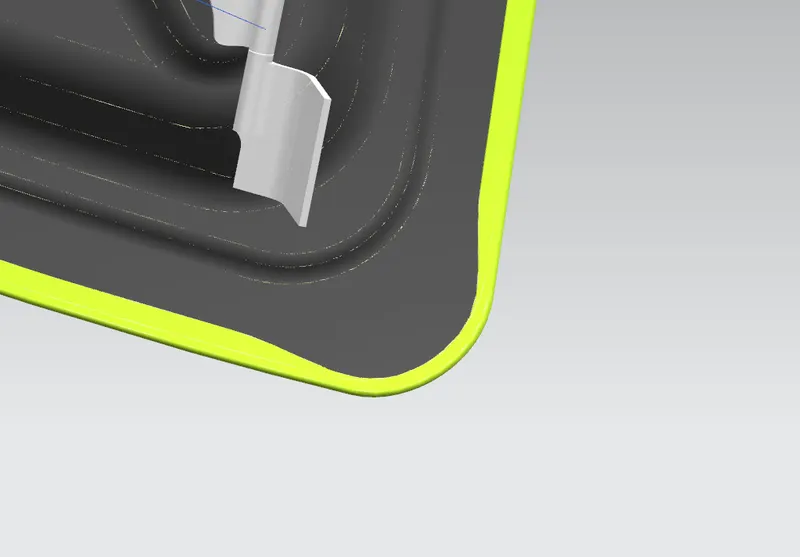
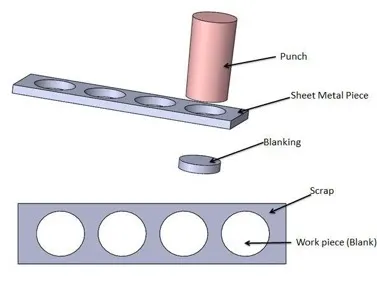
Punching is used to trim the excess of sheet metal after the deepdrawing process. Punching is also done on area of slots and holes in the inner panel.
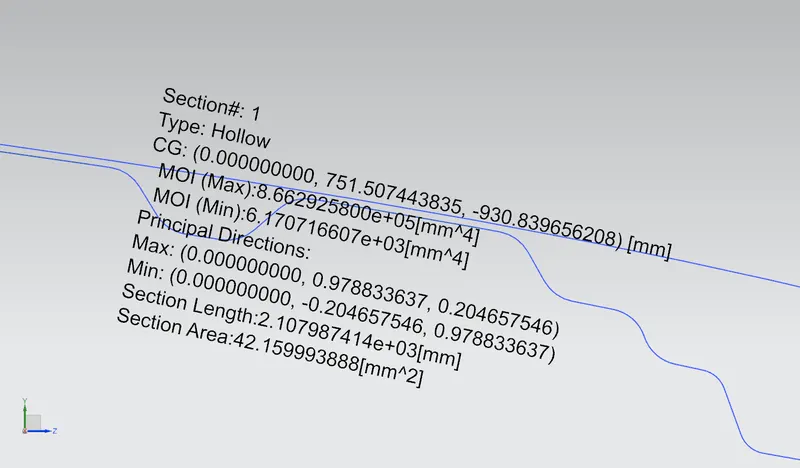
SECTION INERTIAL ANALYSIS: