Hood design-Week 2
OBJECTIVE : The aim of this project is to design the components of the hood \bonnet of a car and create assembley of all part .
HOOD :
- The hood or bonnet is the hinge cover over the engine of motor vehicles.
- Hoods can open to allow access to the engine compartment. Truck on rear engine and some mid engine vehicles for the maintenance and repair.
- On the front engine cars, the hood maybe hinged at either the front or the rear edge, or in earlier models, it may be split into 2 sections, one each side, each hinged along the center line.
- Hoods are made up of steel, aluminium fiber glasses or carbon fiber.
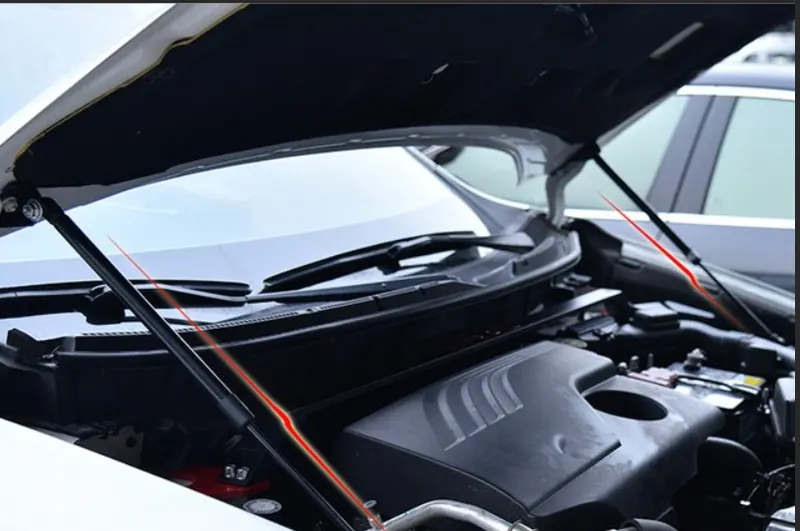
- Hood is tipically supported by support rod and gas stay.
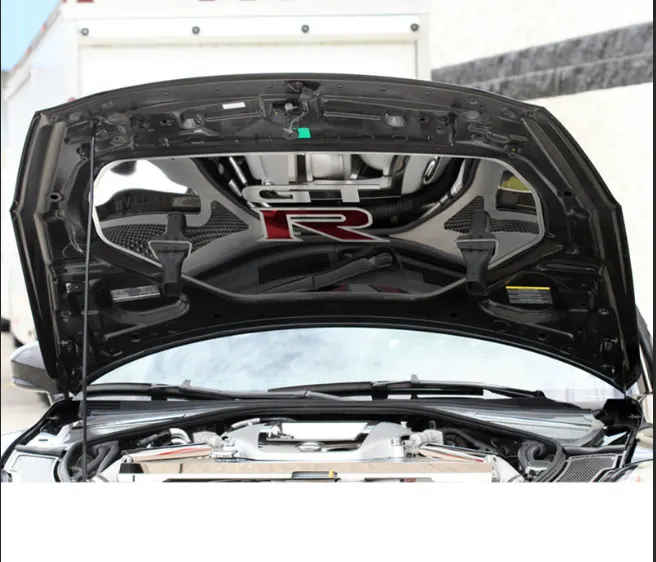
Support rod :
- Hood rod is design properly to hold the hood when it is open.
- When hood is open ,it provide a stable hold on the hood .
- when it is not in use , it must be kept stable in place and must not move around .
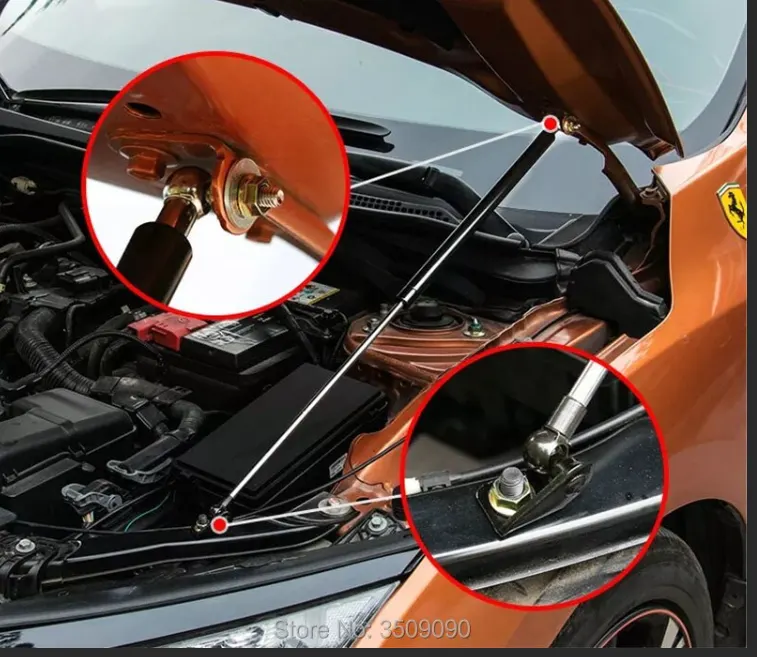
Gas stray :
- This is used to open the car hood by just providing little lift force.
- Small effort is needed to provide little lift force and other work is done by gas pressure.
Manufacturing process:
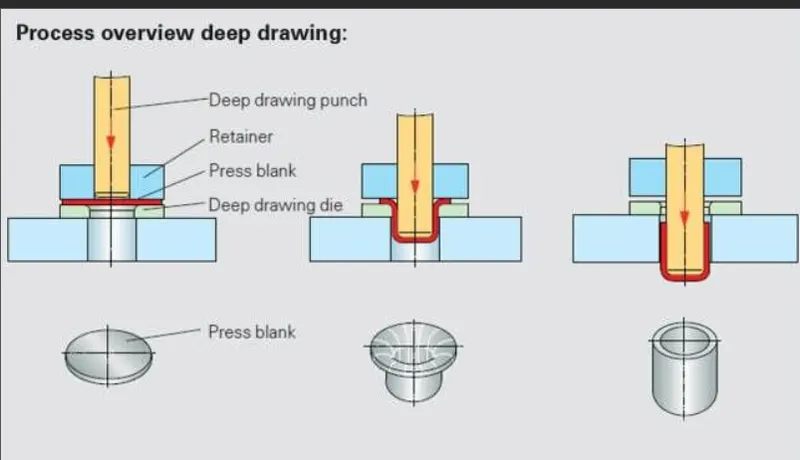
Deep drawing :
- it is a sheet metal forming process in which a sheet metal blank is radially drawn into a forming die by the mechanical action of a punch.
- It is a shape transformation process with material retention.
- The process is consider as deep drawing when the depth of the drawn part exceeds its diameter.
Embossing :
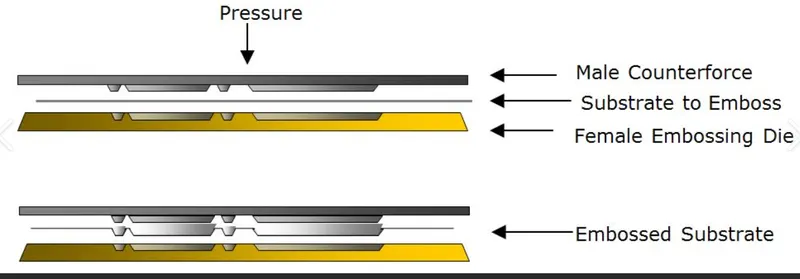
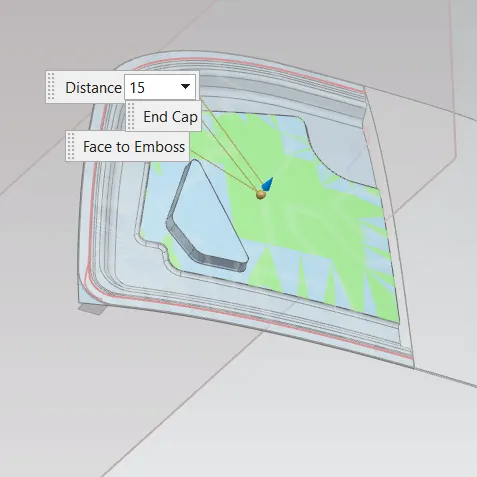
- Sheet metal embossing is a stamping process for producing raised design or relief in sheet metal .
- This process can be made by means of matched male and female roller dies , or by passsing sheets or a strip of metal between rolls of the desired pattern .
Hemming :
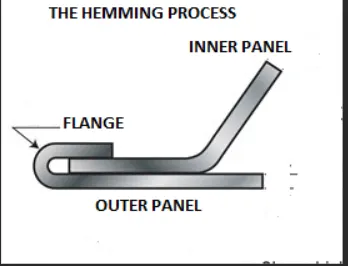
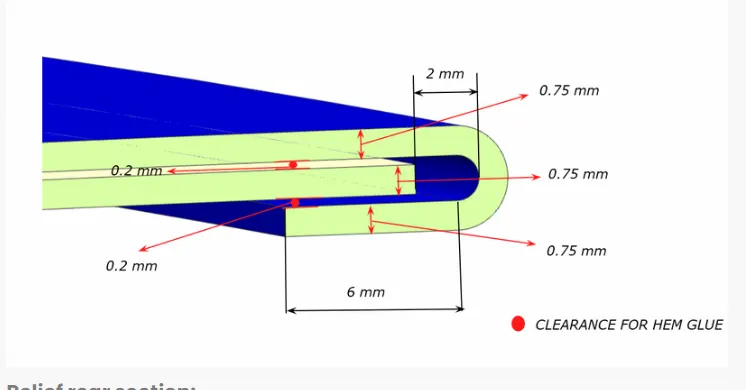
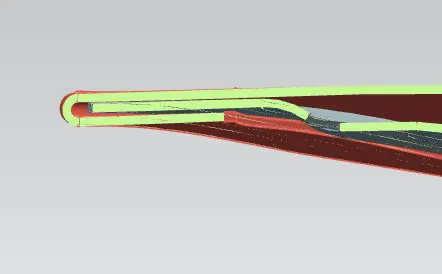
- It is a forming operation in which edge of the sheet are folded or folded over another part in order to achieve a tight fit .
- Normally hemming process are used to connect part together , to improve the apperance of a part and to reinforce paet edges .
Mastic points :
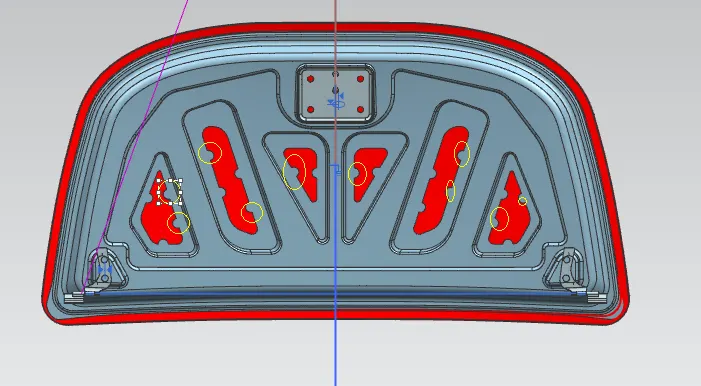
- Mastic spot are the spots where the inner pannel and outter pannel are joined or sealed togther using a mastic glue.
- Generally if we are using process like welding , bolting or riveting for joining process then the surface will losses all its aesthetics look .
- So , mastic sealent is used which is elastic compound and acts like ruber .
- It is placed between both the pannels .
- Initially it is in paste form and hot furnance bath it gets solidify and gives strength to the pannel .
- Oe spot has normally influence over diameter of 80 mm .
Design consideration for car hood :
Consideration of Noise vibration Harness (NVH ) :
- Noise , vibration and harshness also known as noise and vibration .
- It is study and modification of the noise and vibration of the vehicle .
- noise and vibration can be readily measured , harshness is a subjective quality and is measured either via jury evalution or with analytical tools that can provide results reflectig human subject imprssions .
Pedestrain safety :
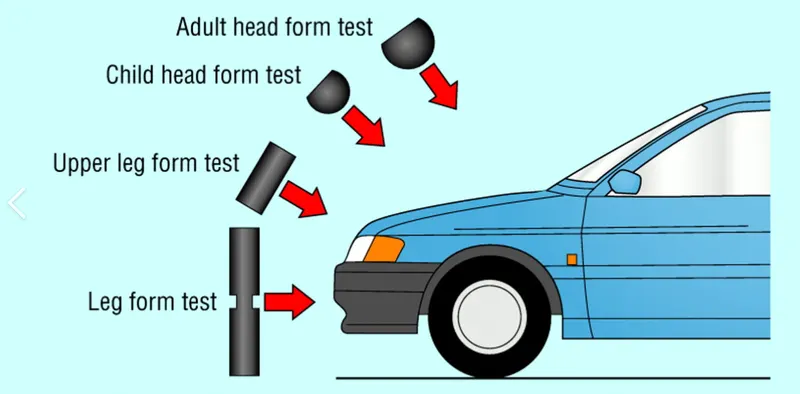
- If is important design consideration because of the safety of pedestrain is important .
- Acorrding to wrap around distance and pedestrain head impact zone hood is designed .
- The pedestrain are the most vulnerable road users and are at high risk of traffic accidents.
- The main reason for the fatality of the pedestrain in traffic accident is due to the head injury resulting from the hard impact of the head against the stiffer hood or the ground .
- This lead to the necessity of new inner hood panel which is less stiffer and pedestrain friendly .
- The area of the impact zone is made softer to reduce the impact force during accident .
Design procedure :
Design parameters
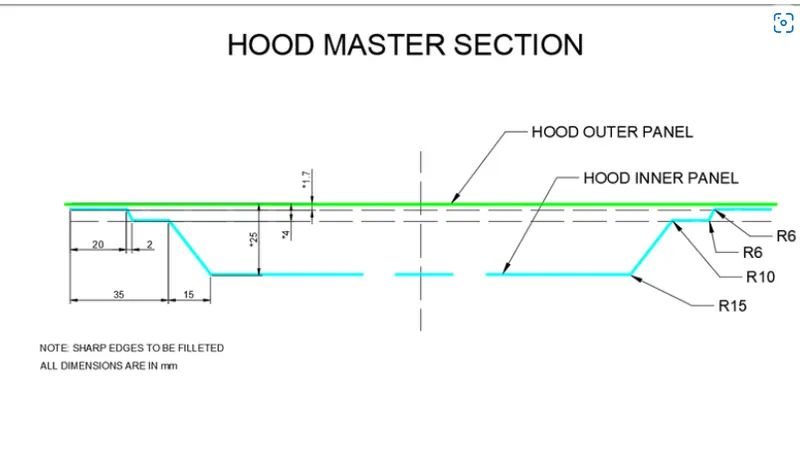
- outer panel thickness = 0.75 mm
- inner panel thickness = 0.75 mm
- Reinforcement thickness = 1.5 mm
Master section :
Hemming data :
Front relief :
rear relief :
Design procedure :
Hood assembly is consist of :
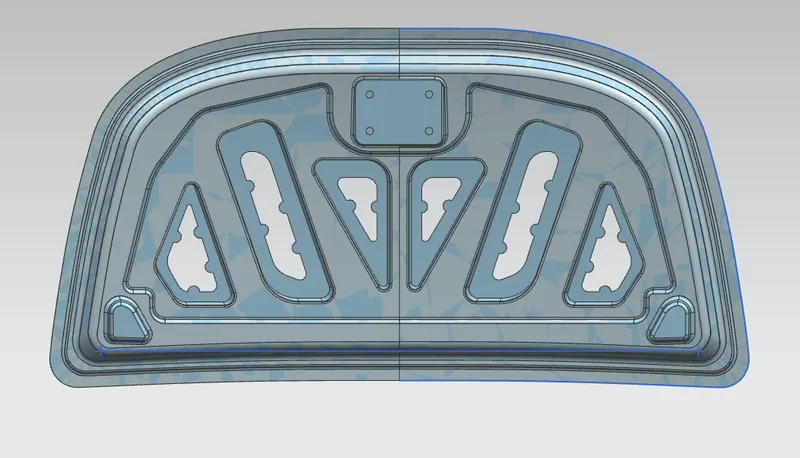
Hood inner panel:
- First of all , i have created hood inner panel .
Command used are :
- Offset surfaces.
- Offset curves on surfaces.
- Trim sheet .
- Through curves ,
- Law extension .
- Emboss .
- Face blend .
- Edge blend .
- Thickeen.
- Mirror geometry .
Hood outer panel :
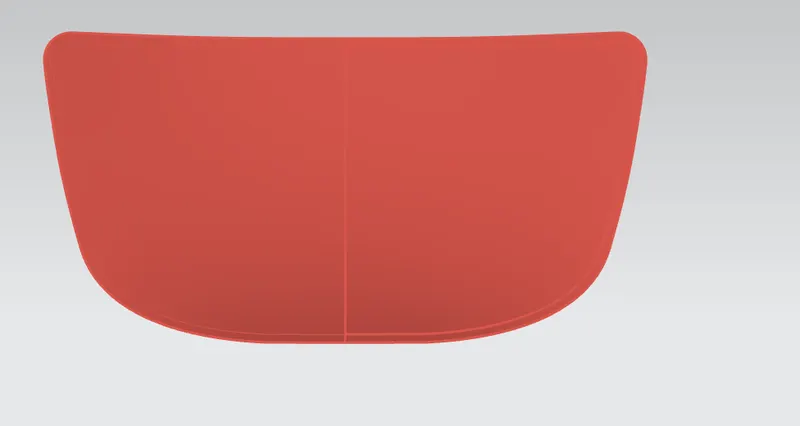
- Now we have created outer panel .
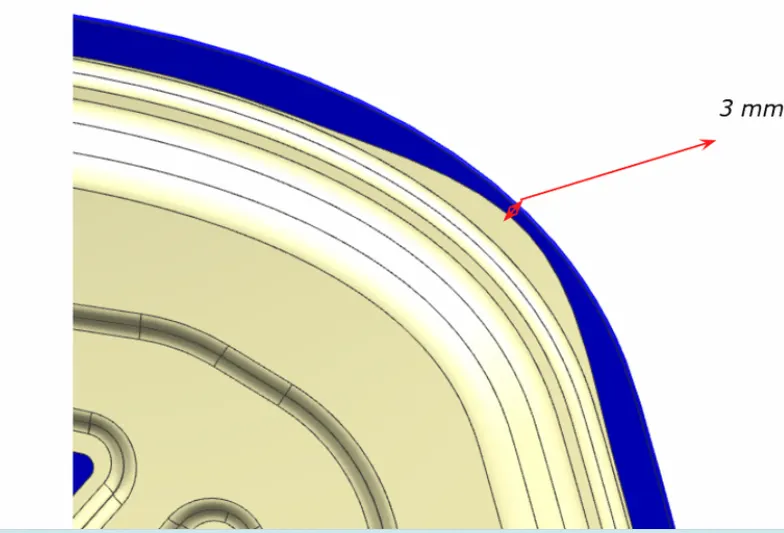
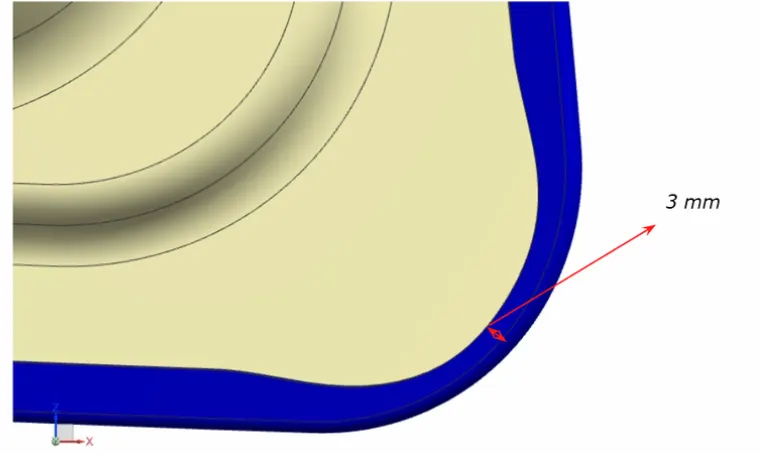
- IN outer panel we have done hamming and give front and rear relif.
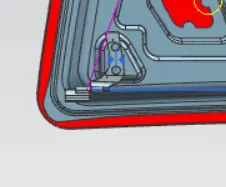
Relif :
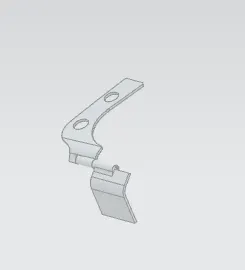
Hing assembly:
- Hing is the component that fixes the hood to the fenders of the car .
- The latch must be fixed perpendicular to thehinge axis so that the hood opens and close properly .
Striker :
- Latch and striker is used for locking the hood with the car .
- It is usually placed on the space provided on the inner pannel
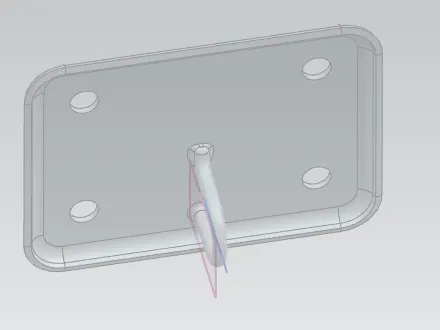
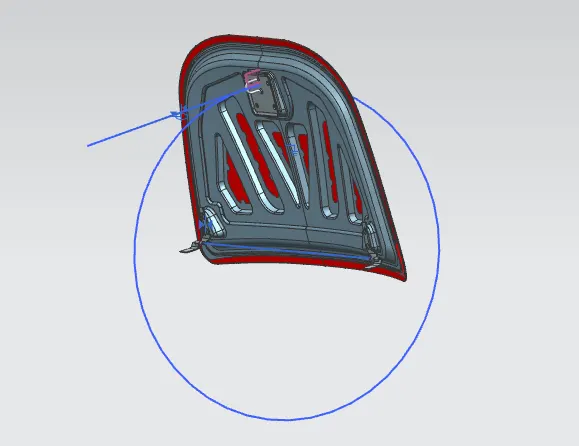
Latch trajectory :
While opening and closing of the hood , the latch must be perfectly aligned to the fixing or striker point .
For that , the latches trajectory must be perpendicular to the hinge axis .
Hemming :
Here we have provided hemming of 0.75 mm.
Embossing :
Here we have done embossing .
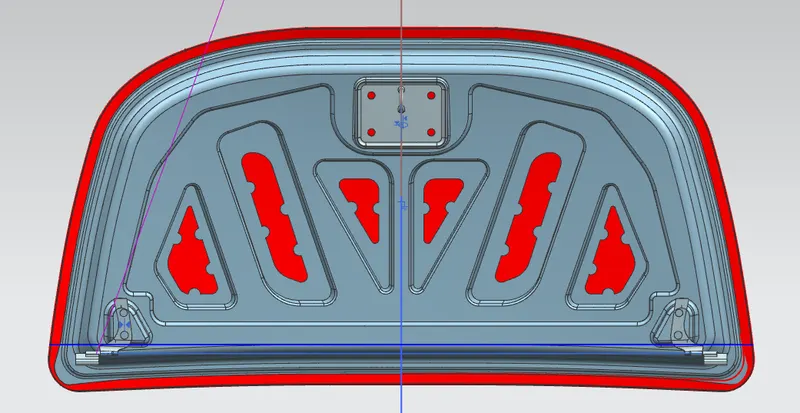
Final Assenbly :
Below picture is the final image of assembly of hood .
Conclusion :
We have done design of Hood inner panel , hood outer panel , and create assembly of hood using various feature in siemens NX with given master sheet .