Hood design-Week 2
Detailed Report on Hood Design:
1.Introduction:
· Hood is also known as bonnet in regular terms
· It is a basic protective covering for an engine & and is aesthetic requirement of the car
· The designs process mainly takes pedestrian safety as key obejective
It consists mainly of 4 key components
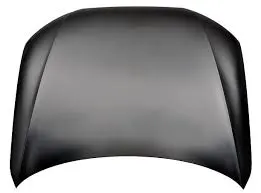
a. Outer panel: this is outer panel of hood as the name indicates this is aesthetic and aerodynamic feature.
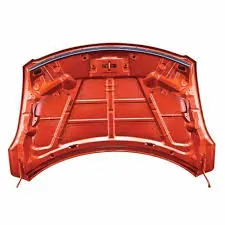
b. Inner panel: This is support for outer panel and other parts in the hood.
c. Hinges: this connects hood to the frame/body and helps in closing and opening of hood
d. Latch &Striker: this keeps the hood in closed position rigidly. Basically, a lock.
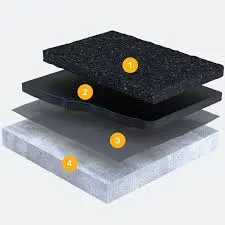
*It also has insulation material, which helps in insulating the heat and sound from the engine and rubber sealant is applied at edges so that the water doesn’t penetrate through them.
2. Latch Trajectory:
* It is the path which the hood follows to align with latch. (closing and opening).
* In the design process the alignment of latch and striker should be accurate for smooth operating.
* It should be rigid so that the forces of hard closing and also collisions should keep the hood closed and handling is important.
3. Mastic Data:
*It is adhesive material which adheres the outer and inner panel intact and also helps in damping the vibrations and adds stiffness to the hood
*High strength adhesives should be used so that panels are intact.
*Should be used in the location which helps in grater hold.
*The curing process requires specific temperature so that it will get max, strength.
4. Emboss Definitions:
* It is the process of creating raised or drawing down the inner panel which helps in improving the strength and rigidity of the hood.
* It helps in transferring the impact of collision to sides.
* It helps in weight reduction without adding extra thickness of material strength ca be achieved by proper embossing.
* It also incorporates proper place for fixing hinges and latch/striker mounting.
Should be designed in a that makes the manufacturing process easy.

5. Manufacturing Process:
*It is key stage in hood which decide the functionality and overall quality.
*It also should imply all the considerations made above.
a Deep Drawing:
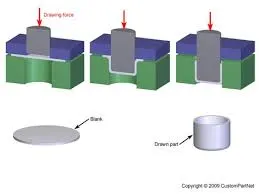
*It is process of shaping the 2d sheet of metal to s3d required shape.
*This process involves cutting the sheet into desired dimensions shaping it and trimming the excessive material from it.
*The material should be selected of light weight and high strength and should be mouldable without wrinkles and cracks
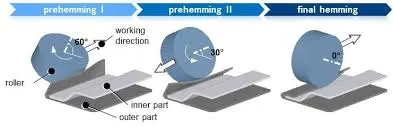
b Hemming:
*It is the process of bending the edges of outer panel around the edge of inner panel.
*In this we use die for folding and also rollers based on the convenience of design.
6. Parameters in Hood Design:
**Thers are many parameters in design process which should balance aesthetics, aerodynamics, safety, functionality and manufacturability
Aesthetics is property which enhances the look vehicle and one of the key points of selling.
Aerodynamics helps in the reduction of drag
Safety is key point which should provide max. possible safety to pedestrian also in dissipating the collision force o the body
Functionality should be prioritized for ensuring all the mounting latching, heat insulation from engine and vibration insulation from engine
Manufacturability is to ensure the tooling and minimising the cost for production.