AUTOMOBILE HOOD DESIGN
AUTOMOBILE HOOD DESIGN
OBJECTIVE:
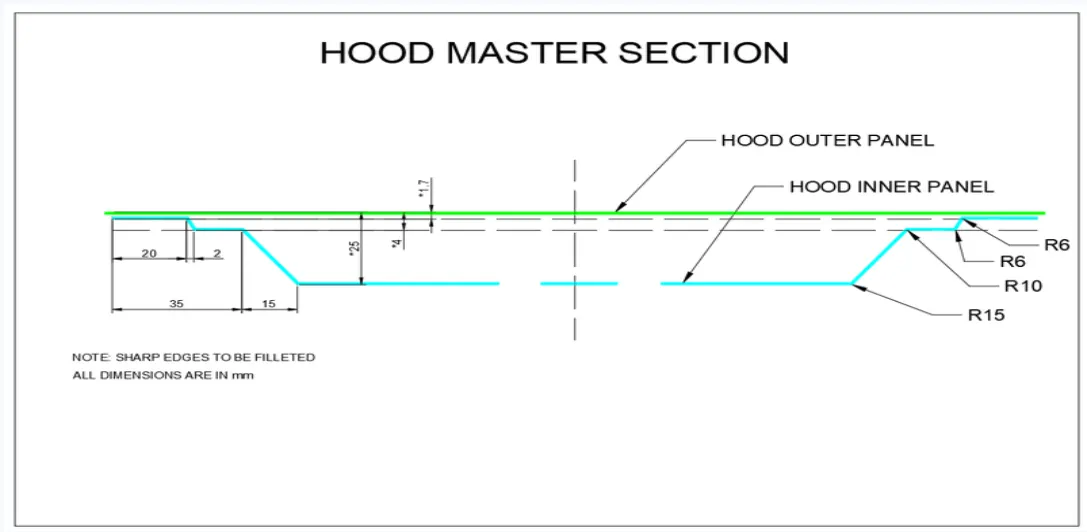
The outer and inner panels of the hood, as well as the necessary reinforcements, will be designed following the Master Section, which mentions the design parameters.
INTRODUCTION:
The hood, or bonnet, is an opening body panel that covers the engine and other components. Before designing a hood, important design considerations and the tooling axis must be contemplated. The important design considerations are crash regulations, pedestrian safety, functional requirements, mastic data, and manufacturing feasibility. The tooling axis is nothing but the direction in which the tool advances; it is called the tooling axis. The hood is the component that dissipates the energy outwards rather than the inner body.
DESIGN PARAMETERS:
Hood Thickness Parameters
- Outer panel Thickness = 0.75mm
- Inner Panel Thickness = 0.75mm
- Reinforcement Thickness = 1.5mm
MASTER SECTION:
Master sections serve as design criteria guidelines determining component packaging after technical surfaces (e.g., styling, concept, or class-A).
HEMMING DATA:
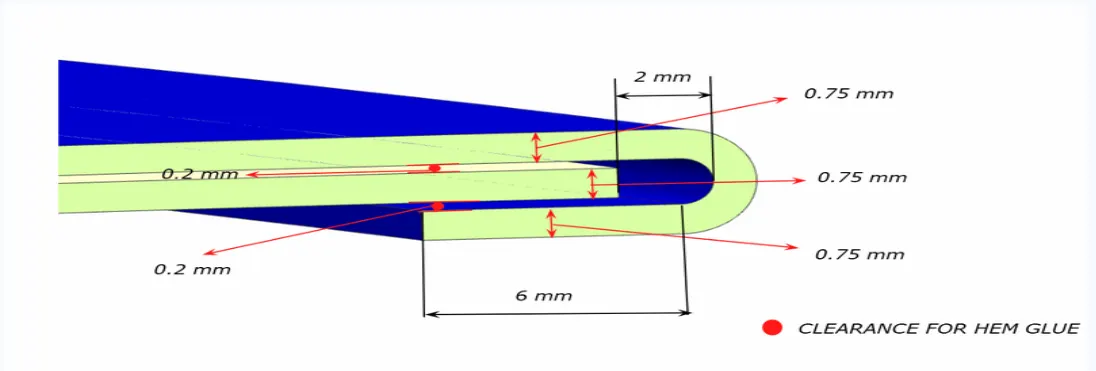
In the automobile industry, hemming is a sheet metal forming technique used to link two sheet metal parts together by bending one over the other.
HOOD COMPONENTS:
The different components involved in the hood assembly are as follows:
1. HOOD OUTER PANEL:
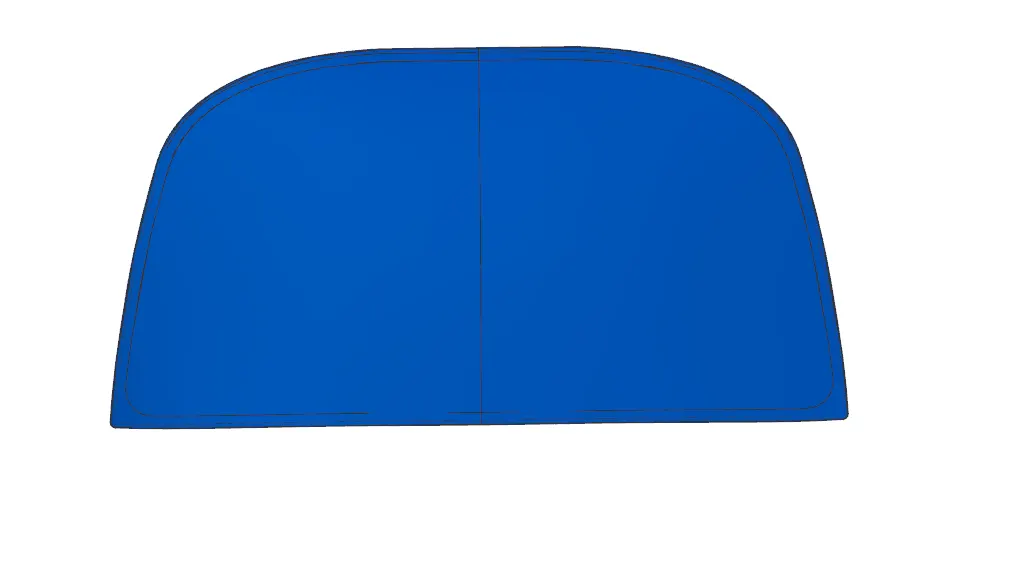
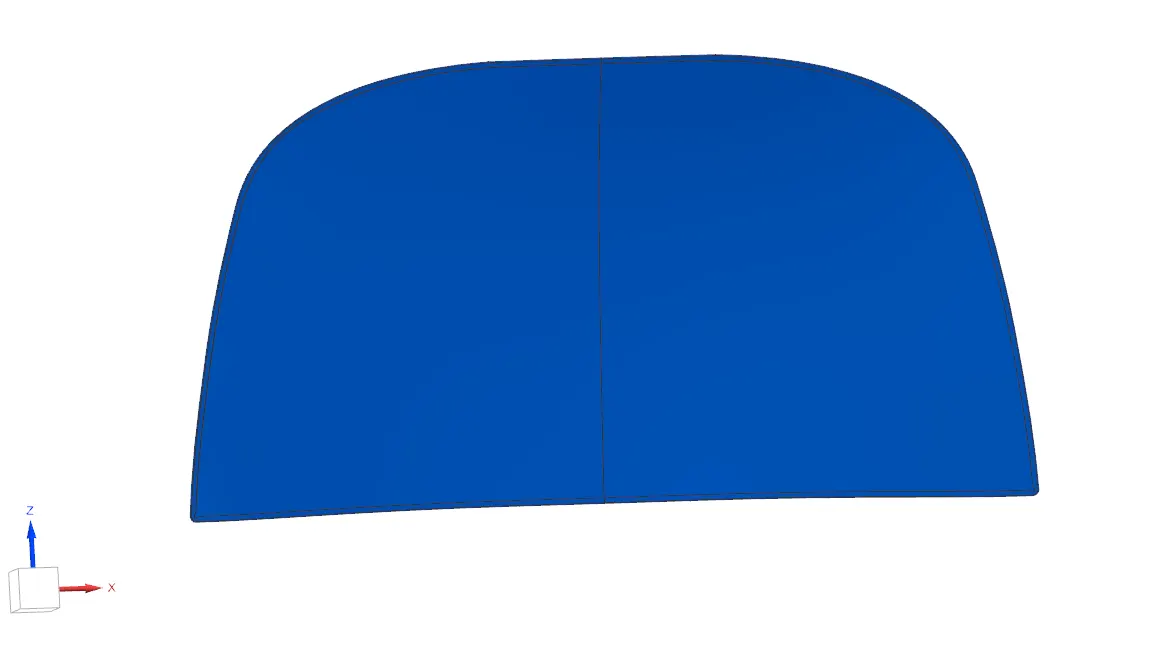
The Hood's outer panel is the aesthetic part of the Hood assembly. The thickness of the hood's outer panel is 0.75 mm, and it should be designed in such a way that there should be some clearance between the outer and the inner panel for mastic sealants to attach the two panels. The styling surface of the outer panel is received from the styling team, and it should be designed considering pedestrian safety. A proper relief section must be provided at the corners to prevent stress concentration. Commands like Law extension, offset surface, offset in the face, three-face bend, trim sheet, bridge curve, mirror geometry, sew, and other commands were used to design the Hood's outer panel.
2. HOOD INNER PANEL:
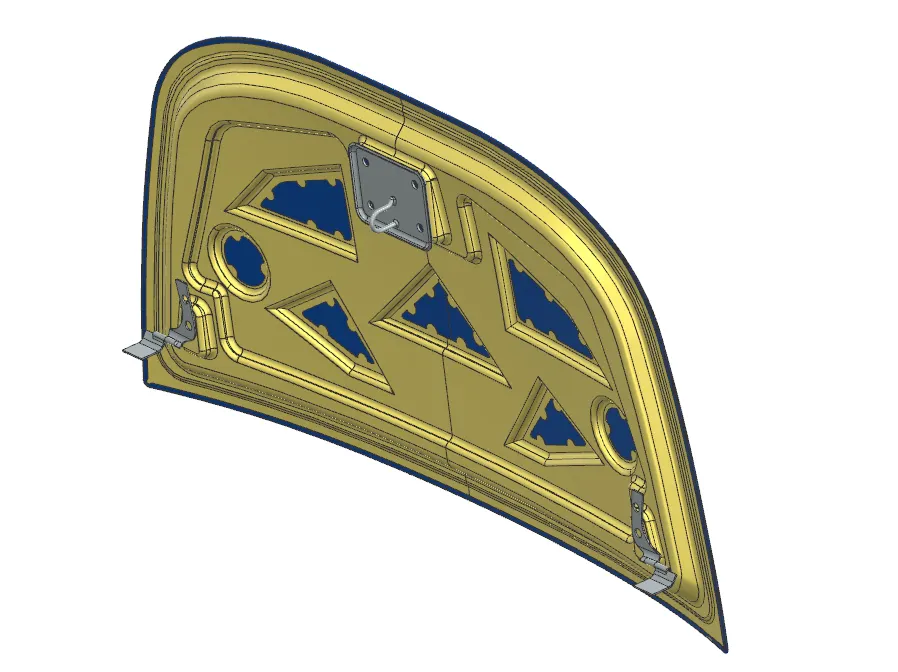
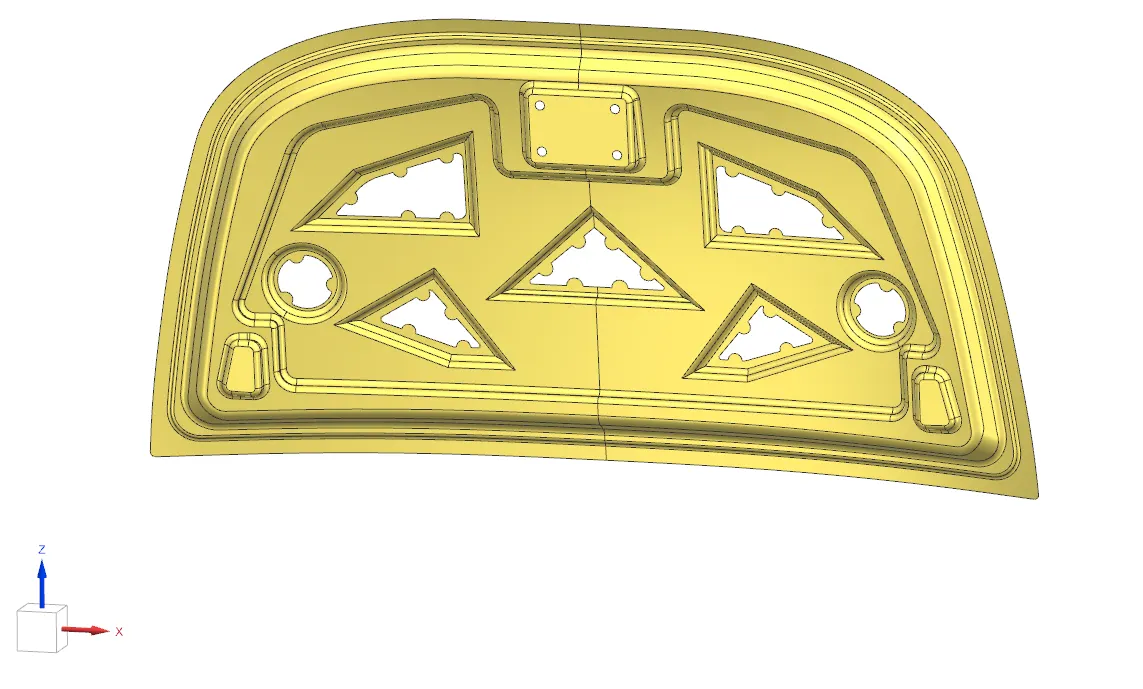
The Hood's Inner Panel is designed considering pedestrian safety and other safety norms as well. The thickness of the hood's inner panel is also 0.75 mm. The hood has two level embosses, which provide strength and stiffness to the inner panel. The cutouts were made keeping in mind pedestrian safety to reduce impact at the time of the collision. Commands like Law extension, offset surface, offset in the face, face bend, edge blend, emboss, trim sheet, extend sheet, trim and extend, bridge curve, mirror geometry, sew, and other commands were used to design the Hood's inner panel.
3. REINFORCEMENTS:
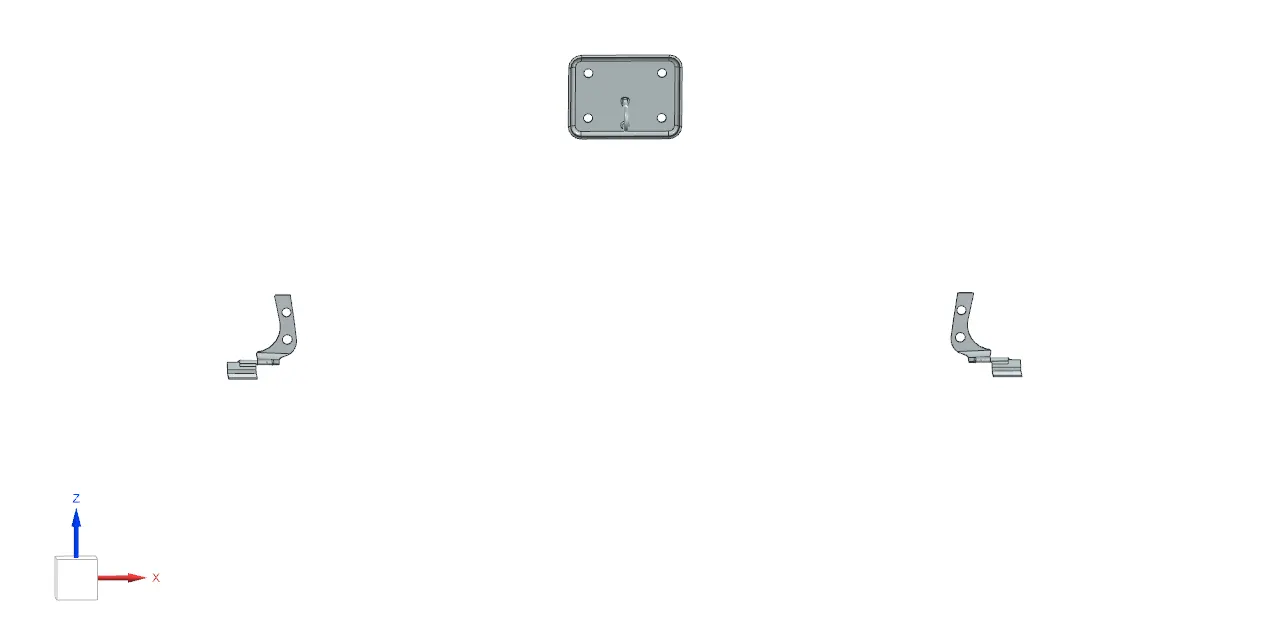
As per the design specifications, reinforcements are given. To increase local strength, it is primarily applied at the hinge and latch regions. Strengthening's often have a greater thickness than inner panels, with the exact value depending on requirements and cost. As per the design specification, the hinge and latch reinforcements have a thickness of 1.5 mm. The assembly constraints are used to attach or assemble the hinge and the striker mountings to the inner panel. The constraints used were touch constraints, align constraints, equal constraints, parallel constraints, etc.
4. LATCH TRAJECTORY:
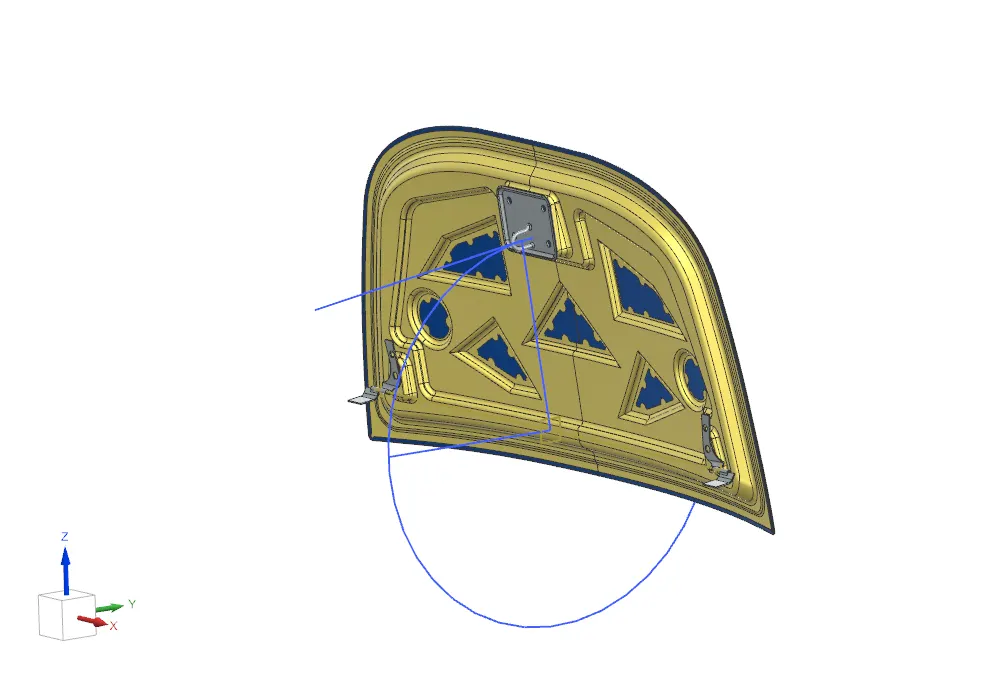
The latch trajectory is drawn considering the hinge axis; initially, the hinge axis must be defined, and with the help of the hinge axis, the circular trajectory is drawn where the striker mounting must be tangential to the trajectory. The normal of the striker hook should be tangential to the trajectory of the hood. It is done to properly lock with the latch at the other end of the car.
5. MASTIC DATA:
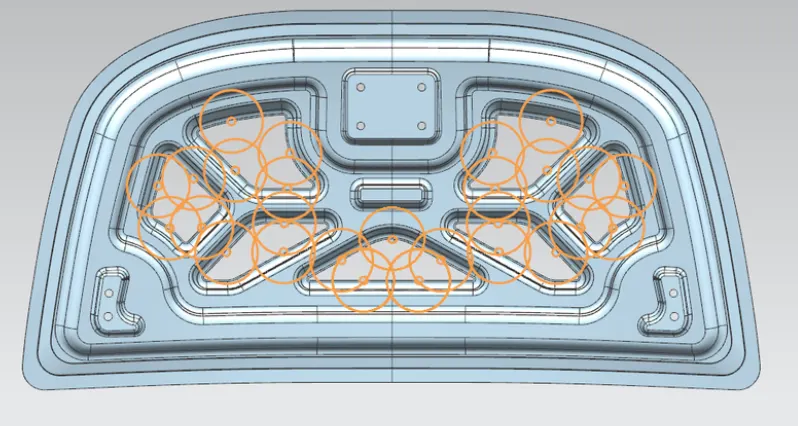
Mastic data or the points where the Mastic sealants come in contact. Every mastic sealant patch has an impact on an 80-mm-diameter circular area. These mastic sealants are attached to the inner panel and they are made of rubber When it is exposed to a certain temperature, they become hardened. The reason why they are used instead of other methods like welding is that the sealants don't leave any mark on the outer panel, as is an aesthetic part. As a result, the mastic points are positioned to cover the more vibration-prone sections that are farther away from the hemming.
6. EMBOSS DEFINITIONS:
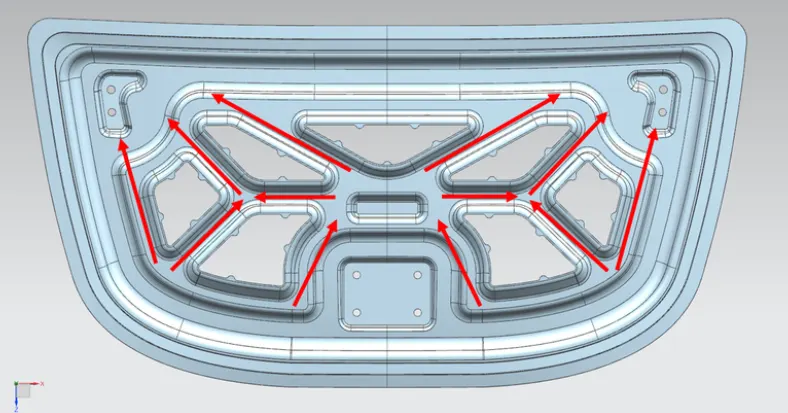
On the inside panel, we provide several embosses. These embosses allow us to increase the inner panel's rigidity. The size and shape of the embosses also affect the direction of force distribution that arises after a frontal collision. Always distribute the force away from the passengers. The energy is channelled towards both sides of the car by the way the embosses are designed in this illustration.
7. MANUFACTURING PROCESSES
- DEEP DRAWING:
One of the most used methods in sheet metal forming is deep drawing. In addition to being used in numerous other industries, it is used in the automotive sector to make automobile body pieces.
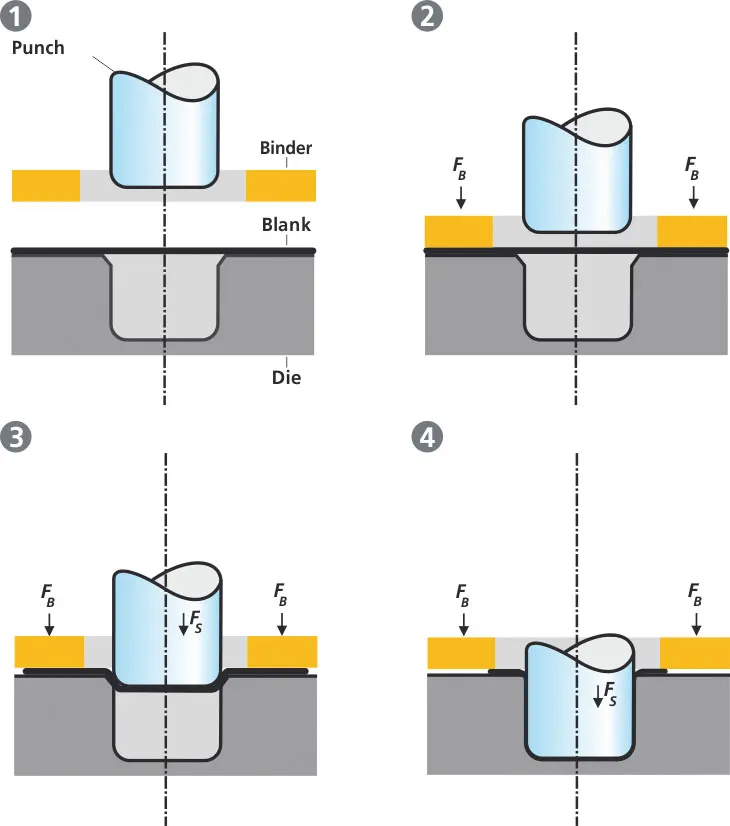
Combining compressive and tensile forces results in the shaping process known as deep drawing.
There are three stiff tools: a punch, a die, and a binder. After inserting the metal sheet blank in the deep drawing, the plate holder shuts.
The sheet is then held in place between the binder and the die. This procedure stops wrinkles from accumulating under the binder by slowing down the sheet's flow as it is being pulled. The punch extends over the die radius, forming the sheet inside the die folded up to the punch's lower dead centre. As a result, punch force requirements are continuously raised until they reach the punch's lower dead centre.
- HEMMING:
The automotive industry uses hemming technology to connect inner and outside closure panels (hoods, doors, tailgates, etc.). It is folding or bending the outer panel's flange over the inner one. The correctness of the operation has a major impact on how the car looks on the outside, making it a crucial component of the finished product's quality.
The purpose of hemming is to:
- Improve the section of the vehicle's final geometry.
- Increase the part's resistance and rigidity.
- Allow the part to be handled safely.
Hemming can be done on various automotive parts, including sunroofs, fenders, wheelhouses, fuel lids, brands, and speciality pieces, as well as closures (hoods, doors, and tailgates).
DRAFT ANALYSIS:
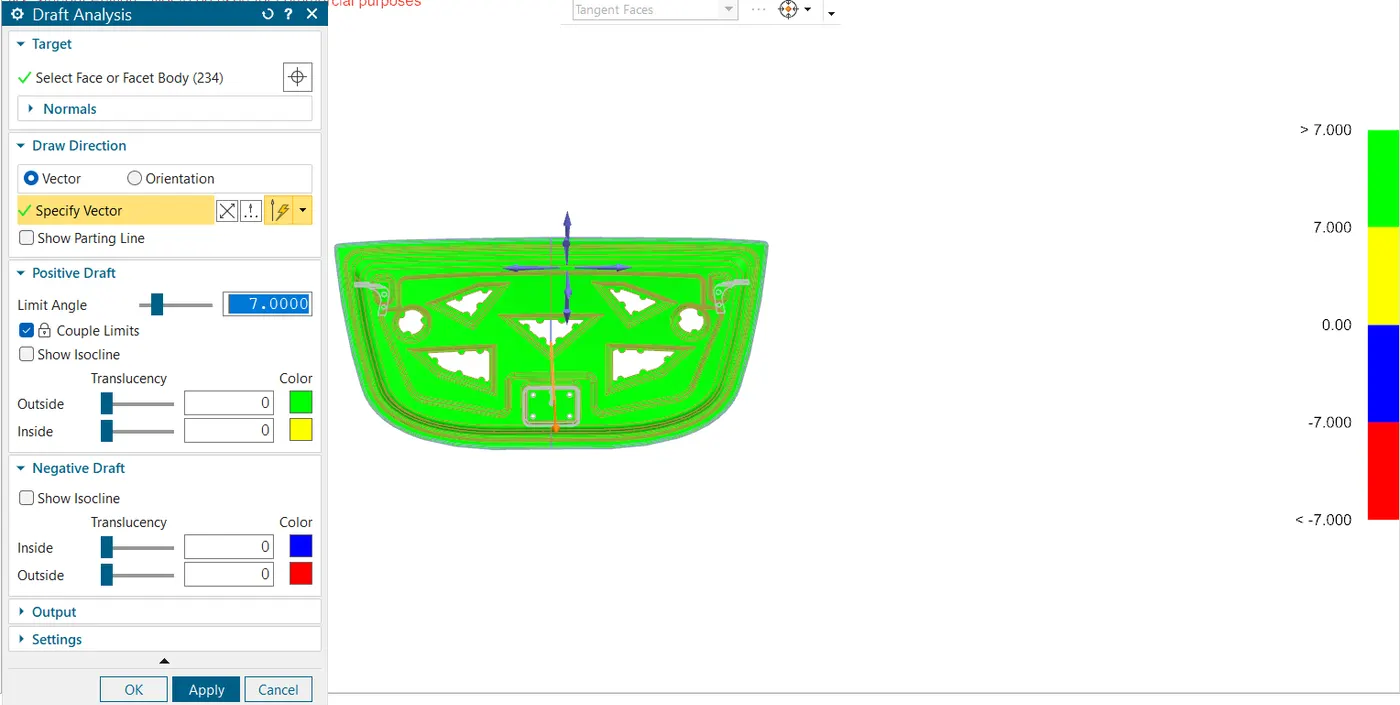
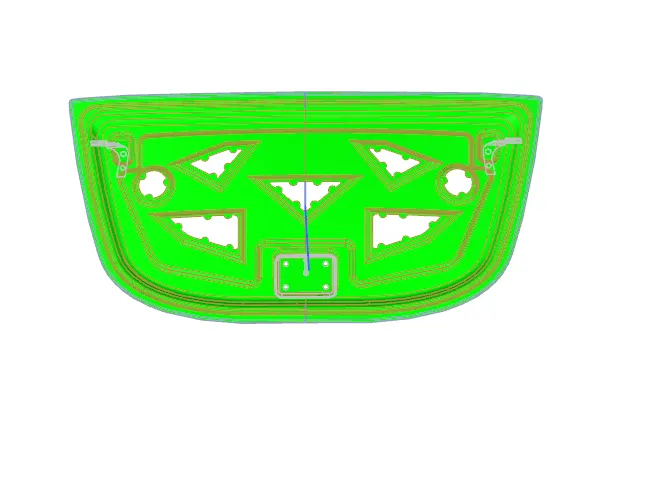
Draft analysis is an important part of the process as it checks the manufacturing feasibility of the product. Therefore, the minimum draft angle should be 7 degrees. Below this could cause tool wear, and the negative draft might not eject the part out. Here, for the hood design, the draft angle of 7 degrees was given for the embosses considering the tooling direction. As you can see below, the draft angle is well within the limit, and it is easy to manufacture.
8. CONCLUSION:
As a result, the hood assembly was put together using NX CAD while taking into account design factors such as manufacturing viability, pedestrian safety, crash regulations, functional needs, and mastic data. The finished file is attached as a zip file.