Hood design-Week 2
AIM:
Our aim for this project is to create a hood assembly from the hood outer panel which is provided as input surface to us according to the master section sketch.
INTRODUCTION:
Car hood design is a critical aspect of automotive engineering and styling, impacting both the vehicle’s functionality and appearance. Here's a detailed introduction to the various elements involved in car hood design.
HOOD -
The hood or bonnet is the hinged cover over the engine of motor vehicles. Hoods can open to allow access to the engine compartment, or trunk (boot) on rear-engine and some mid-engine vehicles) for maintenance and repair. It generally covers the engine and other essential accessories of the car. The Hood consists of Hood Outer Panel and Hood Inner Panel. The Inner panel provides the strength and support, and the Outer Panel provides the aesthetic look. while designing the Hood a Design engineer needs to make sure that the following design parameters are followed.
- Pedestrian Safety
- Occupant Safety
- Styling
- Manufacturability
Points to be consider while designing the Hood:
- Opening angle of Hood
- N CAP crash Test
- Wrap Around Distance (WAD)
- NVH (Noise, Vibration, Harshness)
Functionality:
Protection and Safety: The hood protects the engine and other critical components from environmental factors, such as debris, water, and dirt. It also plays a role in safety, including crumple zones that absorb impact during a collision.
Aerodynamics: A well-designed hood contributes to the vehicle’s aerodynamics, influencing airflow and reducing drag. Proper aerodynamic design helps improve fuel efficiency and overall performance.
Cooling: The hood includes vents and other features to facilitate engine cooling. Proper ventilation helps manage engine temperatures and prevent overheating.
DESIGN CONSIDERATIONS:
Material:
- Steel: Traditional and widely used due to its durability and cost-effectiveness.
- Aluminum: Lighter than steel, which helps improve fuel efficiency and handling. Often used in performance or luxury vehicles.
- Composite Materials: Used in high-performance and sports cars for weight reduction and increased strength. These materials can include carbon fiber or fiberglass.
Shape and Contours: The design of the hood can influence both aesthetics and functionality. Contours and curves can enhance the vehicle’s visual appeal while also aiding aerodynamics and cooling.: Ensure that the hood can be securely fastened and easily opened for maintenance. Modern vehicles often include safety features to prevent accidental opening during driving.
Hood Latches and Release Mechanisms: Ensure that the hood can be securely fastened and easily opened for maintenance. Modern vehicles often include safety features to prevent accidental opening during driving.
Design parameters;
Hood Thickness Information
- Outer Panel Thickness = 0.75mm
- Inner Panel Thickness = 0.75mm
- Reinforcement Thickness = 1.5mm
Master Section:
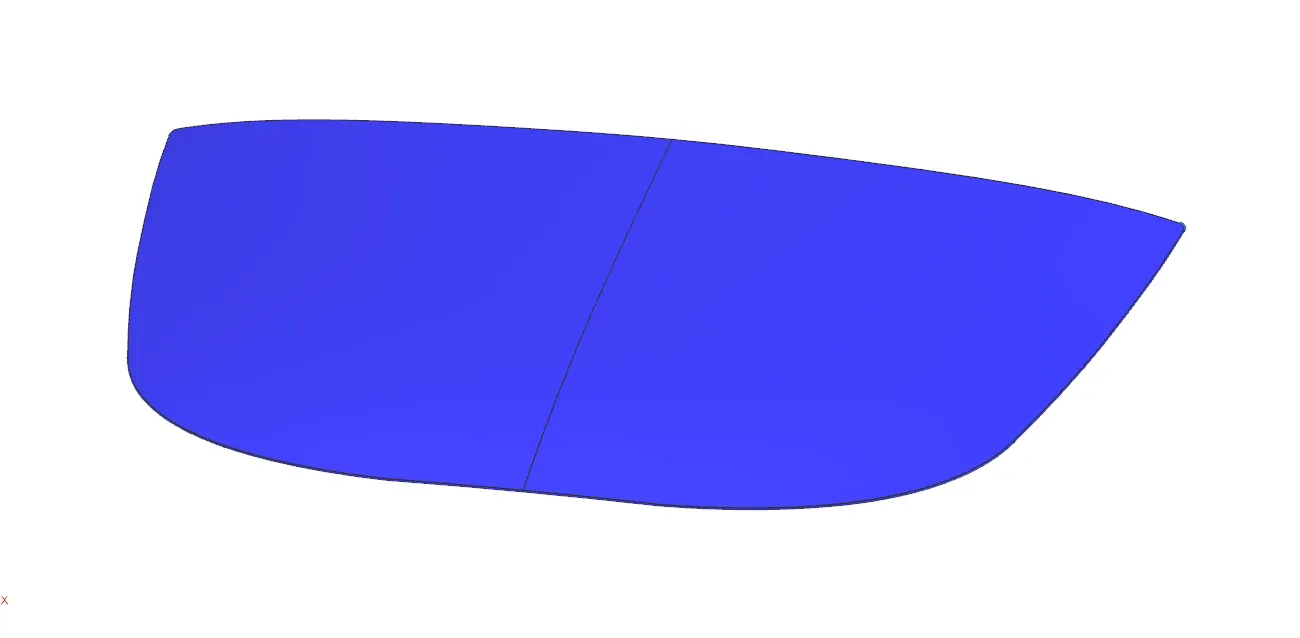
1.Hood outer panel;
Outer panels are the aesthetic elements of a car. It is the styling team who provides the skin for the outer panel. The shape, position and size of the hood should satisfy the safety norms. So while designing the hood we should give more importance to pedestrian safety. The outer panel is attached to the inner panel by hemming. So, it is necessary to provide required hemming flange and reliefs for the hemming operation. We also provide mastic sealants between outer panel and inner panel to reduce vibration.
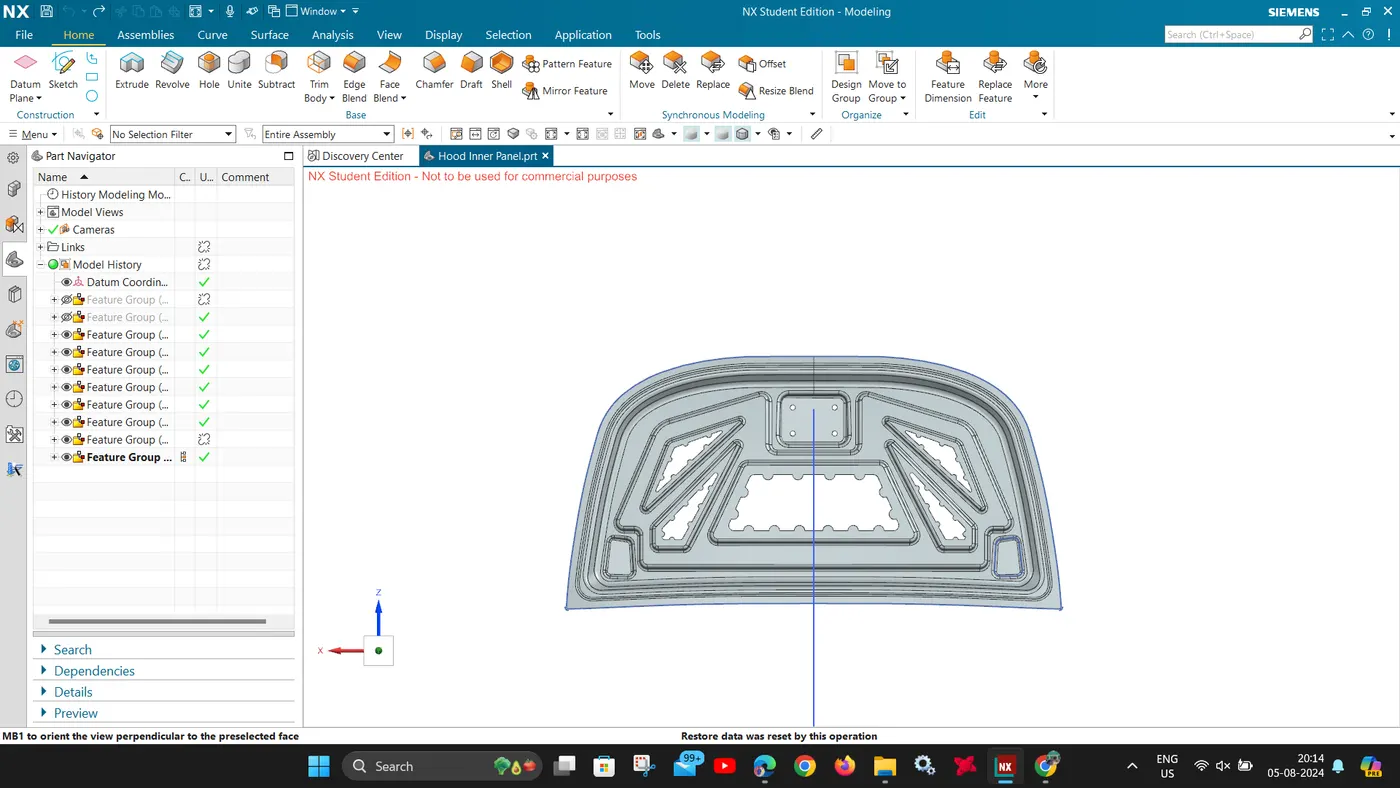
2. Hood inner panel;
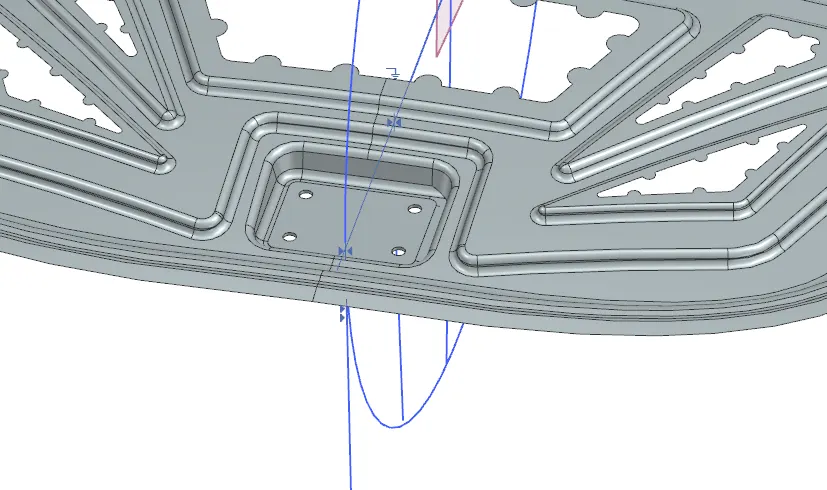
Inner panel is the part that gives strength and rigidity to the outer panel. The master section represents the initial emboss shape and size. Then we provide the emboss for the latch and hinge elements after fixing the location.
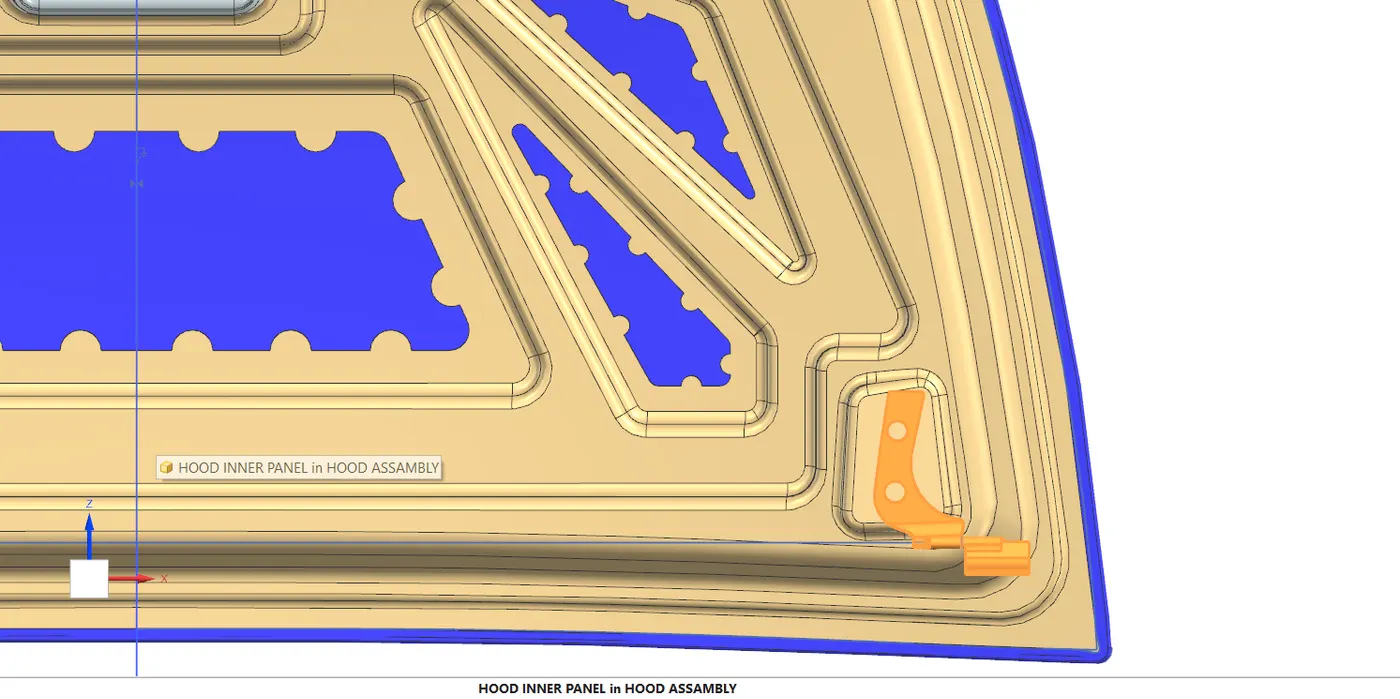
3. Reinforcement;
Reinforcements are provided according to the design requirements. Mainly it is provided at the hinge and latch regions to improve the strength locally. Usually thickness of reinforcements will be higher than that of the inner panels and the value varies according to cost and requirement. According to the design requirement here it is given 1.5mm thickness to both hinge and latch reinforcements.
- Hinge Assembly;
Hinge is a component that fixes the hood to the fenders of the car. The latch must be fixed perpendicular to the hinge axis so that the hood opens or closes properly.
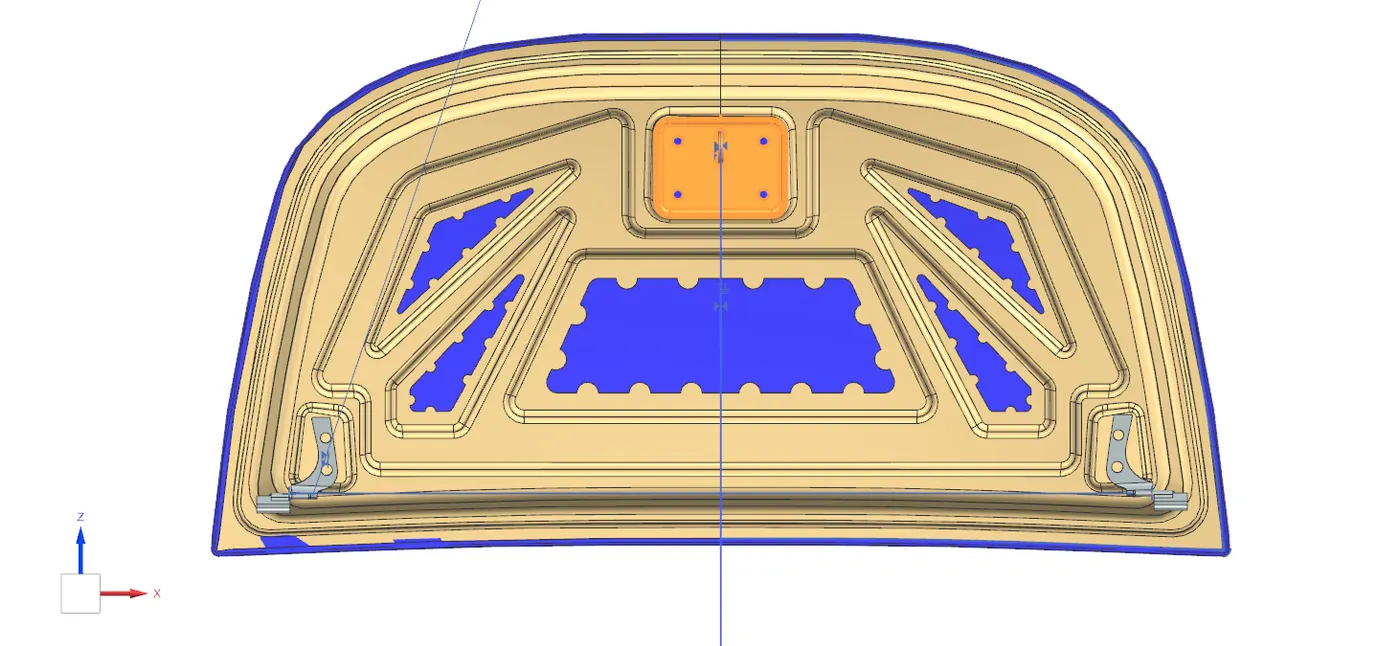
- Striker Assembly-
Latch & striker is used for locking the hood with the car. It is usually placed on the space provided on the inner panel.
The process involved in designing hood as a sheet metal operation is
- Blanking
- Hemming
- Punch cutting or piercing
- Deep drawing
- Embossing
Hemming;
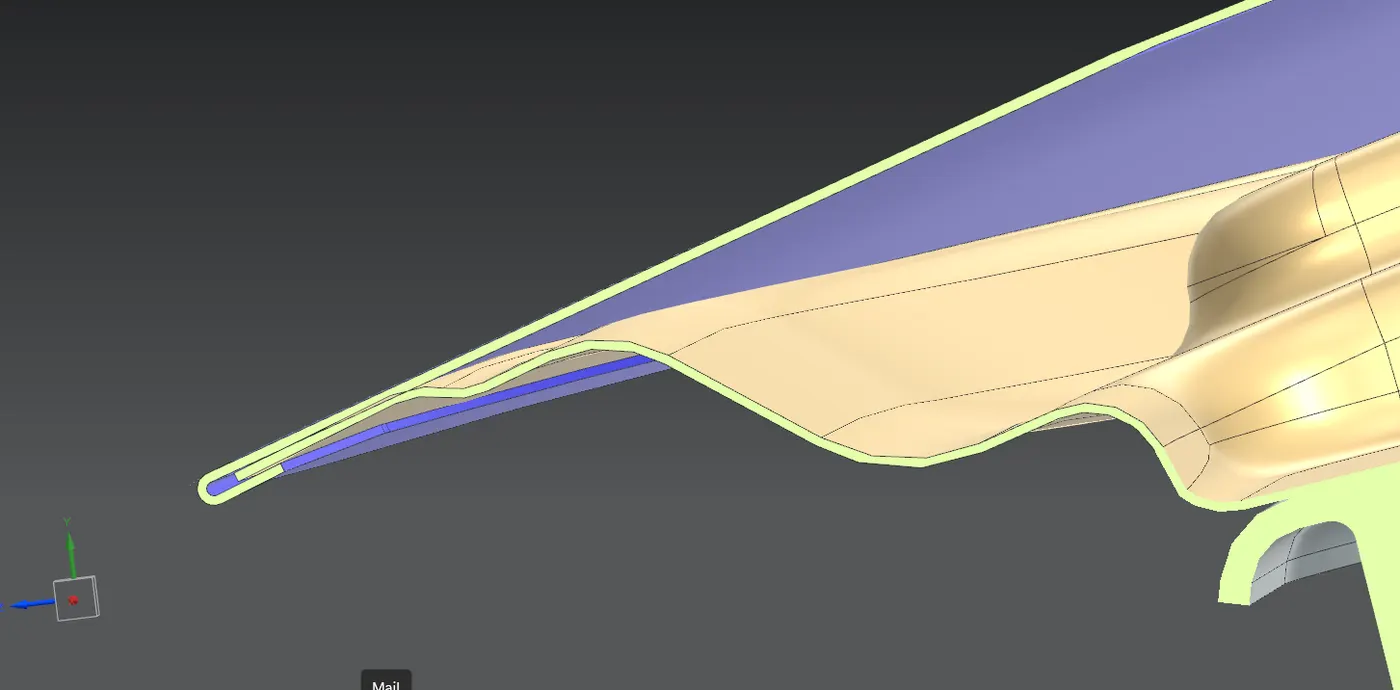
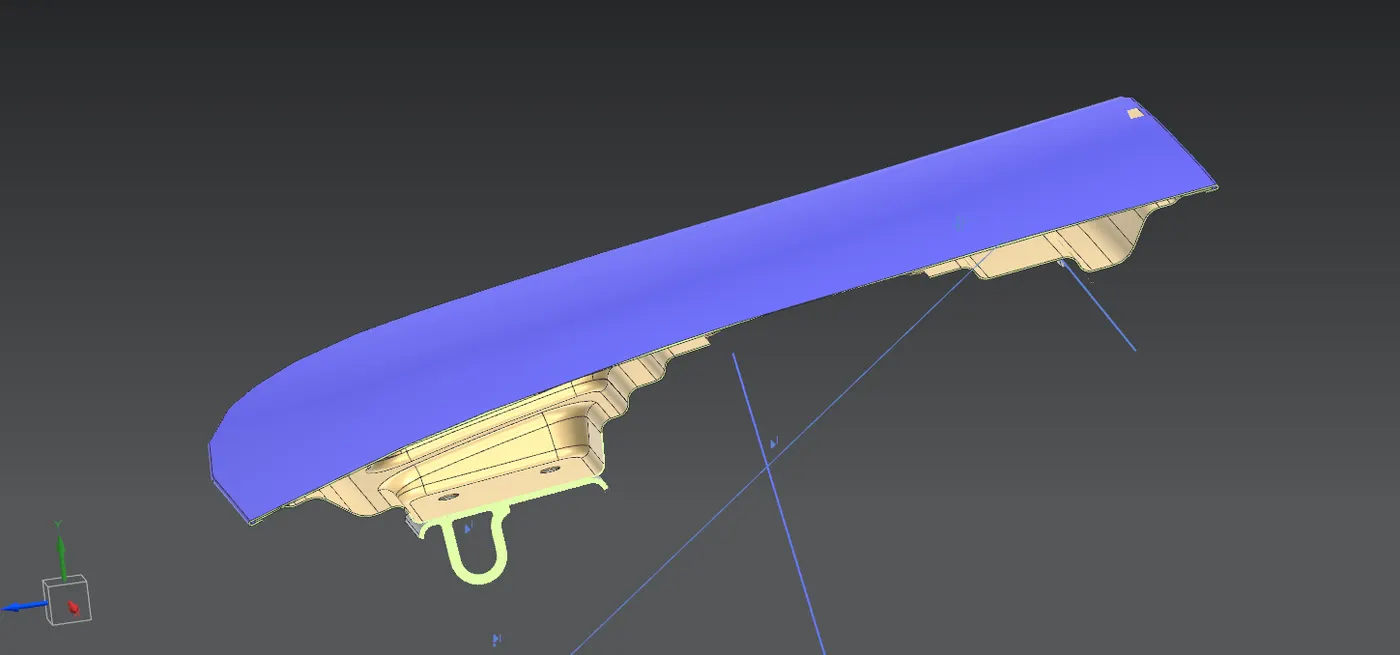
- Hemming is a sheet metal forming process in which sheets are joined by bending it usually to 180 degrees. Automotive body panels & parts such as deck-lids, trunk-lids, doors, hoods & tailgates are formed by hemming processes.
- Roll hemming is carried out incrementally with a hemming roller. An industrial robot guides the hemming roller & forms the flange. Roll hemming operation can also be divided into several pre-hemming & final hemming process steps.
- Conventional die hemming is suitable for mass production. In die hemming, the flange is folded over the entire length with a hemming tool. Normally the actual hemming is a result of a forming operation in which the flange is formed with a hemming tool after the drawing & trimming operations have been completed.
.
Deep Drawing;
- Deep drawing is a manufacturing process that is used extensively in the forming of sheet metal into a cup or box-like structures. Pots & pans for cooking, containers, sinks, automobile parts, such as panel & gas tanks, are among a few of the items manufactured by sheet metal deep drawing.
- A deep drawing of sheet metal is performed with a punch and die. The punch is the desired shape of the base of the part, once drawn. The die cavity matches the punch and is a little wider to allow for its passage, as well as clearance. For many calculations, the sheet metal thickness is assumed to remain constant. There are changes in thickness in certain areas, due to force involved.
Embossing;
- The sheet metal embossing operation is commonly accomplished with a combination of heat & pressure on the sheet metal, depending on what type of embossing is required.
- A sheet metal is drawn through the male & female roller dies, producing a pattern or design on the sheet metal. Depending on the roller dies used, different patterns can be produced on the sheet metal.
Mastic Data
Hood commonly possess large surface area and hemming can only be provided through its boundary. We cannot use other joining techniques like welding, riveting etc because they leave marks on the outer panel which spoil its aesthetic appearance. So, mastic sealants are used to stick the inner surfaces of outer panel and inner panel. Mastic sealants are elastic compound that behave like rubber. It is applied between the inner and outer panels at specified spots. Each spot of mastic sealants has its effect around a circular region of 80mm diameter. Thus, the mastic points are arranged in such a way that it covers the areas away from the hemming which are more vulnerable to vibrate.
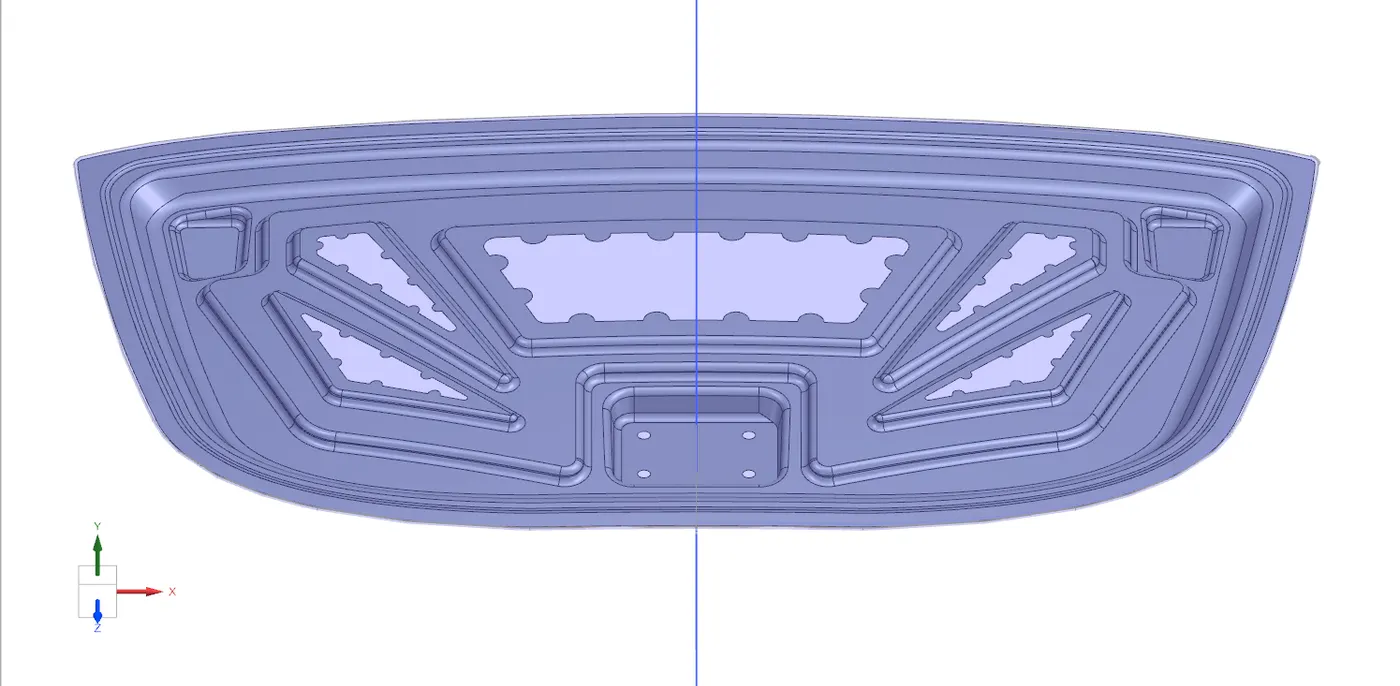
Latch trajectory-
While opening or closing the hood, the latch must be perfectly aligned to the fixing or striker point. For that, the latches trajectory must be perpendicular to the hinge axis.
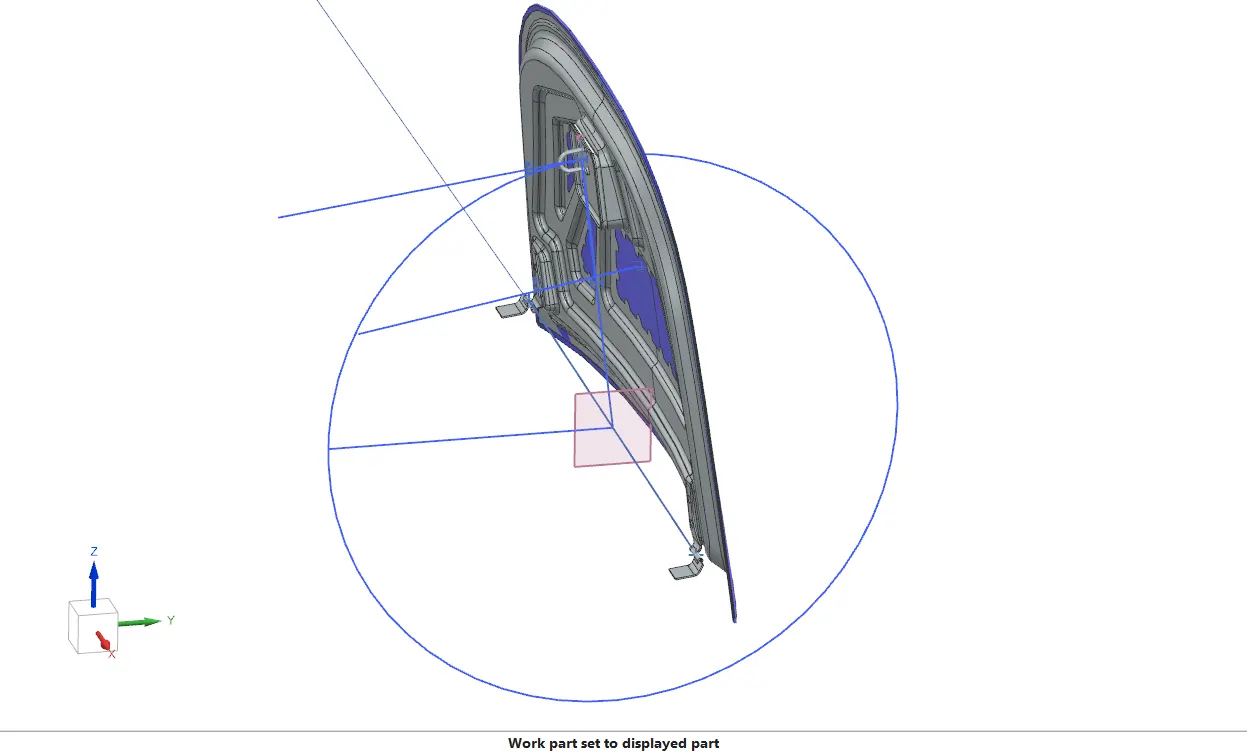
Hood Assembly;
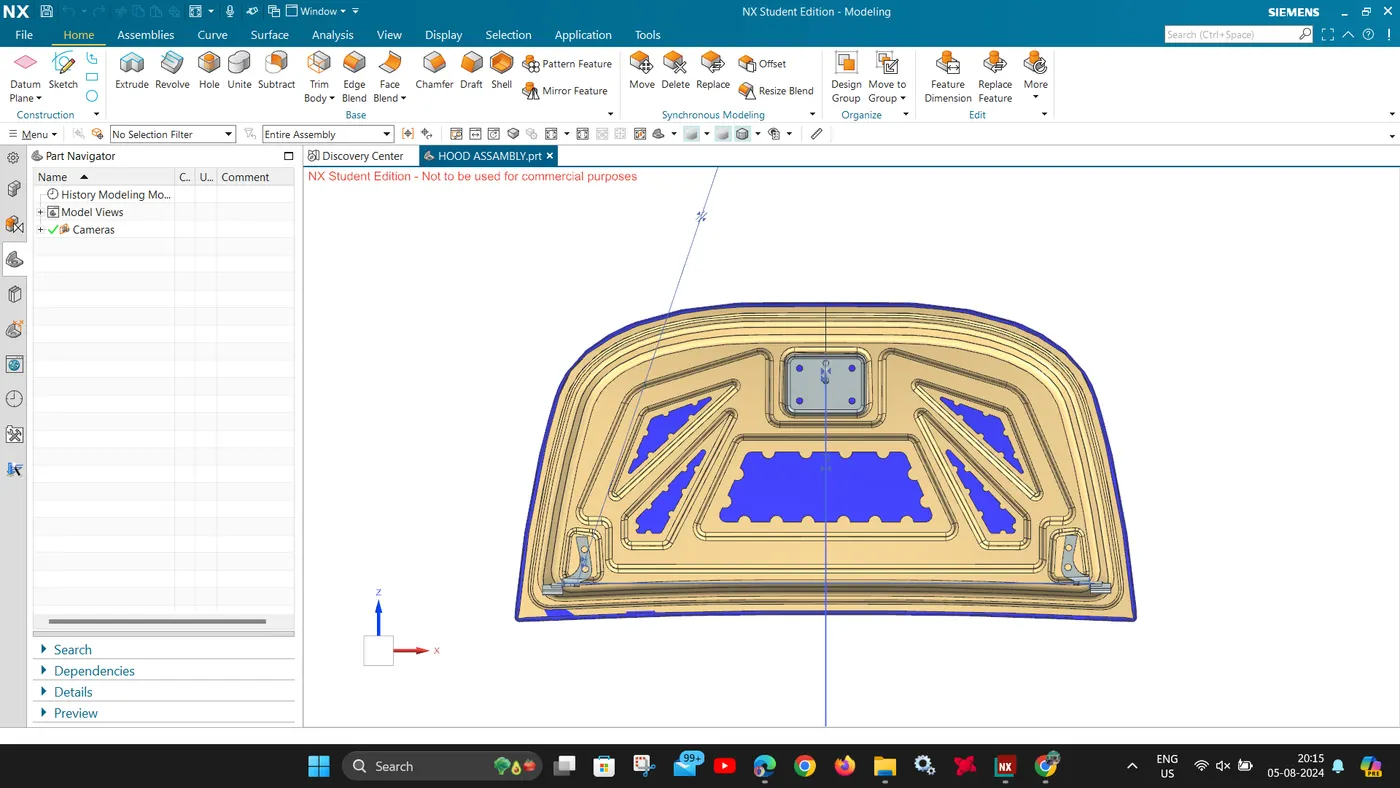
CONCLUTION:
- In this challenge Hood is created successfully in Top-Down Assembly approach with Hood Outer Panel, Hood Inner panel, Hinge Assembly and Striker with the given sketch and all the design considerations.