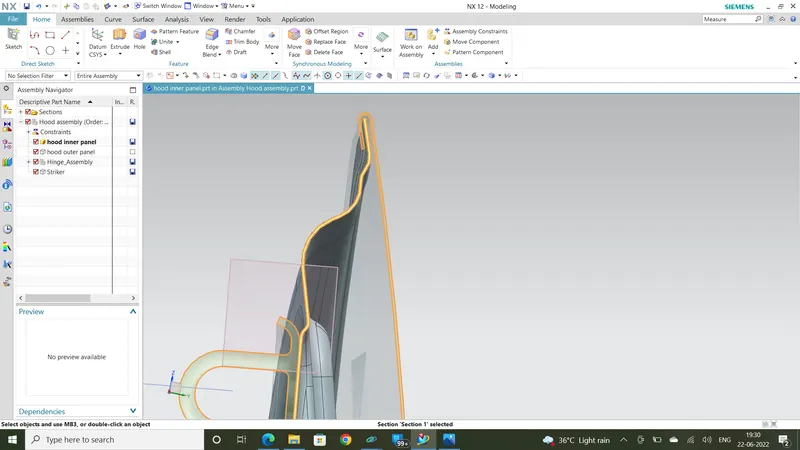
Hood design-Week 2
Aim:
- To Design Hood Outer panel, inner panel and the necessary reinforcements by following the master section with the design parameter.
- To submit of Assembly of Hood inner panel, outer panel, latch, hinge and the reinforcements.
- A detailed explanation of Hood and its components, Latch trajectory, Mastic data, Emboss definitions, Manufacturing processes and all the parameters followed during design.
Hood Introduction:
Hood is the hinged cover that rests over the engine of front – engine vehicle. A car hood is meant to protect the performance parts of your vehicle, including engine, while also providing easy access for repairs and maintenance. Hood is usually made from the same material as rest of te body. This can be steel, aluminum, fiberglass or carbon fiber.
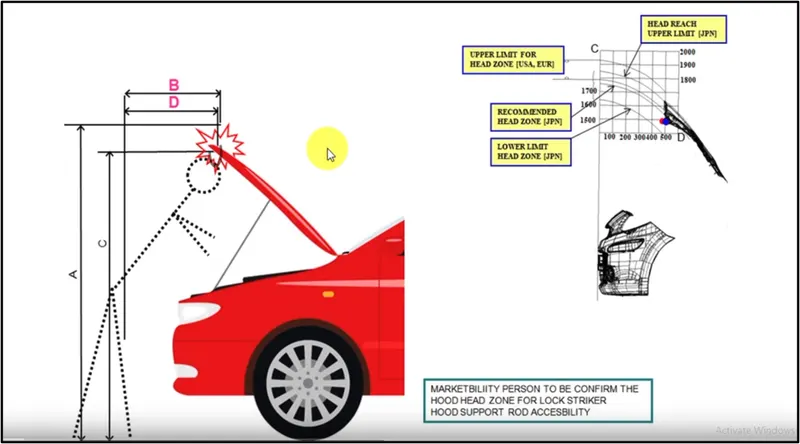
- HOOD HEAD ZONE FOR LOCK STRIKER :
- Opening angle of the hood is most important and initial stage of designing hood. The angle can be very place to place and region to region.
Ex., USA average height – 6
IND Average height - 5
- As we can see in the attached picture Head Zone should be consider during designing opening angle of front hood.
- It depends on the hood holding technology or system. There are two type hood holding systems available in the market.
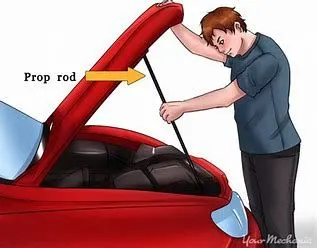
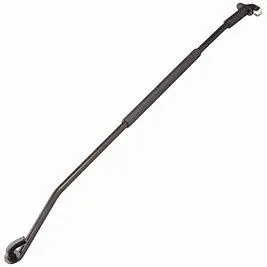
(A) Support Rod:
- As we can see in the attached picture. It is simple and most usable system to hold Hood at pre decided angle.
- It has to be mount opposite side to where battery mounted to get smooth access for any maintenance purpose regarding battery.
- Curvature of the rod should not more than 35mm, more than 35mm cause bending of the rod due to weight of the hood.
- It can be rested on hood or Engine mounting compartment through GROMMET.
(B) Gas Stay:
- We can see Gas stay mechanism in attached picture. If Opening angle force more than 8 kg than we can decide between Support Rod and Gas Stay.
- It can be mount through STUD BALL.
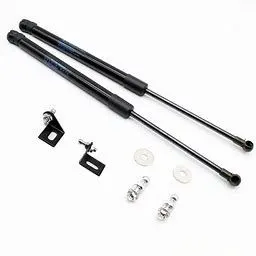
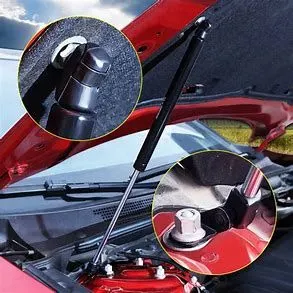
- Reinforcement :
- Whenever we add weight to base material (Ex., Hood Inner) we lose strength on this area. To compensate this strength we will have to add additional material which is called as Reinforcement.
- N.V.H Study :
- N.V.H = Noise, Vibration & Hardness.
- NVH score more – Quality of vehicle less
- NVH scoreless - Quality or Rating of the vehicle will be good in the market.
- Mastic Seal :
- We have to use Mastic seal to joint INEER – OUTER panel Because Bolting, Riveting, Welding can’t perform as it will affect styling surface.
- Material – Harden Rubber
- Every Mastic seal have tendency to improve strength 80 mm from its center point.
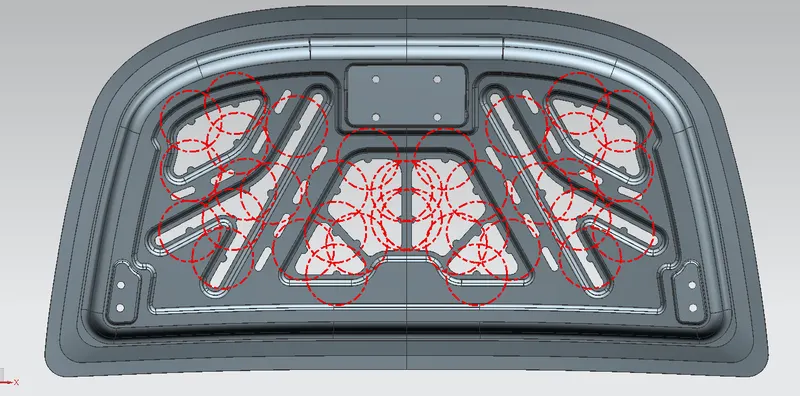
- Emboss Definition:
- Emboss are provided in the inner panel of the hood assembly. This helps weight reduction of the hood and also to dissipate the force during collision. (Ref Attached Pic)
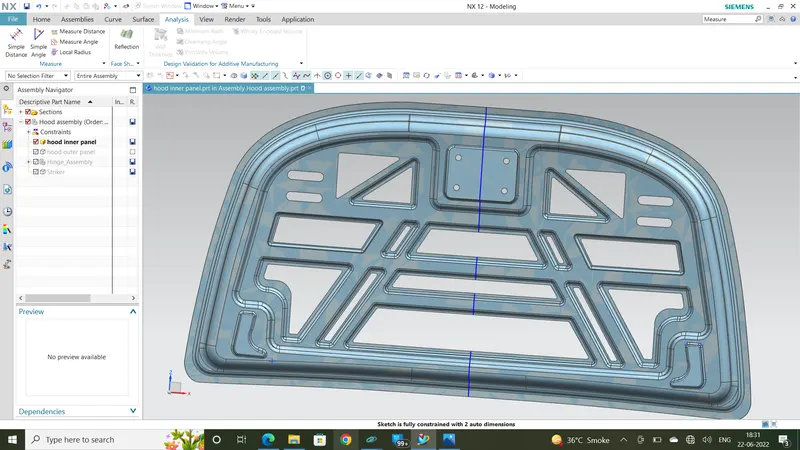
- Deep Drawing :
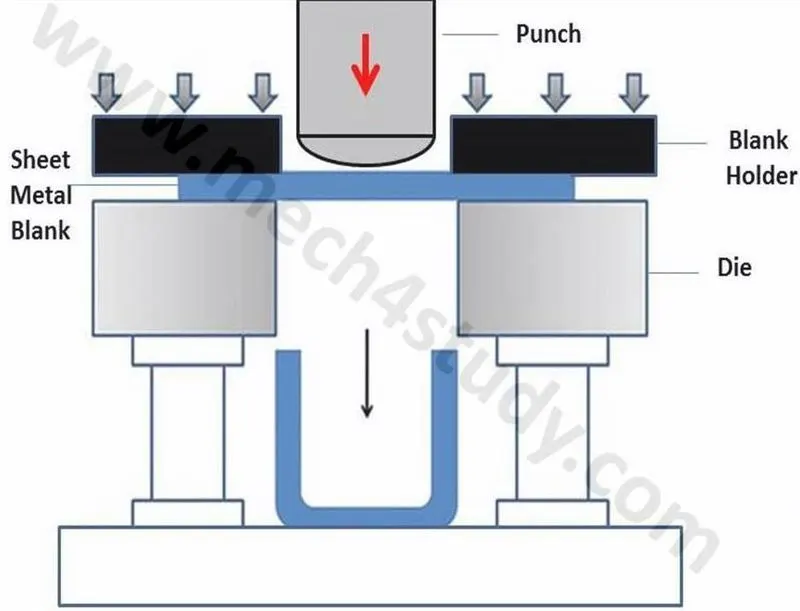
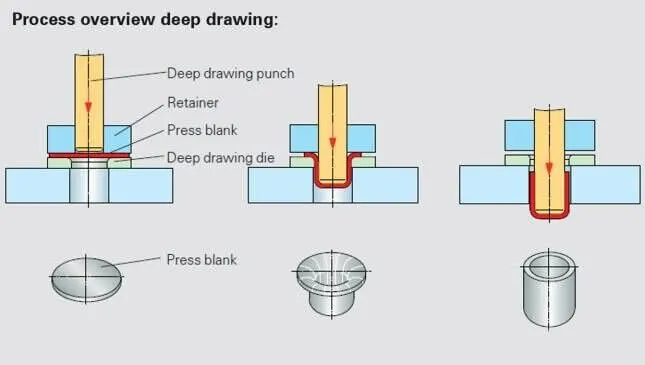
- Deep drawing is a sheet metal forming process in which a sheet metal blank is racially drawn into a forming die by the mechanical action of a punch. It is thus a shape transformation process with material retention. The process is considered “deep” drawing when the depth of the drawn part exceeds its diameter. ( Ref Atached Pic)
- Hemming :
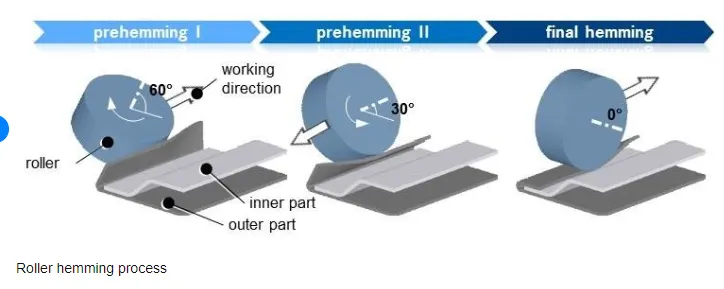
- Hemming is a forming operation in which the edges of the sheet are folded over the part in order to achieve a tight fit. Normally hemming operations are used to connect parts together to improve the appearance of a part and to reinforce part edges. ( Ref. Attached Pics)
- Pedestrian – Vehicle Collision :
- India, however ranks 1 in the number of road accident deaths across the 199 countries reported in the World Road Statics, 2021 followed by China and the US. As per the WHO Global Report on Road Safety 2021, India accounts for almost 11% of the accident-related deaths in the world.
- Road transport remains the most favored mode of transport for both freight and passenger movement in India. The fast – growing population, exceptional rate of motorization coupled with the ever-growing urbanization has made people vulnerable to frequent road accidents resulting in fatalities, injuries/disabilities.
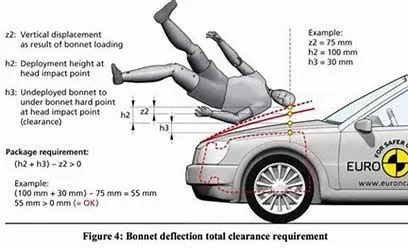
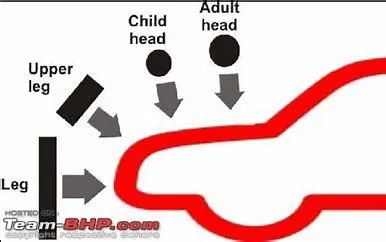
- A series of tests relicate impacts involning child and adult pedestrians where impacts occur at 40 kmh. Impact sites are then assessed and the protection offered is rated as fair, marginal or poor.
- The sequence of injuries and events in a pedestrian collision images are mentioned below.
Hood Design Process NX Cade :
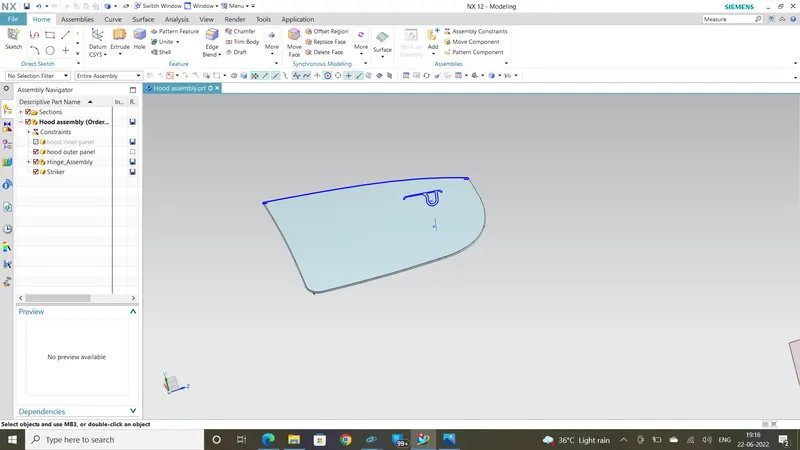
1. Offset surface from Parent Surface.( Ref Pic 1)
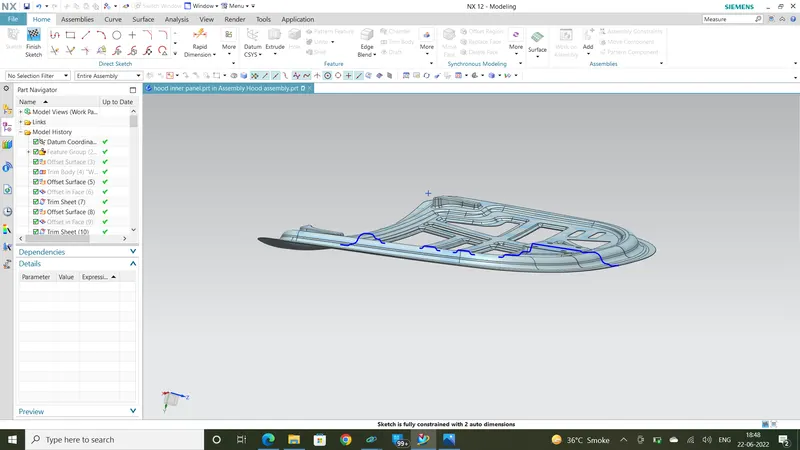
2. Create Inner Panel Surface by using function Trim sheet, Trim an Extend Sheet, Face and Edge blend. ( Ref. Pic 2) (Ignore Embosses)
3. Create Embosses by using Sketch, Project curve, Emboss. Face & Edge Blend, Trim Sheet. ( Ref. Pic 3)
4. Create Emboss for Hinge & Striker Assembly, Assemble them by using Assembly constrains functions, Get position to assemble strker by using Latch Trajectory Method. ( Ref Pic. 4)
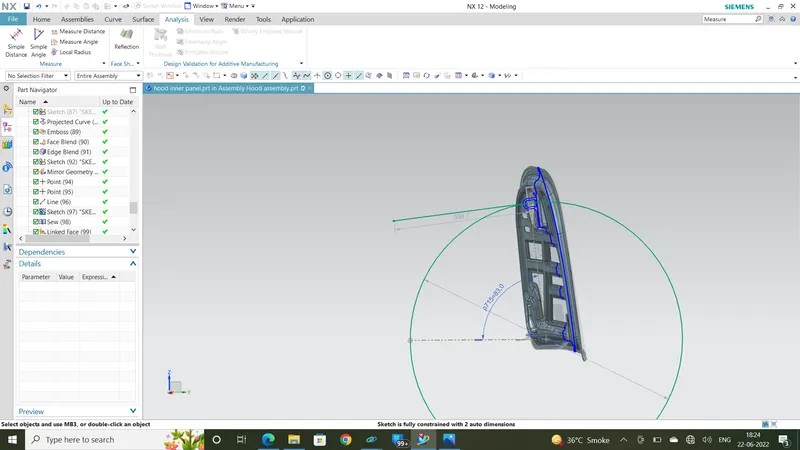
5. Hemming Process of Outer panel by using Offset curve of parent curve, offset cure on face, Law extension, Trim and Extend, Three Face Blend as per required dimensions, Also create rest area for hemming balls smooth movement during the process. ( Ref. Pic 5 & 6)
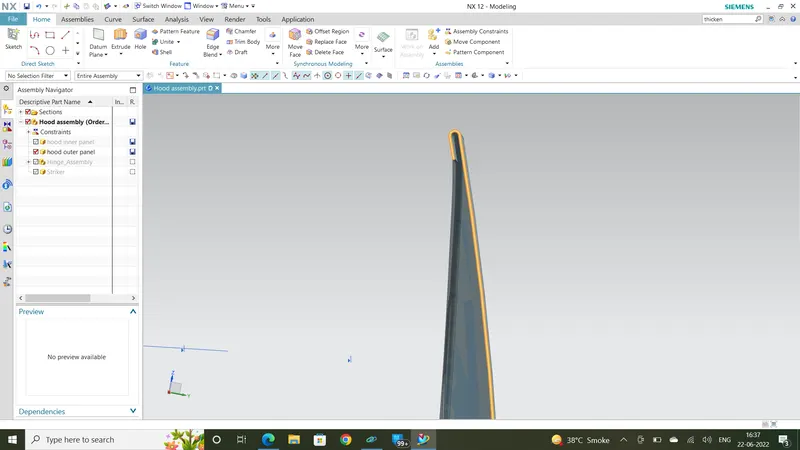
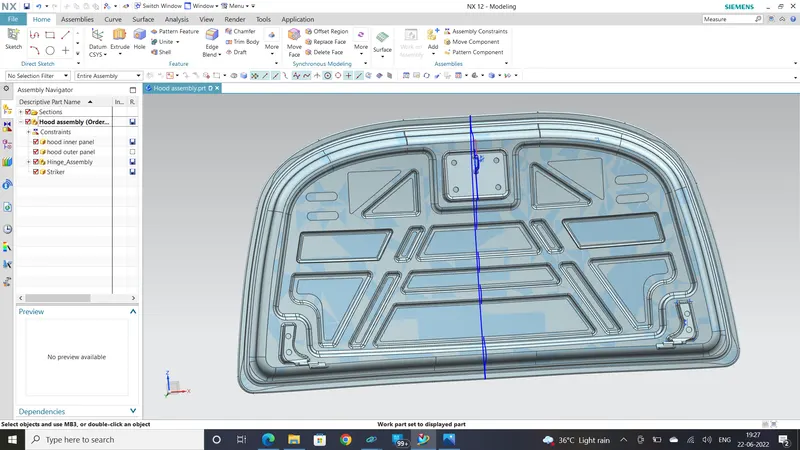
6. Thicken Process of Inner & Outer Hood - 0.75mm. ( Ref Pic 7)