Hood design-Week 2
HOOD DESIGNING using CATIA V5
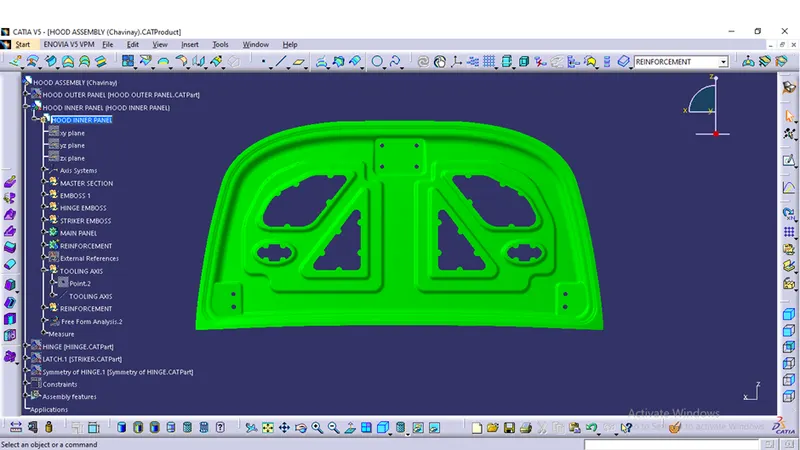
We are to design the inner panel, reinforcements and placements of the latch and the hinge from the given Master Section and the Class A surface using the CATIA v5 software.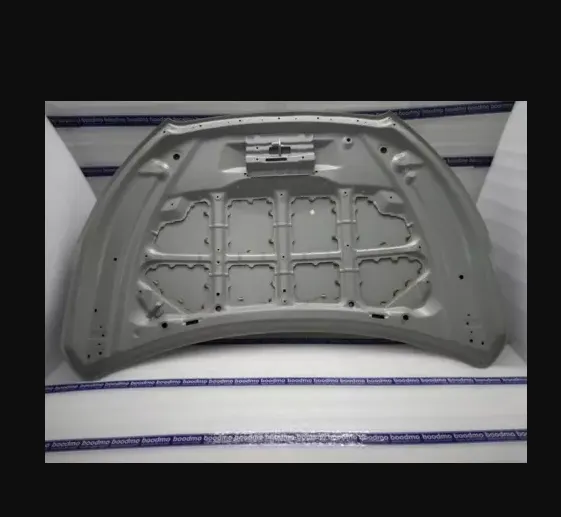
HOOD or BONNET
A hood is the front end covering over the engine room in car. Its design is made keeping lot many parameters and functionalities in mind. For example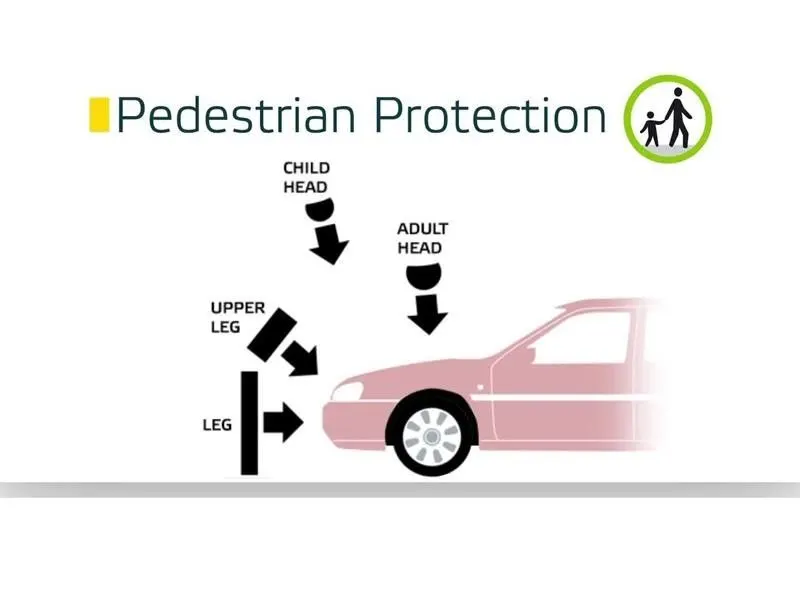
- Safety
The utmost important factor to be considered to design an automobile. One of the ways to design a bonnet around for safety is thinking what happens after the front of the vehicle or the hood itself comes in contact or meets a crash. The centre area of the hood gives like a cushioning effect to the head of the pedestrian, child or adult, falling on it after the collision. The average height of the head to body ratio of a child and adult both are taken into consideration, as they are likely to come in contact first at around that area of the bonnet on collision. Pedestrians are kept in mind while designing the deflection angle of the front of the vehicle also.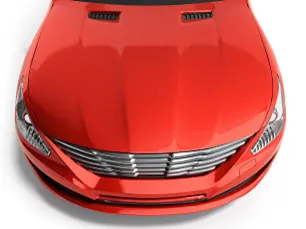
- Aesthetic Appearance
Anything designed is always easy to sell and buy if its appealing to the eyes. The car’s front end is mostly the hood as it covers a large area of the vehicle. Therefore, its important the it also looks good and also does not make any compromises of the functionality part of the whole design.
- Quality
If the correct material and the correct thickness and the proper welds and all the other things required for the actual part to come in to existence is not provided as per the quality norms given by various organisations, governments in the world then the whole designing can be a failure and resulting in loss or remaking the component again. The quality if not met the standards can result in malfunctioning of all the functions desired when designed.
- Manufacturability
One of the major factors to keep in mind while designing the bonnet is the practicality. If the designed part is not aiding the practical usage or is in any way a hindrance is the ease of manufacturing it. Or even if it is costing way too much to get the desired results or dynamics.
It also should be easy for the technicians later to work on it or make use of it in the proper way it should be. The manufacturing can be cancelled and the designer can be sent back to the drawing board
- Functionality
Safety is the fore most important factor to be kept in mind when designing a bonnet. There are ratings given to the car according to the safety by governments across the globe by means of new car assessment programs (NCAP) like NCAP & EUROCAP etc.
The hood design comprises of various parts: -
- Inner panel
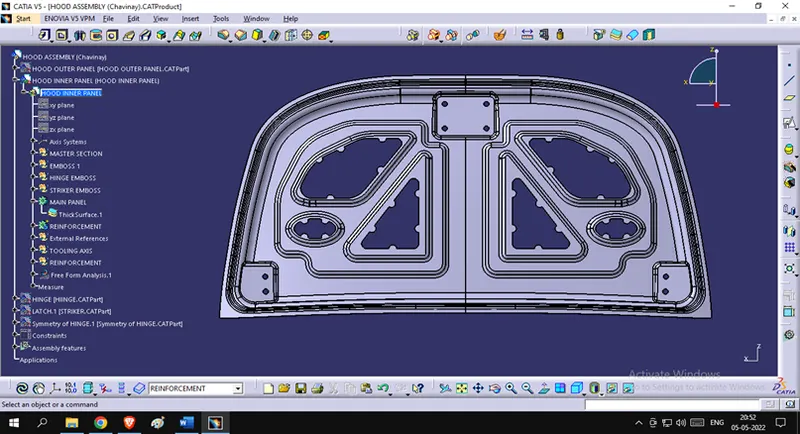
- Outer panel
- Hinges
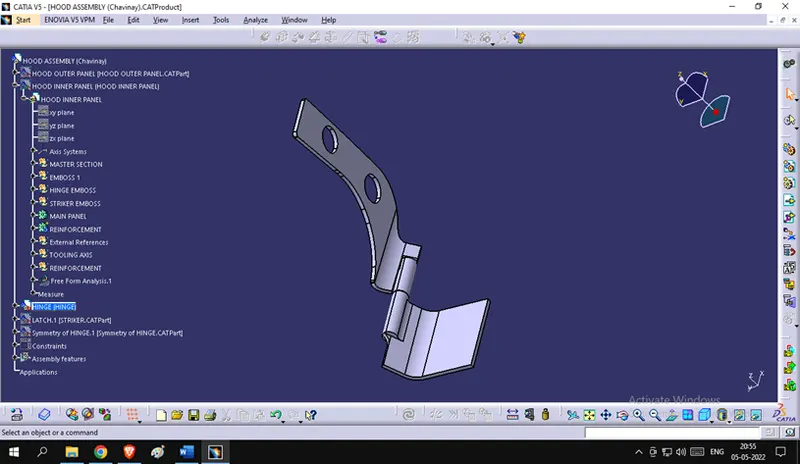
- Latch
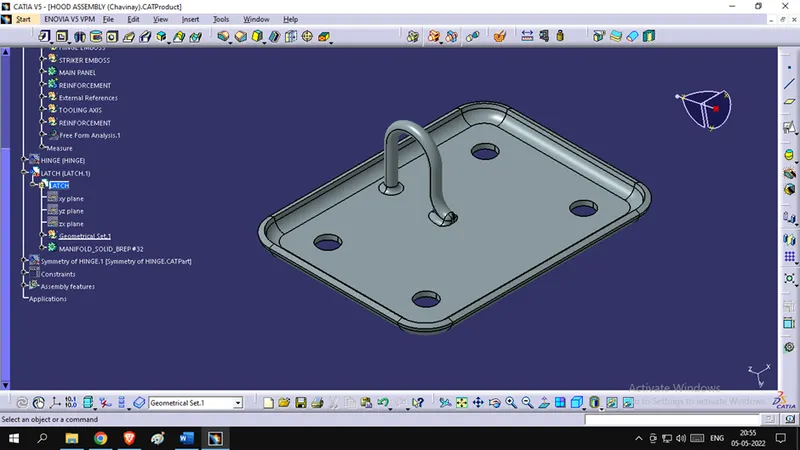
There are many other cut-outs and welds made to or with the bonnet to completely make it presentable and assemble on to a vehicle. From the design point of view, factors like
- Opening angle of the hood: -
This is an important factor as the safety of the person opening and closing the hood depends on it. For various repairs and engine room parts replacement and services to the engine to be performed also this angle plays a vital role.
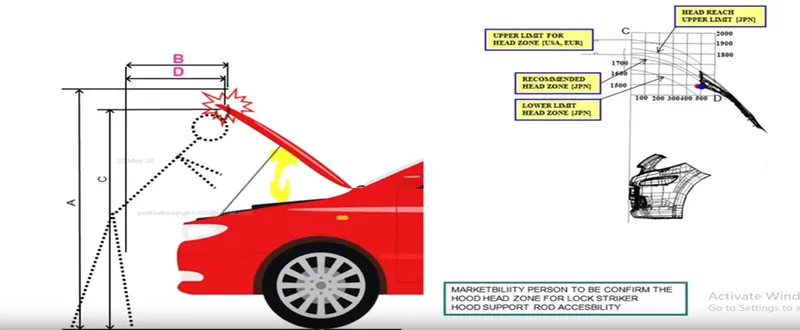
LATCH TRAJECTORY: -
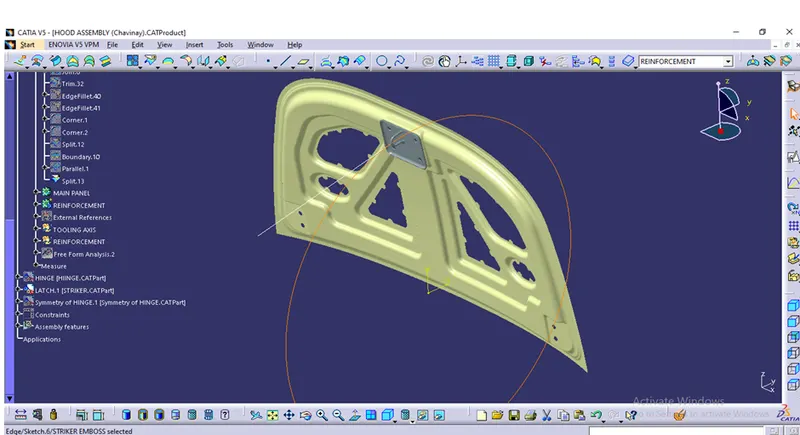
The latch is the one part which keeps the bonnet closed, it has a proper docking to lock onto when closed with certain pressure. When the hood opens or closes, it does so in a radius of movement which ha its centre in the hinge axis, that is along the y axis of the car as shown by the circle in the figure
The tangent from the circle shows the line of movement of the latch. This is given direction by the circle and guided to lock properly with the striker when closing the hood
- NCAP ratings: -
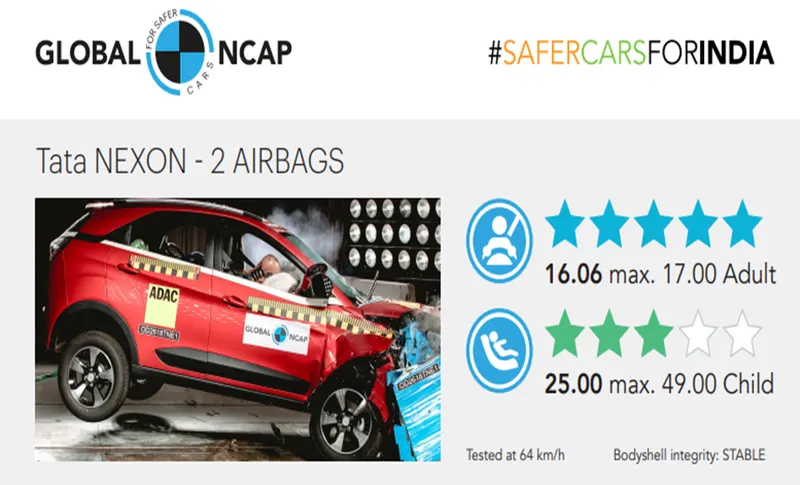
This is generally given in stars (ex 4stars out of 5 stars), the higher the stars or rating s obtained the safer the vehicle is considered. The deciding criteria is decided by governments and safety engineers all around the globe.
- Wrap Around Distance: -
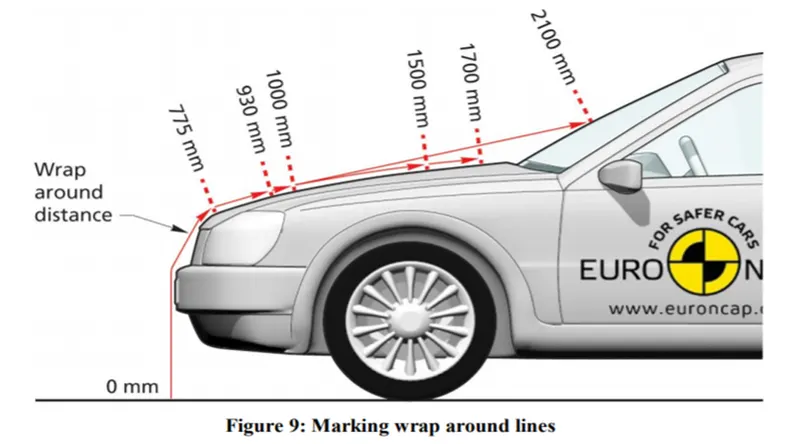
The angle 45 degree is taken as a straight up line from the ground on the sides of the vehicle. If the line touches the fender of the vehicle first, it is known as in laid design and if the bonnet comes in contact first, it is known as a wraparound design. The distance of it is also an important design factor
- NVH (Noise, Vibrations & Harshness) Levels
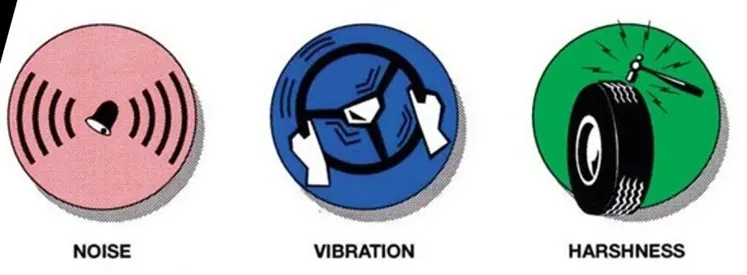
The design should definitely avoid or completely reduce the NVH levels in the vehicle as much as possible. Small simple harmonic vibration, could malfunction a mechanical part.
SHEET METAL PROCESSES
Bonnets, or in the case of commercial vehicles, the vehicle body is generally made up of sheet metal. These are malleable metals drawn into sheets of thickness 1 to 6 mm. Since they are a different type of solid, they need a different type of process to work on it. These are: -
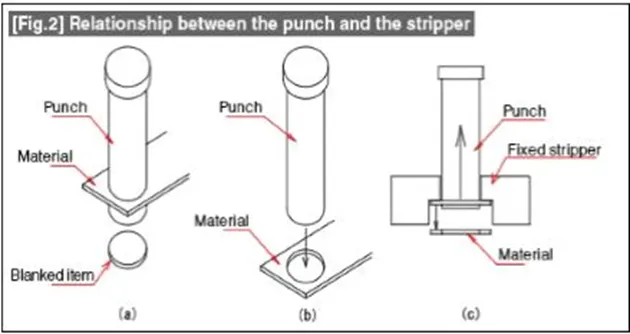
- Blanking & Piercing
The both of them have the same process and components working for their processes, the only difference apart from their names is that the residual in blanking is the product and in piercing the material after pierced part removal is the product required
- Embossing
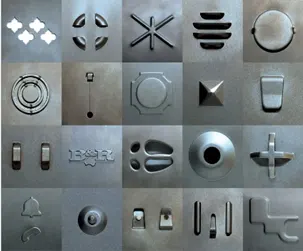
This is a common operation across many types of solids. Embossing is little protrusions on the surface of the metal which are given required and desired shapes according to functionality. They are obtained by stamping the sheet between moulds, the female mould has the shape onto which the sheet is applied with pressure from the male mould. It is a lasting process and is done without compromising on the sheets quality and its properties to perform in any way.
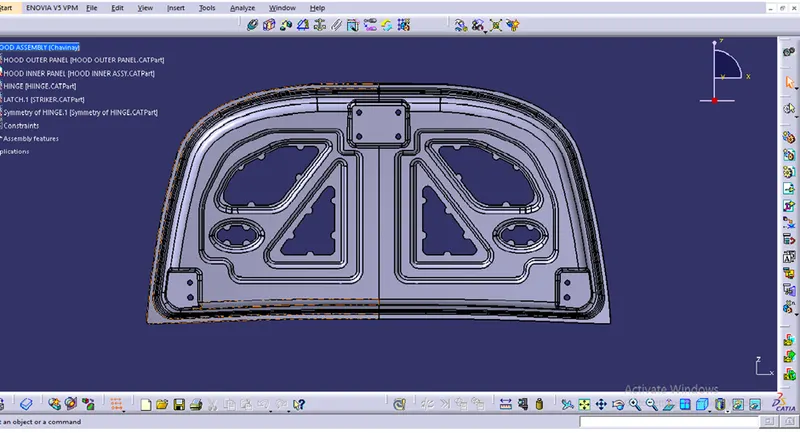
Inner Panel Emboss
- Hemming
The automobile body parts are not left out open with a sharp edge or a corner. That done is definitely not safe as it can cut through anything with the force applied and cause fatal results during a collision also. Same goes with the bonnet too, though the corners are filleted with a certain radius, the edges are not left open and are bent with a certain measurement and procedure which is called hemming.
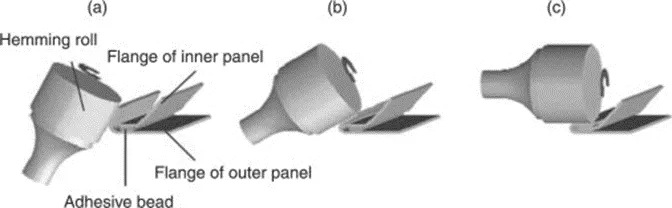
The Upper or aesthetic sheet metal is slightly larger in size than the lower or inner panel.
This is done so that the upper one is bent in such a way that it engulfs around the edge of the lower one also and results in covering the sharp edges of both the parts.
The bending of sheet metal is done using a heavy roller at different angles and in the end making it flat. Gaps and distances are measured and designed according to the thickness of the sheet and the process is finished with a sealant to give an airtight soft cushioning finish.
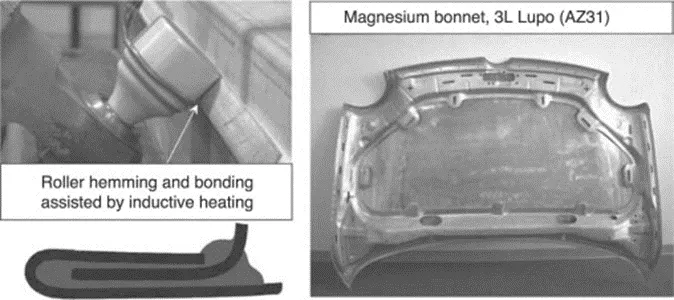
MASTIC SEALANT APPLICATION
The hemming process does bring the two sheets together, very close, but there are gaps definitely remaining, small ones, but they are large enough for water to seep in and cause rust. This is avoided using sealants, which seep in like water but solidify on drying and making a proper cover over the gaps. This Mastic Sealant has adhesive properties also keeping sheets glued together to each other.
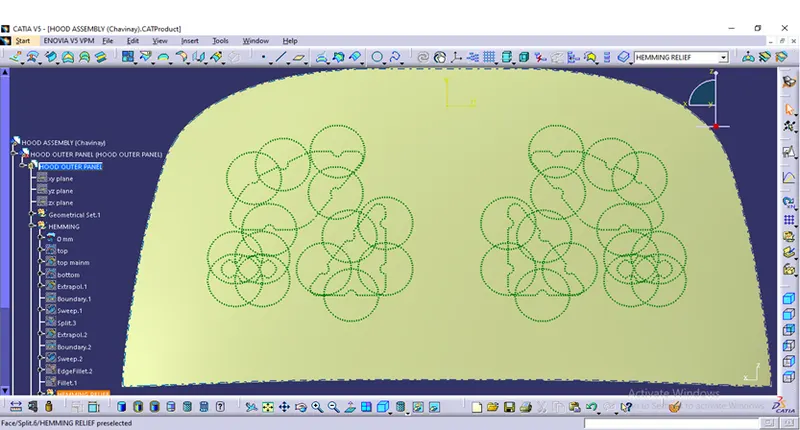
There are flanges cut, making provision for as to where these sealants are to be applied at. On application, they expand and cover a fairly large area of 80mm in diameter (circles in the diameter below). They are applied by machines generally at the points called mastic points. The same result can be obtained by welding the surfaces also but the marks left by the heating in welds are not aesthetically pleasing and also the surface becomes a little uneven, to avoid all these Mastic sealants are used.
DRAFT ANALYSIS
To make any part using a tool and die, a tooling axis specifying a draft direction is very necessary.
This determines if the part will come out of the mould easily, even before making it, with the help of CATIA V5. Obtaining a fully green result within the drafting angle range is the goal here.