Hood design-Week 2
HOOD DESIGN
INPUT
- Class A surface of the outer panel of the hood.
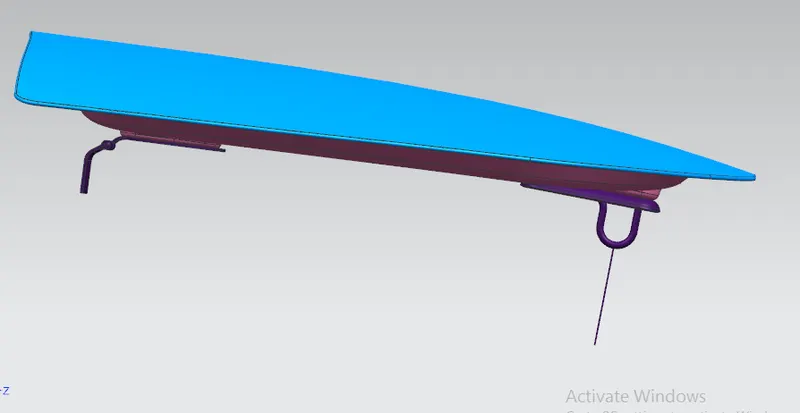
- Hinge assembly.
- striker and latch assembly.
OBJECTIVE:
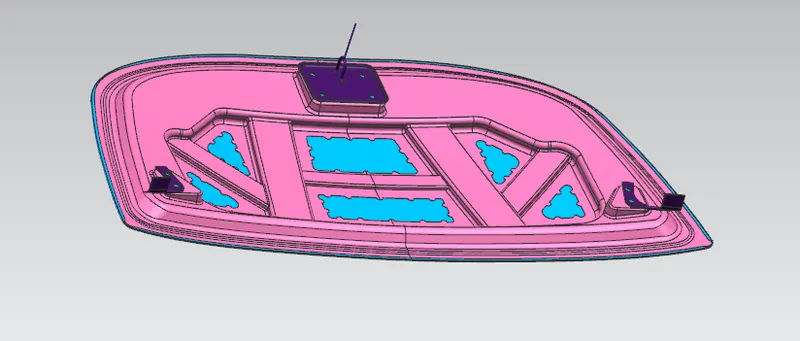
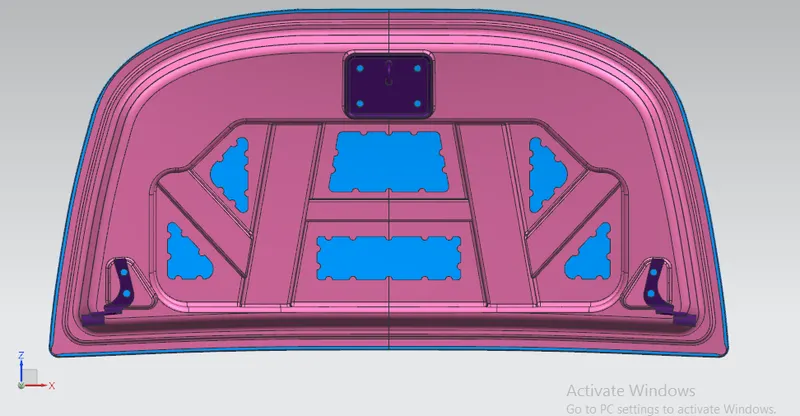
- Create the inner panel of the hood following the master section..
- Provide the necessary attachments to the inner panel of the hood along mastic points .
- Create the embosses .
- Assemble the hinge assembly in accordance with design parameters.
- Assemble the striker assembly in accordance with design parameters.
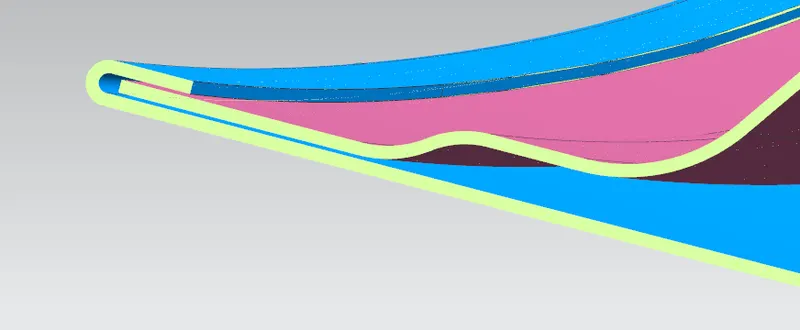
- Create the surface for hemming following master section .
- Thicken the components with 0.75mm thickness .
HOOD:
- A car hood also referred to as a bonnet in some other countries is the hinged cover that rests over the engine of a front-engine vehicle.
- Its purpose is to provide access to the engine for repair and maintenance.
- Car hoods are typically constructed from steel and sometimes from aluminum.
- On front-engined cars, the hood may be hinged at either the front or the rear edge, or in earlier models (e.g. the Ford Model T) it may be split into two sections, one on each side, each hinged along the centerline
- . A further variant combines the bonnet and wheel arches into one section and allows the entire front bodywork to tilt forwards around a pivot near the front of the vehicle.
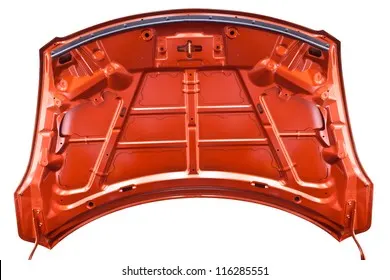
STEPS FOLLOWED TO CREATE THE HOOD DESIGN
1)Extracting the outer panel surface and creating the feature group in the NX cad.
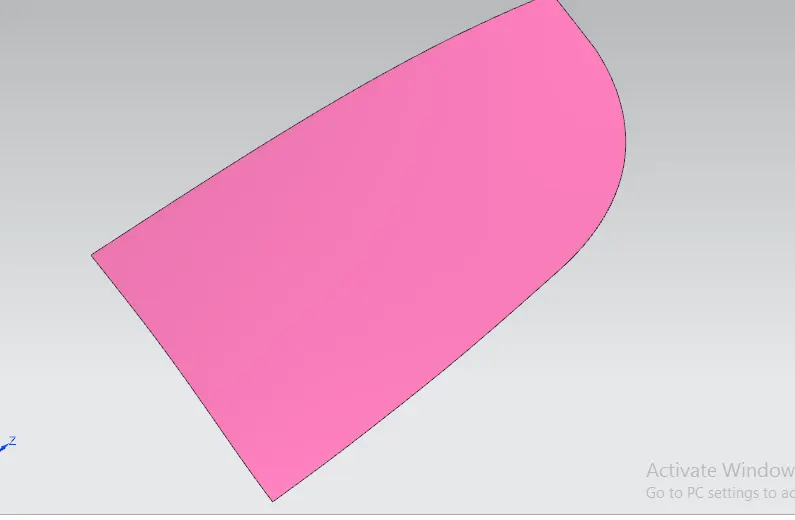
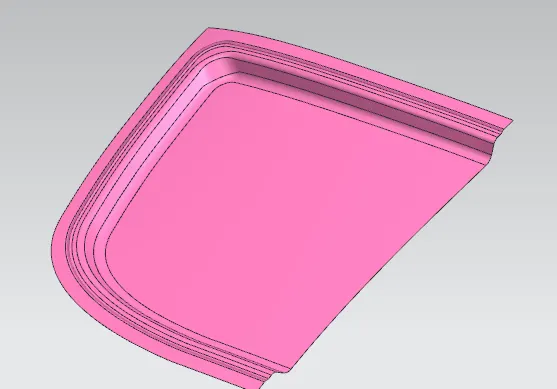
2)Offseting the outer panel surface to create the inner panel following the master section.
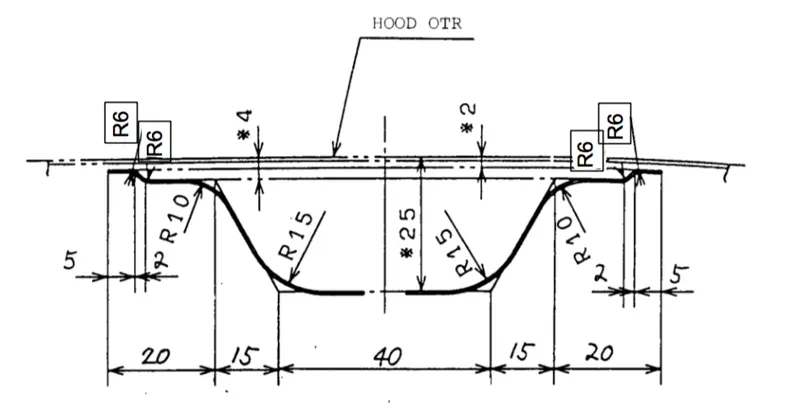
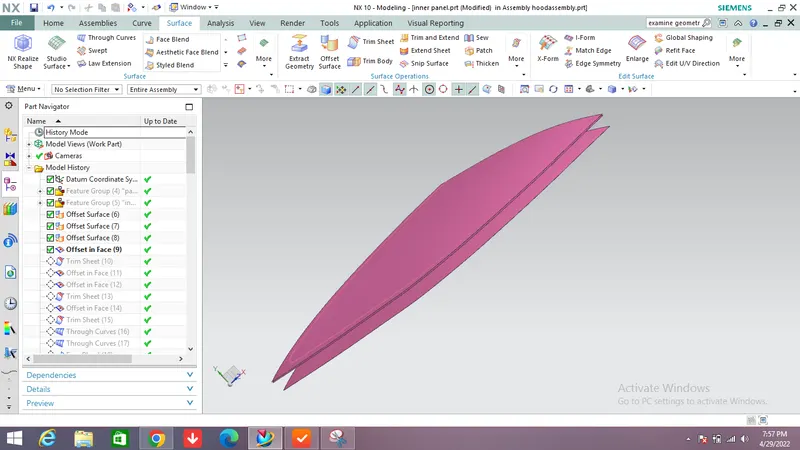
3)Trimming and obtaining the inner panel surface and providing the necessary face blends following the master section.
4)
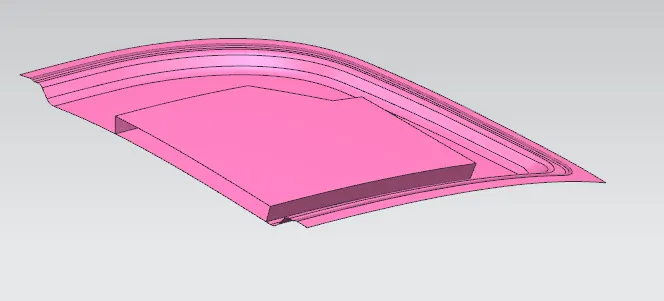
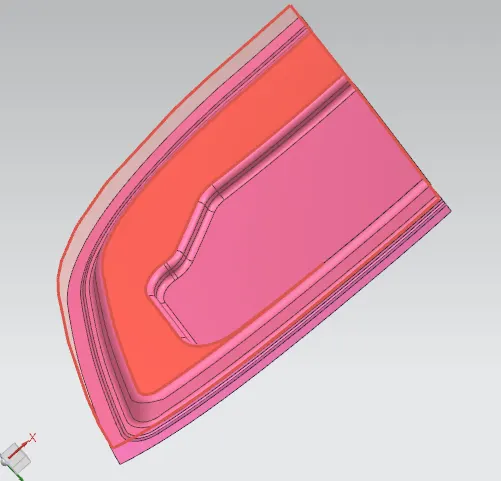
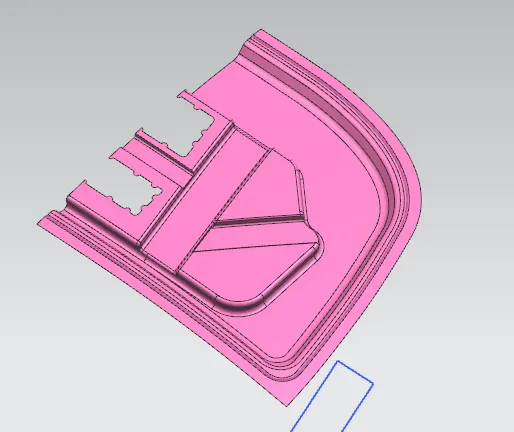
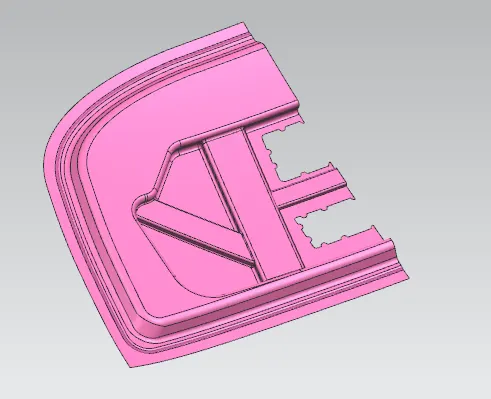
- Creating the main emboss following the design consideration of pedestarian safety, which means there should be necessary gap between the outer panel and embosses, there is different criterion of distances from the hood to the engine compartment and it must be followed.
- While creating this emboss one should keep safer space for the hinge and striker assembly , and there must be adequate clearance for the same.
EMBOSS is a metal forming process for producing raised or sunken designs or relief in sheet material by means of matched male and female roller dies, theoretically with no change in metal thickness, or by passing sheet or a strip of metal between rolls of the desired pattern.
.
Functional applications are those in which a performance characteristic is enhanced. This can include a metal products ability to disperse liquid more effectively, reduction friction and static, increase a metal panel’s stiffness and rigidity, increase a metal surface area for acoustic or heat transfer applications, and improve traction.
The embossing process can produce a variety of patterns. Some of the most common patterns include stucco, leather grain, wood grain, weather grain, and rough sawn cedar. Most embossers will tool to form any needed pattern, depending on the cost parameters involved.
5)
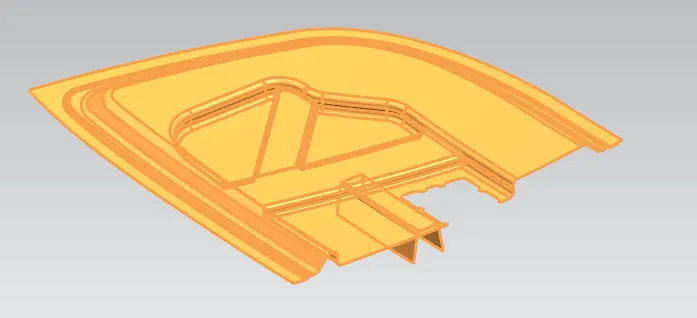
- Create the flat surface for creating the emboss for the assembly of the hinge.
- The hinge emboss must be created on the flat surface as the hood surface is curvy.
- Law extension can be used for serving purpose of the emboss.
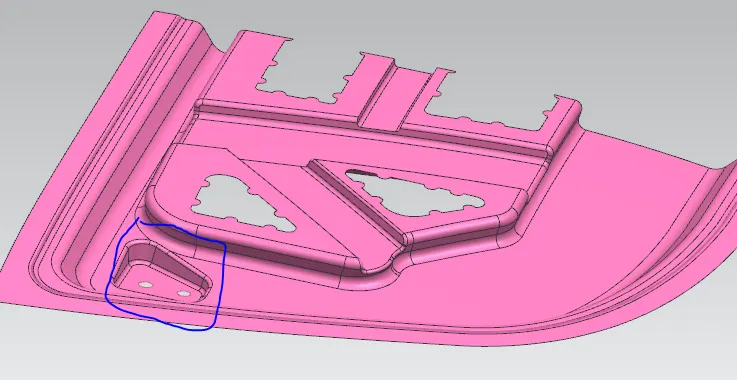
6)Create the assembly of the hinge on to the emboss using the assembly constraints.
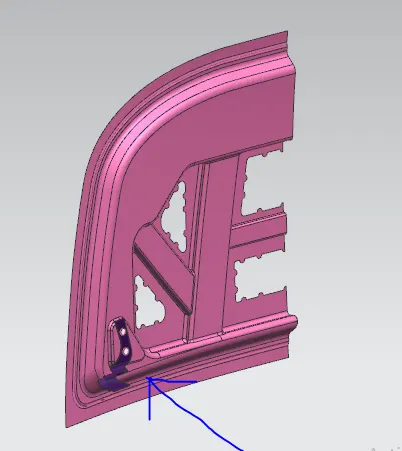
7) MIRROR the geometry to obtain the inner panel surface, the mirror of hinge would be done by mirror assembly command and should be associative mirror in order to get same constraints.
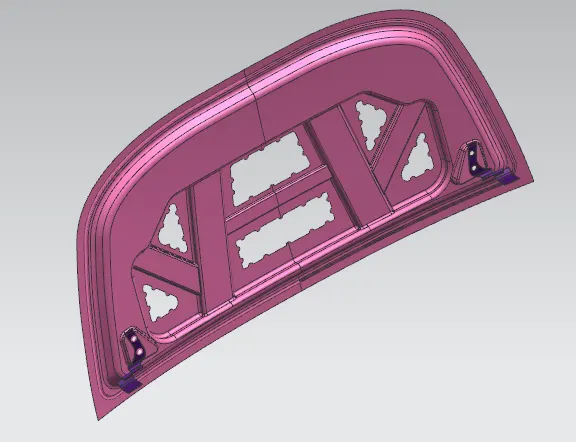
8)Create the hinge axis using the two points on the two hinge.
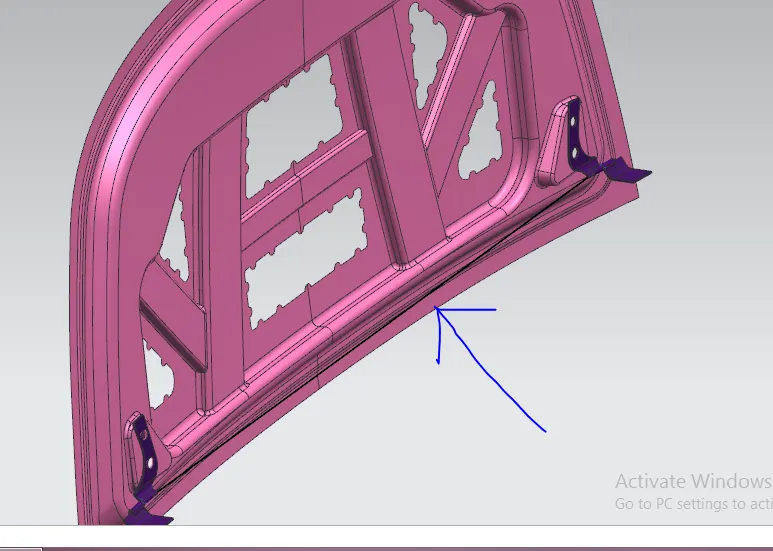
9)Create the circle from the mid point of the hinge axis as adjust roughly the positioning of the striker.
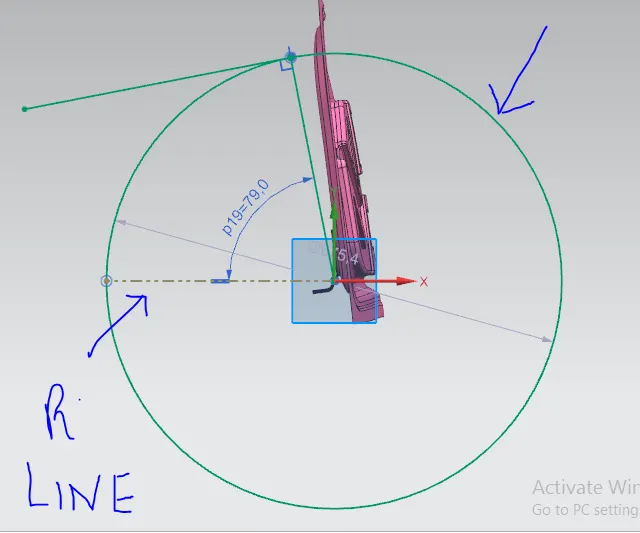
10)Create the sketch on the striker such that center line along the latch of striker guides along the parallel and perpendicular line from the circle created , i.e the trajectory of the opening and closing of the hood and striker movement must be same.
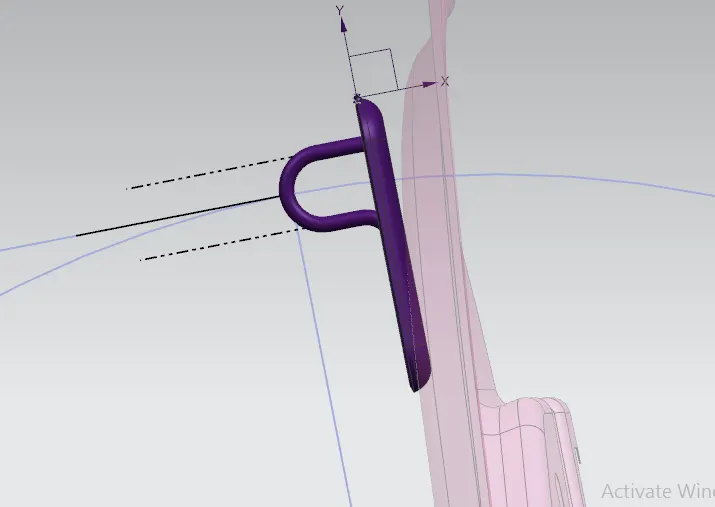
11)Create the hinge emboss with wave geometry linker.
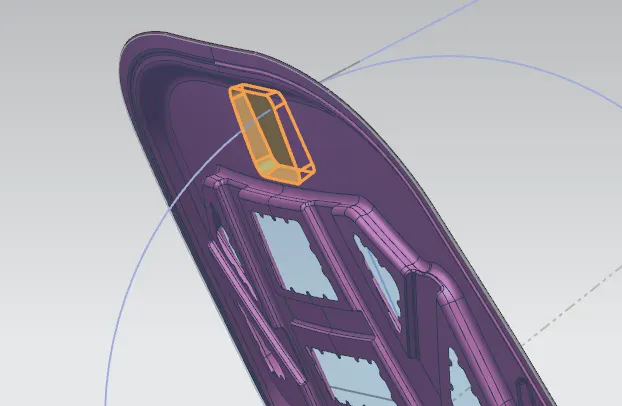
12)Assemble striker with the help of assembly constraints.
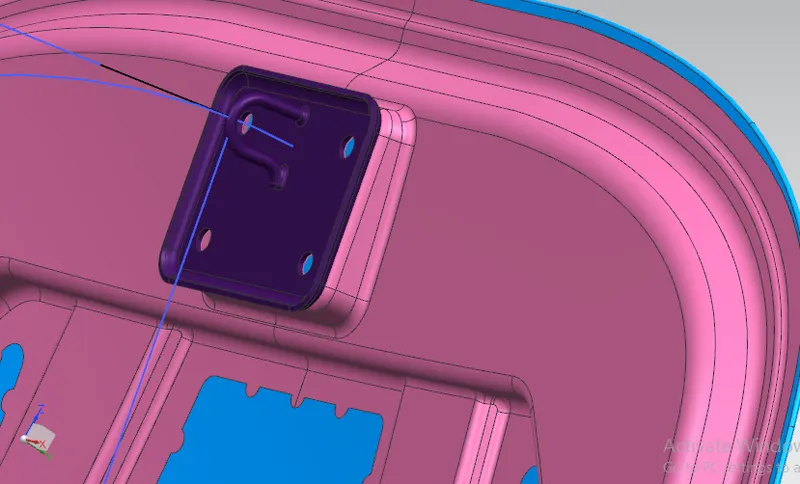
13)Create the hemming flange, following the master section and provide the necessary edge relief following the master section.
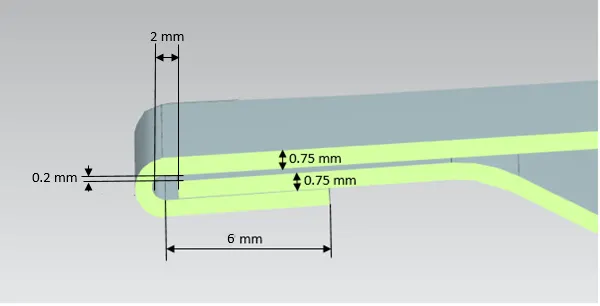
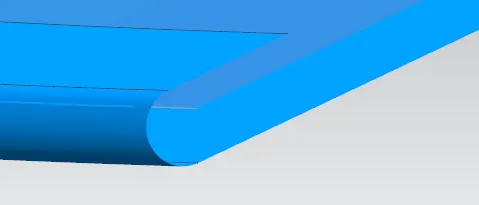
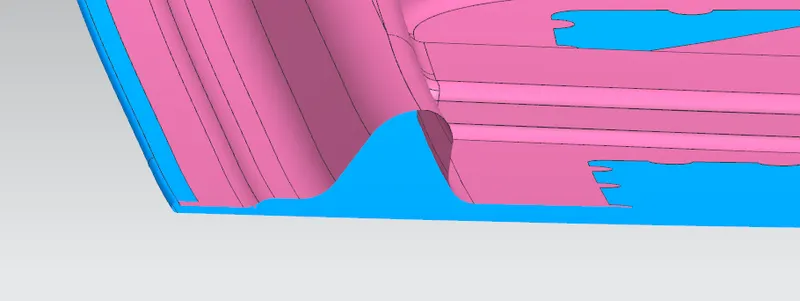
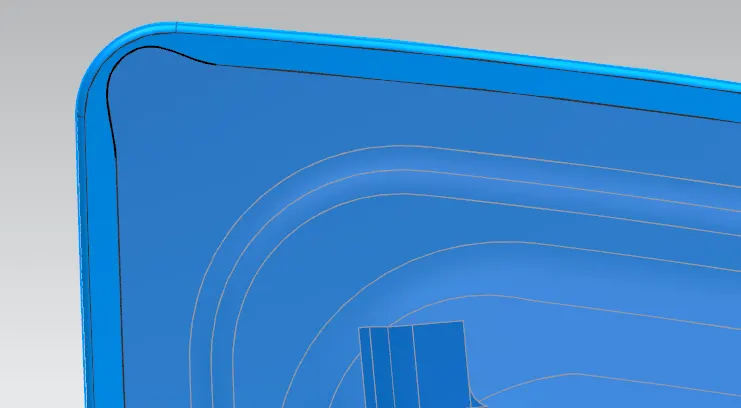
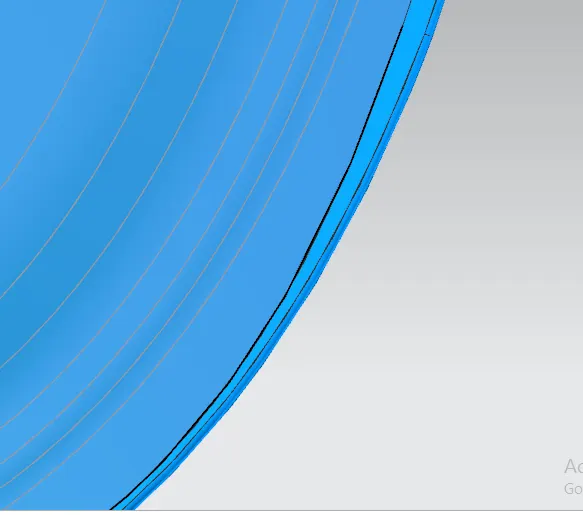
Hemming is a technology used by the automotive industry to join inner and outer closure panels together (hoods, doors, tailgates, etc.). It is the process of bending/folding the flange of the outer panel over the inner one. The accuracy of the operation affects significantly the appearance of the car’s outer surfaces and is therefore a critical factor in the final quality of a finished vehicle.
Hemming is performed in order to:
- Achieve a better final geometry in the vehicle´s part
- Add resistance and rigidity to the part
- Allow a safe handling of the part
14)Thicken the outer and inner panel by 0.75mm. (provide 0.2 clearance between inner panel, outer panel and hemming flange).