Hood design-Week 2
PROCEDURE:
first make a hood assembly module and sdd all given parts in to tha module
use the outer pane to make a inner pannel top surface and trim into half
make a sketh to emboss as sufficient hight
then blends applied properlly
make the second emboss as the refference sketch as the required dimension
remove some sheet metal parts from the second embosses
make the embosses for the hinge
make sew all the sheet metal parts
mirror the parts as correct reffernce plane
fix the hinge on the hinge emboss correctly
and mirror the hinge into opposite side as the mirror assembly option
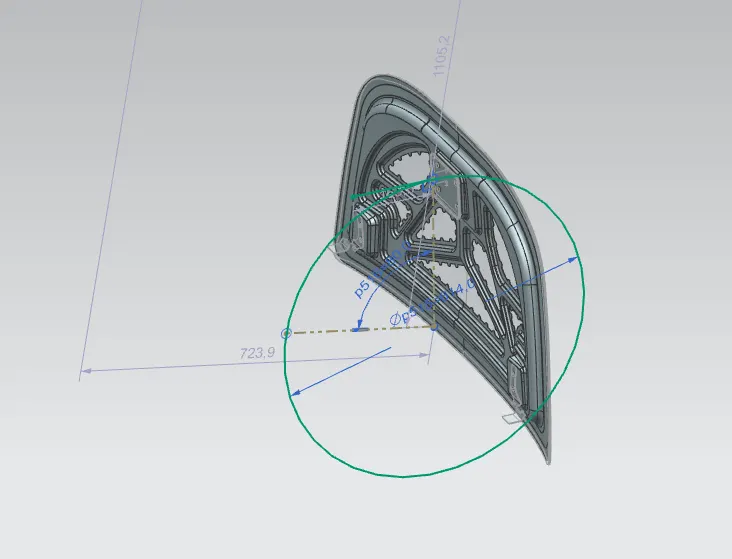
make a line that passing on the cnter of both ginges
make the tragetery circle on the mid poin of the that line
make line on the striker
touch the both line of striker and inner pannel
take the bottam face of striker and make the ebmoss for the striker
them correct the possition of stricker emboss
creating the holes in emboss like to holes in hinge and striker
make blend properlly
sew all sheet metal parts
thickening the inner panel upto 0.75 in upward direction
trim the outer corner of the inner panel upto 30mm
making the offset face on the outer panal upto 2.65 in dowrard direction
trim the surface upto 8mm
creat the outer surface by using bridge curve and swept options
trim the corners of that sheet by using curve on a surface and trim sheet
sew all outer panels sheets
thicken the outer panel upto 0.75mm
HOOD INNER PANEL :
the inner panel is require the high initial reation force aginst the impact exerted on the hood tonenhance the energy absorbing capacity
the hood is further require to minimize the a reduction of reaction force by deformation in a time of collision
the object is present on invension to be provide a hood inner panel capable reduction of the reaction force of the hood inner panel
in a level of deformation of hood of vehicle increase and ensuring sufficient energy absorbing capacity
the panel is can only implement to safety of pedestrains to driver
striker and hinges are attached to innner panel
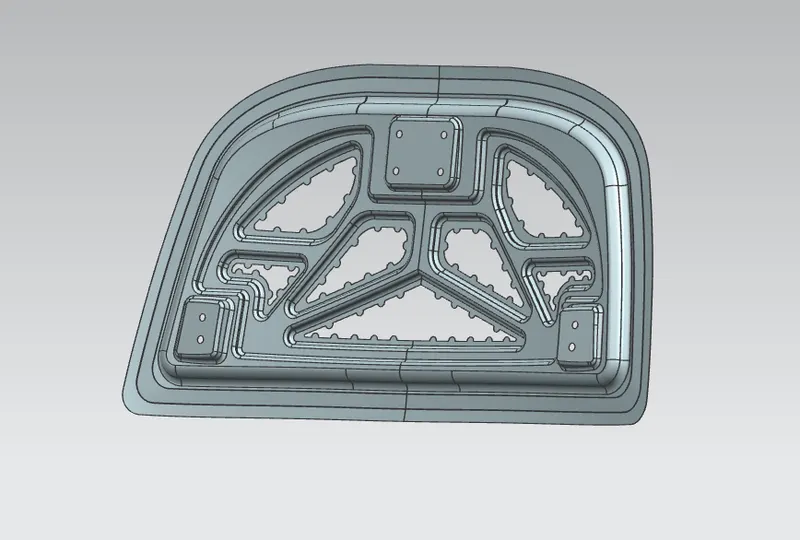
EMBOSSES IN SHEET METALS :
embossing operation is commonly used for heat and pressure on the sheet metal and depents on the type of embossing
this procedure is when the mwtal thickness is changed in the composition
the metal sheet id drawn through the dies , and the procedure of design on the metal sheet
the depending upon the rolled dies used to different patterns can be procede in the metal sheet
then thee pressure and heat can raising while the level of image higher , then substrate make it smooth
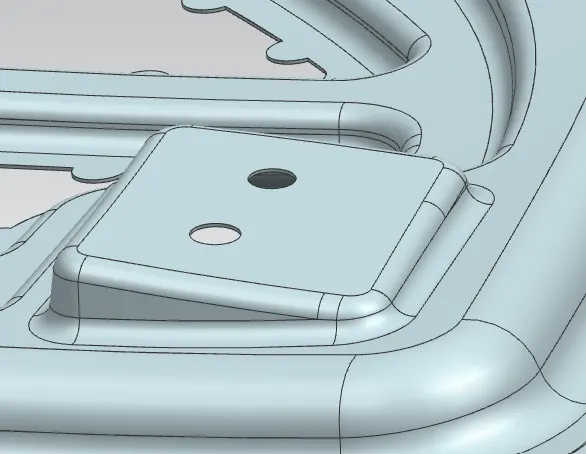
DEEP DRAWING :
it is a manufacturing process tha can be used extensively in the forming the sheet metal like box structure
the deep drawing i used to manufacture automobile parts , pans for cokking etc... some few items
in this process is performed with in a punch and die
the punch is desired shape of base of the part once drawn
then the die cavity matches the punch and is a little wider to allow for its passage and clearence
for many calculation the sheet metal thickness is assumed to remian constant
change the thickness of some areas due to the force involved
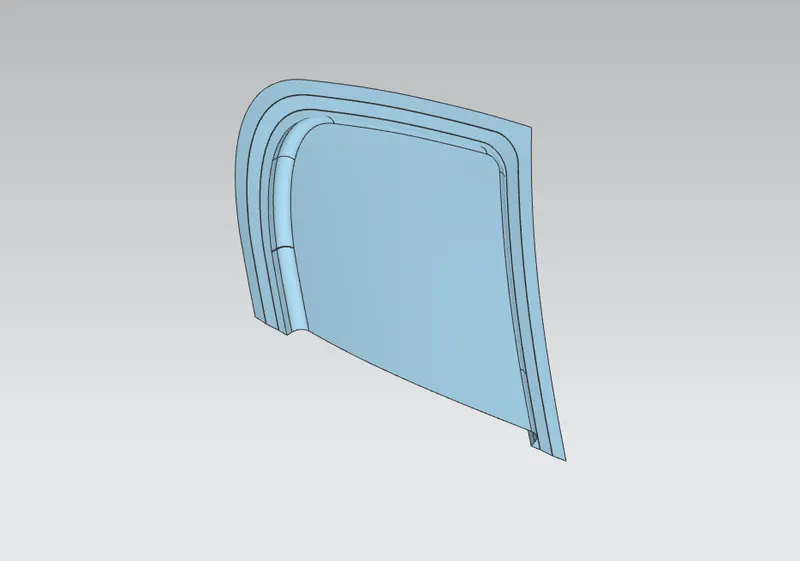
HEMMING IN SHEET METALS :
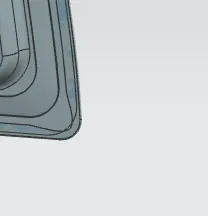
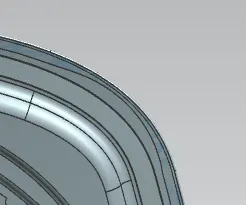
it is a sheet metal forming process in which sheet are joined by bending it usually to 180deg
the automotile body panel and automotive parts such as door , hood are formed bu hemming processes
conventional dies hemming the suitable for mass production
the the hemming is folded ovetr the entire length with hemming tool
when the normal hemming , as a result of the which flage is formed with a hemming tool after the drawing and trimming operation have compleated
rool hemming is the carried out incrementally the hemming roll
as the industrial robot guides the hemming roller and form flange
the roller hemming can be diided in to 2 , pre-hemming and final-hemming process
when the bolt or weld is used to join the hood panel the the design and th aerodynamic feature would get damaged so hemming is more suffient to used
while duing the hemming process , a t an relief angle can is formed as a product of hem when attaing at the corner of sheet metal
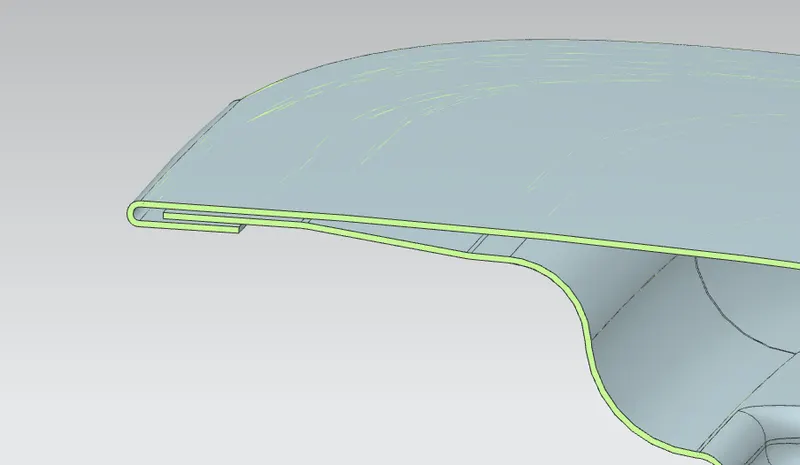
MASTIC DATA:
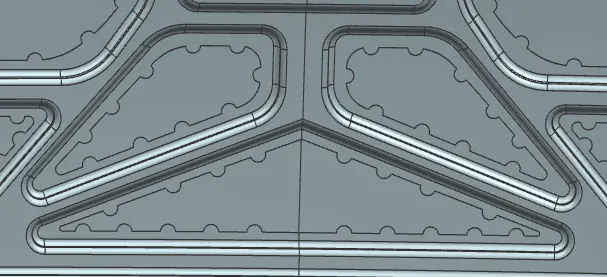
the mastic sealant data is used to fix or comine the hood outer and hood inner panel
they can be provide thermal and acoustical insulation and may surves ass fire barriers ,they may be eletric properties as well
sealants can be used to simple smoothing or filling
the often is alled upon to perform several of these function at once
the sealent has performs function by way of correct formulation
to achive specific application and performance properties
LATCH :
the hood latch is a very simple componet and its basicaly the fastener that keeps your hood closed shut
the latch ensures that hood is securelly connected to your vehicle and that it doesnt pop open unexpectedly
when the tension applied to cable from the hood release handle
it pivots the secondary latch , which pull away from the retaining seat located under the hood
by designing the secondary latch then then release the hood a few inches before a safety latch takes over
HINGE :
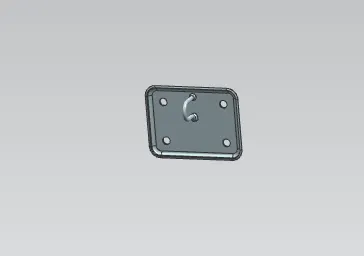
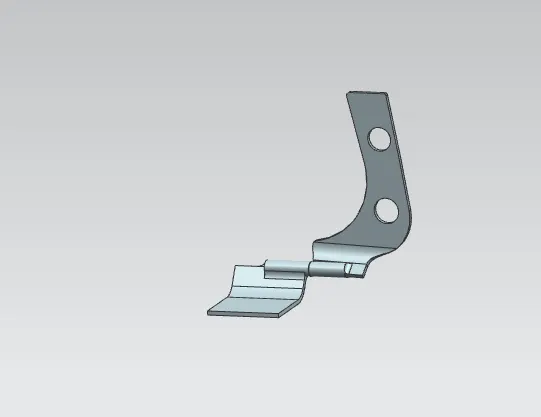
hinge is fixed on the hood and fender of the car
the latch must be fixed perpendicular to the hinge axis , the hood opens or closes properly
LATCH TRAJECTORY MOTION :
while openinng or closing the hood , the latch must be perfectly aligned to htwe fixing or srike poin
for the latch trajectory must be perpendicualr to the hinge axis
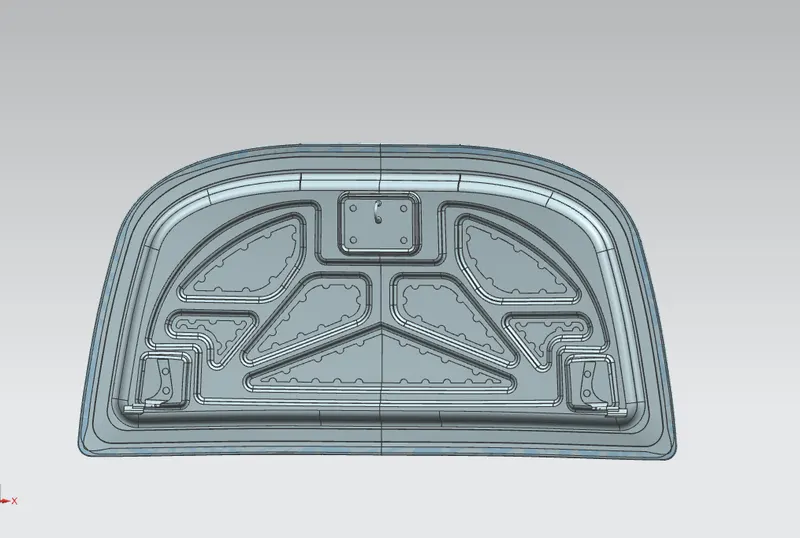
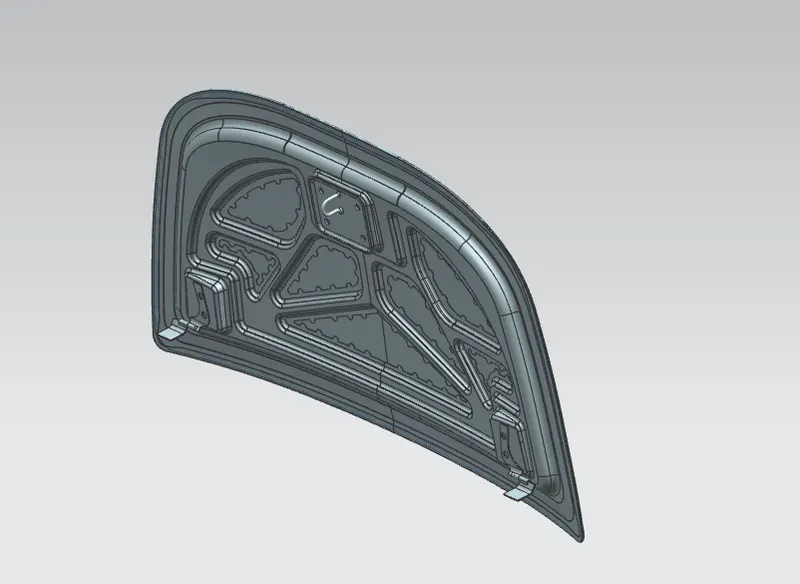
views of hood:
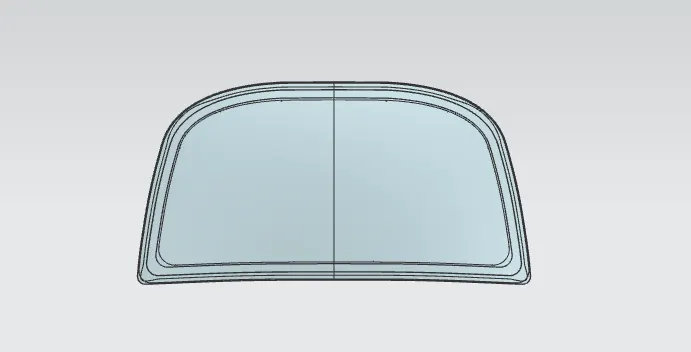
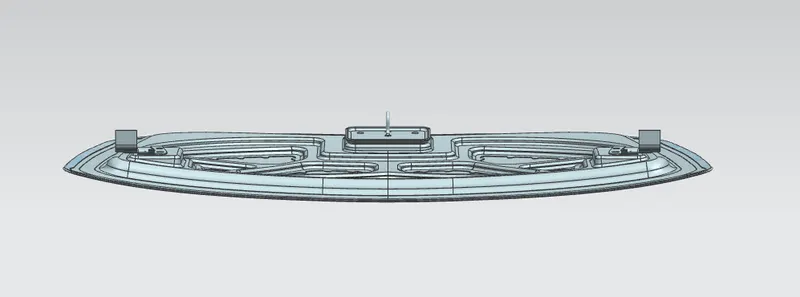
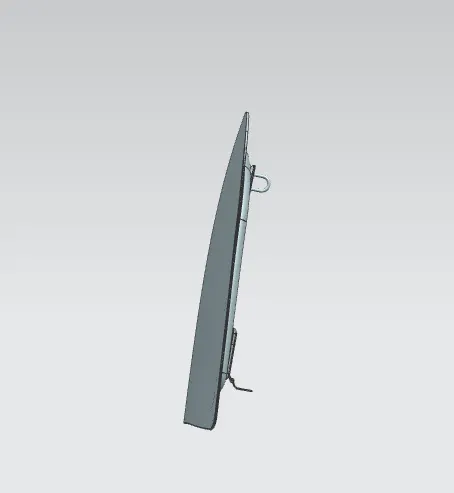
CONCLUSION:
we have desingned the hood falls under the rule and regulations of manufacture's standards
google drive link:
https://drive.google.com/file/d/1YovHgsgAdhuO1fORSA1mfU-iECtgV7t7/view?usp=sharing