Hood design-Week 2
HOOD ASSEMBLY :
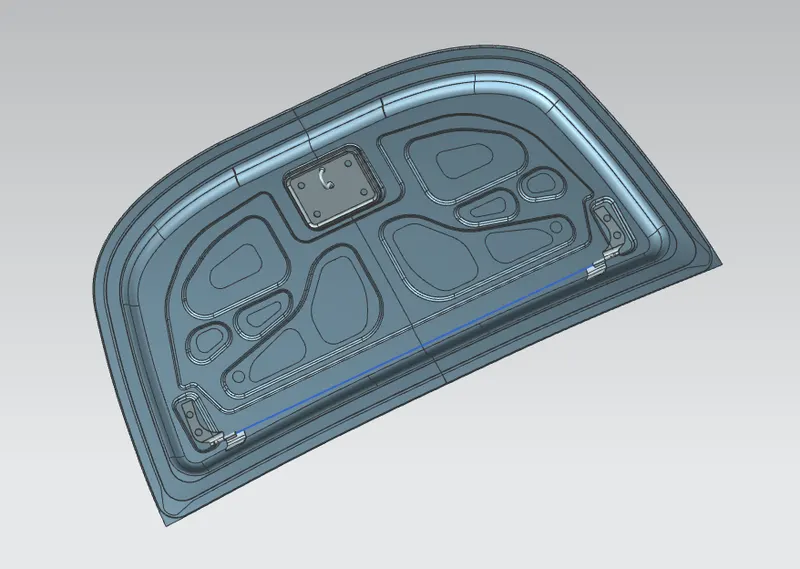
AIM :
To design the hood of a car with the given input with its dimensions and with the help of the outer panel as a reference.
COMPONENTS OF HOOD :
The components of a basic hood are given below :
- Outer panel.
- Inner panel.
- Striker.
- Hinge assembly.
The thickness for designing a hood...
- Outer Panel Thickness = 0.75mm
- Inner Panel Thickness = 0.75mm
- Reinforcement Thickness = 1.5mm
DESIGN CONSIDERATIONS FOR CAR HOOD :
- Consideration of Noise Vibration Harshness (NVH): Noise, vibration, and harshness (NVH), also known as noise and vibration (N&V), is the study and modification of the noise and vibration characteristics of vehicles, particularly cars and trucks.
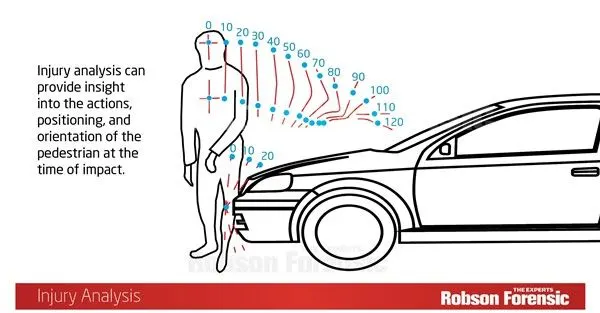
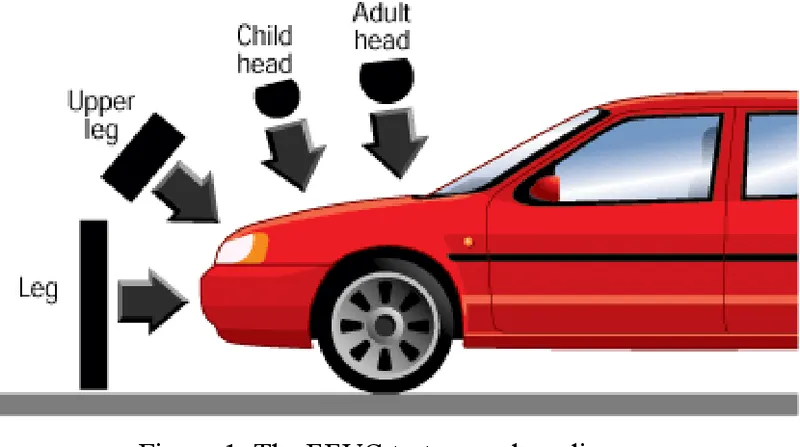
- Pedestrian safety: Pedestrian safety is important consideration while designing the hood. According to the wrap around distance and pedestrian head impact zone hood is designed. Safety is the most important criteria in automobile designs which concentrates on both pedestrian and occupant safety. The pedestrians are the most vulnerable road users and are at high risk of traffic accidents.
- Head clearance zone. The major reason for the fatality of the pedestrian in traffic accident is due to the head injury resulting from the hard impact of the head against the stiffer hood or the ground. This leads to the necessity of new inner hood panel which is less stiffer and pedestrian friendly. The area at the head impact zone is made softer to reduce the impact force during accident.
MASTER SKETCH :
PROCEDURE :
The process involved in designing hood as a sheet metal operations is
- Hemming.
- Embossing.
- Latch trajectory.
- Mastic data.
HEMMING :
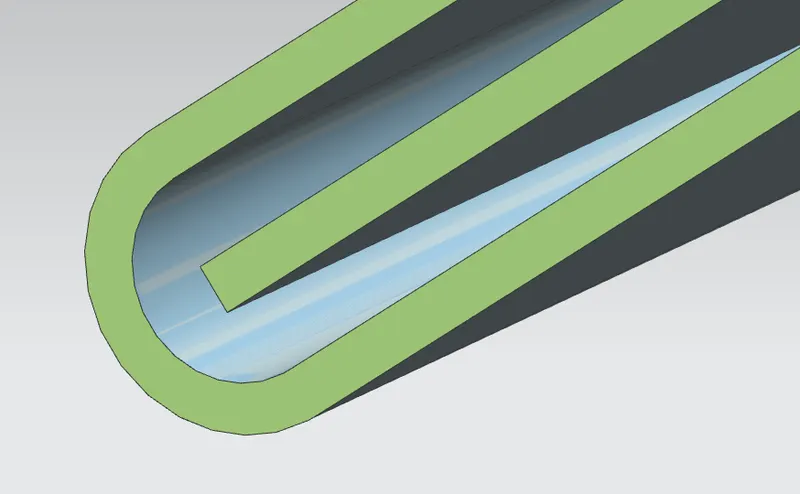
- Hemming is a forming operation in which the edges of the sheet are folded or folded over another part to achieve a tight fit. Normally hemming operations are used to connect two different sheets.
- In the manufacturing process, rollers are used 3 to 4 times to get a final result. while hemming the sheet metal it is necessary to give a relief area in the corners to reduce the internal stress.
EMBOSSING :
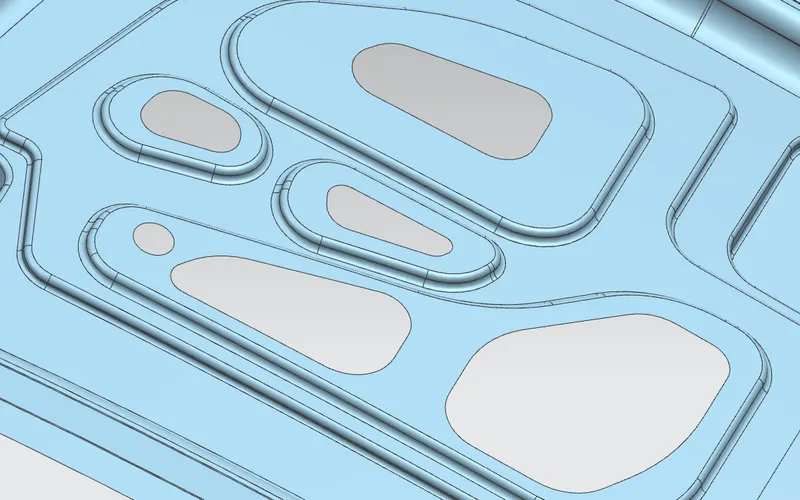
- We can increase the stiffness of the inner panel through these embosses. The shape and size of the embosses also determines the direction of the force distribution resulted from frontal collision.
- The force should be always distributed away from the passengers. Here in the figure the embosses are designed in such a way that the force is directed to either sides of the car.
LATCH TRAJECTORY :
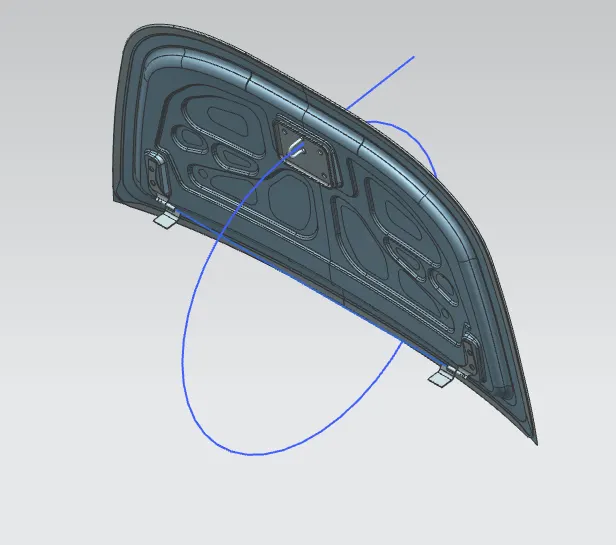
- Latch trajectory is given by the circle drawn from the hinge axis point. Hinge axis point is the centre point of the hinge axis. First, we can fix either the latch or the hinge.
- If we have fixed the hinge position then we should plot the Trajectory circle for the latch. For proper mating condition the striker axis through the tip of the striker should be tangential to the latch trajectory.
COMPONENTS :
OUTER PANEL :
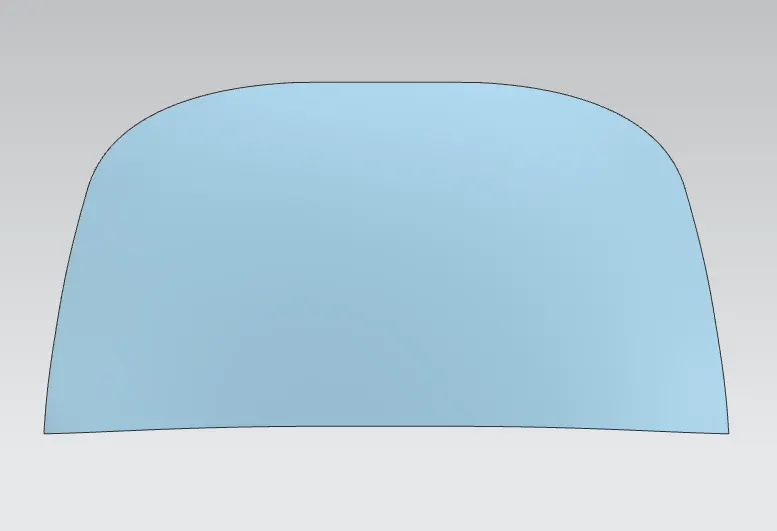
- The shape, position and size of the hood should satisfy the safety norms. So while designing the hood we should give more importance to pedestrian safety. The outer panel is attached to the inner panel by hemming. It is necessary to provide required hemming flange and reliefs for the hemming operation. We also provide mastic sealants between outer panel and inner panel to reduce vibration.
INNER PANEL :
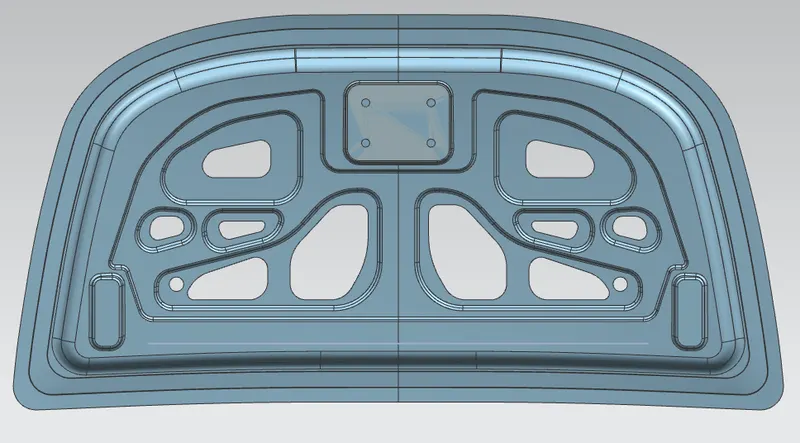
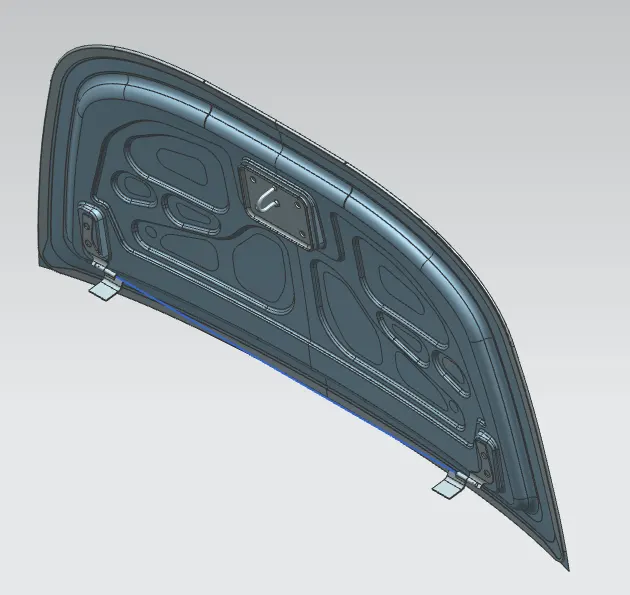
- Inner panel is the part that gives strength and rigidity to the outer panel. The master section represents the initial emboss shape and size. Then we provide the emboss for the latch and hinge elements after fixing the location.
HINGE AND STRIKER :
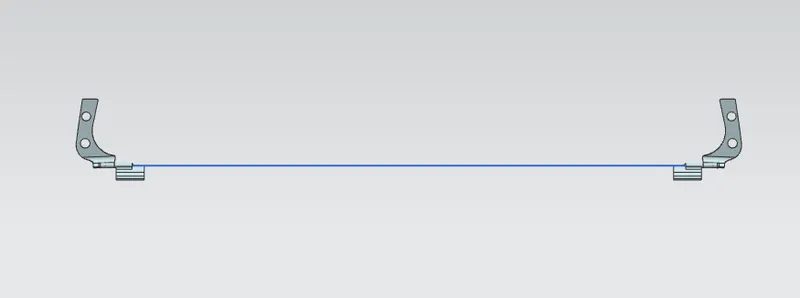
- Hinge is a component that fixes the hood to the fenders of the car. The latch must be fixed perpendicular to the hinge axis so that the hood opens or closes properly.
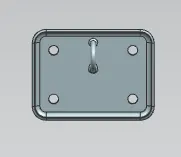
- striker is used for locking the hood with the car. It is usually placed on the space provided on the inner panel.
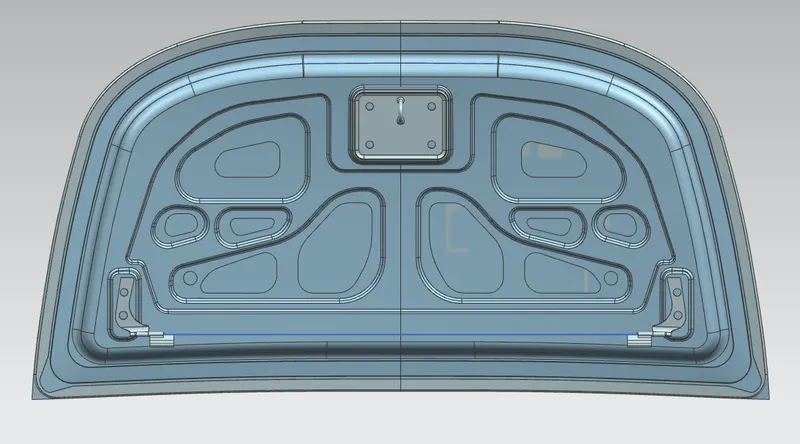
HOOD ASSEMBLY IMAGES :
FRONT VIEW :
TOP VIEW :

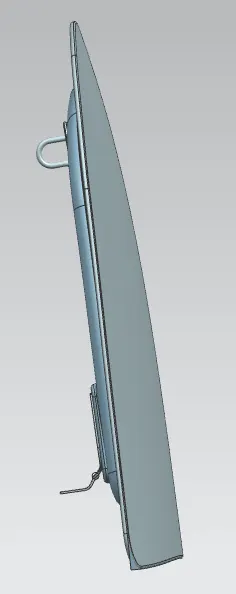
SIDE VIEW :
ISOMETRIC VIEW :
CONCLUSION :
We can designed the hood which follows the required dimensions under manufacturing standards.