Hood design-Week 2
HOOD DESIGN
Hood is the frontal part of the car which covers the engine compartment. It can be opened to get access to the engine compartment for maintenance and repair. From design perspective the Hood should meet some standards and conditions like pedestrian safety, energy distribution on collission and hood head zone for the striker to latch.
A hood assembly consists of;
- Hood outer panel
- Hood inner pannel
- hinge
- striker
- latch
- Hood stay ( Support Rod or Gas Stay)
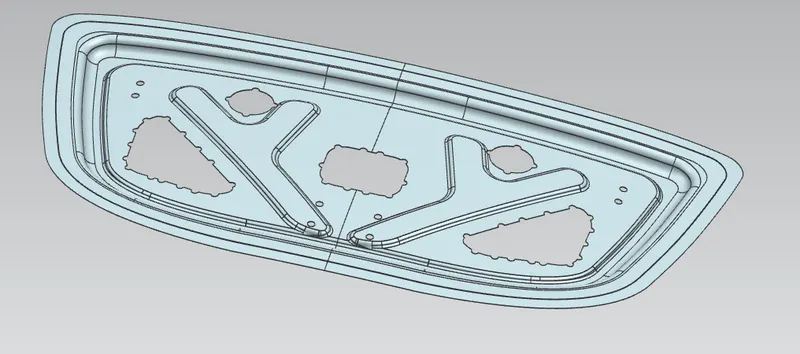
Hood Inner Panel
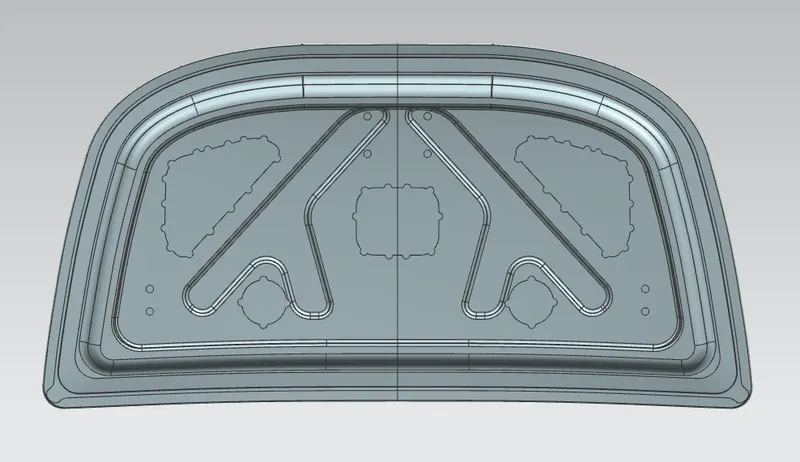
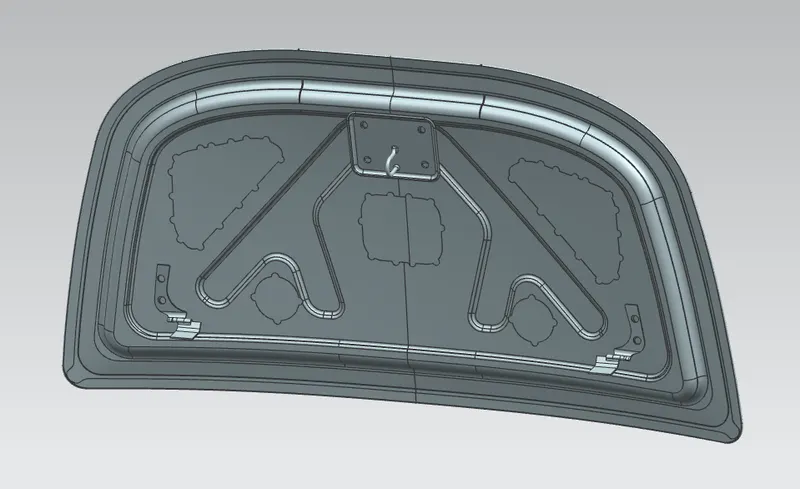
It gives the strength and rigidity to the outer panel and the whole assembly. It is so designed to dissipate the impact energy on frontal collission.
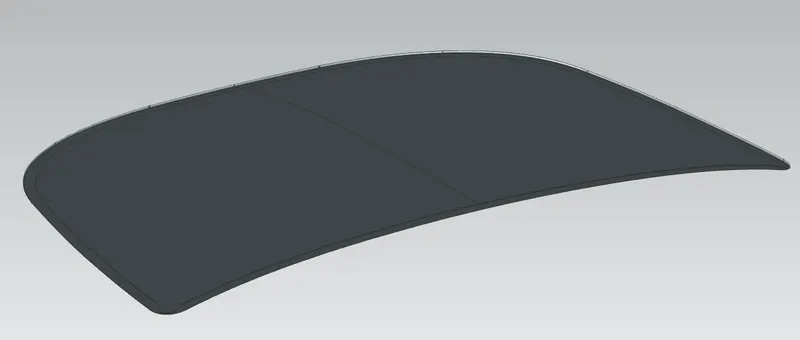
Hood Outer Panel
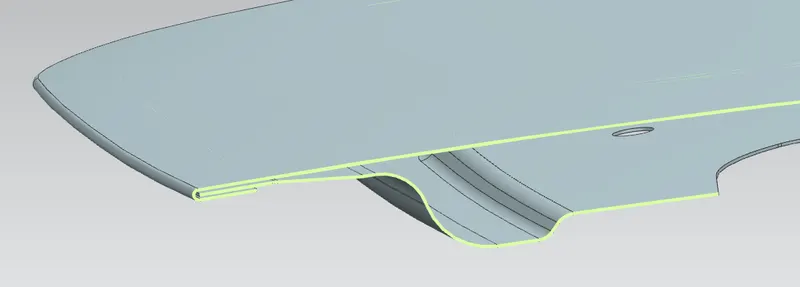
It is the initial part of a hood design. It is an amalgamation of both aesthetics and safety. The design should be made keeping in mind minimum pedestrian damage and impact collision. The outer panel has extended flanges which is hemmed to the inner panel through rollers.
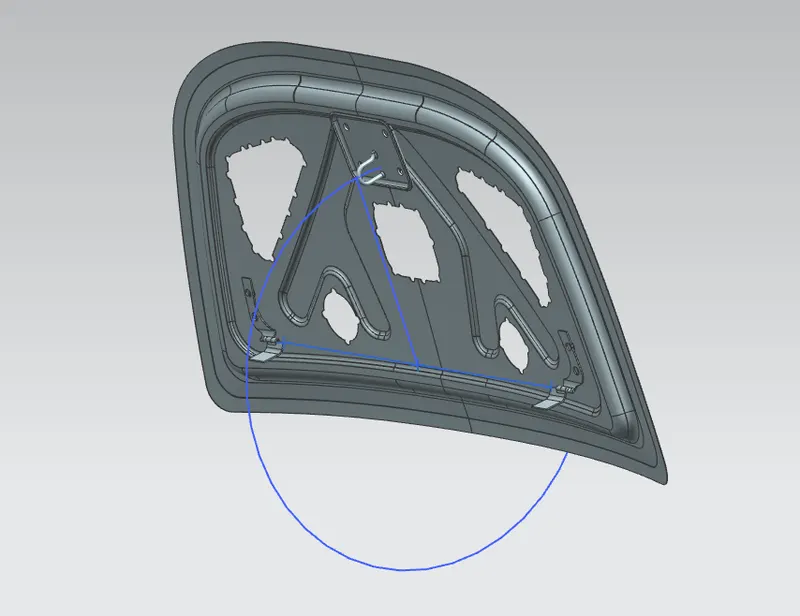
LATCH TRAJECTORY
It is an imaginary circle that can be drawn from the axis of the hinge point. Firstly, either the latch or the hinge is fixed (preferably the hinge to be fixed first). Then the trajectory circle is plotted to determine the latch position. It is tangential to the edge of the striker for proper mating.
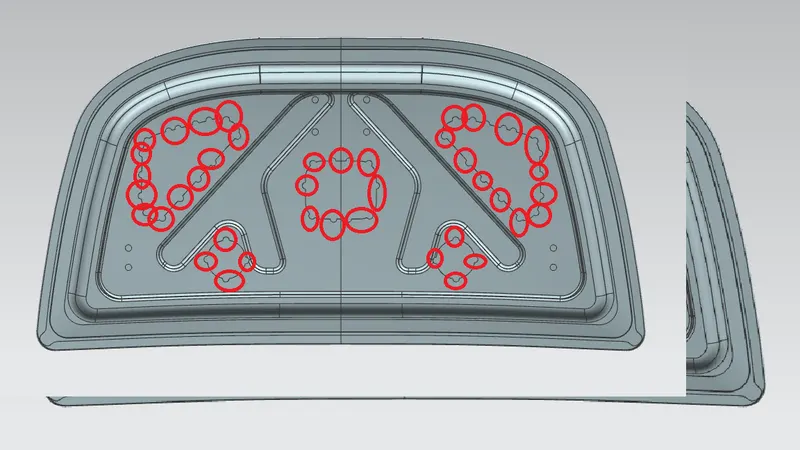
MASTIC DATA
The inner and outer panel of the Hood is fixed by hemming on the sides. To attach the inner parts of both the components mastic sealants are used. Welding and other similar methods cannot be used because of the less thickness of both the inner and outer panel and also the marks that it will leave disturbing th aethetic look.
Th sealants so used has a spreading area of 80 mm. It holds both the components tightly and also has an additional property of arresting any kind of vibration so detected.
Embossing
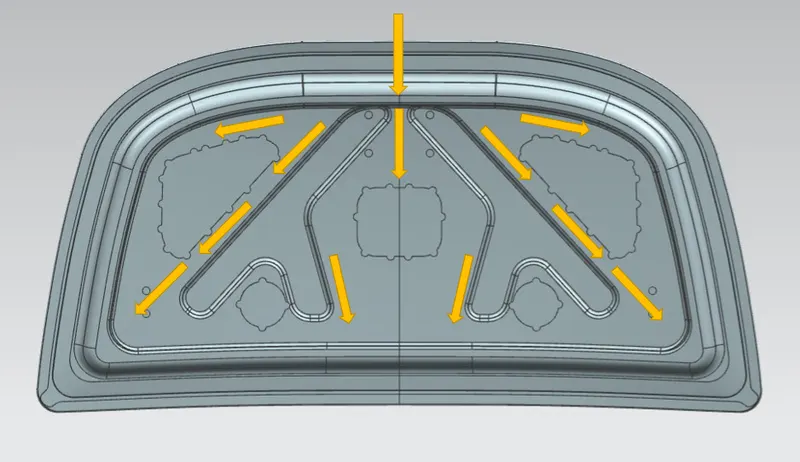
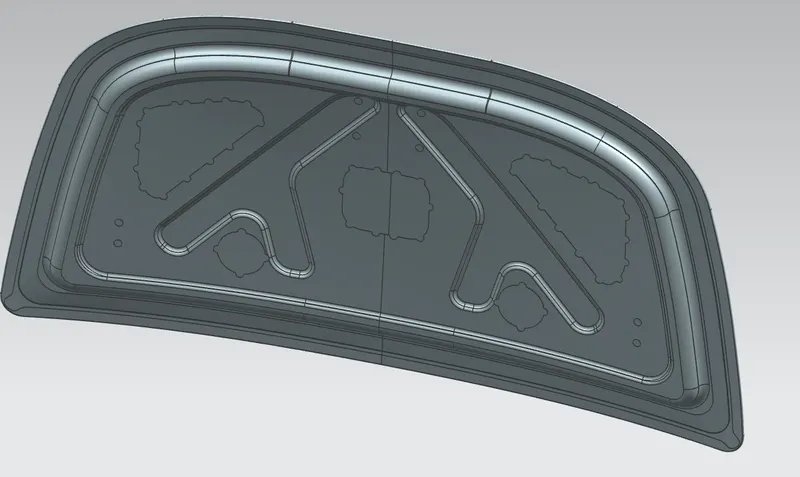
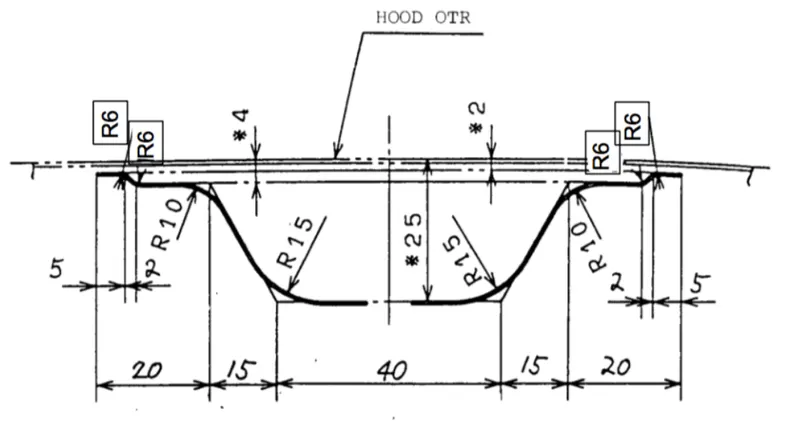
The concept of corrugated sheet was developed to take heavy loads and impact with a simple change in design. The concept of emboss is almost similar to the same. It distributes the force evenly on any impact or colission. The optimum number of embosses in the right design can have a greater impact on the hood. The concept lies is distributing the force away from the passenger.
DESIGN PARAMETERS
Outer Panel Thickness - 0.75 mm
Inner Panel Thickness - 0.75 mm
Reinforcement - 1.5 mm
The manufacturing processes involved in making Hood are;
- Blanking
- Hemming (Roll hemming)
- Piercing or Punching
- Deep Drawing
- Embossing
Relief provided in hemming
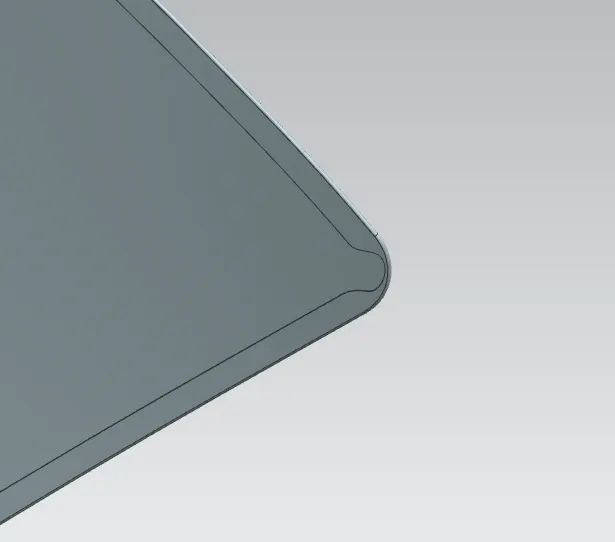
HEMMING
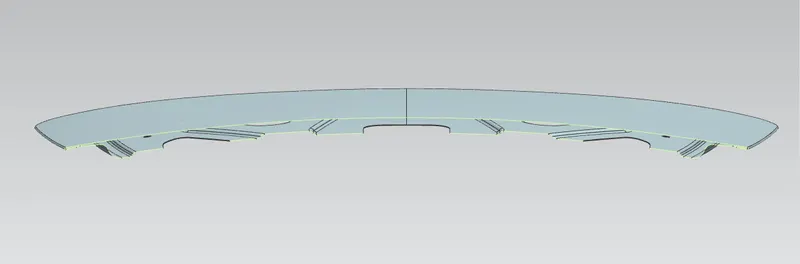
HOOD CROSS SECTIONAL AREA
CONCLUSION
The Hood Assembly was completed successfully using the required design parameters