Hood design-Week 2
Hood Design
Introduction
The hood or bonnet is an opening body panel that covers the engine in a front engine vehicle. The hood is also considered as another type of door in a vehicle as it consists of an outer panel and an inner panel. The inner panel provides strength while the outer panel functions as the metal cover. Hood is a critical component because of frontal crashes and the pedestrian safety requirements. This is the one which dissipates the crash energy outside the body rather than sending it inside the car body.
Hood Components
The hood consists of the following components :
- Outer Panel.
- Inner Panel.
- Hinge.
- Gas Stay/Support Rod.
- Striker.
- Hinge Reinforcement.
- Ball Stud/Grommet.
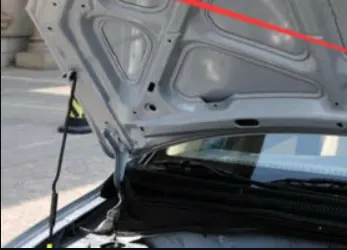
Support Rod : It is a device used to support the outer panel at an angle for the purpose of inspecting the engine, replenishing the cooling water, making repairs, etc.
It decides the opening angle of the hood which varies from region to region, places where the average height of the people is around 5.5ft, the opening angle is kept small and the places where the height is around 6ft the opening angle is more. Bends are added to the support rod to give strength so that it remains rigid and the maximum curvature should not be more than 35mm so it doesn’t bend under load and reduce the opening the angle.
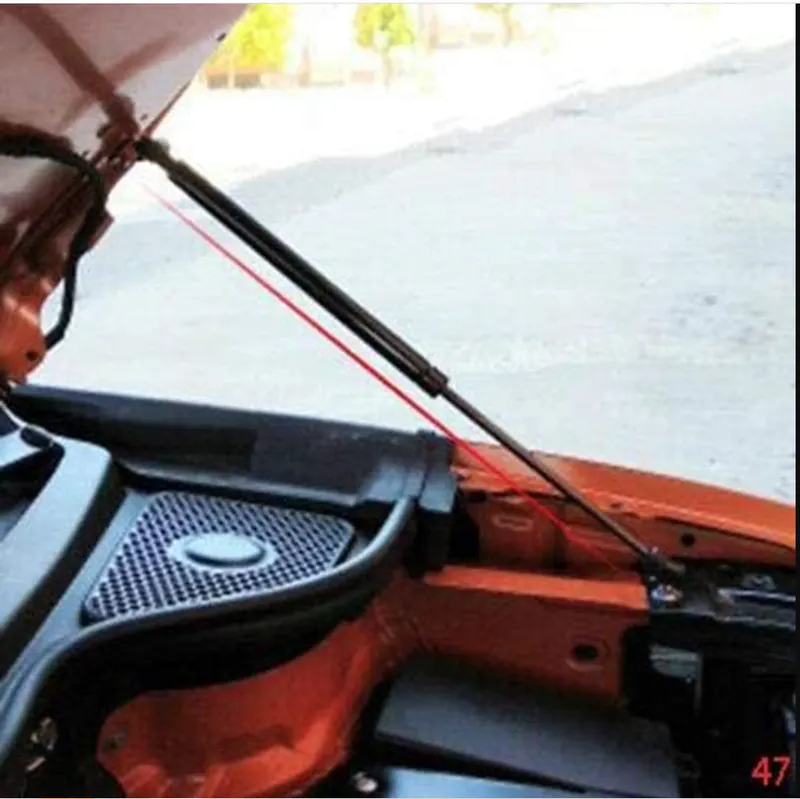
Gas Stay : It has the same function as the support rod. It is used in high performance based vehicles where the weight of the hood of the vehicle is heavy, it automatically lifts the hood after small effort is given. It adds additional weight to the vehicle as it is heavier than the support rod.
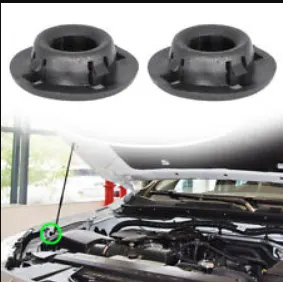
Grommet : It used to fix the support rod to keep it fixed in an open position.
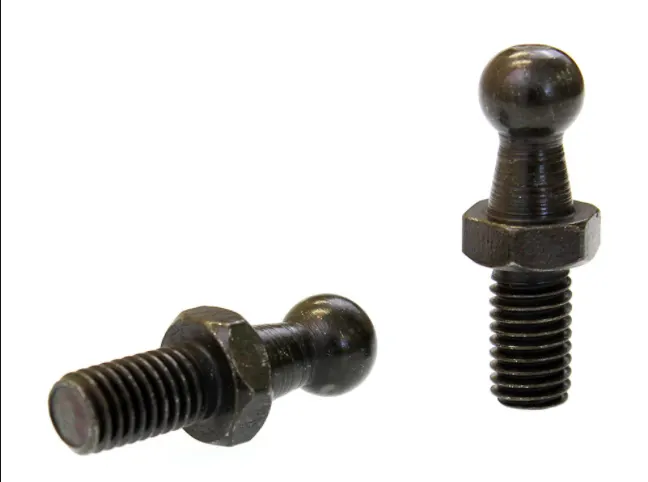
Ball Stud : The Gas Stay is positioned with the help of the Ball Stud.
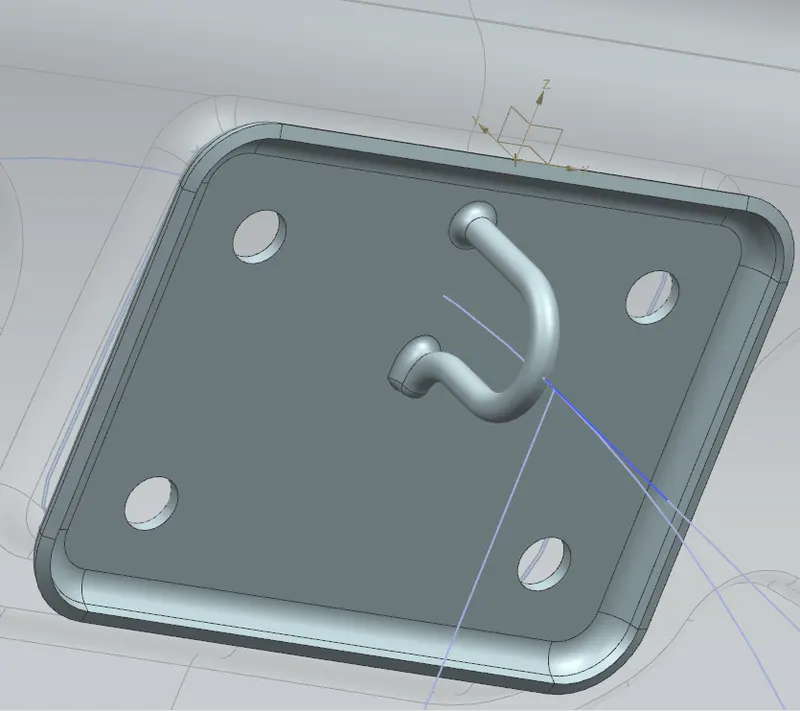
Striker : It is used to lock the hood with the engine compartment.
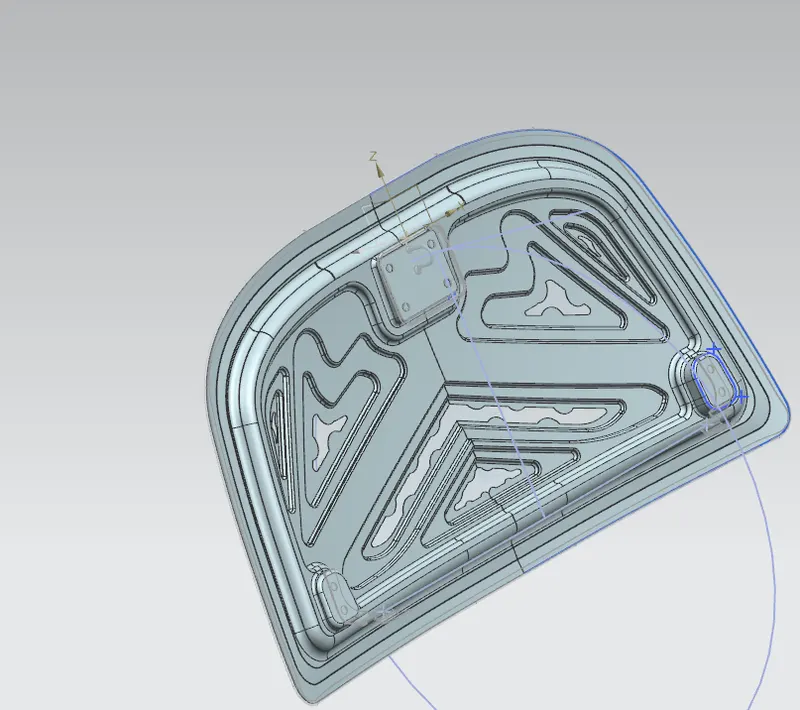
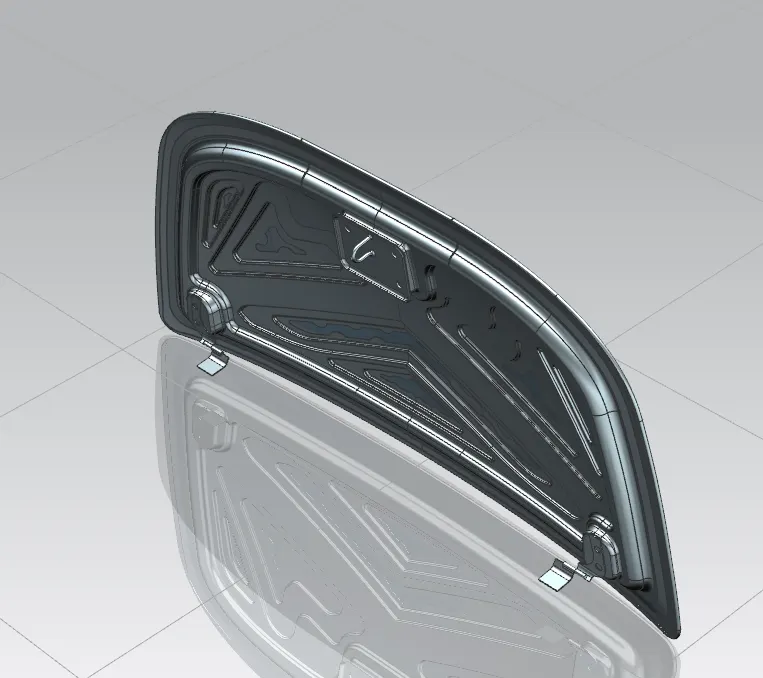
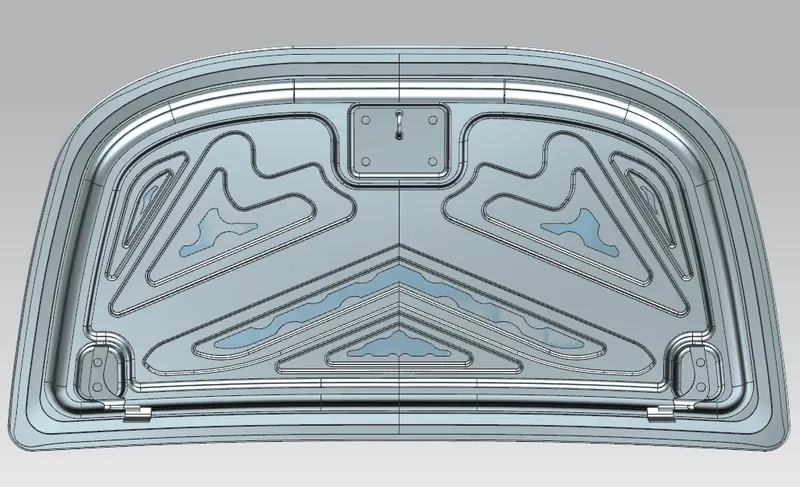
Inner Panel : It acts as a big reinforcement for the outer panel. Hinges and the support rod are attached to this, maintaining the aesthetics of the outer panel as well as giving strength to the outer hood.
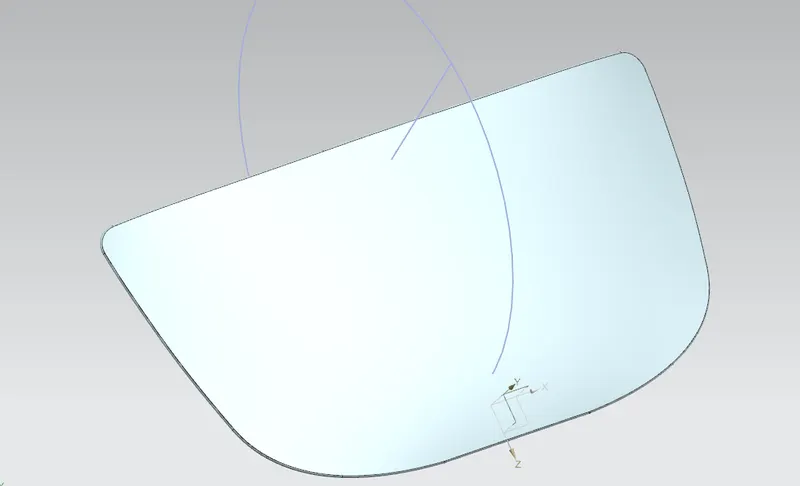
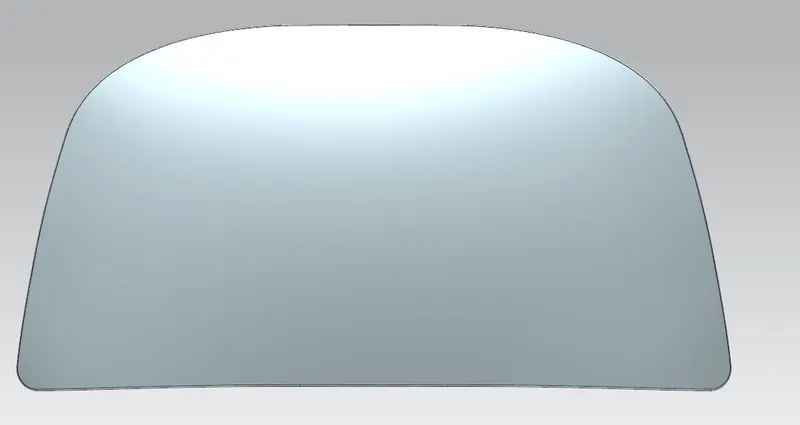
Outer Panel : It is the outer exposed part of the hood.
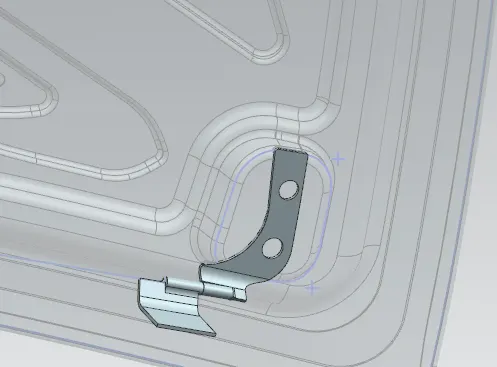
Hinge : It joins the hood and the engine compartment and gives an axis for which the hood opens or closes.
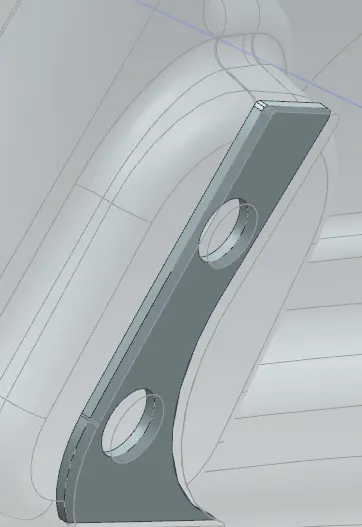
Hinge Reinforcement : These reinforcement are added at the hinges to improve the strength in that area locally.
Design Parameters
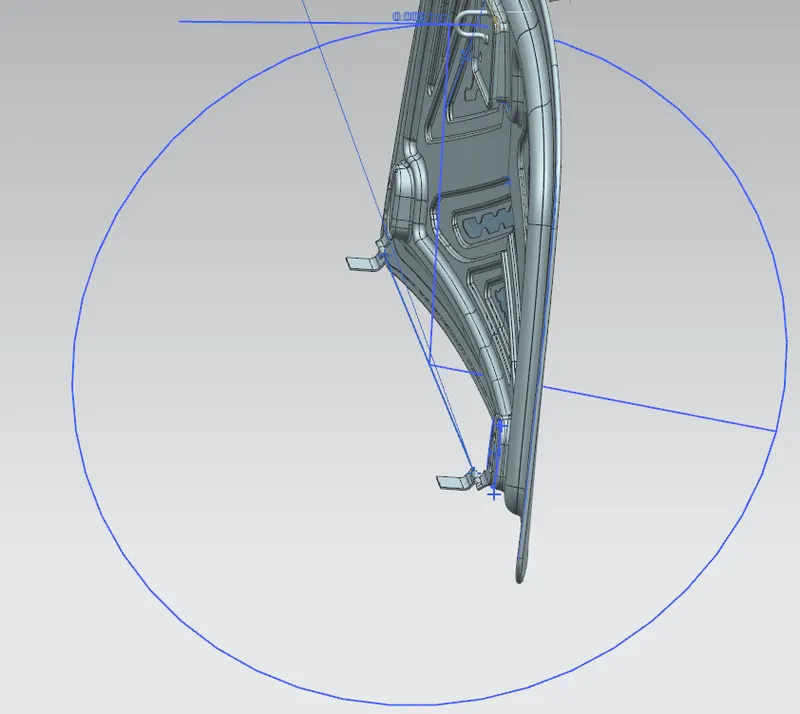
Latch Trajectory : In order to decide the position of the hinges , the hinges are placed tentatively, keeping both the hinges at the same axis, then a centre hinge axis point is located. Concept from the previous vehicle is taken and the striker is positioned, then the centre point of the striker and the midpoint of the axis hinges is taken as the radius and a circle is drawn. This circle is the trajectory of the hood opening and closing and the striker should be placed perpendicular to the trajectory in that region locally, then it is concluded that the hinge position is correct.
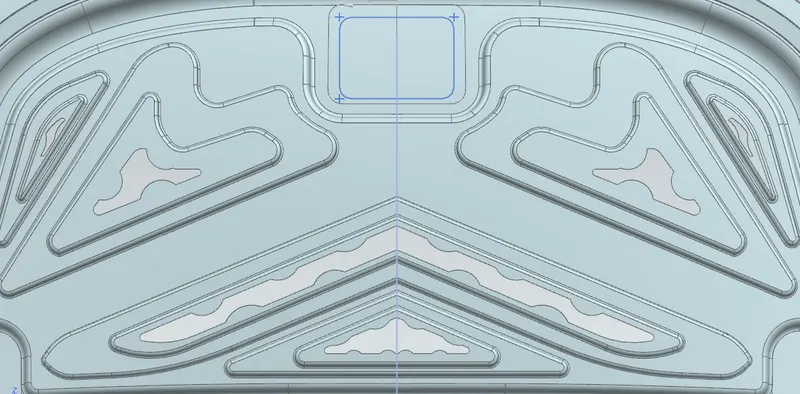
Mastic Points : These are the points closest to the outer panel and are given in such a way that most of the hood region is covered to reduce Noise Vibration Hardness(NVH). Every mastic sealant has a tendency of improving the strength locally around 8mm diameter. Hence the mastic points are given accordingly, the hinges already have hinge reinforcement there we don’t need any mastic points. For the mastic sealant a distance of 5 mm is kept between the outer and inner panel of the hood.
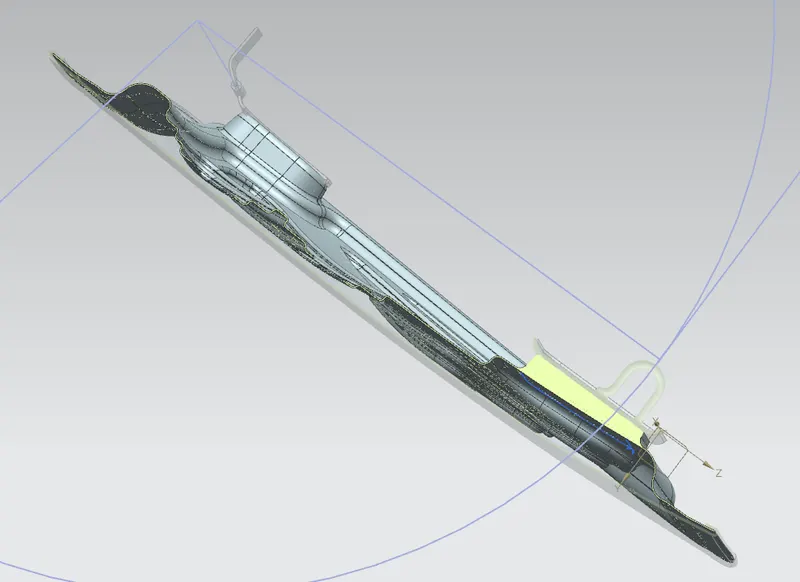
Emboss : It is done to modify the body by projecting the section of the surface along a vector. It is done in such a way so that whenever there is a collision, the force gets dissipated as early as possible and it doesn’t get transmitted directly to the person inside the cabin of the vehicle. The emboss is given keeping in mind that the distance between the innermost part of the inner panel and the outer panel should not be less than 5 mm so that space is available for mastic sealant.
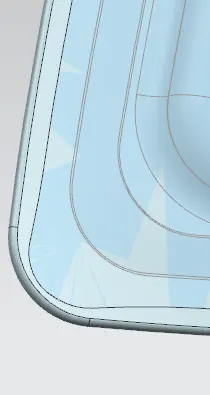
Front and rear relief for Hemming : Relief is given at the corners so that the rollers don’t need to completely roll at corners for hemming as when the roller ball is passed over the sheet, there are tendencies that sheet metal vibrates, the Simulation team studies whether the force is making the panel comeback to its original position or is it changing the design of the part and red zones are shown, to avoid this redzones relief is given.
Pedestrian rating : In order to get a better pedestrian rating area in the inner panel region is reduced so that the red impact zone is reduced and green zones are more. These red zones signify the interference region when the plotted area of the head impact zone is offsetted 90 mm towards the engine compartment. This plotted area comes from the data we get if the side reference line falls on the fender, the wrap around distance will be more so the impact zone is lesser and if my side reference line falls on the hood the wrap around distance will be less, the impact zone will be more. Wrap around distance is a region wrapped from the ground till the end of the hood.
Manufacturing processes
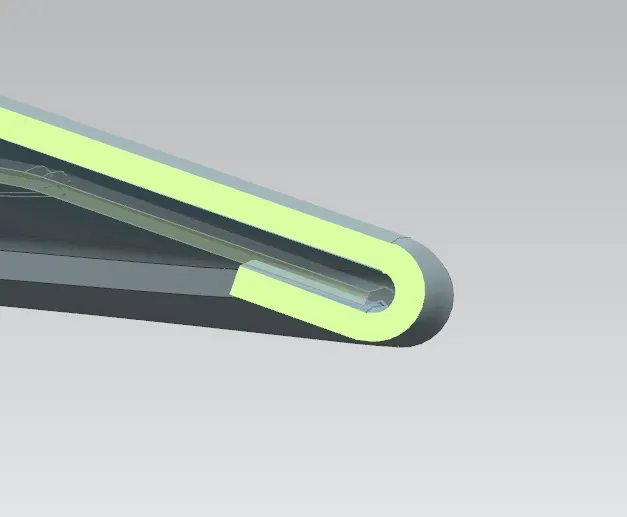
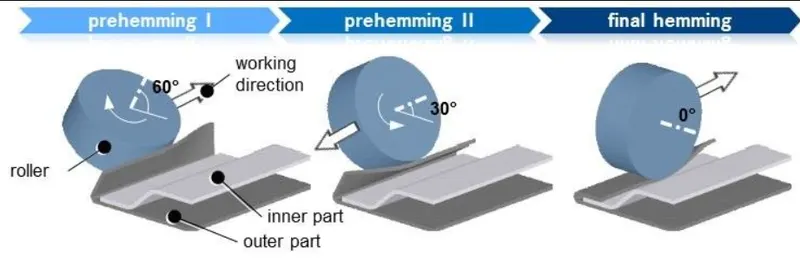
Hemming : It is a process in which rollers roll at the edge of the sheet metal of the outer surface enveloping the inner surface. Several rolling passes are done to get the desired shape. This is done to avoid spot welding for joining the inner panel and outer panel which can affect the styling of the outer surface.
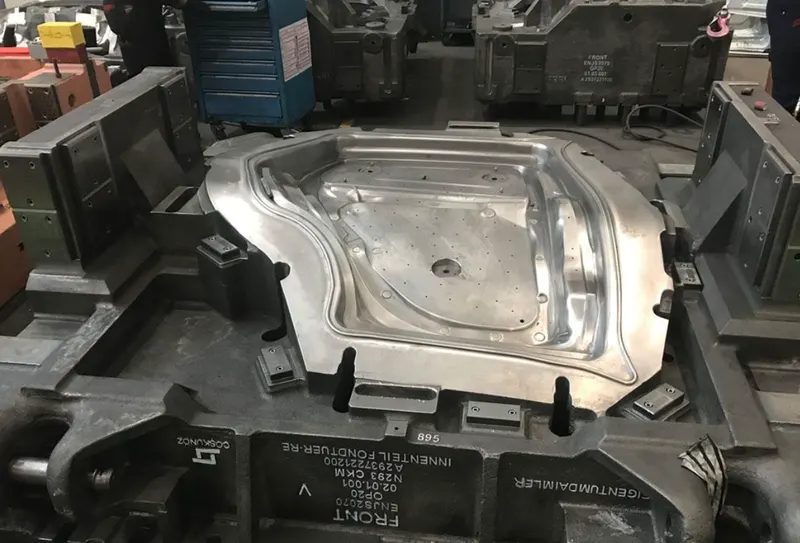
Deep Drawing : Deep drawing is a sheet metal forming process in which a sheet metal blank is radially drawn into a forming die by the mechanical action of a punch. It is thus a shape transformation process with material retention. The process is considered "deep" drawing when the depth of the drawn part exceeds its diameter.
Hood Images