Hood design-Week 2
DESIGN OF HOOD
The hood or Bonnet is the hinged cover over the engine of motor vehicles. Hoods can open to allow access to the engine component for maintenance and repair.
Types of Hood
- Inlaid hood
- Wrap around hood
Inlaid Hood:
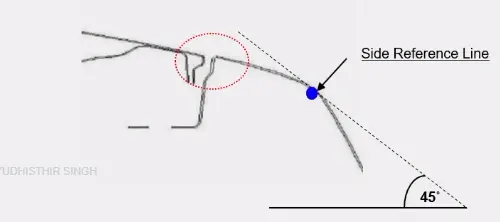
It is lightest of all hood types available, but easily subjected to border defects and body unevenness during manufacturing. This causes a gap between the hood and the car body.
Wrap Around Hood:
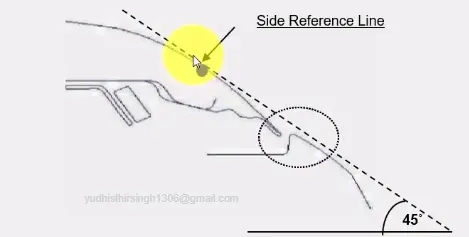
These hoods tend to wrap around the car body. It can mask geometrical defects and achieve adequate stiffness. Wrap around hoods is relatively safer than other types as it provides more soft areas for the pedestrian during impact.
Design Consideration for hood assembly
- Pedestrian safety
- Occupant safety
- Vehicle quality
- Styling
- Ability to manufacturing
Pedestrian Safety
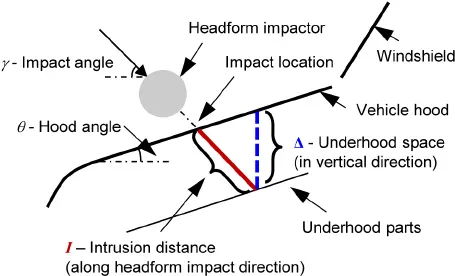
Vehicle designers usually focus on understanding the car-pedestrian interaction, which is characterized by the following sequence of events. The vehicle bumper first contacts the lower limbs of the pedestrian, the leading edge of the hood hits the upper thigh or pelvis and the head and upper torso are struck by the top surface of the hood or windshield. Most pedestrian deaths occur due to the traumatic brain injury resulting from the hard impact of the head against the stiff hood or windshield. In addition, usually non-fatal injuries to the lower limb are the most common cause of disabilities. The hoods of most vehicles are usually fabricated from sheet metal, which is a compliant energy absorbing structure which poses a comparatively small threat. Most serious head injuries occur when there is insufficient clearance between the hood and the stiff underlying engine components. A gap of approximately 10 cm is usually enough to allow the pedestrian’s head to have a controlled deceleration and a significantly reduced risk of death. Most limb injuries occur due to a direct blow from the bumper and the leading edge of the hood. Wrap around is the distance from the ground level to the end of the hood.
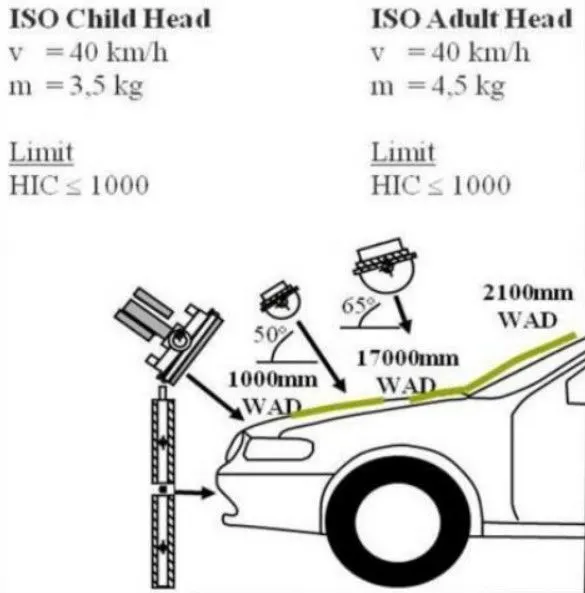
There are two main zones that are considered while designing stage, child head impact zone and adult head impact zone. If the side reference line is on the fender, the WAD will be more and impact zone will be less and vice versa.
Occupant Safety
The hood panels should be designed in such a way that it diverge the impact forces during a collision away from the occupants inside the cabin. The forces should be damped properly to avoid or reduce the risk of injuries.
Vehicle Quality
Here the factors such as torsional stiffness, dent resistance, corrosion resistance, weight distribution and noise attenuation are considered.
Styling
It is a major factor that often influences the vehicle sales in the market. The outer panel is the main consideration here, as it is the only component that is visible outside.
Ability to Manufacture
Various sheet metal operations such as blanking, piercing, embossing, hemming etc. are used for manufacturing the hood components. Minimum 7 degree draft angle is maintained respective to the tooling direction considering the drawing/stamping process. Mastic is applied to glue the outer and the inner panel.
Various processes involved in hood manufacturing are:
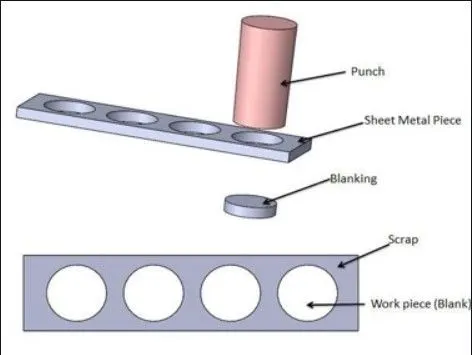
Blanking: It is a metal fabrication process, in which a metal work piece is removed from the primary metal strip or sheet when it is punched. The material that is removed is used as new metal work piece or blank.
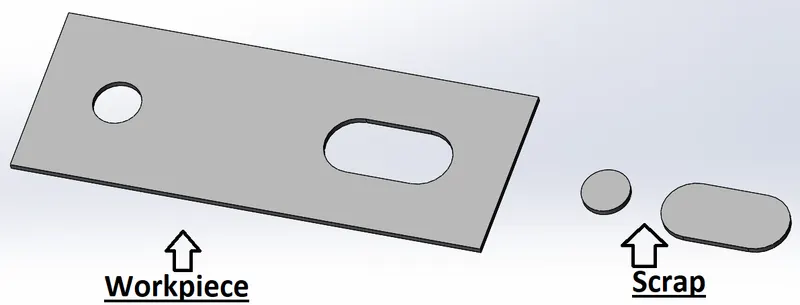
Piercing: It is a shearing process, here raw material pierced with a machining tool, resulting in the creation of hole.
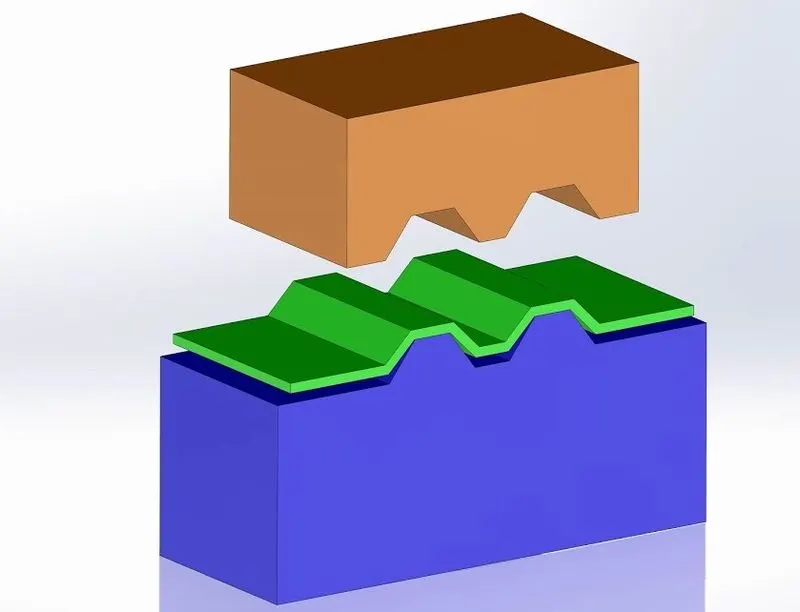
Embossing: It is a stamping process for producing raised or sunken designs or relief in sheet metal.
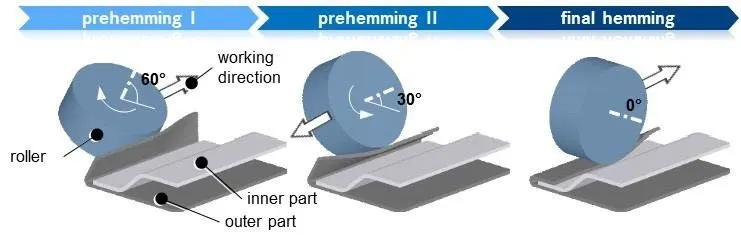
Hemming: It is the process in which the edge is rolled onto itself. Hems are commonly used to reinforce an edge, hide burrs or rough edges and improve appearance.
Parts Required for Hood Assembly
- Hood Outer Panel
- Hood Inner Panel
- Hinge
- Striker
- Reinforcements
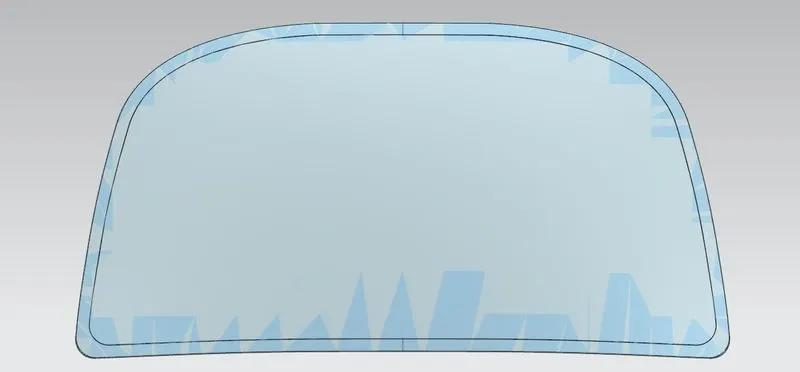
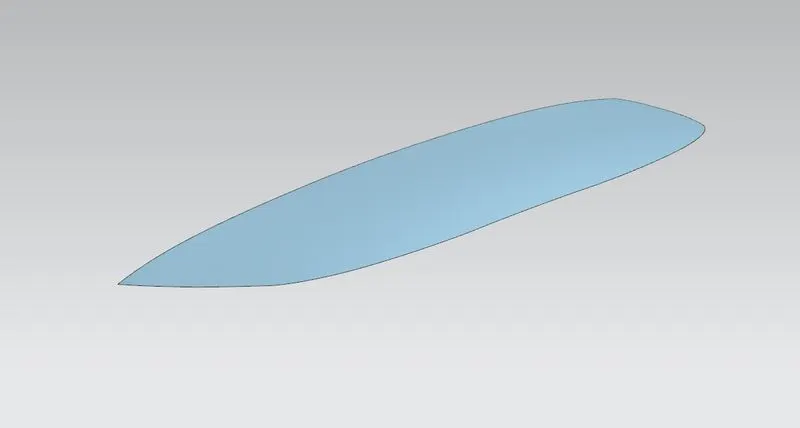
Hood Outer Panel: Hood outer panel is the styling surface also called as cover of inner panel, it gives luxurious look to the hood.
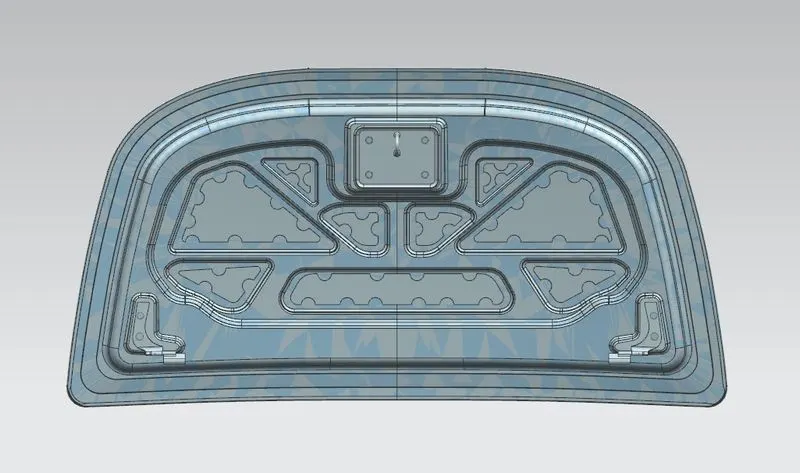
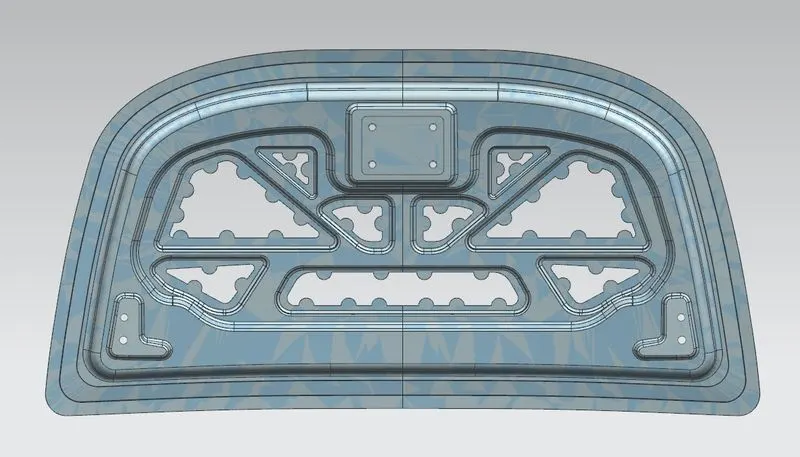
Hood Inner Panel: Hood inner panel is reinforcement for hood outer panel and it provides strength to the hood.
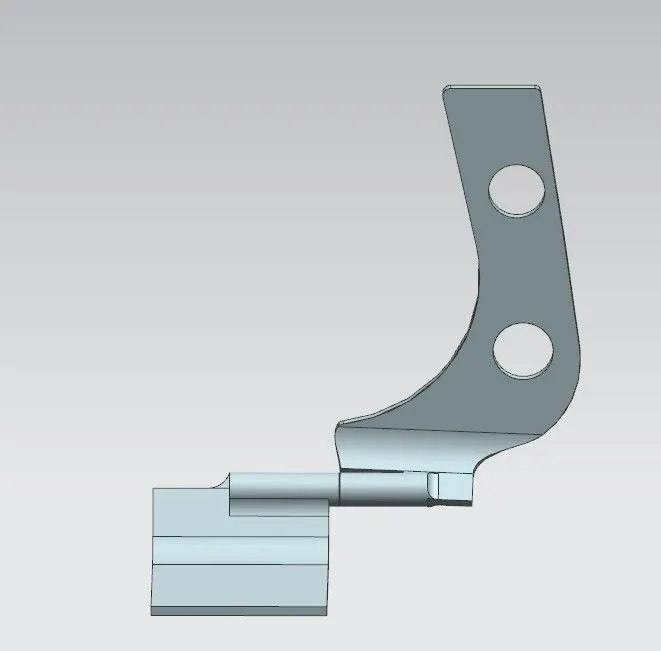
Hinge Assembly: Hinge assembly provides hood opening and closing mechanism.
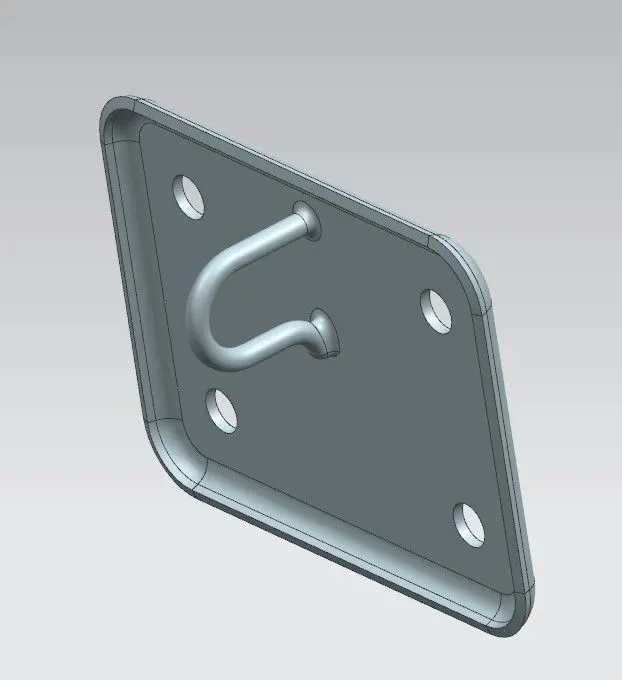
Striker: Striker provides locking and unlocking mechanism for the hood assembly.
Reinforcement: To provide additional strength to the component reinforcements are used.
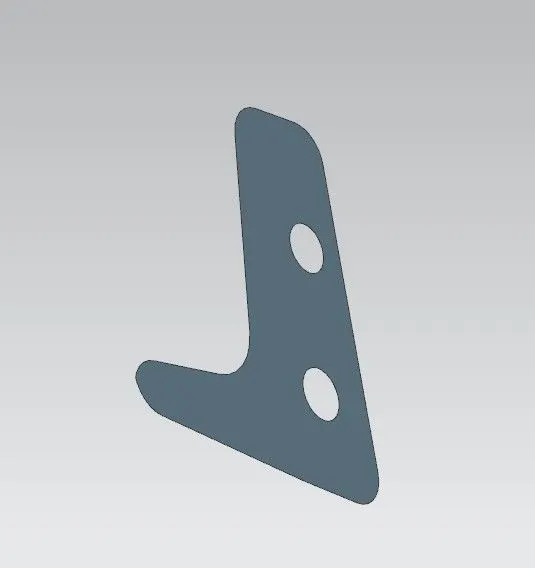
Design Methodology for Hood Inner Panel.
- Master Section
- Embossing and cuts
- Mastic Sealant Application
- Positioning of Latch and Hinge
- Hemming
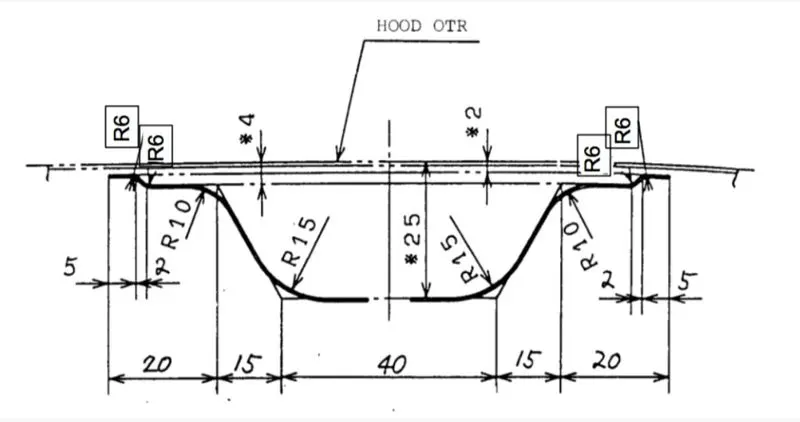
Master Section: It is a 2D representation of profile showing inner and outer panels. This includes details about how inner and outer panels are held together, and the required dimensions to design the inner panel
Data To Be Used:
- Outer Panel Thickness – 0.75
- Inner Panel Thickness – 0.75
- Reinforcement Thickness – 1.5
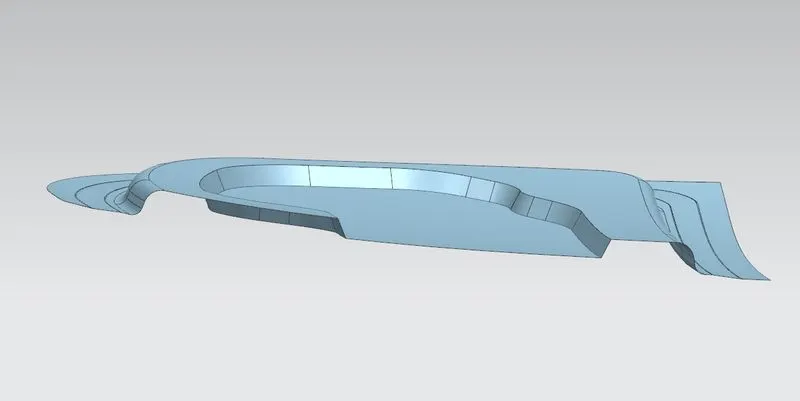
Embossing: Embossing is raised projection created on the inner panel to transfer the load from striker region to hinges in the event of any collision. It is the path along which the load deviates away from the passenger shell to the hinges.
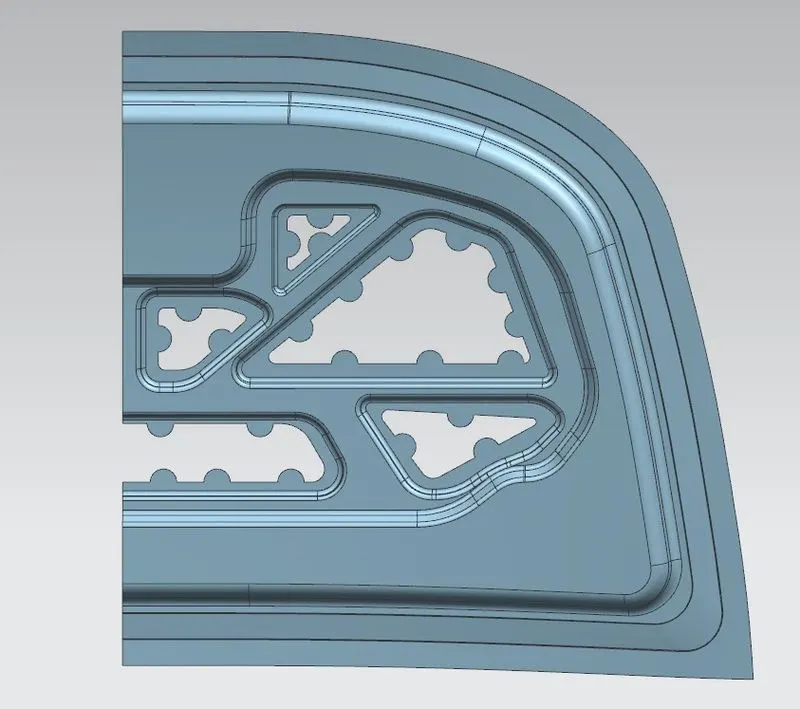
Cuts: The cuts provided over the inner panel allow sufficient deformation of the outer panel without any restriction caused during a pedestrian impact.
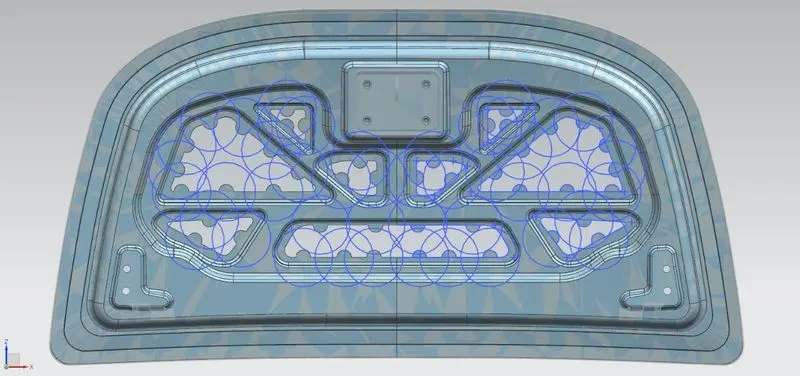
Mastic Sealant Application: These sealants glues the inner panel with outer panel, a single mastic point has an 80mm diameter of influence. After subjecting these sealants to heat, it solidifies to form a strong bond between the inner and outer panel, these sealants avoid fluttering of the outer panel during high speed and minimises the NVH.
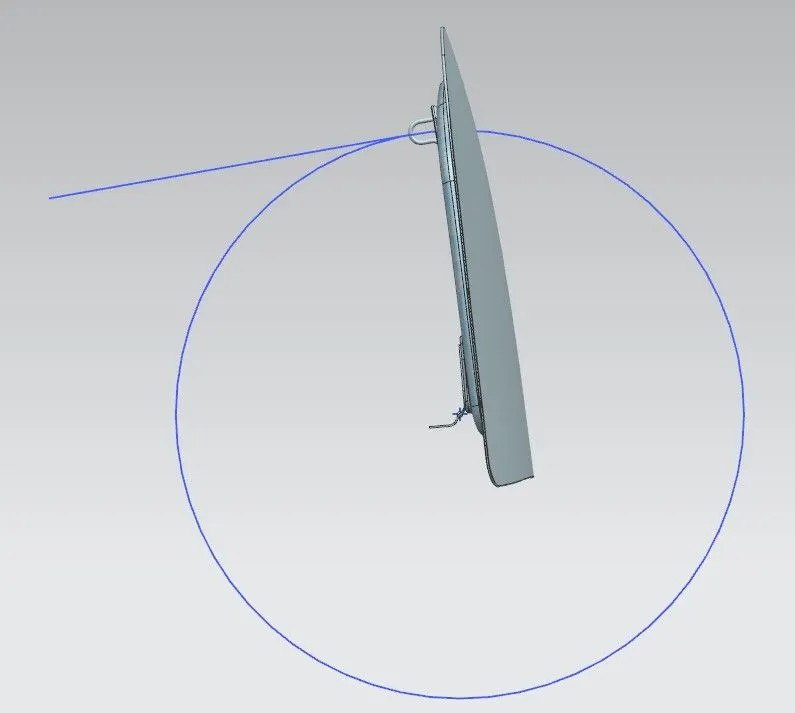
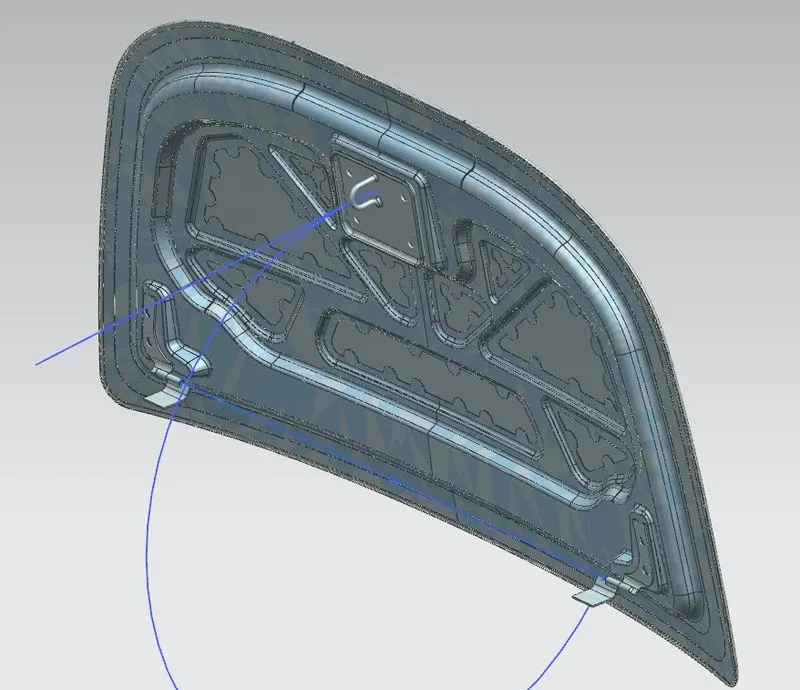
Positioning of latch and hinge: The hood opening and closing mechanism depends on the positioning of the hinge and latch, the latch location is decided by tracing the circular path (trajectory) with the hinge axis as the centre and the latch is located perpendicular to the trajectory.
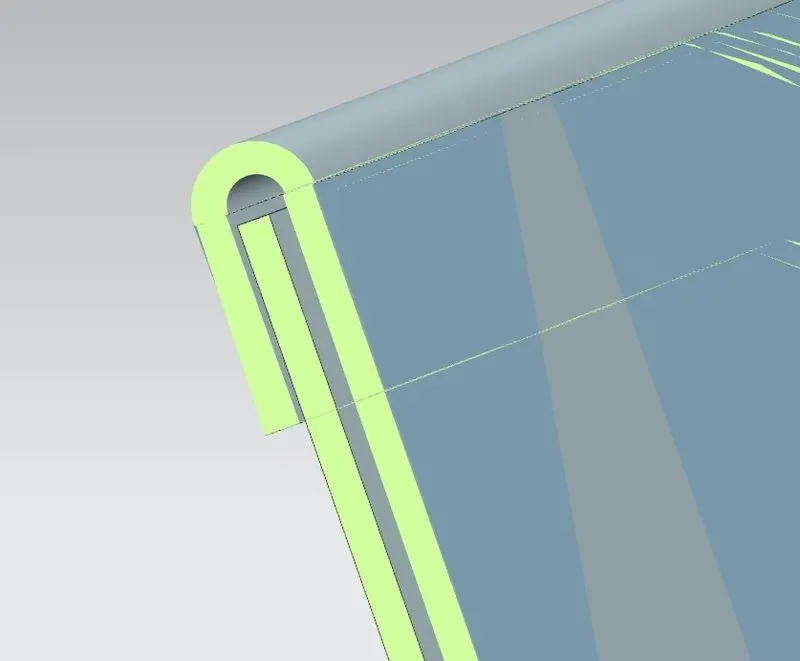
Hemming: Hemming is a metalworking process in which a sheet metal edge is rolled over itself; this process ensures both inner and outer panels are interlocked together.
Final Hood Assembly: