Hood design-Week 2
Hood Design
Data provided :
Hood thickness Information:
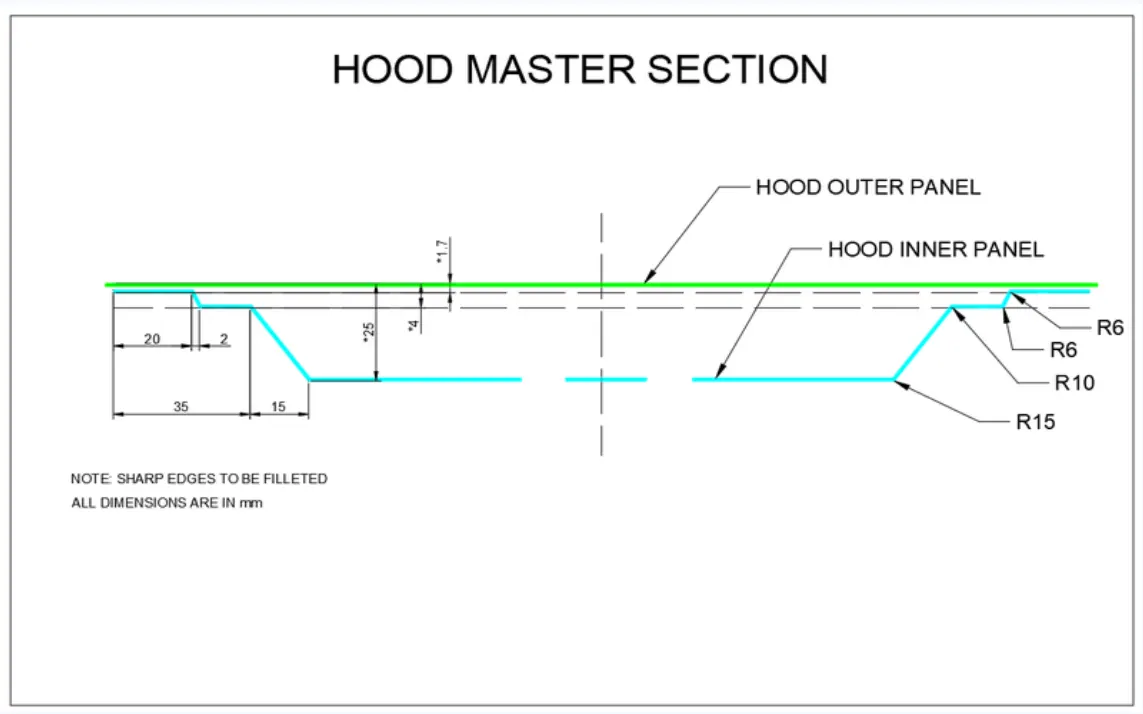
Inner panel thickness 0.75mm
Outer panel thickness 0.75mm
Reinforcements thickness 1.5mm
Master section :
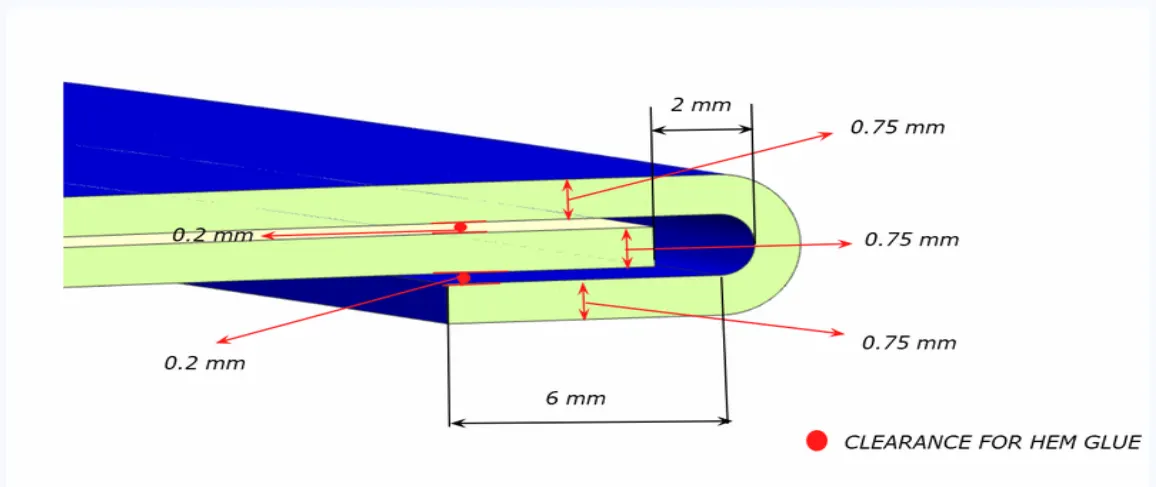
Hemmign data :
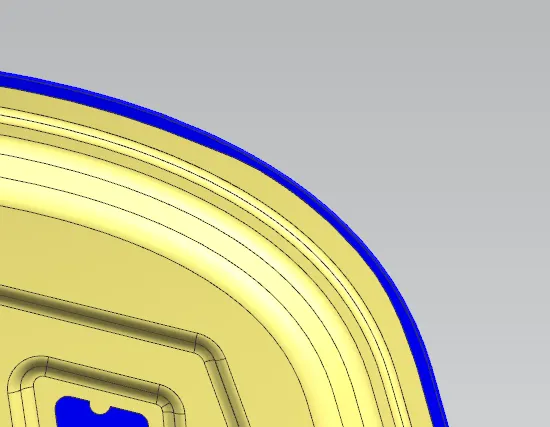
Rare relief section :
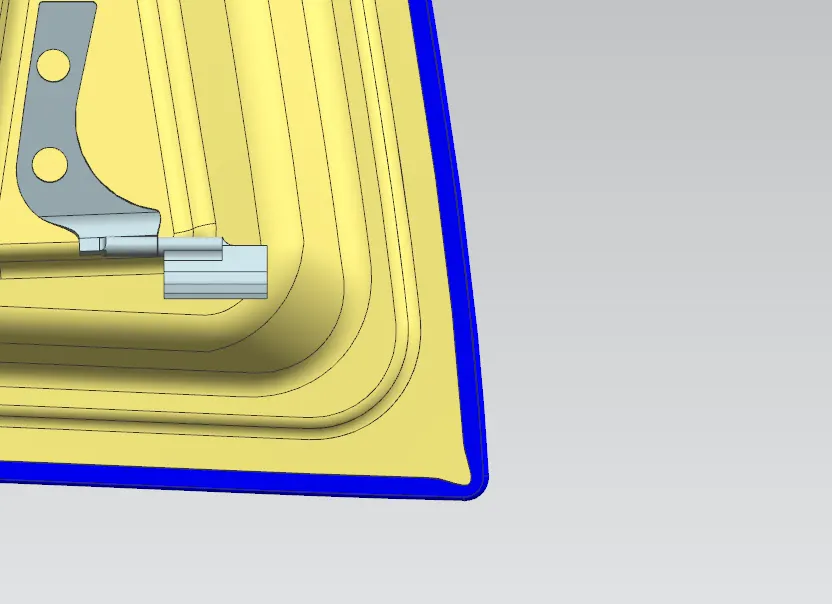
Front relief section :
1. Introduction
The importance of hood design lies in its role of shielding the engine from external elements such as water, dust, and road contaminants. Additionally, it contributes to improved car aerodynamics, reducing drag and enhancing fuel efficiency. The design and weight of the hood can influence the overall weight distribution of the vehicle, thereby enhancing handling, stability, and overall driving performance. It serves as a signature element of the car, aiding in brand identification in the market. Safety standards are crucial in hood design, requiring compliance with necessary crash test requirements for overall vehicle safety certification. The hood design incorporates a latch system that securely holds it in place, preventing accidental opening while driving and ensuring the safety of both the driver and pedestrians. Material selection for hood design impacts not only weight but also considers environmental considerations, with lightweight and sustainable materials gaining importance in the automotive industry. In conclusion, hood design in automotive engineering is a critical aspect that extends beyond aesthetics, encompassing functionality, safety, aerodynamics, and brand identity. Ongoing advancements in materials and design continuously shape hoods to meet evolving industry standards and consumer expectations.
1.2 There are two parts to Hood design
1. Outer panel
2. Inner panel
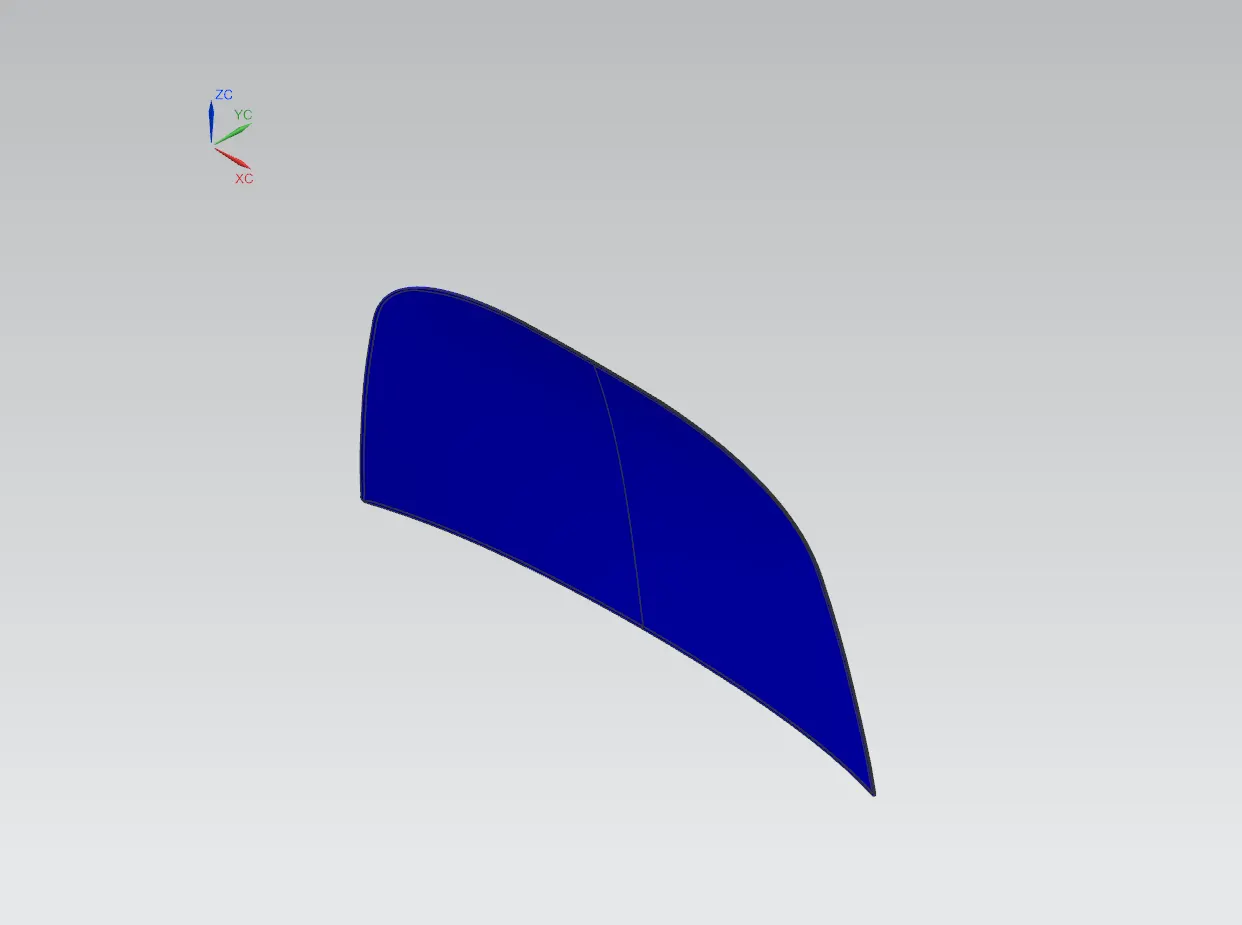
1.2.1 Outer panel
The outer panel is the external surface of the hood design, contributing to the vehicle's overall appearance. A well-designed outer panel can enhance the car's visual appeal and identify the brand; it serves as a signature element for a specific car model or brand, helping to distinguish the car model and brand in the market. The material selection of the outer panel is chosen carefully to ensure a balance between durability, weight, and design flexibility. Material choices can impact the overall weight of the hood, affecting vehicle performance and fuel efficiency. High-quality finishes enhance the overall impression of the car. The design of the outer panel can improve airflow around the vehicle, contributing to overall aerodynamic efficiency and reduced drag.
In the context of pedestrian safety, the outer panel's design may include specific features to minimize injury in the unfortunate event of an impact on a pedestrian. The outer panel in the car hood design is vital for both functional and aesthetic reasons. It not only protects the vehicle's internal components but also contributes to the car's overall design, brand identity, and safety considerations. The selection of materials and attention to detail in the outer panel's design are critical factors that automotive engineers carefully consider to achieve a balance between form and function.
1.2.2 Key aspects are
1. Aesthetic appeal
2. Brand Identity
3. material selection
4. Surface Finish
5. Resistance to external elements
6. aerodynamics
7. structural integrity
8. safety
1.2.3 Inner panel
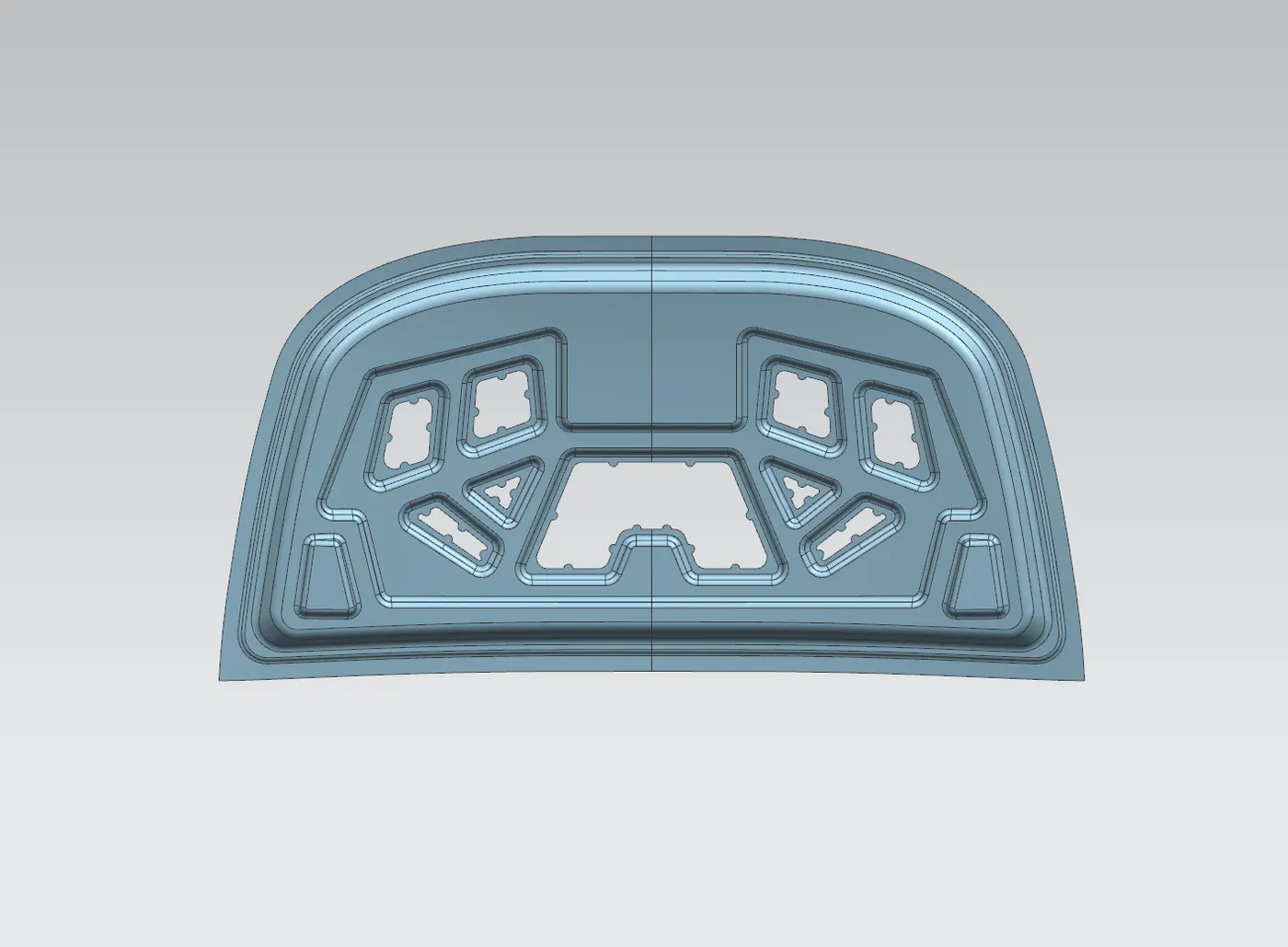
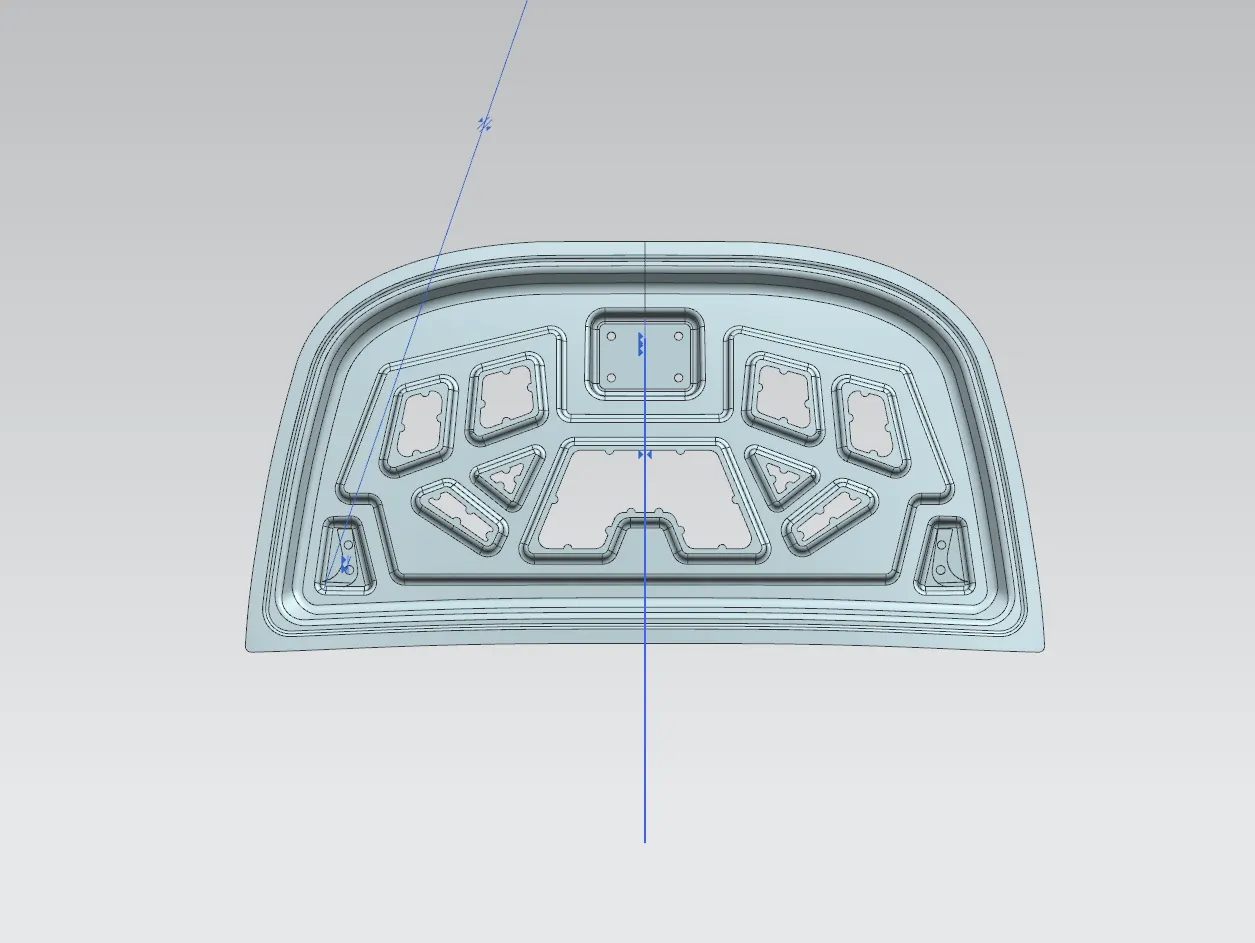
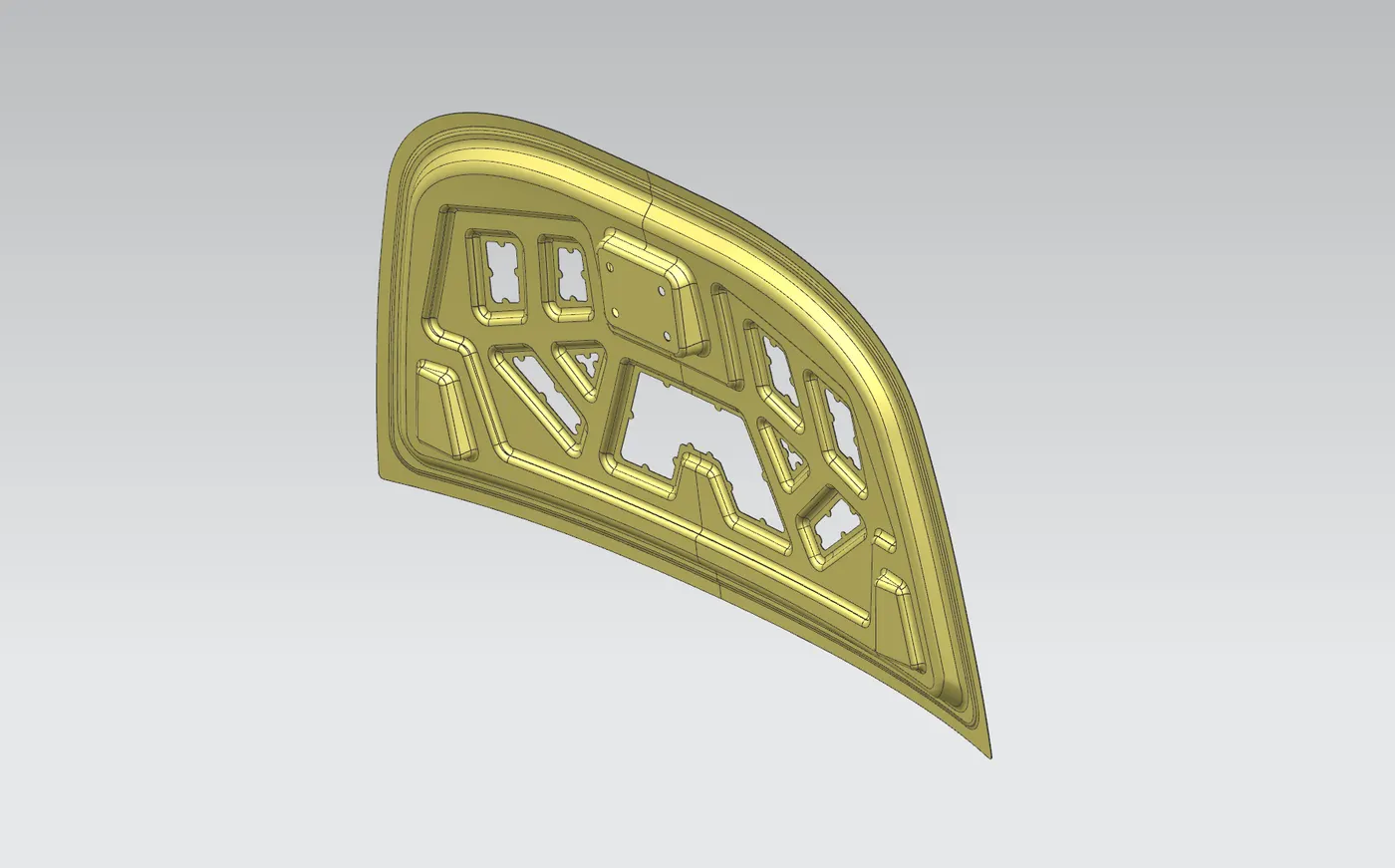
The inner panel of the car plays a crucial role and contributes to various aspects of the vehicle's overall performance and safety. The inner panel provides essential structural support to the hood assembly, ensuring strength and rigidity. In the event of a collision, the inner panel contributes to the hood's ability to absorb and dissipate impact energy, a critical safety feature that helps protect occupants by minimizing the severity of the impact and reducing the risk of intrusion into the passenger compartment. The inner panel is strategically designed to be part of the crumple zone, absorbing and redirecting energy during a collision. This design feature enhances the overall safety of the vehicle by managing the impact forces more effectively.
The inner panel's design and material selection are optimized to provide the necessary stiffness and durability, ensuring that it can withstand the stresses and vibrations associated with normal vehicle operation. As a component of the hood assembly, the inner panel contributes to the overall weight distribution of the vehicle. Proper weight distribution is crucial for maintaining optimal handling, stability, and overall driving performance. The materials used in the inner panel are chosen to meet specific engineering requirements, considering factors such as the strength-to-weight ratio, impact resistance, and manufacturing feasibility. High-strength materials may be employed to enhance structural integrity.
The inner panel is designed to integrate seamlessly with other safety systems in the vehicle, such as airbags and restraint systems, ensuring a coordinated response in the event of a crash and maximising occupant protection. The inner panel's robust construction contributes to the long-term durability of the hood, extending the overall lifespan of the vehicle and reducing maintenance requirements.
The inner panel in car hood design is of paramount importance, particularly in ensuring the structural integrity of the vehicle. Its role in crash performance, the crumple zone, stiffness, weight distribution, and integration with safety systems collectively contribute to the overall safety, durability, and performance of the vehicle. Engineers carefully consider these factors during the design and material selection processes to achieve an optimal balance of strength and functionality.
1.2.4 Key aspects are
1. Structural support
2 crash performance
3. crumple zone
4. Stiffness and durability
5. Weight distribution
6. Material consideration
7. Integration with other safety system
8. Long-term Durability
1.3 Reinforcements
Reinforcements in the hood inner panel design are essential components that significantly contribute to the overall performance, durability, and safety of a vehicle.
1.3.1 The Importance of Reinforcements
Reinforcements provide additional strength to the inner panel, enhancing its structural integrity to ensure the hood can withstand various forces in the unfortunate event of a collision. Reinforcements play a key role in absorbing impact energy, reducing the impact and lowering the risk of intrusion into the passenger compartment, thereby enhancing overall crash performance. The crumple zone is a designated area designed to deform and absorb energy during a collision, managing and redirecting forces away from the passenger compartment.
Reinforcements enhance occupant safety by strengthening the hood structure, particularly in frontal collisions where the hood plays a significant role in absorbing energy before it reaches the vehicle's occupants. Strategically placed reinforcements help distribute proper weight in the vehicle, ensuring optimal handling, stability, and overall driving performance, thus improving the vehicle's dynamic characteristics.
Reinforcements assist the hood's inner panel in withstanding vibrations and stresses associated with normal vehicle operation. This is essential for maintaining the panel's structural integrity over the vehicle's lifespan. Additionally, reinforcements contribute to the long-term durability of the hood's inner panel, extending the lifespan of the vehicle.
The influence of reinforcements on the manufacturing process of the hood inner panel requires specific techniques and considerations during fabrication. Proper manufacturing practices ensure the effective integration of reinforcements into the design. Reinforcements in hood inner panel design are integral components that extend beyond structural support, playing a critical role in enhancing crash performance, occupant safety, weight distribution, and overall durability. Automotive engineers carefully consider the placement, material selection, and integration of reinforcements to optimize these critical aspects in hood inner panel design.
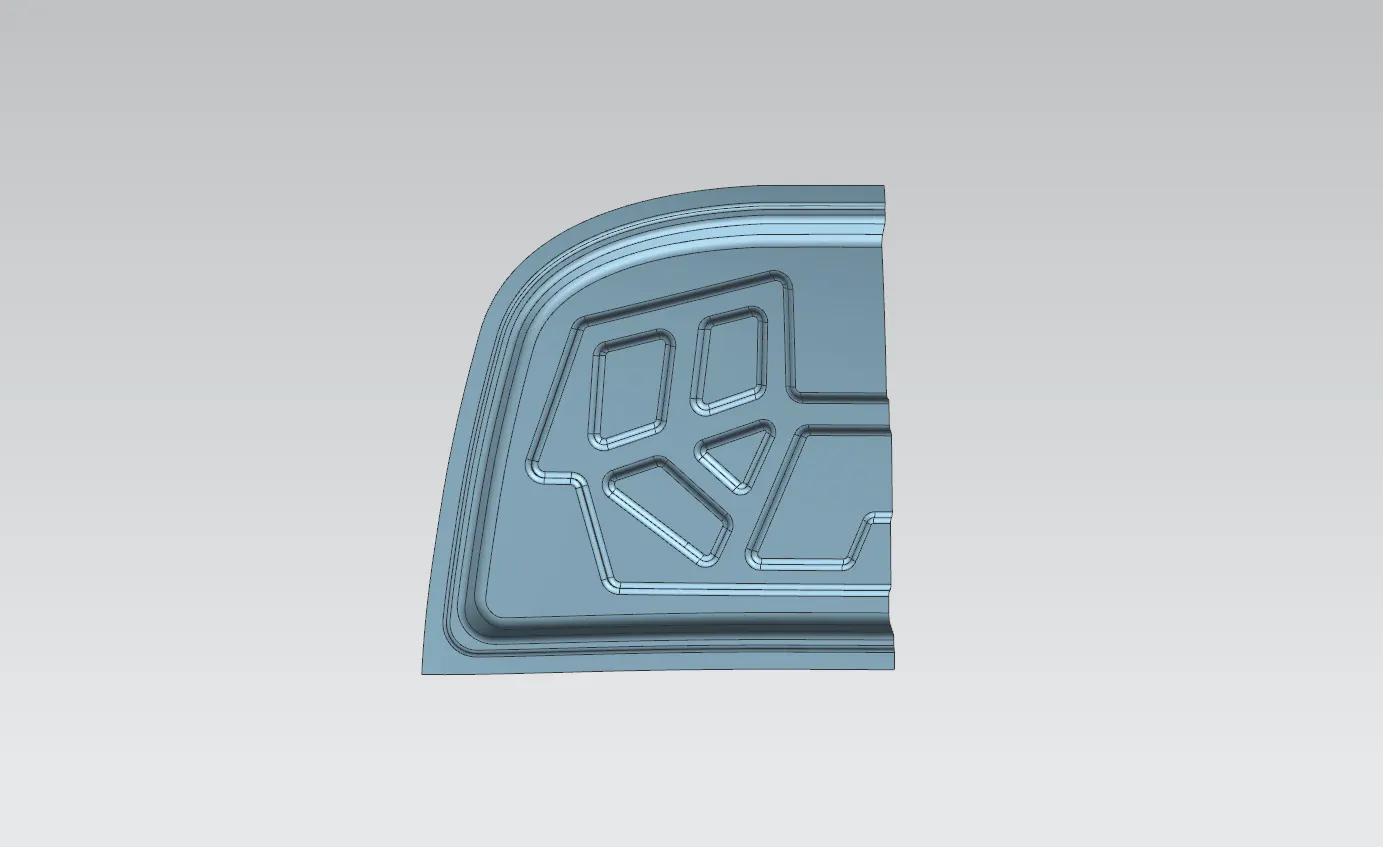
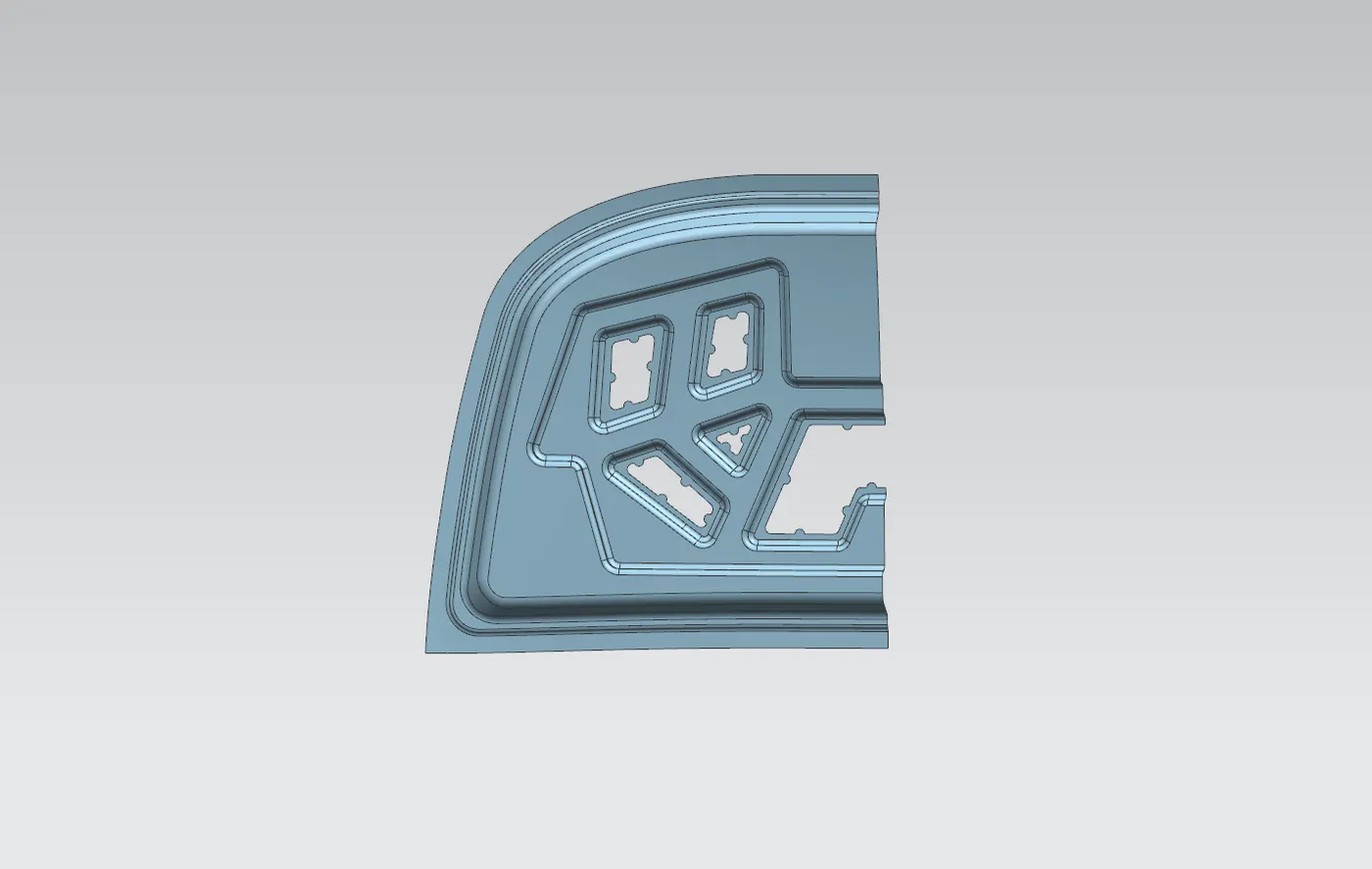
1.3.1 Key aspects are
1. Structural integrity
2. Crash performance
3. Crumple zone effectiveness
4. Occupant safety
5. Weight distribution
6. Resistance to vibration and stresses
7. Material compatibility
8. Long-term durability
9. Manufacturing considerations
1.4 Hinge
Hinges enable the smooth opening and closing of the hood, providing access to the engine compartment for maintenance, repairs, and inspections. A well-designed hinge ensures that the hood operates reliably and efficiently.
1.4.1 Hinge emboss
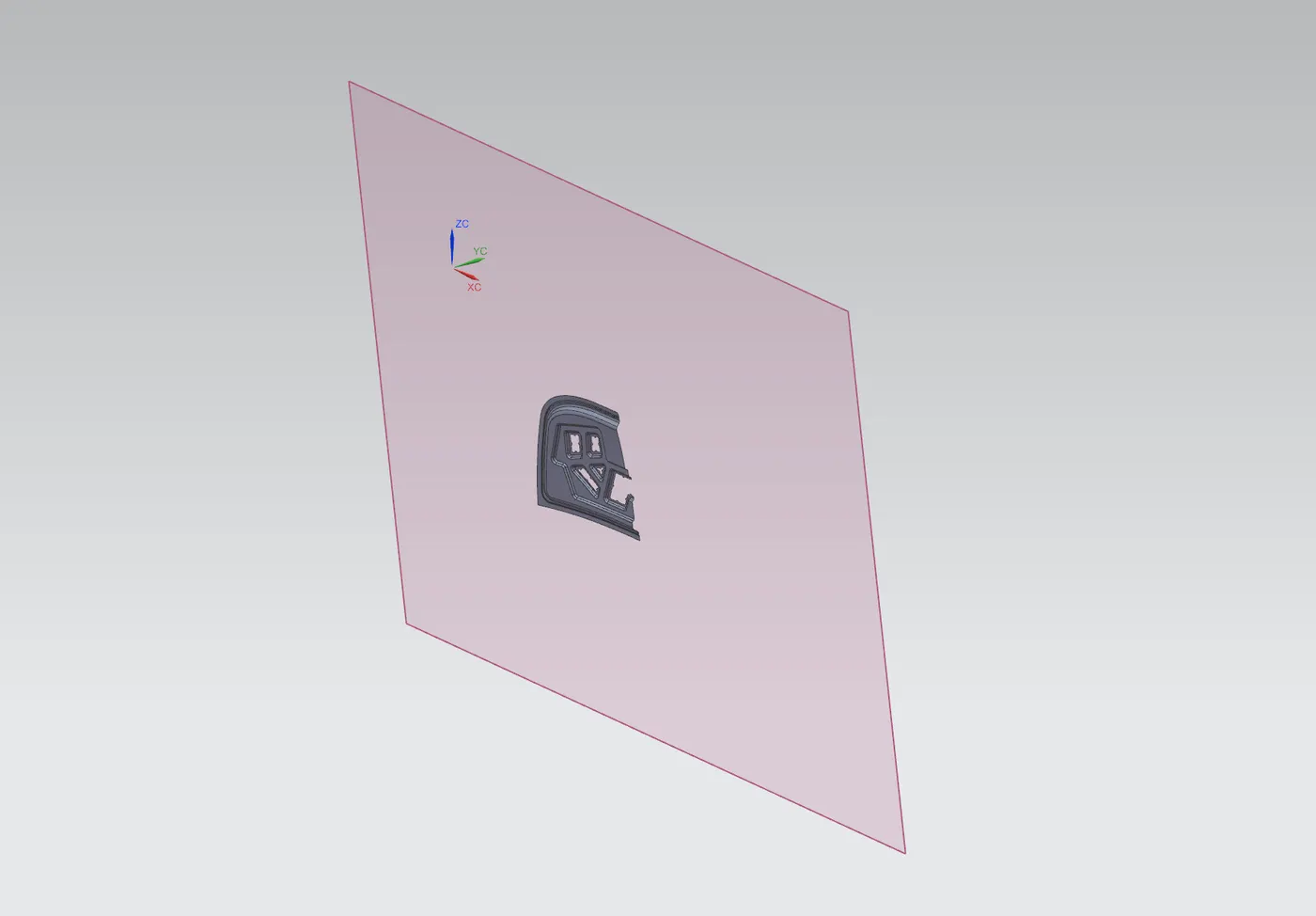
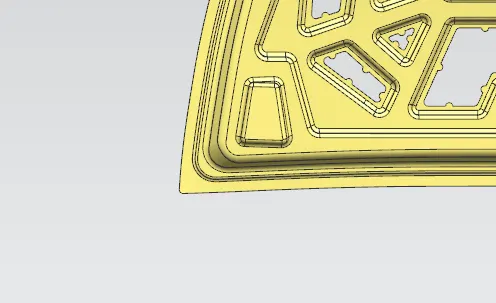
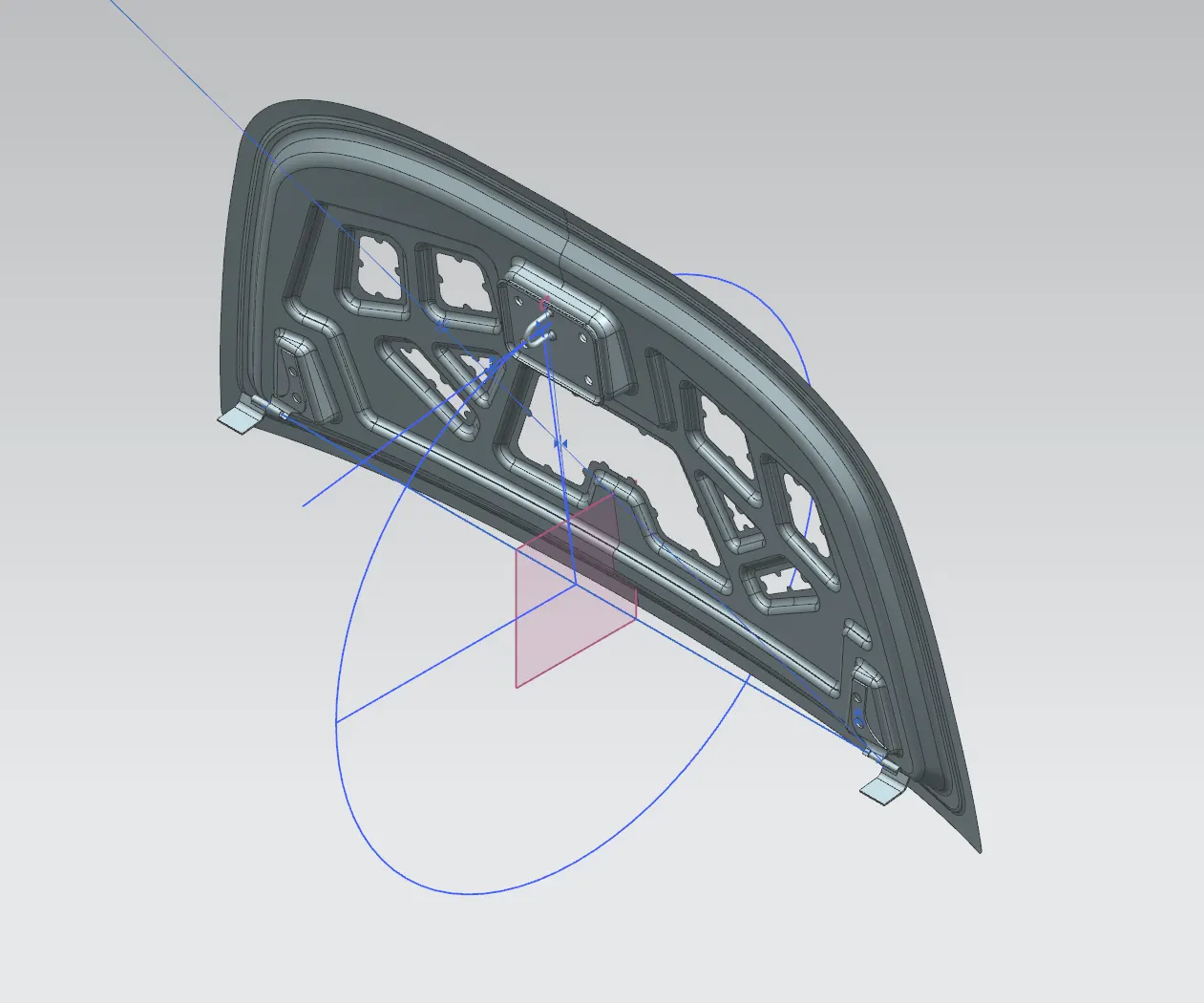
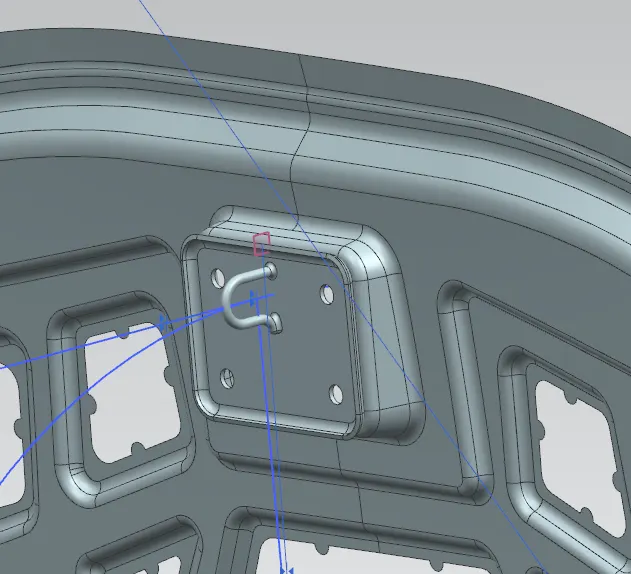
Before placing the hinge on the hood, the hood surface must be flat. Following embossing, we'll verify the surface's curvature using the local radius analysis tool. NX CAD's local radius analysis tool evaluates surface curvature and gives information on the radius of curvature at various locations. It helps in surface determination, which is important for several design applications. The tool helps with design optimization and ensures that specifications are followed by producing numerical values that indicate curvature. It aids in locating possible manufacturing obstacles like deformation- or stress-prone locations. In general, the NX CAD local radius analysis tool improves production feasibility and design integrity. A finite value indicates a non-flat surface, whereas an infinite value signifies flatness. To achieve a flat surface, we'll emboss the sketch relative to the datum plane. Once the hinge embossing is finalized, we'll proceed to position the hinge assembly accurately.
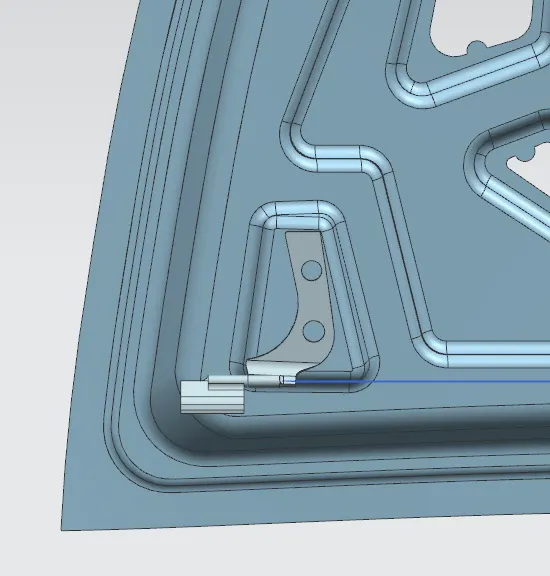
1.4.2 Hinge assembly
Initially, the hinge assembly file is incorporated into the hood assembly file. The placement of the hinge assembly is established through assembly constraints: one employing a touch constraint, and the other ensuring parallel alignment with the hinge axis. Once the hinge assembly is constrained, it should be correctly positioned. To achieve this, the component can be adjusted using the move component tool, ensuring the hinge assembly remains in its intended placement.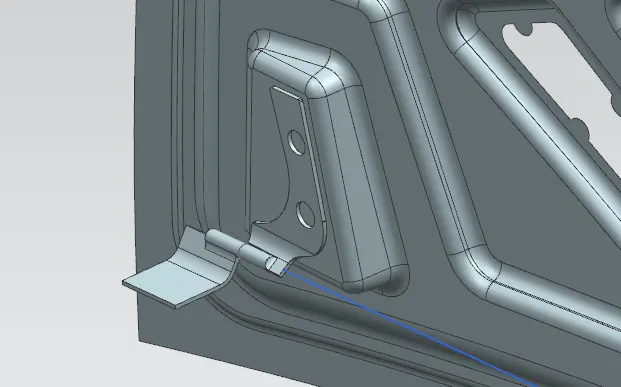
1.5 Latch Trajectory
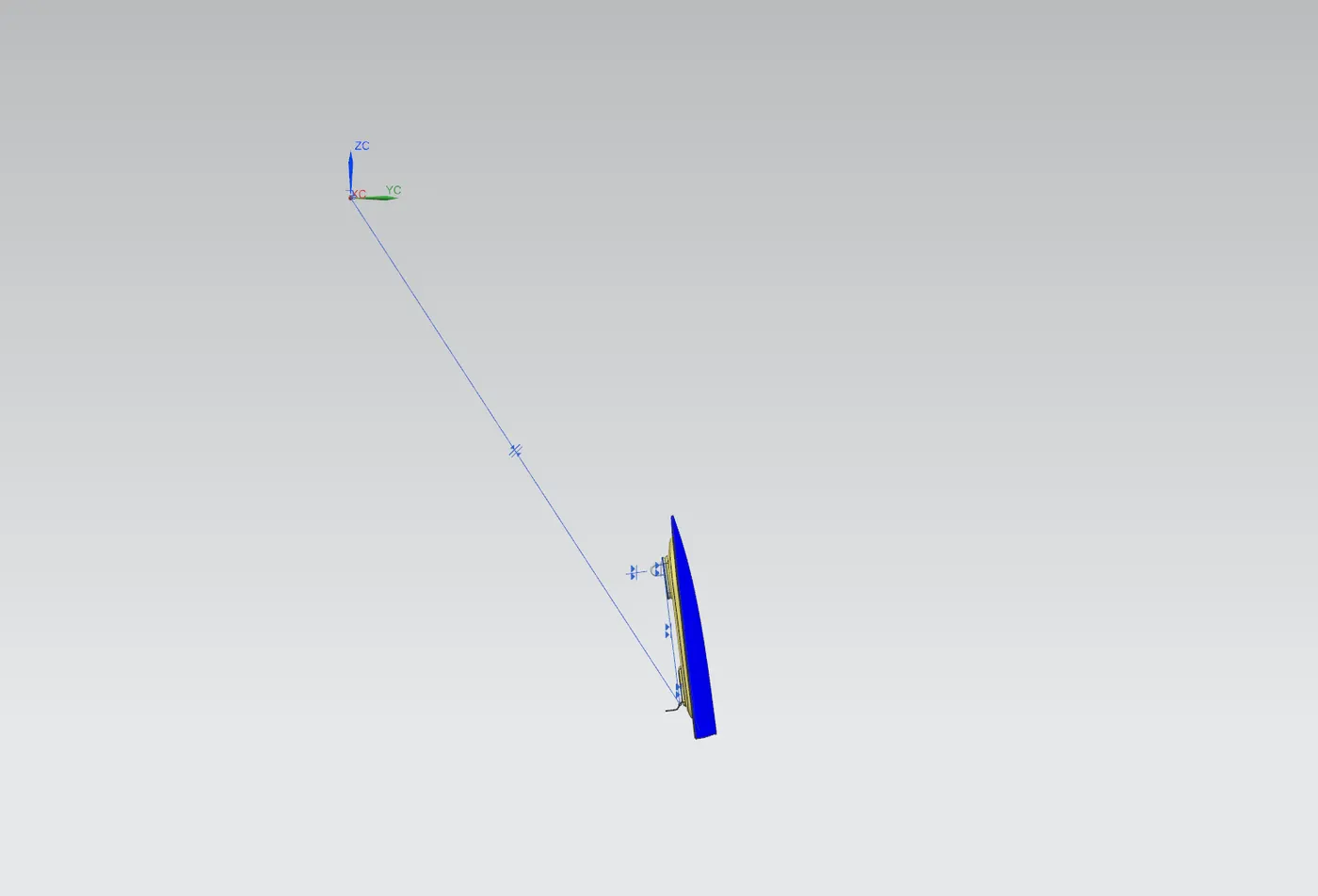
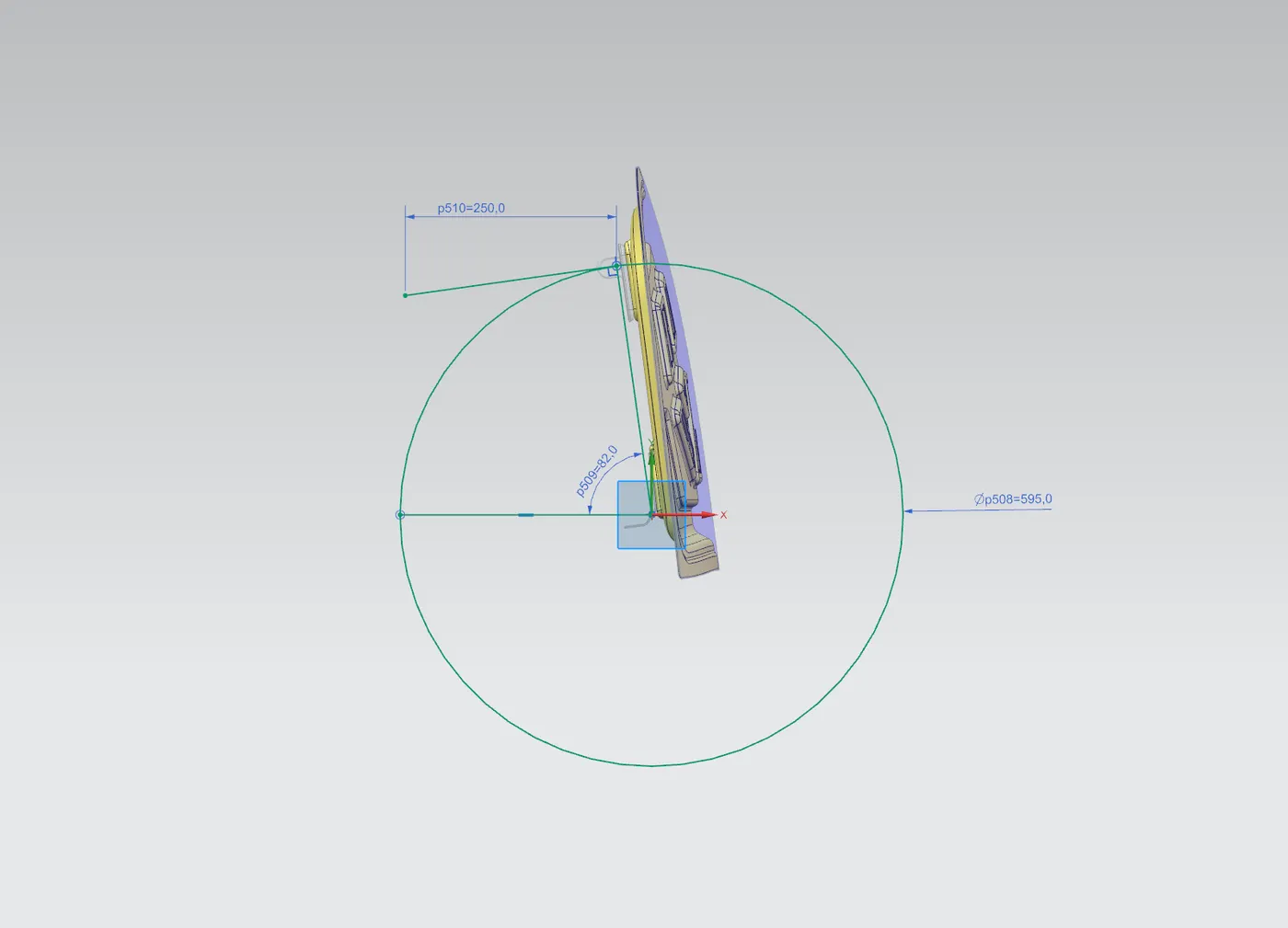
The latch trajectory ensures a secure and reliable closure of the hood, preventing unintended opening during vehicle operation, which is crucial for the safety of both the driver and other users. It is designed to prevent accidental openings, especially during high-speed driving or when encountering road irregularities, helping maintain the hood in a stable and closed position. The latch trajectory needs to meet safety standards to ensure that the hood remains closed in various driving conditions.
The latch trajectory significantly influences the overall performance of the latch system, determining how effectively it engages and secures the hood. A well-designed trajectory contributes to the longevity and reliability of the latch mechanism. While the primary focus is on secure closure, the latch trajectory also influences the ease of opening the hood for routine maintenance or inspections, allowing for convenient hood access.
In the event of a collision, the latch trajectory may be designed to minimize the risk of injury to pedestrians by ensuring that the hood remains securely closed or opens in a controlled manner to absorb impact energy. The latch trajectory also contributes to the overall user experience, affecting how easily and securely users can interact with the hood. The design of the latch trajectory considers factors such as durability and reliability over the lifespan of the vehicle, ensuring that the latch mechanism continues to function effectively under various environmental conditions and usage scenarios.
We position the striker accurately by employing touch constraints, aligning it according to the latch trajectory sketch.
1.5.1 Key aspects are
1. Secure Hood closure
2. Prevention of accidental openings
3. Compliance with safety standards
4. Latch system performance
5. Ease of hood opening
6. Integration with pedestrian safety
7. user experience
8. Durability and reliability
1.6 Mastic used in hood design
1.6.1 Definition
Mastic is a viscous material, often based on polymers, that is applied to specific areas of the hood structure to provide adhesion, sealing, and damping properties. It can come in various forms, including tapes, films, or liquid compounds, and is designed to adhere to metal and other materials commonly used in hood construction.
1.5.2 Purpose
Mastic is utilized on seams, joints, and various areas within the hood design to establish a waterproof seal, preventing the ingress of water, moisture, and environmental elements. This safeguards internal components against corrosion while dampening noise and vibrations caused by vehicle motion, engine operation, or road conditions, thereby enhancing driving comfort. Its application reinforces specific hood areas, fortifying resistance to stresses, impacts, and structural deformations, ultimately improving overall vehicle quality. By sealing seams and gaps, it effectively blocks air, dust, and particles, maintaining cleanliness and control within the engine compartment. Additionally, many mastics are engineered to endure diverse temperature ranges, ensuring consistent performance and durability in both hot and cold environments.
1.6.3 Key aspects are
1. Sealing and waterproofing
2. Vibration damping
3. Enhancing structural integrity
4. Reducing noise and vibration transfer
5. Preventing air and dust infiltration
6. temperature resistance
1.6.4 Application process
Make sure the surface is free of pollutants, dry, and clean before applying mastic. The type of mastic and the parameters for the hood design determine the application techniques, such as brush or spray. The mastic layer thickness is crucial, and it must be adhered to at the prescribed levels to accomplish the necessary bonding, damping, or sealing effects without having too much material left over that could affect other components. Be sure to strictly follow the manufacturer's instructions and allow enough time for mastic curing, which varies according to type and ambient circumstances.
1.6.5 Considerations for Various Environmental Conditions
Select a mastic that is resilient to the temperature fluctuations that occur under the hood, such as highs close to the engine and maybe lows in colder regions. UV-resistant mastics are recommended if the hood is exposed to sunlight to stop degradation and preserve long-term efficiency. To handle these dynamic conditions without cracking or losing efficacy, a flexible mastic is needed. Choose mastics that are resistant to the specific chemicals encountered. Make sure the mastic you choose offers enough waterproofing, particularly in locations that are subjected to precipitation such as rain or snow. To guarantee long-term performance and protection, take the vehicle's anticipated lifespan into account while selecting mastics, and make sure they are durable enough.
1.7 Emboss definition
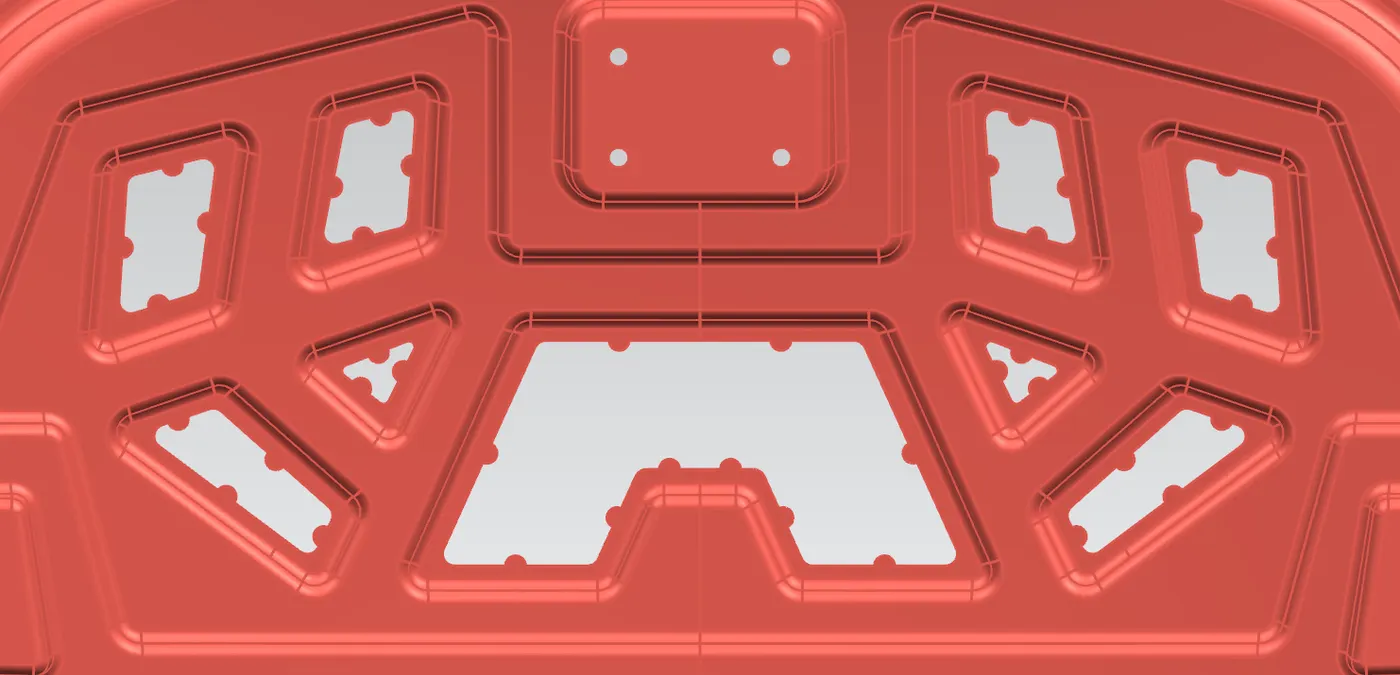
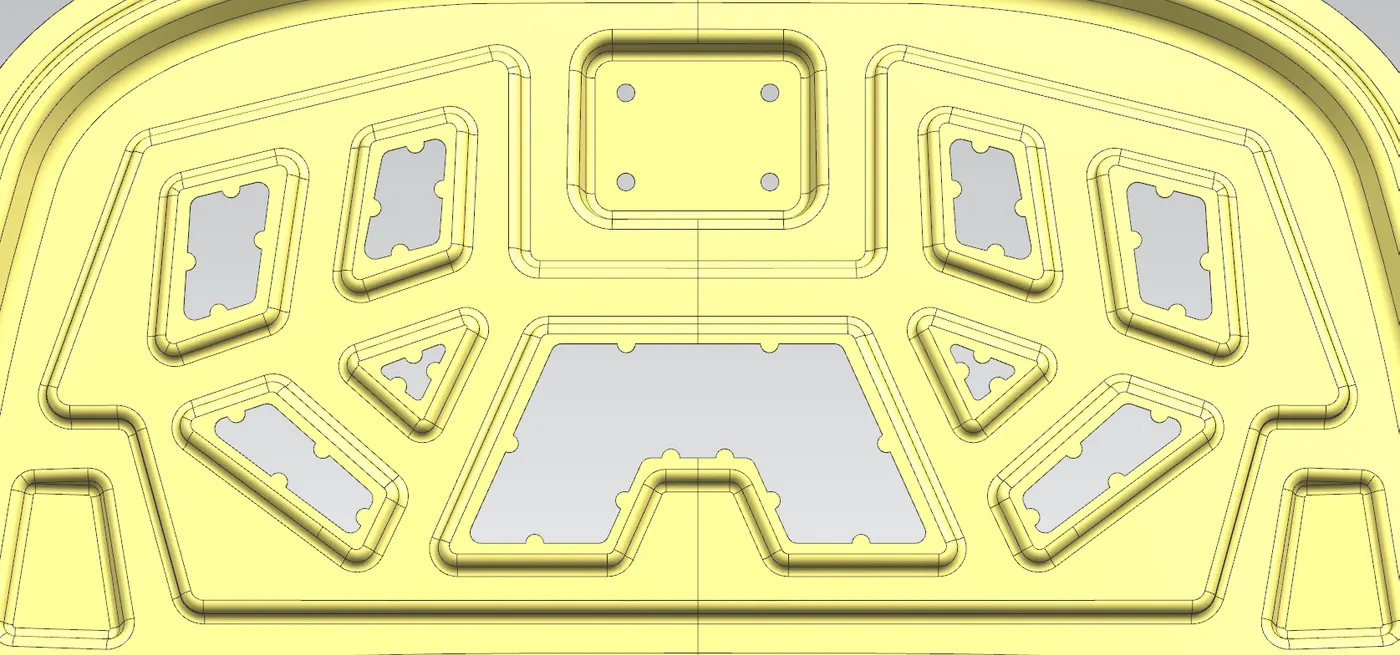
A manufacturing technique called embossing involves raising a pattern or design on the surface of a material. By applying pressure on the material from the back, a three-dimensional relief is produced. For functional or aesthetic reasons, embossing is frequently used in the context of hood design in the car industry.
1.7.1 Purpose of embossing
Embossing certain sections of the hood serves a dual purpose by adding extra rigidity and strength to those areas, bolstering the overall structural integrity without significant weight gain. Strategically applied embossing can also impact airflow around the vehicle, optimizing performance and fuel efficiency. These patterns may even enhance pedestrian safety features by absorbing and distributing impact energy more effectively during collisions. Automakers utilize embossing to differentiate models within a lineup, employing unique designs to visually distinguish variants. This customization option allows manufacturers to tailor hood designs to specific models, special editions, or customer preferences. Furthermore, embossing introduces a tactile element, enabling users to physically engage with and appreciate the textured patterns on the hood, enhancing its visual appeal and adding depth beyond mere branding elements.
1.8 Manufacturing process
When designing the hood, engineers and designers work together to take into account several aspects like aerodynamics, safety regulations, practicality, and aesthetics. The hood's complex digital models are produced with CAD software, enabling exact design requirements and adjustments. Many considerations, including strength, weight, durability, and cost, go into selecting the right materials for the hood. Steel, aluminium, and composite materials are examples of common materials. To make prototype hoods, toolings like dies and moulds are made using CAD blueprints. Before mass manufacturing, prototyping enables design testing and validation.
1.8.1 Deep drawing process
`deep structures out of flat sheet metal, usually resembling cups or boxes. This method is frequently used to manufacture a wide range of goods, such as containers, cookware, and auto parts. There are multiple steps in the deep sketching process, and each one influences how the created part turns out in the end.
The deep drawing process involves placing a blank over a die, which is a tool with a cavity shaped like the desired end product, mounted on a press. A blank holder or pressure pad is utilized to secure the metal blank, preventing wrinkling or folding during the process. It applies a downward force on the metal sheet to ensure conformity to the die's shape. The press then moves the punch, a tool with a shape corresponding to the die cavity, downward into the metal blank, drawing it into the die cavity and inducing plastic deformation as it descends. The material flows radially and axially to accommodate the die's shape, resulting in the formation of the desired cup-like or box-like structure. The depth of the formed part is determined by the relative movement of the punch and die. Excess material, referred to as the "flange," is typically left around the formed part, which is then removed using a trim die. The final shaped part undergoes inspection to ensure it meets dimensional tolerances and quality standards, which may include measuring key features and conducting visual inspections.
1.8.2 Hemming
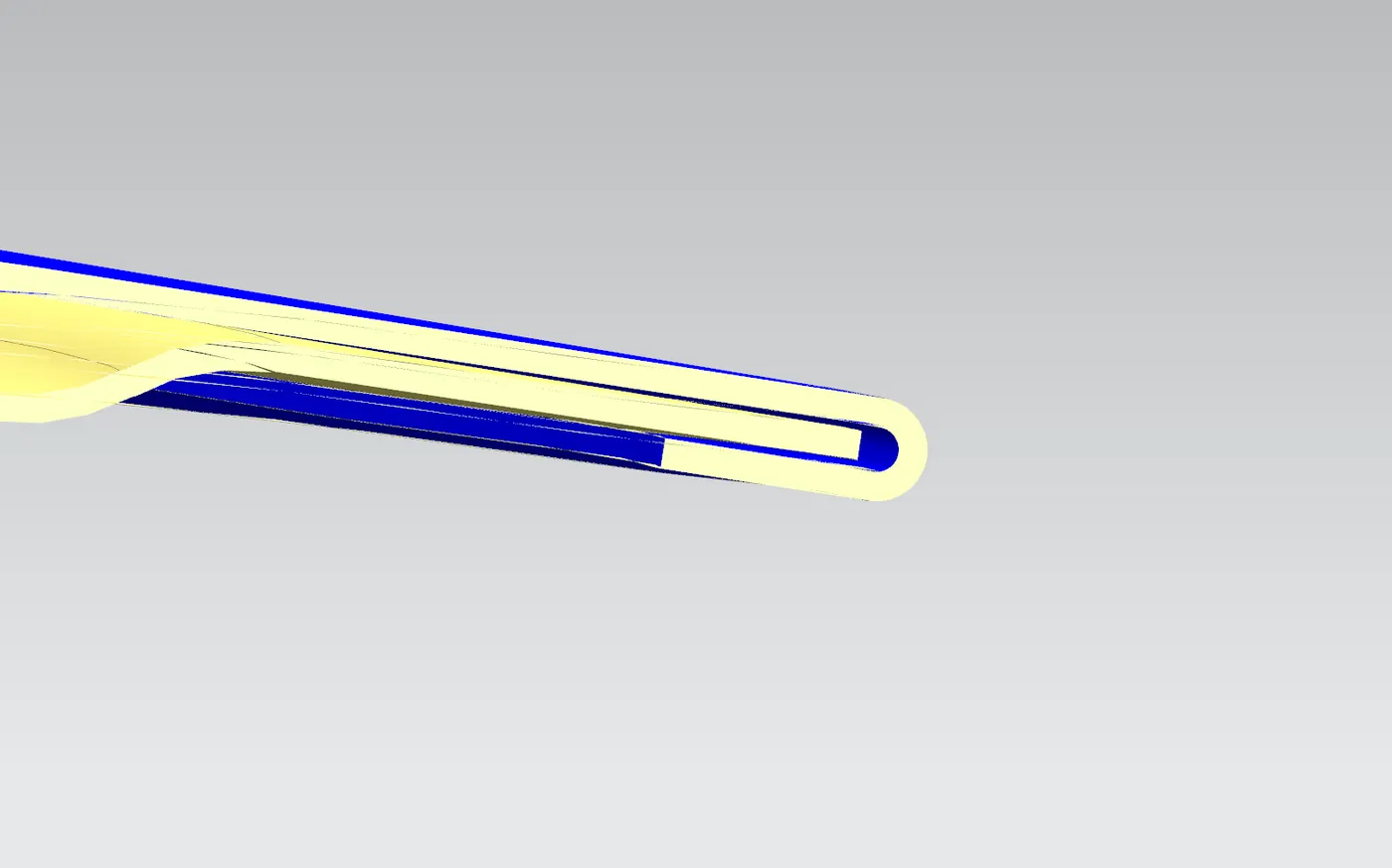
Hemming helps in sealing the seams between different panels, providing a barrier against environmental elements such as water, dust, and air. Hemming creates a visually appealing, finished edge on the hood, contributing to the overall aesthetics of the vehicle. The smooth and rounded edges enhance the exterior appearance, making the hood look more refined and streamlined. By eliminating sharp edges, hemming improves safety for both manufacturing personnel and end-users. It reduces the risk of injuries during handling, installation, and maintenance of the hood. Hemming provides additional rigidity and strength to the joined panels. This contributes to the overall structural integrity of the hood, ensuring that it can withstand various stresses and loads encountered during vehicle operation. The folded-over edge created by hemming acts as a barrier against water ingress, preventing water from seeping into the engine compartment. This is essential for maintaining the functionality of vehicle components and preventing corrosion.
1.9 Thicken
After completing the entire design of the hood, incorporating both the inner and outer panels, the next step involves thickening both panels according to specifications. It is mandatory to thicken both panels as required for structural integrity and performance. During this process, the outer panel is thickened in the downward direction, reinforcing its strength and providing additional protection against external elements and impacts.
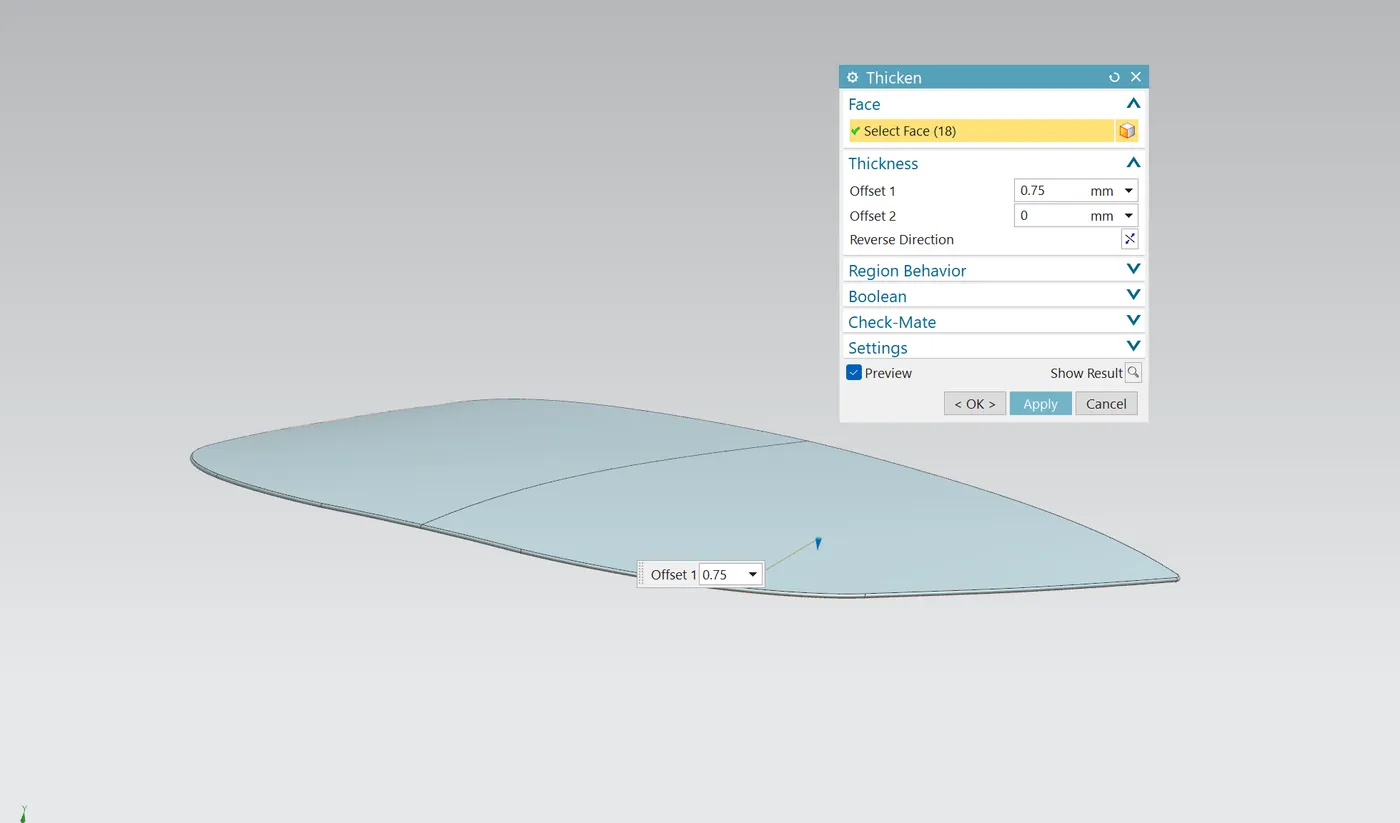
Conversely, the inner panel is thickened in the upward direction, enhancing its structural integrity and ensuring optimal performance, particularly in terms of crashworthiness and impact absorption.
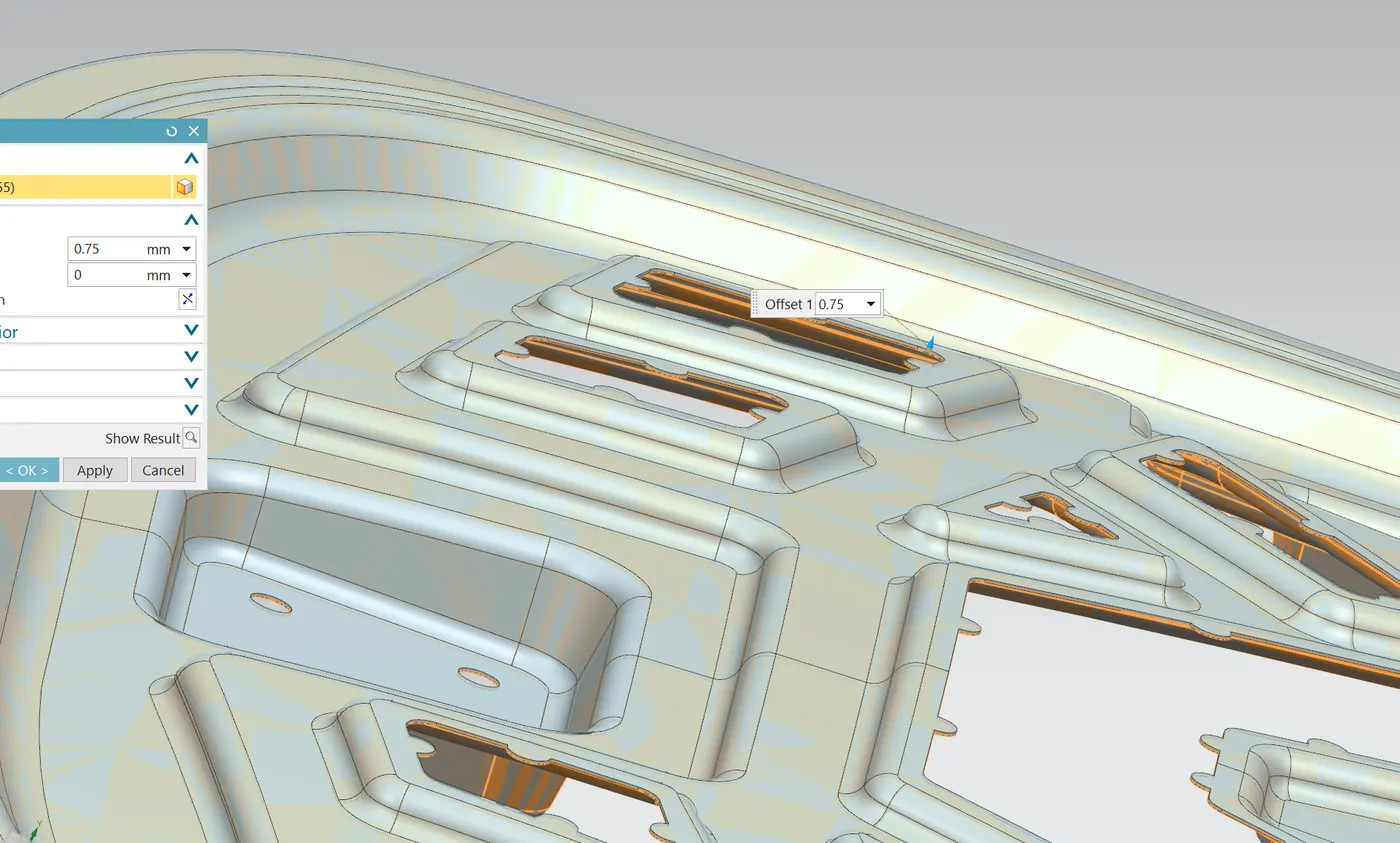
By thickening the panels in their respective directions, the overall design of the hood is optimized for durability, safety, and functionality, meeting the necessary standards and requirements for automotive engineering
2.0 Relief
To reduce the possibility of metal fracture from severe bending, relief is incorporated at the front and back edges, with 0.3 units of separation between them. The curve on the surface tool is used to create this relief. NX CAD's curve-on-surface tool enables users to draw curves directly on surfaces that already exist. It makes it possible to create intricate curves that follow the surface's contours, making exact design adjustments possible. This tool is especially helpful for adding surface relief or detailing, which improves the model's overall appearance and functionality. By manipulating the curve's properties, designers may effortlessly achieve desired forms and qualities. All things considered, the curve on-surface tool in NX improves design flexibility and makes surface manipulation effective.
This tool is especially helpful for adding surface relief or detailing, which improves the model's overall appearance and functionality. By manipulating the curve's properties, designers may effortlessly achieve desired forms and qualities. All things considered, the curve on-surface tool in NX improves design flexibility and makes surface manipulation effective.
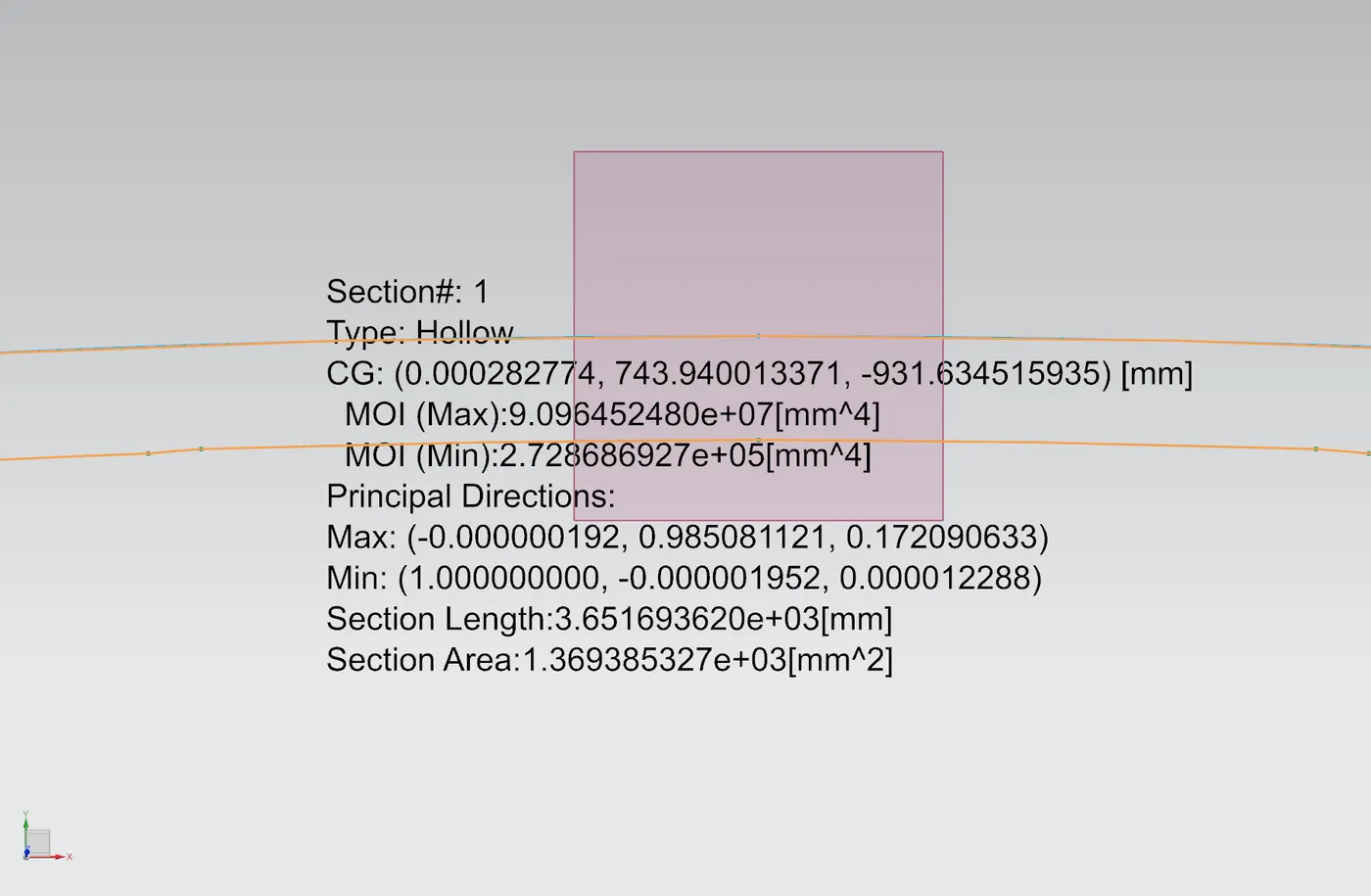
2.1 Section modulus
It is referred to as the relation between area moment of inertia and resistance to bending. It is the ratio of the area moment of inertia about the neutral axis and to the distance of the outermost from the neutral axis.
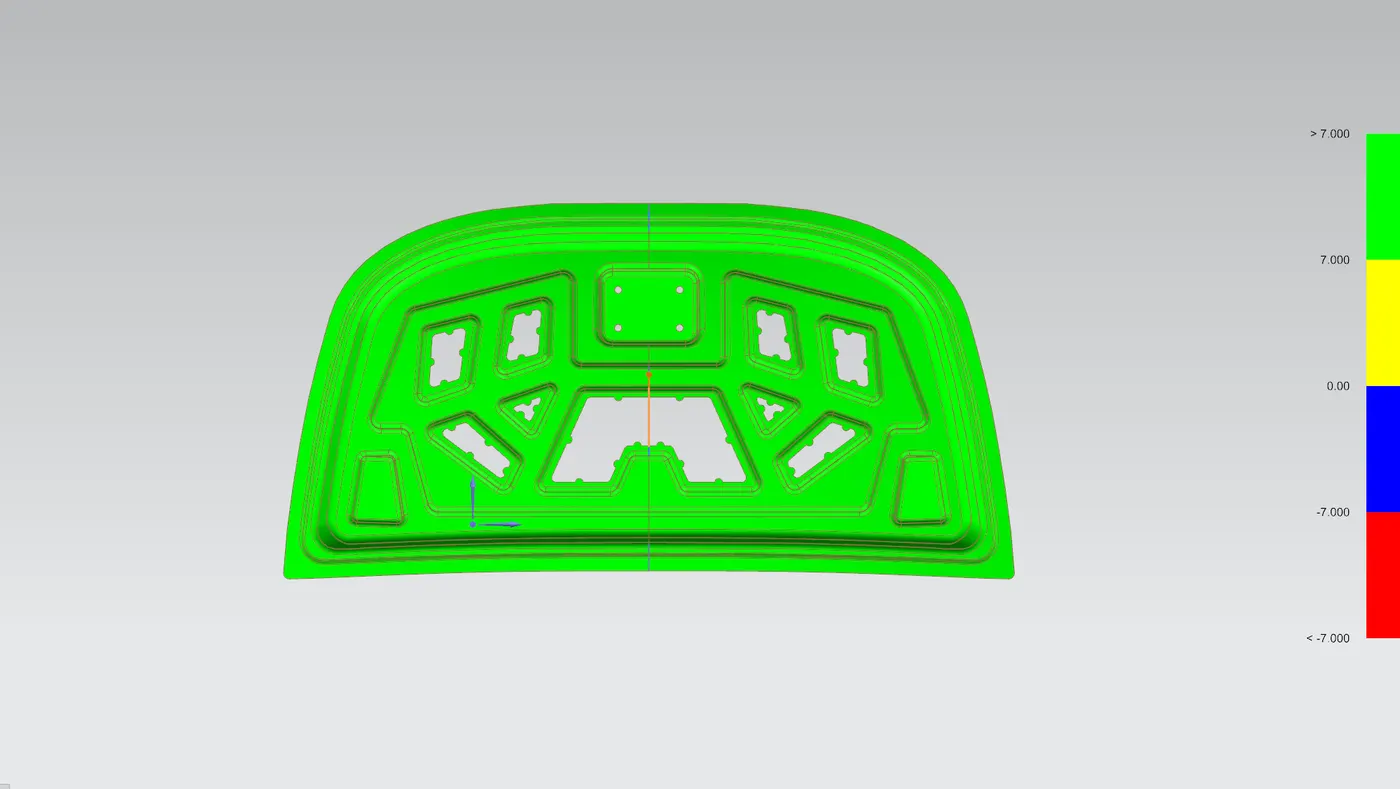
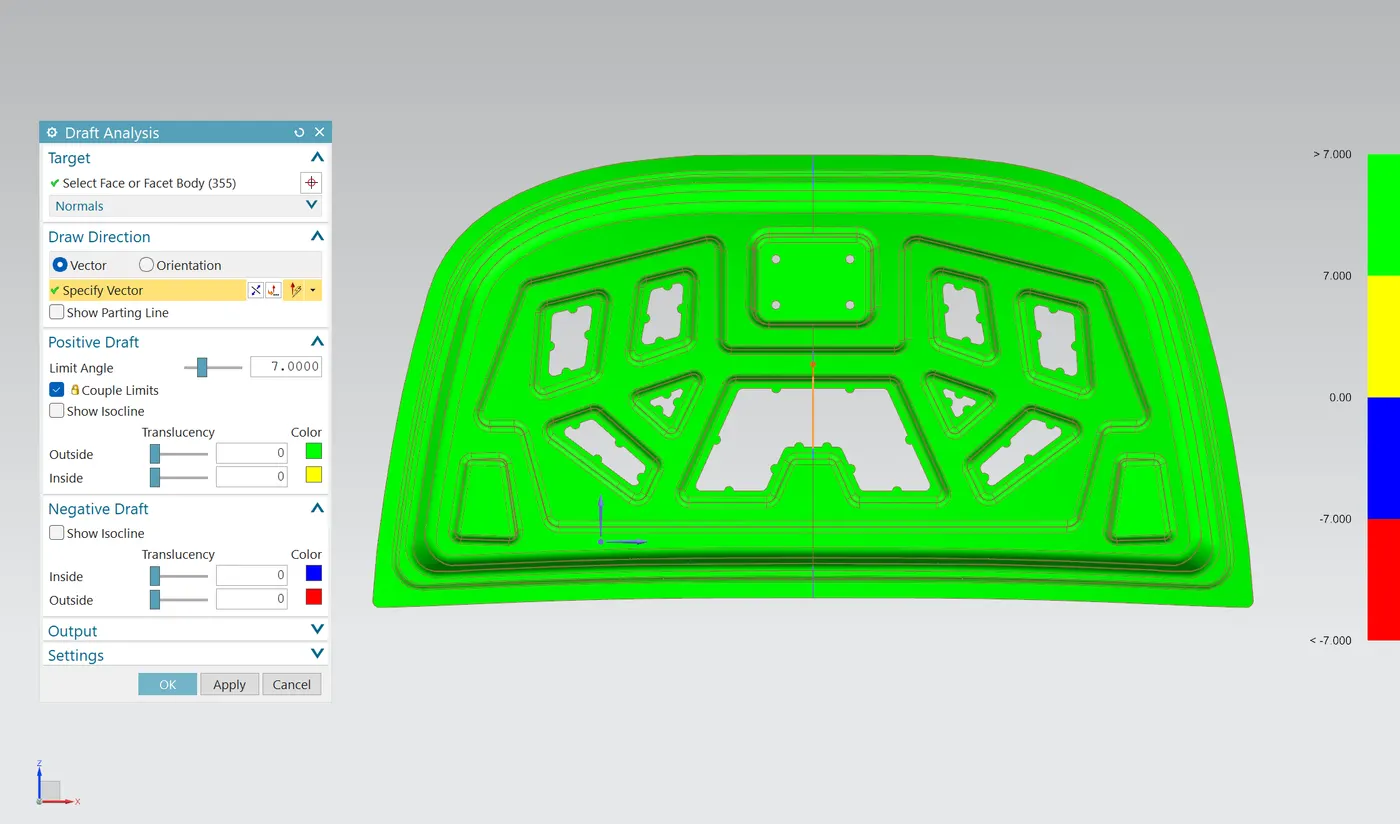
2.2 Draft analysis
Draft analysis is used in the design of hoods to help make sure that the surfaces have sufficient draft angles to facilitate easy removal without harming the casting or the part. The quality and manufacturability of the hood may be impacted by problems like part sticking, distortion, or difficulties ejecting, which can be caused by incorrect draft angles
2.3 Safety Standards
2.3.1 NHTSA and Euro NCAP
In the United States, the National Highway Traffic Safety Administration (NHTSA) sets crash safety standards, while the European New Car Assessment Programme (Euro NCAP) oversees safety standards in Europe. Car hood designs must comply with the specific regulations and testing procedures outlined by these agencies.
2.3.2 EU Pedestrian Safety Regulations
European regulations, such as EC 78/2009, include specific requirements for pedestrian protection. Hoods are tested for their ability to absorb impact energy and reduce the severity of head injuries in the event of a pedestrian collision.
Conclusion
In automotive engineering, the hood's design incorporates many crucial elements that go beyond looks. An essential part of the car, the hood protects the engine from the weather and improves the aerodynamics, weight distribution, and general performance of the vehicle.
In addition to improving the vehicle's aesthetic appeal, the outer panel of the hood is vital for brand recognition, and aerodynamic efficiency. Optimal functionality is ensured by careful attention to surface finish, resistance to external factors, and structural integrity.
The inner panel, which has been strengthened and coated for longevity, is crucial for safety system integration and crash performance. It is an essential component of the crumple zone that enhances overall vehicle stability and occupant safety.
The weight distribution, long-term durability, and structural integrity of the hood are all further improved by reinforcements. During the hood design process, their placement and material choice are crucial factors to take into account.
Furthermore, parts including relief features, mastics, hinges, and latch trajectories are important for guaranteeing the hood's operation and safety.
Advanced methods including deep drawing, hemming, and relief application are used in the production process to create hoods that satisfy strict quality criteria and strike a balance between durability, performance, and cost.
The many design and production concerns that are covered highlight the significance of the hood in automotive engineering, where performance, safety, aesthetics, and functionality are all closely entwined to produce cars that are innovative and achieve the highest standards of quality.