Fender Design
Fender Design
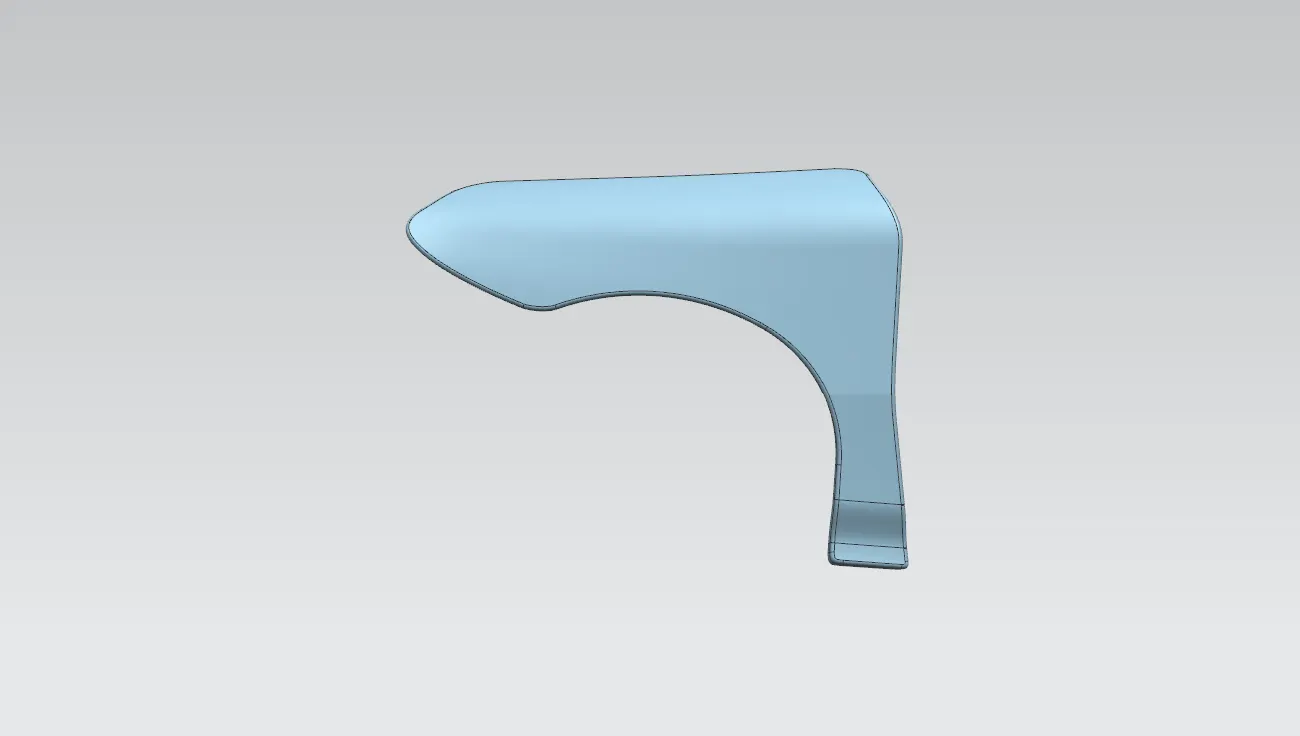
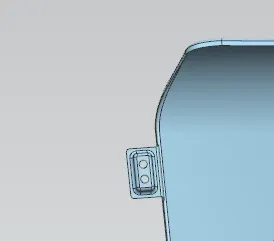
Aim: From the given skin of the fender we have to make changes in design and recreate the design with mountings.
Given fender skin
1.0 Introduction
A fender is a covering or protective plate that is normally found above an automobile's wheel well. It protects the vehicle's body, especially the doors and side panels, from flying objects, water, and other road dangers. It is sometimes referred to as a wing in some parts of the world. The purpose of fenders is to divert objects like rocks, gravel, dirt, and water away from the car to shield it from harm and preserve its aesthetic. Fenders also improve the aerodynamic performance of the car by reducing airflow around the wheels. They might also add design components to improve the vehicle's brand identification and aesthetic appeal. Commonly constructed from sturdy materials like steel, aluminium, or composite polymers, fenders are attached to the vehicle's body using various techniques. Overall, fenders add to the overall appearance and functioning of the car and are essential for safeguarding the occupants.
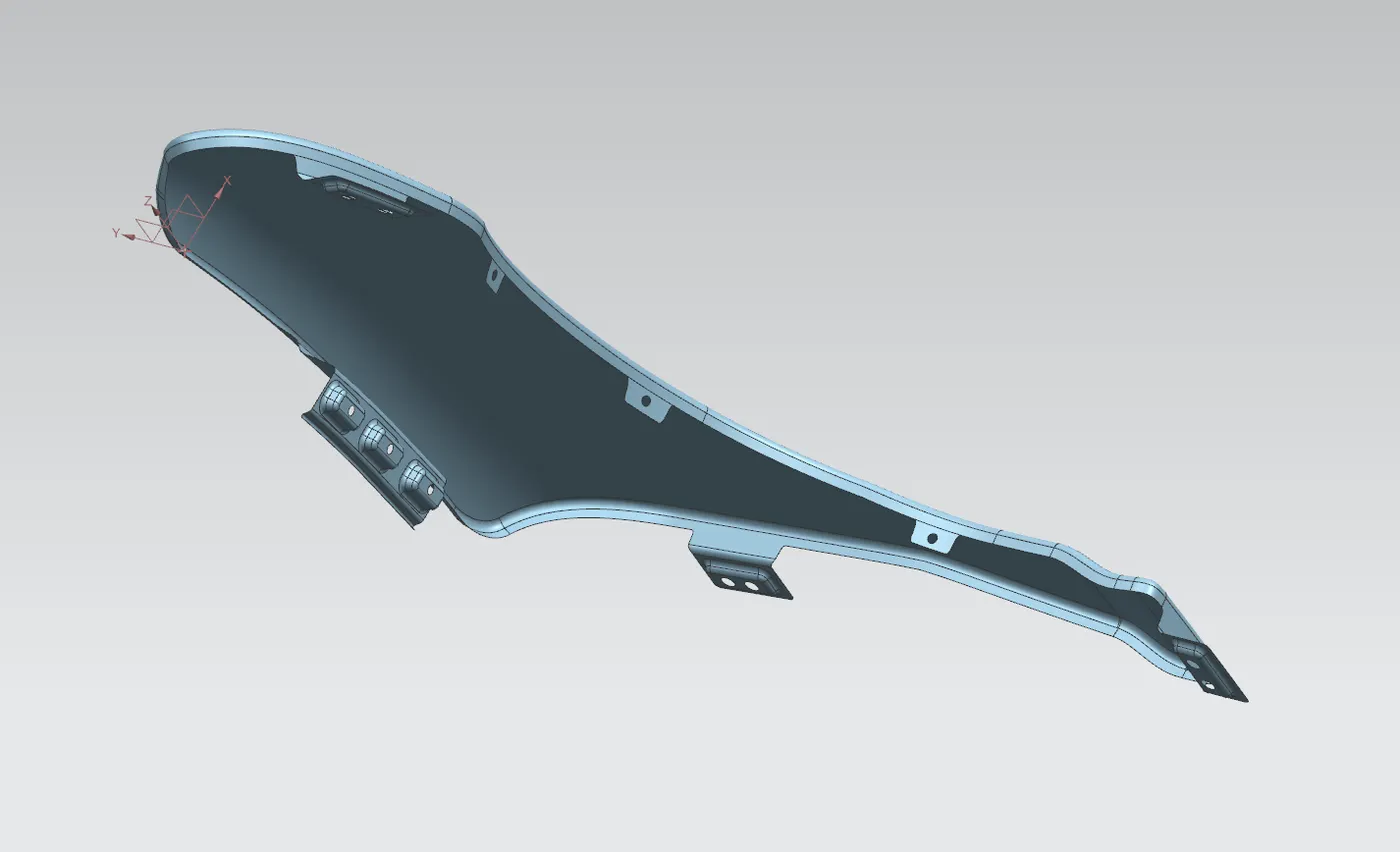
There are two types of fenders in a car body: the front and the back. For the front fender that we are designing, there are two types: a full bumper type and a half bumper type. We will also add additional attachments to the fender that are already there, such as bumper mounting, A-pillar mounting, drip area mounting, sill mounting, and baffle area.

2.0 Types of fenders for front fender
2.1 Full bumper type

2.2 Half bumper type

3.0 There are five attachment locations on the Fender
1. Bumper mounting
2. A-pillar mounting
3. Drip area mounting
4. Sill mounting
5. Baffle area mounting
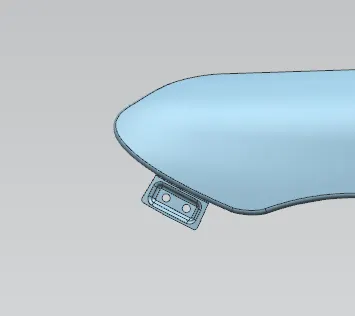
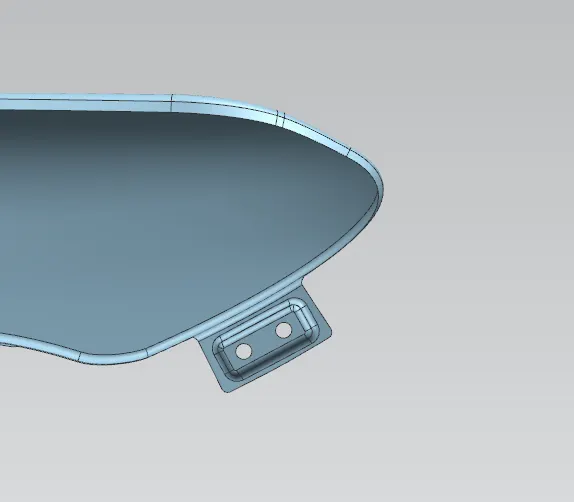
3.1 Bumper mounting
The area on a car where the bumper is fixed to the fender is called the fender bumper mounting area. This region is essential for guaranteeing that the bumper is correctly aligned and attached to the fender, as well as for giving the bumper assembly structural strength and stability. For a vehicle's bumper assembly to be functional, safe, and aesthetically pleasing, the fender bumper mounting area is essential.
3.2 A-Pillar mounting
The portion of a car's body where the fender is attached to the A-pillar is known as the fender A-pillar mounting area. A structural element of the car's body frame, the A-pillar is usually found at the front corners of the passenger cabin, close to the windshield.
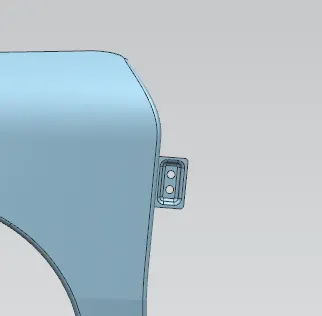
Most cars have the fender fastened or welded to the A-pillar at precise mounting locations intended to offer stability and structural support. This attachment is essential for preserving the fender's alignment and integrity and the vehicle's overall structural strength.
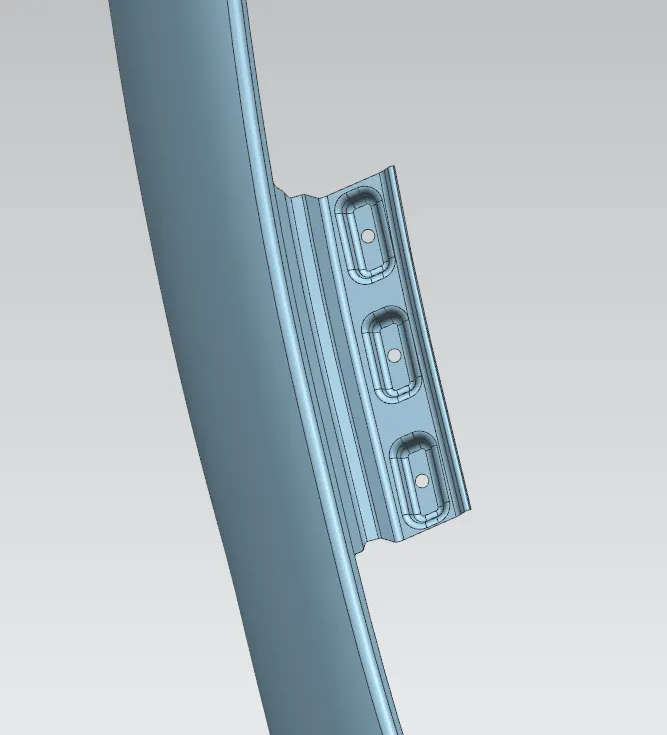
3.3 Drip area mounting
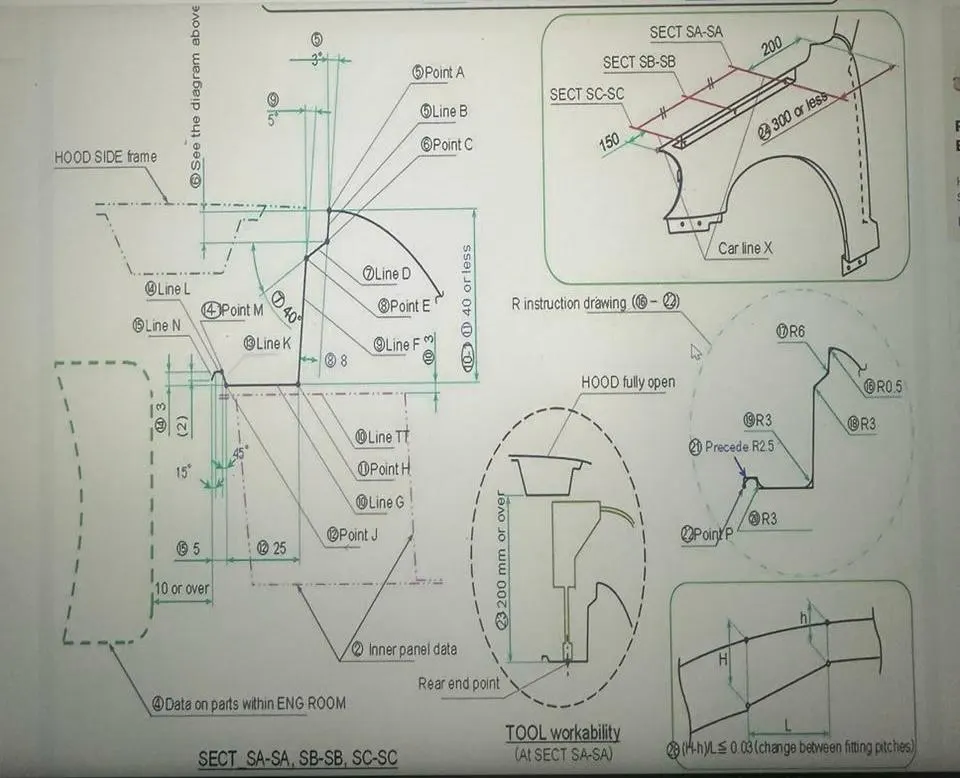
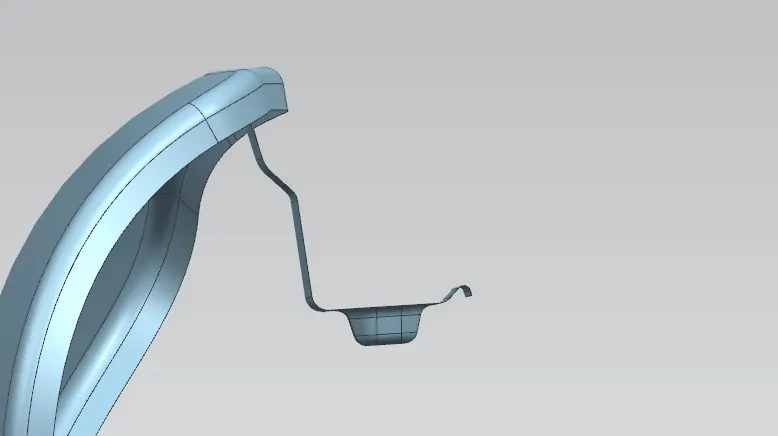
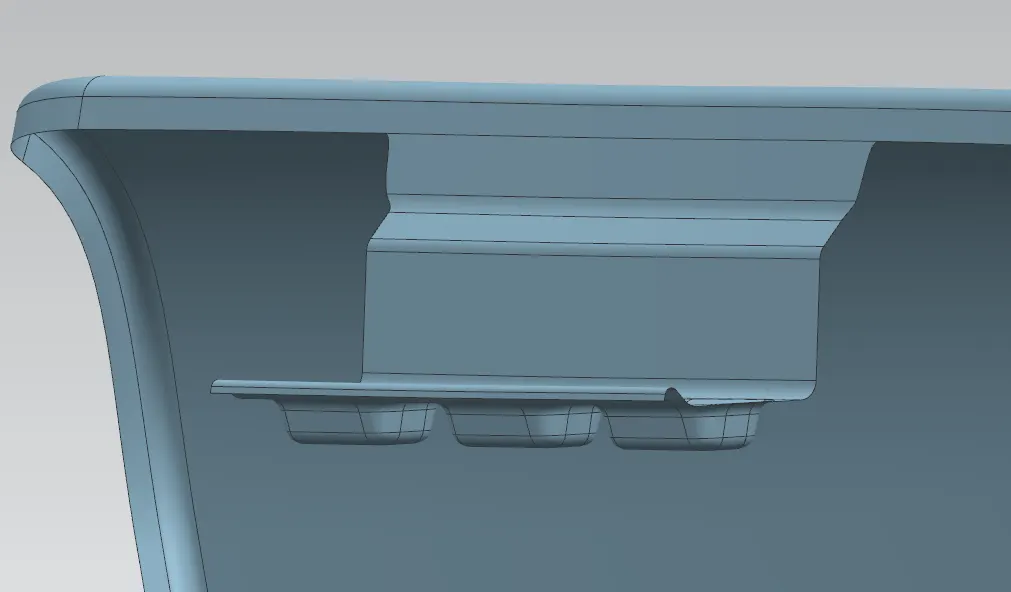
It is the Fender's crucial mounting unit. Many design guidelines must be followed to when creating the drip region because it is connected to the engine compartment.
We must first leave 200–300 mm for the cowl top while designing the drip region.
When constructing the drip area, we have to leave at least 150 mm at the front for the headlamp to be placed. The instruments and wiper motor are located in the cowl top section.
Drip area master section
3.4 Sill mounting
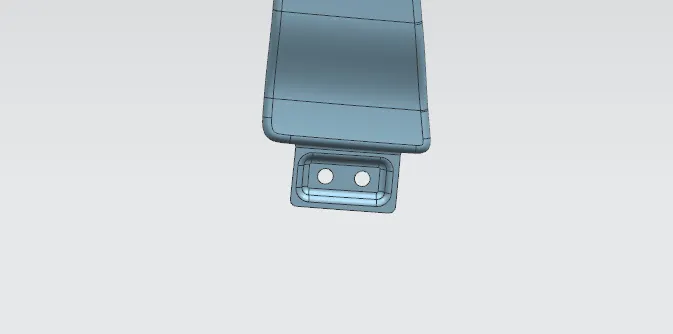
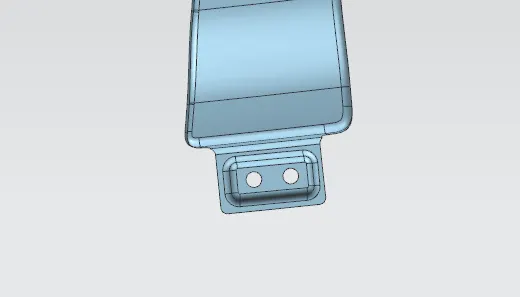
The points of attachment where the rocker panel or sill is fastened to the car's body are referred to as the sill mounting. The horizontal body panel that runs down the lower border of the vehicle's body beneath the doors is called the sill or rocker panel. The horizontal portion of the bodywork that runs along the bottom edge of the doors in an automobile is referred to as the sill area; it is also called the rocker panels. Sills are crucial to a vehicle's design and operation in several ways.
3.5 Baffle mounting area
In a car body, baffle mounting usually refers to the attachment locations where panels, baffles, or other parts are attached within the body structure of the vehicle. Panels or barriers called baffles are used in the engine compartment or inside of vehicles to regulate the passage of sound, fluids, or air. An essential component of car body design and construction, baffle installation enhances performance, comfort, and usefulness. To provide ideal airflow, fluid management, sound control, and structural integrity, baffles must be installed and integrated into the vehicle’s body structure properly.
Conclusion
An automobile's fenders are essential parts because they protect the wheels and improve the vehicle's structural integrity. Their unique designs and styles enhance the vehicle's visual appeal. Functionality and correct alignment are guaranteed by secure attachment points. Additionally, fenders work in tandem with headlights and bumpers. For performance and safety, upkeep and repairs are crucial. In terms of car design, fenders have both functional and decorative uses.