Hood design-Week 2
HOOD_DESIGN_WORKBENCH
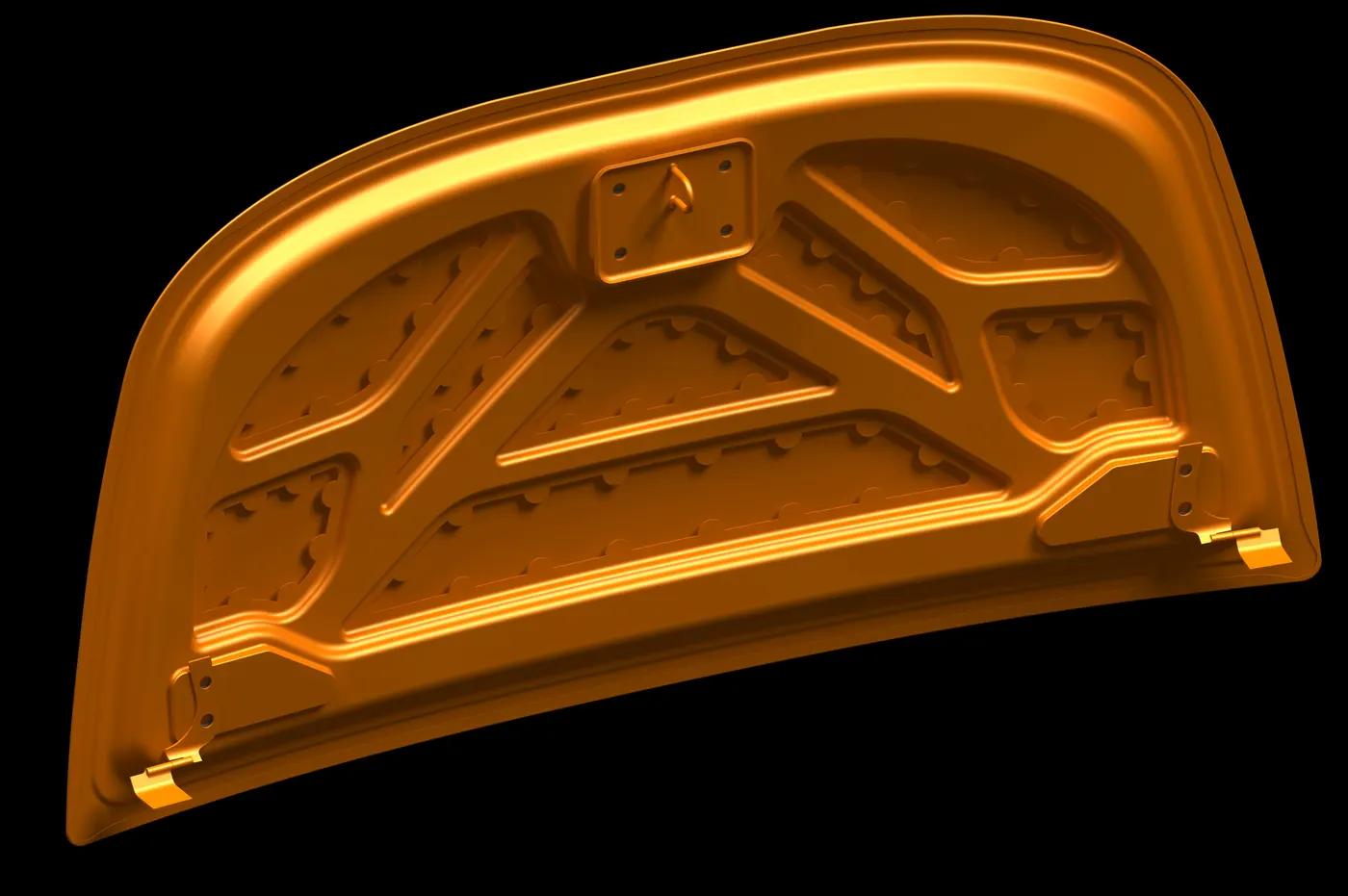
Objectives: The objective of the project is to learn the essential things of surface modelling of HOOD DESIGN using the Class-A Surface. In this project the main thing is to develop a design idea for Hood/Bonnet which is in BIW. As we know that Body-in-White refer to the stage in automobile manufacturing in which a car body’s sheet metal components have been welded together. The focal point is to satisfy the manufacturing and functional requirements, and EURO-NCAP Standards. Here we are going to understand or to study the Hood components like- Hood Outer Panel, Hood Inner Panel, Hinges and Striker.
HOOD:-
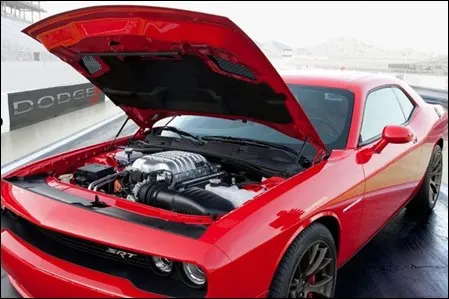
HOOD is the engine cover which is hinged to the car body. Its purpose is to access the engine compartment for the maintenance and repair. Hood is design in two parts, first is the outer panel which provides the aesthetic look to the vehicles and the other one is inner panel which provides strength.
The design considerations to be followed while designing the HOOD:-
· Pedestrians Safety
· Passenger Safety
· Occupant Safety
· Manufacturing Feasibility
· NCAP Test
· NVH (Noise, Vibration, Harshness)
PEDESTRIANS SAFETY:-
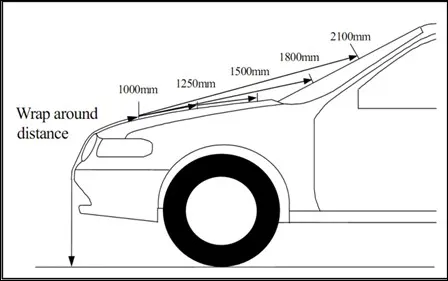
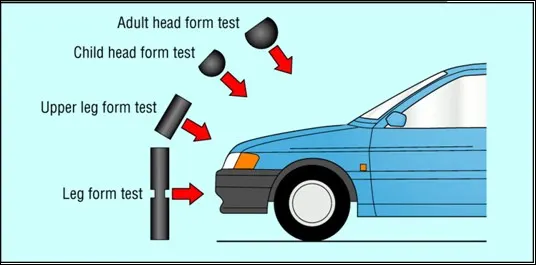
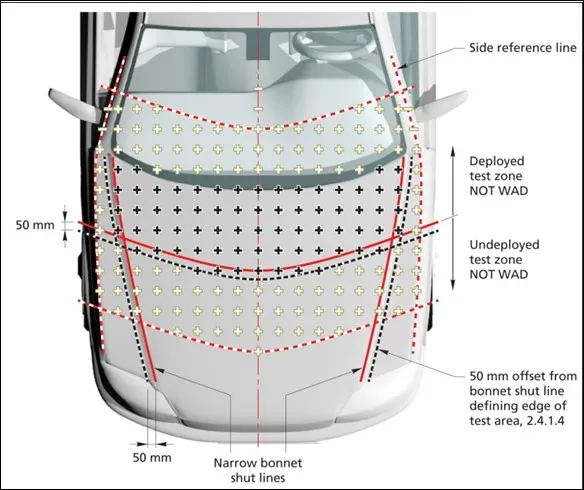
It is crucial to consider the safety of pedestrians while designing the hood as when a car hits the pedestrian in an accident. This is to understand that it is very important to study the area of the hood where the very sensitive part of the pedestrian is going to hit on the hood. There are some considerations to the idea of designing of hood where one of the important criteria is that the average height of the adult and the children’s should also have to take into consideration. As concentrating on the pedestrian’s safety, all the safety parameters should be checked through the crash analysis and studying those data’s for making changes accordingly to achieve the pedestrian’s safety.
PASSENGER SAFETY:-
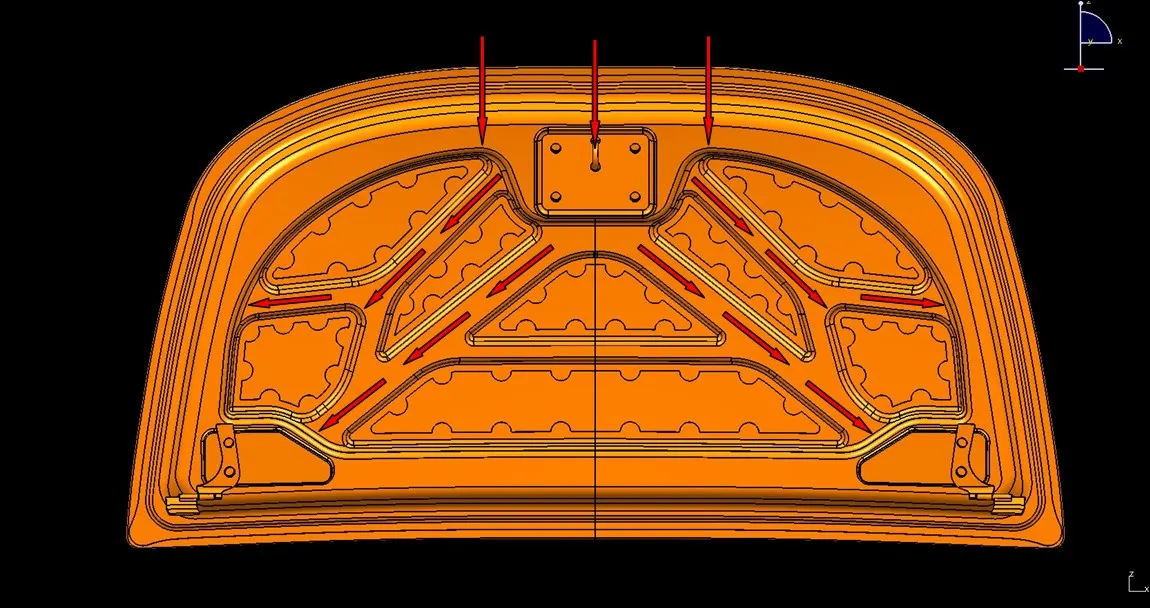
Whenever a car accident occurs and has a collision from the front, the parts which get affected first is the frontal parts like- bumper, hood, etc. So the hood must be designed in such a way that it should absorb the impact energy as much as possible and transfer the impact force towards the side panels of the car. The way of transferring amount of impact force which deals less effect on passenger cabin where the passenger will experience less impact force effect, so this will ensures the passengers safety.
A good designer should always consider the safety parameters as a top priority, in the case of hood design, one should design the hood in such a manner that if the vehicle gets a frontal crash then all the forces must be distributed towards the hinge of the hood, as it is important to reduce the impact of the crash by diverting the force towards the hinges and thus safeguard the passengers in the vehicle.
OCCUPANT SAFETY:-
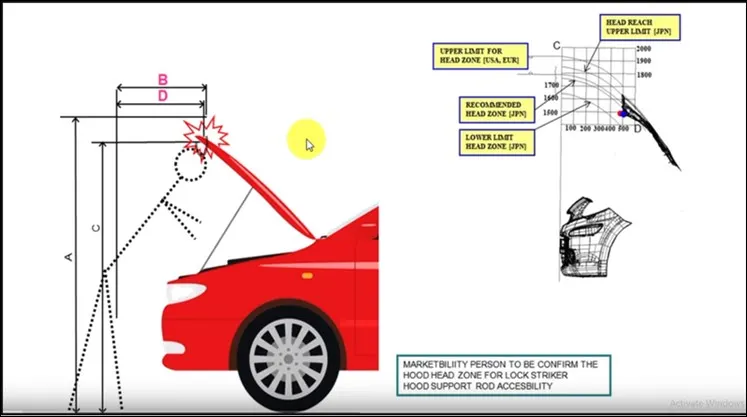
When designing the hood all the constraints and parameters should be taken into consideration and it is because when the hood is opened to access to the engine compartment to perform any kind of operations, the minimum height of the hood should be arranged that there will be no collision to the head of the occupant who is operating it. The height of hood in open condition should be more than the average height of humans in that region thereby no human gets hurt.
COMPONENTS OF HOOD:-
1. Outer Panel
2. Inner Panel
3. Hinge
4. Striker
OUTER PANEL:-
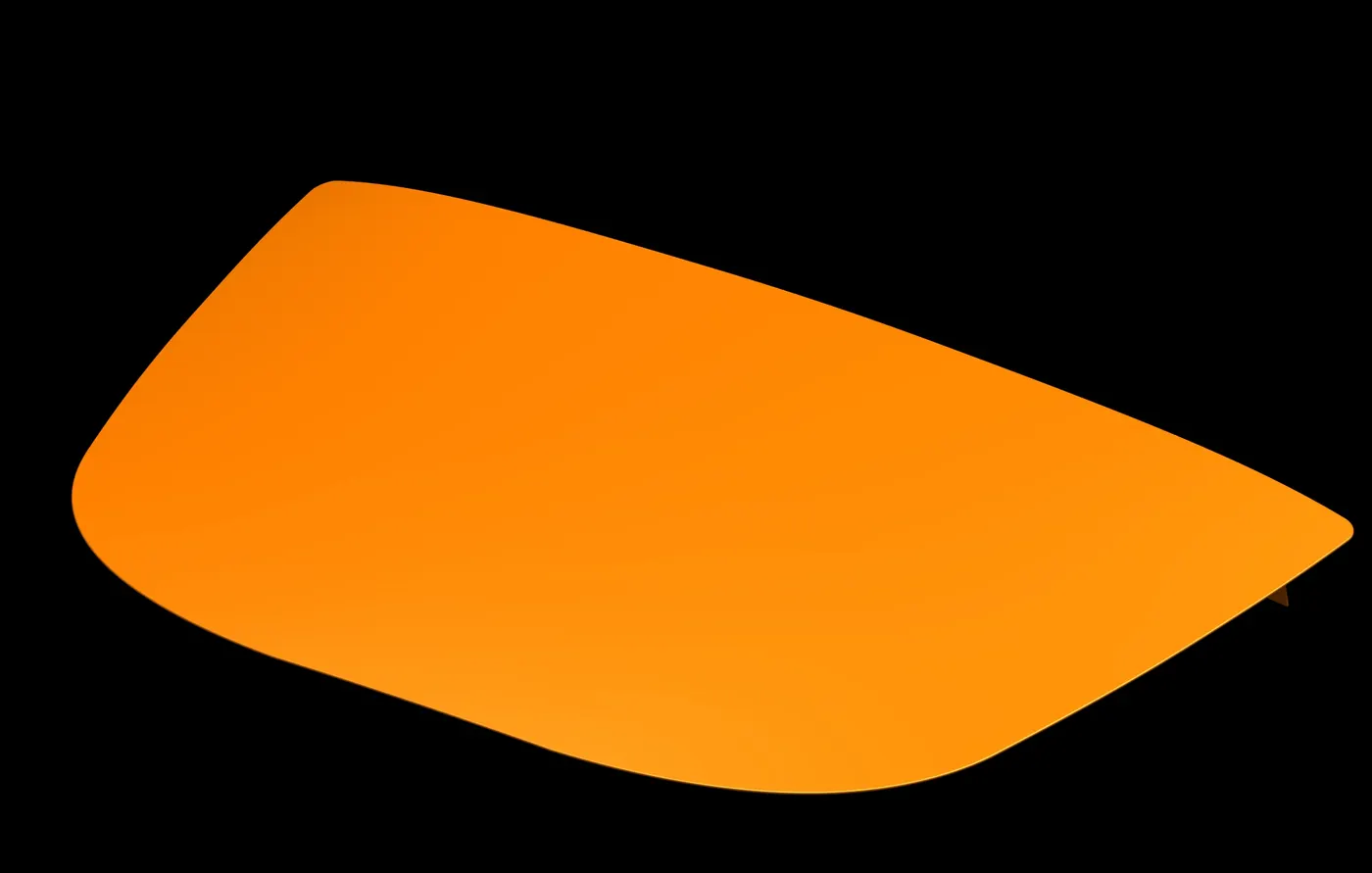
Outer Panel of the hood is a covering or casing for all the other parts of hood which are enclosed inside this it. The outer surface of this part is provided with a good surface finish, painted with corrosion-resistant paint to prevent the inner parts from corrosion and also to give an aesthetic look to the car from the outside. Outer Panel is provided with different styling and shapes to enhance the look & performance of the vehicle to reduce the forces exerted by air when the vehicle is in motion.
INNER PANEL:-
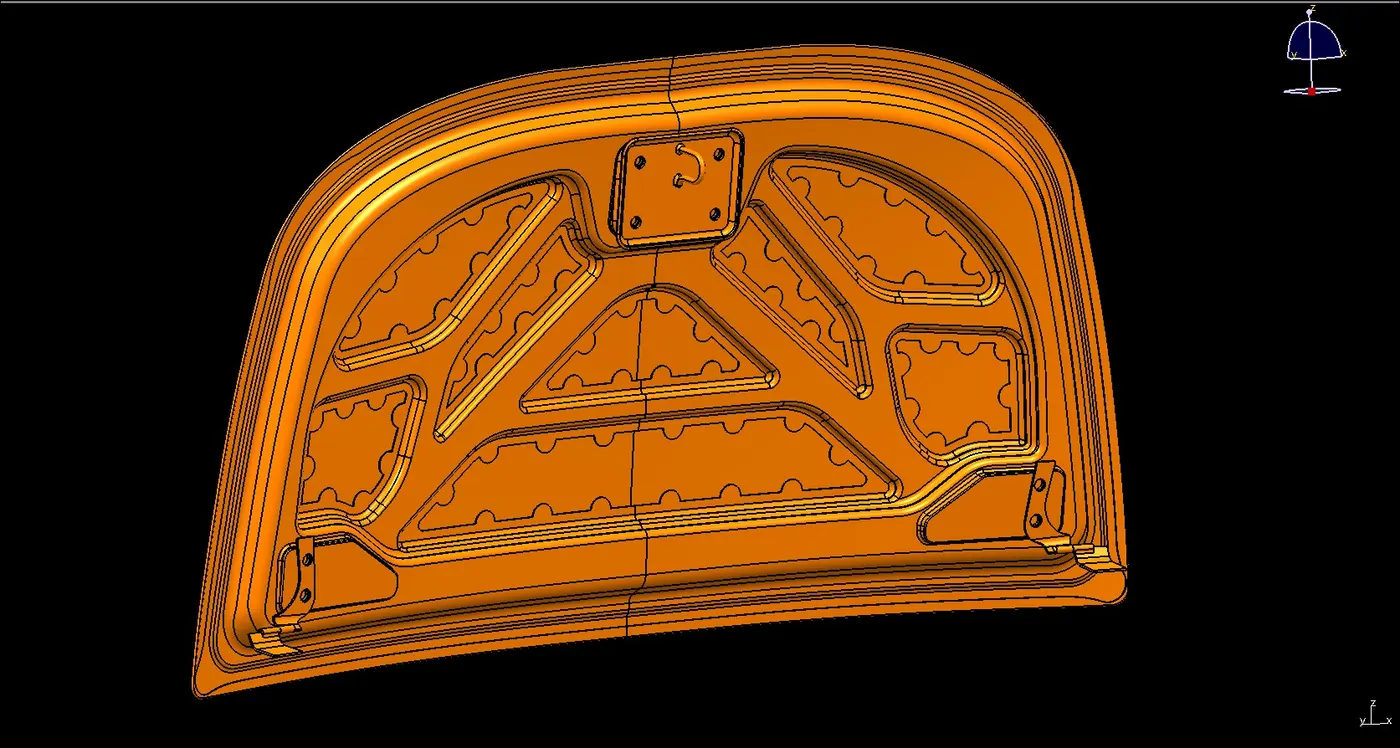
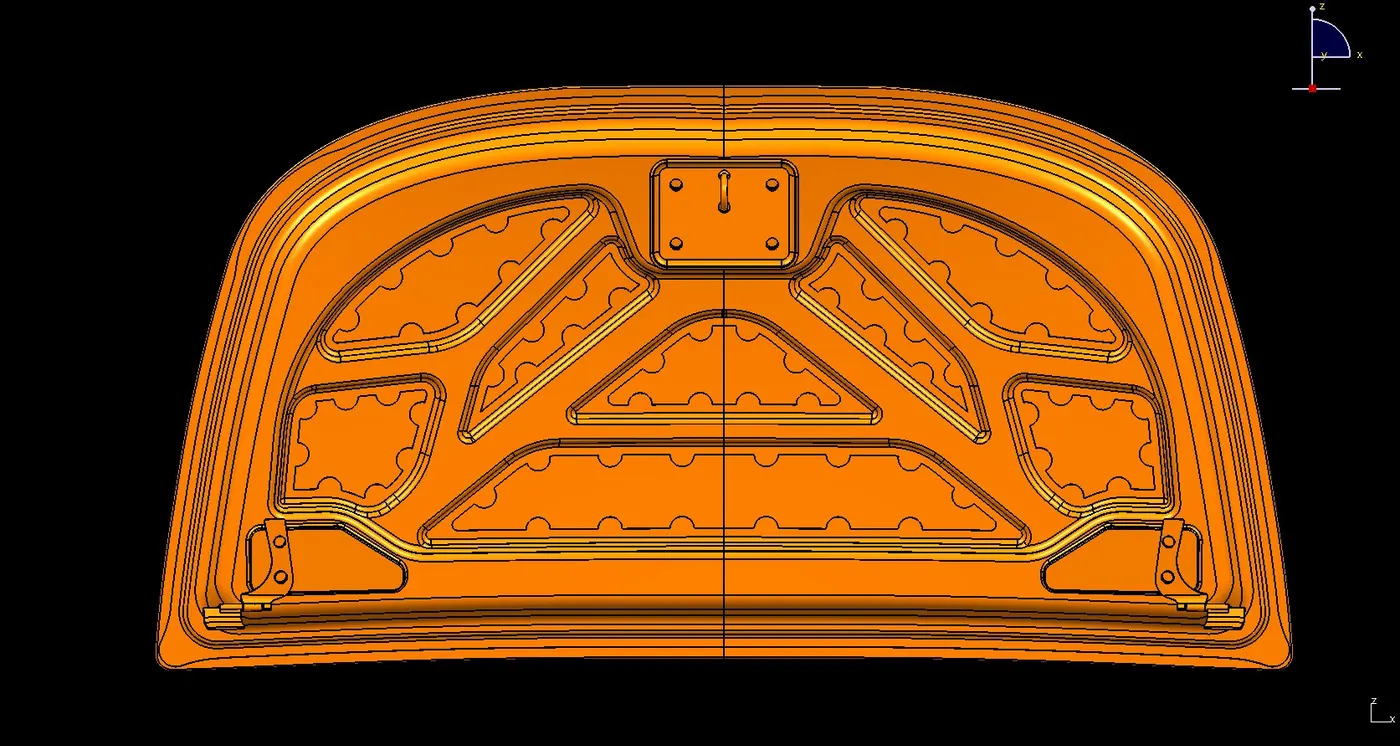
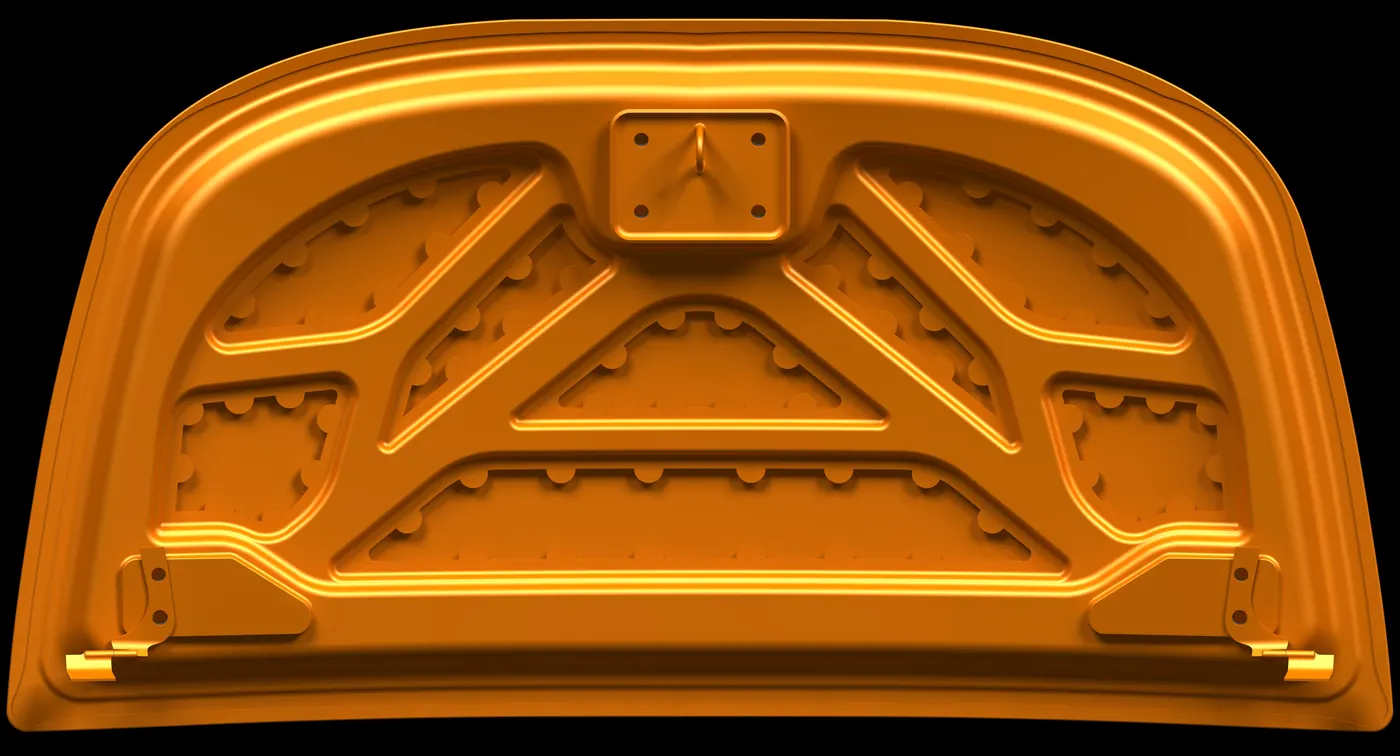
Inner Panel is enclosed in the outer panel it forms an integral part of the hood and provides rigidity to the hood, it is the part on which hinges, and striker are to be mounted. It also consists of embossed sections for proper force distribution, against the impact exerted on the hood to improve the impact energy absorption capacity.
HINGE:-
It is part of our hood, by use of this part we are able to open and closed our hood whenever required with ease. This part should be strong enough to take the load of the hood. So, this part should be designed with utmost care that it should not fail during its operation.
STRIKER:-
This part is used for providing locking to the hood it consists of a latch-type mechanism and it is located on the inner panel of the hood to decide the position of our striker, the trajectory method is used with the help of this method we can easily locate our striker. This part holds our hood in closed condition unless it is being open by pulling the latch lever to open our hood. Latch is actuated to release the coupling and two different parts get separated. It has different designs and has various methods of actuation, holding style and mounting. When the hood is closed, the latch slide over a catcher and spring covers the latch to keep it snug. When we pull the knob inside the car to open the latch allowing it to bypass the catcher and open the hood.
HOOD INPUT DATA:-
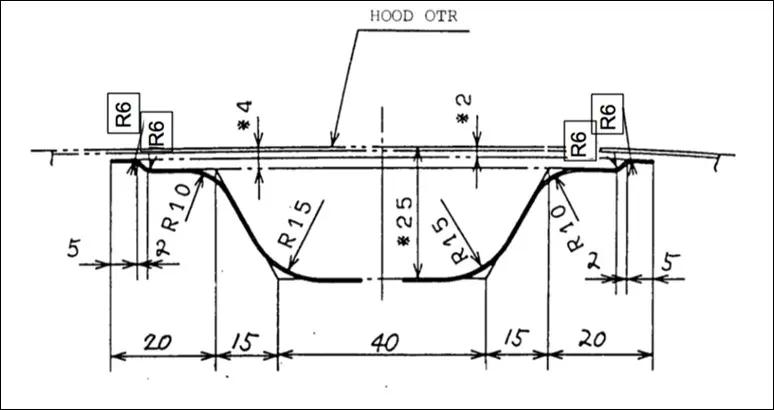
- Thickness of outer panel: 0.75mm
- Thickness of inner panel: 0.75mm
- Reinforcement thickness: 1.5mm
MASTER SECTION:-
MANUFACTURING ASPECTS FOR PRODUCTION OF HOOD PANELS
The most important focusing point in the design consideration of any component is manufacturing aspects. As we know that the sheet metal components is manufactured by press tools and dies. The main focal point of manufacturing aspect is to manufacture hood assembly with flawless as much as possible, minimum operation sequence and process time. The press tool operation which includes cutting operations like shearing, piercing etc and forming operations like bending, deep drawing, hemming etc.
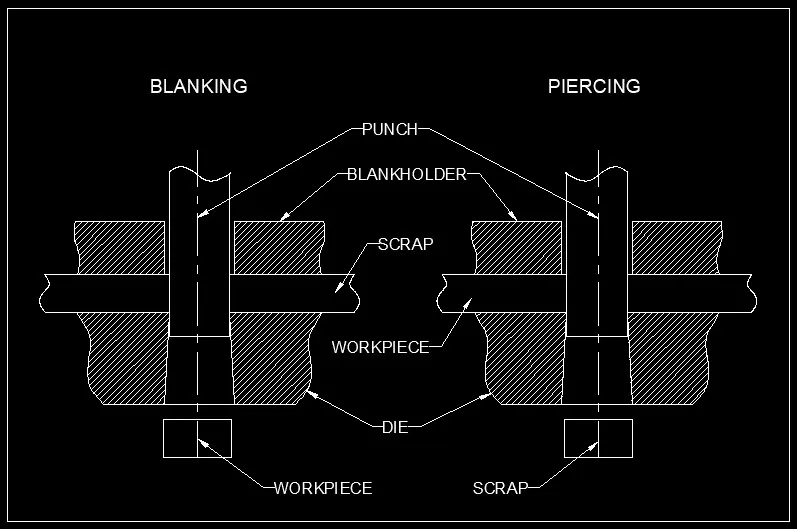
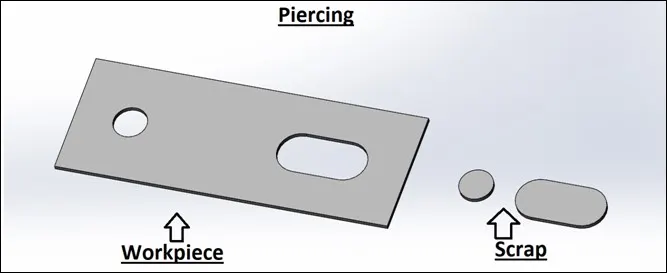
PIERCING:-
Piercing is a similar process to blanking wherein cylindrical pieces are punched out from a metal sheet. It uses the same machinery, except that the metal punched out is considered scrap in piercing. Piercing is a type of sheet metal punching operation that is used to create an extruded hole or slot in a sheet metal work piece. In other words, the piercing operation is a combination of cutting and forming operation.
DEEP DRAWING:-
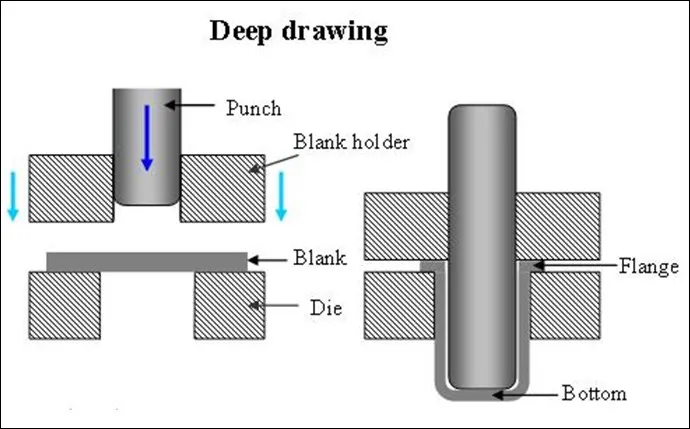
Deep drawing is a sheet forming process in which a sheet metal blank is radially drawn into a forming die by the mechanical action of a punch. It is thus a shape transformation process with material retention. The process is considered "deep" drawing when the depth of the drawn part exceeds its diameter. This is achieved by redrawing the part through a series of dies. The flange region (sheet metal in the die shoulder area) experiences radial drawing stress and tangential compressive stress due to the material retention property. These compressive stresses result in flange wrinkles (wrinkles of the first order). Wrinkles can be prevented by using a blank holder, the function of which is to facilitate controlled material flow into the die radius.
HEMMING:-
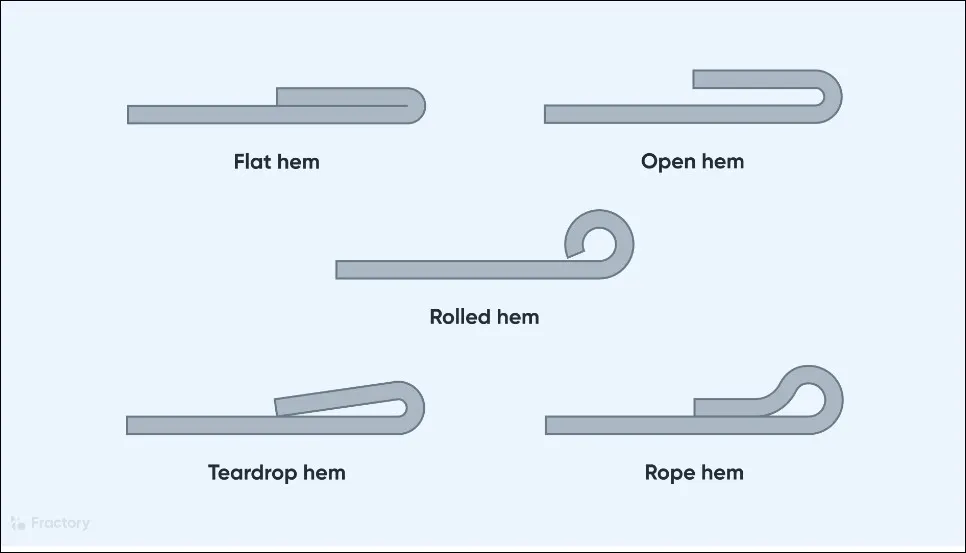
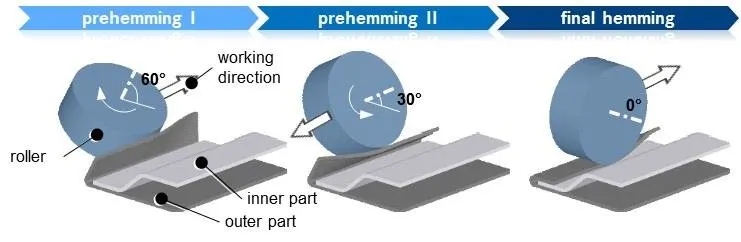
Hemming is a forming operation in which the edges of the sheet are folded over another part in order to achieve a tight fit. Normally hemming operations are used in joining two different parts together in a single unit, to improve the appearance of a part and to reinforce part edges. As it is understood that hemming is a sheet metal operation which is widely used in automotive sectors because the bolting or welding joining process cannot be done on the styling parts as it may affect the vehicles aestheticism.
The accuracy of the hemming operation is very important since it affects the appearance of the surface and surface quality. Material deformations, which occur during the hemming process, can lead to dimensional variations and other defects in parts. Typical hemming defects are splits or wrinkles in the flange, material overlaps in the corner areas or material roll-in. This is why it is important to use simulation tools in order to, on the one hand, better understand the hemming process and, on the other hand, significantly reduce the number of “trial and error” loops during tryout and production.
EMBOSSING:-
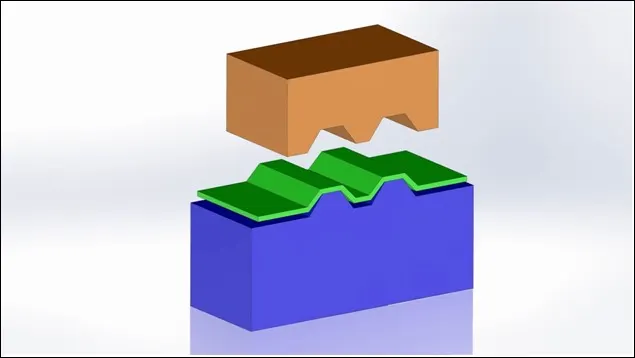
Embossing is the process of creating raised or sunken images, design, or text on a material, such as paper, leather, or sheet metals. Embossing can be found on cards and stamps, leather notebooks, stamps, etc. The metal sheet embossing operation is commonly accomplished with a combination of heat and pressure on the sheet metal, depending on what type of embossing is required. Theoretically, with any of these procedures, the metal thickness is changed in its composition.
MASTIC DATA:-
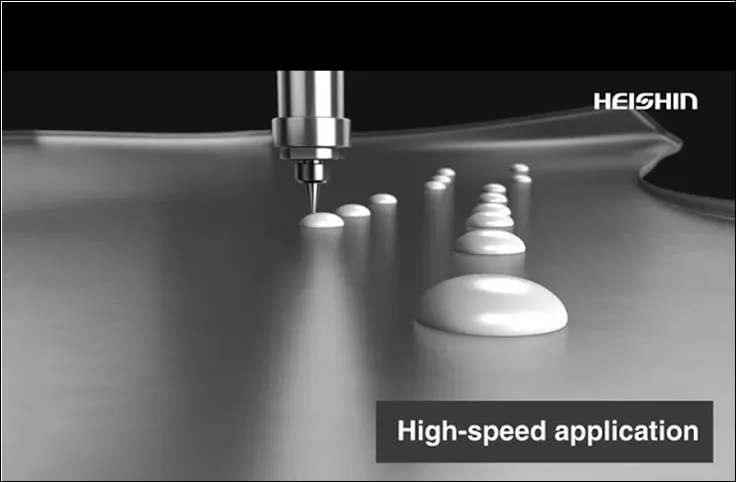
Mastic points are the areas where outer panel and inner panel of hood get joined together by using a mastic paste or glue. The purpose of the outer panel is to provide aesthetic look to the vehicle, thus it is not possible to do bolting or welding on it. Mastic sealants are elastic compounds which behave like a rubber, it is placed between the outer panel and inner panel which initially are just like a paste but after having a hot furnaces bath it gets hardened thus joined both the panels.
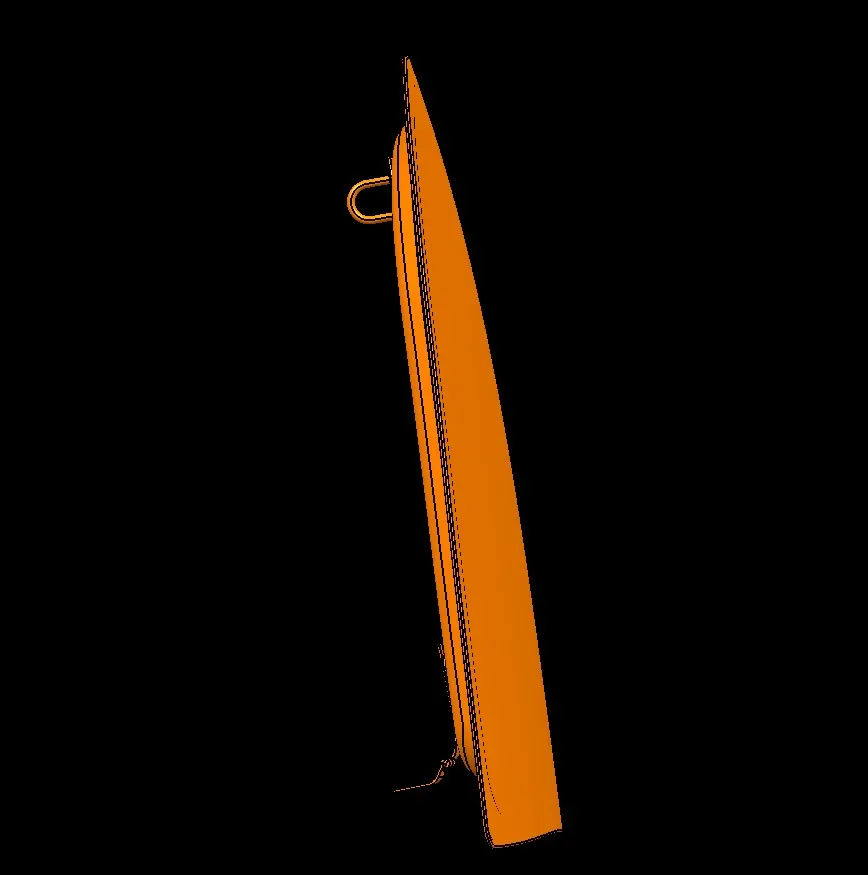
IMAGES OF THE ALL SIDE VIEWS
Conclusion: Hence, we have completed our hood assembly by modeling the components of hood, like- Hood Outer Panel, Hood Inner Panel, Striker and Hinge Reinforcements and then assembling all the components. All the components are designed by following all the standard dimensions as given in input data, also learnt about hemming process and manufacturing process of hood components.