Hood design-Week 2
HOOD DESIGN
Hood is a crucial component of an automobile that plays a multifaceted role in both functionality and aesthetics. Positioned at the front of the vehicle, the hood serves as a protective cover for the engine compartment, shielding the intricate and essential components housed within from external elements such as debris, water, and extreme weather conditions.
Hood thickness:-
Outer Panel Thickness = 0.75mm
· Inner Panel Thickness = 0.75mm
· Reinforcement Thickness = 1.5mm
Key features and functions of the vehicle hood include
- Engine Protection
- Aerodynamics
- Access to Engine Components
- Structural Integrity
- Aesthetic appeal
- Materials
- Safety Features
HOOD ASSEMBLY
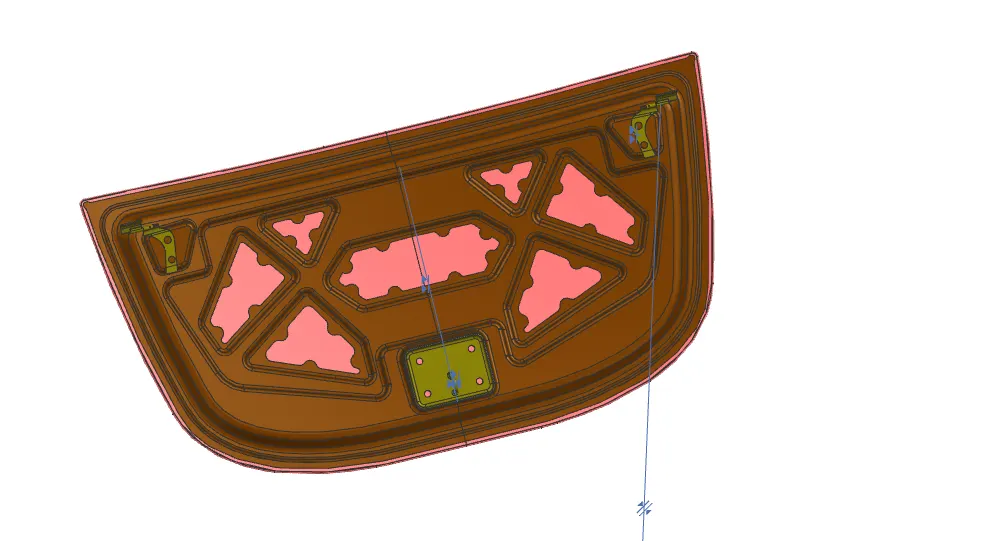
Common components in hood are :
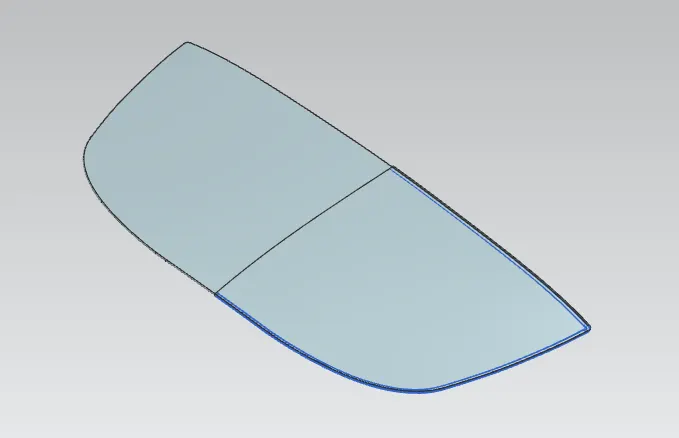
Outer Panel: The outer panel is the visible and often stylized part of the hood that faces outward. It contributes to the vehicle's aesthetic design and may include features such as contours, creases, and the manufacturer's emblem.
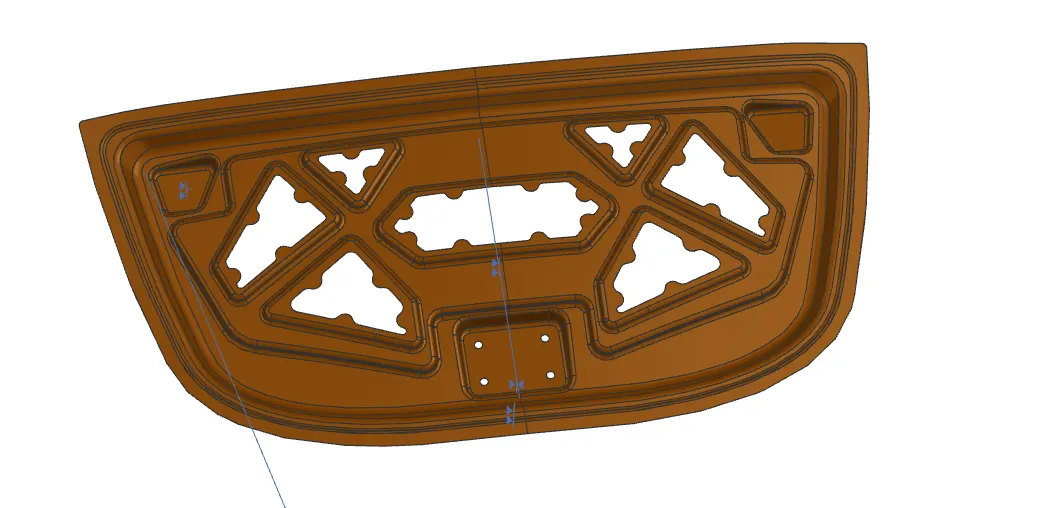
Inner Panel: The inner panel is the structural component beneath the outer panel. It provides support and rigidity to the hood. In some designs, the inner panel may include reinforcement structures for added strength.
Hinges: Hinges are mechanisms that allow the hood to pivot upwards, providing access to the engine compartment. They are usually located at the sides of the hood and are crucial for the smooth operation of opening and closing the hood
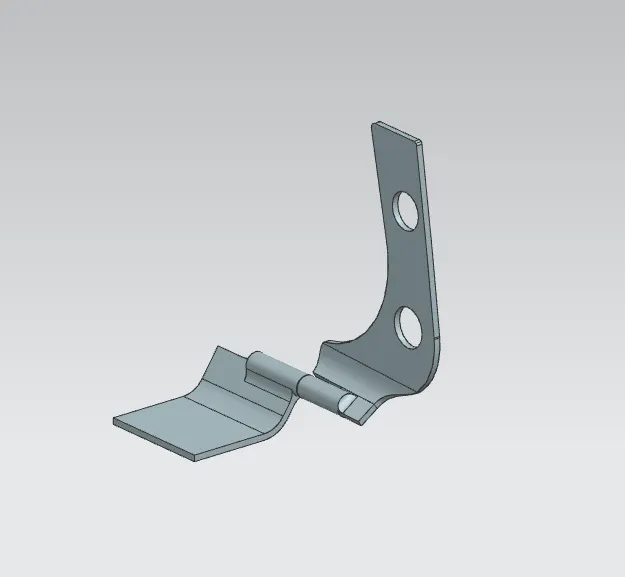
Latches and Locks: Latches and locks secure the hood in the closed position, preventing it from accidentally opening while the vehicle is in motion. Some hoods also have a secondary safety latch to prevent unintentional opening.
Sound Insulation: Some hoods feature sound insulation materials, such as foam or other absorbent materials, to reduce the noise generated by the engine and other components in the engine compartment.
Pedestrian Protection Systems: In some modern vehicles, especially in regions with pedestrian safety regulations, hoods may include special designs or materials aimed at reducing injury in the event of a pedestrian impact.
LATCH TRAJECTORY
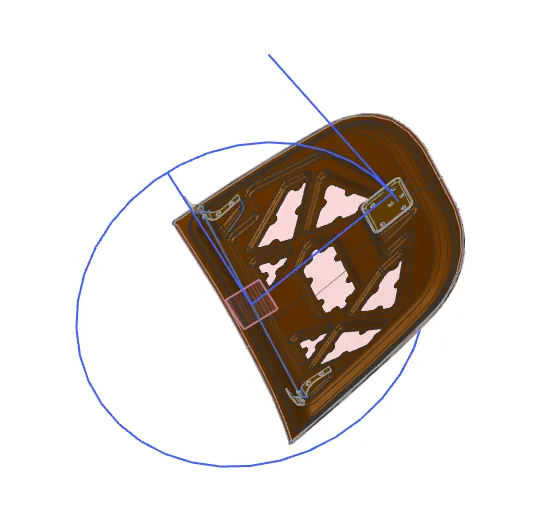
The latch trajectory in a vehicle hood refers to the path or motion that the hood latch follows when opening or closing the hood. Understanding the latch trajectory is essential for ensuring proper hood operation, secure latching, and user safety. Here's a general overview of the latch trajectory in a hood. It is crucial for the latch trajectory to be well designed to ensure that the hood opens and closes smoothly, securley and without any unexpected movements. Proper alignment of the hood and latch component is necessary to prevent issues such as misalignment,rattling,or difficulty in latching. Regular maintenence and inspection of the hood latch system are important for vehicle safety and functonality.
MASTIC DATA
Mastic sealant, or simply mastic, is a type of adhesive and sealant commonly used in various industries, including automotive manufacturing. In the context of a vehicle hood, mastic sealant may be applied for several purposes. The specific application of mastic sealent in a vehicle hood can vary depending on the design, material, and manufacturing process used different automotive manufacturers. It is often applied during the assembly of the vehicle as part of a comprehensive strategy to enhance perfomance,durability and comfort.
EMBOSSESS
Embosses are the projections made on sheet metal using deep drawing techniques. the operation is carried out the mostly for the purpose of stiffening flat surface and design in the inner panel. the major function of embossing is to dissipate the force acting on the hood during the collision of the car toward the hinges as early as possible. this helps to reduce the impact of the force on the passenger sitting inside.
DEEP DRAWING
Deep drawing is a manufacturing process that involves the forming of sheet metal into a three-dimensional shape through a series of forming and drawing operations. In the context of hood design for vehicles, deep drawing can be a crucial process for creating the outer panel of the hood, which is the visible and often stylized part of the hood facing outward.
HEMMING PROCESS
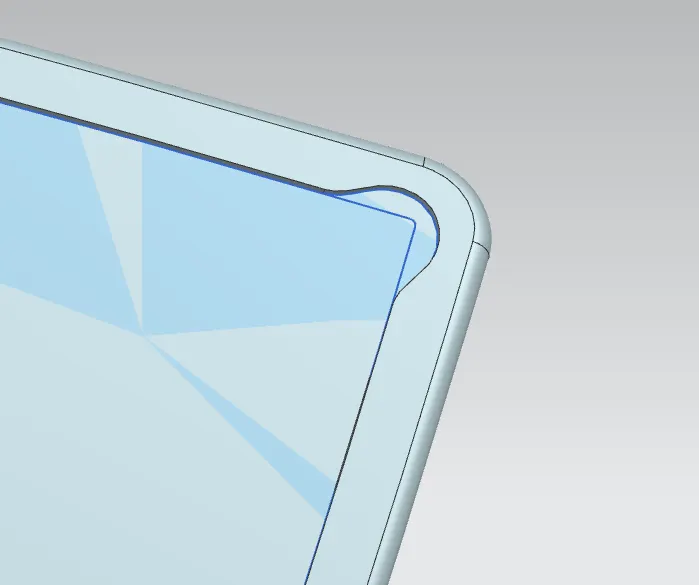
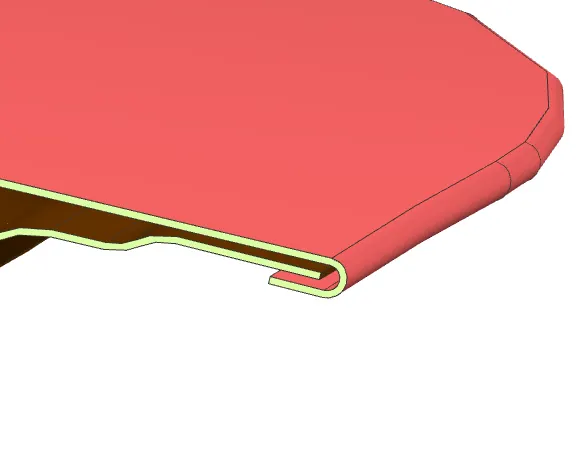
The hemming process in the context of hood manufacturing involves folding or bending the edge of a sheet metal component to create a reinforced edge. In automotive hood design, hemming is often used to join two or more panels together, providing a finished and secure edge. This process is particularly important for creating the outer panels of hoods and improving the structural integrity of the hood assembly. Hemming is a crtical step in hood manufacturing and it not only contributes to the structural integrity of the hood but also helps prevent sharp edges,enhancing safetyduring handling and maintenance.
HEMMING CORNER RELIEF