Hood design-Week 2
A detailed report about the hood design which includes a detailed explanation about Hood and its components, Latch Trajectory, Mastic Data, Emboss Definitions, Manufacturing process like Deep Drawing and Hemming, and all the Parameters followed in the design
CAR HOOD
A car hood and a car bonnet both mean the same which is a term used for the hinged opening to a car’s engine compartment. The only difference is that hood is the term commonly used in American English while bonnet is the term commonly used in British English.
It gives access to the engine compartment which enable the repair and maintenance of many parts namely car engine, radiator etc. Therefore, bonnet must be designed in suitable manner and it should minimize the hindrances from the disturbance caused by the external environment on the hood and its components below it. The bonnets of the most vehicles are basically fabricated using the sheet metal structure, a good energy absorbing structure.
Why car hood is so important?
First of all, should think why, hood in car is so important. While drive a car without hood is illegal.

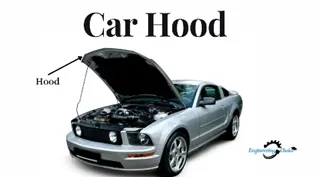
It’s not against the law to go without a hood. But Still, you must have your engine fitted and regulated to hinder the escape of excessive smoke, gasses, or fumes. provide access to the engine for repair and maintenance. reduces engine noise, providing you with a quieter drive. It can also help keep the paint under hood last longer. it can give motorists more time to get out of the car before the fire blazes out of the hood.
COMPONENT IN CAR BONNET
The following components consist of car bonnet
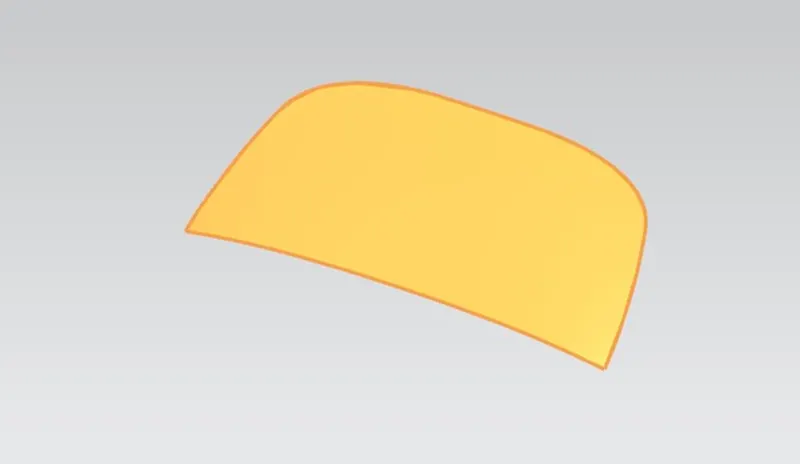
- Hood outer panel
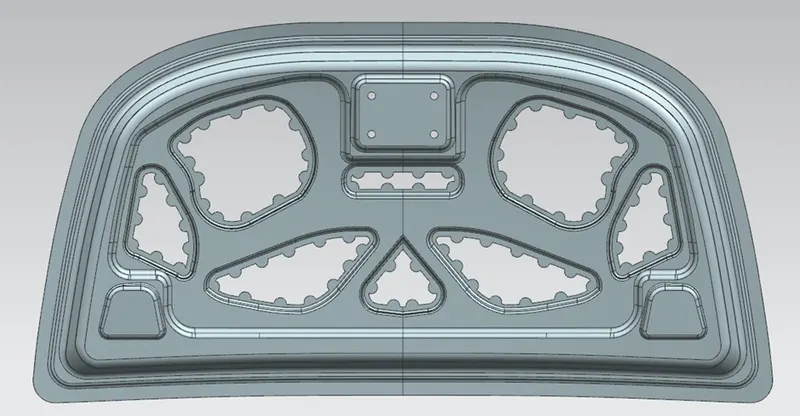
- Hood inner panel
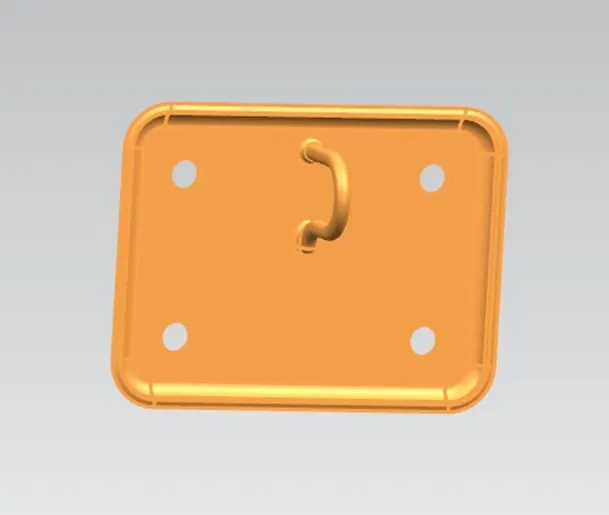
- Latch and Striker
- Hinge Assembly
HOOD OUTER PANEL
HOOD INNER PANEL
LATCH AND STRIKER
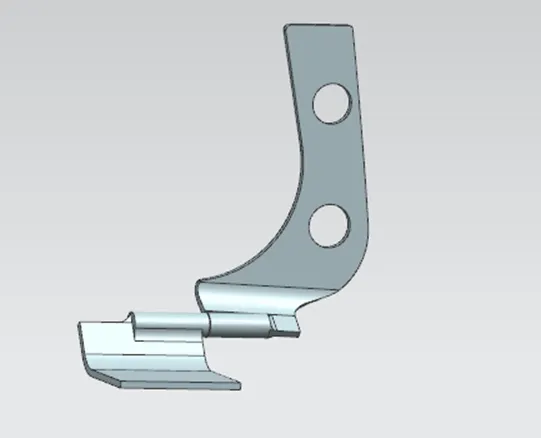
HINGE ASSEMBLY
SPECIAL PROCESS INVOLVED WHILE MANUFACTURING A CAR HOOD
- DEEP DRAWING
- EMBOSSING
- HEMMING
- REINFORCEMENT
- MASTIC DATA
- LATCH TRAJECTORY
DEEP DRAWING
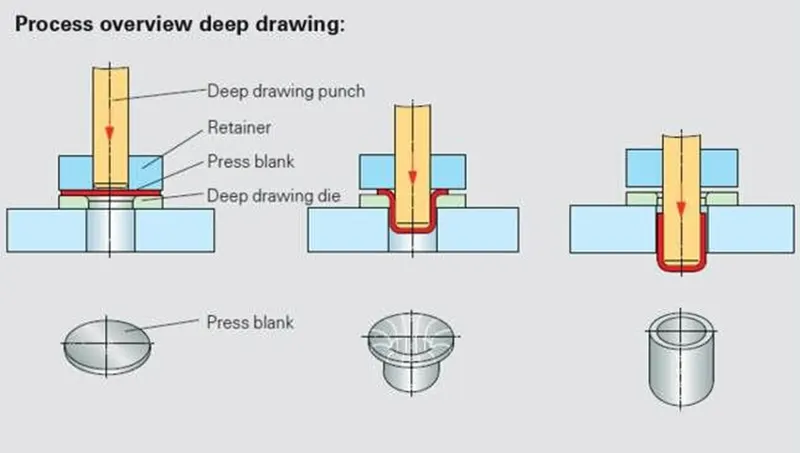
Deep drawing process manufactures cup- or boxlike products by pushing a flat sheet through a die with the help of a punch while holding the sheet in a blank holder
The blank holder force (BHF) and clearance between punch and die should be carefully decided. Excessive BHF causes tearing, and too less BHF causes wrinkling. Clearance is usually 7%–15% of sheet thickness. Too less clearance causes ironing
Ironing is another sheet metal forming process done to achieve uniform wall thickness of a workpiece. The most common application for ironing is in forming material for aluminium cans.
EMBOSSING
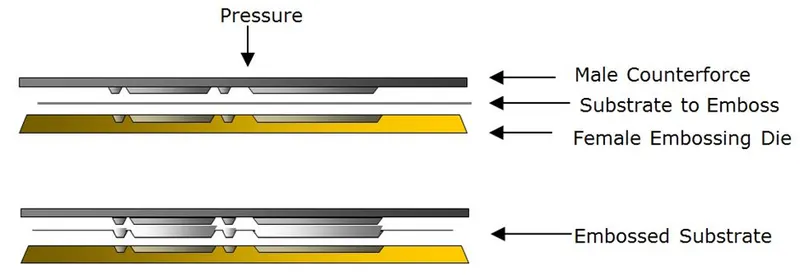
Embossing is a process that applies pressure to the backside of a material to alter the surface, giving it a three dimensional or raised effect. The procedure involves the use of two dies, one fitting into the other so that the raised die forces the stock into the recessed die to create the embossed impression
TYPES OF EMBOSSING
|
BLING EMBOSS |
Doesn’t use any ink or foil to highlight the embossed area, (single level die is used) |
|
REGISTERED EMBOSS |
Emboss image in alignment with another element created with ink or foil |
|
COIMBINATION EMBOSS |
Process of embossing and foil stamping the same image. It involves imprinting and aligning foil over an embossed image to create a foil emboss |
|
GLAZING |
Glazing refers to a finished embossed area that has a shiny or polished appearance |
HEMMING
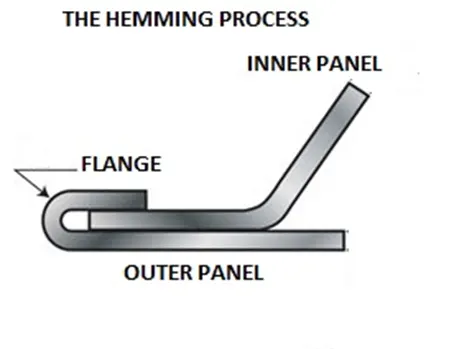
Hemming is a sheet metal forming process in which sheets are joined by bending it to 180°. Hemming is a technology used by the automotive industry to join inner and outer closure panels together
REINFORCEMENT
Reinforcement is the process to added material to the particular area to improve the strength of material .Usually the thickness of reinforcement will be higher than that of inner panels and the value varies according to cost and requirement
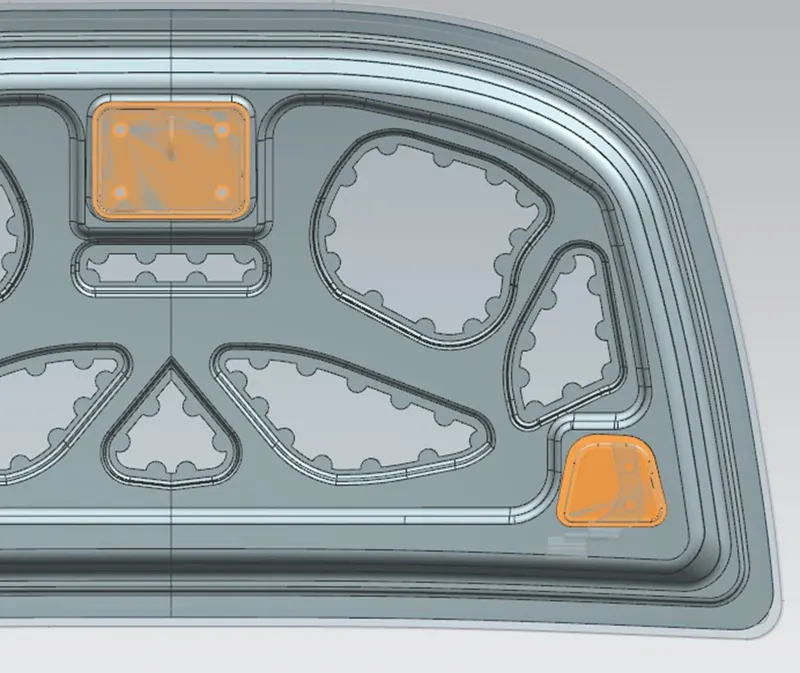
MASTIC DATA
Car hood consist of outer panel and inner panel are joined together by using a hemming process ,there large surface area so we use a mastic sealants to join between the surface .It is applied between the inner and outer panel have specified spot is called Mastic Data
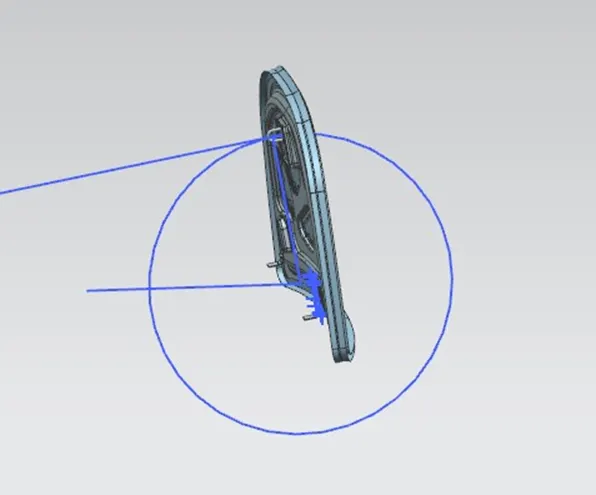
LATCH TRAJECTORY
Latch Trajectory is circle drawn by the reference based on the centre axis of hinge assembly. First, we fix either latch or hinge then based on the reference to draw trajectory path has drawn
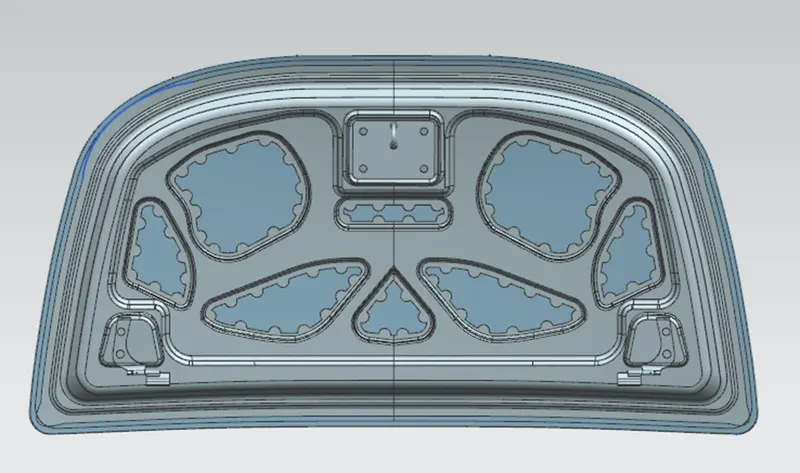
Designing of CAR HOOD using a SIEMENS NXCAD software
Tools used to design HOOD
- First, we take outer panel as a reference. Based on the data to design an inner panel
- TRIM: To trim the outer panel hood to half by taking a reference of yz plane
- OFFSET: The surface has been offset based on the design requirement
- THROUGH CURVE: Joining the two-offset surface by select the two curves
- SEW: To make a different sheet into single sheet by selecting all the surface
- EDGE BLEND: To bend all the sharp corners
- DATUM PLANE: create a parallel plane based on the selected surface to be drawn
- PROJECTING CURVES: To project the sketches to selected surface by using corresponding vector
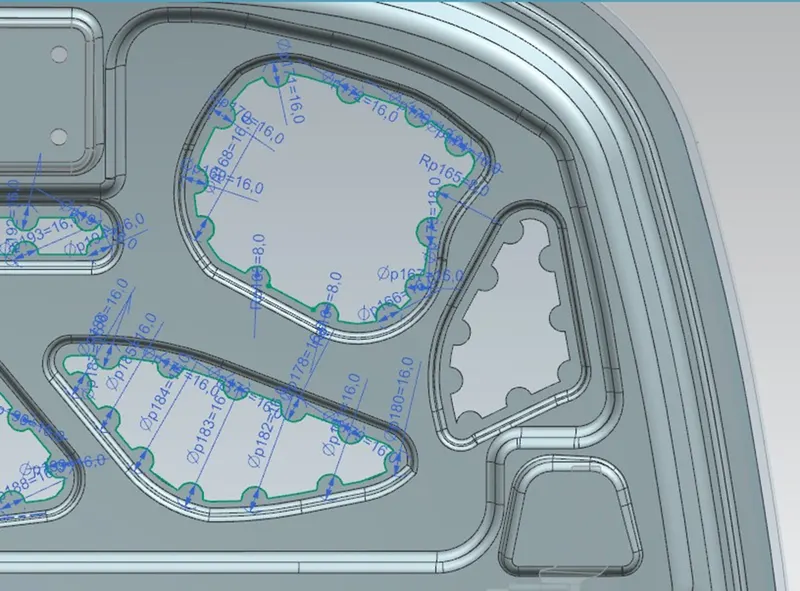
- EMBOSS: Based on the selected curves and also adding parameter such as End cap and Draft angle the emboss surface has been created
- EXTEND SHEET: To extend the sheet by selecting all the curves
- TRIM SHEET: To trim the sheet into half by selecting datum plane
- MIRROR GEOMETRY: To Mirror the features of the geometry based on datum plane of yz plane
- LAW EXTENSION: By extend the sheet metal by selecting the surface
- THICKEN: By thickening the surface to select all the surface and add the dimension 0f 0.75mm
- FACE BLEND: To bend all the corner of the sheet metal ends
- TOUCH CONSTRAINT: To fix the surface of hinge assembly and reinforced surface
- MIRROR ASSEMBLY: To make a duplicate based on parent assemble by taking the reference of datum plane
- WAVE GEOMENTRY LINKER: It’s a tool only to create a base surface of respective assembly component
- POINT: 3d point to mark the point on the solid object
- BRIDGE CURVE: Make a curve using a point based on the reference of arc length and start and end point
FRONT VIEW OF HOOD
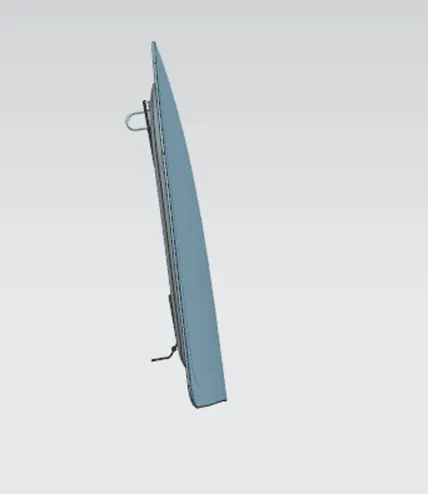
SIDE VIEW
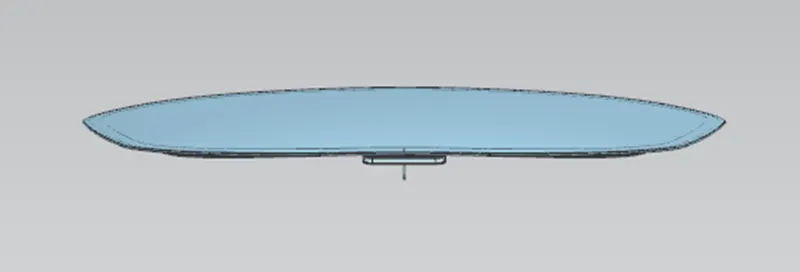
TOP VIEW
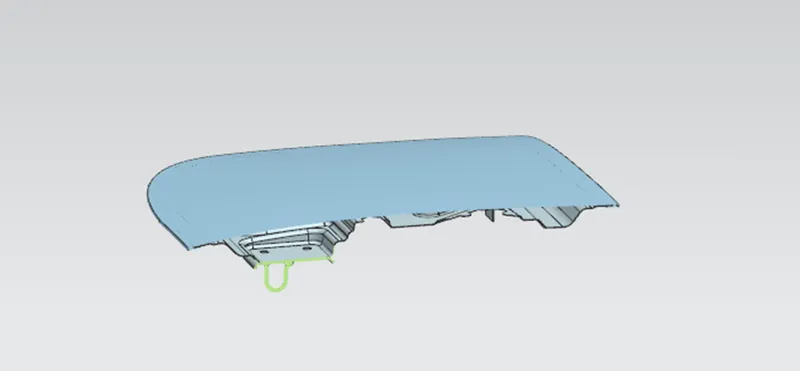
CROSS SECTION VIEW
CONCLUSION
Based on the challenges I learned how to design a hood outer panel ,hood inner panel and also learnt the assembling of Latch Striker and Hinge Assembly.