Hood design-Week 2
AIM: Design and develop Hood (Bonnet) and its respective components in NX CAD softwere.
In this report: A detailed report about the Hood desigh which includes a detailed explanation about Hood and its components, latch trajectory, mastic data, Emboss definations, and details on manufacturing process like Deep-drowing and Hemming, and all the parameters folllowed in the design.
HOOD(BONNETE): hood is an importent component of the front portion of the car which is made of the steel or engineering alloy. however, some aftermarket companies produce replacements for steel hood in fiberglass or carbon fiber materials to make the vehicle lighter. Hood is used for many purposes. Hood outer pannel is provides luxurious, and aesthetic look. it is made aerodynamic in shape to reduse drag while on tracks. generally it is used to cover engine, and importent components like radiator and battery. its redude noise and vibration that come from the car. whereas the inner pannel is provides rainforcement strength to body of hood by emboss, therefor hood must be ease of access and it should give a minimum impact of external disturbance on the engine. when car come across any accident from the front portion, most of the time hood system gets damaged and absorbs initial impact or force energy resulting from crash.
Design concideration for hood or bonnete:-There are several parameters that are followed in hood design. these parameters include aerodynamics, weight, stenght,sttifness, and aesthetics. The hood is designed tobe aerodynamiclly efficient to reduce wind resistance and improve fuel efficiancy. The weight of the hood is also an important consideration ,and it is design to be as lightweight as possible without compromissing strength and stiffness. the hood is also design to be strong and stiff to withstand the forces and streesses that it is subjected to during operation. finally the hood is designed tobe aesthetically appealing and to complement the over all design of the vehicle.
Euro NCAP Hood Design:- when designing a car hood, Euro NCAP ( european New Car Assessment Prograamme )safety standards should be taken into consideration. euro ncap is an independent org that conducts crash tests and rates the safety of vehicles in europe. here some hood design consideration that can help meet euro ncam safety standards including
1. pedestrian safety : euro ncap test the ability of a vehicle to protect pedestrian in the event of collision. A car hood should be designed in such a way that it reduces the impect on a pedestrian head and body. this can be achieved by using materials that absorb energy and by creating a spece bw the hood and the engine.
2. Structural integrity :- a car hood should be strong enoght to resist deformation in the event of a collision . the hood should be designed to distribute the force of impact evenly acrross its surface to prevent any concentration of force that could result in deformation.
3. visibilty:- the hood should not obstruct the driver veiw of the roadd. this is importent to ensure that the driver can see any obstacles or on the road. the design should also minimize glare from the sun or other light sources that could impair the drivers vision.
4. material selection ;- the choice of material used to make the hood an impact its safety and overall performance.lightweight material such as almuniumor carbon fiber can help reduce thee efficiency. but they may nit ne as stong as steel and may not provide the same level of protection in a collision.
overaal, Euro NCAP safety standards should be considered when designing a car hood. This an help ensure that the is meet the requirement of the Euro NCAP safety ratings.
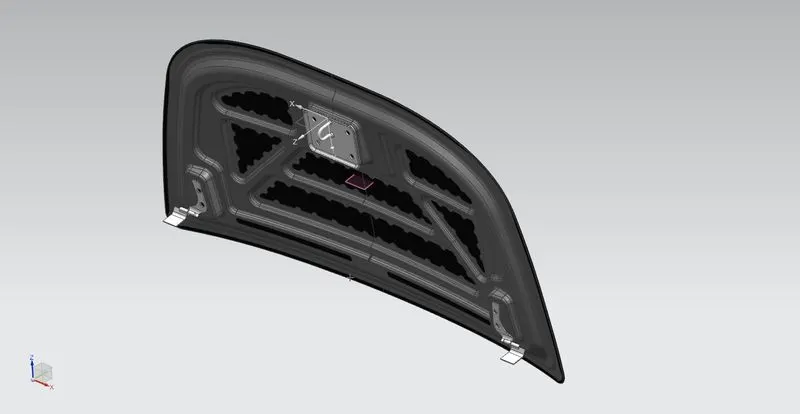
Car Hood Components:- The car hood consists of following componenets.
- Outer Pannel: The outer pannel used as cover of car and its provides aesthetics of the vehicle.
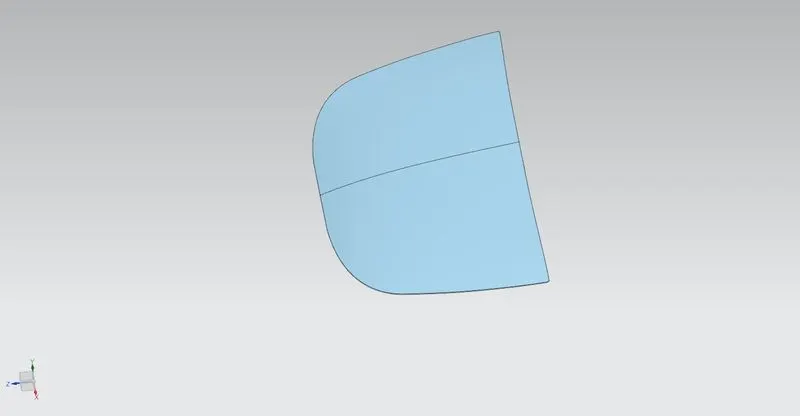
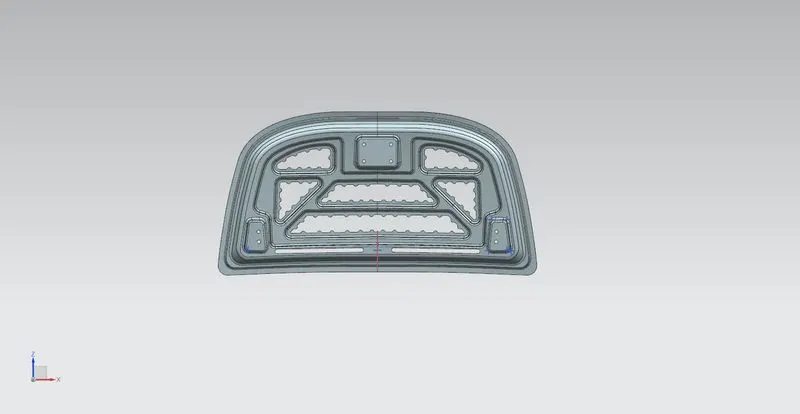
- Inner Pannel: The inner pannel provides strength and supports to the outer panel. It is where hood latch, striker and hinges are atteched.her also we provide the emboss for the latch and hinge components after fixing the location. the inner panel should be designed in such a way that it can spred the forces wh car hits the surface.
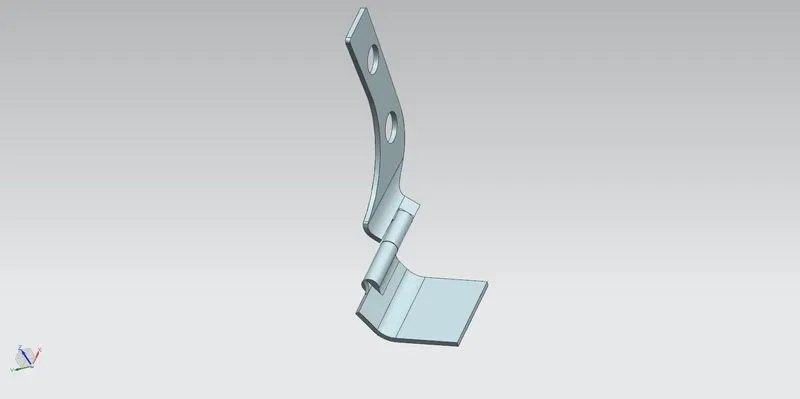
- hinges: The hood hinges are a pivot and bracket machanism that make it possible for us to opne and close movement.
- Striker: Latch and striker mechanism is provide to lock the hood, in order to prevent accidental opning of the hood during driving. The latch is locketed in the engine compartment while striker is attached inner pannel.
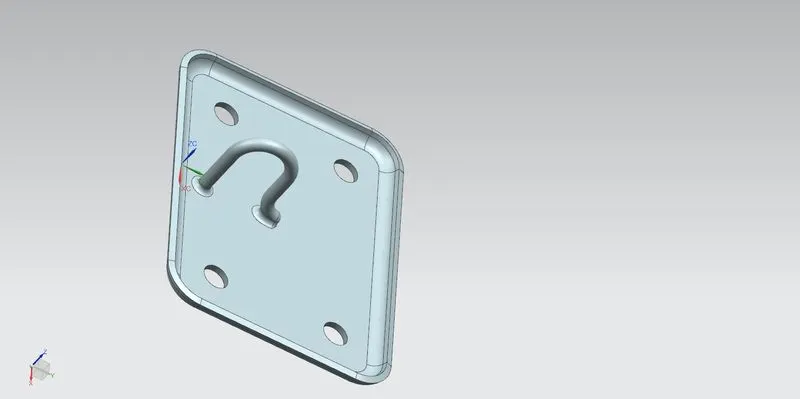
- Latch assembly:
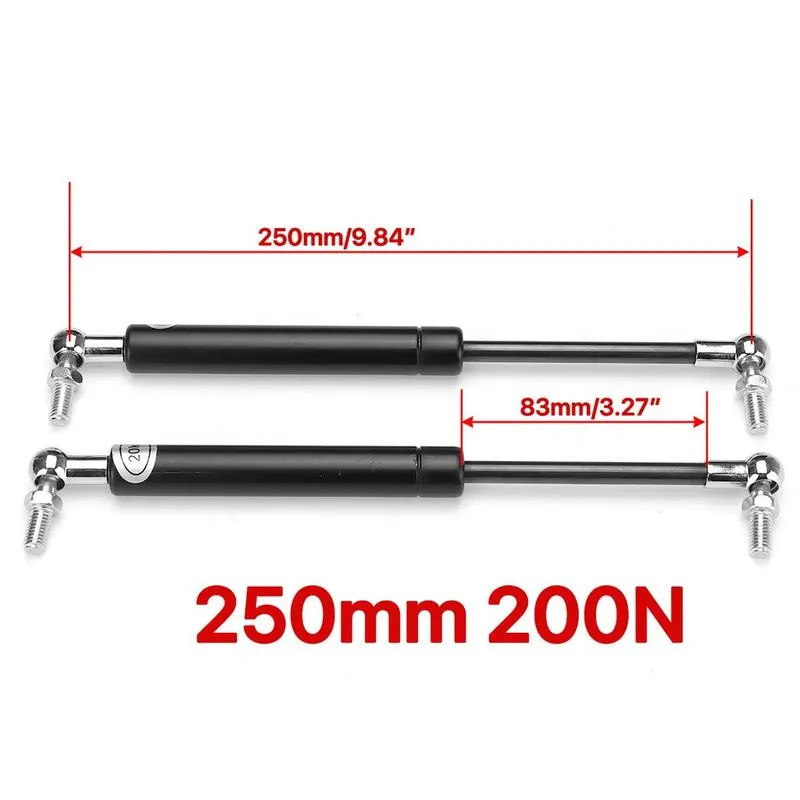
- Support Rod / Gas stay: it is an apparatus which is used to supports the hood in open position. this could be universal or specific.
Latch trajectory
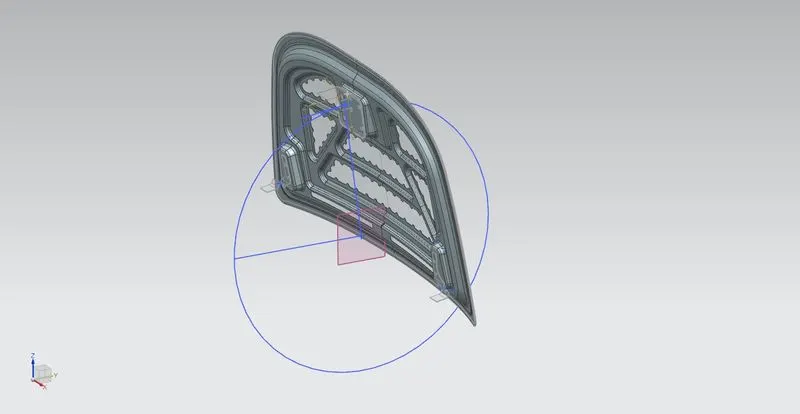
latch trajectory is given by the circle drawn from the hinge axis point to striker mid axis point. hinge axis point is the center point of the hinge axis. if we have fixed the hinge positin then we should plot the trajectory circle for latch. for mating condition the striker axis through the middle of the striker should be tangential to the latch trajectory. for all that we used command called wave geometry link.
Emboss definatins
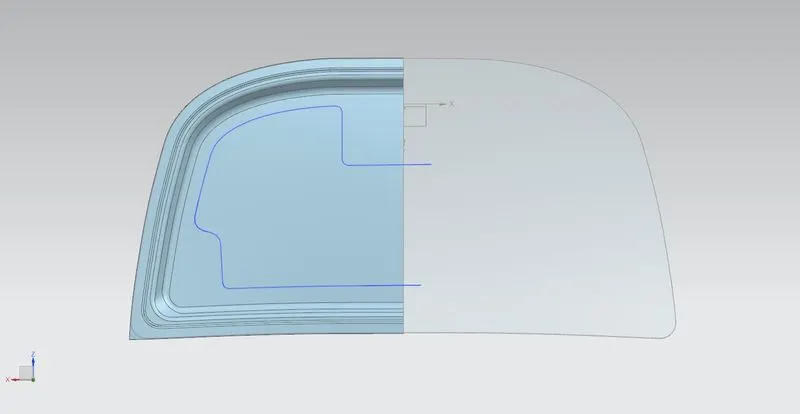
Embossing is the process of creating an impression on an existing surface. car hood inner panels made from the sheet metel so it is very necessary to give them stong struture for that we create embosses for stiffness. they could be many shape and size. the shape and size of the embosses also determines the directin of the force distribution resulted from frontal collision.
step:1
step:2
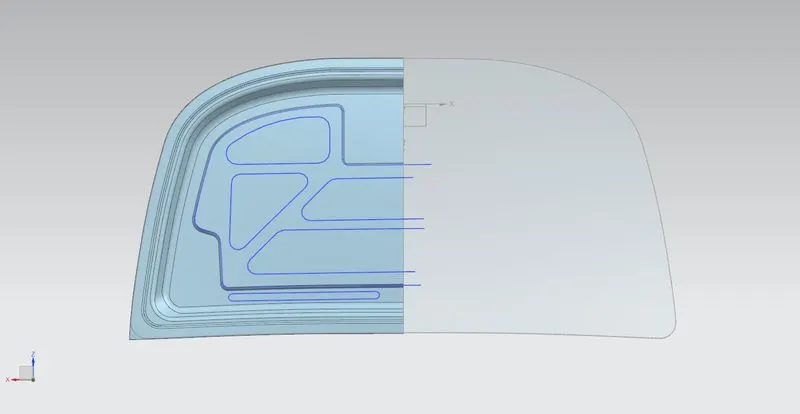
step:3
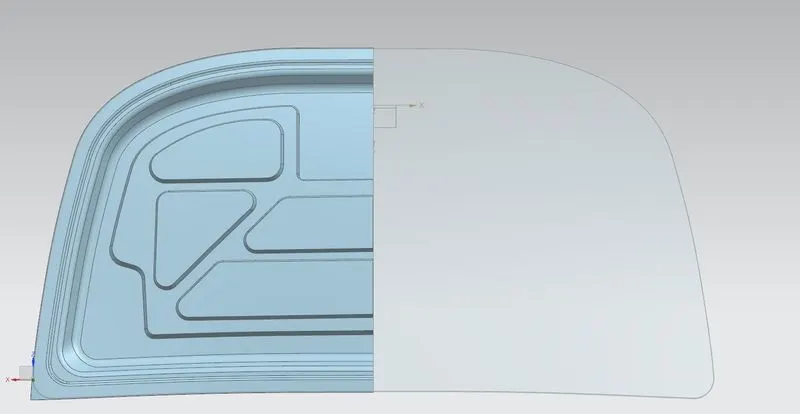
step:4
Examine geometry step result:
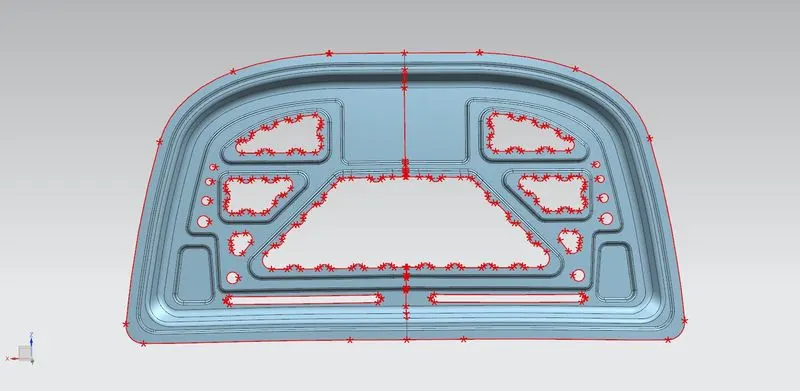
Design Parameters: Hood Thicknees Information.
Outer Panel Thickness = 0.75mm
Inner Panel Thickness = 0.75mm
Reinforcement = 1.5mm
Given master section
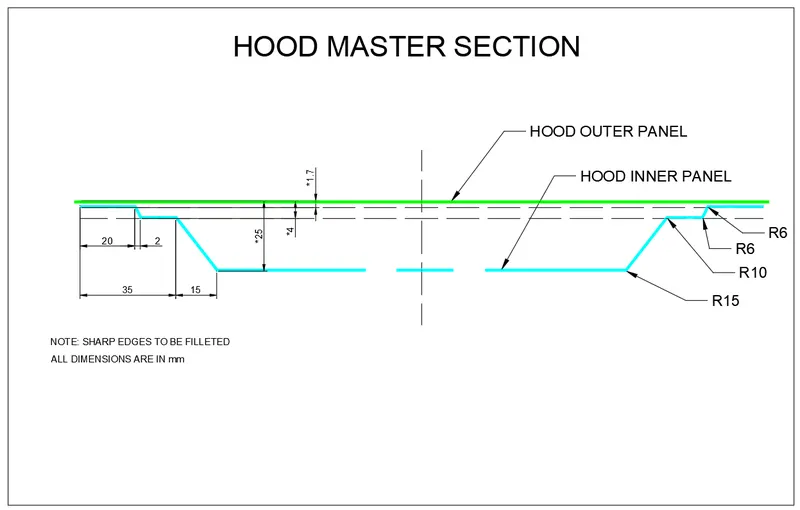
Metel Forming Processes :metel forming is a primary manufacturing process that includes Deep Drawing, Forging, roliing, and bending. Ultrasonic metel forming is the application of ultrasonic vibration to these processes to enhance performance through increased production speeds, less tool wear reduced forming forces, and better surface finish.
Deep Drawing
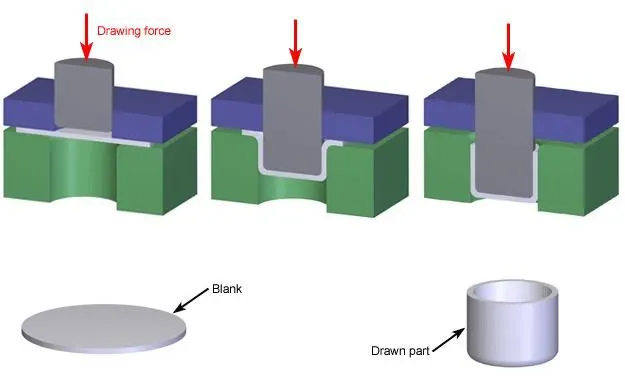
Deep drawing is one of the famous and widely used process in sheet metel forming. it is applied in the automobile industry for the manufacturing of car body parts. The deep drawing is a process which occurs under a combination of tensile and compressive conditions.
Sheet metel blank is radially drawn into a forming die by the mechanical action of a punch.It is thus a shape transformtion process with material retention. The process is considered as deep drawing when the depth of the drawn part exceeds its diamer. This is achiveed by redrawing the part through a series of dies. The flange region experiences a radial drawing stress and a tangential compressive stress due to the material retention properly. these compresssive stresses result in flange wrinkles.to avoid wrinkles, aplied a blank holder, the function of which is to facilitat controlled materrial flow into the die radius.
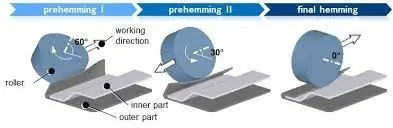
Hemming process : hemminig is metel forming process in which sheets metel joined by bending it usually in 180 degree. Automobile penals and parts sach as deck lids, trunk-lids, doors , hoods and tailgates are of an automobile made by hemmeing process.
in other terms, hemming is a metalworing opretion that involves rolling the edge of sheet metal over and onto itself, creating an area of two layers.
Inconclusion, hood design is a critical aspect of vehicle engineering that requires careful consideration of sevral parameter, including component design, latch trijectory, opning angle, mastic data, design consideration factor such as pedestrian seafty, wraparound distence and force desplecment or distribusion.