Design of a HOOD
HOOD
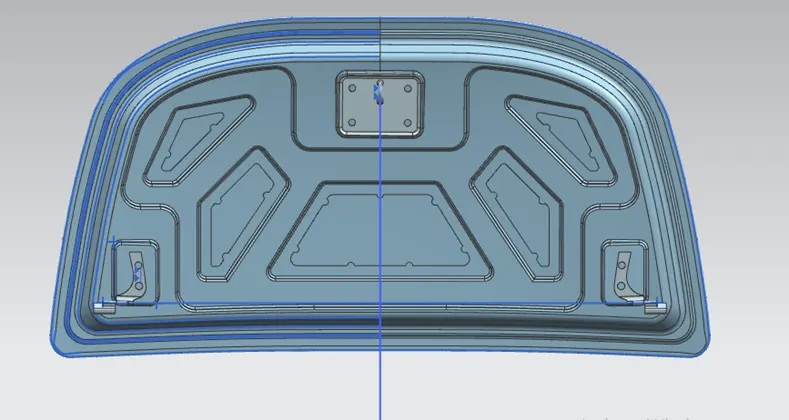
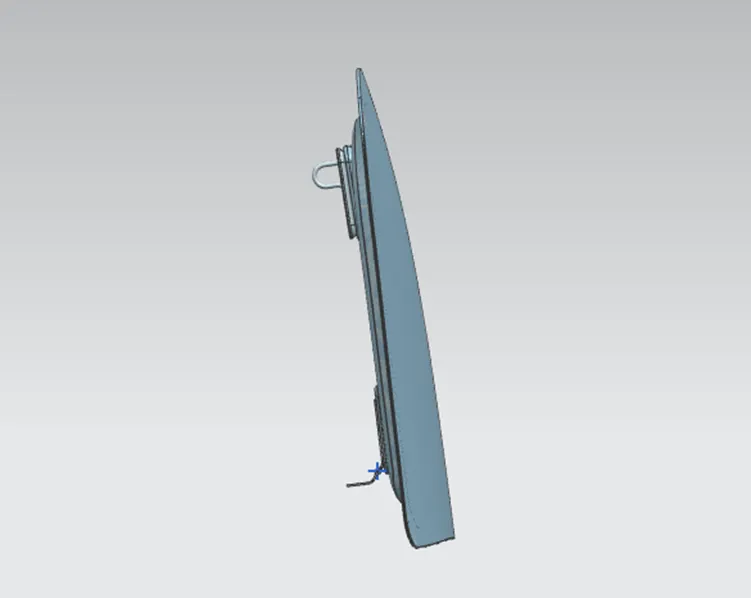
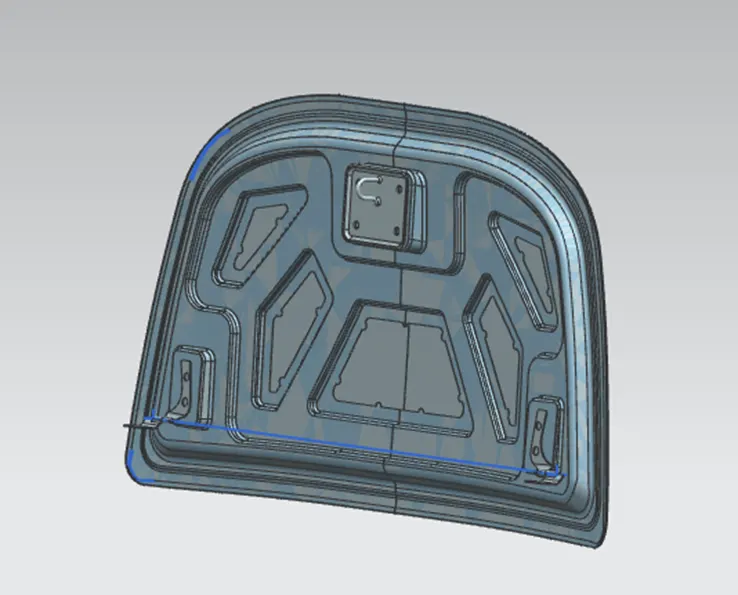
Hood is an opening body panel that covers the engine compartment. It is designed in such a way it can open and access for inspection and service. Hood consists of inner panel, outer panel, Latch, hinge and reinforcements.
Uses of HOOD
- covers all engine components
- Easy access to engine compartment
- Frontal Hood crash impact forces absorption
- Reduce Engine noise
- Aerodynamic shape
- Safety for Pedestrian
- Good Aesthetic appearance
Sheet metal Operations used for Manufacturing HOOD
- Deep drawing
- Embossing
- Hemming
Deep drawing
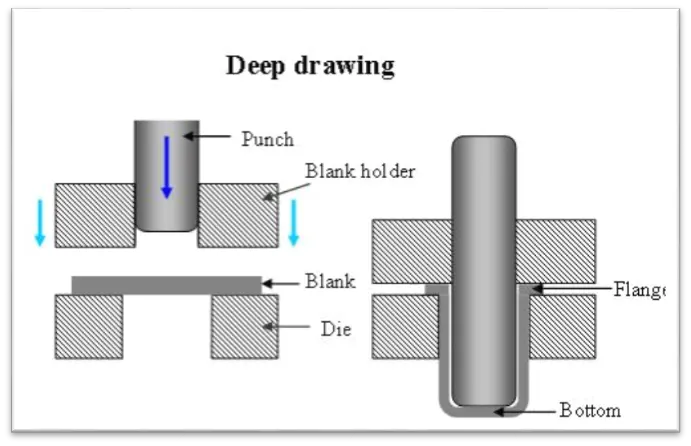
Deep drawing is a sheet metal forming process in which a sheet metal blank is radially drawn into a forming die by the mechanical action of punch. It is thus a shape transformation process with material retention.
Embossing
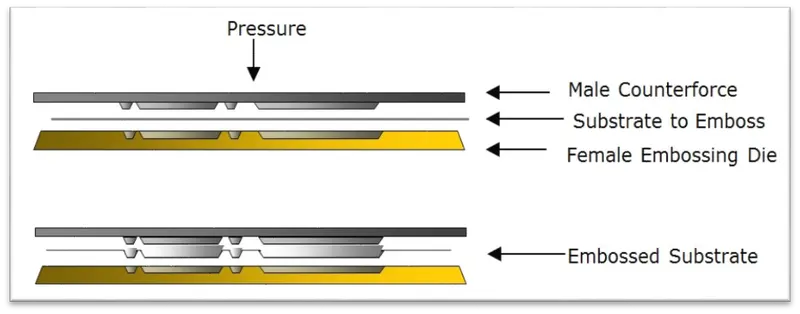
Embossing is a stamping process for producing raised or sunken design or relief in sheet metal. The process can be made by means of matched male and female roller dies, or by passing sheet or a strip of metal between rolls of the desired pattern, theoretically with no change in metal thickness, or by passing sheet or a strip of metal of the desired pattern.
Hemming
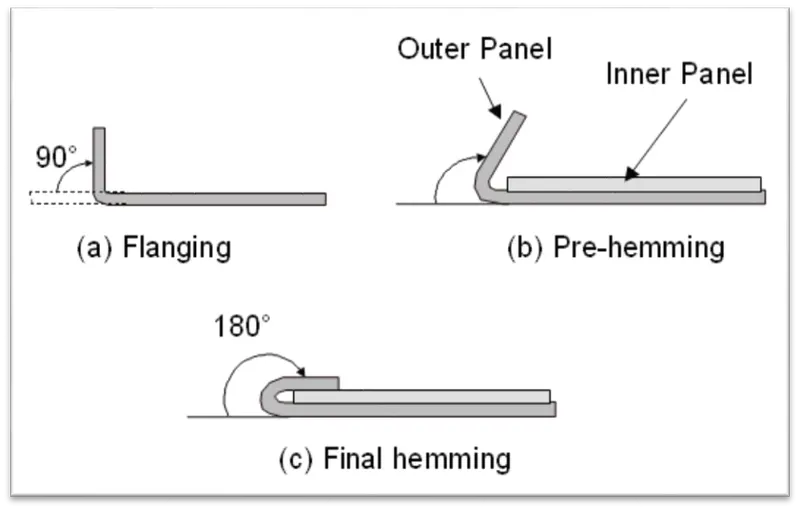
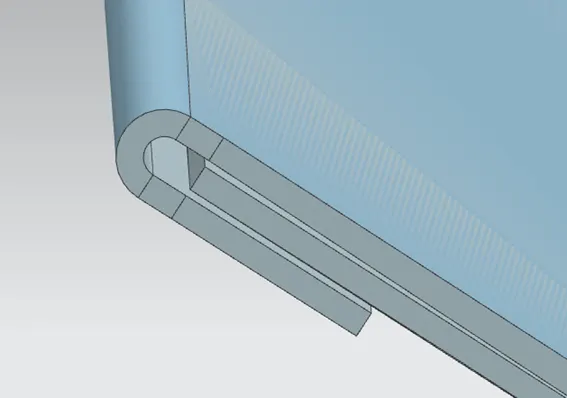
Hemming is a forming operation in which the edges of the sheet are folded or folded over another part in order to achieve a tight fit. Hemming is a process of bending/folding the flange of the outer panel over the inner one. The accuracy of the operation significantly affects the appearance of the car’s outer surfaces and is therefore a critical factor in the final quality of a finished vehicle.
Consideration points for Hood Design
- Opening angle of Hood
- NCAP (New Car Assessment Program) Crash test Ratings for Strength
- WAD (Wrap Around Distance) for Pedestrian Safety
- NVH (Noise, Vibration, Harshness) for Customer comfortness
Opening Angle of Hood
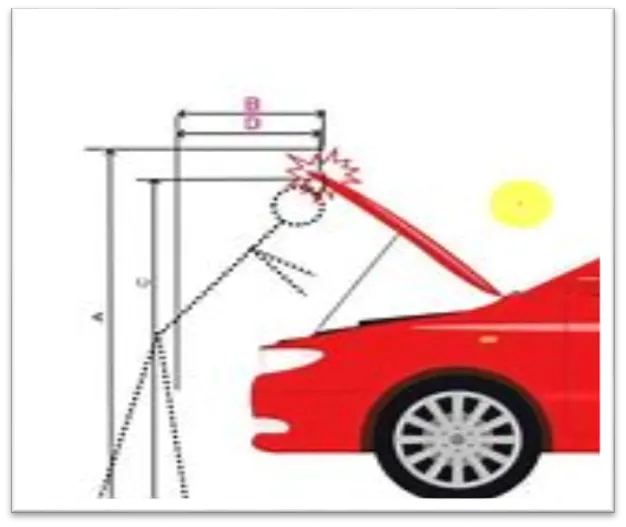
This is one of the main criteria in designing of hood. When the opening angle is less than the required there are possibilities of head injury. This opening angle varies from person to person and country to country. In India, the average height of a person is 5.8 feet (177 cms)
NCAP Crash test
Euro New Car Assessment Programme is an independent crash-test safety body, which rigorously assesses the safety of cars and helps to further the advancement of car safety technology. Euro NCAP’s test programme is an ever-evolving one, with which periodically updating crash-test regimes to ensure cars are assessed using the most stringent criteria possible.

Wrap Around Distance
When a car crashes on the pedestrian, the whole human body wraps around the front shape of the car, and the head impacts on the bonnet or the windscreen. The distance at which the head impacts on the car from the ground is mentioned as Wrap Around Distance.
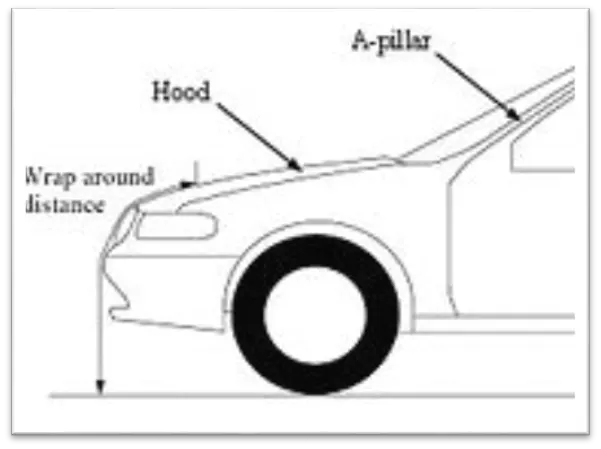
The severity of the injury caused by the frontal crash depends on the type and the shape of the vehicle, and the movement of the pedestrian relative to the vehicle. In addition to these parameters, WAD plays a major role in the safety measures of a pedestrian.
Noise, Vibration and Harshness
Noise, Vibration and Harshness is the study and modification of noise and vibration characteristics of vehicle. To improve NVH, Mastic sealants were provided on the inner panel to attach with outer panel.
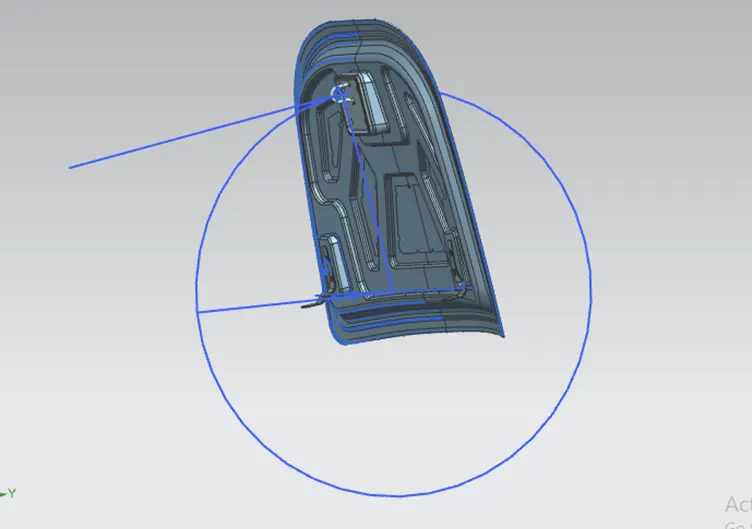
Latch Trajectory
The latch trajectory shows the opening and closing movements of a striker respect to the hinge assembly.
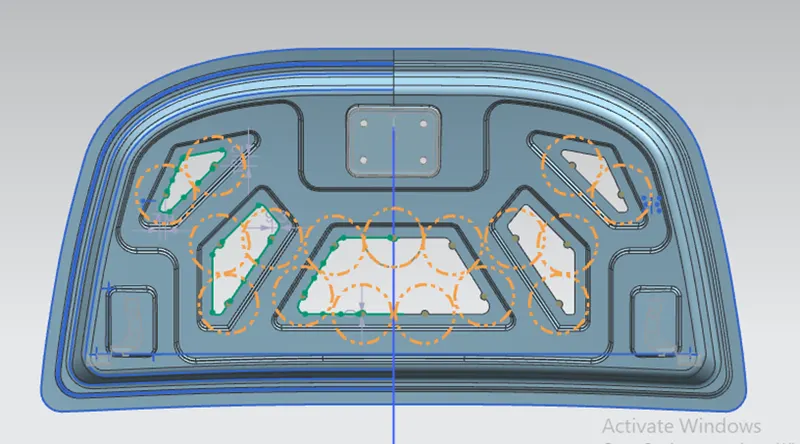
Mastic Data
Mastic data is in which Mastic points are provided in the Hood inner panel so that the NVH from the engine compartment is reduced
Mastic sealant is placed for 10mm
Mastic influence distance is 80 mm
Corner Relief
Corner relief is provided at the corners of any component in order to reduce the stress at that point
Relief for 3 mm from sheet at the corners.
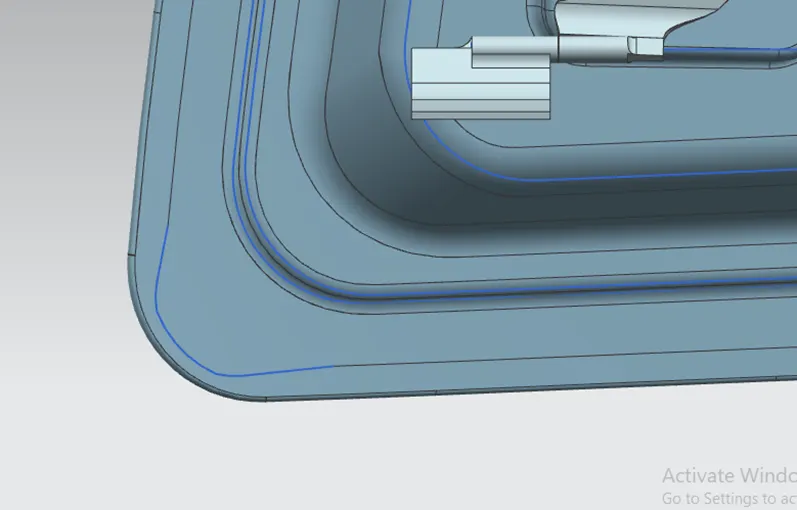
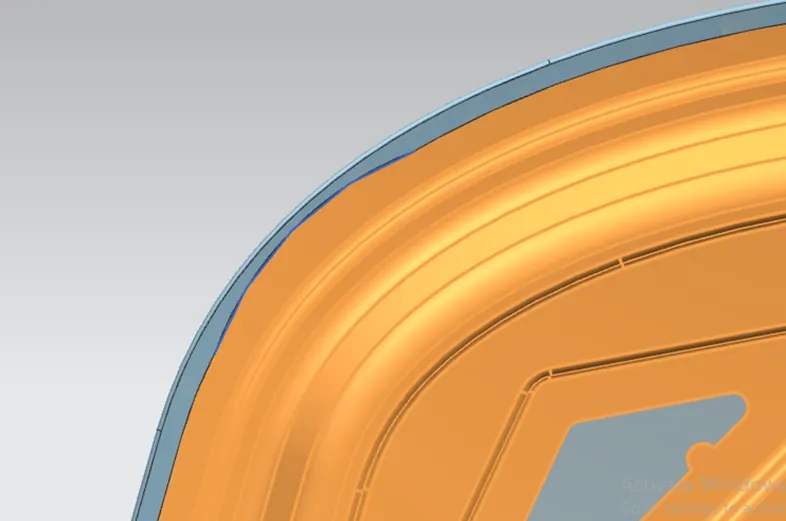
Hemming
Roll hemming is done with the necessary data along all the outer edges as shown
HOOD Assembly